1981 Rolls-Royce Camargue

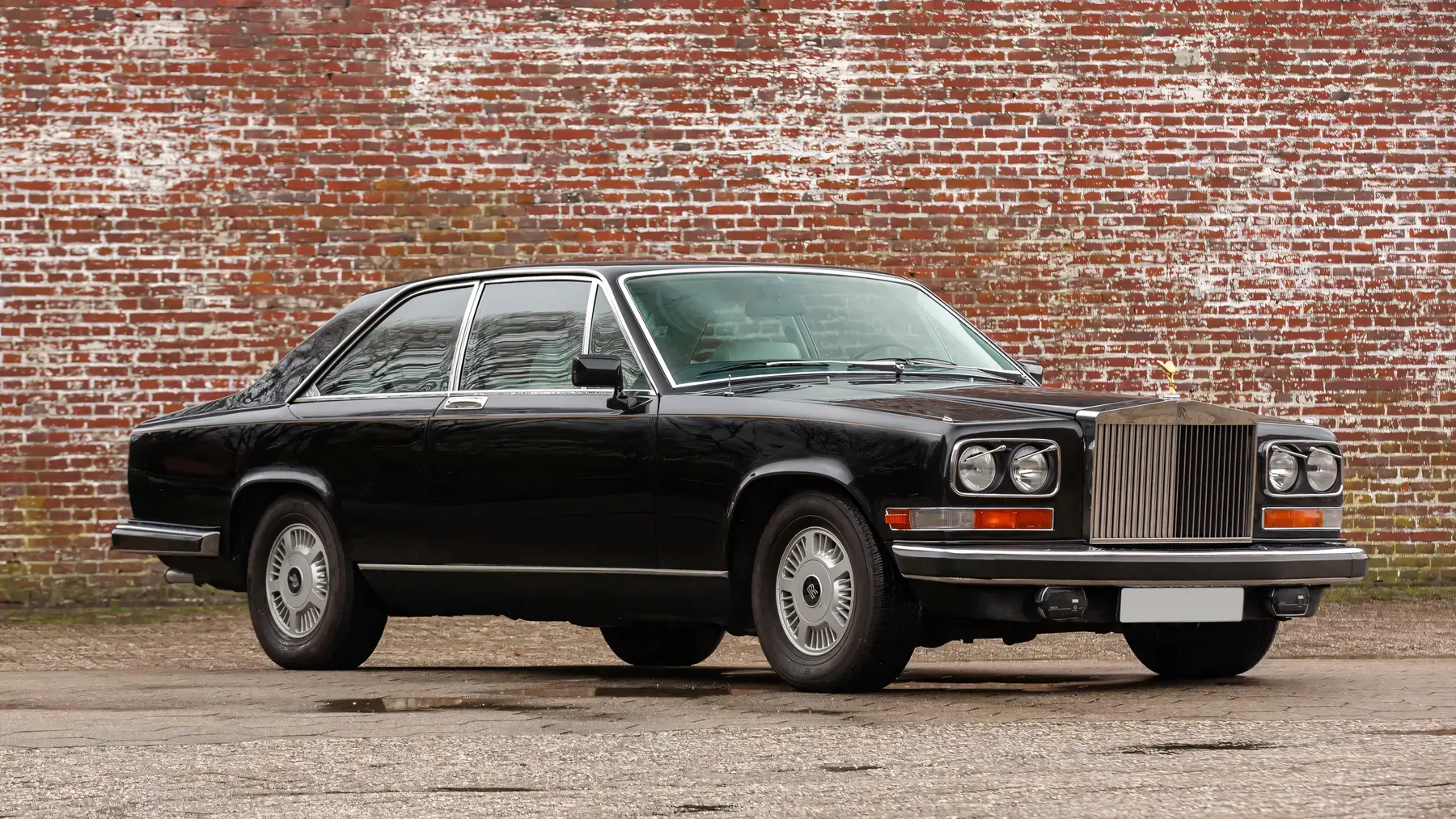
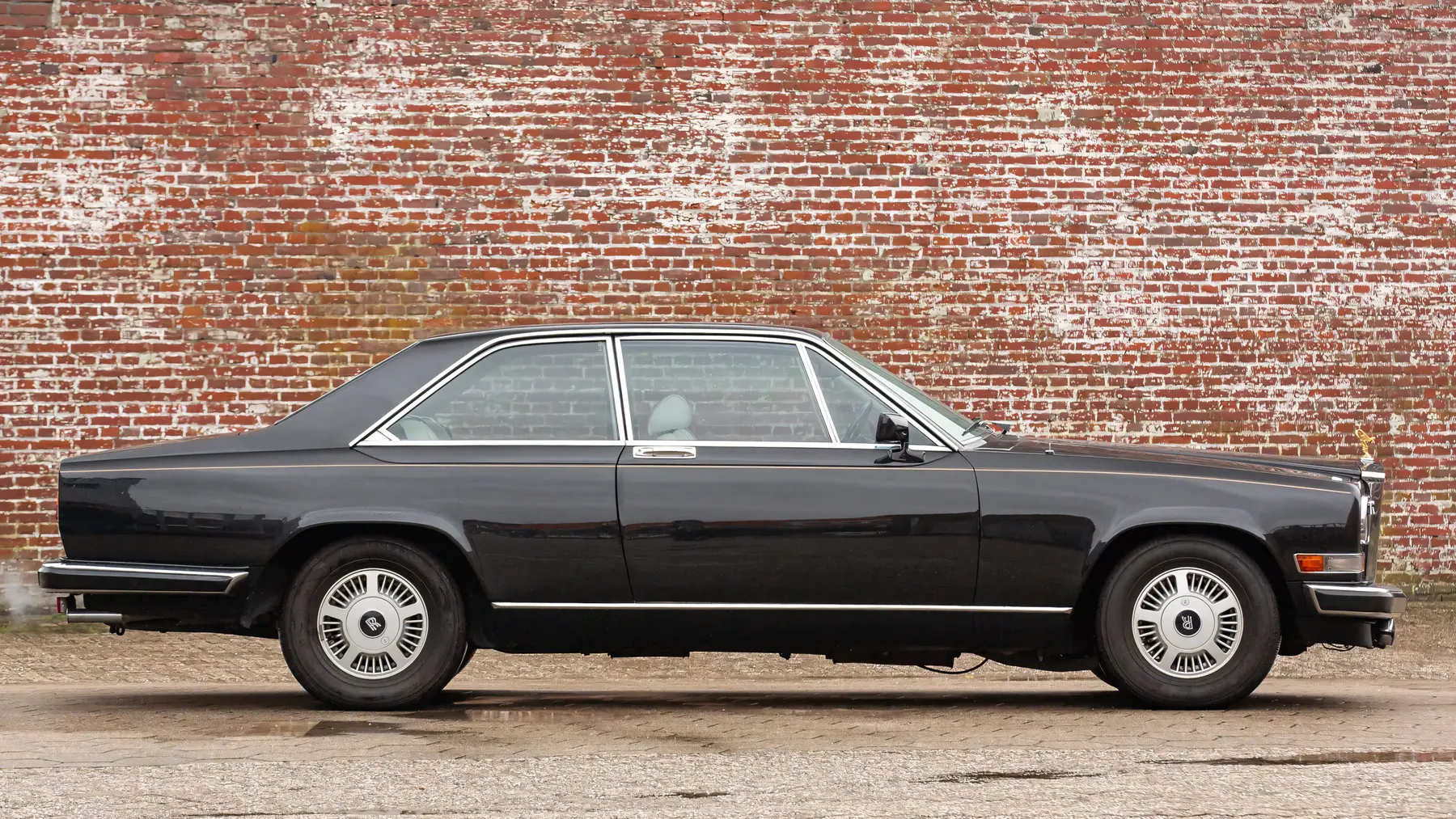
The Rolls-Royce Camargue, produced between 1975 and 1986, is one of the brand’s most distinctive and polarising vehicles. Designed by Paolo Martin at Pininfarina, it marked a departure from Rolls-Royce’s tradition of in-house styling. The Camargue’s name was inspired by the coastal region in southern France, symbolising the elegance and exclusivity the brand aimed to capture. Despite its innovations and status as the most expensive car in the world at the time, the Camargue has been the subject of mixed reviews for its bold design and high price.
When introduced, the Rolls-Royce Camargue was positioned as the flagship model of the Rolls-Royce lineup. It was the brand’s most expensive production vehicle and came with a hefty price tag in the UK and the U.S. At its American launch, the Camargue’s price was notably higher than in the UK, due in part to the cost of engineering the car to meet U.S. safety and emission standards. Unlike other European manufacturers that adjusted their pricing to compete in the American market, Rolls-Royce maintained a premium pricing strategy for the Camargue, underscoring its exclusivity.
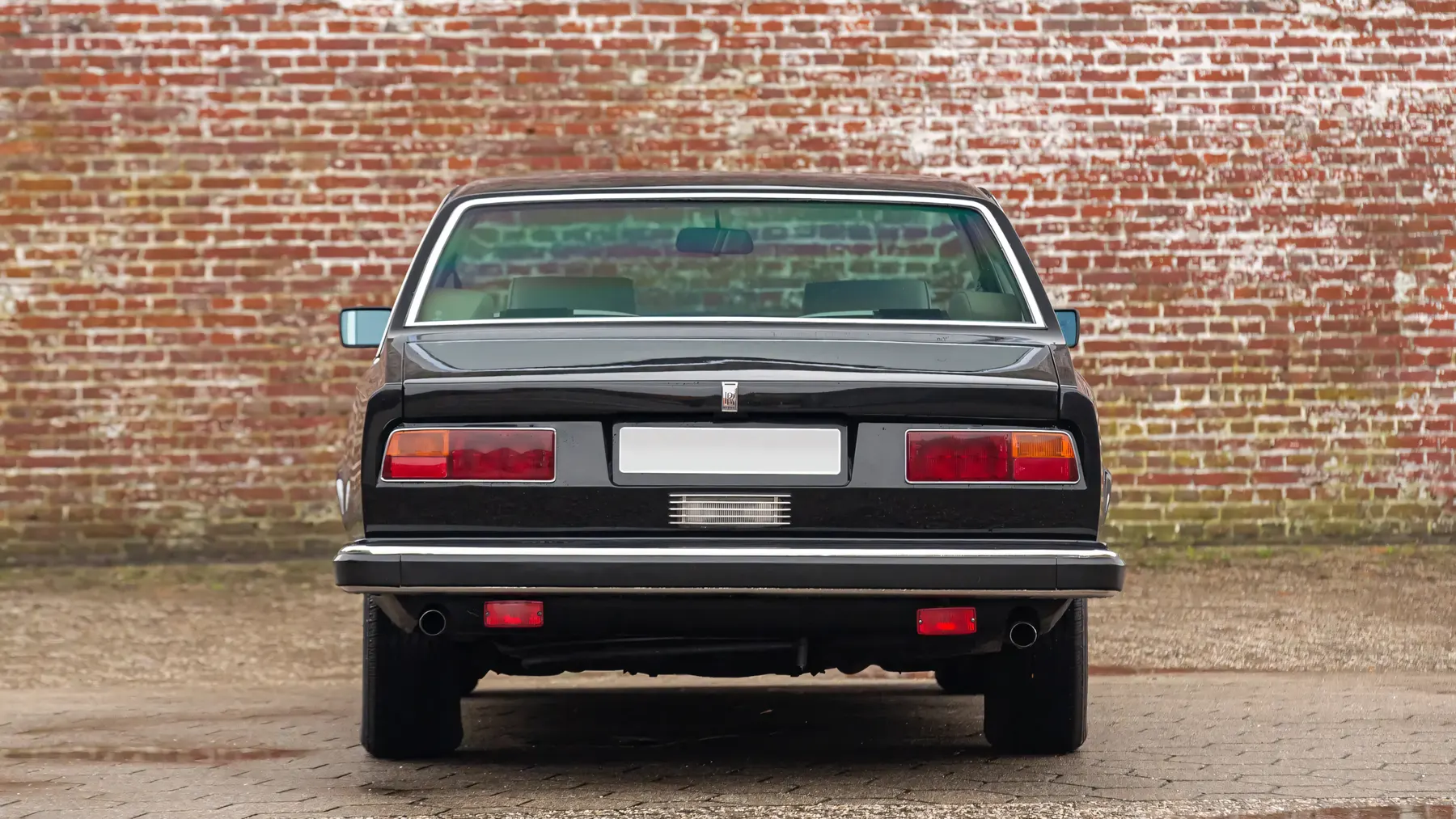
One of the Camargue’s major claims to fame was its advanced climate control system, which was the first to offer automatic split-level temperature regulation. This innovation took eight years to develop and was a key selling point, demonstrating Rolls-Royce’s dedication to luxury and comfort. The system allowed for different temperature settings in the upper and lower parts of the cabin, a feature that was ahead of its time.
The Camargue shared its platform with the Rolls-Royce Corniche and Silver Shadow, utilising the same 6.75-litre V8 engine, though the Camargue’s version was slightly more powerful. Early models used SU carburetors, while later versions switched to Solex units. U.S.-bound models in the 1980s were equipped with Bosch Jetronic fuel injection, ensuring compliance with strict emissions standards.
The transmission was a General Motors-supplied Turbo-Hydramatic 3-speed automatic, a common feature across several Rolls-Royce models of the era. In 1977, the Camargue received power rack and pinion steering from the Silver Shadow II, and in 1979, it was fitted with the rear independent suspension from the Silver Spirit, further enhancing ride quality.
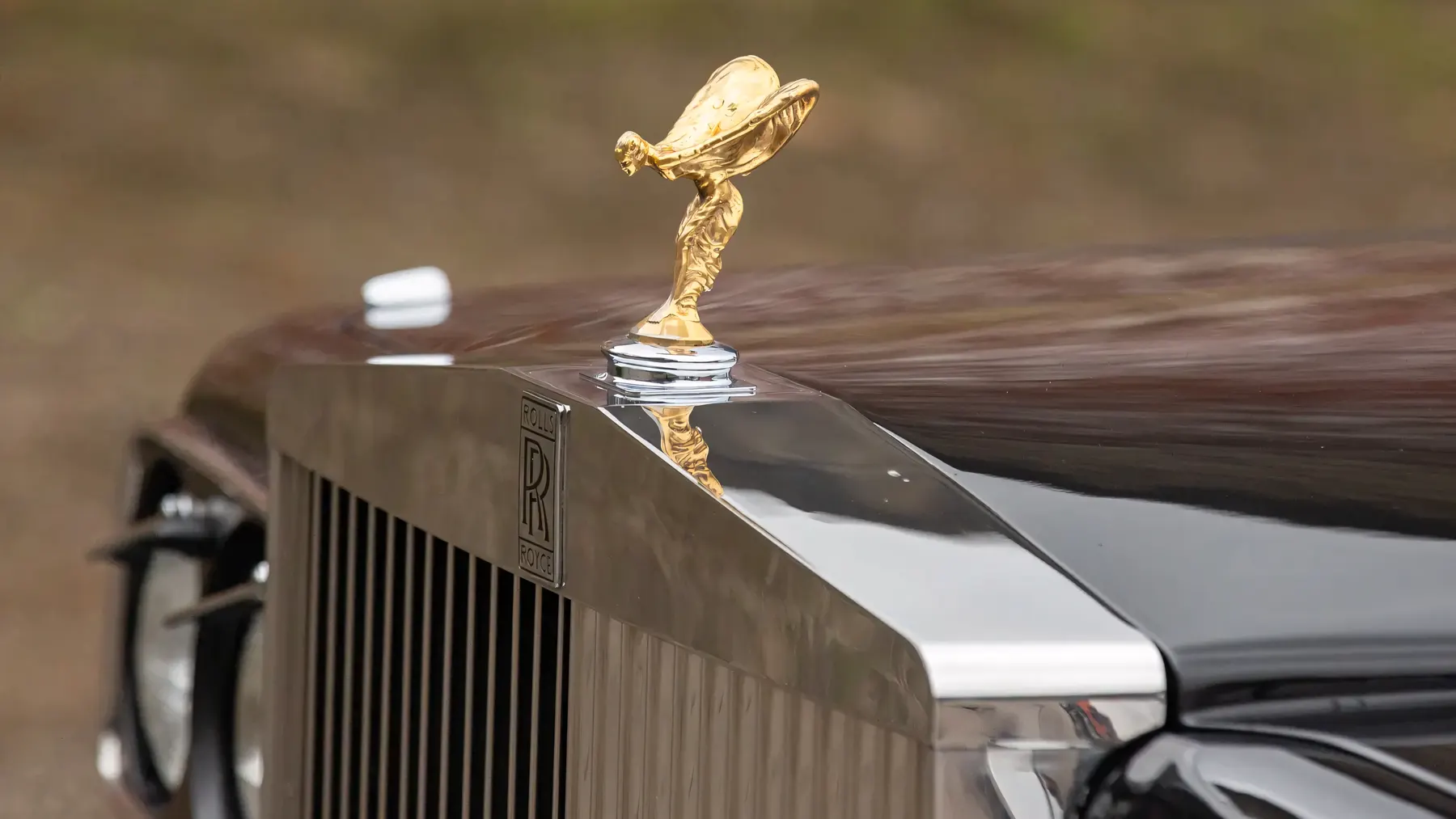
The Camargue was the first Rolls-Royce designed to metric dimensions, which was a significant departure for the traditionally imperial-measured brand. Its grille, inclined at a seven-degree angle, also broke from Rolls-Royce’s classic vertical grille design, making the Camargue visually distinct from other models. With a wheelbase of 3,048 mm (120 inches), it offered ample space and presence on the road, though its design was far from universally adored.
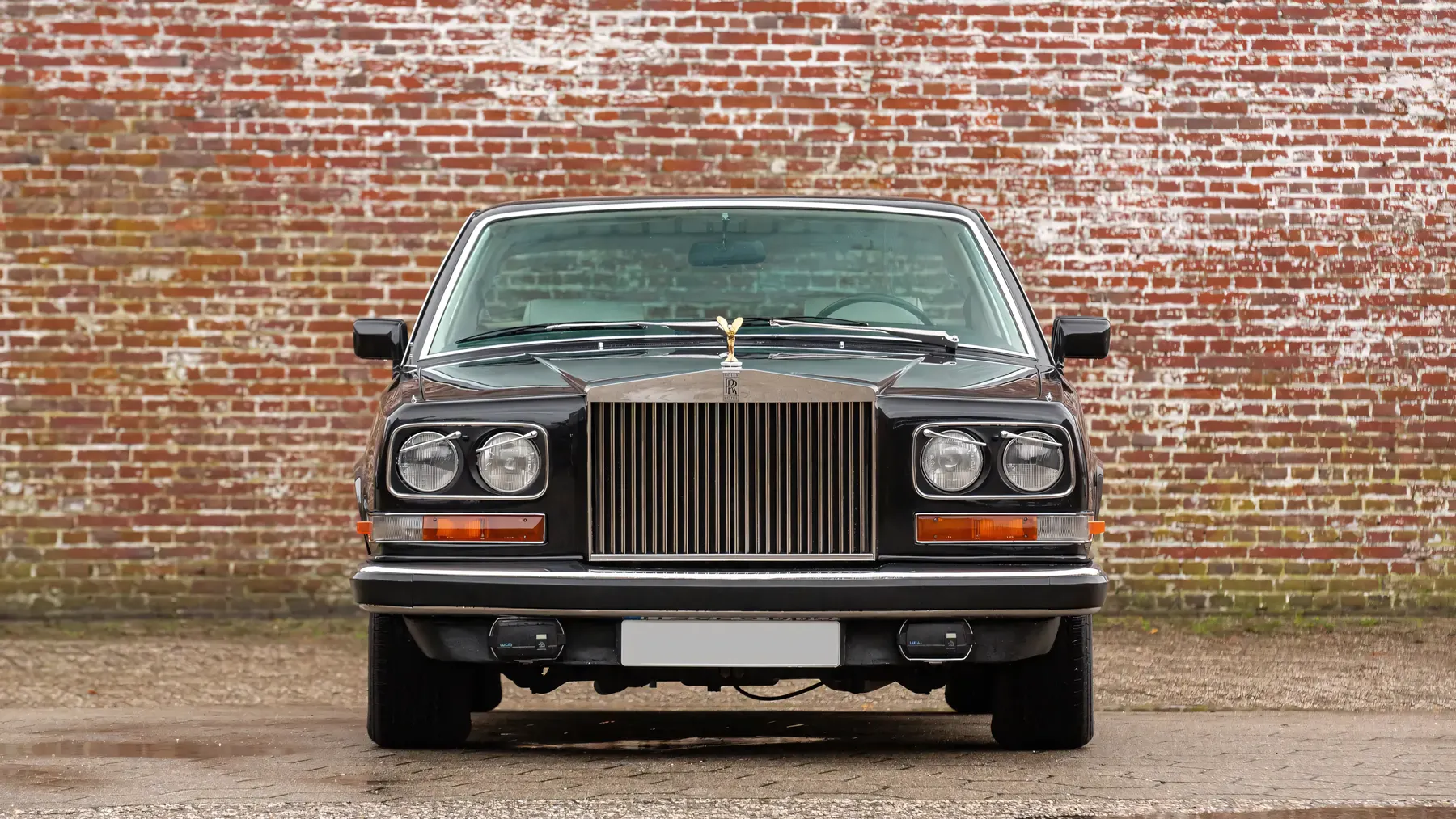
Despite Rolls-Royce’s best efforts to market the Camargue as a luxury masterpiece, it was met with divided opinions. Critics often pointed to its unconventional design, with some ranking it among the “worst” or “ugliest” cars ever produced. In a 2010 ranking by readers of The Globe and Mail, the Camargue was listed among the “10 Worst Cars,” while The Daily Telegraph included it in its 2008 poll of the 100 ugliest cars of all time. Richard Porter, author of Crap Cars, placed the Camargue at 38 on his list, citing its awkward appearance.
Despite this, the Camargue had its defenders. British automotive journalist James May argued that the car had a distinct presence, likening it to “that pug-faced but well-dressed bloke down the pub”,a statement that captures the essence of the Camargue’s appeal to those who appreciate its unusual character.
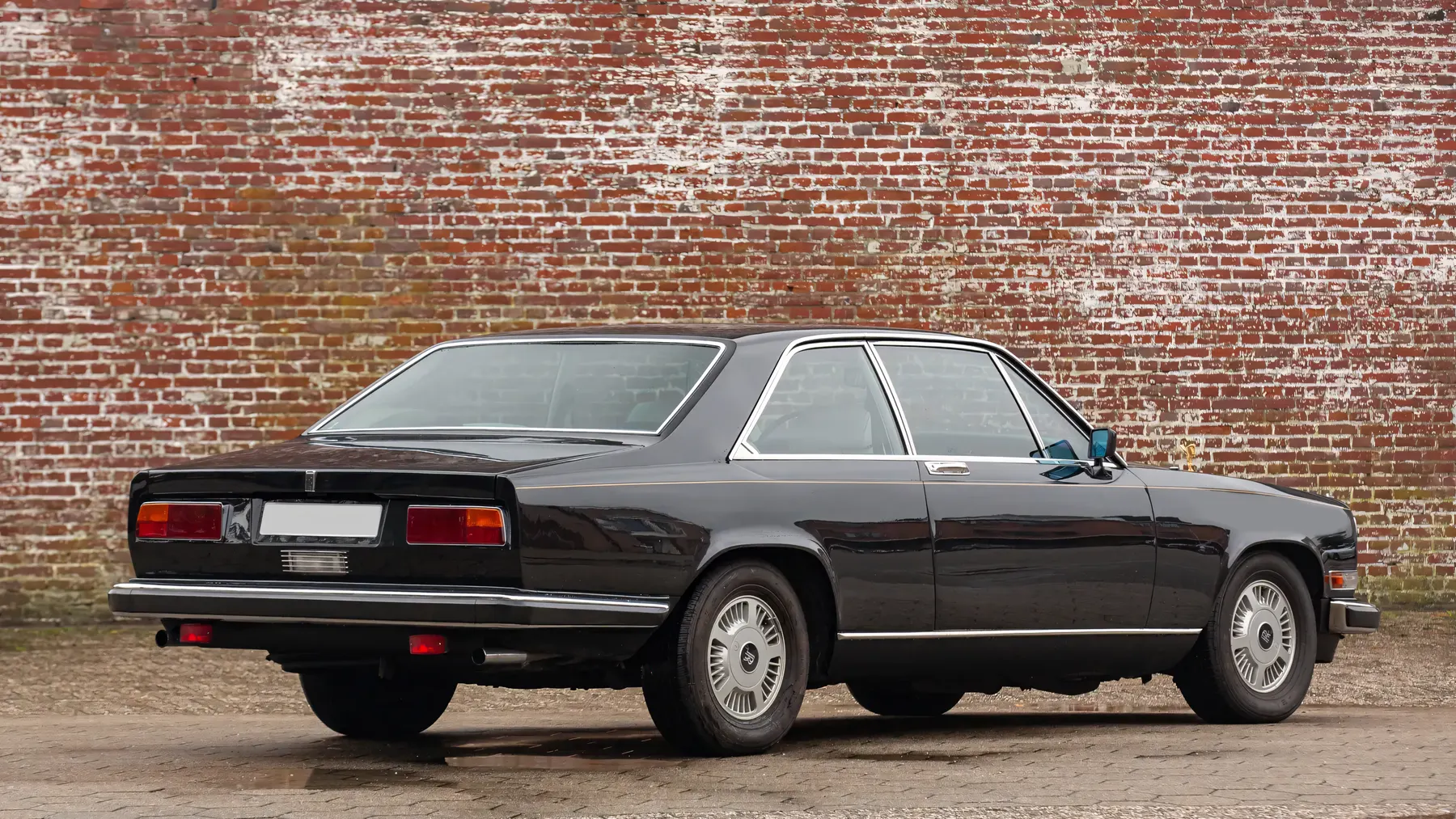
Only a limited number of Camargue models were built during its 11-year production run, with units sold across Europe, the U.S., Canada, Australia, and Asia. A handful of these cars were later converted into convertibles by aftermarket customizers, further adding to the model’s exclusivity. Despite its controversial design, the Camargue remains a fascinating chapter in Rolls-Royce’s history, embodying the brand’s willingness to innovate while staying true to its luxury roots.
The Rolls-Royce Camargue may not have been universally loved, but it was undoubtedly a bold statement in the world of luxury automobiles. With its unique design by Pininfarina, advanced technology, and limited production numbers, the Camargue still stands as a symbol of Rolls-Royce’s commitment to exclusivity and innovation, even if it came with a polarising reception.
Join the discussion
Comments
Loading comments…
Leave a comment
Share a detail, memory, or perspective. Every comment is reviewed before publication.