1982 Renault 5 Turbo Group 4

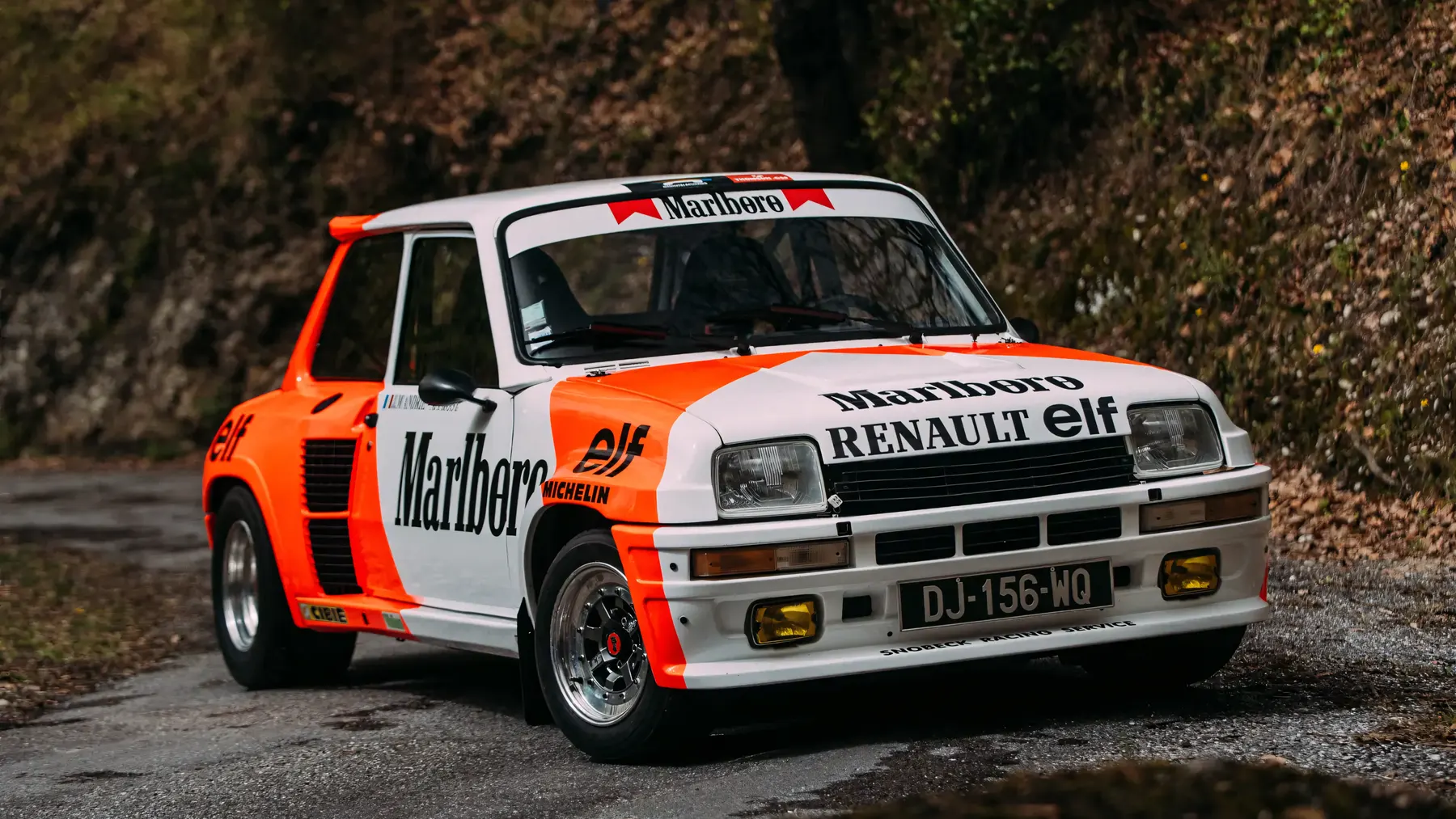
In the late 1970s, as rally racing evolved into a battleground of innovation, Renault answered Lancia’s mid-engine Stratos with a radical underdog: the Renault 5 Turbo Group 4. A street-legal homologation special born to dominate the World Rally Championship, this rear-mid-engine marvel combined the unassuming silhouette of a city car with the heart of a competition beast. With its flared arches, turbocharged fury, and underdog spirit, the R5 Turbo Group 4 became an icon of 1980s motorsport,a symbol of engineering audacity and rallying romance.
The Renault 5 Turbo’s origins trace to Renault’s ambition to conquer rallying. Inspired by Lancia’s Stratos, Jean Terramorsi, Renault’s vice-president of production, envisioned a mid-engine rally weapon based on the humble Renault 5. Design house Bertone, led by Marc Deschamps and Marcello Gandini, reimagined the hatchback’s bodywork, while engineers relocated the engine behind the driver, creating a chassis codenamed Projet 822.
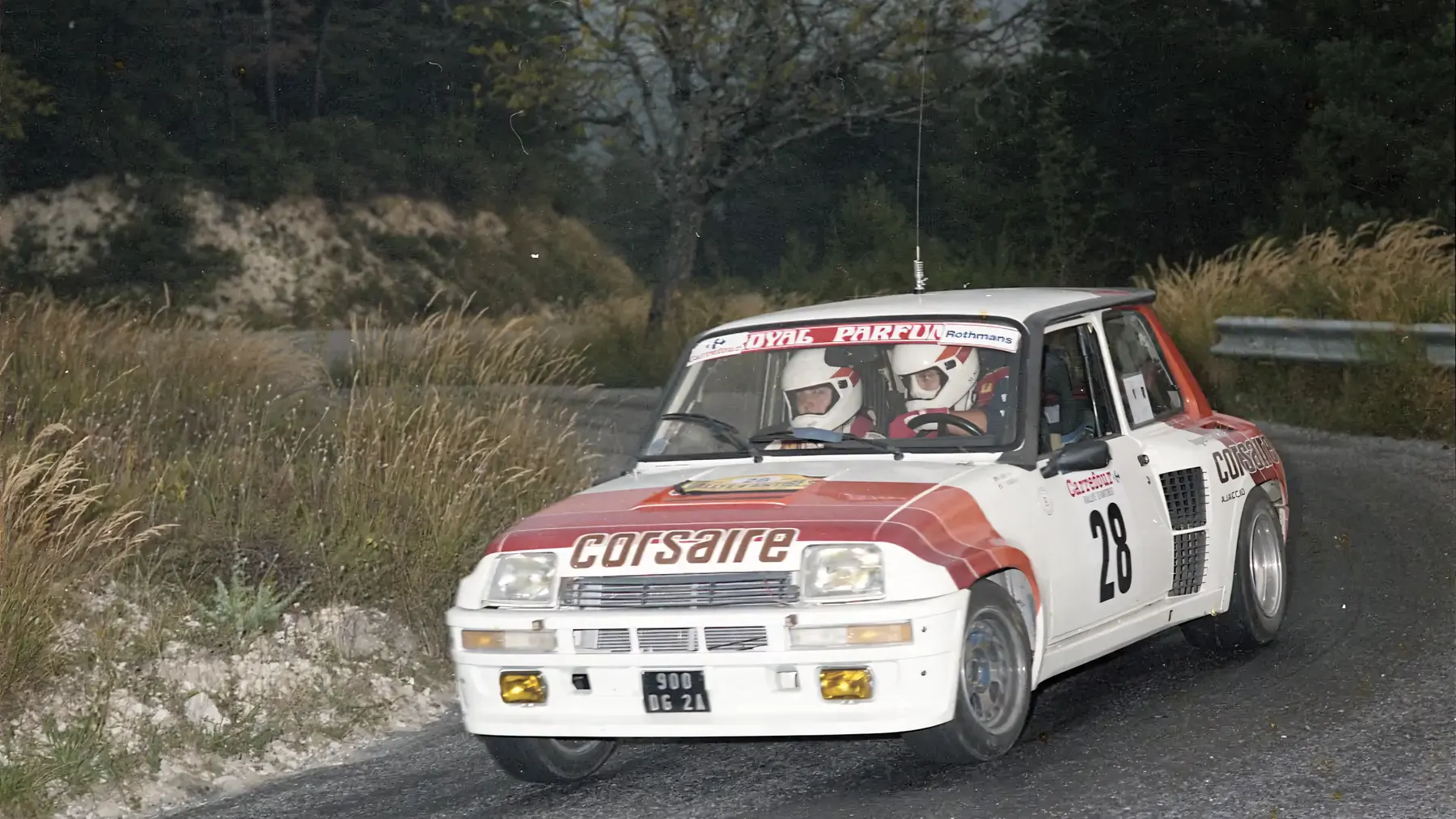
Debuting at the 1980 Brussels Motor Show, the road-legal Turbo 1 met Group 4 homologation requirements, with 400 units handbuilt at Alpine’s Dieppe factory. The rally-focused Group 4 variant followed, its engine tuned for competition. Despite its niche appeal, demand soared, leading to 4,987 Turbos produced by 1986. The car’s dual identity,a quirky road car and a fire-breathing rally machine,cemented its legend.
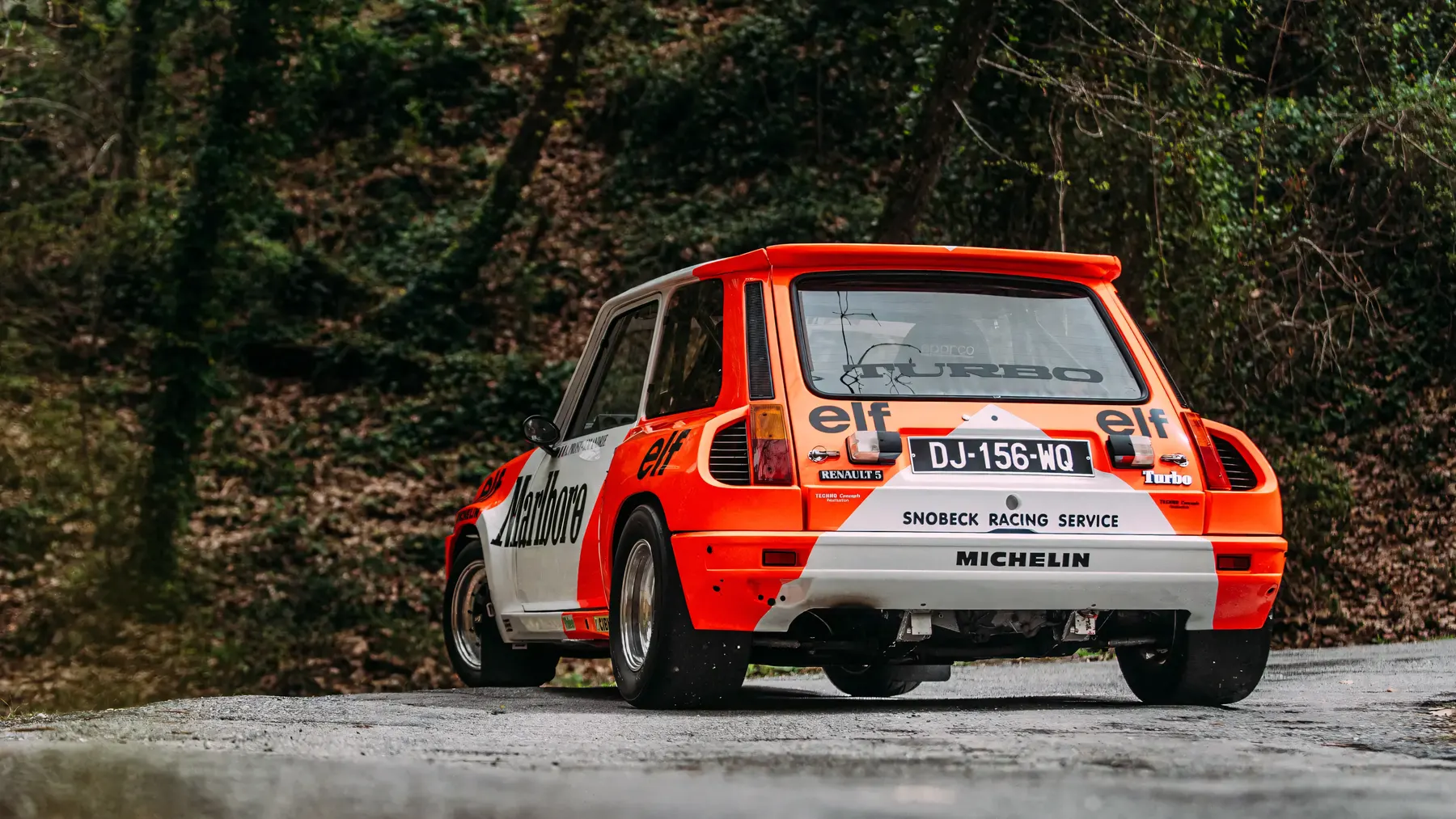
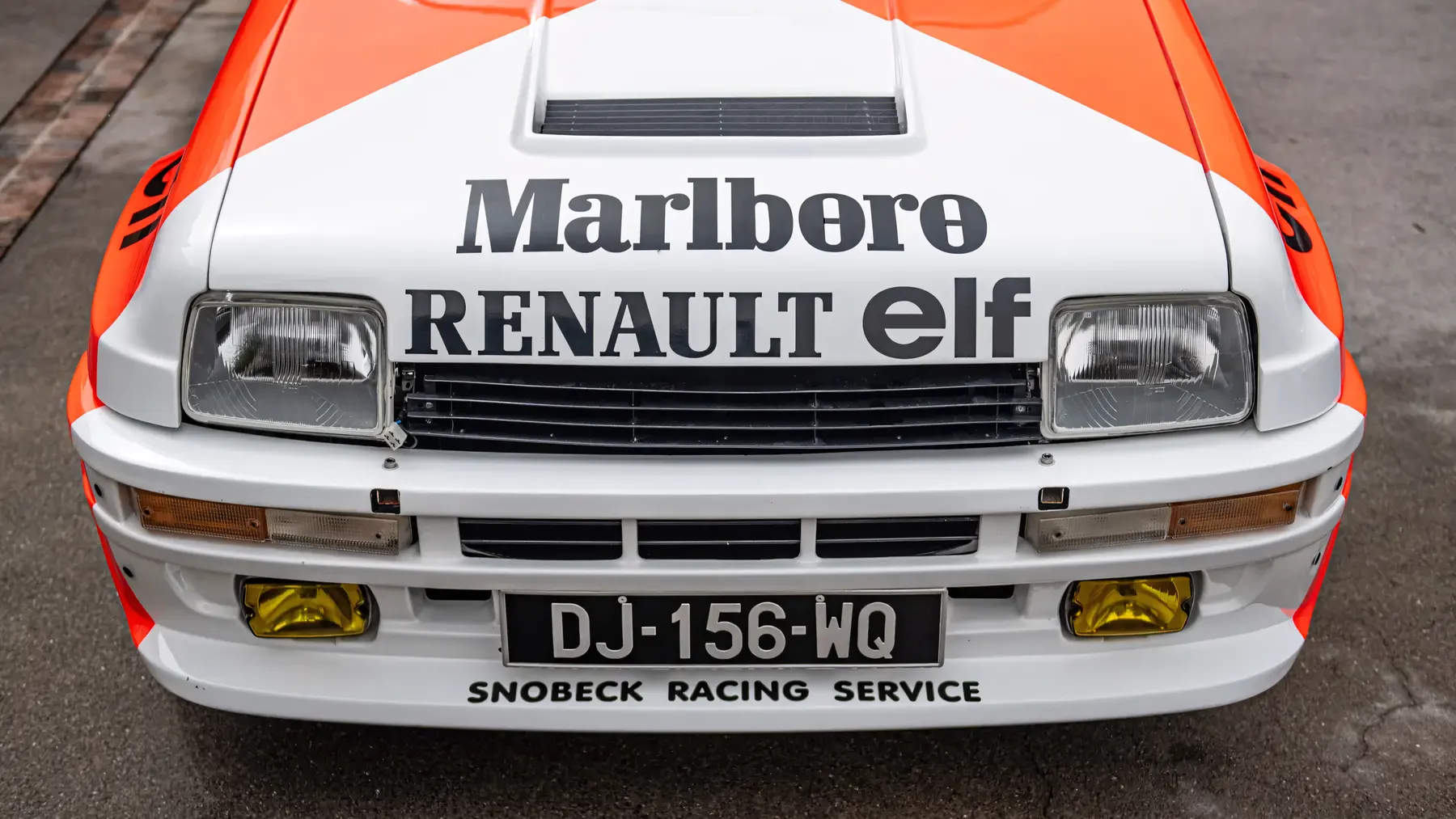
Visually, the Turbo Group 4 retained the Renault 5’s cheeky profile but added motorsport aggression. Widened fiberglass fenders (11.25 cm broader at the rear) housed massive wheels, while front air intakes and hood vents channeled airflow. The rear featured towering air intakes and Perspex-covered taillights, dissipating heat from the mid-mounted engine.
Inside, the cabin was stripped to essentials. Bucket seats replaced rear benches, and an asymmetrical dashboard prioritized driver focus. The spare wheel nestled under the front hood, now rendered mostly decorative, while the rear hatch concealed a modest luggage space,proof that practicality lingered beneath the racing ethos.
The Turbo Group 4’s beating heart was a 1.4-liter Cléon-Fonte inline-four, turbocharged via a Garrett T3 and fed by Bosch K-Jetronic injection. In road trim, it produced 160 hp, but rally versions pushed boundaries: 180 hp for the Critérium des Cévennes, 210 hp for the Tour de Corse, and a staggering 350 hp in the 1984 Maxi Turbo. A 1.5x FIA displacement multiplier placed it in the under-2,000cc class, though Renault later enlarged the engine to 1,527 cc (effectively 2,138 cc) for wider tires in higher categories.
The mid-engine layout, paired with Alpine A310-derived rear suspension and a reversed Renault 30 TX transmission, transformed the R5’s dynamics. Rear-wheel drive and a 48:52 weight distribution delivered razor-sharp handling, while lightweight construction (1,060 kg in race trim) ensured agility on twisty stages.
The Turbo Group 4’s brilliance lay in its engineering ingenuity. The mid-engine layout defied convention, offering traction and balance that outclassed rivals. Homologation requirements blurred the line between road and race, with factory-prepared models featuring reinforced chassis, magnesium wheels, and competition-grade cooling. Aerodynamic tweaks, such as functional vents and flared arches, weren’t just stylistic,they stabilized the car at rally speeds and housed wider Michelin tires.
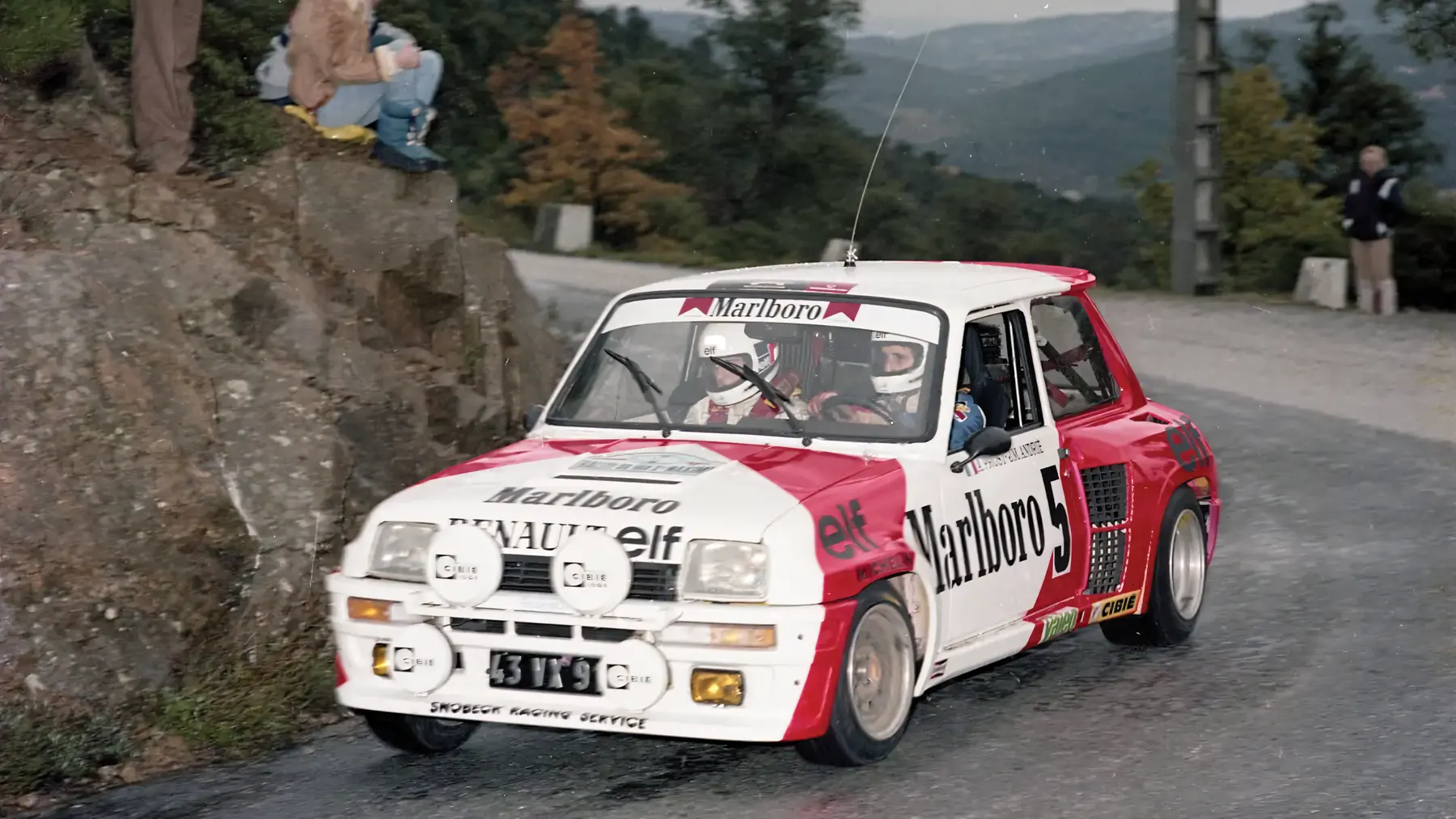
Initially, critics questioned the Turbo’s identity. Was it a parts-bin oddity or a rally revolution? Jean Ragnotti’s 1981 Monte Carlo Rally victory silenced doubters, proving its prowess against established giants. The car’s charisma,a blend of French flair and raw power,won fans, though its steep price limited sales to enthusiasts and privateer teams.
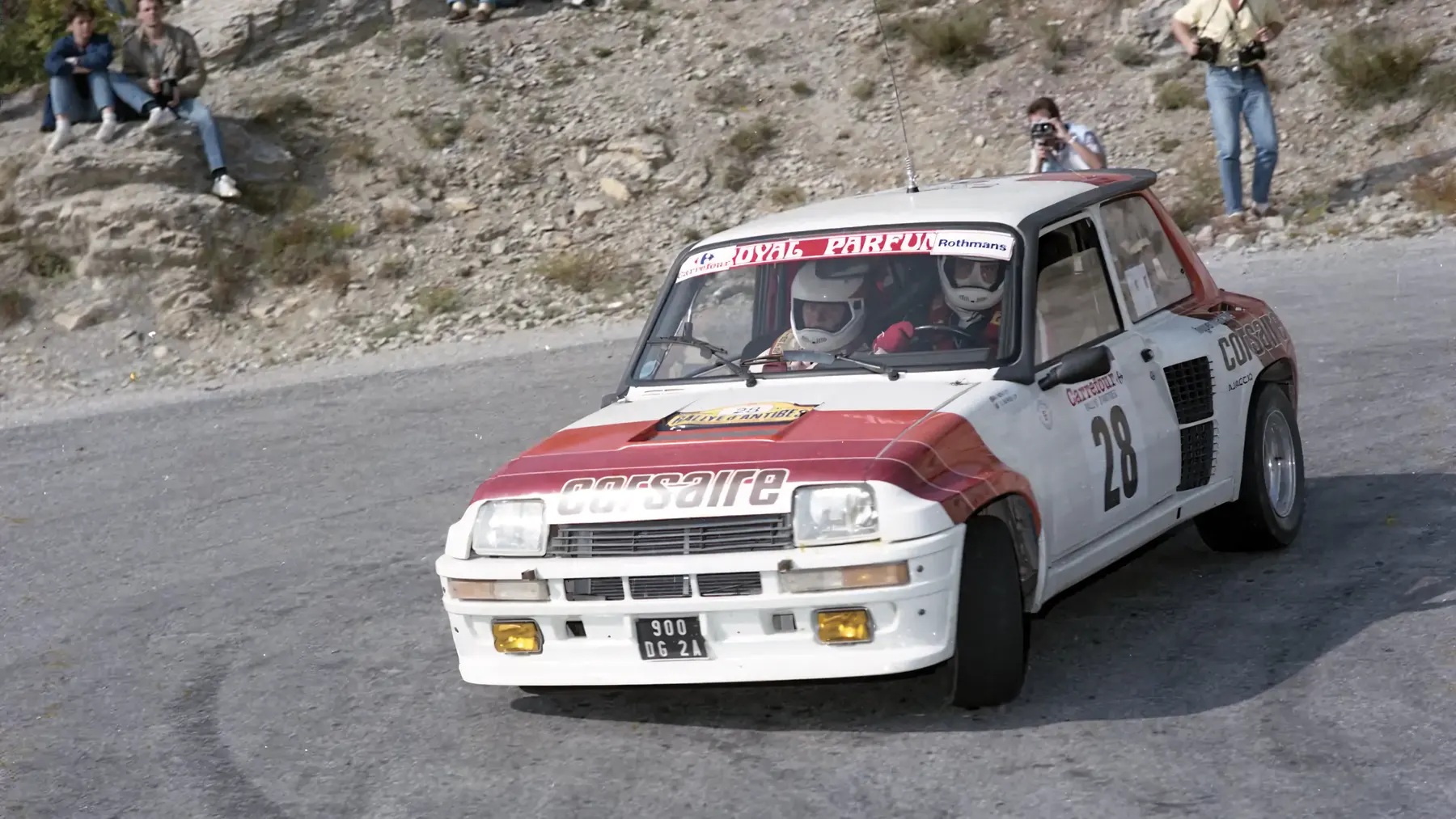
In rallying, the Turbo thrived in tarmac events like the Tour de Corse but struggled against emerging four-wheel-drive Group B monsters on gravel. Yet its legacy endured through national championships and privateer campaigns, long after Renault withdrew factory support.
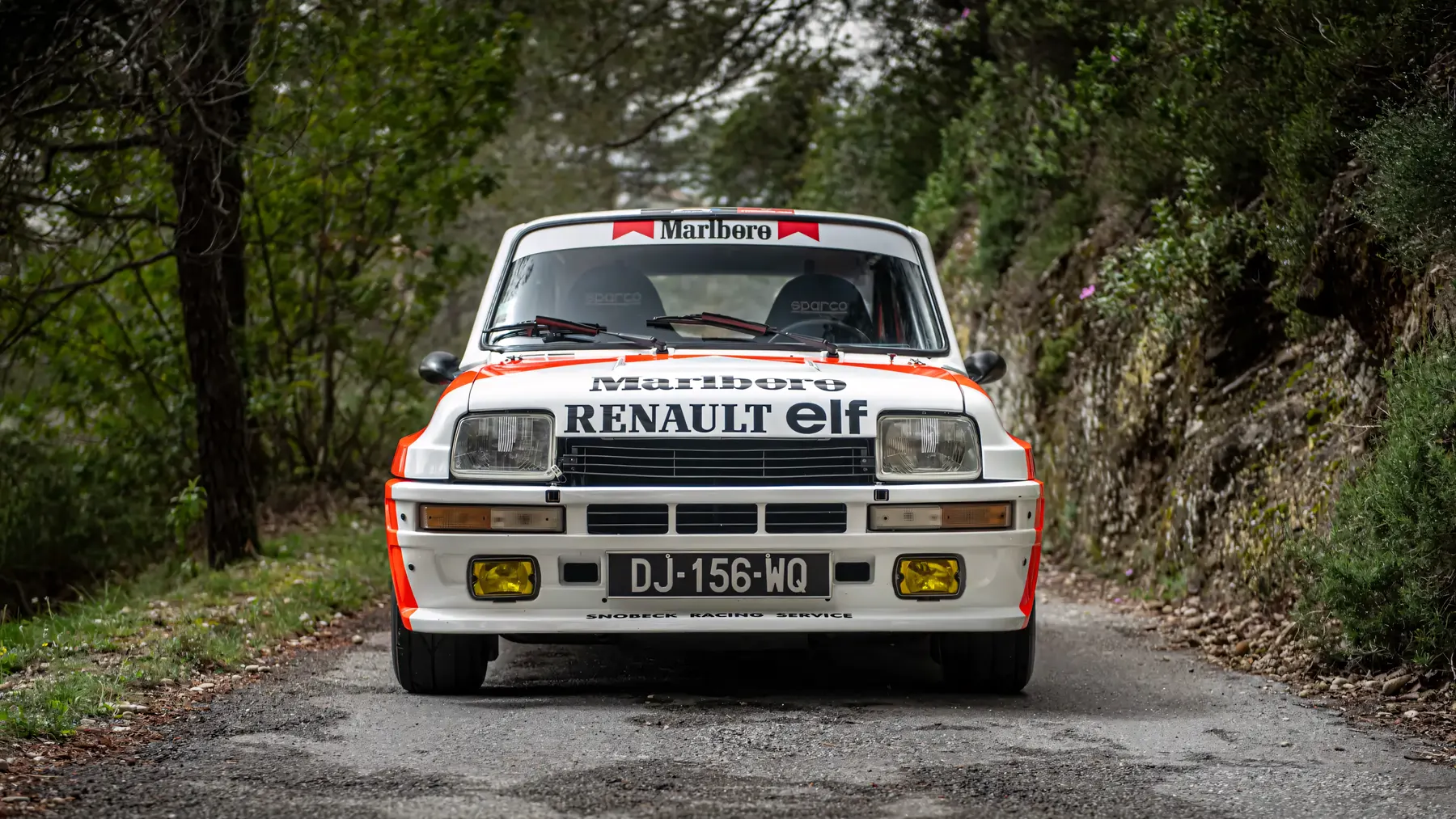
The Turbo Group 4’s influence extended beyond rallies. It inspired the wild Renault 5 Maxi Turbo and laid groundwork for future Renault Sport models. Today, it’s a prized collector’s gem, revered for its audacious engineering and David-vs-Goliath rally tales. Restored examples, often clad in period liveries like the iconic yellow-and-black “Banana” scheme, command six-figure sums and star in historic events.
The Renault 5 Turbo Group 4 is a rebellion, a rebellion against convention, against expectations, and against the notion that greatness requires compromise. In its flared arches and turbocharged snarl, we find the soul of rallying’s golden age: daring, inventive, and unapologetically thrilling. For drivers and dreamers alike, the Turbo Group 4 remains a reminder that even the humblest chassis can become a legend.
Join the discussion
Comments
Loading comments…
Leave a comment
Share a detail, memory, or perspective. Every comment is reviewed before publication.