1983 Ferrari 512 BBi

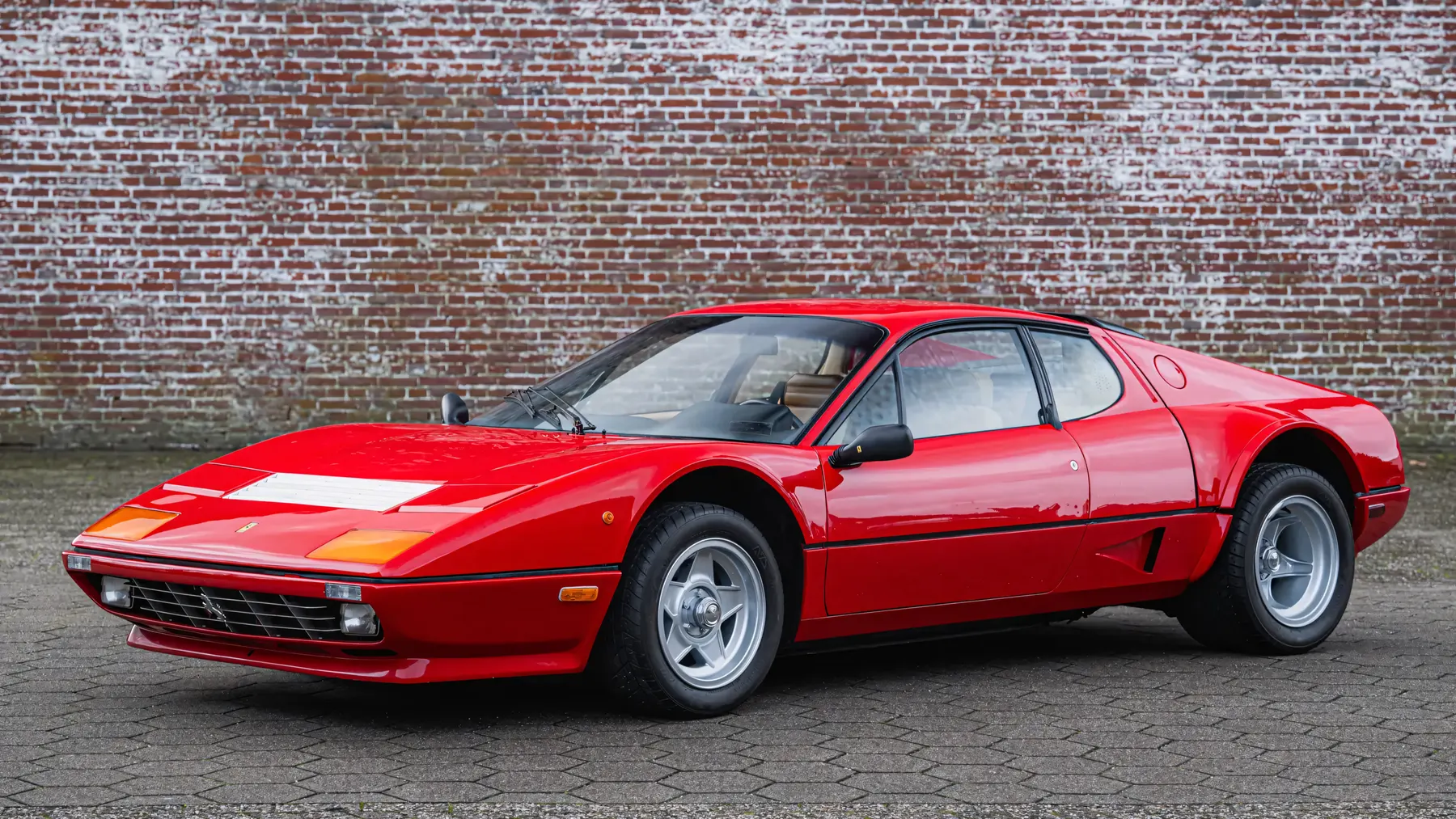
The Ferrari 512 BBi represents the pinnacle of Ferrari’s Berlinetta Boxer (BB) series, a line that marked Ferrari’s shift to mid-engine layouts in their road cars, traditionally reserved for their racing cars. Introduced in 1981, the 512 BBi (also referred to as the BB 512i) was the final evolution of the Berlinetta Boxer series, embodying Ferrari’s pursuit of performance balanced with enhanced driveability.
The Ferrari Berlinetta Boxer line was conceived as a response to the rising popularity of mid-engine designs in high-performance road cars. This series began with the 365 GT4 BB in 1973, which itself replaced the famed front-engine Ferrari Daytona. This shift was significant for Enzo Ferrari, who long believed that mid-engine designs were too challenging for the average road car enthusiast. However, as Ferrari’s dominance in racing began to wane against mid-engine competitors, the marque made the strategic decision to bring the layout to its road cars.
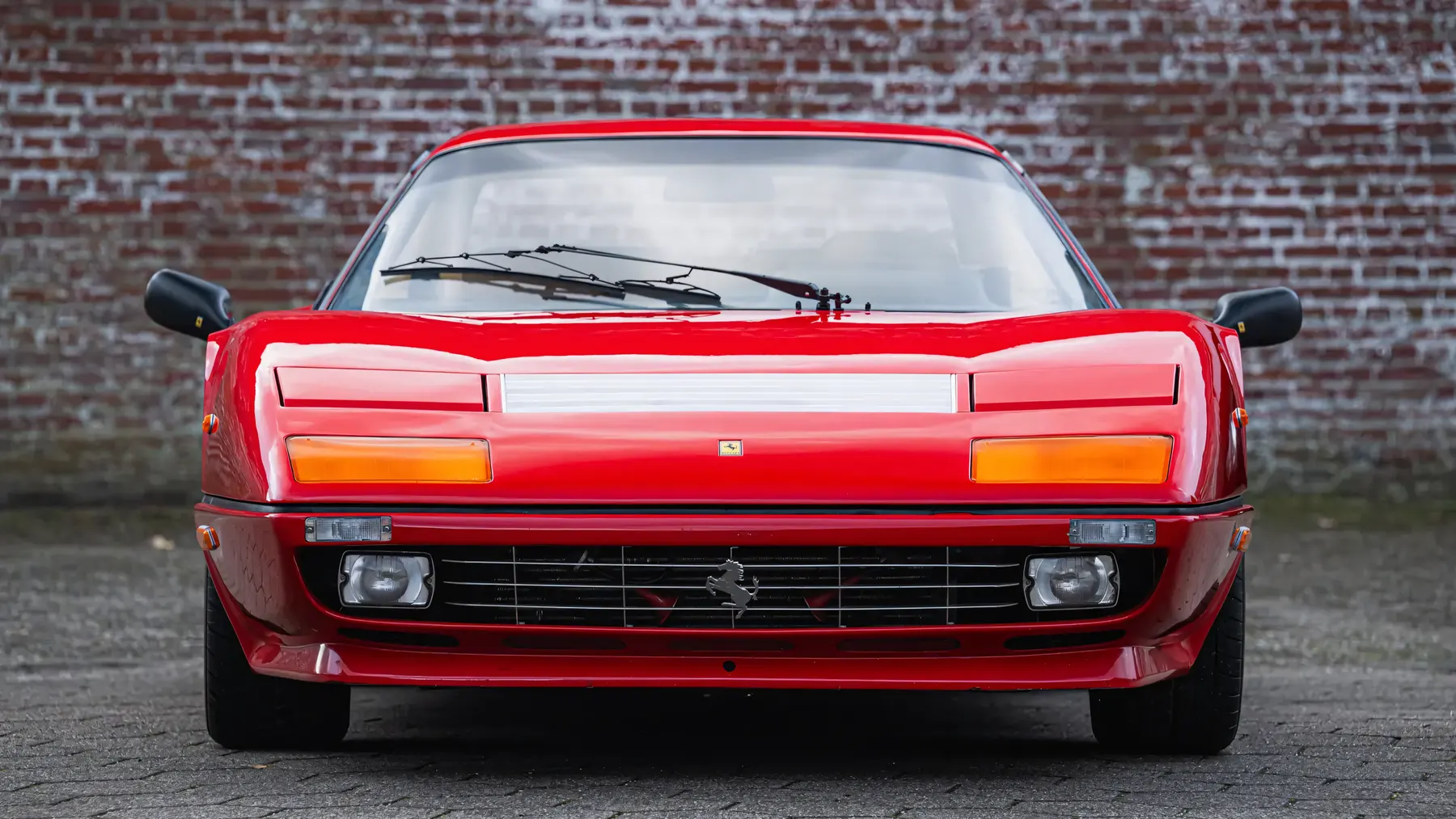
The BB line evolved through three key models: the original 365 GT4 BB, the 512 BB, and finally, the 512 BBi. Designed by Pininfarina’s Leonardo Fioravanti, the BB series’ sleek lines became an icon of 1970s supercar design. The “BB” in its name, while often interpreted as “Berlinetta Boxer,” has a more interesting history. Some insiders believe “BB” initially stood for “Berlinetta Bialbero” (dual camshaft), while others, including designer Fioravanti, claim it was a nickname inspired by Brigitte Bardot, whose initials “BB” were adopted for the model due to her beauty.
The BB 512i debuted in 1981, featuring the final upgrades that would set it apart from previous BB models. Most notably, the 512 BBi introduced Bosch K-Jetronic fuel injection in place of carburetors, a move that improved emissions and gave the car a smoother, more manageable power delivery. The engine, a 4.9L flat-12, produced 340 horsepower at 6,000 rpm, making it slightly less powerful than earlier carbureted BBs but significantly easier to drive in varied conditions. Enhanced camshaft timing and a Magneti Marelli “Dinoplex” electronic ignition system (with a built-in rev limiter) were among the other refinements that enhanced performance and reliability.
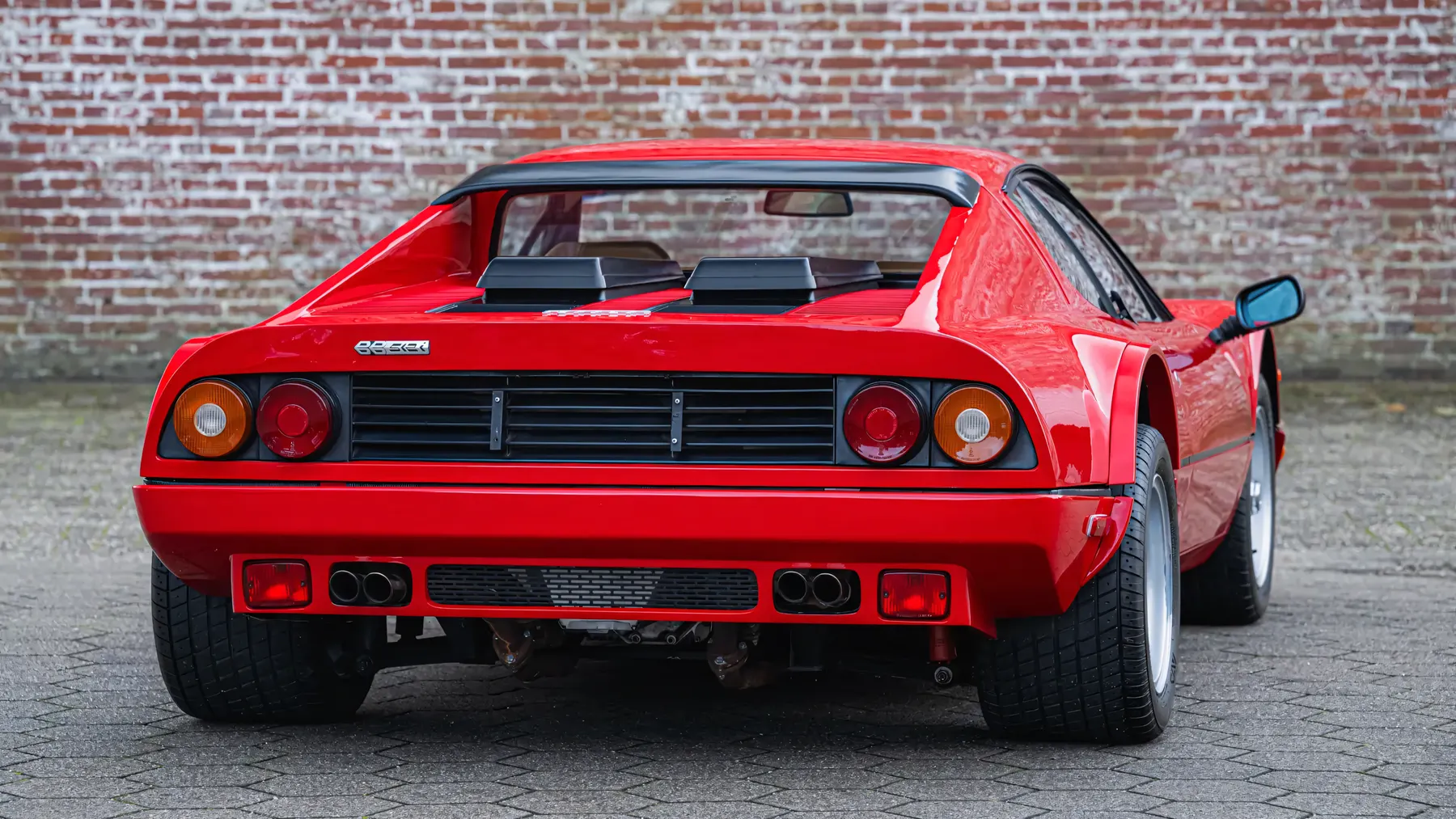
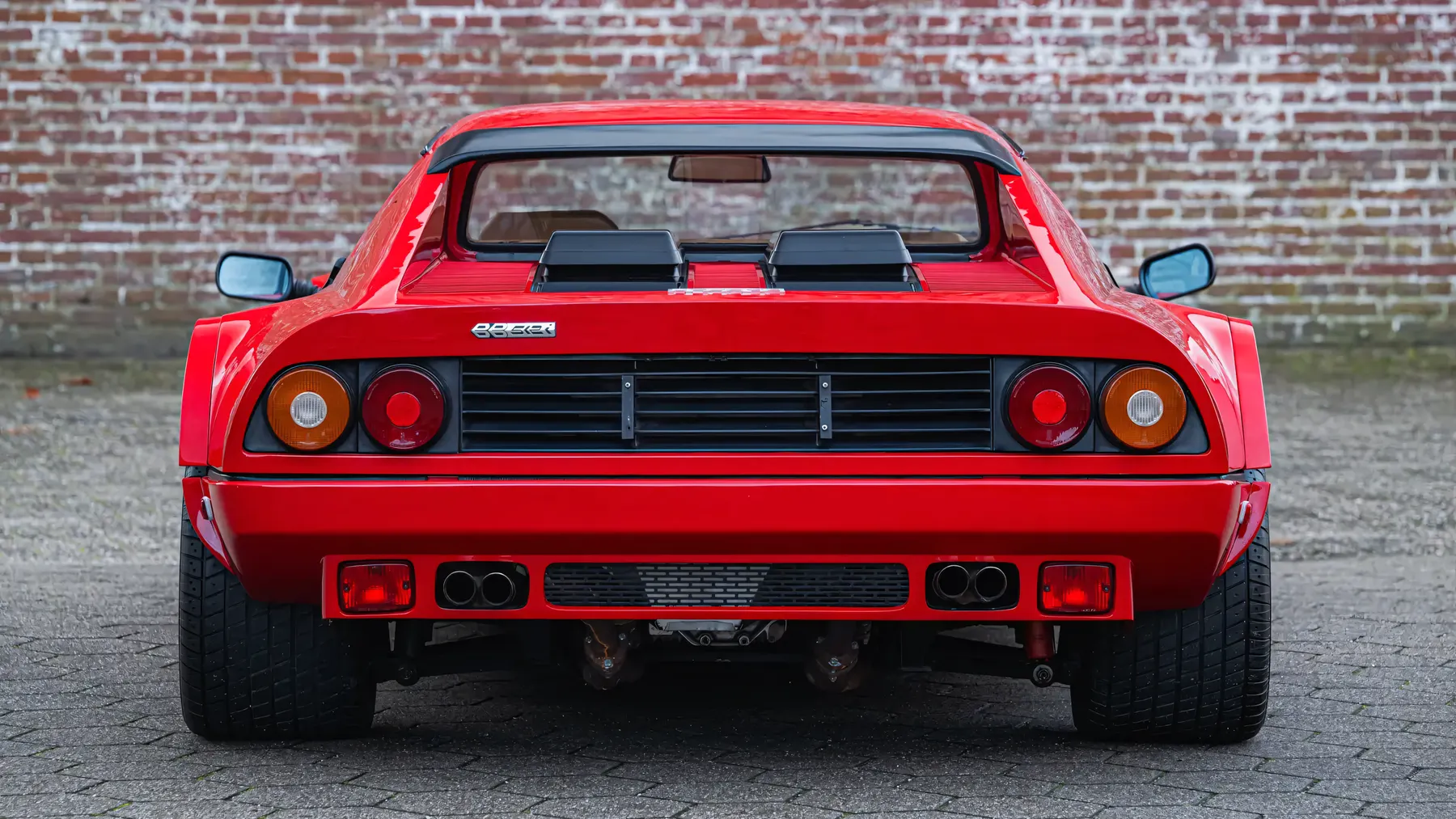
Externally, the 512 BBi is distinguishable by small white running lights on its front fascia, an exposed front grill with visible driving lamps, and a revised rear valance with red fog lights positioned outside the exhaust pipes. Michelin TRX metric-sized tires, mounted on specific alloy wheels, completed its aggressive stance, with tire sizes 240/55 VR 415 on both front and rear wheels.
With its flat-12 engine architecture derived from Ferrari’s racing experience, including the 512 F1, the 512 BBi maintained Ferrari’s high-performance heritage. The 512 BBi’s unique flat-12 design gave it a low centre of gravity, enhancing handling while delivering a distinct sound and smooth power curve. The flat-12’s heritage traced back to Ferrari’s racing pedigree, with early development based on racing engines like those in the 1968 212 E and 1970-75 312B.
The interior matched Ferrari’s emphasis on luxury and exclusivity. Standard features included air conditioning, power windows, and a stereo, while an optional interior trim in Ermenegildo Zegna wool added a bespoke touch for discerning buyers, with only 27 examples believed to have been ordered with this rare option.
Between 1981 and 1984, Ferrari produced 1,007 units of the 512 BBi, each representing the peak of Ferrari’s engineering during that era. The BB 512i was the last of the Berlinetta Boxer line, as Ferrari transitioned to the Testarossa in 1984, a model that retained the flat-12 engine but introduced a more radical design and improved usability.
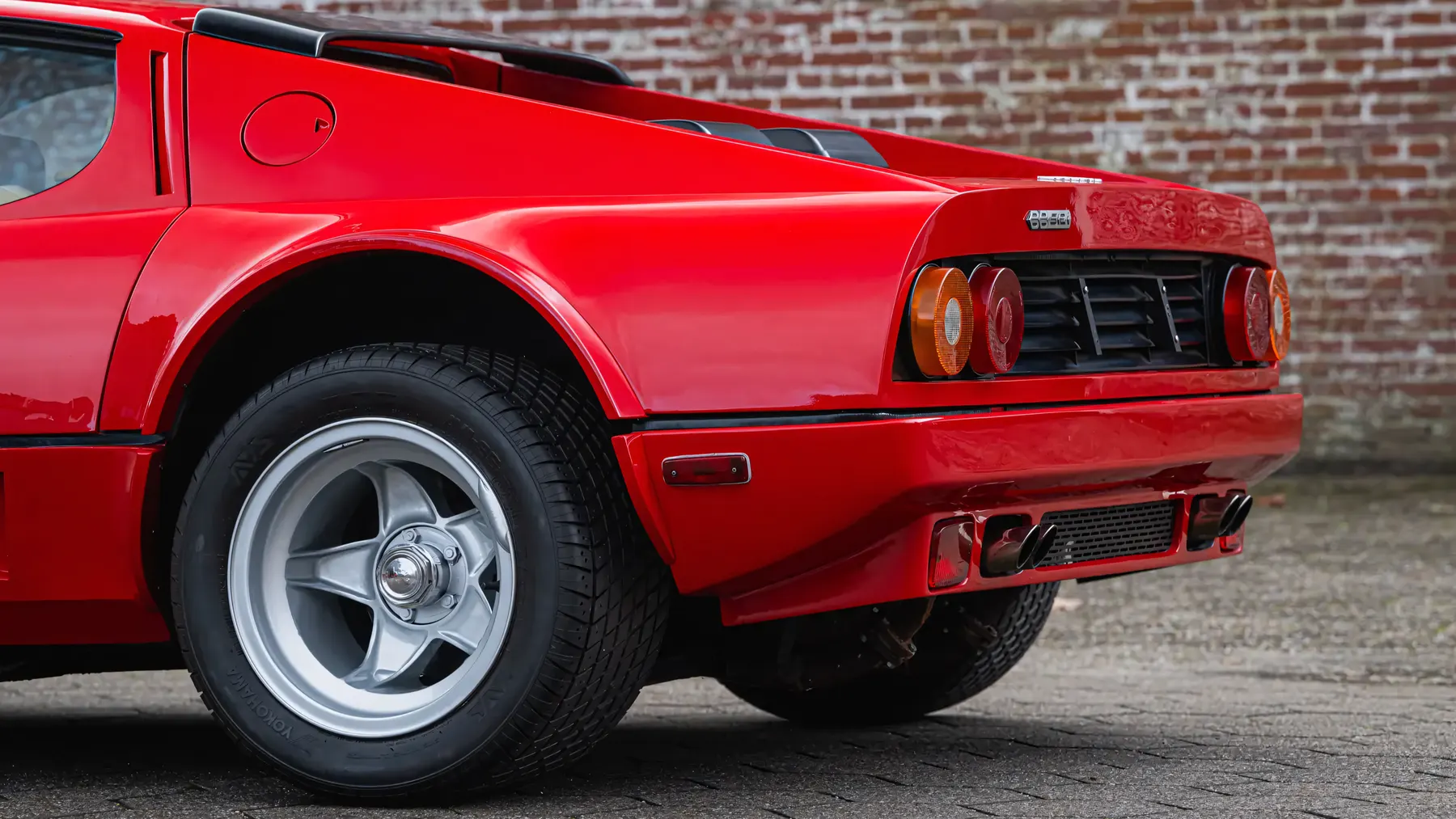
Today, the Ferrari 512 BBi remains a sought-after collector’s item, valued for its combination of iconic styling, racing-inspired technology, and the distinctive character of its flat-12 engine. It is a defining model in Ferrari’s history, marking the end of the Berlinetta Boxer series and Ferrari’s full embrace of mid-engine road cars. The 512 BBi stands as a testament to Ferrari’s ability to evolve while staying true to its roots in high-performance, luxury sports cars.
Join the discussion
Comments
Loading comments…
Leave a comment
Share a detail, memory, or perspective. Every comment is reviewed before publication.