1983 Pininfarina Spidereuropa

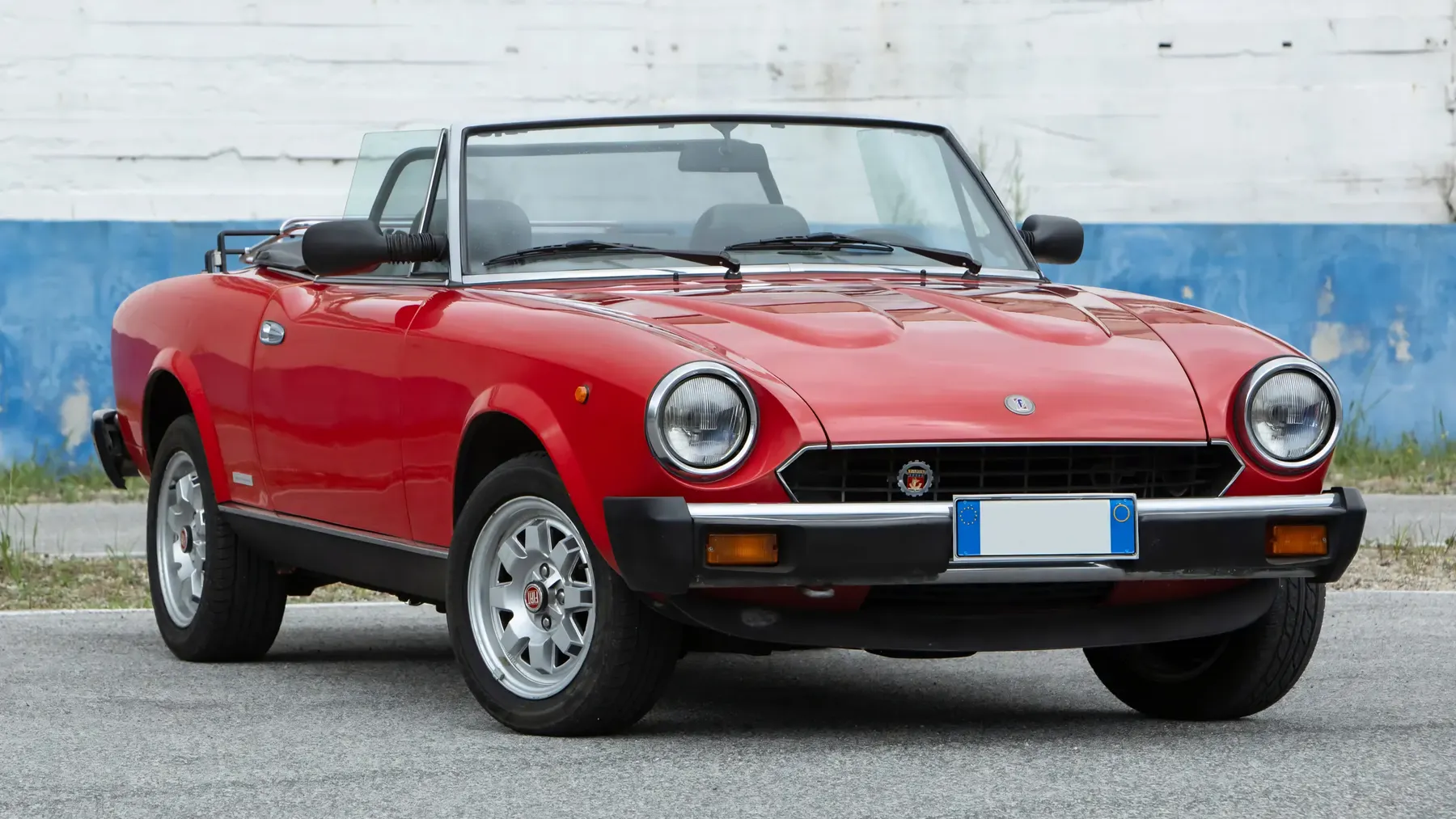
Summer, 1982. As Fiat’s executives quietly decided to end production of their long-running 124 Sport Spider, the design house responsible for its timeless lines made an unprecedented move. Pininfarina, unwilling to let this beloved roadster disappear, stepped forward and said, “We’ll build it ourselves.”
This moment marked a fascinating role reversal in automotive history. The designer became the manufacturer, putting their own name on a car they had originally created for someone else. The result was the Pininfarina Spidereuropa – a last chapter that extended the life of one of Italy’s most accessible and enduring sports cars.
To understand the Spidereuropa, we need to rewind to 1966. Tom Tjaarda, an American designer working at Pininfarina, had penned a perfectly proportioned convertible based on Fiat’s 124 sedan platform. What made his design special wasn’t flashy details or dramatic flourishes – it was balance. The long hood, compact cabin, and short rear deck created a silhouette that would look right whether parked at a humble trattoria or an exclusive yacht club.
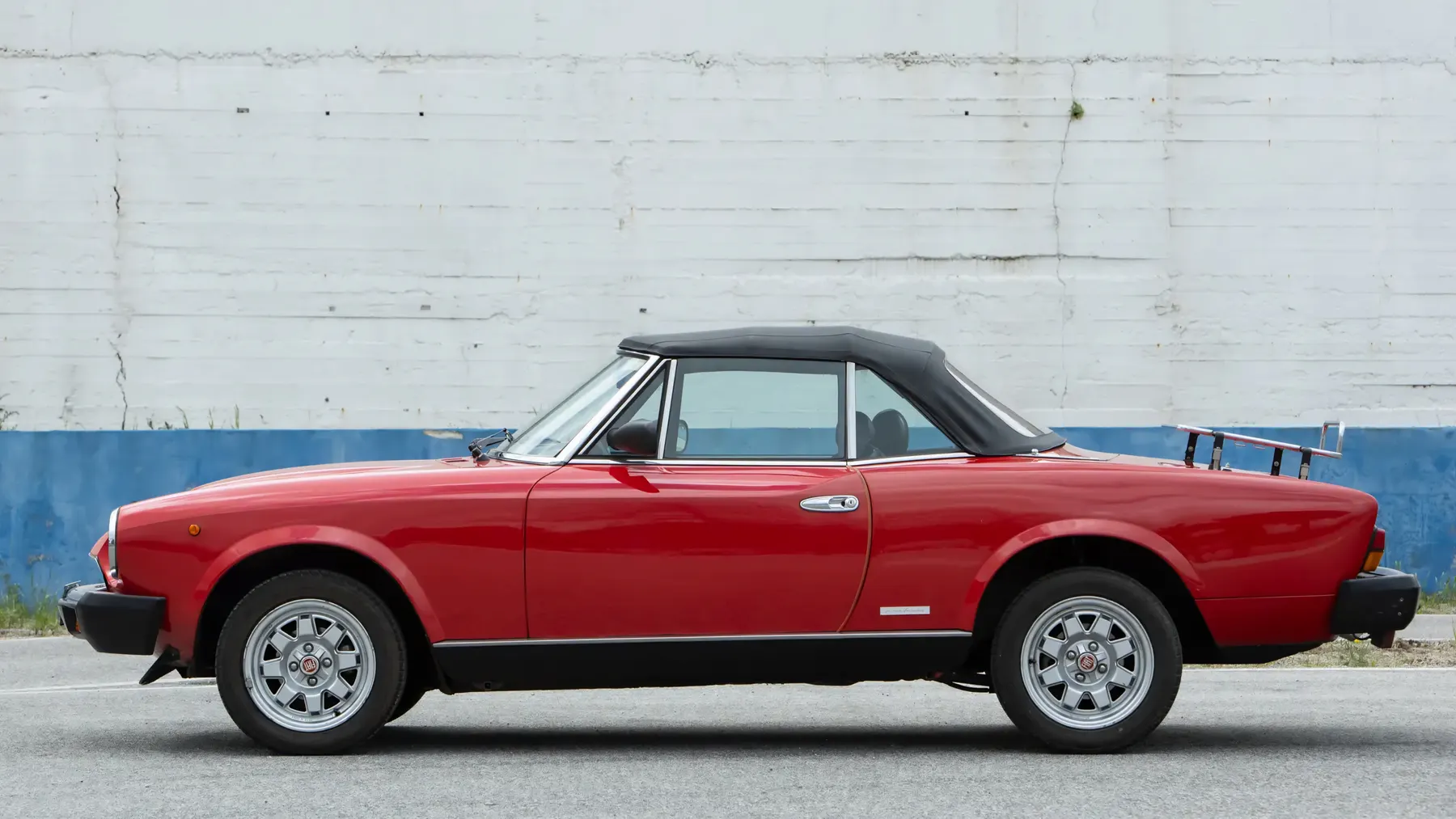
For nearly 16 years, Fiat manufactured this design at their Turin factories, evolving it through several iterations. Over time, the car gained larger engines, updated interiors, and federalized bumpers for the crucial American market. By the early 1980s, however, Fiat was refocusing its business and decided the aging convertible no longer fit their plans.
This is where the story takes its unusual turn. Rather than allow the tooling to be scrapped, Pininfarina negotiated to take over production at their own factory in San Giorgio Canavese, just outside Turin. Beginning in August 1982, cars that had previously worn Fiat badges emerged with Pininfarina emblems on their hoods and “Spidereuropa” lettering on their flanks.
The 800 kg roadster was now a Pininfarina product – not merely designed by them, but built and sold under their own name. For European markets, it was the Spidereuropa; American customers knew it as the Spider Azzurra, with both versions continuing until 1985 when production finally ended after nearly two decades.
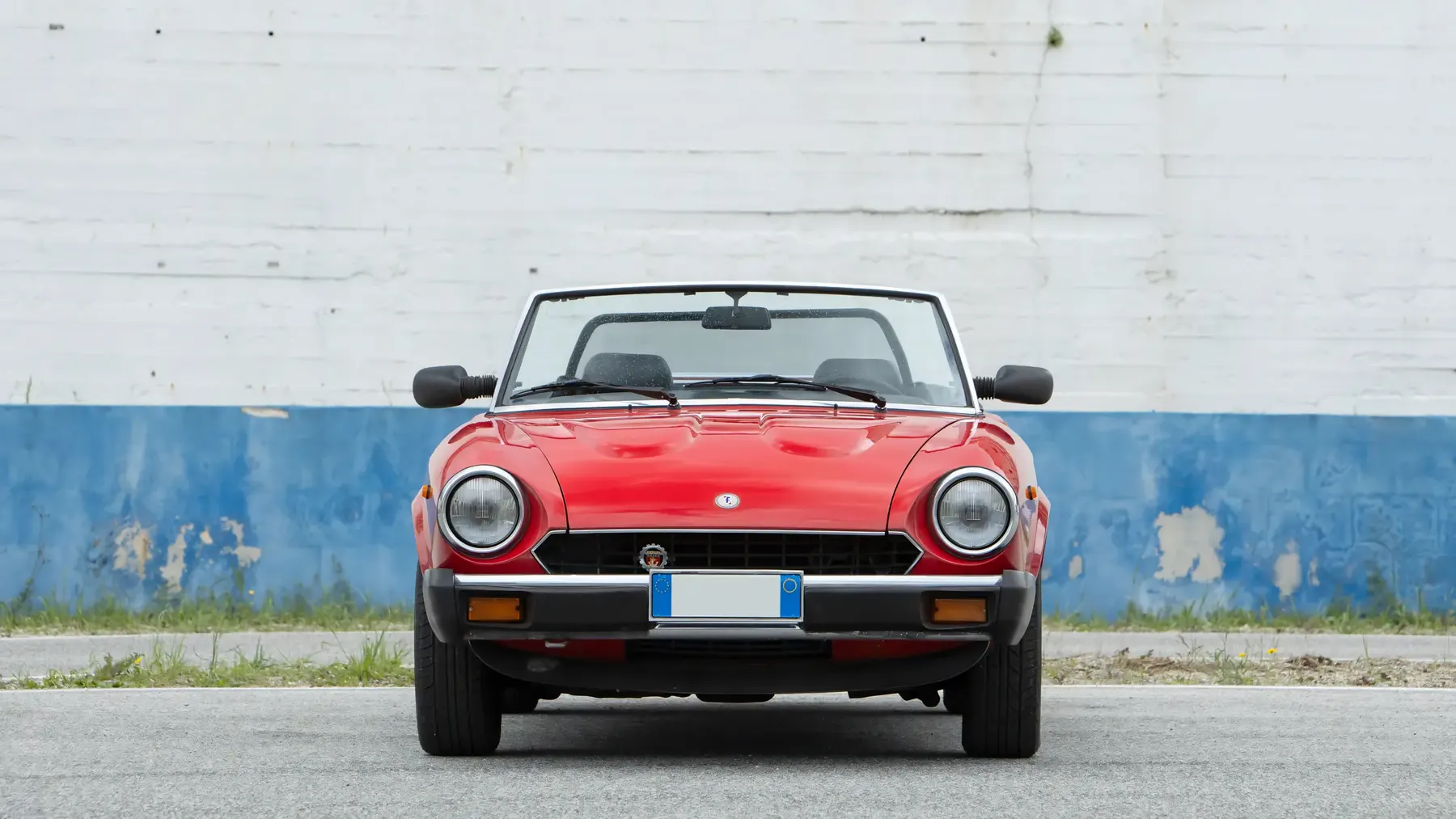
Mechanically, the Spidereuropa represented the culmination of years of development. While not cutting-edge by 1982 standards, the package was thoroughly refined and proven. The heart of the car was the 2.0-liter twin-cam four-cylinder engine – the largest displacement offered in the 124 Spider’s lifetime. This sophisticated powerplant, originally designed by ex-Ferrari engineer Aurelio Lampredi, produced 105 horsepower at 5,500 rpm and 164 Nm of torque.
What made this engine special wasn’t just power figures – it was character. The twin-cam layout, hemispherical combustion chambers, and either Weber carburetors or Bosch fuel injection (depending on market and year) gave it a distinctive rasp that built to a thrilling mechanical symphony as the tachometer needle swept clockwise. This was an engine that loved to be revved, rewarding drivers who worked through the precise five-speed gearbox.
The chassis, while conventional, delivered the engaging handling Italian sports cars were known for. Independent front suspension via wishbones and coil springs paired with a live rear axle located by radius rods and a Panhard rod. Disc brakes at all four corners – a feature that had been advanced when introduced in 1966 – provided confident stopping power.
For the Spidereuropa, Pininfarina maintained the mechanical updates Fiat had implemented in later production years, including improved braking systems and more robust transmissions. These weren’t cars built with radical innovation, but rather mature engineering focused on driving enjoyment and reliability.
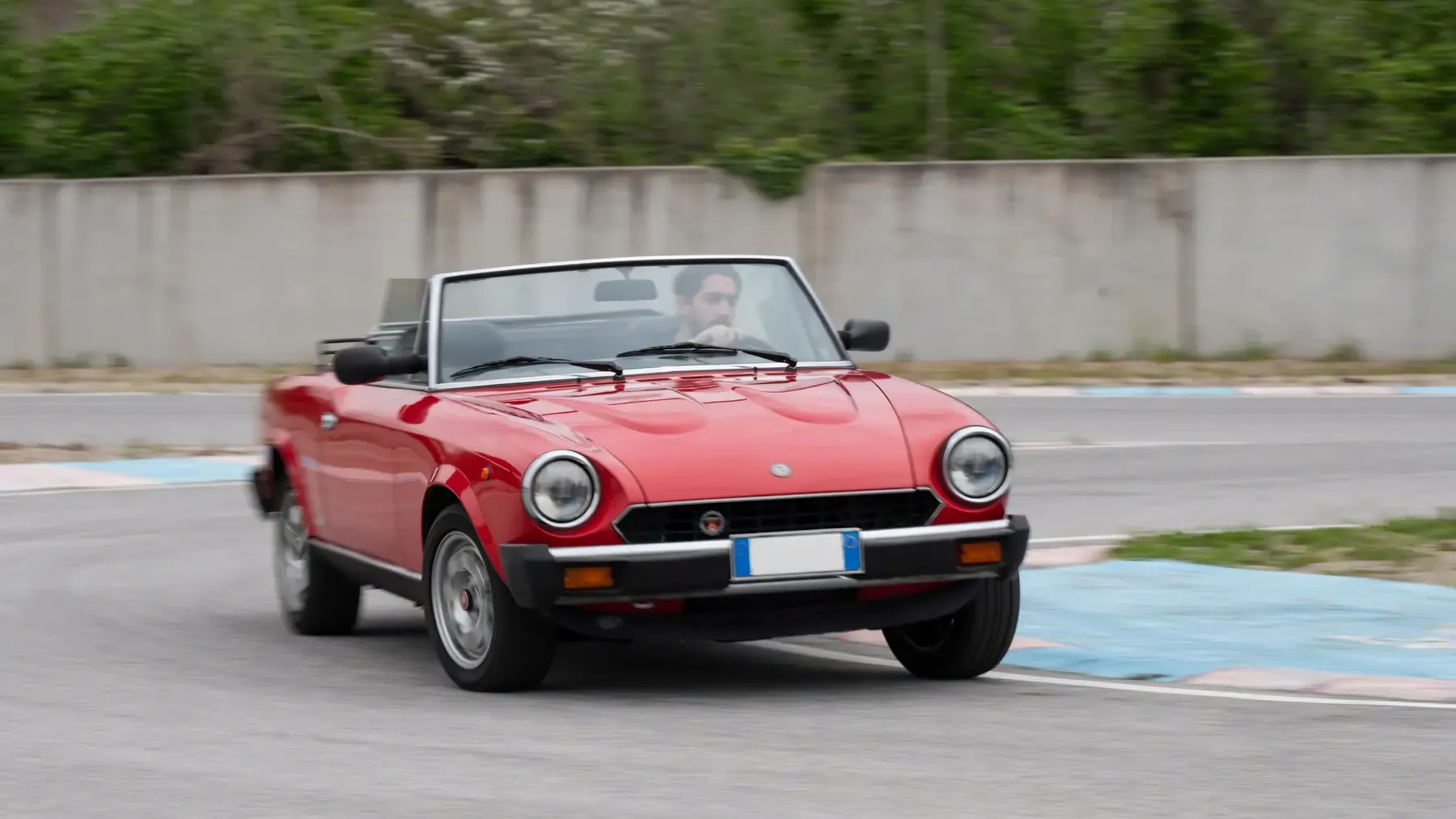
Behind the wheel, the Spidereuropa delivers exactly what its appearance promises – a pure, analog driving experience that connects you directly to the machine and the road. There’s an immediacy to everything: the unassisted steering tells your hands exactly what the front tires are doing, the brake pedal offers progressive resistance as the calipers squeeze the discs, and the engine’s response mirrors your right foot’s inputs with no electronic intermediaries.
The twin-cam’s exhaust note provides the soundtrack, changing from a gentle burble at idle to an eager growl in the mid-range, and finally to a thrilling mechanical wail approaching the 6,500 rpm redline. With the manual top folded behind the seats and the side windows down, every tunnel becomes an opportunity to downshift and hear that glorious engine echo off the walls.
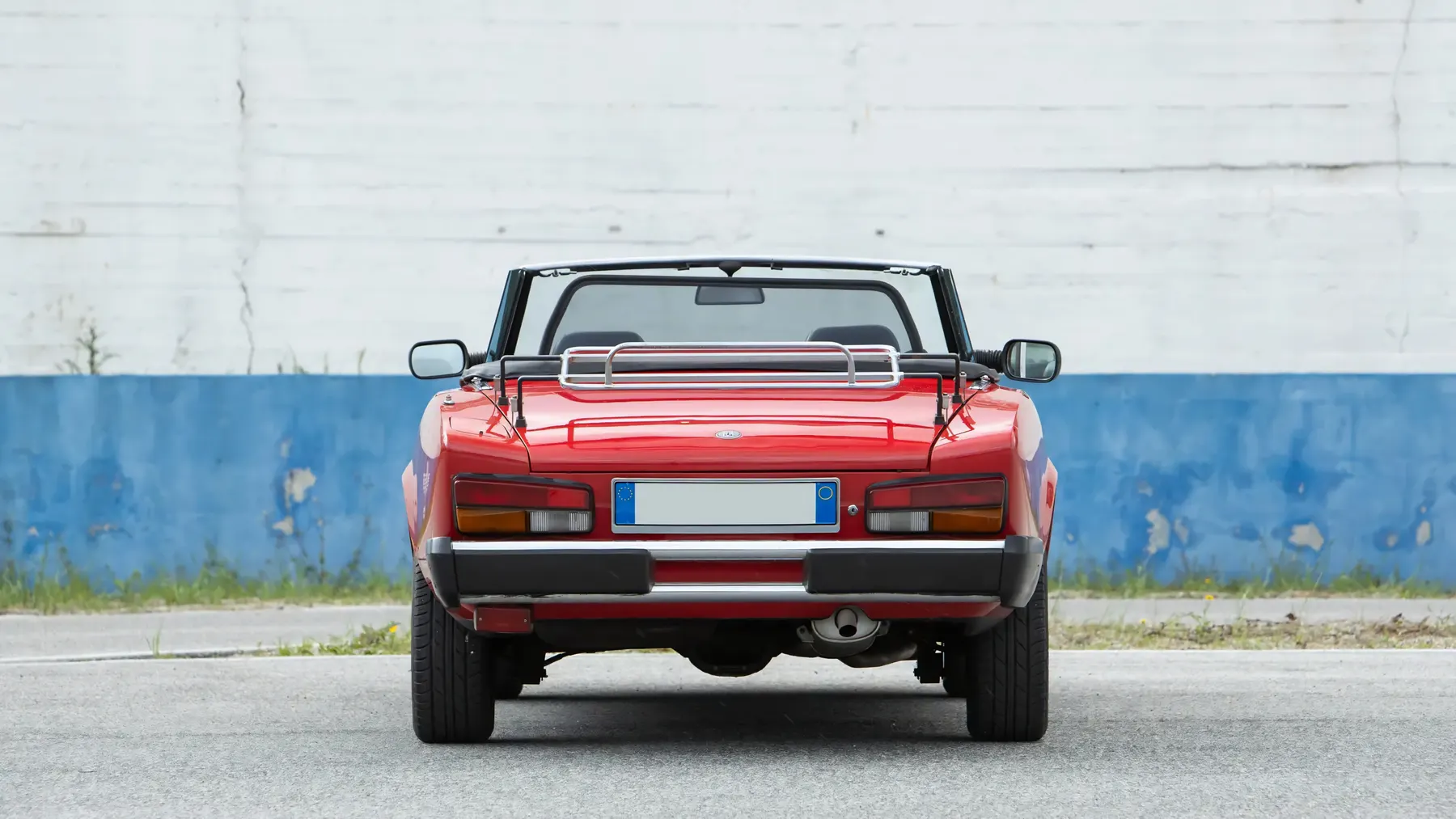
Performance numbers were modest by today’s standards – 0-100 km/h took around 10 seconds, and top speed was approximately 180 km/h. But raw acceleration was never the point. The Spidereuropa excelled on twisting coastal roads where its balanced chassis, moderate weight, and responsive controls allowed drivers to maintain momentum and carve through curves with precision and joy.
The 2+2 seating arrangement provided space for weekend luggage or very small children behind the front seats, making the car genuinely usable for short getaways. The interior, with its classic wood-rimmed steering wheel, simple analog gauges, and comfortable seats, prioritized the essentials without unnecessary frills.
By 1982, the roadster landscape had changed dramatically. Many traditional competitors had disappeared – MG and Triumph had ended production of their classic roadsters, leaving primarily Japanese alternatives like the Mazda RX-7 convertible. The affordable European sports car was becoming an endangered species, making Pininfarina’s decision to continue the Spider even more significant.
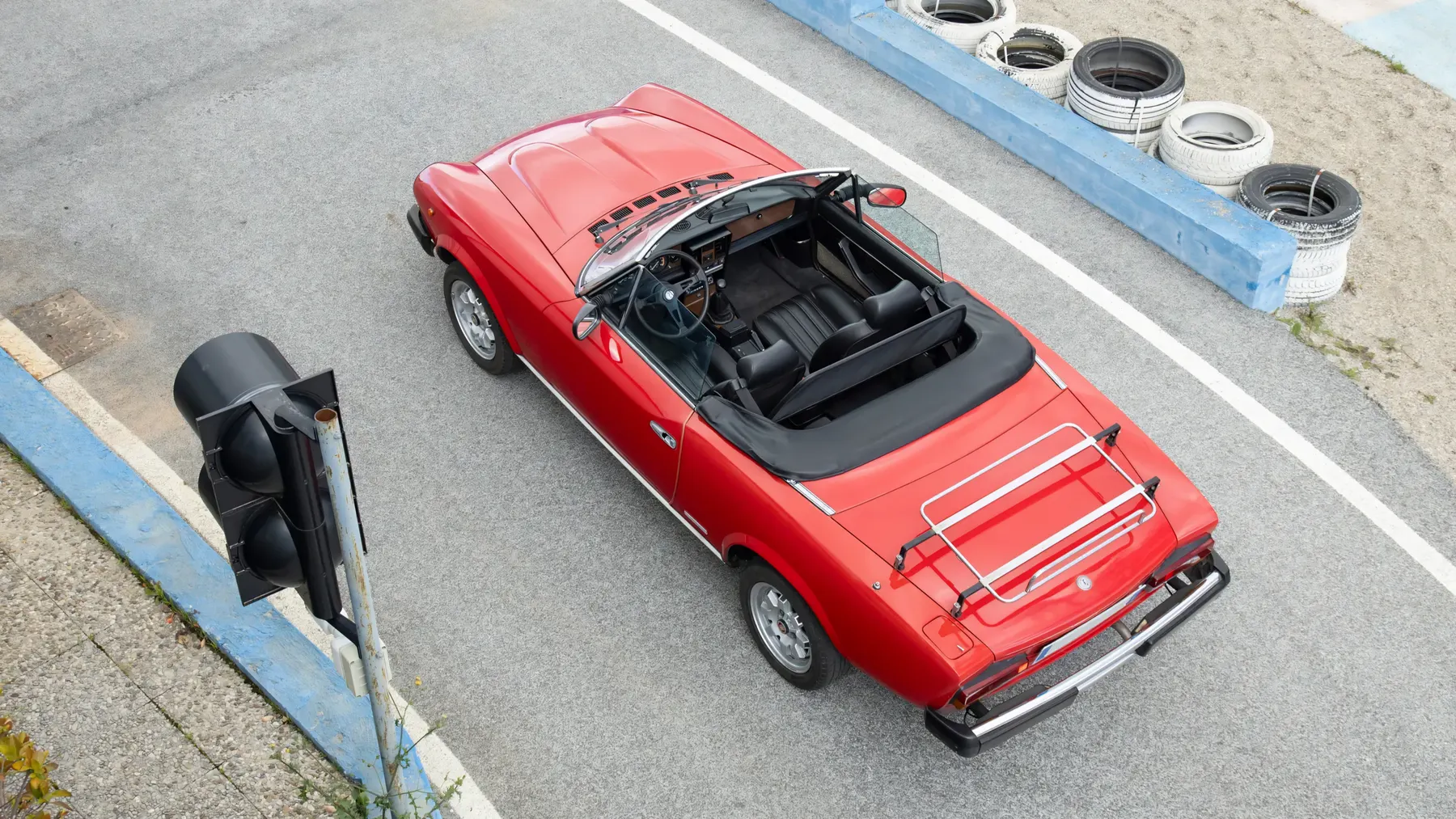
The early 1980s saw increased focus on fuel efficiency, aerodynamics, and front-wheel drive platforms – areas where the Spider’s 1960s origins showed their age. Yet this seeming disadvantage was, for enthusiasts, actually part of the car’s appeal. The Spidereuropa offered an increasingly rare combination: Italian style, rear-wheel drive handling, and an engine designed for character rather than economy.
Pininfarina understood this appeal and positioned the Spidereuropa as something special – a car built by the famous design house itself, rather than merely designed by them. This unique selling proposition helped justify the premium price compared to the Fiat-badged versions of years past.
Today, the Pininfarina Spidereuropa represents the final evolution of a beloved classic. Its rarity – with production numbers far lower than the Fiat-badged versions – has made it increasingly sought after by collectors who appreciate its unique place in automotive history.
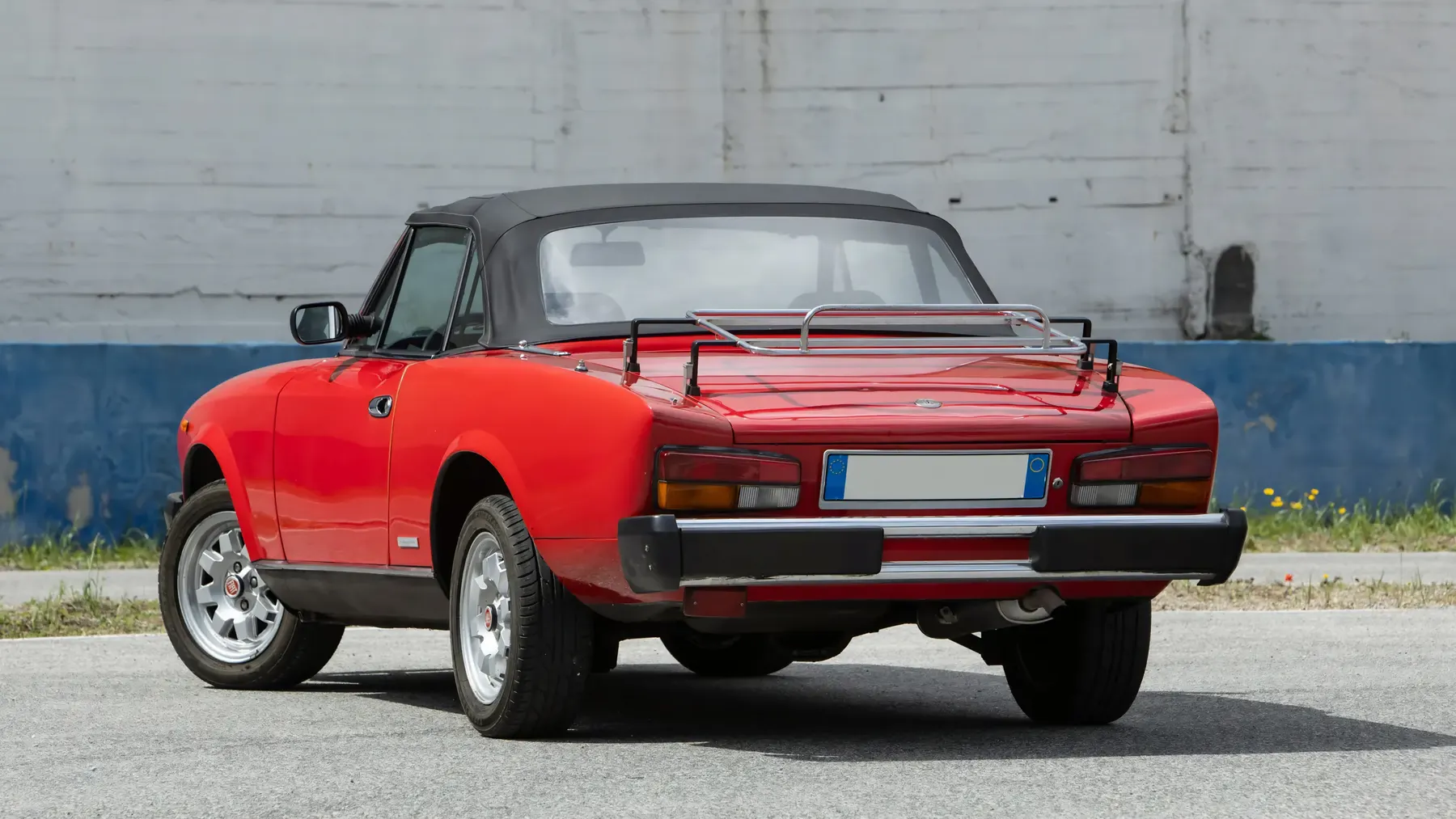
More than just a footnote, the Spidereuropa demonstrates something profound about great design: its ability to remain relevant across decades. Tom Tjaarda’s original shape looked as right in 1985 as it did in 1966, a testament to the enduring principles of proportion and restraint that define truly successful automotive design.
For enthusiasts, the Spidereuropa offers an accessible entry into classic Italian motoring. While its more exotic compatriots from Ferrari and Maserati have reached stratospheric values, the Spidereuropa remains relatively attainable while delivering an authentic Italian sports car experience.
Perhaps most importantly, the Spidereuropa represents a rare case where passion overruled pure business logic. Pininfarina could have simply moved on to new projects when Fiat ended production, but instead chose to continue building a car they believed in. That decision gave us three more years of a classic design that might otherwise have disappeared, and created an intriguing chapter in automotive history where the designer stepped forward to become the maker.
Join the discussion
Comments
Loading comments…
Leave a comment
Share a detail, memory, or perspective. Every comment is reviewed before publication.