1984 Audi Sport quattro

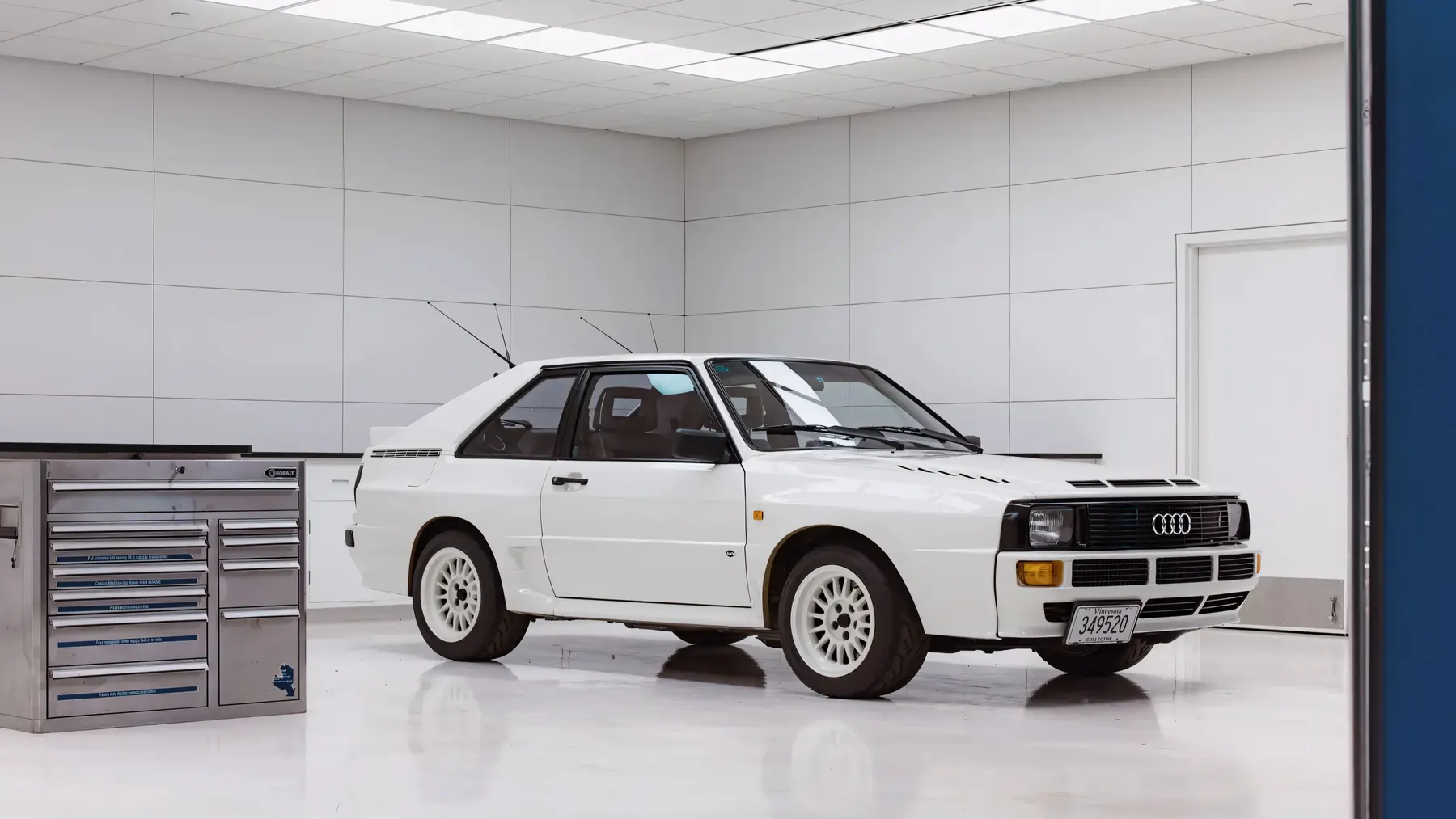
In the world of rally racing, few cars have left as indelible a mark as the Audi Sport Quattro. Born out of the legendary Audi Quattro, the Sport Quattro was the ultimate evolution of Audi’s rallying ambitions in the 1980s, designed specifically for the brutal and wildly popular Group B rally championship. With its aggressive stance, shortened wheelbase, and ferocious turbocharged engine, the Audi Sport Quattro not only set new benchmarks in performance but also helped to solidify Audi’s place in motorsport history.
The journey of the Audi Sport Quattro began with the introduction of the Audi Quattro at the 1980 Geneva Motor Show. This car was a game-changer in rally racing, thanks to its revolutionary all-wheel-drive system, a first in modern motorsport. Conceived by Audi engineer Jörg Bensinger, the Quattro harnessed the traction advantage of sending power to all four wheels, enabling it to dominate rally circuits where traditional rear-wheel-drive cars struggled.
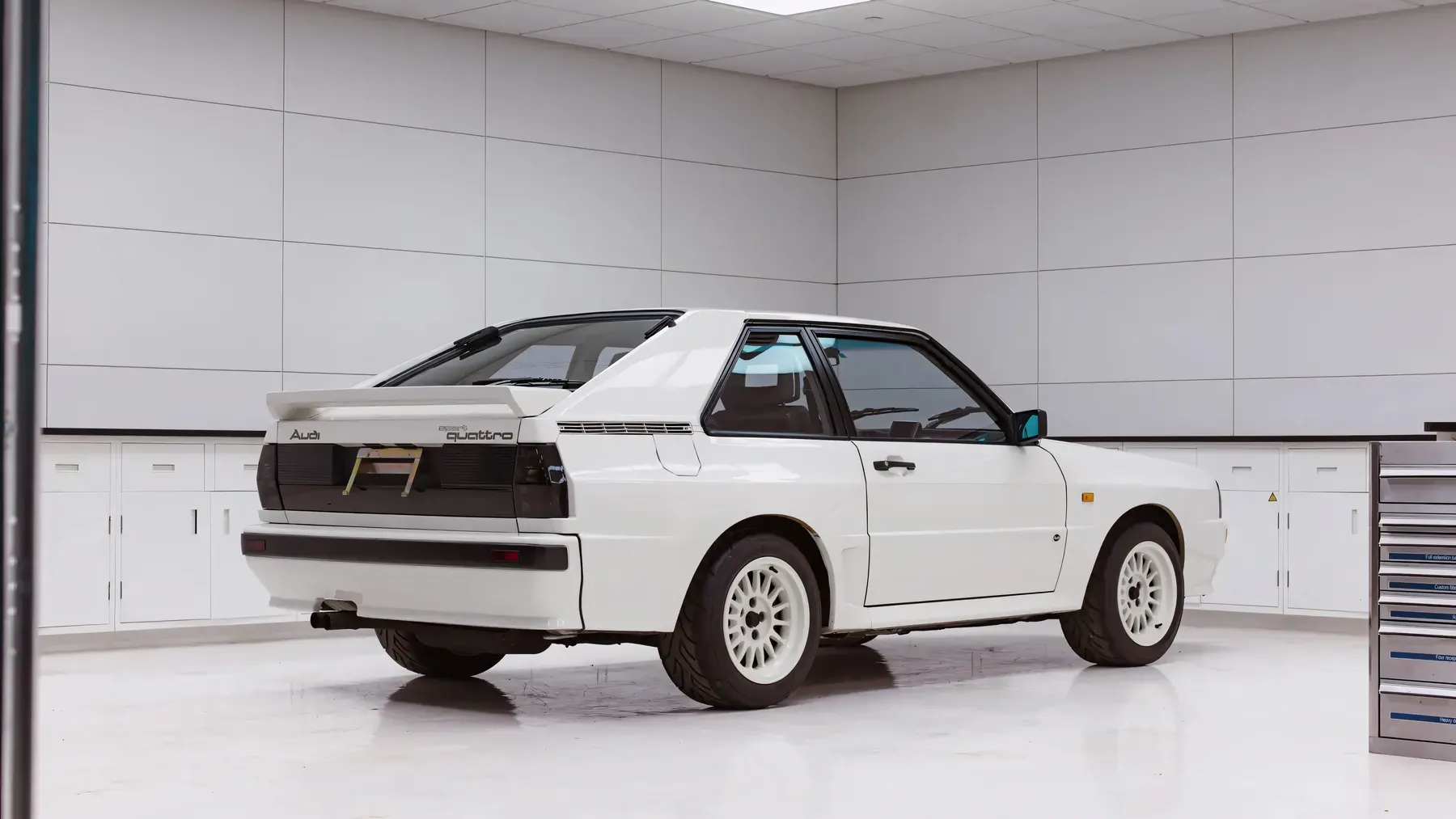
The original Audi Quattro,often referred to as the Ur-Quattro,quickly became a sensation, winning several World Rally Championship (WRC) titles and cementing Audi’s reputation as a leader in high-performance, all-wheel-drive technology.
While the Ur-Quattro was already a potent machine, Audi wanted to push the limits further for Group B rallying, a category that had few restrictions and allowed manufacturers to build incredibly fast and powerful cars. The result was the Audi Sport Quattro, introduced in 1984. This model was developed specifically for homologation purposes, meaning it had to be produced in limited numbers for sale to the public in order to compete.
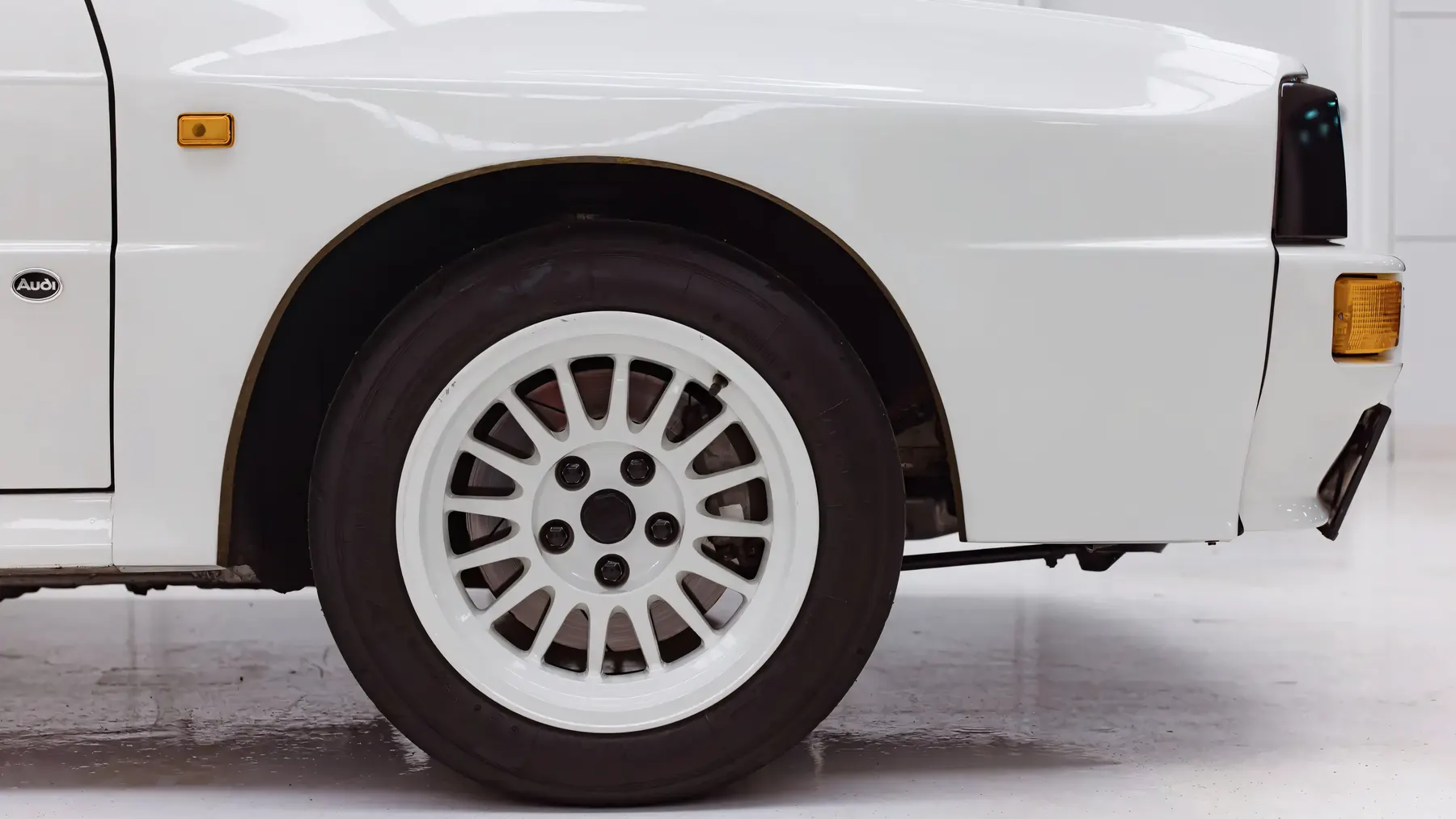
The Sport Quattro took everything great about the original Quattro and dialled it up. One of the key differences was the 320 mm shorter wheelbase, which made the car more agile on the tight and twisty rally stages. The body was also radically re-engineered with lightweight materials such as carbon-Kevlar composite panels, reducing the overall weight and giving the car an aggressive, muscular look that emphasised its performance credentials.
At the heart of the Audi Sport Quattro was its 2.1-liter, inline-five engine. Featuring a KKK K27 turbocharger and advanced Bosch LH Jetronic fuel injection, the engine was a marvel of engineering for its time. In road-going form, it produced 306 PS (302 hp) and 350 Nm (258 lb-ft) of torque, making it one of the most powerful cars of its era. However, the competition version pushed the envelope even further, delivering up to 444 hp in its peak rallying spec.
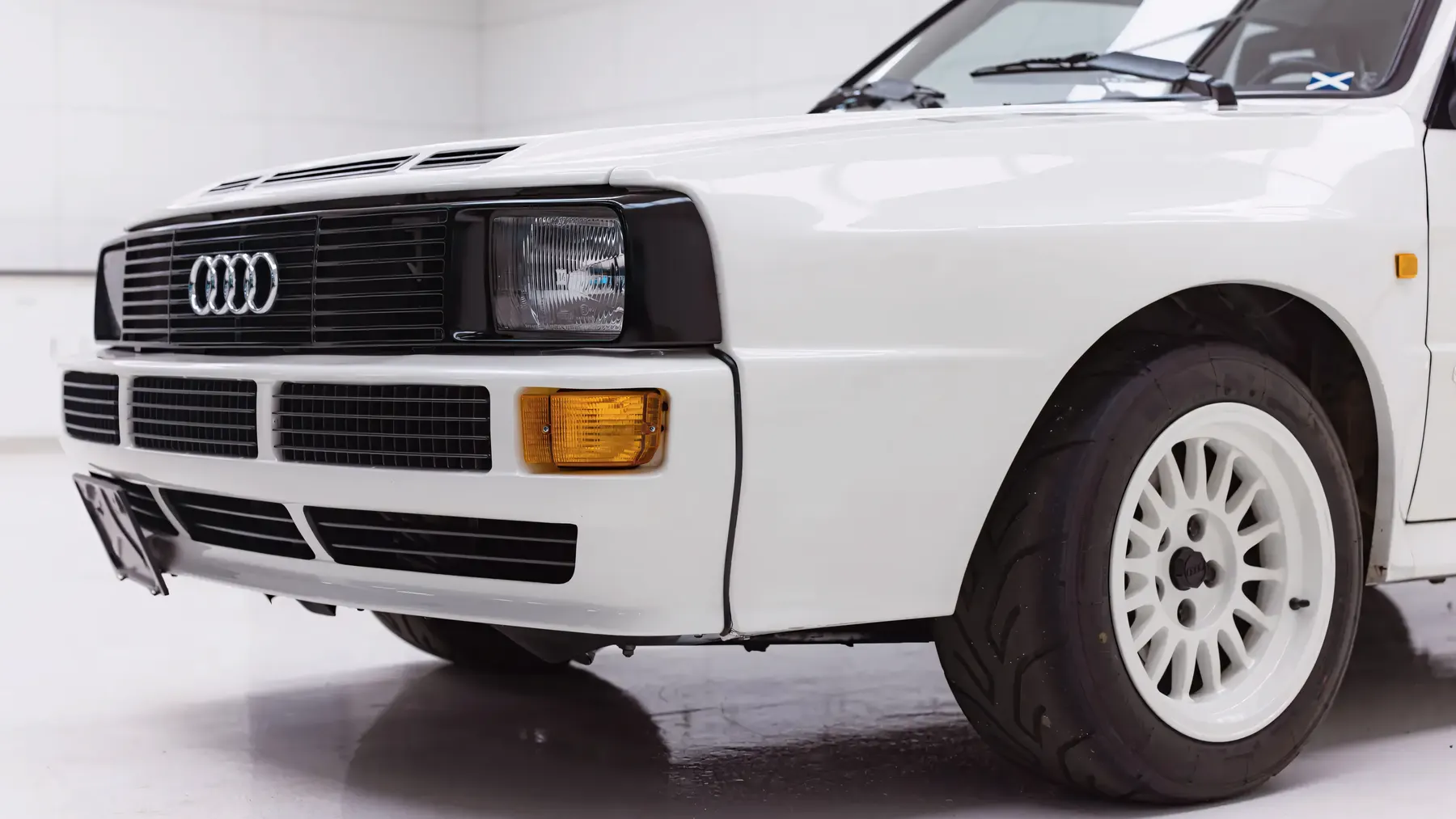
The engine was slightly smaller in displacement than the standard Quattro, a strategic move by Audi to ensure it qualified for the 3-litre engine class in Group B, where turbocharged engines were subject to a multiplication factor of 1.4. Despite its relatively small size, the engine delivered brutal power, enabling the car to rocket from 0 to 60 mph in around 4.8 seconds.
With its potent combination of all-wheel drive, lightweight construction, and a powerful turbocharged engine, the Audi Sport Quattro was perfectly suited for the intense demands of Group B rallying. One of its most iconic achievements came in 1985, when French rally driver Michèle Mouton piloted the Sport Quattro to victory at the Pikes Peak International Hill Climb, setting a new course record in the process. Mouton’s win further solidified the Sport Quattro’s status as a motorsport legend.
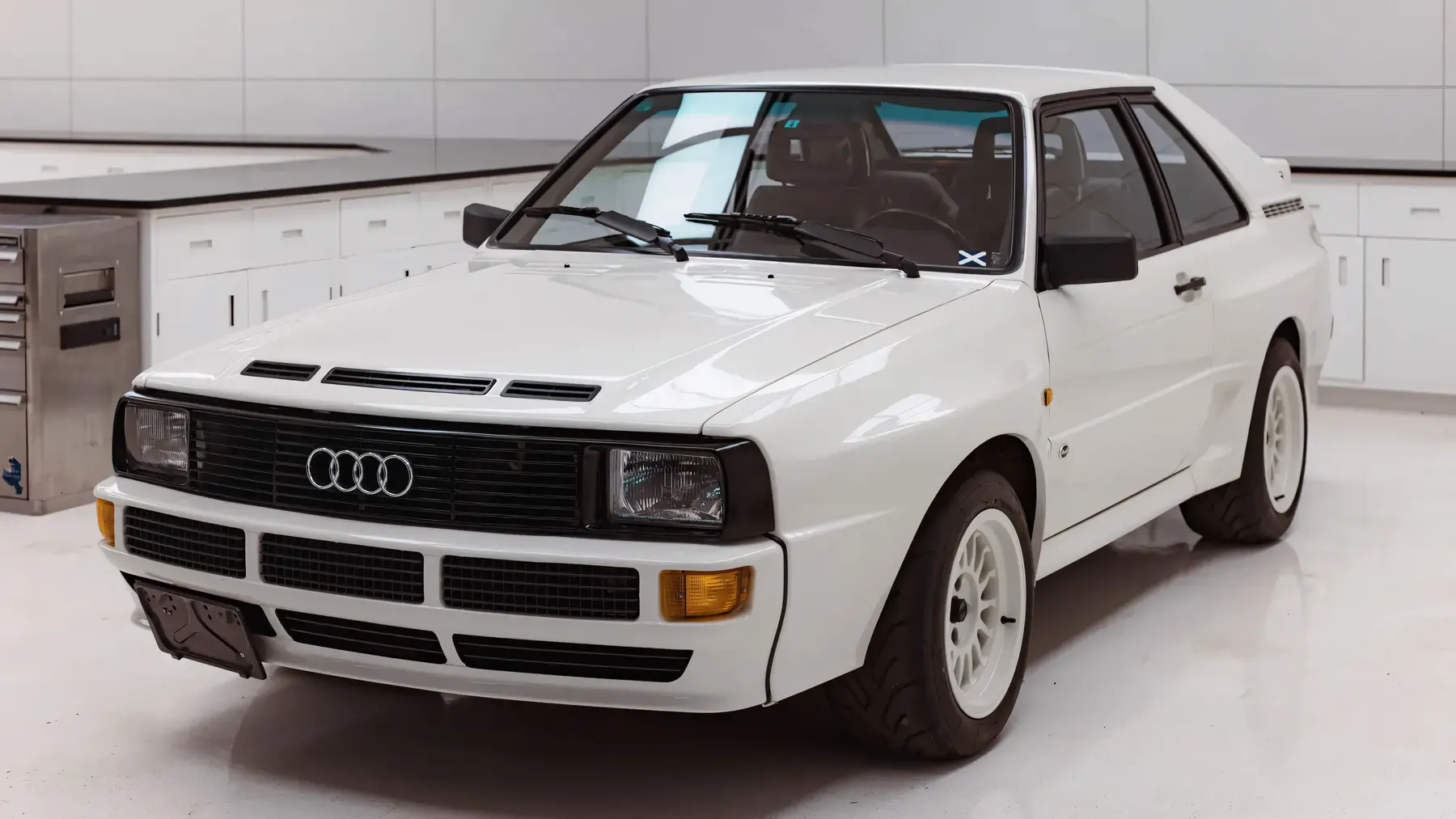
However, Group B was as dangerous as it was thrilling, and the high speeds and lack of safety regulations led to several fatal accidents. By the end of 1986, the category was discontinued, bringing an end to the Sport Quattro’s rally career. Nevertheless, its dominance on the rally stages during those years left an unforgettable legacy.
Audi produced just 224 examples of the Sport Quattro, making it one of the rarest and most sought-after cars in the brand’s history. At the time, it was priced at DM 203,850,an astronomical sum, but justified by the car’s cutting-edge technology and performance.
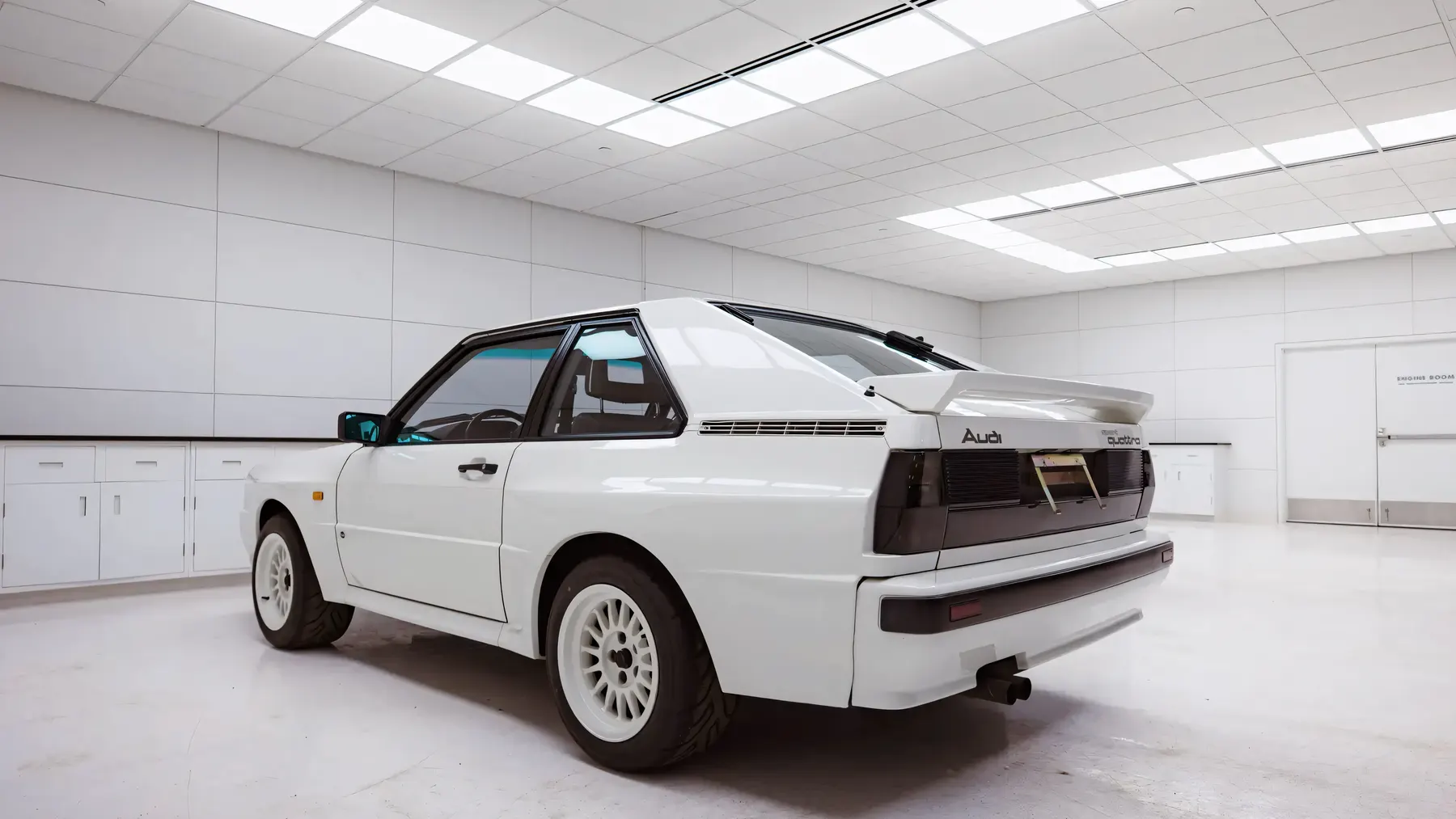
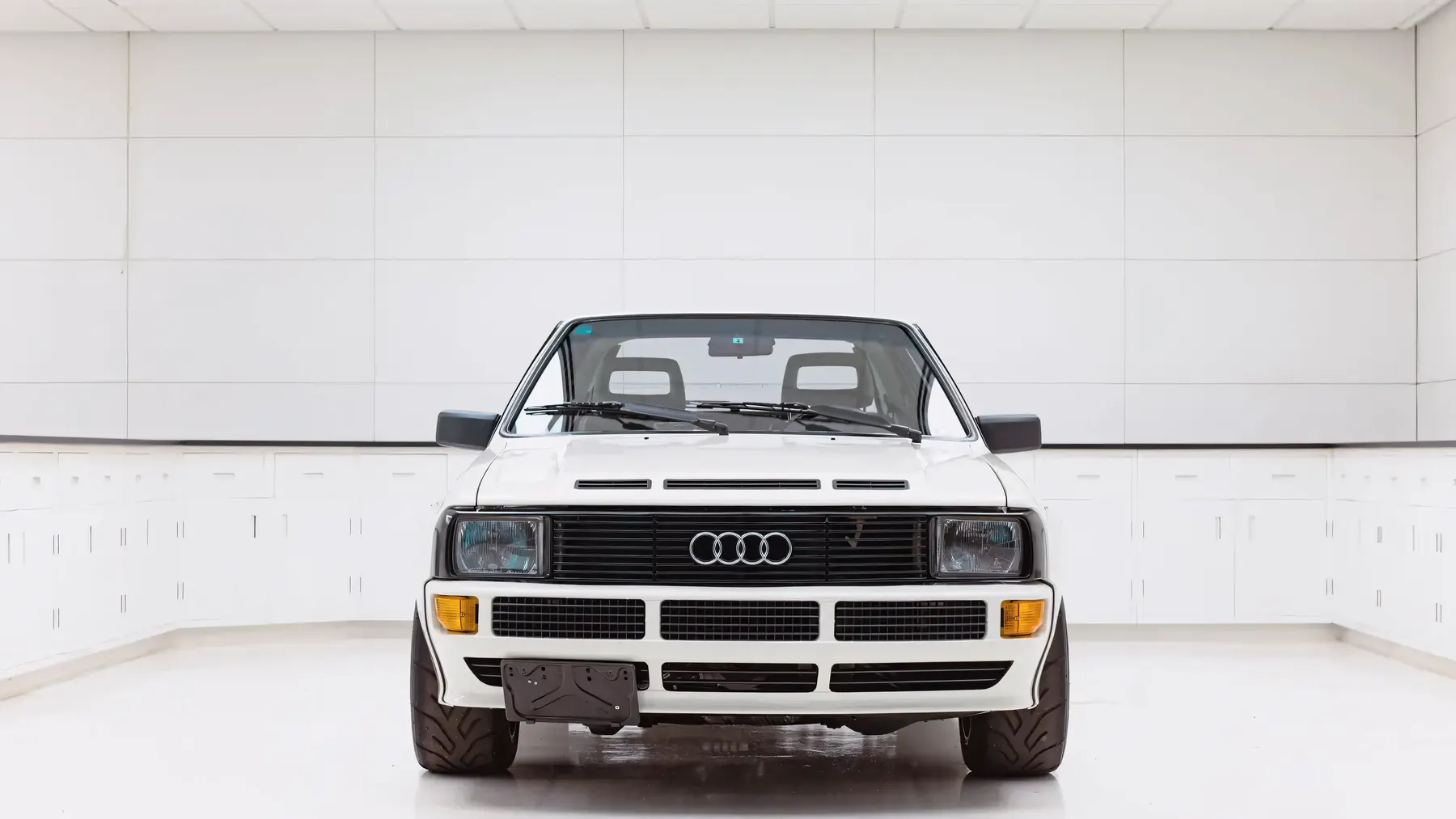
The Audi Sport Quattro represents the pinnacle of 1980s rally engineering, a car that was ahead of its time both in terms of performance and innovation. Its iconic flared wheel arches, shortened chassis, and aggressive demeanour still inspire car enthusiasts and collectors around the world today. Though it was designed for competition, the Sport Quattro transcended its motorsport roots to become a symbol of Audi’s relentless pursuit of innovation and performance.
The Audi Sport Quattro stands as a beacon of innovation and performance from a golden age of rallying. Its legacy is not just one of motorsport glory, but also as a car that changed how the automotive world viewed all-wheel-drive technology. Fast, fierce, and revolutionary, the Sport Quattro remains an automotive icon, beloved by enthusiasts and collectors alike for its combination of cutting-edge engineering and rich history.
Join the discussion
Comments
Loading comments…
Leave a comment
Share a detail, memory, or perspective. Every comment is reviewed before publication.