1985 Audi Sport quattro S1 E2

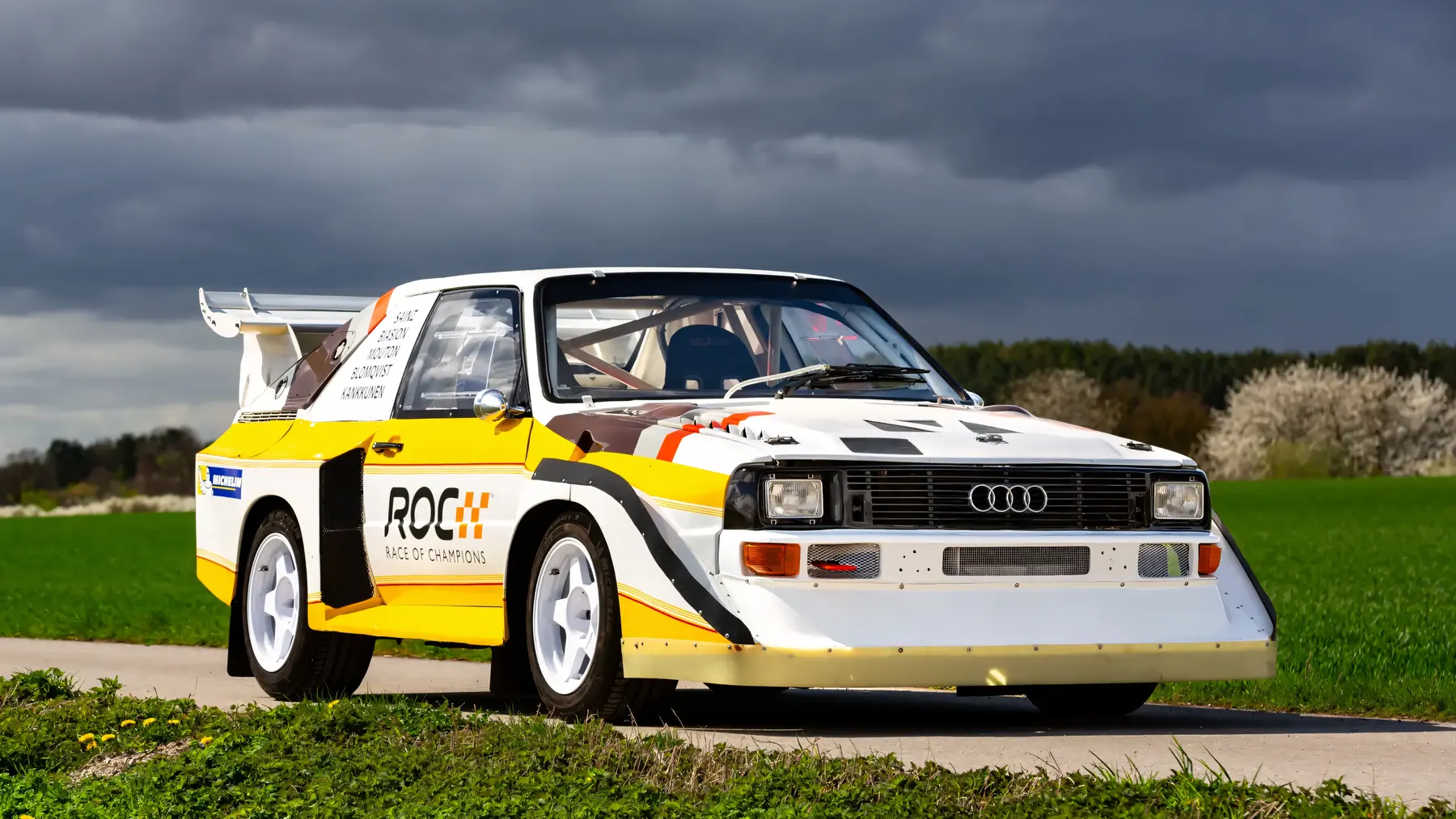
In the pantheon of motorsport legends, few cars embody the audacity and innovation of the 1980s Group B era like the Audi Sport Quattro S1 E2. A fire-breathing, all-wheel-drive titan, this machine redefined rallying with its groundbreaking technology, blistering speed, and fearless engineering. As the final evolution of Audi’s quattro rally program, the S1 E2 stands as a testament to an era when rules were bent, limits were shattered, and rally cars became synonymous with danger and spectacle.
The S1 E2’s lineage begins with the Audi Ur-Quattro, the world’s first rally car to harness four-wheel drive. Introduced in 1980, the Ur-Quattro revolutionized the sport, dominating rallies with its traction and turbocharged power. By 1984, Audi’s engineers sought to push further, crafting the Sport Quattro S1 to meet Group B homologation rules. With a shortened wheelbase and advanced materials, it laid the groundwork for the S1 E2,a car born to dominate.
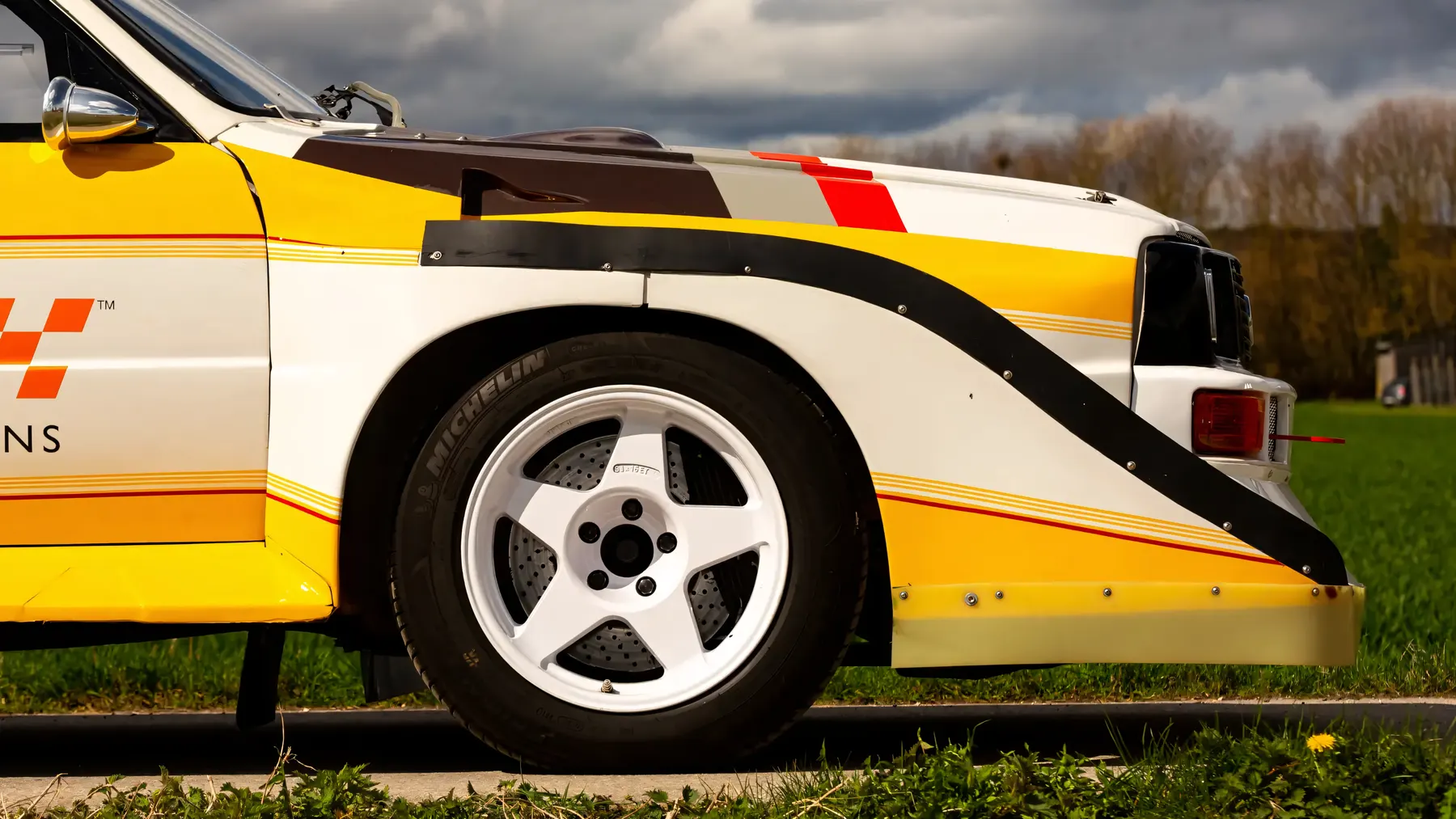
Debuting in late 1985, the S1 E2 was Audi’s answer to rivals like Peugeot’s 205 T16 and Lancia’s Delta S4. Only 20 examples were built, each hand-assembled for competition. Its creation marked the zenith of Group B, a category celebrated for technical freedom and raw power, but marred by tragedy as safety concerns led to its abrupt end in 1986.
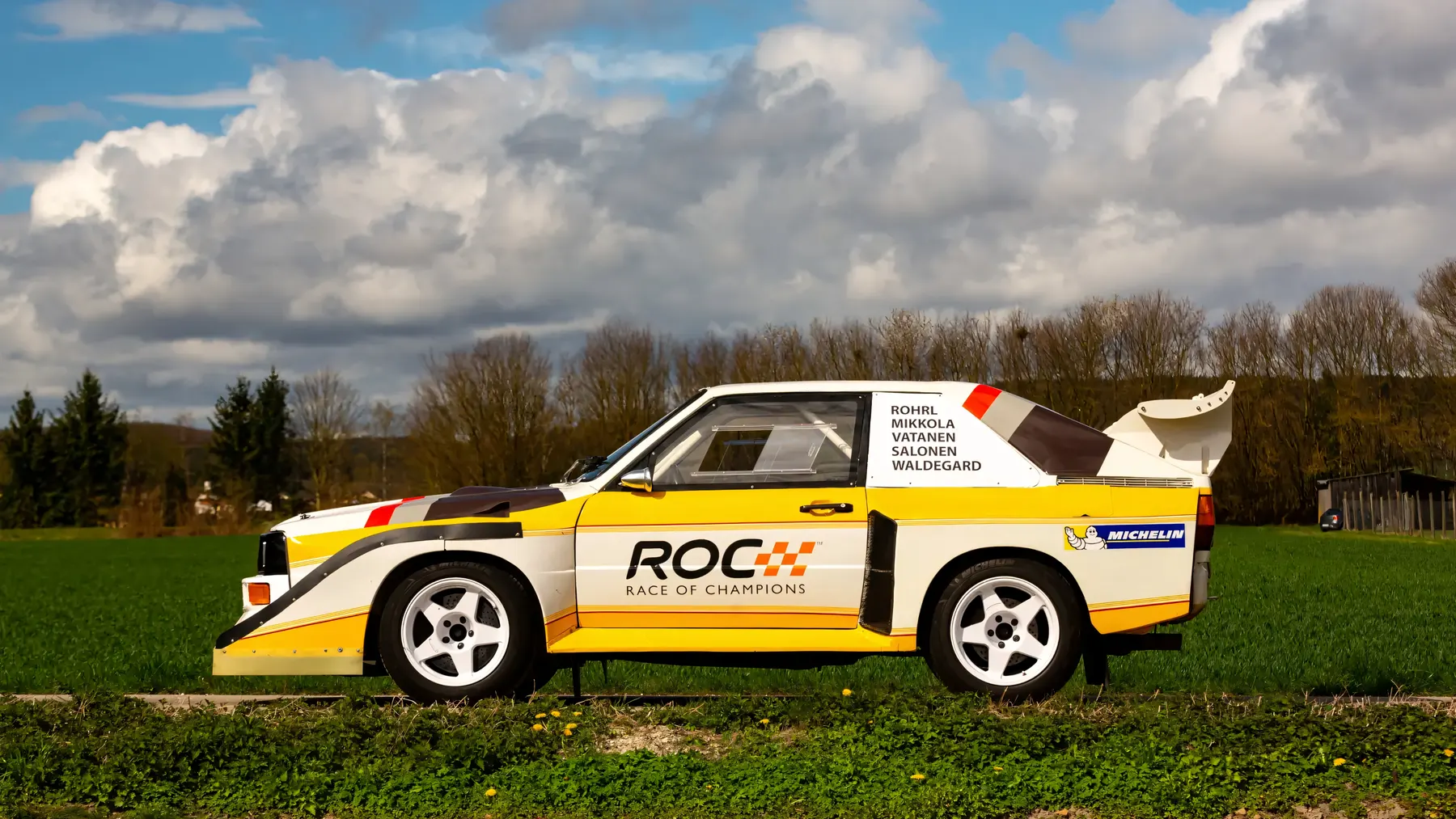
The S1 E2’s design was a masterclass in function-over-form. To tame its monstrous power, Audi’s engineers clad the car in an aerodynamic kit that looked like it belonged on a fighter jet. A towering rear wing, gaping front intakes, and flared wheel arches housing 9-inch-wide tires gave it an unmistakable silhouette. The body, crafted from carbon-kevlar composites, reduced weight to just 1,090 kg (2,403 lbs), while the wheelbase was chopped by 320 mm (12.6 inches) for agility on tight stages.
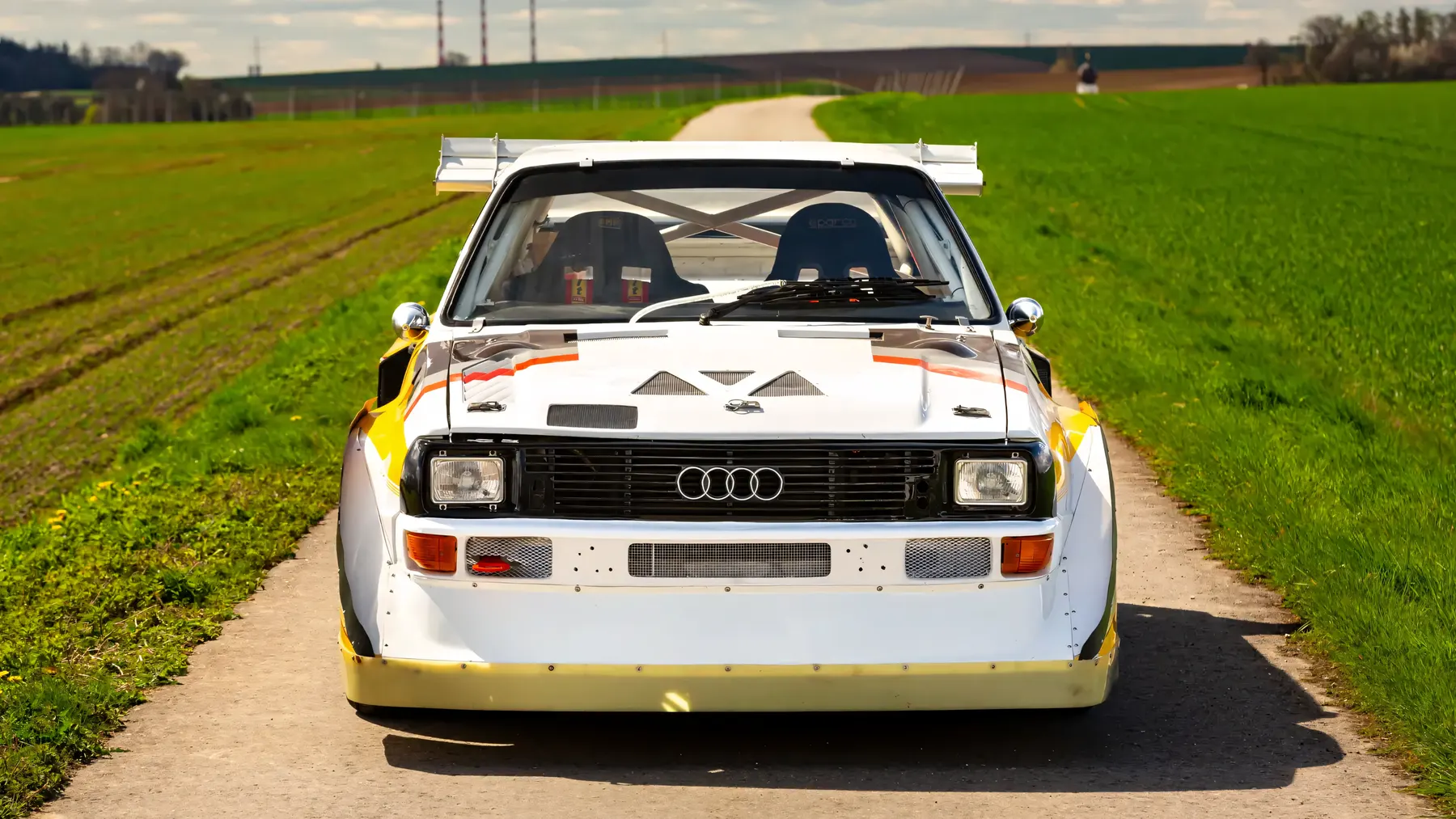
Inside, the cockpit was stripped to essentials. A steeply raked windshield,borrowed from the Audi 80,minimized dashboard glare, while bucket seats and a roll cage underscored its racing intent. Every element, from the relocated radiator to the magnesium alloy wheels, served a singular purpose: speed.
At the heart of the S1 E2 lay a 2.1-liter inline-five engine, its aluminum block crowned by a 20-valve head. Equipped with a KKK turbocharger and a recirculating air system to combat lag, it officially produced 480 PS (473 hp), though actual figures exceeded 500 PS (493 hp) at a screaming 8,000 rpm. In 1986, factory-tuned rally versions unleashed up to 600 PS (592 hp), propelling the car from 0–100 km/h (62 mph) in 3.1 seconds,a figure rivaling modern hypercars.
Power was channeled through Audi’s legendary quattro system, a permanent all-wheel-drive setup paired with a close-ratio manual transmission. An early “power-shift” gearbox, a precursor to today’s DSG, allowed lightning-fast gear changes without lifting off the throttle. Engineers balanced the front-heavy layout by relocating components like the alternator rearward, optimizing weight distribution for razor-sharp handling.
The S1 E2’s genius lay in its details. The turbo’s anti-lag system kept boost pressure constant during gear shifts, ensuring relentless acceleration. Massive ventilated disc brakes, borrowed from Audi’s IMSA GTO program, provided stopping power, while double-wishbone suspension absorbed punishing terrain. Aerodynamic tweaks, tested in wind tunnels, generated enough downforce to glue the car to tarmac,or gravel,at triple-digit speeds.
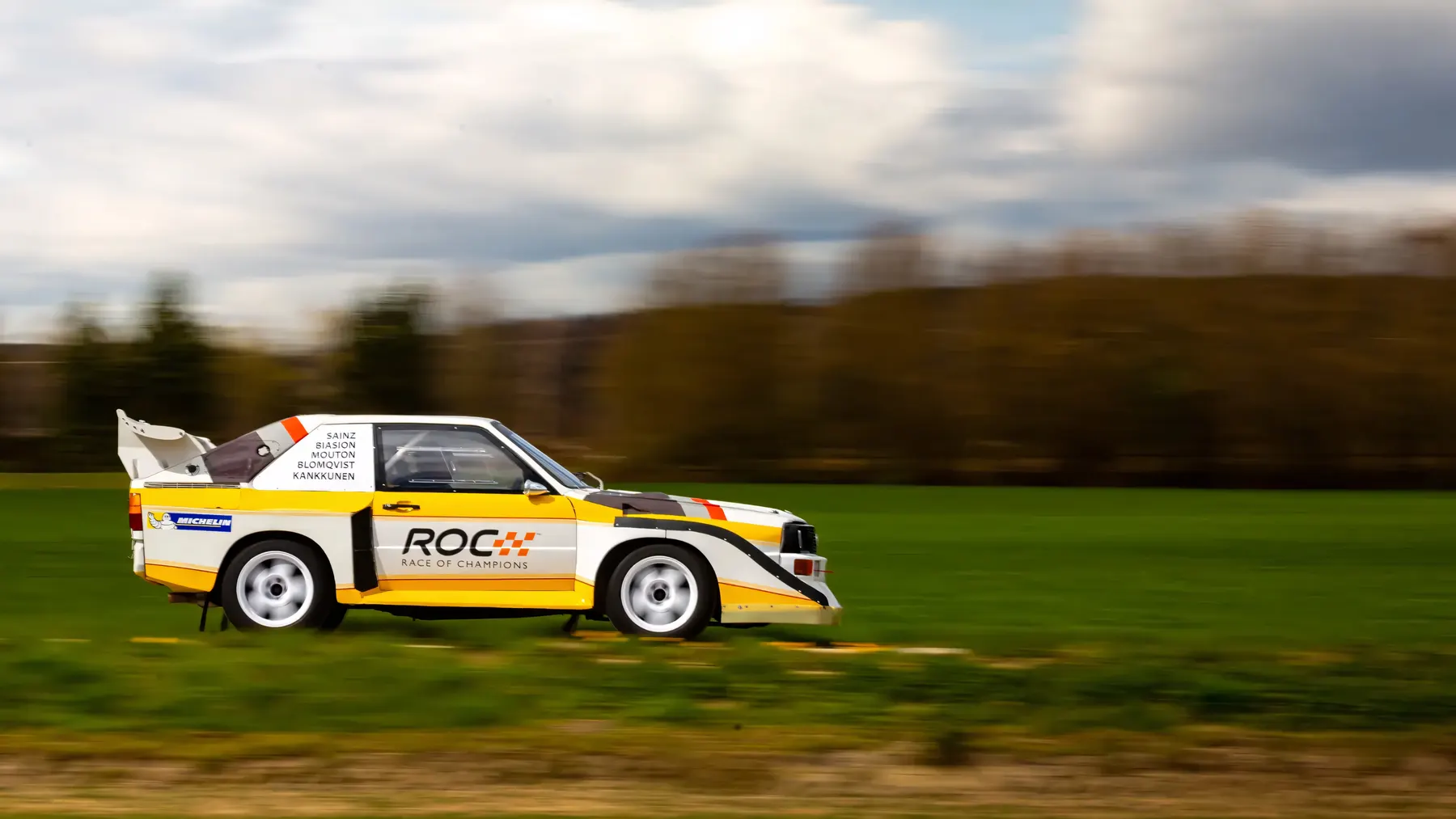
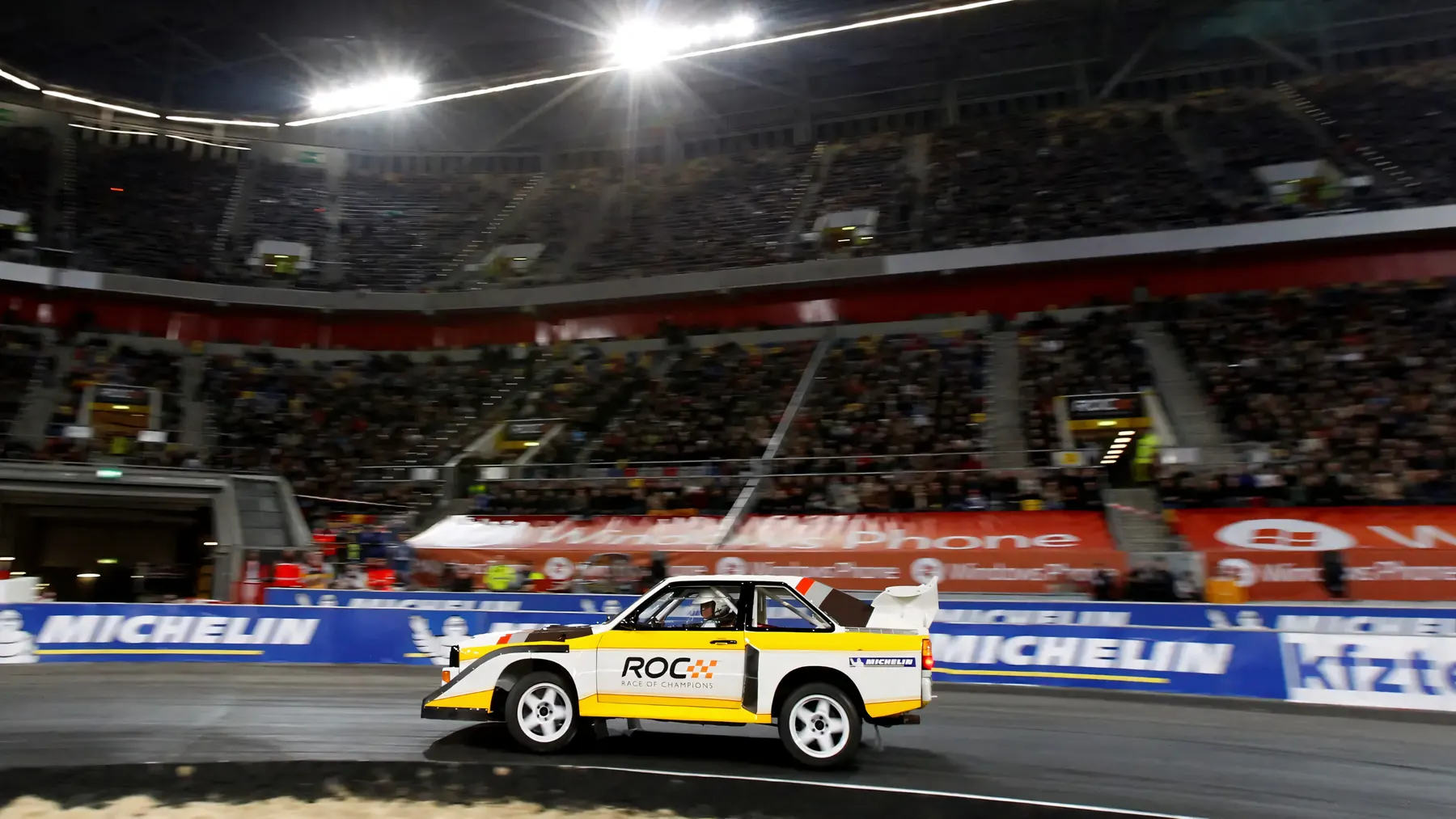
The S1 E2 was met with equal parts awe and terror. In rallies, it became a fan favorite, its flame-spitting exhaust and sideways drifts electrifying crowds. Walter Röhrl and Michèle Mouton piloted it to victories at events like the 1985 San Remo Rally and Pikes Peak, where it set a record time of 10:47.85 in 1987. Yet its raw power proved a double-edged sword; the car’s unpredictable handling and staggering speed contributed to Group B’s reputation as a “killer class.”
Beyond rallies, the S1 E2 permeated popular culture. It starred in the BBC series Ashes to Ashes, symbolizing 1980s excess, and became a political icon when UK parties co-opted its image for election campaigns. After Group B’s ban, surviving cars found new life in Rallycross, where modified versions boasted over 750 hp, cementing their legacy as adaptable competition beasts.
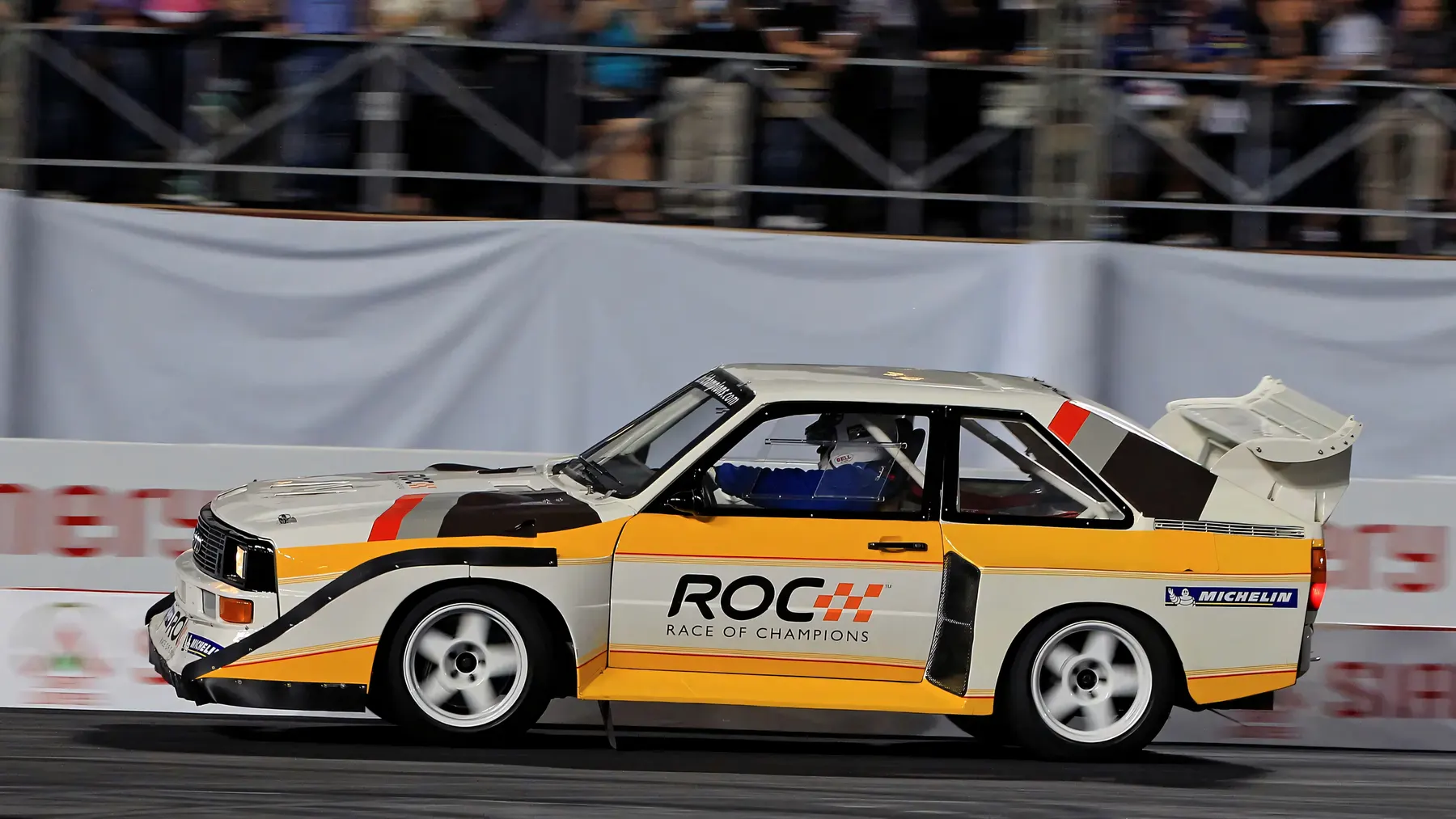
The S1 E2’s impact transcends its brief career. It showcased Audi’s engineering prowess, paving the way for road cars like the RS2 Avant and modern quattro systems. Today, surviving examples are crown jewels in collections, their value soaring into the millions. At historic events like Goodwood Festival of Speed, they remain crowd magnets, roaring up hills with the same ferocity that once terrorized rally stages.
The Audi Sport Quattro S1 E2 is more than a relic,it’s a monument to motorsport’s most daring era. A machine that defied convention, it combined cutting-edge technology with unbridled power, driven by legends who danced on the edge of control. For enthusiasts, it represents the pinnacle of rallying’s golden age, a time when cars were wild, races were unpredictable, and innovation knew no bounds. In the annals of automotive history, the S1 E2 remains unmatched: a roaring, fire-breathing testament to what happens when engineers and drivers dare to dream dangerously.
Join the discussion
Comments
Loading comments…
Leave a comment
Share a detail, memory, or perspective. Every comment is reviewed before publication.