1985 Lancia Delta S4 Rally

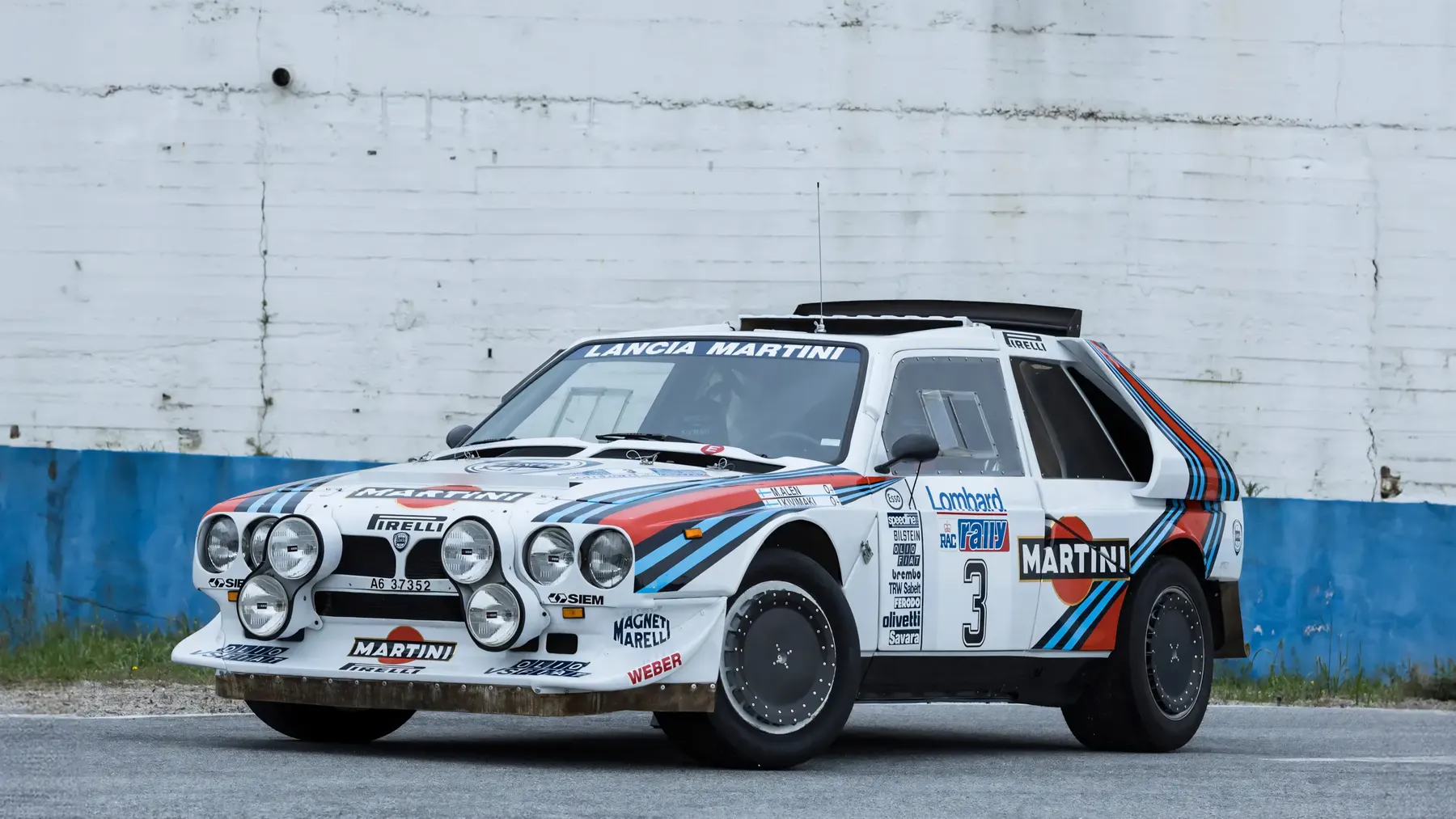
The 1980s were a time when rally cars pushed engineering boundaries in ways that now seem almost reckless. Among the most extreme machines from this period was the Lancia Delta S4 Rally, a car that combined groundbreaking technology with sheer speed, only to become a symbol of both triumph and tragedy. This is the story of a vehicle that redefined what was possible in motorsport, then disappeared as quickly as it arrived,leaving behind a legacy that still captivates engineers and fans today.
By 1983, Lancia found itself at a crossroads. Their previous rally champion, the rear-wheel-drive 037, couldn’t match the traction of Audi’s all-wheel-drive Quattro on loose surfaces. Rallying’s Group B regulations,introduced in 1982,offered a loophole: manufacturers could build bespoke race cars instead of modifying production models. Lancia’s engineers seized this opportunity, creating a car that shared nothing with its road-going namesake beyond the silhouette.
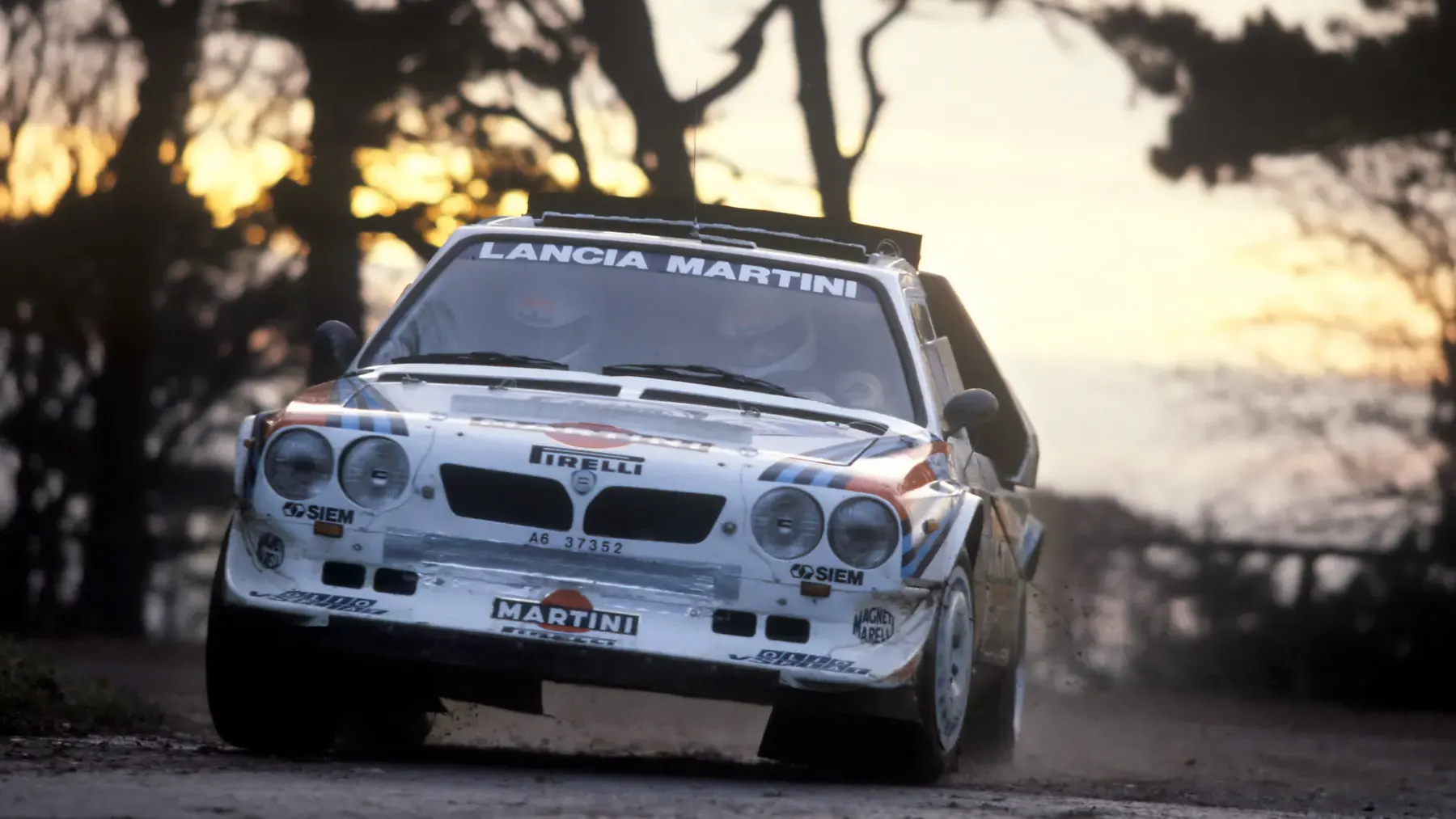
The Delta S4 wasn’t just an evolution; it was a revolution. Designed from a blank sheet, it aimed to combine the 037’s agility with the Quattro’s grip,and then some. What emerged was a car that looked like a hatchback but behaved like a missile.
At the heart of the Delta S4 was an idea so bold it bordered on absurdity: combining two types of forced induction into one engine. Engineers mounted both a supercharger and a turbocharger to a 1.8-liter four-cylinder engine,a setup dubbed “twincharging.” Here’s how it worked: the supercharger, belt-driven by the engine, provided instant throttle response at low RPMs, while the turbocharger took over at higher speeds. The result was 500 horsepower,enough to push the 890 kg car from 0 to 100 km/h in under 3 seconds.
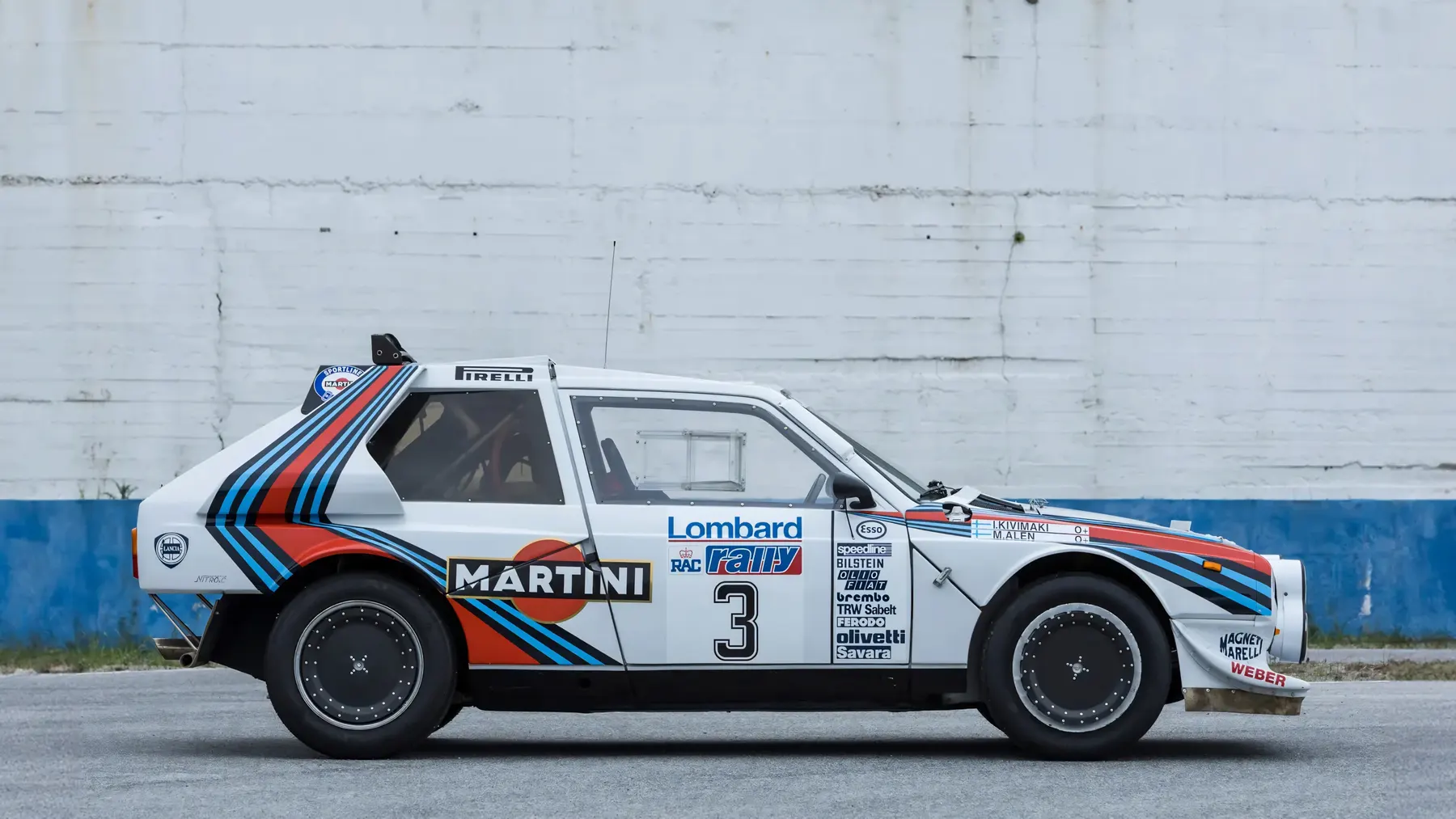
This power was funneled through an advanced all-wheel-drive system co-developed with Hewland. Unlike Audi’s early Quattro system, the S4 could split torque between front and rear axles, adjusting between 60-75% rear bias depending on terrain. Drivers could tackle gravel, ice, or tarmac without sacrificing speed.
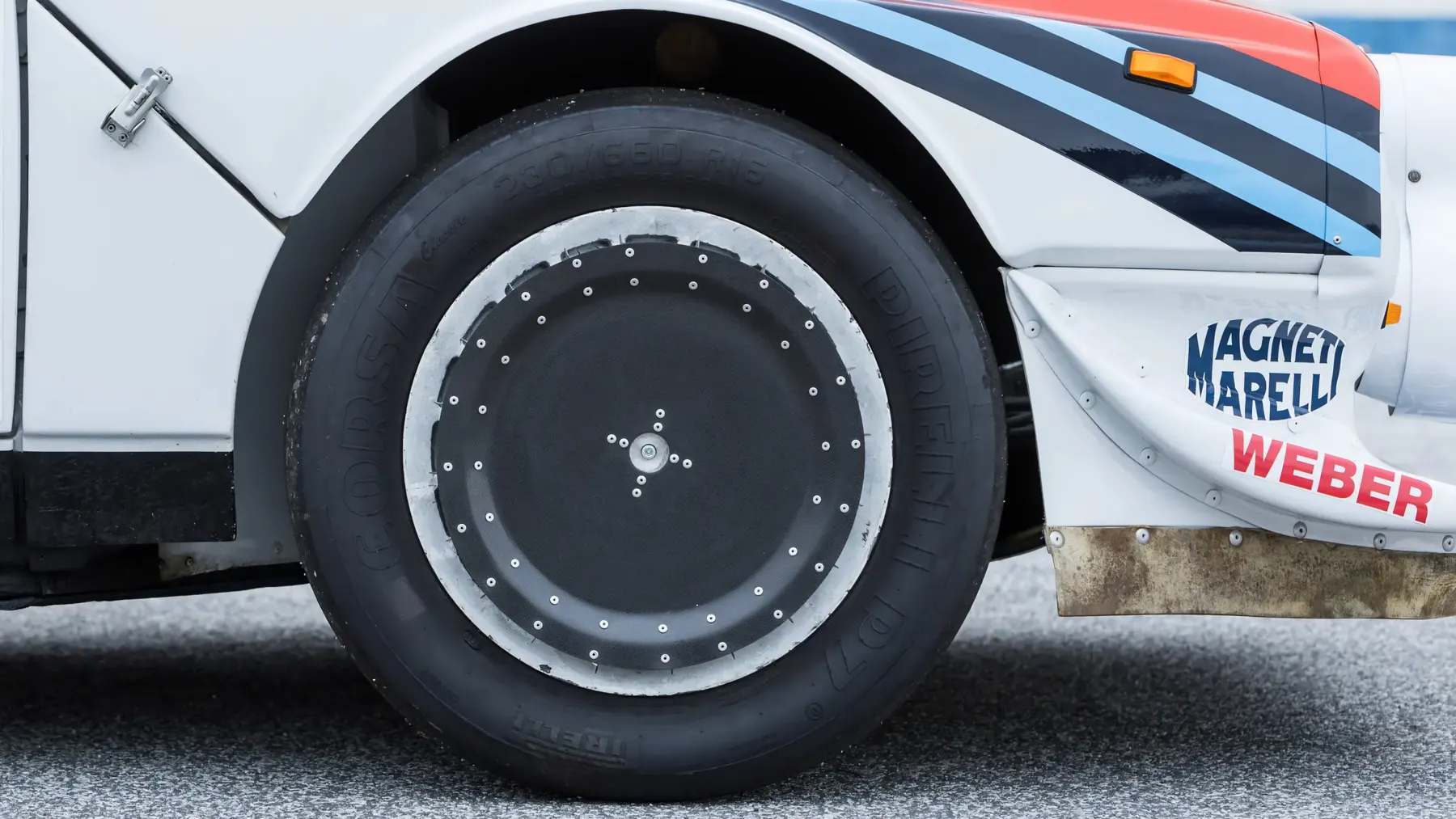
The chassis was equally radical. A tubular steel space frame cloaked in carbon fiber panels made the S4 both lighter and stiffer than rivals. Magnesium components,including the engine block,shed weight further, while double wishbone suspension at all four corners gave engineers precise control over handling.
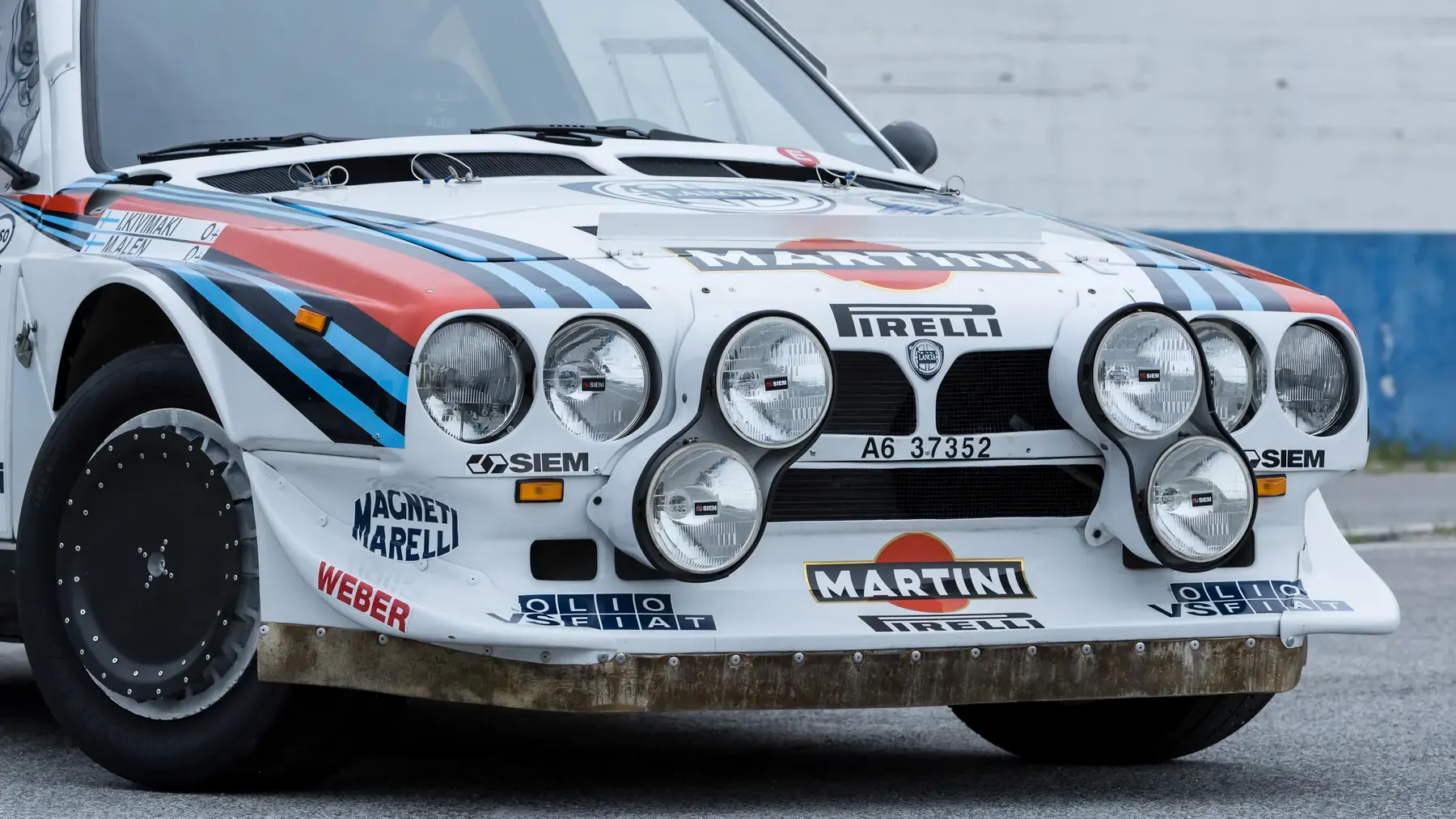
The Delta S4’s competition debut at the 1985 RAC Rally was jaw-dropping. Finnish driver Henri Toivonen piloted the untested car to victory, outpacing Audi’s Quattros and Peugeot’s 205 T16s. By 1986, the S4 was unbeatable on mixed surfaces. Toivonen won the Monte Carlo Rally’s icy switchbacks, while teammate Markku Alén conquered Washington’s rain-soaked Olympus Rally.
But the S4’s speed came with risks. Group B cars had become terrifyingly fast,so quick that drivers barely reacted to course changes. Spectators, lured by the spectacle, stood inches from the track. At Portugal’s 1986 rally, a Ford RS200 swerved into a crowd, killing three. The S4’s magnesium body, while lightweight, posed another danger: it ignited like a flare in crashes.
On May 2, 1986, during the Tour de Corse, Toivonen lost control on a tight left bend. His S4 careened off the road, plunging 150 meters into a ravine. The magnesium chassis erupted in flames, leaving nothing but ash. Toivonen and co-driver Sergio Cresto died instantly.
The crash shocked the racing world. Five weeks later, the FIA banned Group B. The Delta S4,a car built for a rulebook that no longer existed,was retired after just 18 months. Only 28 were ever made.
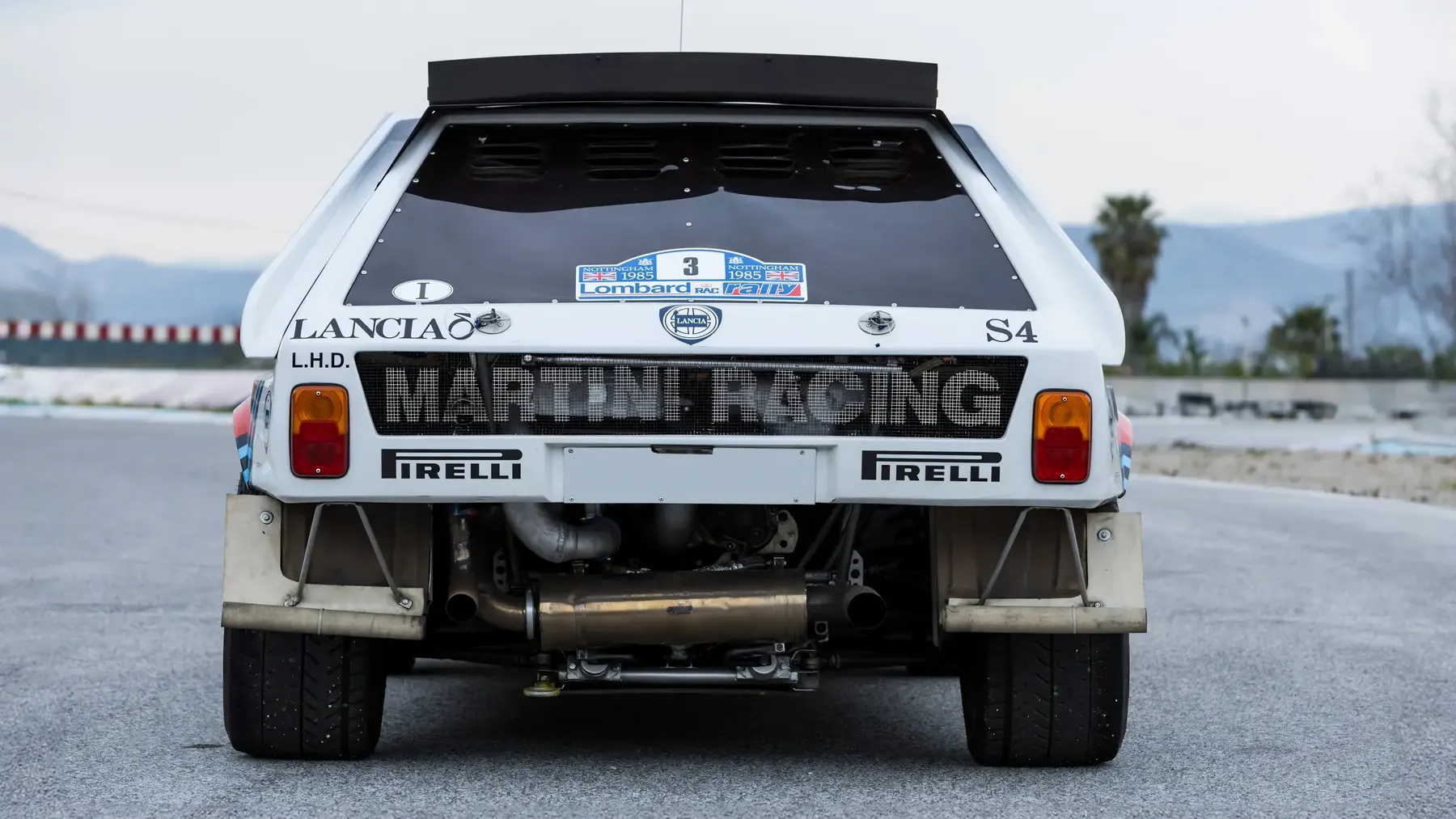
Though its career was brief, the S4 reshaped automotive engineering. Its twincharging concept inspired later engines from Volkswagen and Koenigsegg, while its carbon fiber construction became standard in racing. The adjustable all-wheel-drive system evolved into the active differentials used in modern rally cars.
But the S4’s greatest legacy was cautionary. The FIA introduced strict safety reforms: fireproof suits, roll cage standards, and spectator barriers. Rally cars grew heavier, slower,and safer.
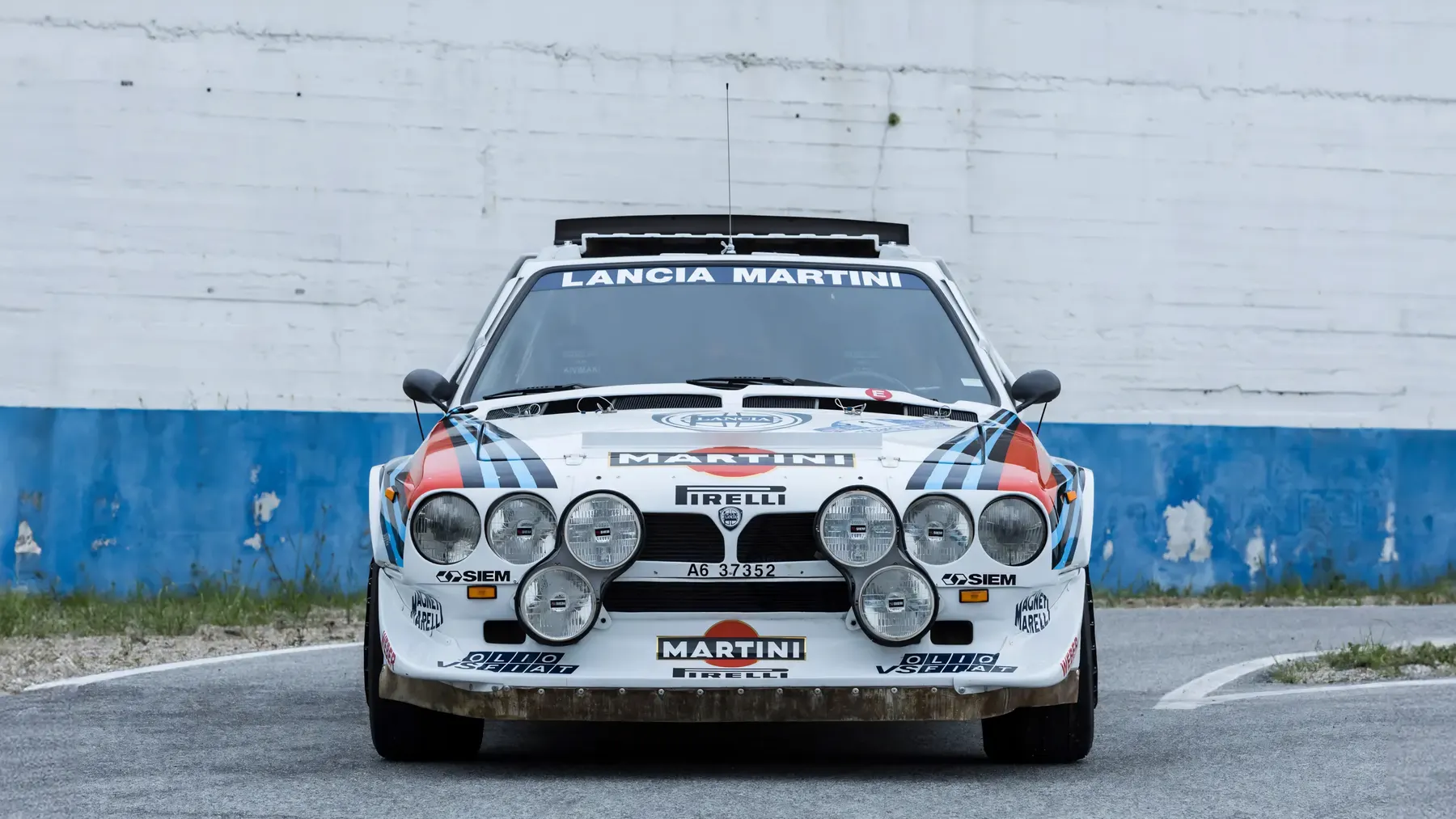
A handful of road-going S4 Stradales survive, priced at over €1 million. These tamer versions, with 250 horsepower and plush interiors, hint at what a production S4 might have been.
Today, the Delta S4 represents a paradox: a reminder of how far engineering can go,and how quickly ambition can spiral. Its story isn’t just about speed or tech; it’s about human ingenuity colliding with mortality.
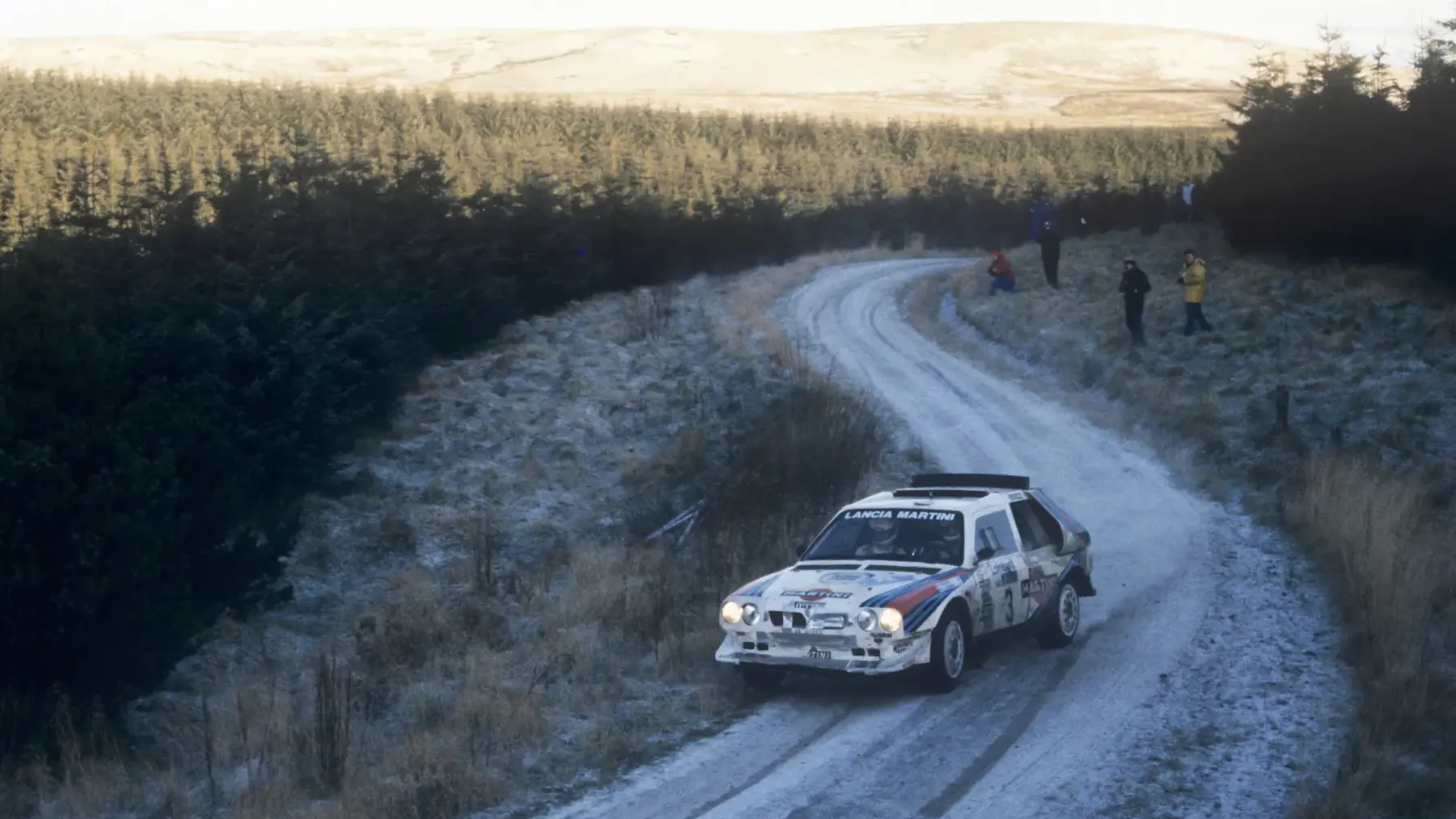
For enthusiasts, the S4 is a time capsule from rallying’s most daring era. Videos of Alén sliding through forests at full throttle rack up millions of views. Restored models command seven-figure sums at auction. And engineers still debate: Could modern materials make twincharging viable again?
But perhaps the S4’s true lesson is simpler. In pursuit of victory, we sometimes forget the cost. The car’s brilliance inspired innovations we take for granted, yet its dangers forced reforms that saved lives. It wasn’t perfect,but perfect machines rarely make history.
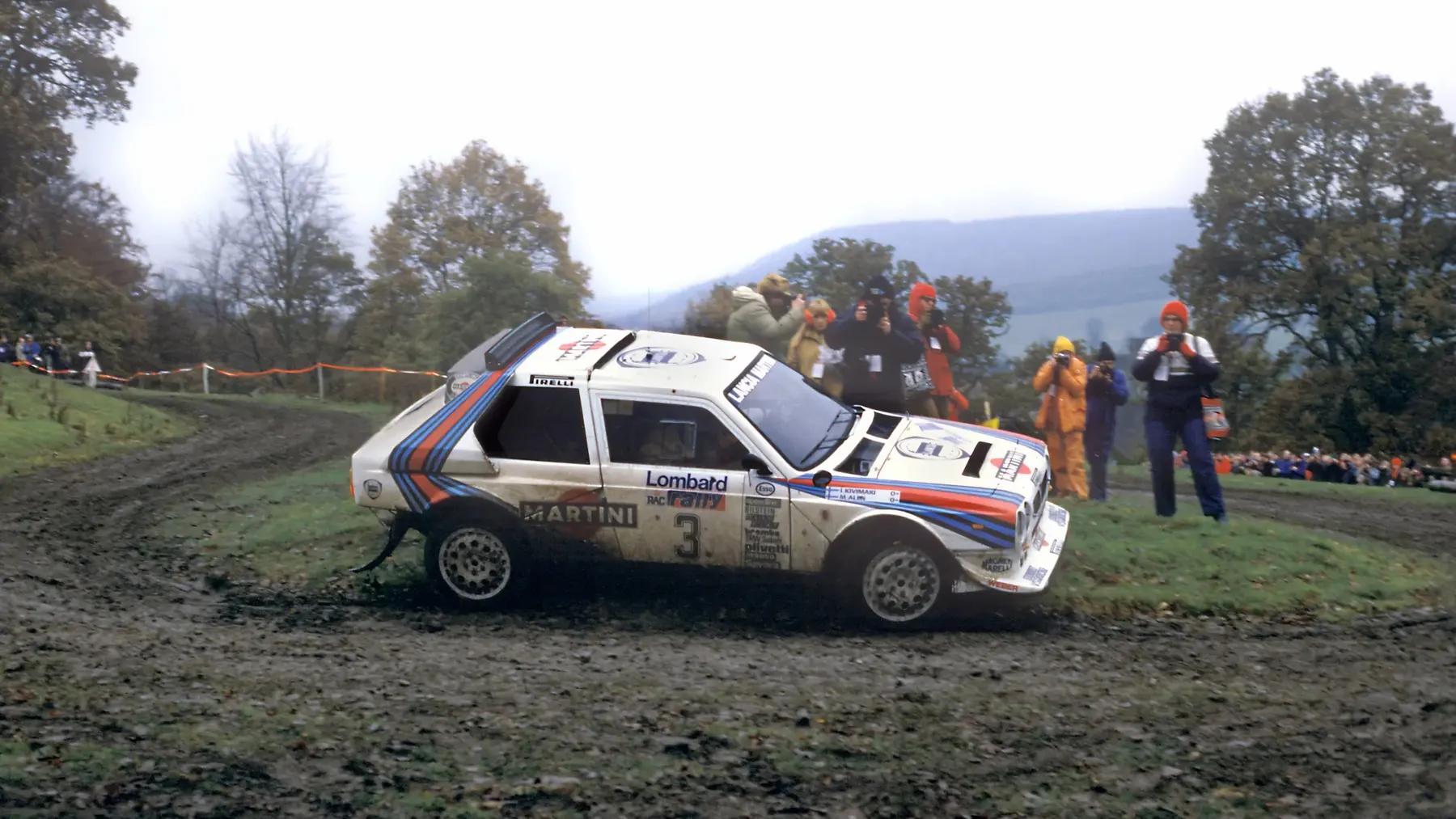
The Lancia Delta S4 Rally exists now as a warning and a wonder. A machine that dared to redefine limits,and in doing so, showed us where they should lie.
Join the discussion
Comments
Loading comments…
Leave a comment
Share a detail, memory, or perspective. Every comment is reviewed before publication.