1985 Renault 5 Turbo 2

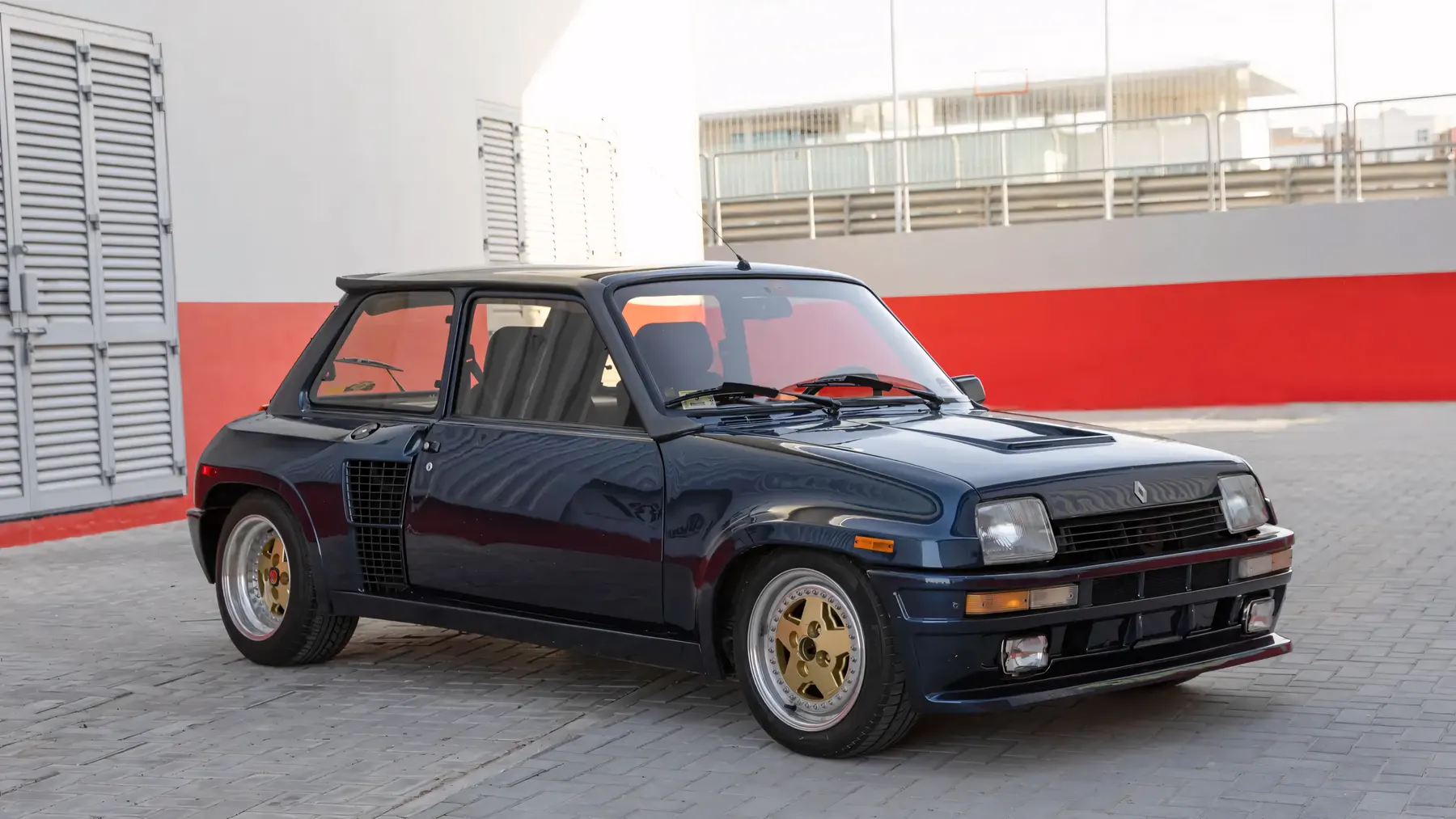
The Renault 5 Turbo 2 stands as a shining example of the audacious engineering of the 1980s, blending rally pedigree with road-going performance. Evolving from the iconic Renault 5 Turbo (often called the “Turbo 1”), the Turbo 2 retained much of its predecessor’s ferocious character while offering a more accessible and slightly cost-reduced package.
The Renault 5, a versatile and immensely popular hatchback, served as the foundation for this motorsport-inspired transformation. First launched in 1972, the Renault 5 quickly became a favorite in Europe, known for its compact design, affordability, and practicality. However, in the late 1970s, Renault sought to create a rally contender that could compete against cars like the Lancia Stratos. Using the Renault 5 as a base, the company re-engineered the car into a mid-engine, rear-wheel-drive beast: the Renault 5 Turbo.
The original Renault 5 Turbo was unveiled in 1980, showcasing radical changes. A turbocharged 1.4-liter inline-four engine, placed midship, produced 160 horsepower and 221 Nm of torque. This configuration, combined with aggressive styling and extensive weight reduction, made the car a rally powerhouse. Its wide fender flares, air intakes, and stripped-down interior were designed with one goal in mind,performance.
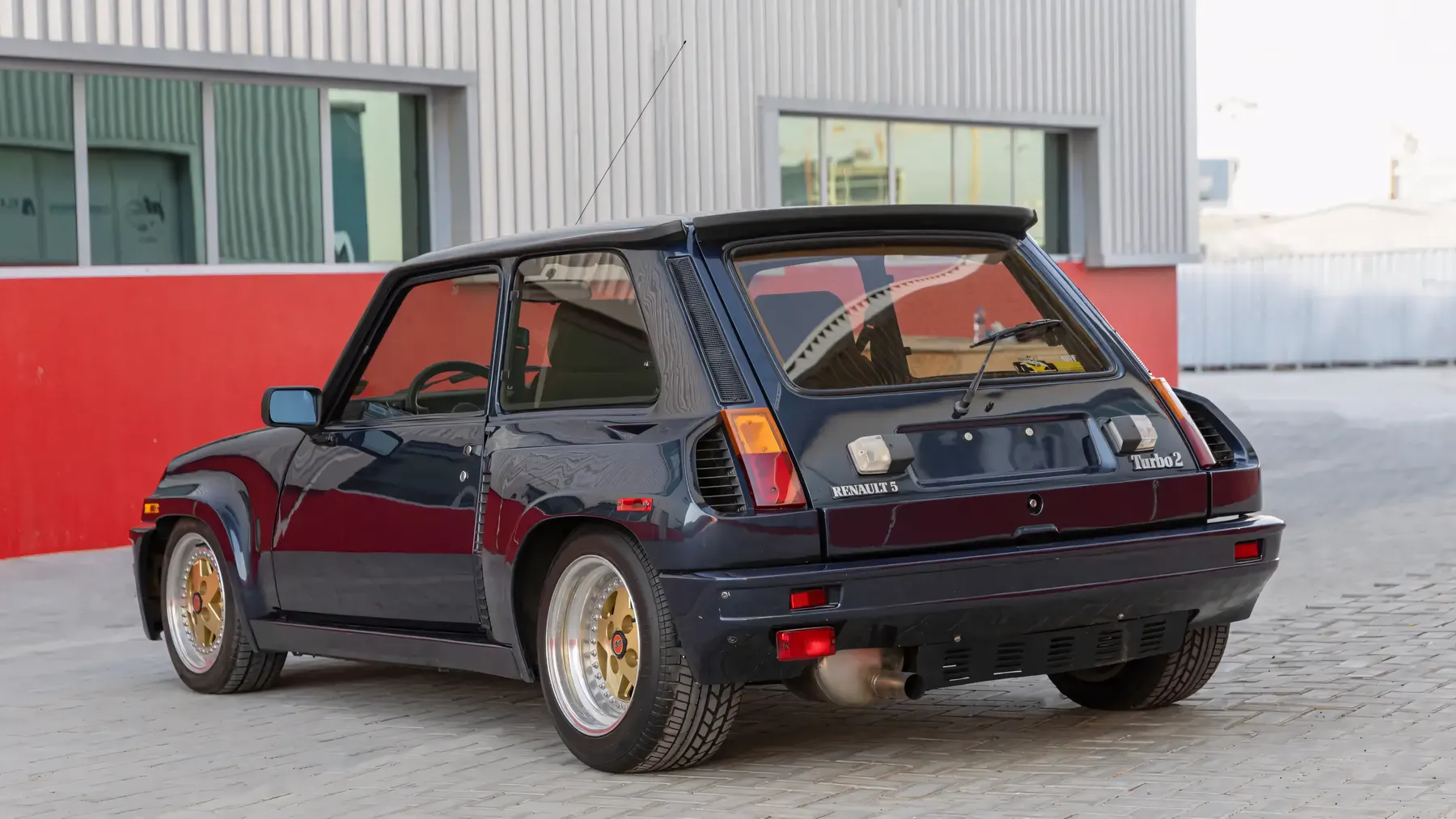
Following the homologation success of the Turbo 1, Renault introduced the Turbo 2 in 1983. This version used more standard Renault 5 components, such as steel doors and a conventional dashboard, replacing the lightweight alloy panels and bespoke interior of its predecessor. While this made the Turbo 2 slightly heavier, it also reduced costs, broadening its appeal.
The Turbo 2 retained the unmistakable silhouette of the Renault 5 but with pronounced flares and intakes that exuded aggression. The car’s mid-engine layout necessitated significant changes, including the removal of the rear seats to house the engine and repositioning the luggage compartment behind the powerplant.
Inside, the Turbo 2 offered sporty bucket seats and a pared-down cockpit, focusing on driver engagement. While it lacked the avant-garde interior of the Turbo 1, its purposeful design aligned with the performance-oriented ethos of the car.
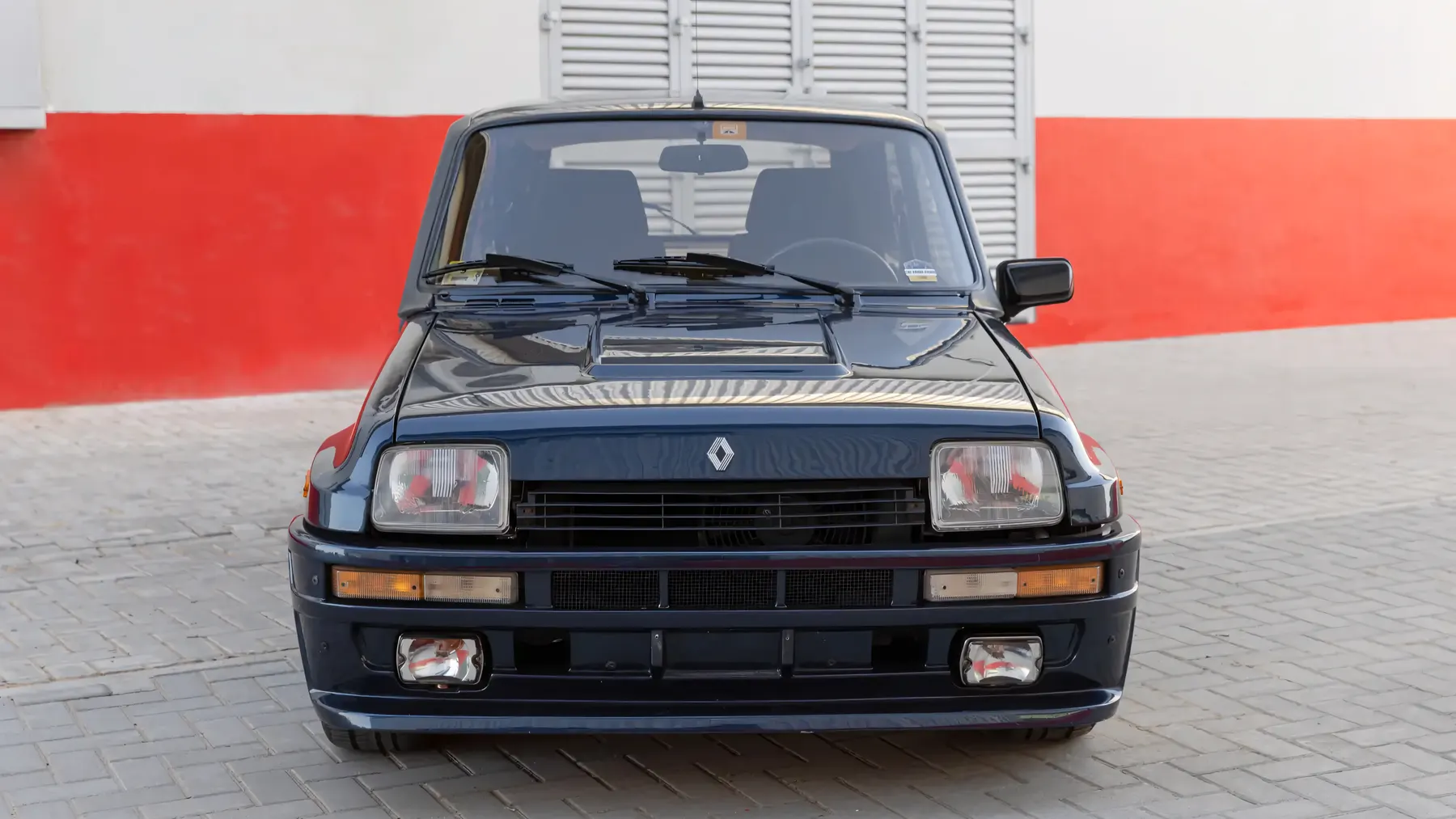
With a 0-100 km/h time of 6.9 seconds and a top speed of 200 km/h, the Turbo 2 delivered exhilarating performance. Its mid-engine layout and rear-wheel drive provided superb handling, making it a formidable competitor in rallying. The car’s success in the 1981 Monte Carlo Rally, driven by Jean Ragnotti, cemented its place in motorsport history.
Despite its early dominance, the Turbo 2 faced increasing competition from four-wheel-drive rivals like the Audi Quattro. Renault responded with more powerful variants, including the R5 Maxi Turbo, which pushed outputs as high as 385 horsepower for racing applications.
The Renault 5 Turbo 2 enjoyed widespread acclaim, both for its performance and its daring departure from the conventional hatchback formula. Although it was expensive compared to standard Renault 5 models, its blend of exotic engineering and rally success made it highly desirable among enthusiasts.
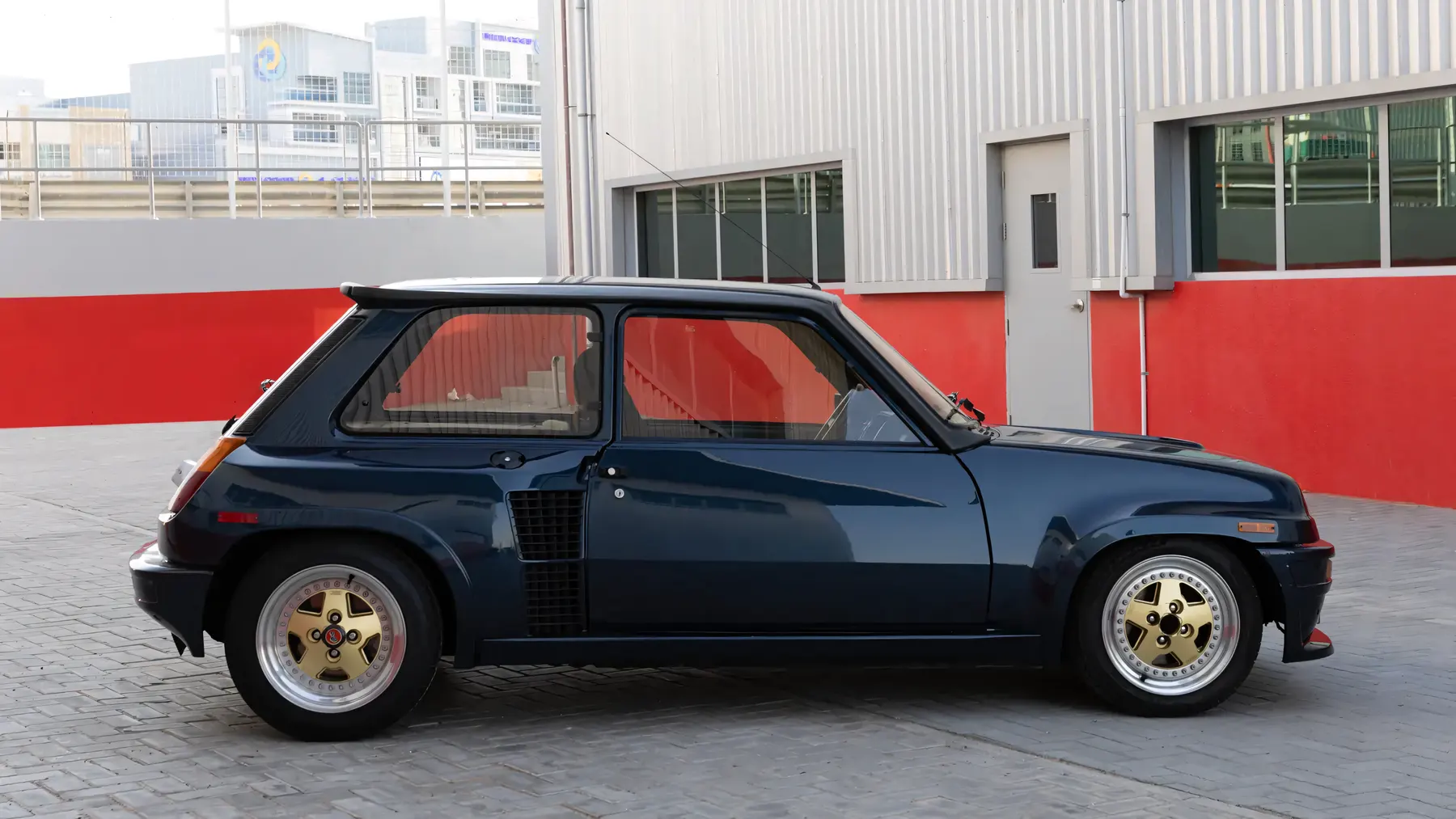
In 2004, Sports Car International named the Renault 5 Turbo among the top sports cars of the 1980s, highlighting its unique contribution to the hot hatchback segment. Today, the Turbo 2 is celebrated as a collector’s item, revered for its role in defining what a performance hatchback could be.
The Renault 5 Turbo 2 encapsulates an era of bold experimentation and motorsport-driven innovation. Its influence can be seen in later mid-engine performance cars, such as the Renault Clio V6. Decades after its debut, the Turbo 2 remains a symbol of Renault’s commitment to pushing boundaries and a reminder of the glory days of Group B rallying.
With its distinctive design, thrilling performance, and rally heritage, the Renault 5 Turbo 2 has earned its place as a true automotive icon.
Join the discussion
Comments
Loading comments…
Leave a comment
Share a detail, memory, or perspective. Every comment is reviewed before publication.