1985 Reynard 85F Formula Ford Racecar

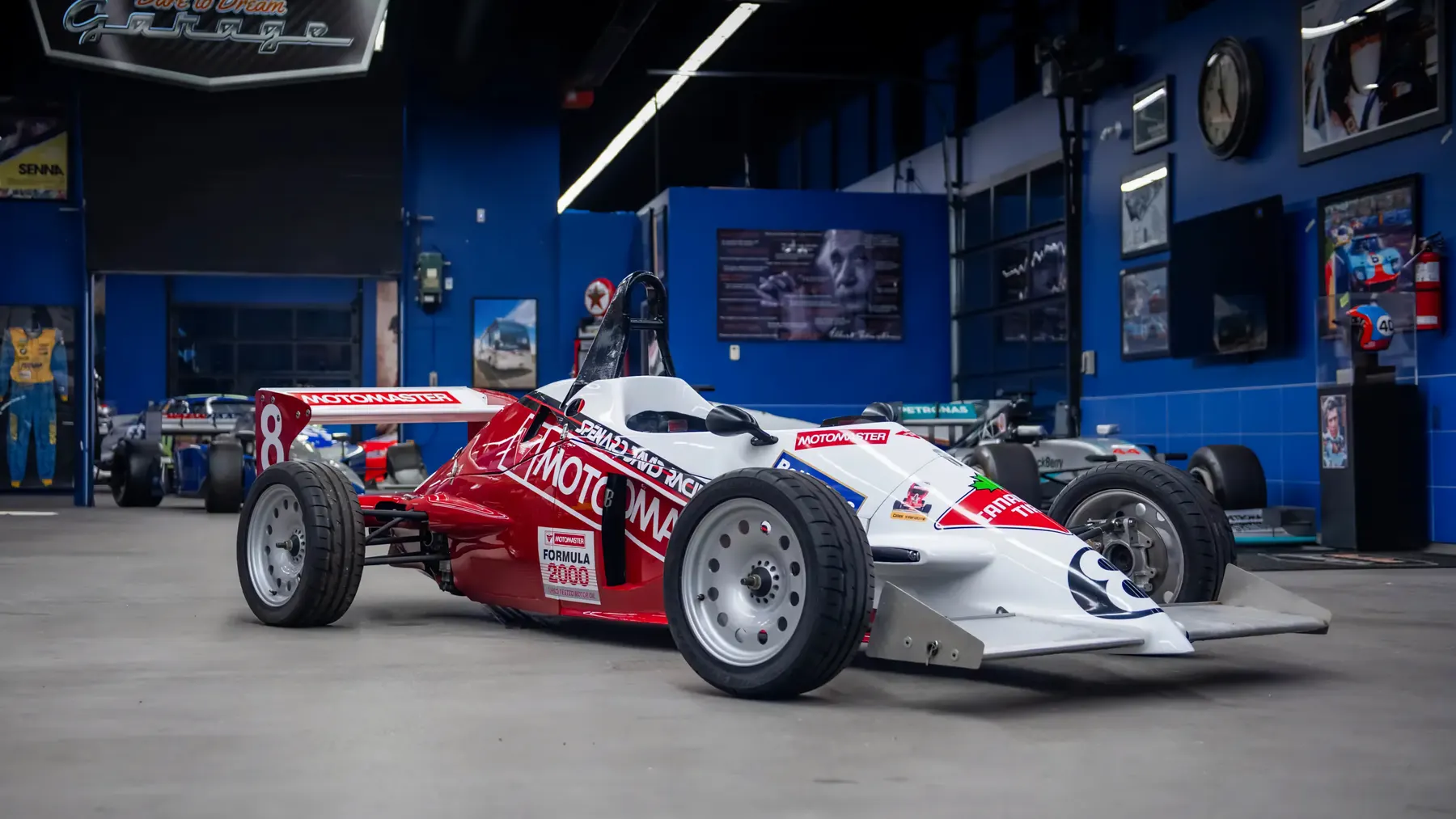
The year 1985 marked a pivotal moment in Formula Ford racing when Reynard Motorsport unveiled its 85F chassis. This striking open-wheel racer represented Adrian Reynard’s ambitious attempt to challenge the dominant Swift DB1, but ultimately became known as one of the most visually appealing yet mechanically disappointing entries in the storied Formula Ford category. Despite its shortcomings, the 85F tells a fascinating story of innovation, failure, and racing heritage that continues to captivate motorsport enthusiasts decades later.
Adrian Reynard founded his racing car company in 1973, beginning as a passionate engineering student at British Leyland with little more than design training and a portable welding kit. By 1985, Reynard had already established a formidable reputation in motorsport, having dominated Formula Ford 2000 after Adrian personally won the European Championship in 1979.
Reynard’s company had built its reputation on an extraordinary track record - their cars had won their debut races in multiple categories, cementing the manufacturer as a force to be reckoned with. This made the 85F’s failure all the more surprising and significant.
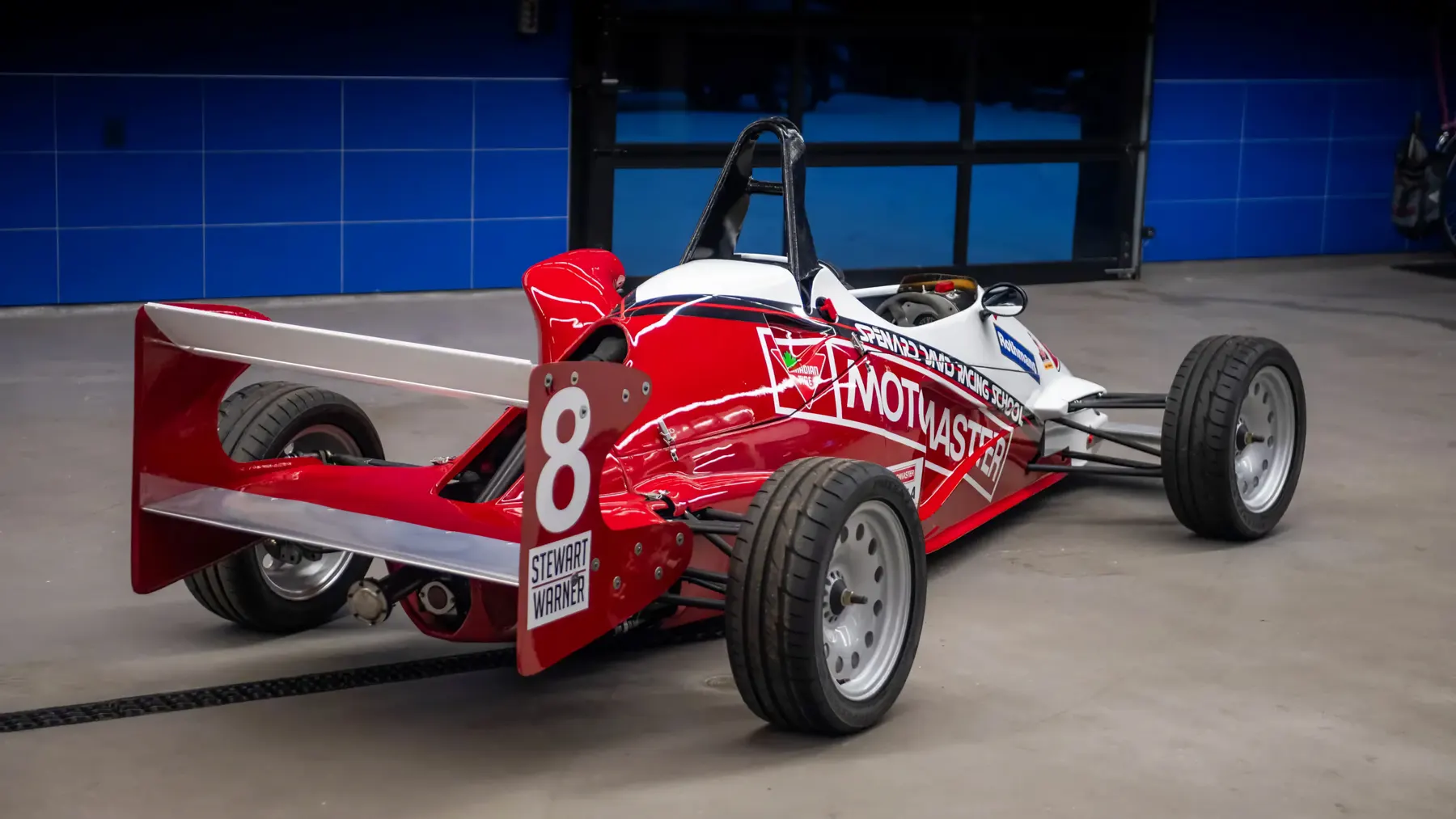
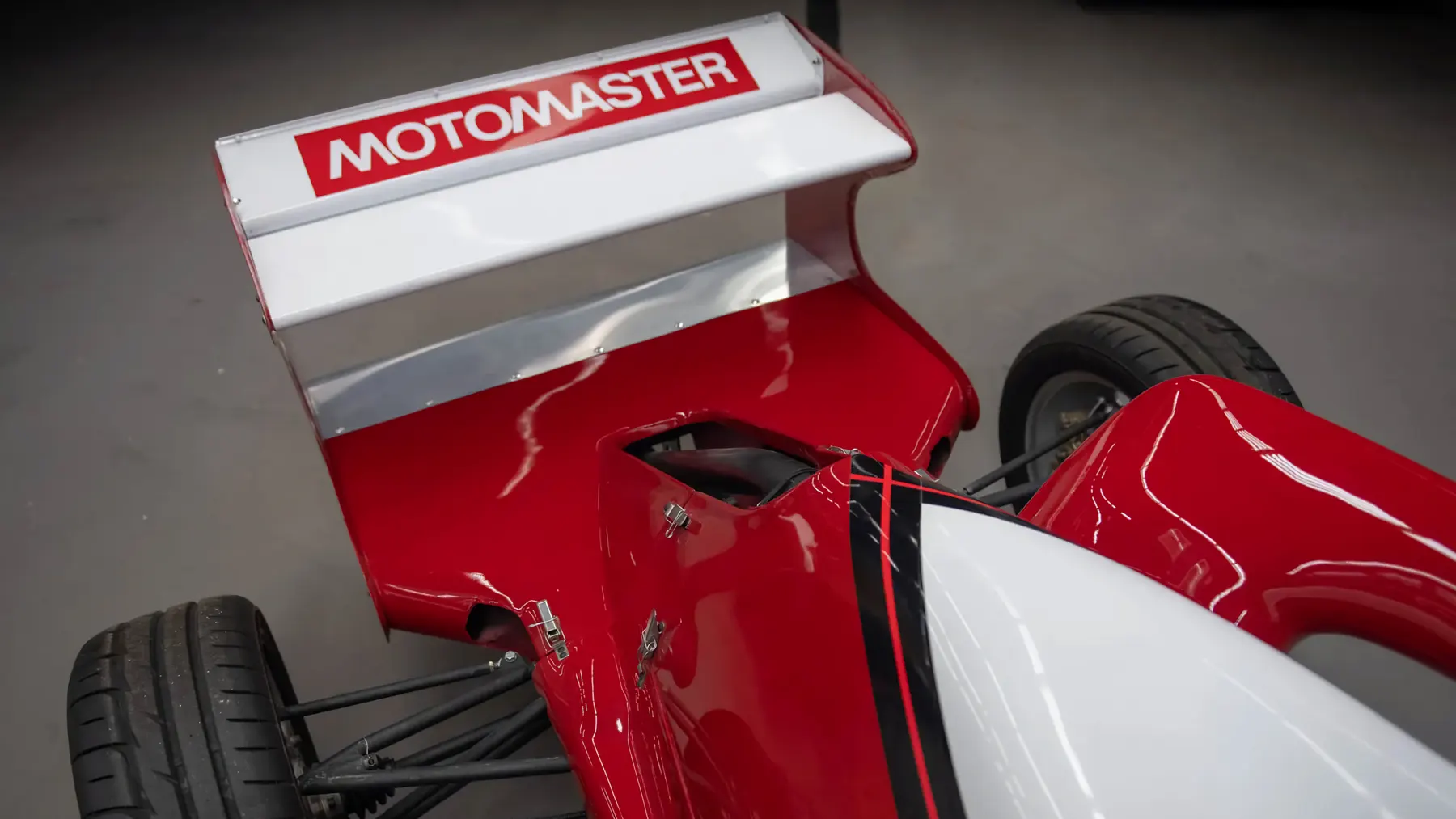
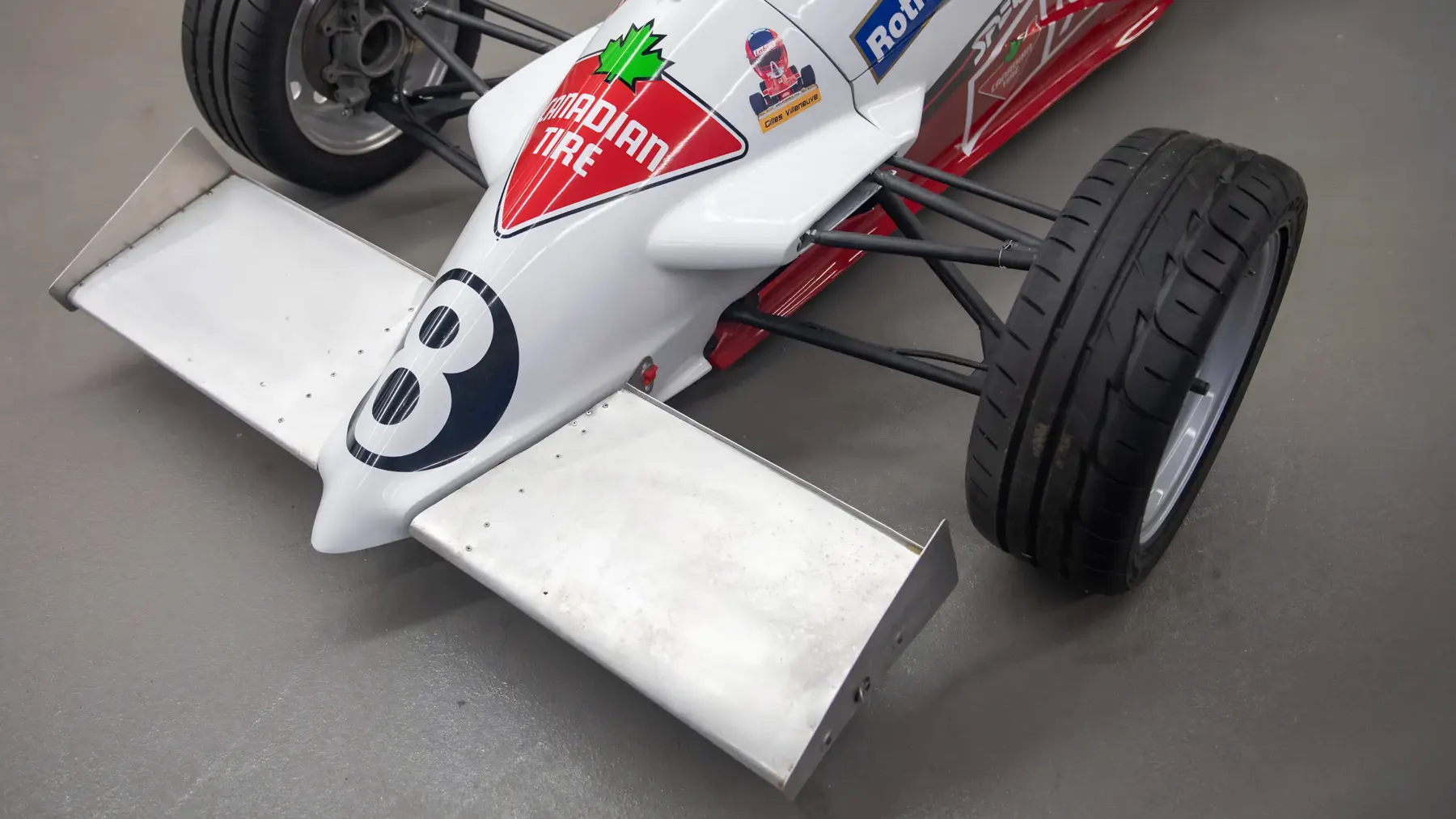
The 85F emerged as Reynard’s response to the aerodynamically advanced Swift DB1 that was revolutionizing Formula Ford racing. With its sleek lines and sophisticated appearance, the 85F was undeniably gorgeous - many enthusiasts still describe it as “beautiful to look at”. The striking red bodywork and clean design language made it visually distinct, resembling the Swift that had inspired its creation.
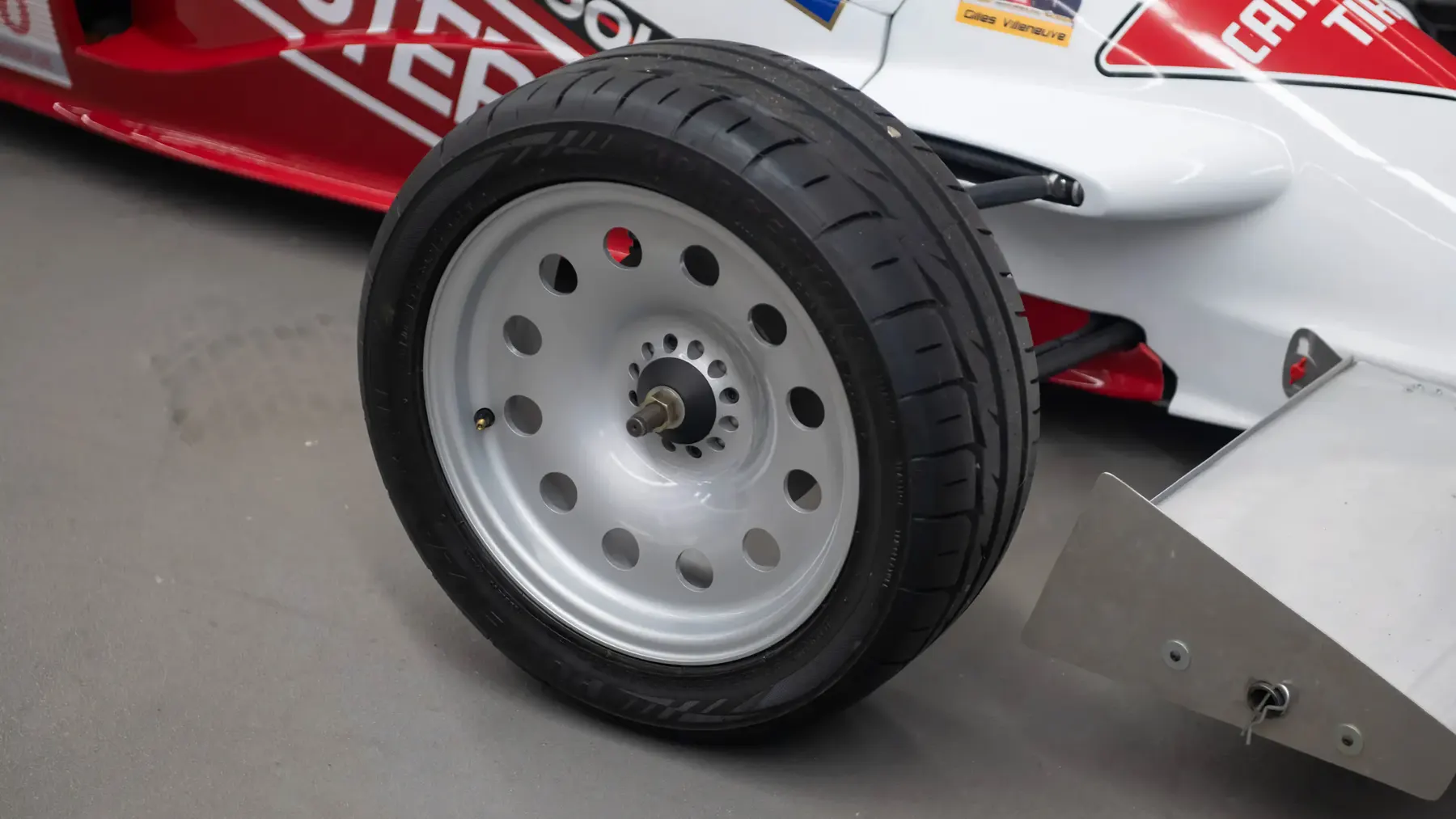
Despite its aesthetic appeal, the 85F suffered from fundamental engineering issues that severely hampered its performance. The most significant problem lay in its suspension design - rather than incorporating the rising rate suspension that was becoming standard in racing cars of the era, the 85F featured what several sources describe as a falling rate suspension.
The car utilized an advanced pushrod suspension system, which should have been an advantage but ultimately contributed to its problems. Racers reported significant flexing in the chassis during hard cornering, making the car unpredictable and difficult to drive at the limit.
One Forum contributor who owned an 85F in the period explained: “The 85 Reynard is beautiful to look at - clearly a Swift clone. As Kevin said, it can be made to be fast, but it did have problems”. This sentiment was echoed across the racing community, with the 85F earning an unfortunate reputation as “an absolute dog” in competition.
The 85F’s performance record reflects its troubled development. In stark contrast to Reynard’s usual pattern of debut victories, the 85F struggled to make an impact on the track. However, its failings weren’t universal - driver Jackson Younge managed to secure a respectable 4th place finish at the SCCA Runoffs in 1985 with an 85F, suggesting that in capable hands, the car wasn’t entirely uncompetitive.
One particularly interesting historical note is that Formula One World Champion Jacques Villeneuve is believed to have driven an 85F during his time at the Spenard-David Racing School. This connection to a future F1 champion adds a layer of historical significance to the model despite its competitive shortcomings.
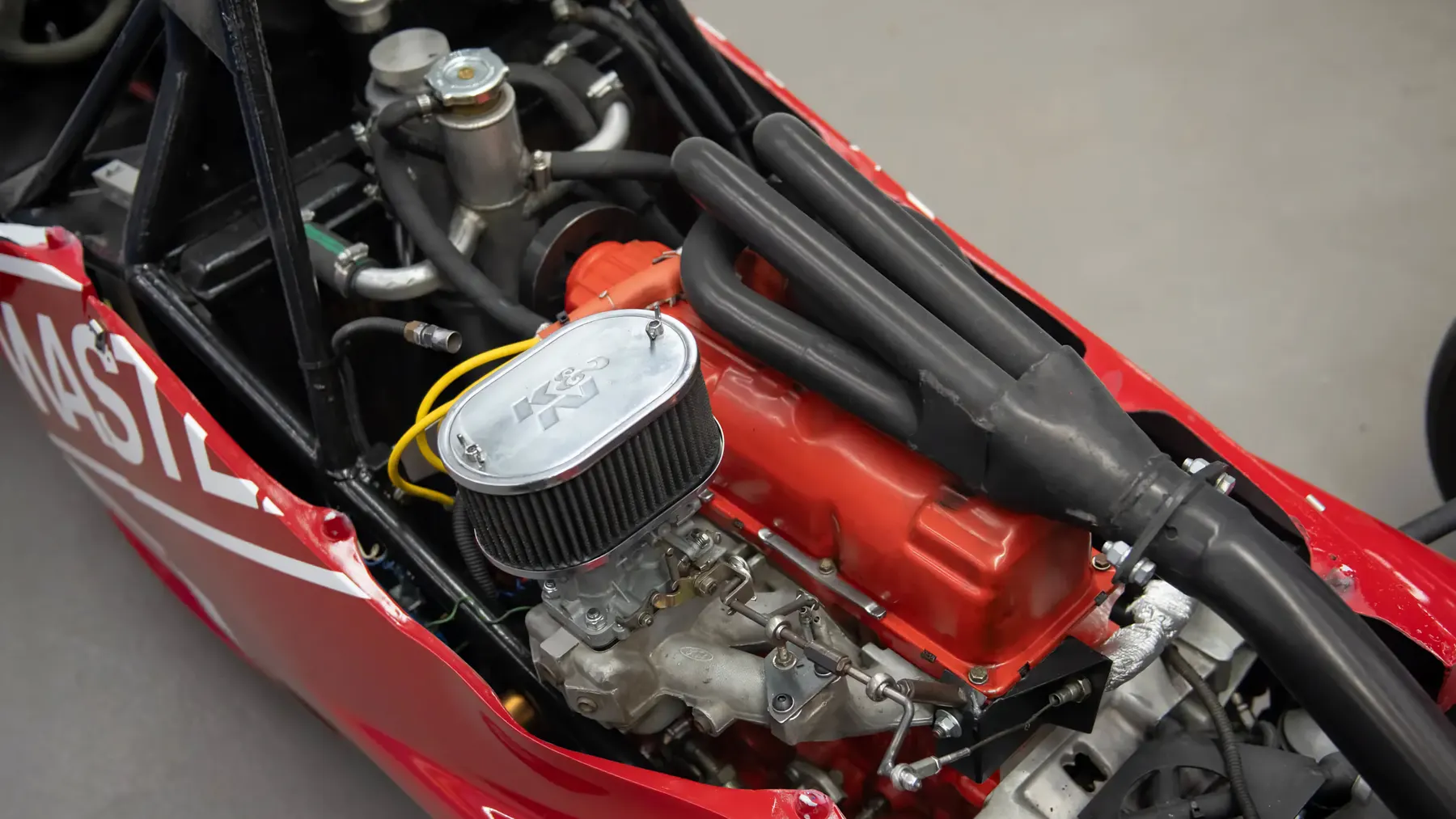
Racing engineers are nothing if not persistent problem-solvers, and several 85Fs were modified to address their inherent issues. The most common and effective modification involved replacing the problematic rear pushrod system with rear rockers from the earlier 83/84 Reynard models. This transformation significantly improved handling characteristics.
The most comprehensively re-engineered 85F was reportedly developed by engineers Steve Cole and Gerald Tyler. This extensively modified version was raced successfully by several drivers including Cassius Mullen, Tom Schweitz, and Eric Langbein before being purchased by Wayne Daniels. These modifications demonstrated that with substantial reworking, the 85F’s potential could be partially unlocked.
By 1986, Reynard had learned from these mistakes, producing a substantially revised car. As one former owner noted: “I also owned an 86 the next year. Similar car to the 85 but they scrapped the 85 rear pushrods and basically put the 84 rear rocker suspension on the 86. The 86 was a much better car”.
The 85F’s story isn’t complete without mentioning Rick Gorne, Reynard’s business partner who handled sales and commercial operations. When the 85F proved problematic, Gorne demonstrated remarkable business acumen by selling the entire project to Hungary, which was then part of the Soviet Bloc. This ability to salvage value from failure was characteristic of Gorne’s approach, which helped Reynard survive and thrive despite occasional technical missteps.
Gorne had pioneered a commercial mindset in racing car sales, developing pricing models for cars and spares based on research into how often cars were damaged - approximately once every eight or nine starts. This business savvy helped Reynard weather storms like the 85F’s failure.
The 85F represents an intriguing chapter in Reynard’s otherwise successful history. The company went on to dominate Formula 3 for five years and achieved remarkable success in Formula 3000 and CART racing. Reynard’s reputation for winning debut races in new categories remained intact despite the 85F anomaly.
What makes the 85F particularly fascinating to racing historians is that it represents a rare misstep from a company that otherwise seemed to have the Midas touch in motorsport engineering. The lessons learned from the 85F likely contributed to Reynard’s subsequent success in higher categories.
Today, surviving 85Fs are rare collectibles that offer enthusiasts a tangible connection to this interesting chapter in Formula Ford history. While not sought after for their performance potential, they remain valued for their distinctive aesthetics and historical significance.
The 85F story reminds us that even the most successful racing car manufacturers occasionally produce flawed designs, and that the path of innovation is rarely without its failures. In the unforgiving world of motorsport, the 85F stands as a beautiful reminder that aesthetics and performance don’t always align, but that passion for automotive design continues to drive the sport forward regardless of occasional setbacks.
Join the discussion
Comments
Loading comments…
Leave a comment
Share a detail, memory, or perspective. Every comment is reviewed before publication.