1989 Ferrari GTB Turbo

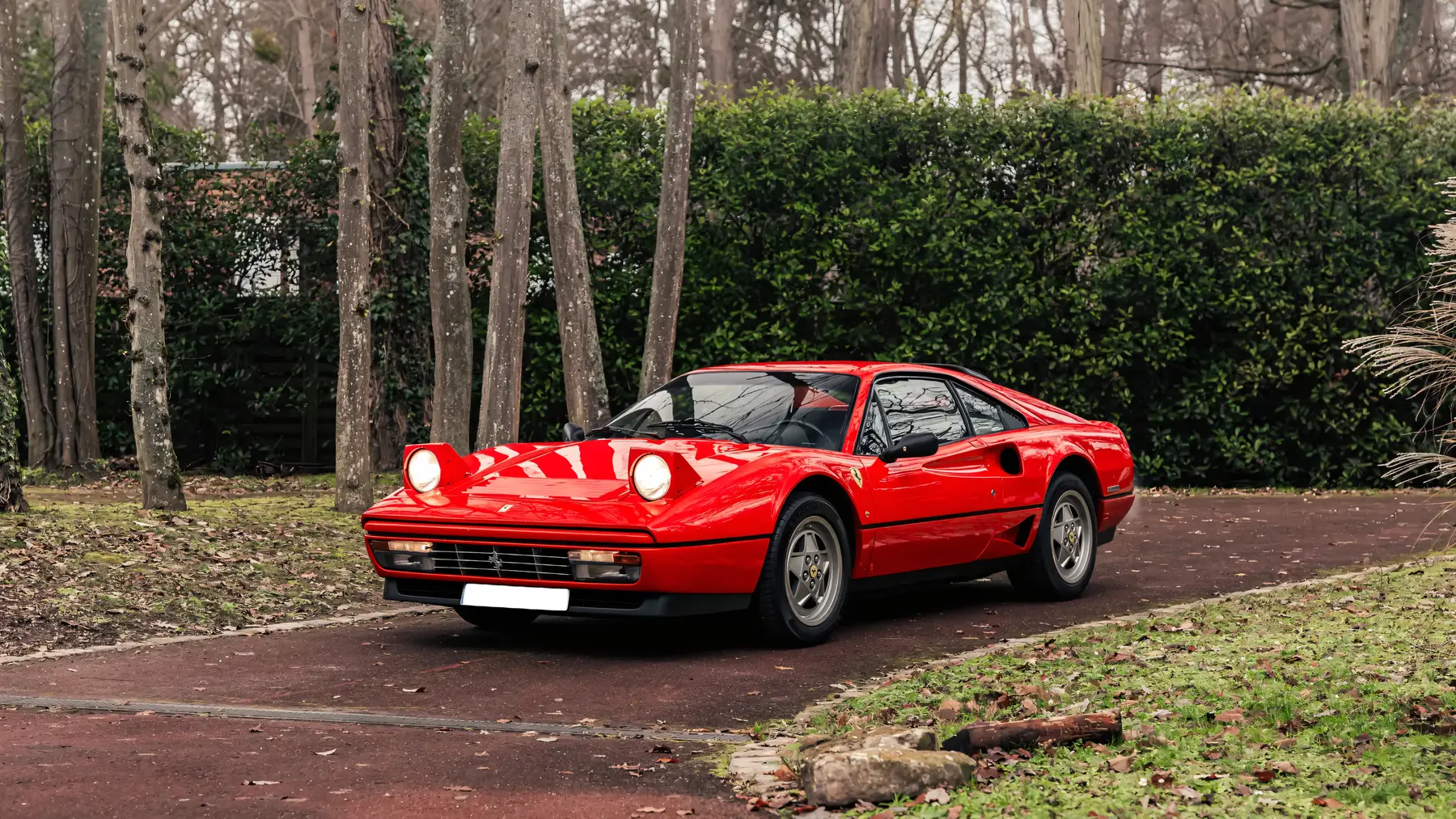
In the pantheon of Ferrari’s iconic models, the 328 GTB Turbo stands out as a testament to ingenuity born from necessity. Developed in response to Italy’s punitive tax laws on engines exceeding two liters, this mid-1980s marvel combined forced-induction technology with Ferrari’s signature flair, proving that regulatory constraints could spark innovation rather than compromise excellence.
The GTB Turbo emerged in 1986 as a strategic response to Italy’s 38% luxury tax on cars with engines over two liters. Replacing the 208 Turbo, it was based on the 328 platform,itself an evolution of the beloved 308. Under the guidance of engineer Nicola Materazzi (known for the 288 GTO and F40), Ferrari reworked the 2.0L V8, adding an intercooler and a water-cooled IHI turbocharger. Despite its modest displacement, the engine delivered 254 PS and 328 Nm of torque, rivaling the 3.2L 328’s performance. Production was limited to 308 GTB Turbos and 828 GTS Turbos, making it a rare gem in Ferrari’s history.
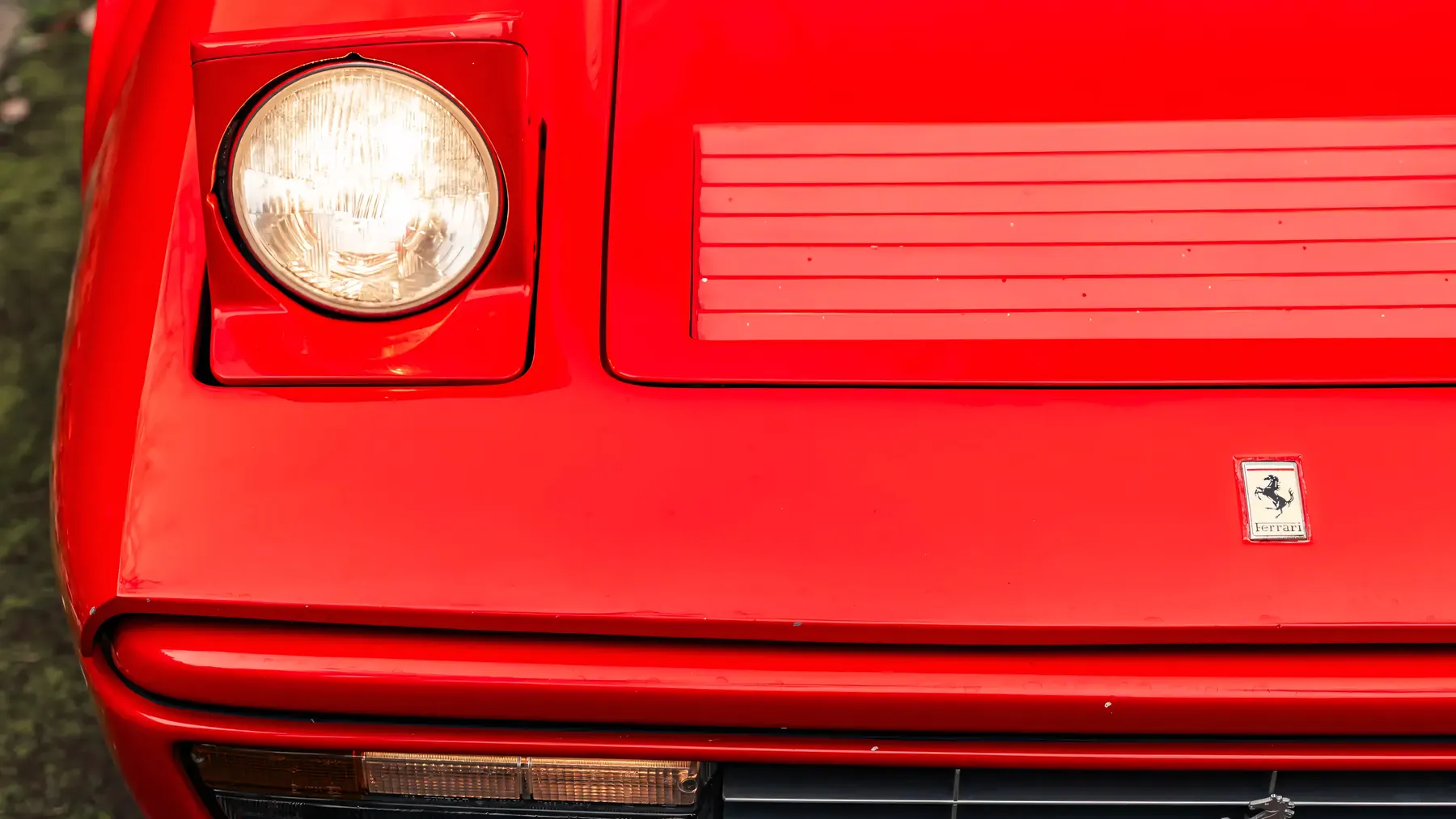
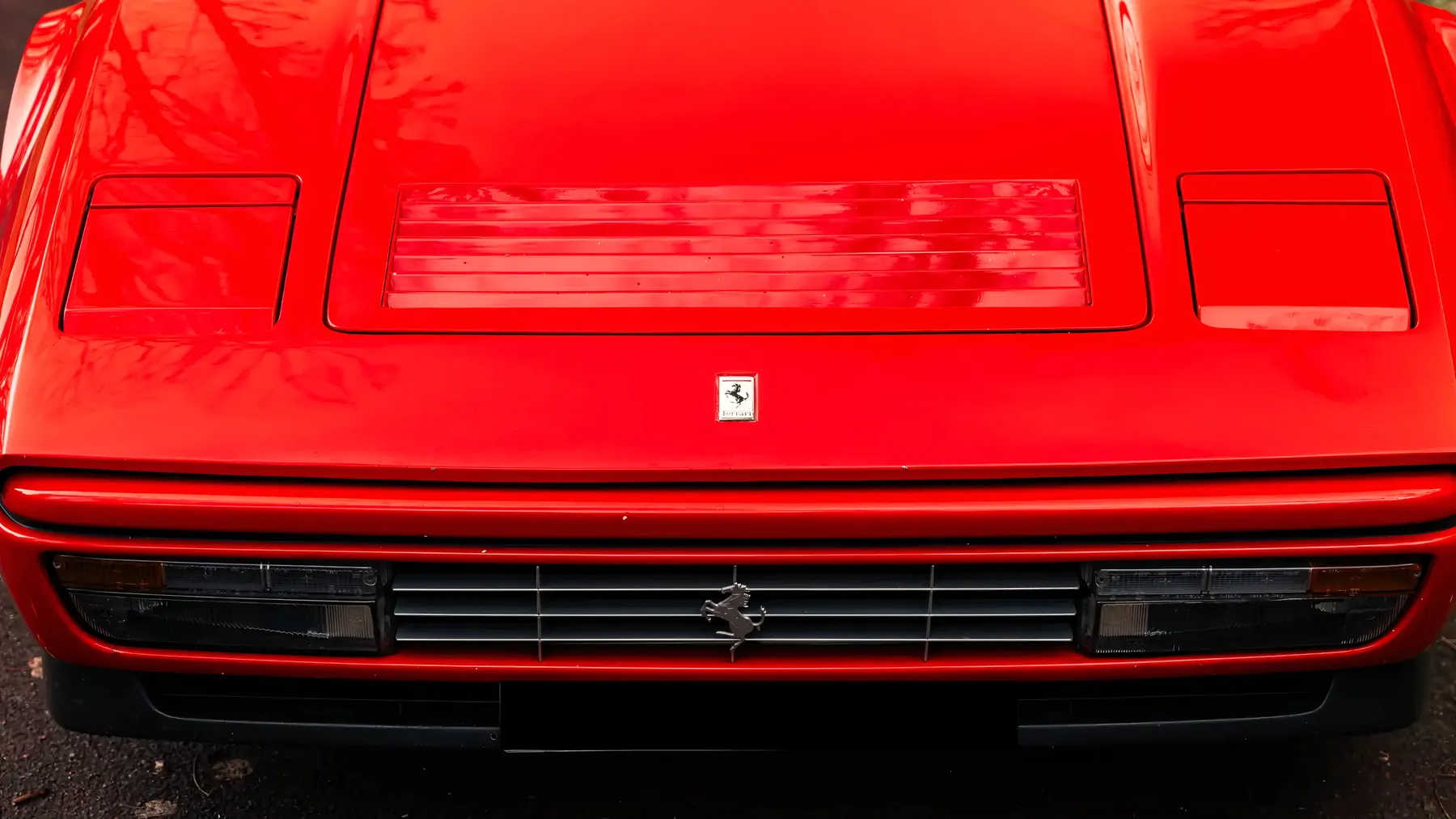
The GTB Turbo retained Pininfarina’s timeless design language, characterized by the 328’s softened wedge profile and body-colored bumpers. Key modifications accommodated its turbocharged heart: NACA ducts ahead of the rear wheels channeled air to the intercooler, while five rear bumper vents expelled heat. The engine cover was redesigned, and a black roof spoiler became standard. Inside, the cockpit featured a boost gauge nestled among backlit orange-on-black instruments borrowed from the Ferrari GTO, with optional luxuries like leather upholstery and air conditioning. The iconic Momo steering wheel underscored its driver-focused ethos.
The GTB Turbo’s 1,991cc V8 was a technical tour de force. Enhanced with cermetal-coated cylinders for reduced friction and a knock sensor to prevent pre-ignition, the engine paired a responsive IHI turbocharger (a lesson from the 288 GTO) with a Behr intercooler. The result was a powerplant that sprinted from 0–100 km/h in 6.3 seconds and reached 253 km/h,figures nearly matching the 328’s naturally aspirated output. Contemporary tests by Quattroruote confirmed its prowess, recording a 0.1-second lag in acceleration but identical top speeds, a feat for a smaller engine.
The GTB Turbo’s brilliance lay in its ability to circumvent fiscal barriers without sacrificing performance. Its advanced turbo system, rare in an era dominated by atmospheric engines, showcased Ferrari’s technical foresight. The model’s limited production and Italian-market focus further cemented its exclusivity. Practicality was not overlooked; like the 328, maintenance was relatively straightforward, endearing it to enthusiasts seeking a usable classic.
Initially lauded for balancing fiscal pragmatism with Ferrari’s performance pedigree, the GTB Turbo has since ascended to collector status. Its rarity, historical significance, and association with Materazzi’s engineering legacy have driven appreciation among aficionados. Modern reviews praise its analog driving experience,a blend of mechanical feedback and turbocharged thrust,while its role in paving the way for turbocharged successors like the F40 underscores its lasting impact.
The Ferrari GTB Turbo is more than a footnote in Maranello’s history; it is a symbol of adaptability. By transforming regulatory adversity into an engineering triumph, Ferrari crafted a car that resonates with collectors and historians alike. Today, as turbocharging dominates the automotive landscape, the GTB Turbo stands as a pioneering chapter in Ferrari’s relentless pursuit of innovation,a compact powerhouse that refused to compromise.
Join the discussion
Comments
Loading comments…
Leave a comment
Share a detail, memory, or perspective. Every comment is reviewed before publication.