1990 March-Alfa Romeo 90CA Indianapolis

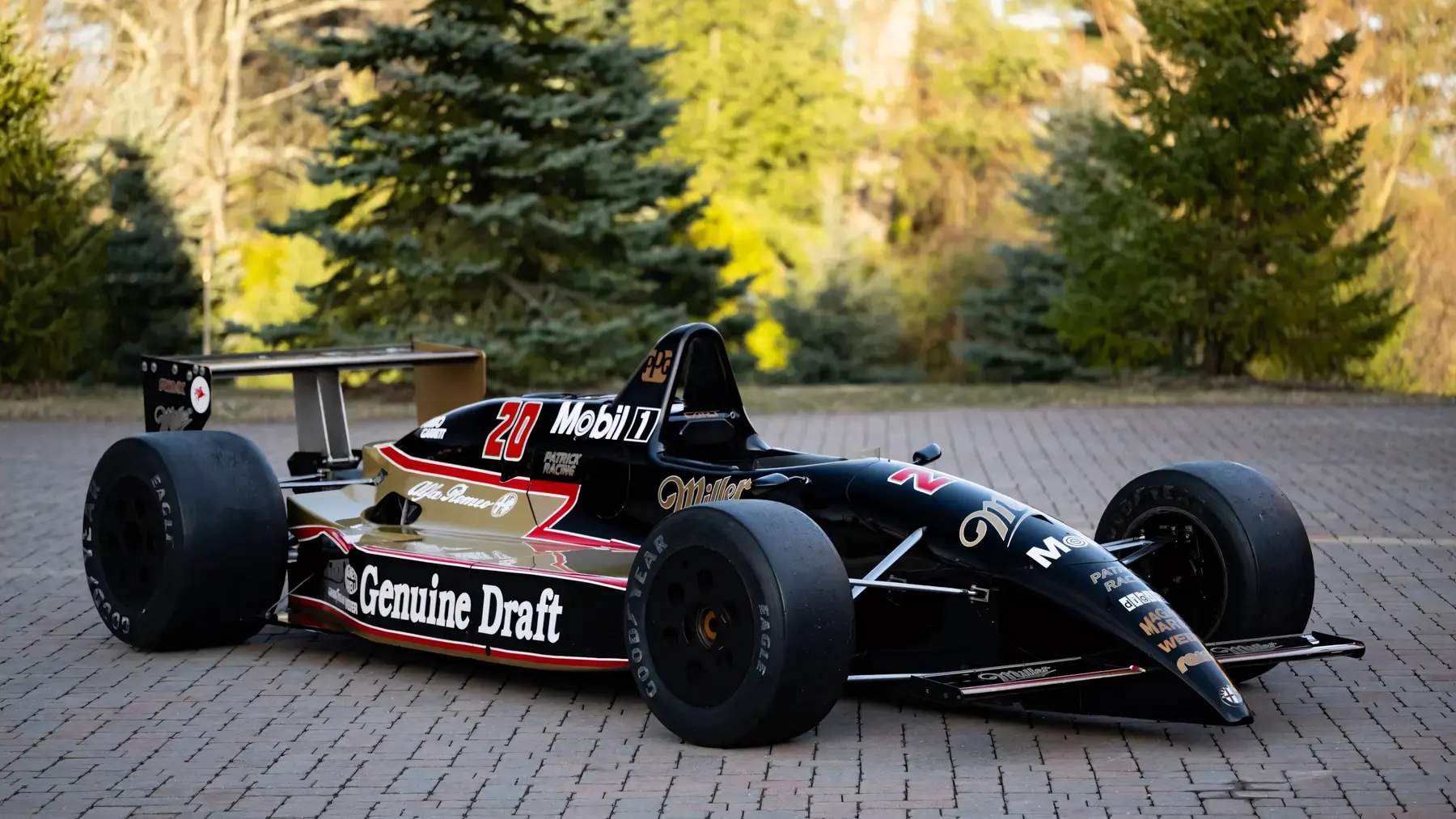
The March-Alfa Romeo 90CA is a notable entry in the rich history of American open-wheel racing, particularly in the IndyCar series. Debuting in the 1990 CART PPG Indy Car World Series, this vehicle represents a collaboration between March Engineering and Alfa Romeo, combining March’s expertise in chassis design with the power of Alfa Romeo’s unique 2.65-liter turbocharged V8 engine.
March Engineering had already established itself as a prominent name in motorsports, particularly in Formula One, Formula Two, and the IMSA GTP sportscar series. By the 1980s, March had pivoted much of its focus to IndyCar racing, where their cars achieved significant success, including multiple Indianapolis 500 wins during the mid-1980s.
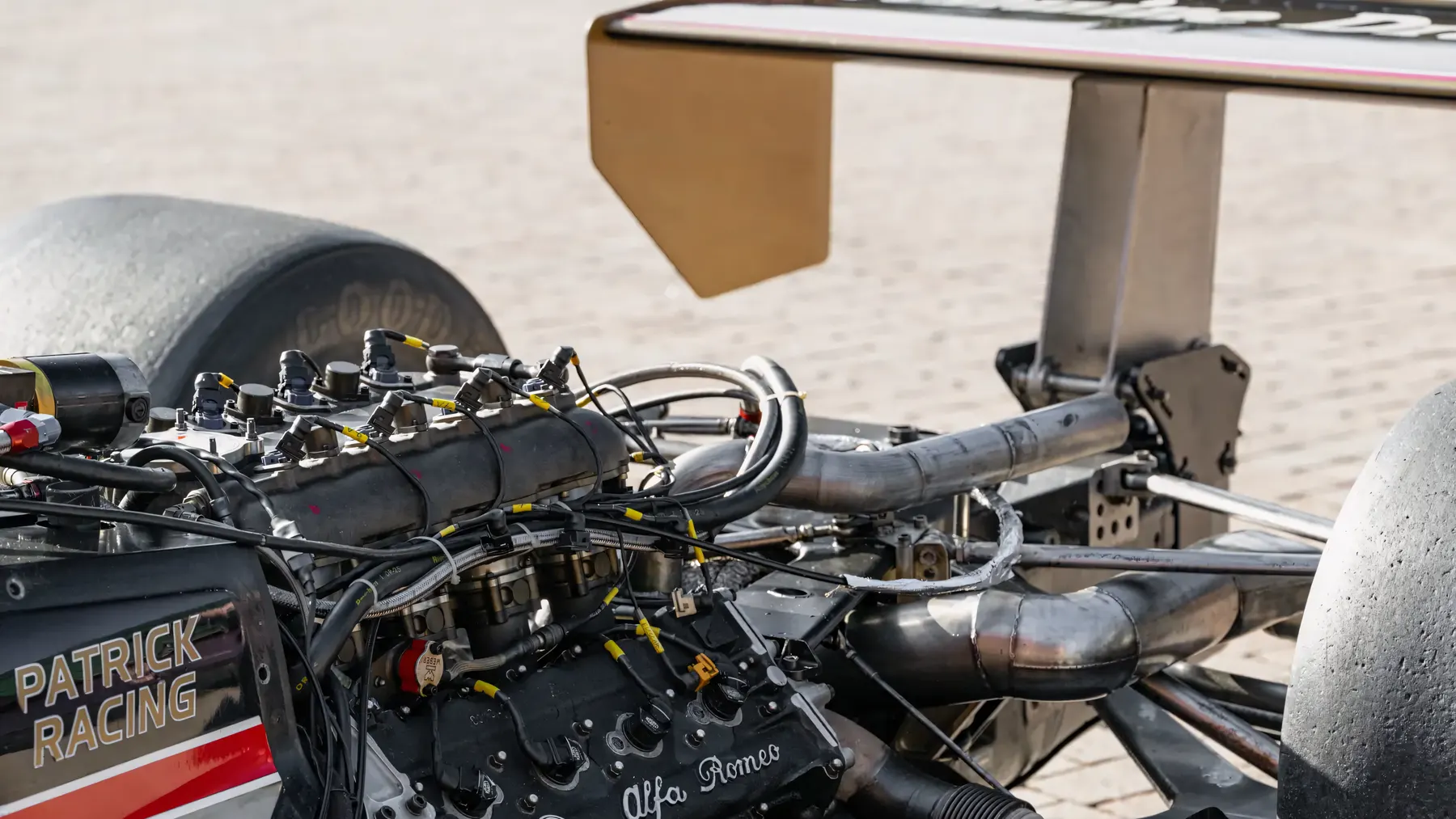
In 1989, Alfa Romeo re-entered the American open-wheel racing scene, marking its comeback with a turbocharged V8 engine developed for IndyCar racing. Alfa Romeo’s engine efforts were motivated by their parent company Fiat’s desire to promote its road-going vehicles. This powerplant first appeared in a March chassis during its testing phase, laying the groundwork for a formalised partnership in 1990 with the development of the March-Alfa Romeo 90CA.
The 90CA model exemplified the cutting-edge technology of its time. Its chassis, constructed from a mix of aluminium honeycomb and carbon fibre, was both lightweight and robust. It featured push-rod suspension, ventilated disc brakes, and a triple-disc clutch,components designed for the high-speed demands of IndyCar racing.
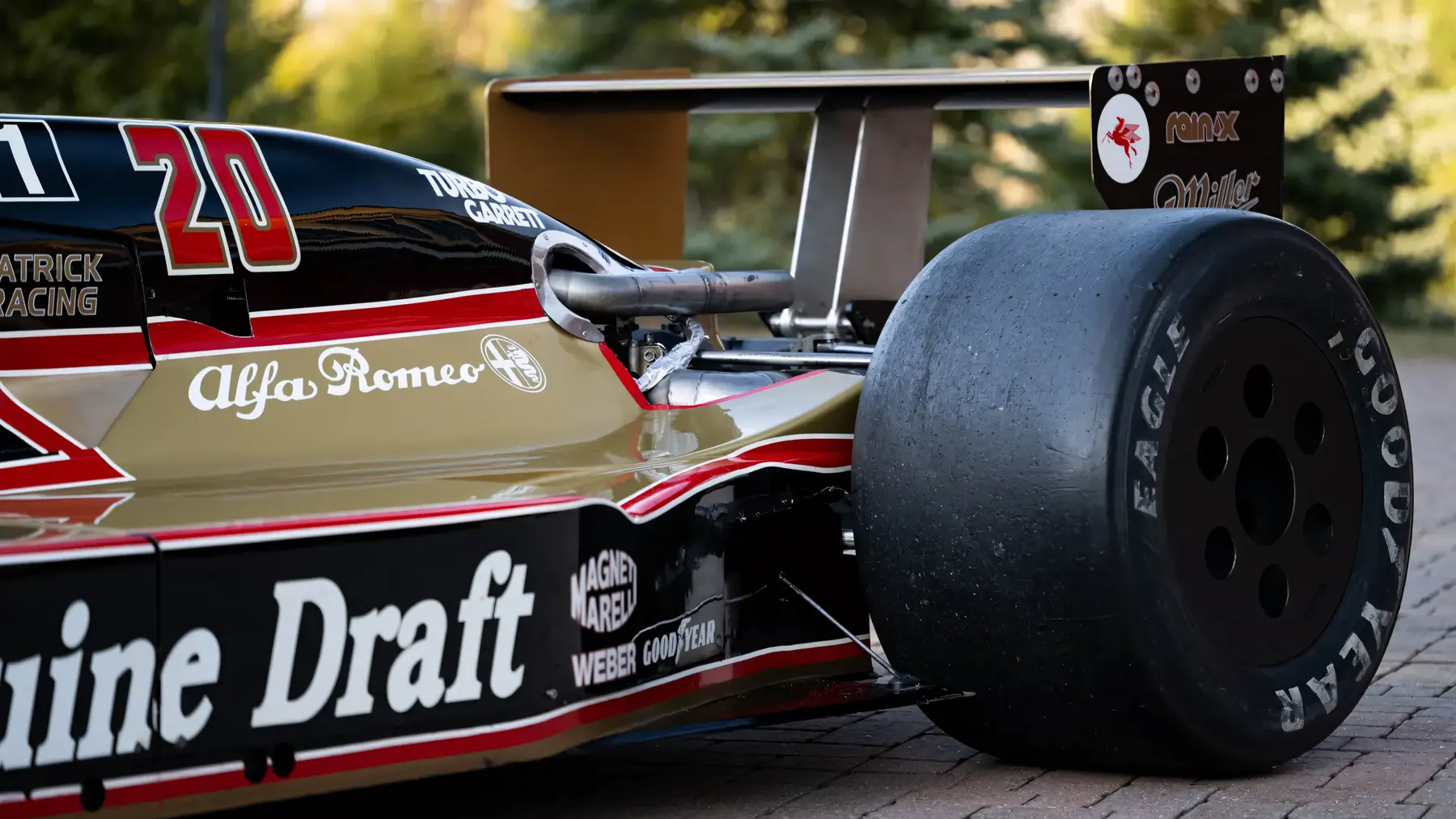
Only three 90CA chassis were built. The first, chassis 90CA-001, became historically significant due to its use by four-time Indianapolis 500 winner Al Unser during the 74th running of the prestigious race in 1990. Under Patrick Racing’s banner and sporting the #40 Miller High Life livery, Unser qualified 30th but climbed to a 13th-place finish,an impressive feat given the fierce competition and technical challenges.
Chassis 90CA-001 not only saw action with Unser but also had an extensive race season with Roberto Guerrero as its driver. Guerrero piloted the car under various liveries throughout the season, taking part in races like the Autoworks 200 at Phoenix International Raceway, the Toyota Grand Prix of Long Beach, and several other key events. This usage underscores the car’s role as a workhorse for Patrick Racing’s ambitious efforts to challenge dominant teams of the era.
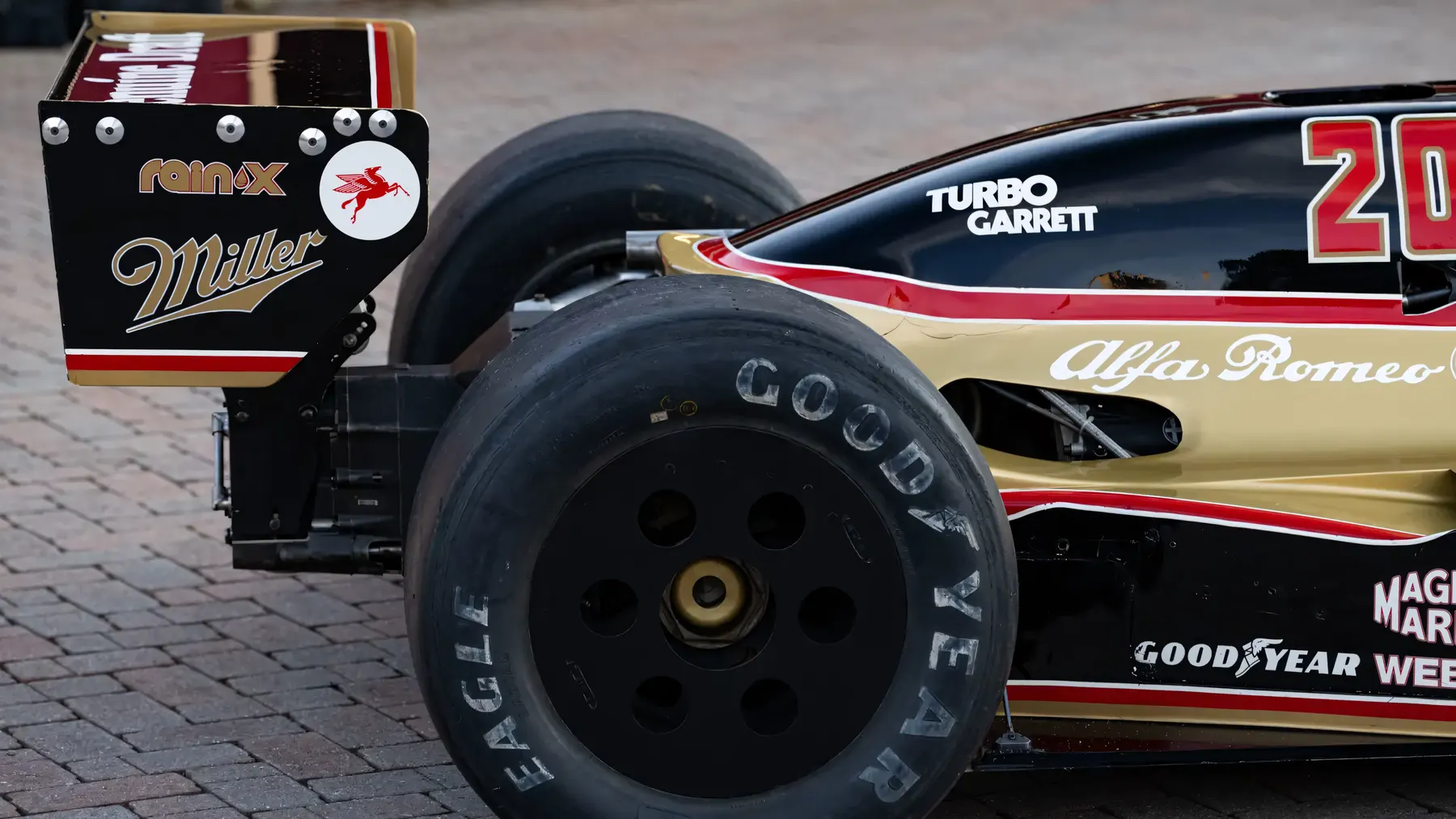
Despite the dedication and engineering prowess behind the March-Alfa Romeo collaboration, their IndyCar endeavour faced stiff competition. During a period when Honda, Cosworth, and Chevrolet power plants were prevalent, Alfa Romeo engines often struggled to keep up with their rivals. This made the achievements of drivers like Unser and Guerrero with the 90CA all the more commendable.
The 90CA serves as a reminder of Alfa Romeo’s determination to make an impact on IndyCar racing and March Engineering’s adaptability in building competitive open-wheel cars. It was a time of transition and fierce rivalry within the series, and the 90CA stood out for its distinctive engineering and determined performances.
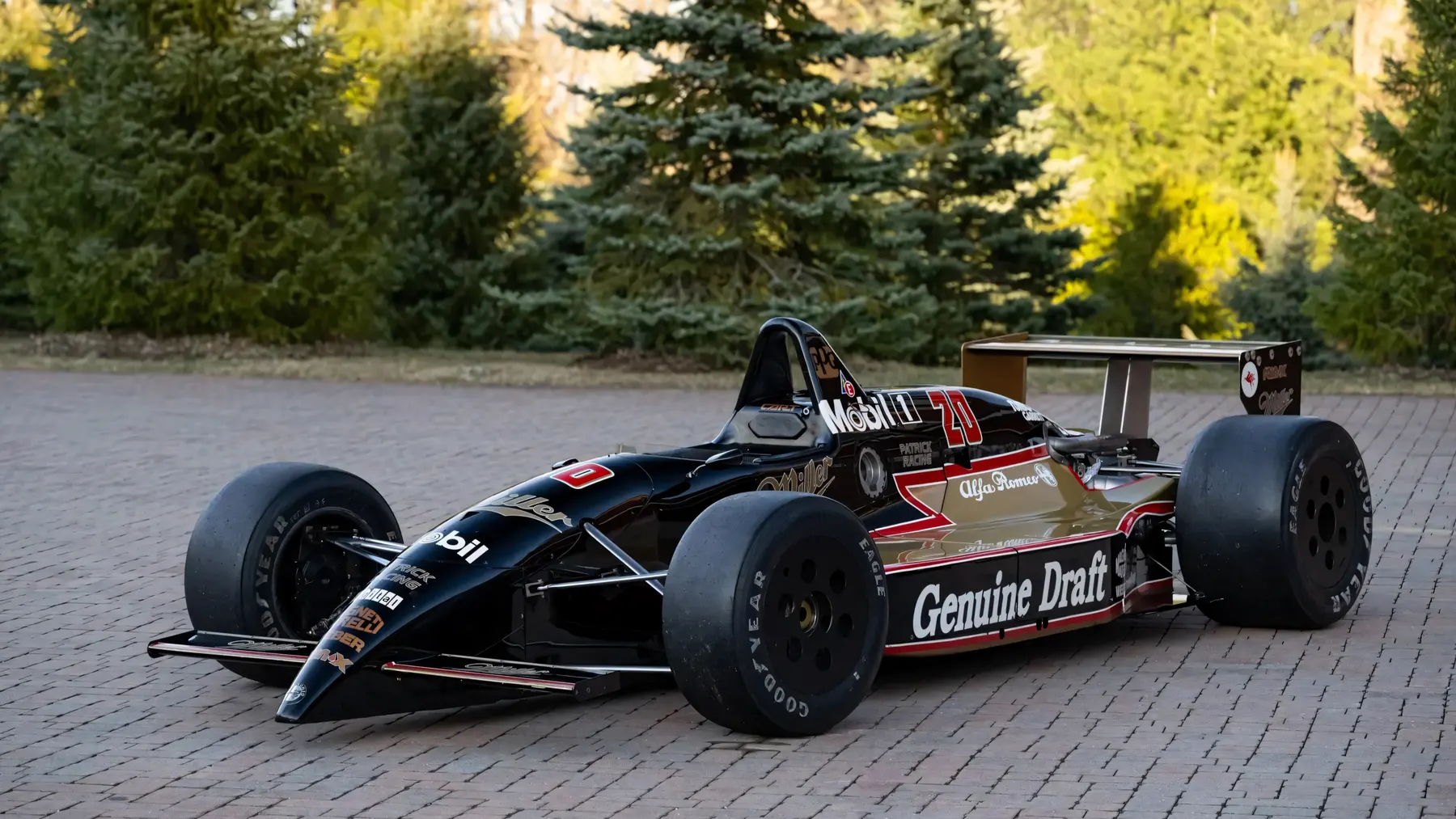
In the context of IndyCar history, the March-Alfa Romeo 90CA highlights a unique partnership that showcased innovation and ambition. It also symbolises Al Unser’s enduring quest for a record-breaking fifth Indianapolis 500 victory,a quest that would see him push limits in cars like the 90CA late into his career. The vehicle remains a significant part of racing heritage, embodying the challenges, thrills, and resilience of 1990s IndyCar racing.
Join the discussion
Comments
Loading comments…
Leave a comment
Share a detail, memory, or perspective. Every comment is reviewed before publication.