1990 RUF BTR lll 'Flat-Nose' Cabriolet

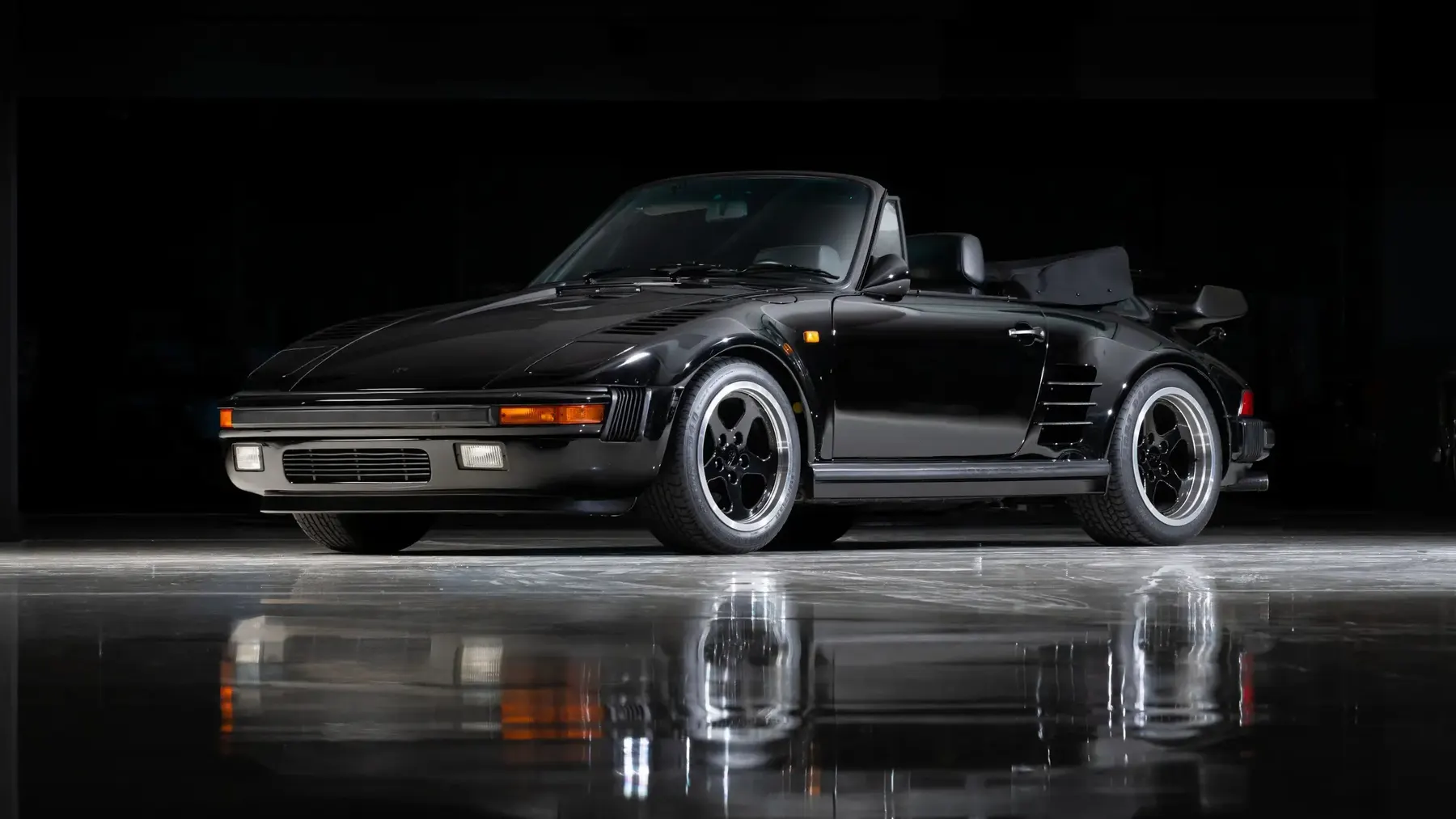
The RUF BTR III ‘Flat-Nose’ Cabriolet represents the pinnacle of air-cooled Porsche engineering, blending raw performance with exquisite craftsmanship in a package that continues to captivate automotive enthusiasts decades after its creation. This extraordinary machine showcases what happens when German precision meets unbridled ambition, resulting in one of the most exclusive and capable supercars of its era.
RUF Automobile, based in Pfaffenhausen, Germany, established itself as the world’s premier Porsche tuner through a dedication to performance and quality that borders on obsession. Founded by Alois Ruf Sr. as a garage in 1939, the company evolved into a full-fledged manufacturer under his son’s guidance. In 1981, RUF achieved a significant milestone when the German TÜV granted it official manufacturing status, allowing the company to produce vehicles with their own VIN numbers rather than simply modifying existing Porsches.
The BTR (Gruppe B Turbo RUF) was the first model to showcase this new manufacturing capability. Introduced in 1983, it was inspired by the legendary Group B racing regulations, which emphasized maximum performance with minimal restrictions. The initial BTR models were based on the Porsche 911 chassis, available in either narrow-body 911 or wide-body 930 Turbo configurations, with the aerodynamic differences between the two affecting top speed by as much as 20 km/h.
What began as an impressive performance machine continued to evolve throughout the 1980s and early 1990s. The BTR II further refined the concept, while the BTR III represented the ultimate expression of RUF’s vision for the platform. These developments coincided with RUF’s rising global reputation, cemented when a BTR won Road & Track’s “World’s Fastest Cars” competition in 1984, outpacing established supercars by a significant margin.
The BTR III ‘Flat-Nose’ Cabriolet exemplifies RUF’s technical prowess through its meticulously engineered powertrain. At its core sits a 3.4-liter flat-six engine producing an impressive 408 horsepower, a remarkable figure for an air-cooled engine of the era. This power comes courtesy of a massive single K27 turbocharger and sophisticated Bosch DME Motronic engine management system, technologies that were cutting-edge when the car was built.
The engineering extends beyond just raw power. RUF completely rebuilt the engine with larger cylinder bores, Mahle pistons, 935-type camshafts, and a reinforced engine case to handle the increased output. The turbocharger system features a larger intercooler positioned behind a distinctive RUF front spoiler, working in concert with an enhanced oil cooling system to maintain optimal operating temperatures during high-performance driving.
Power delivery occurs through RUF’s exclusive six-speed transaxle, a component that was extremely rare and advanced for its time. Most contemporary supercars were still using five-speed transmissions, making this a significant technical advantage. This transmission, combined with a limited-slip differential, helps translate the engine’s prodigious power into usable performance, allowing the BTR III to achieve speeds exceeding 305 km/h (190 mph).
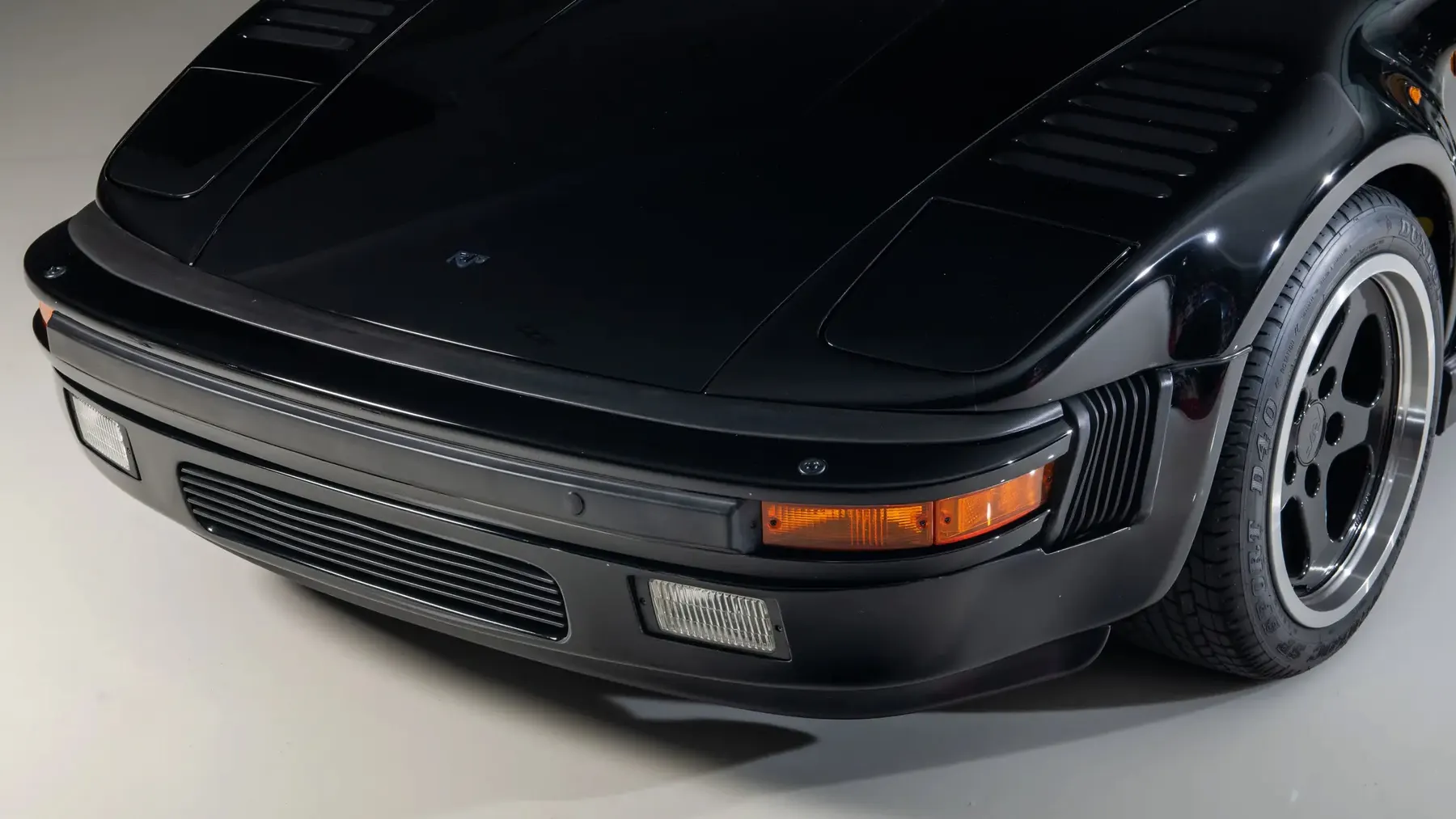
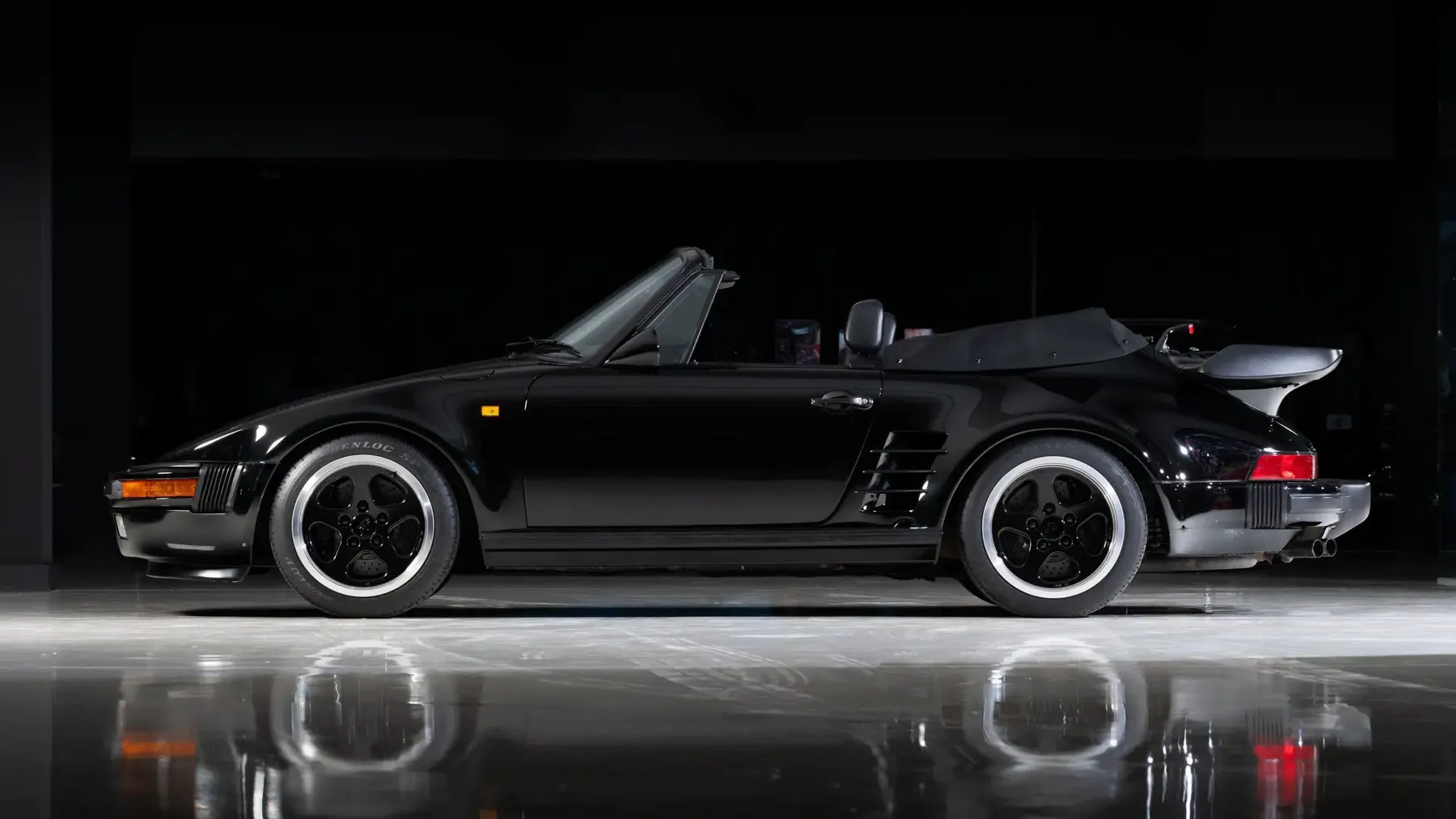
The visual impact of the BTR III ‘Flat-Nose’ Cabriolet is immediate and lasting. Based on the 930-generation Porsche 911, this particular variant features the highly desirable ‘Flat-Nose’ front end, inspired by the legendary Porsche 935 race cars. This design replaces the traditional round headlights with pop-up units integrated into a smooth, sloping front end that enhances both aerodynamics and visual drama.
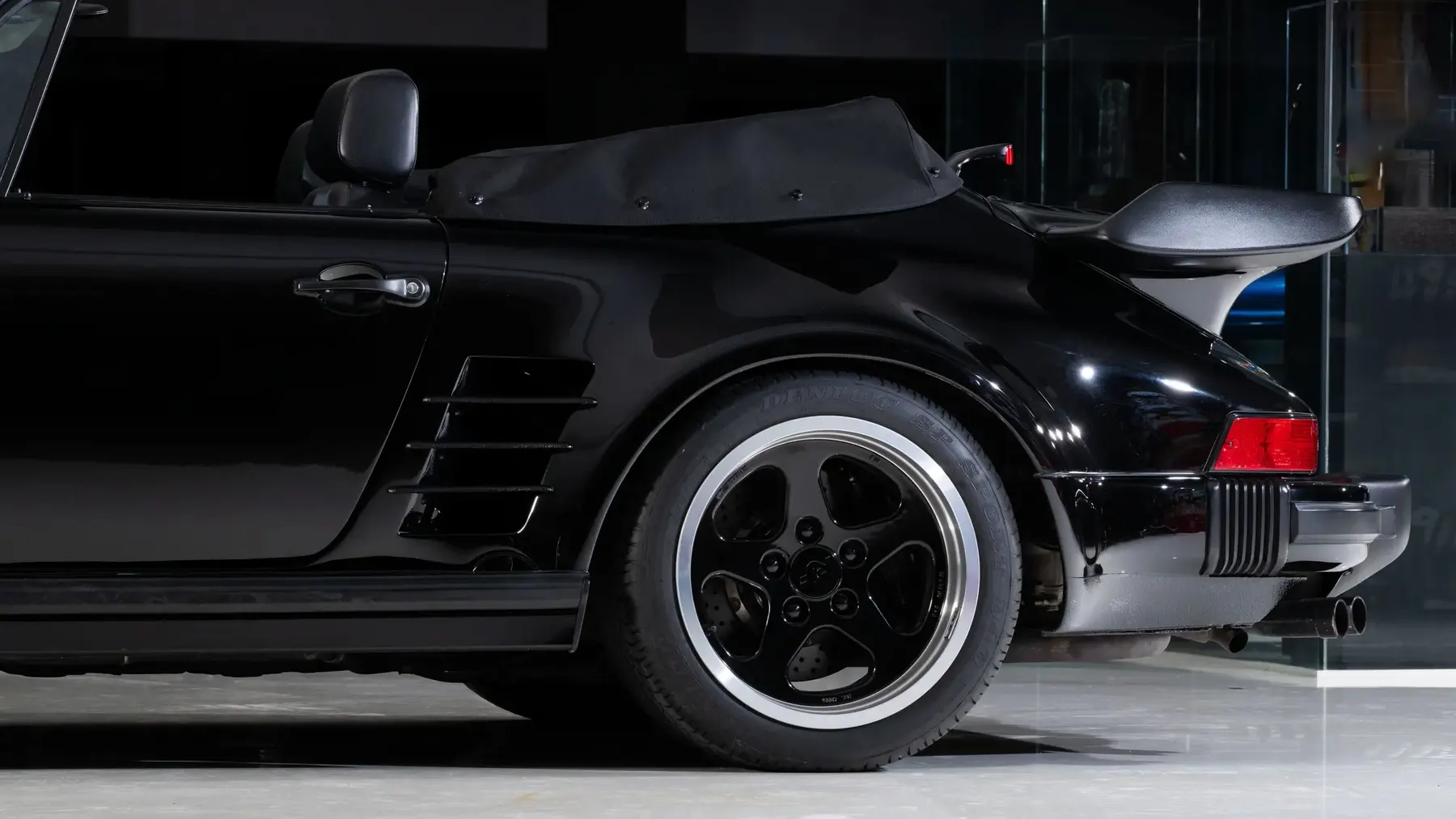
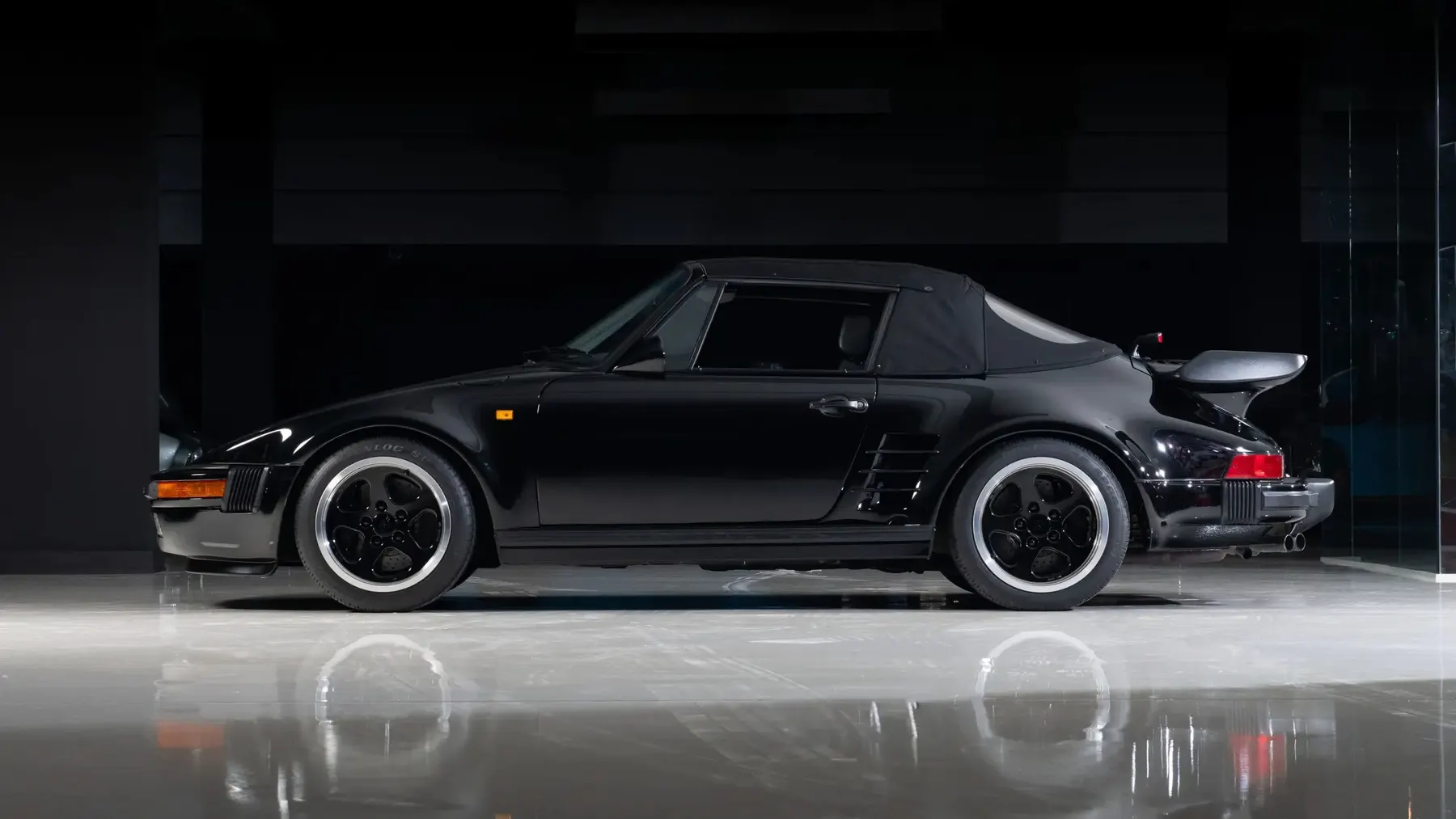
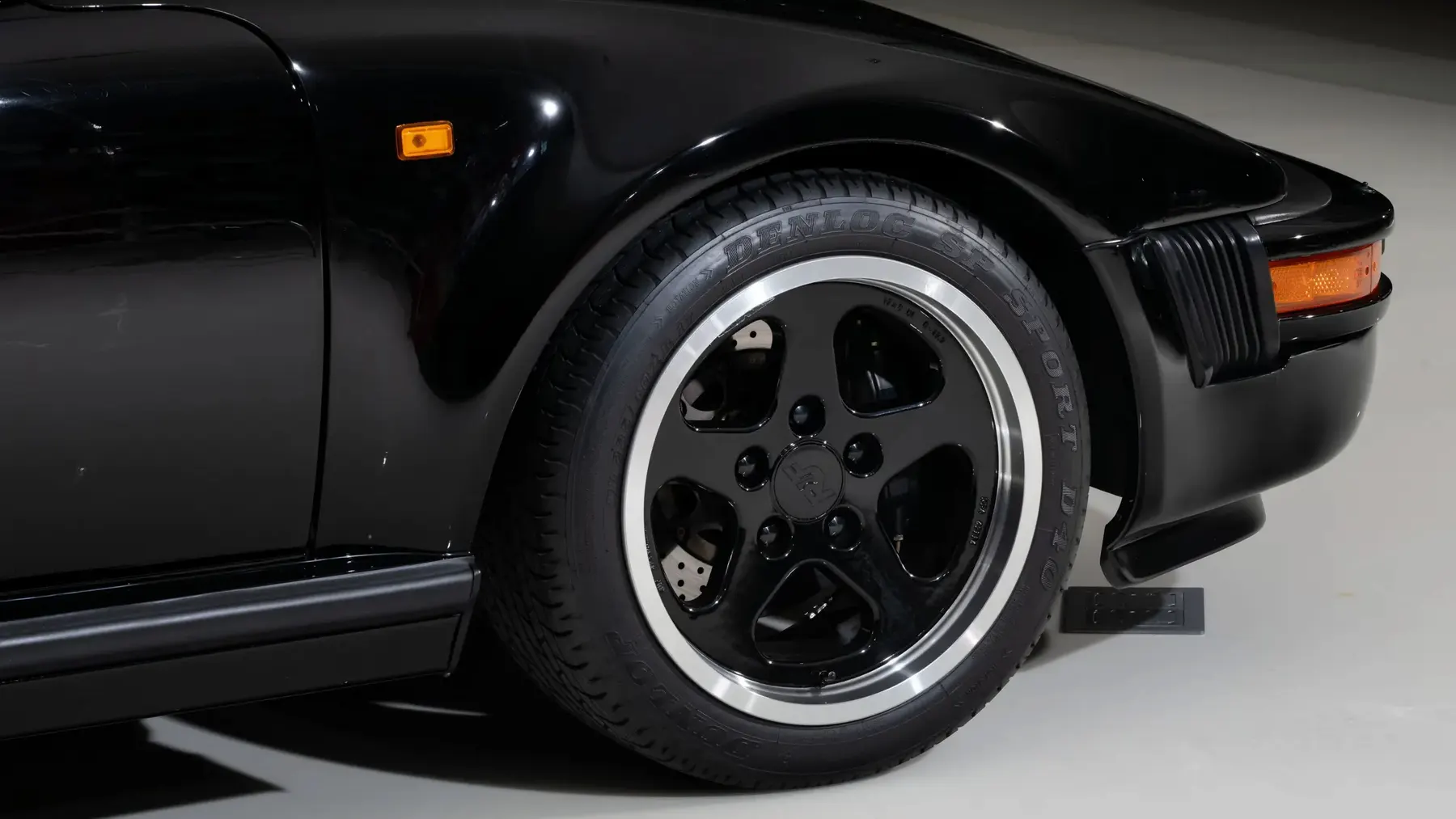
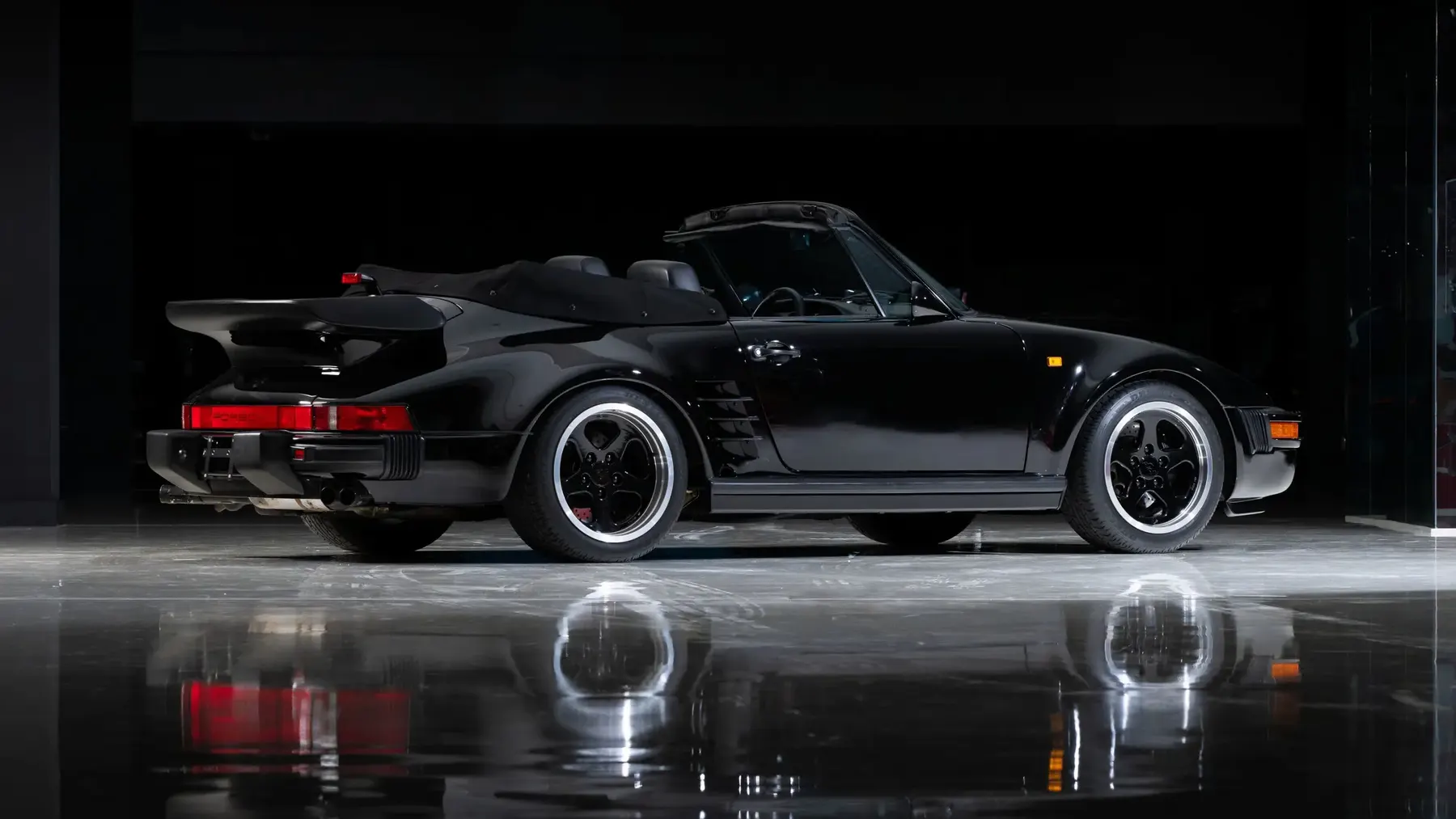
This specific example, delivered to RUF Canada in December 1990, features a striking quadruple-black color scheme, with the body, leather upholstery, wheel faces, and cabriolet top all rendered in the same sinister shade. The car’s silhouette is further enhanced by Turbo S rear air ducts, which not only serve an aesthetic purpose but also improve engine cooling and aerodynamic performance.
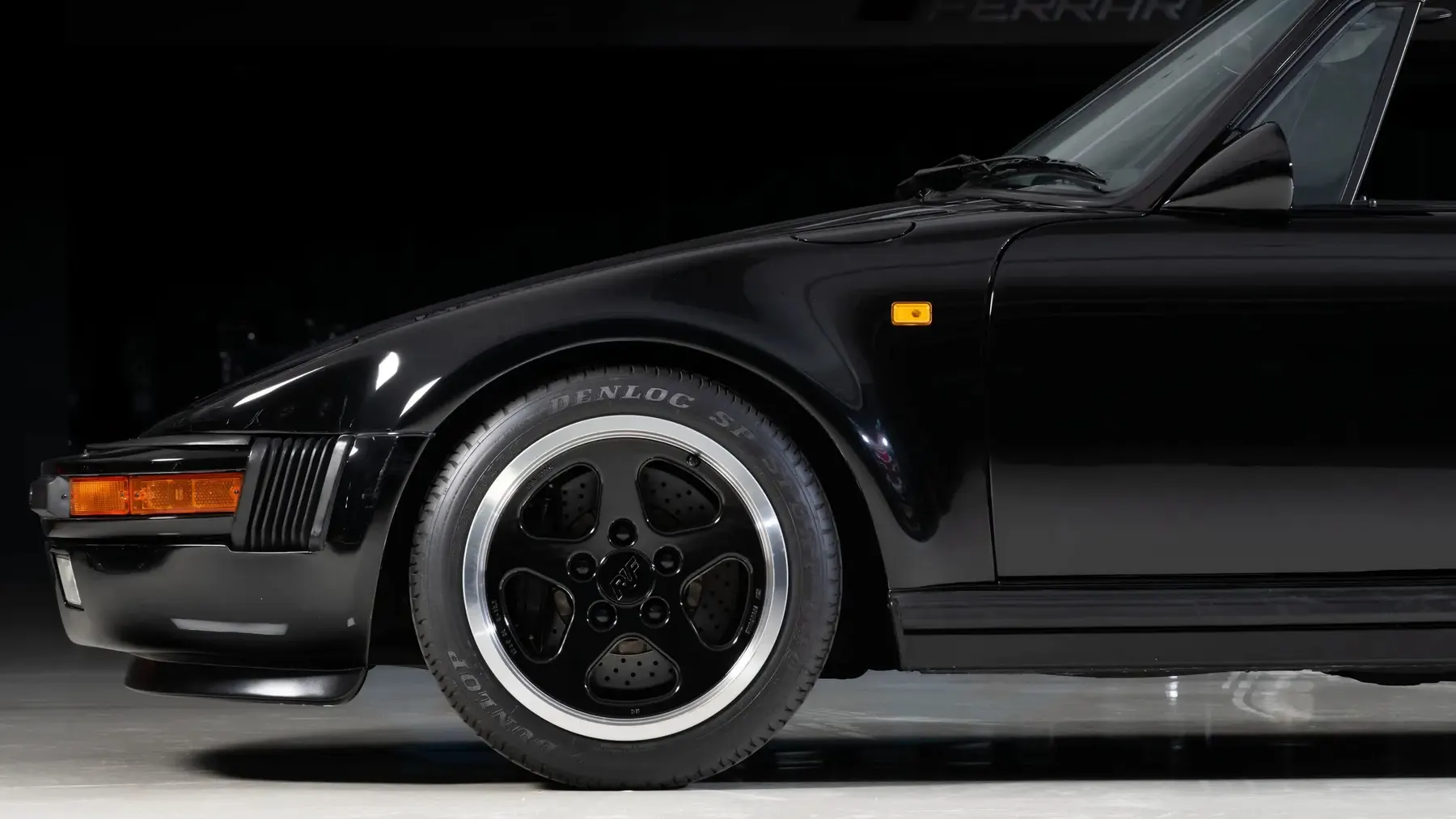
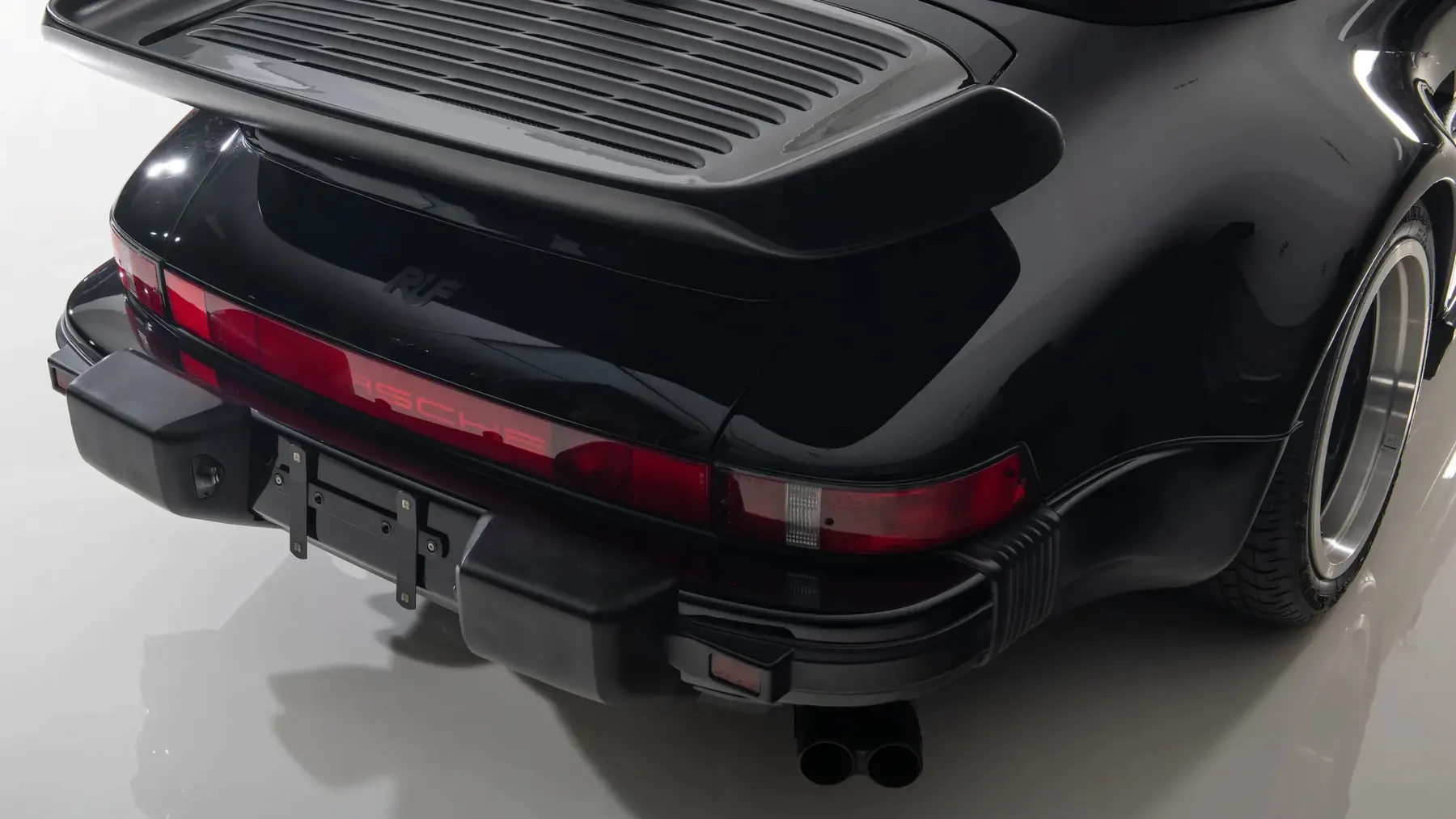
The distinctive 17-inch Speedline light alloy wheels, sport mirrors, and quad exhaust tips complete the exterior package, creating a vehicle that commands attention without resorting to unnecessary flourishes. Every element serves both form and function, exemplifying RUF’s pragmatic approach to creating the ultimate driving machine.
Despite its race-bred capabilities, the BTR III doesn’t sacrifice comfort or refinement. The interior features Recaro CSE seats upholstered in premium leather, providing both support during aggressive driving and comfort during longer journeys. A leather-wrapped sports steering wheel sits in front of a suite of RUF instrumentation, offering the driver essential information in a clear, purpose-built layout.
The cabin includes numerous luxury amenities that were considered premium features in the early 1990s, including air conditioning, power windows, a Sony sound system, and an alarm system. An oversized 105-liter fuel tank extends the car’s range, making it more practical for extended drives – an important consideration given the car’s grand touring capabilities.
The RUF BTR III ‘Flat-Nose’ Cabriolet represents the pinnacle of exclusivity in the automotive world. While exact production numbers for the BTR series aren’t precisely documented, it’s estimated that only about 20-30 complete cars were built from “body in white” chassis, with additional examples converted from customer cars. This particular ‘Flat-Nose’ Cabriolet configuration is believed to be one of only 25 examples ever created, making it extraordinarily rare.
This rarity, combined with the car’s incredible performance capabilities and historical significance, has cemented its status as a blue-chip collector vehicle. In recent auctions, similar RUF BTR models have commanded prices approaching or exceeding $500,000 USD.
The BTR series established RUF’s reputation for creating machines that could outperform established supercars from legendary Italian manufacturers. In 1984, a RUF BTR won Road & Track’s “World’s Fastest Cars” contest, achieving a top speed of 300 km/h (186.2 mph) and outpacing its closest competitors by more than 16 km/h. Even more impressively, the same car returned three years later with over 211,000 miles on its odometer and still managed to outperform newer supercars like the Lamborghini Countach 5000 QV and Ferrari Testarossa.
The BTR III raised the performance bar even further, with period tests indicating a top speed “in excess of 205 miles per hour”. Acceleration figures were equally impressive, with the BTR platform capable of reaching 100 km/h in just 4.6 seconds – numbers that remain respectable even by today’s standards.
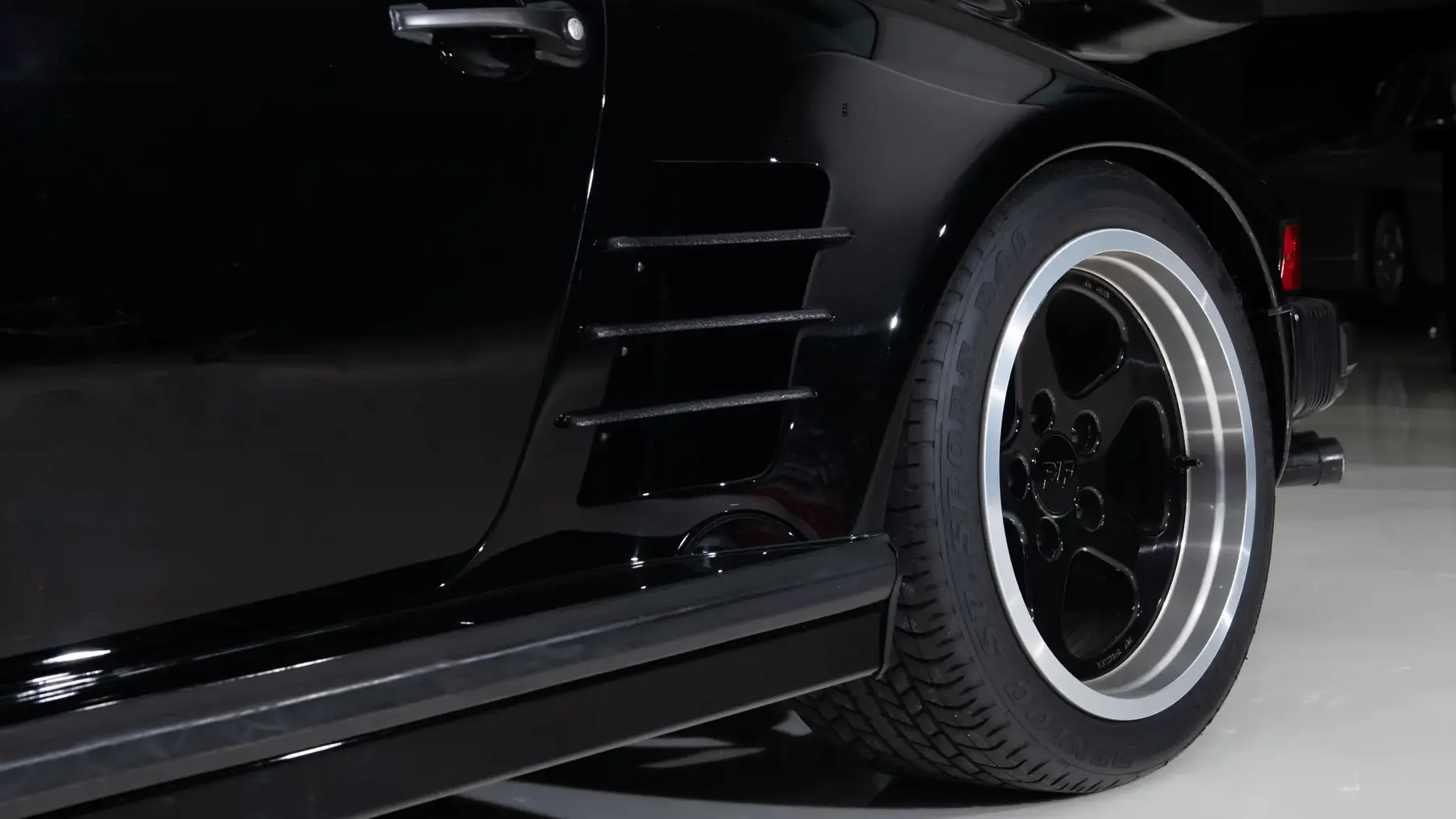
The RUF BTR III ‘Flat-Nose’ Cabriolet represents the zenith of analog supercar design before the digital revolution transformed the automotive landscape. It delivers raw, visceral performance through mechanical precision rather than electronic aids. Every aspect of the driving experience – from the turbocharger’s distinctive spool to the mechanical action of the gearshift – connects the driver directly to the machine in a way that few modern supercars can match.
For collectors and enthusiasts who value driving purity and engineering excellence, the RUF BTR III ‘Flat-Nose’ Cabriolet stands as a masterpiece from an era when cars were defined by the skill of their creators rather than the sophistication of their computers. Its combination of extreme performance, distinctive design, and incredible rarity ensures that it will remain a coveted piece of automotive history for generations to come.
Join the discussion
Comments
Loading comments…
Leave a comment
Share a detail, memory, or perspective. Every comment is reviewed before publication.