1991 Porsche 962 C

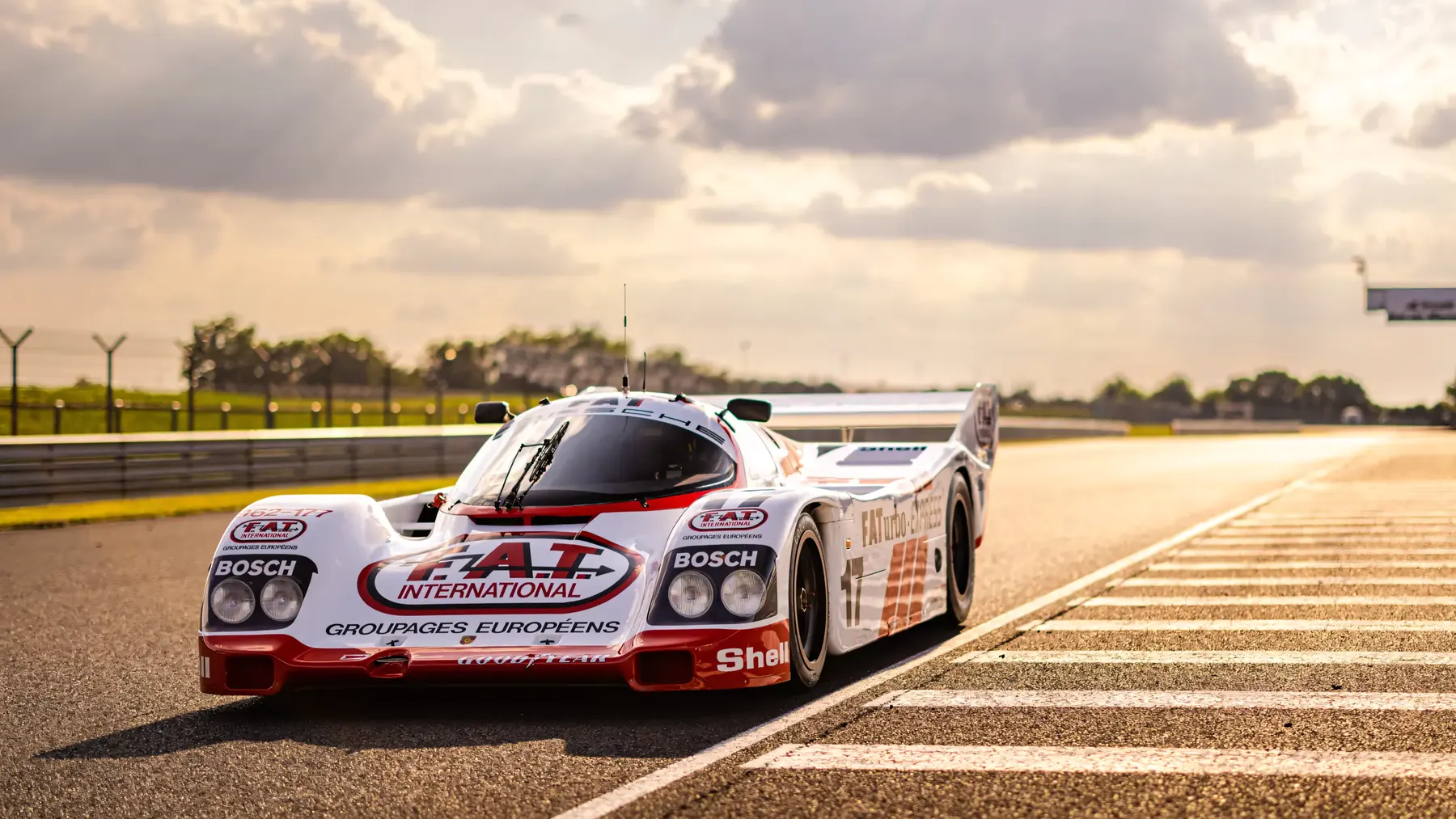
The Porsche 962 C stands as one of the most iconic and successful sports prototype racing cars of its era. Designed to replace the Porsche 956, the 962 C made its mark across multiple championships throughout the 1980s and early 1990s, becoming a symbol of Porsche’s dominance in endurance racing. With its extended wheelbase and advanced aerodynamics, the 962 C helped Porsche maintain a firm grip on endurance titles, securing victories at some of the most prestigious races in motorsport history.
The Porsche 956 debuted in 1982, quickly establishing itself as a force in Group C racing, winning multiple titles including the 24 Hours of Le Mans. However, safety regulations in North America’s IMSA GTP series barred the 956 from competing due to the positioning of the driver’s feet ahead of the front axle. In response, Porsche engineers extended the wheelbase of the 956, moving the pedal box back to comply with IMSA’s safety rules. The result was the Porsche 962, which debuted in 1984 at the 24 Hours of Daytona.
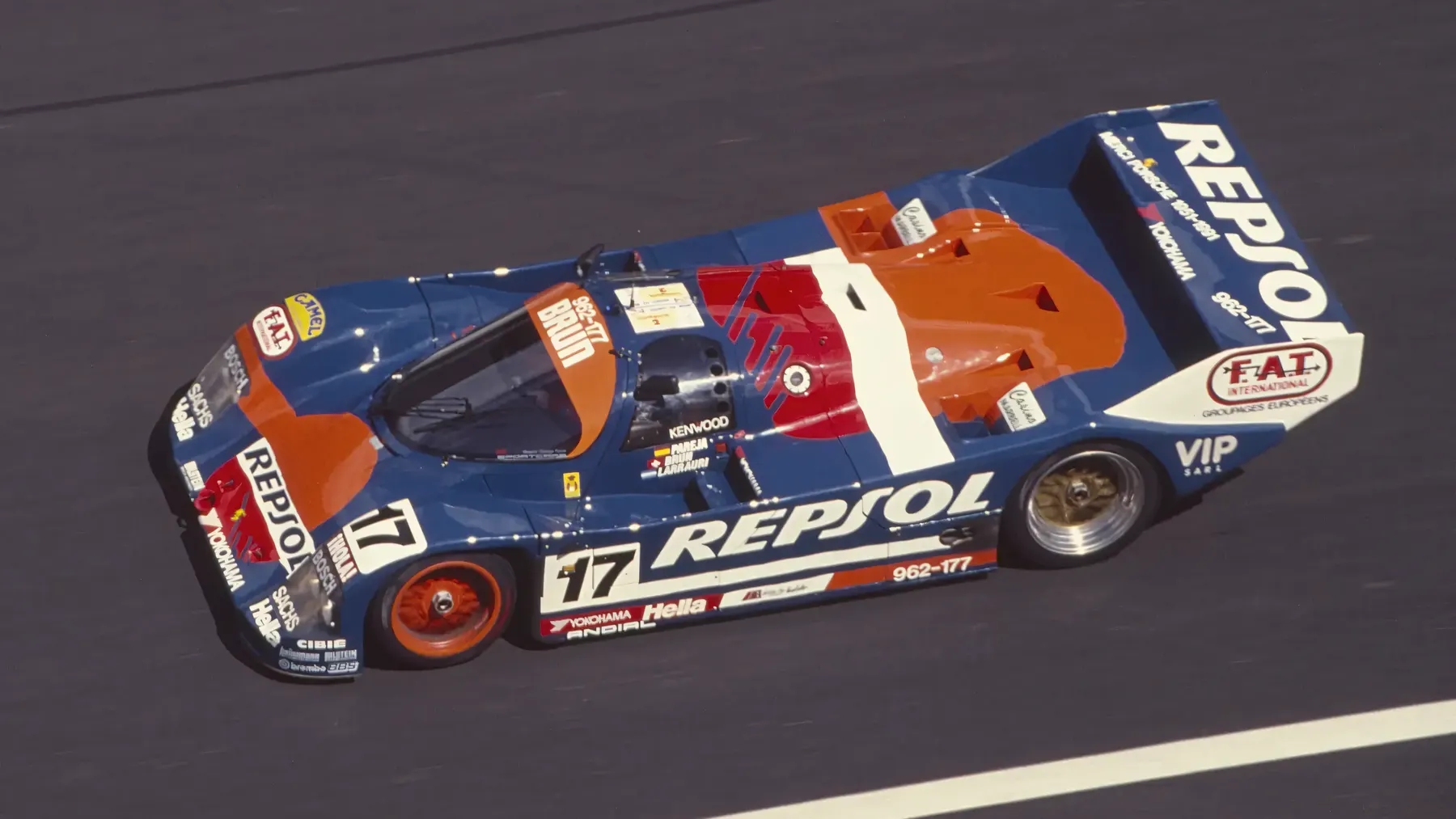
The 962 was a direct evolution of the 956 but adapted for more stringent safety standards and aerodynamic advancements. Porsche’s development program further refined the car into the 962 C for Group C racing, which competed in the World Sportscar Championship (WSC). Powered by a range of flat-6 turbocharged engines, the 962 C proved adaptable to various regulations, with displacement variants ranging from 2.6L to 3.2L in both IMSA and WSC competition.
Initially, the 962 C featured the same 2.6-liter flat-6 engine as the 956. However, with increased competition from manufacturers like Jaguar and Mercedes-Benz, Porsche introduced larger and more powerful engines to keep the car competitive. By 1987, the 962 C was fitted with a 3.0-liter engine that significantly boosted its performance and reliability, culminating in victory at the 1987 24 Hours of Le Mans, marking Porsche’s seventh consecutive win at the race.
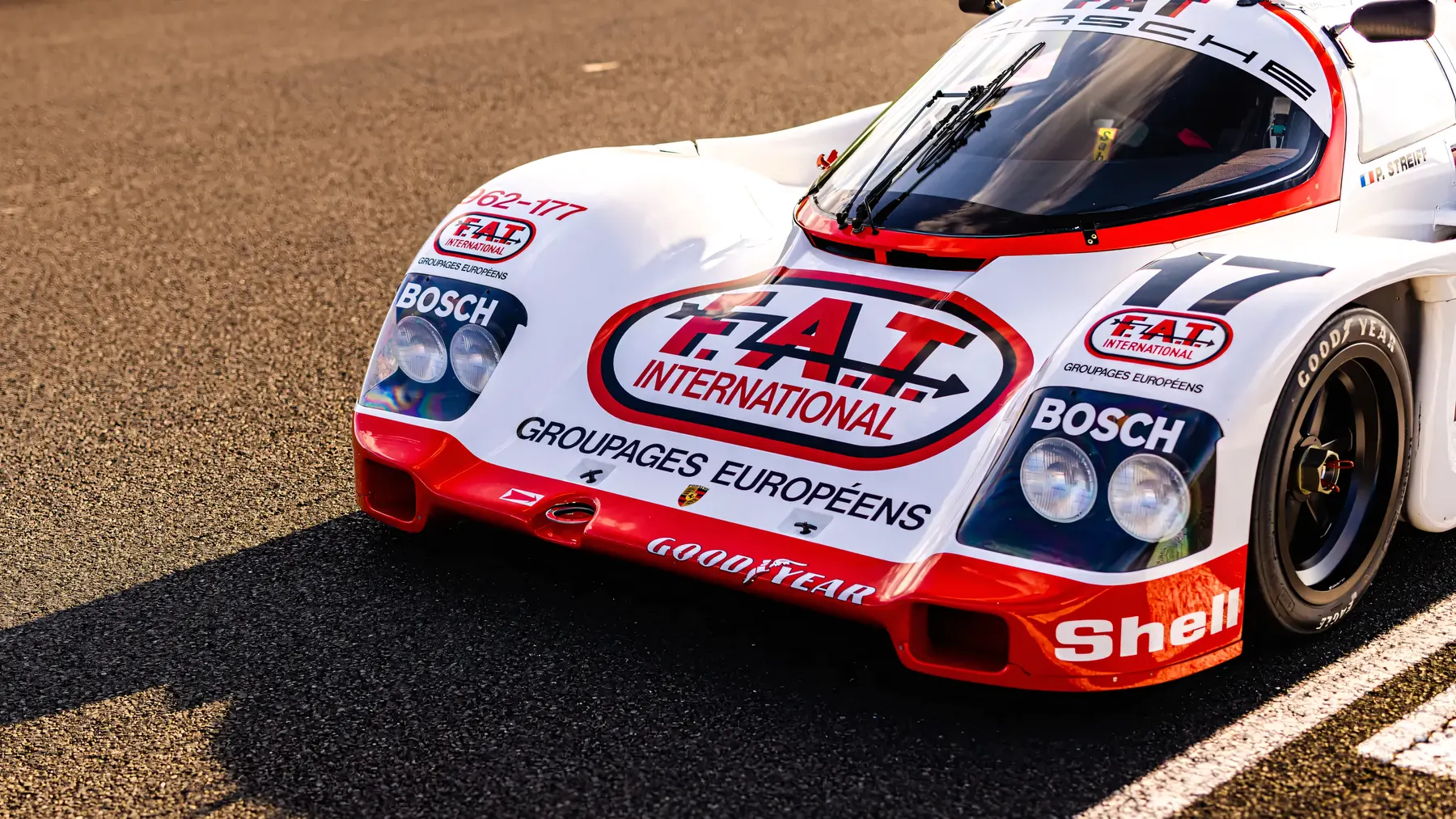
Throughout its racing life, the 962 C underwent numerous modifications to stay competitive. In IMSA’s GTP series, Porsche fitted the car with the Andial-built 3.2-liter engine, making it more competitive against the rising power of Jaguar’s V12s. The flexibility of the 962 C’s design allowed teams to experiment with different configurations, keeping the car relevant even as newer competitors entered the scene.
While Porsche’s factory team secured many victories with the 962 C, the car also became a favourite among privateer teams. These teams, such as Kremer Racing, Brun Motorsport, and Richard Lloyd Racing, modified and campaigned their own versions of the 962 C. Kremer Racing developed the “962CK6,” replacing the original aluminium chassis with a lighter carbon-fibre version. Brun Motorsport and Richard Lloyd Racing also made significant changes to improve the car’s aerodynamics and chassis rigidity.
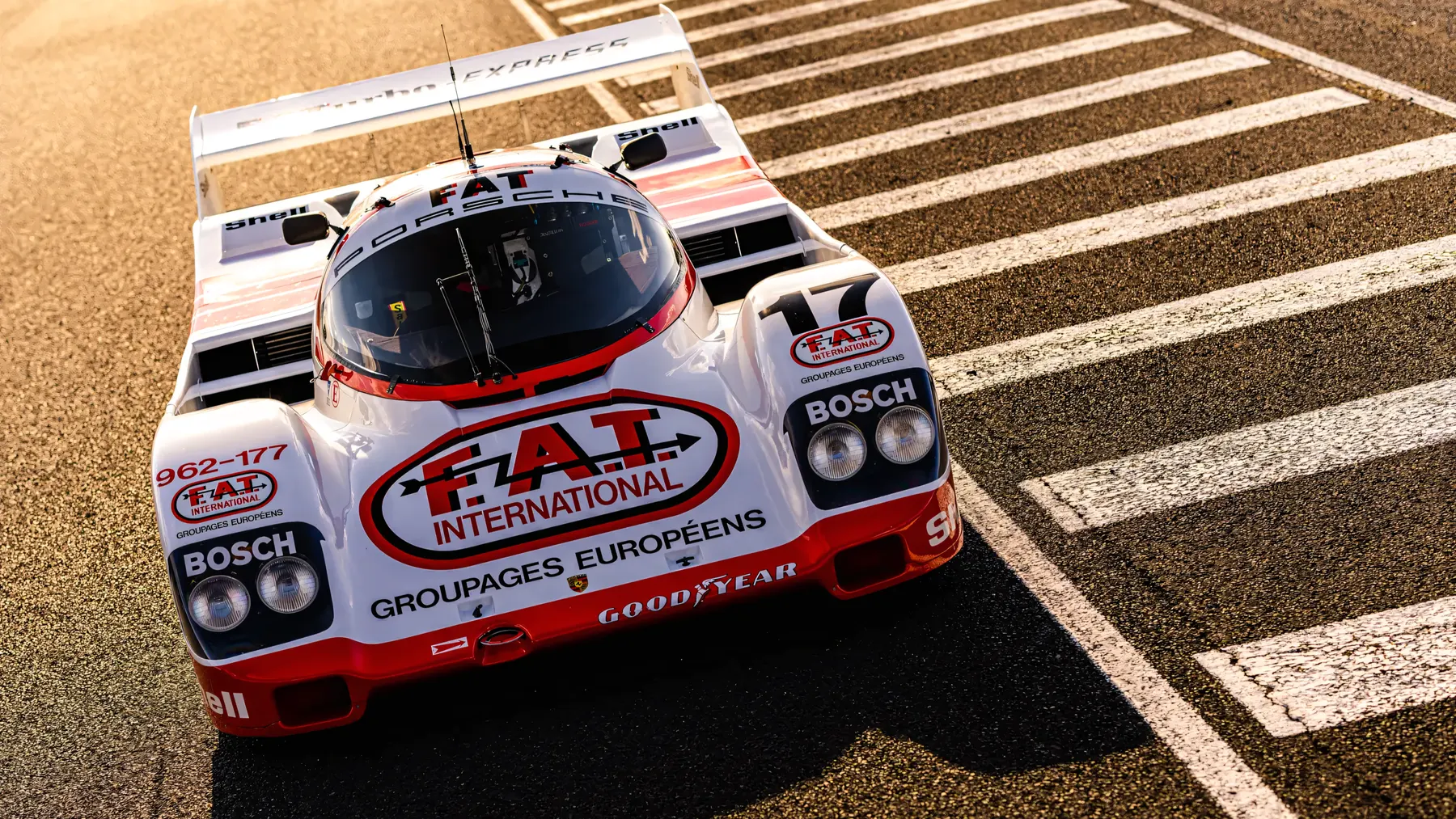
These privately-built 962s allowed the car to remain competitive even as the original factory effort wound down in the late 1980s. Kremer, for example, built 11 chassis, while Brun Motorsport’s modifications earned them second place in the World Sportscar Championship in 1987.
The Porsche 962 C’s dominance in endurance racing is best exemplified by its two overall victories at the 24 Hours of Le Mans (1986 and 1987) in its Group C form. The car also secured three consecutive IMSA GTP championships from 1985 to 1987. Privateer teams continued to achieve success with the 962 C into the early 1990s, and the car even won races as late as 1994, a decade after its debut.
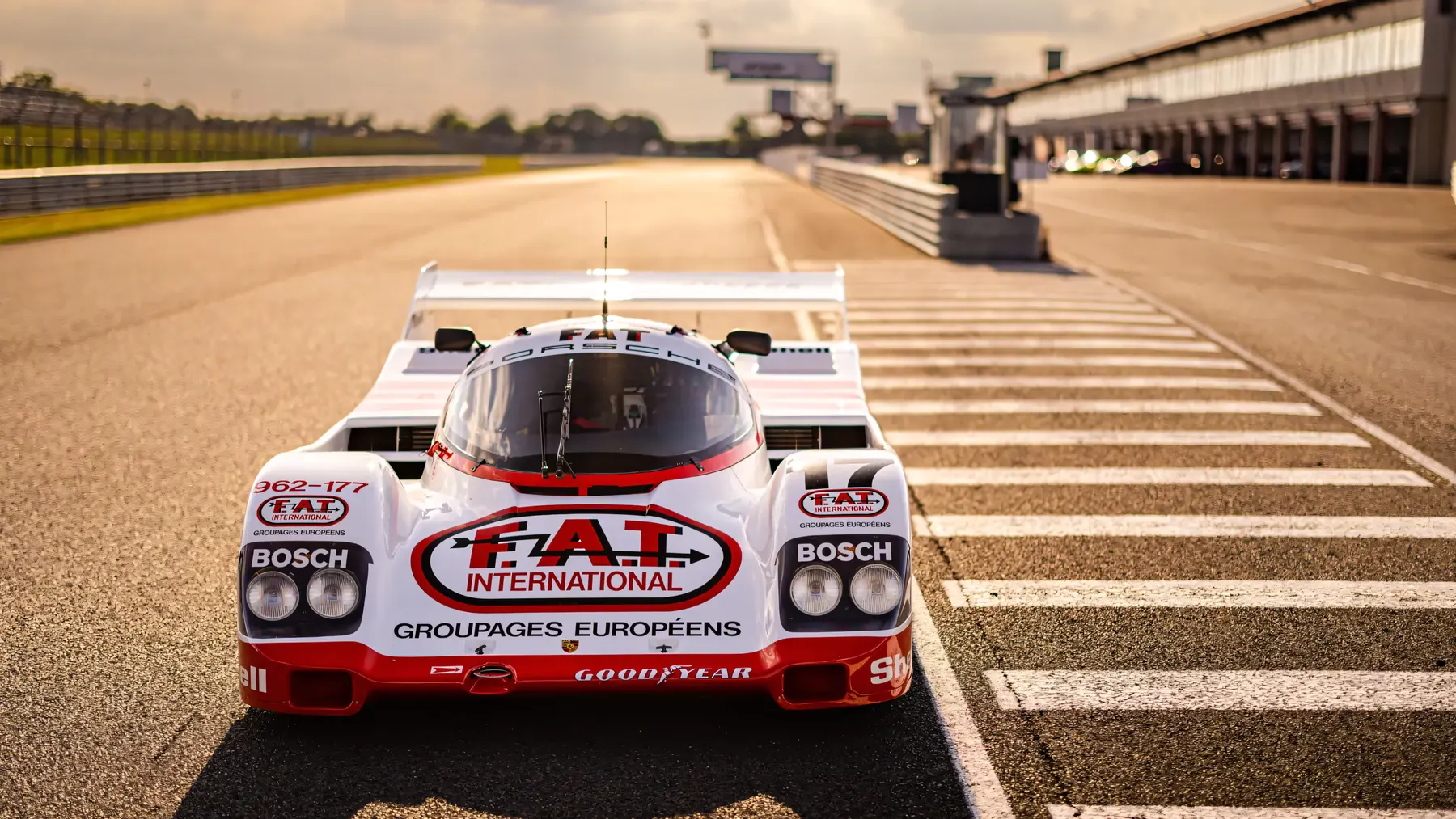
The car’s longevity and success are a testament to Porsche’s engineering prowess and the versatility of the 962 C platform. The final major win for an original 962 C came in 1994 at Fuji Speedway, marking the end of an era in sports prototype racing.
The Porsche 962 C remains one of the most iconic sports prototype racing cars ever built, defined by its engineering excellence, versatility, and unparalleled success in endurance racing. From its debut in 1984 to its final victory in 1994, the 962 C cemented Porsche’s dominance in Group C and IMSA GTP racing, leaving behind a legacy that endures in motorsport history.
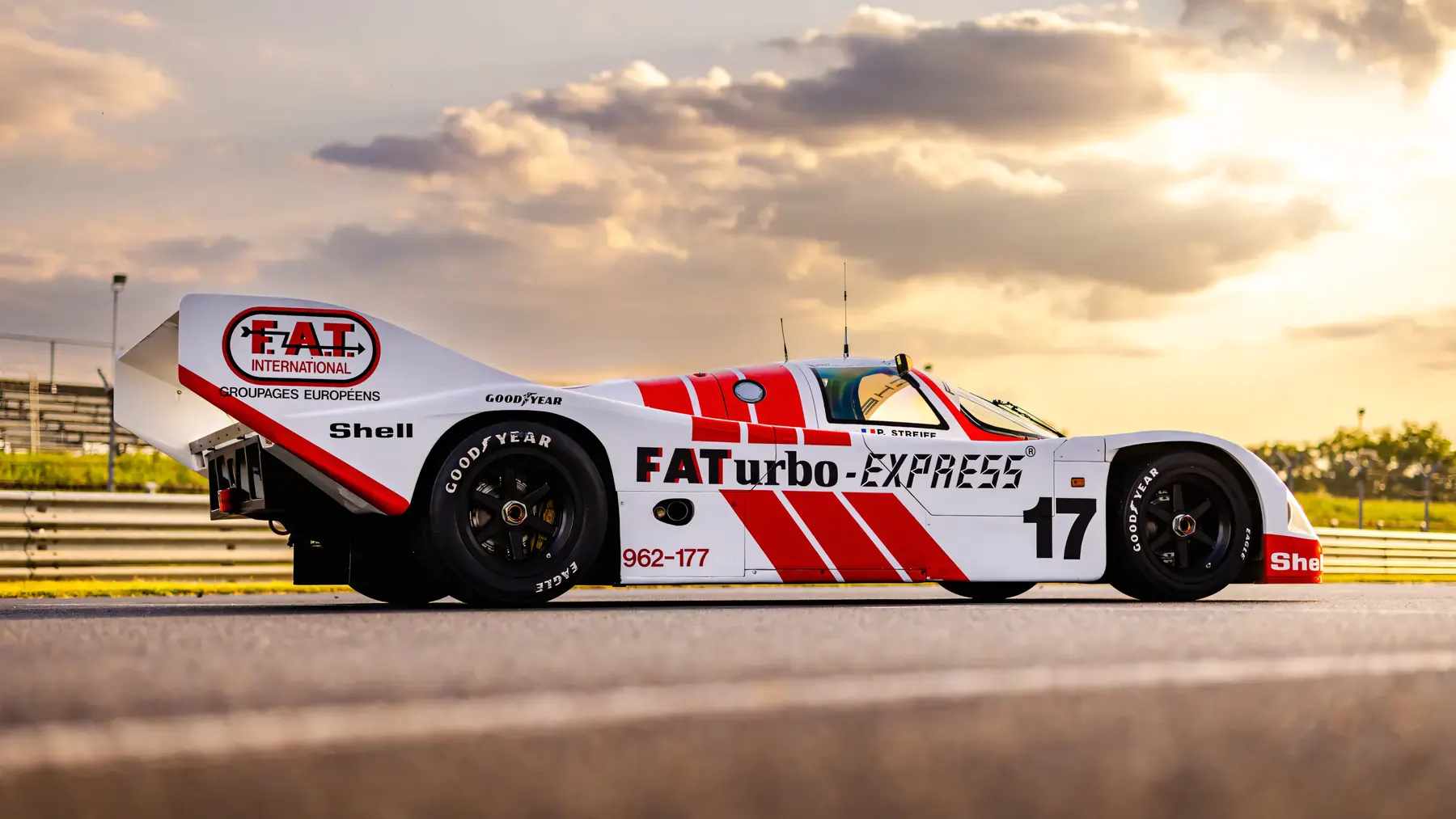
Join the discussion
Comments
Loading comments…
Leave a comment
Share a detail, memory, or perspective. Every comment is reviewed before publication.