1992 Lancia Delta HF Integrale Evoluzione 'Group N' by Abarth

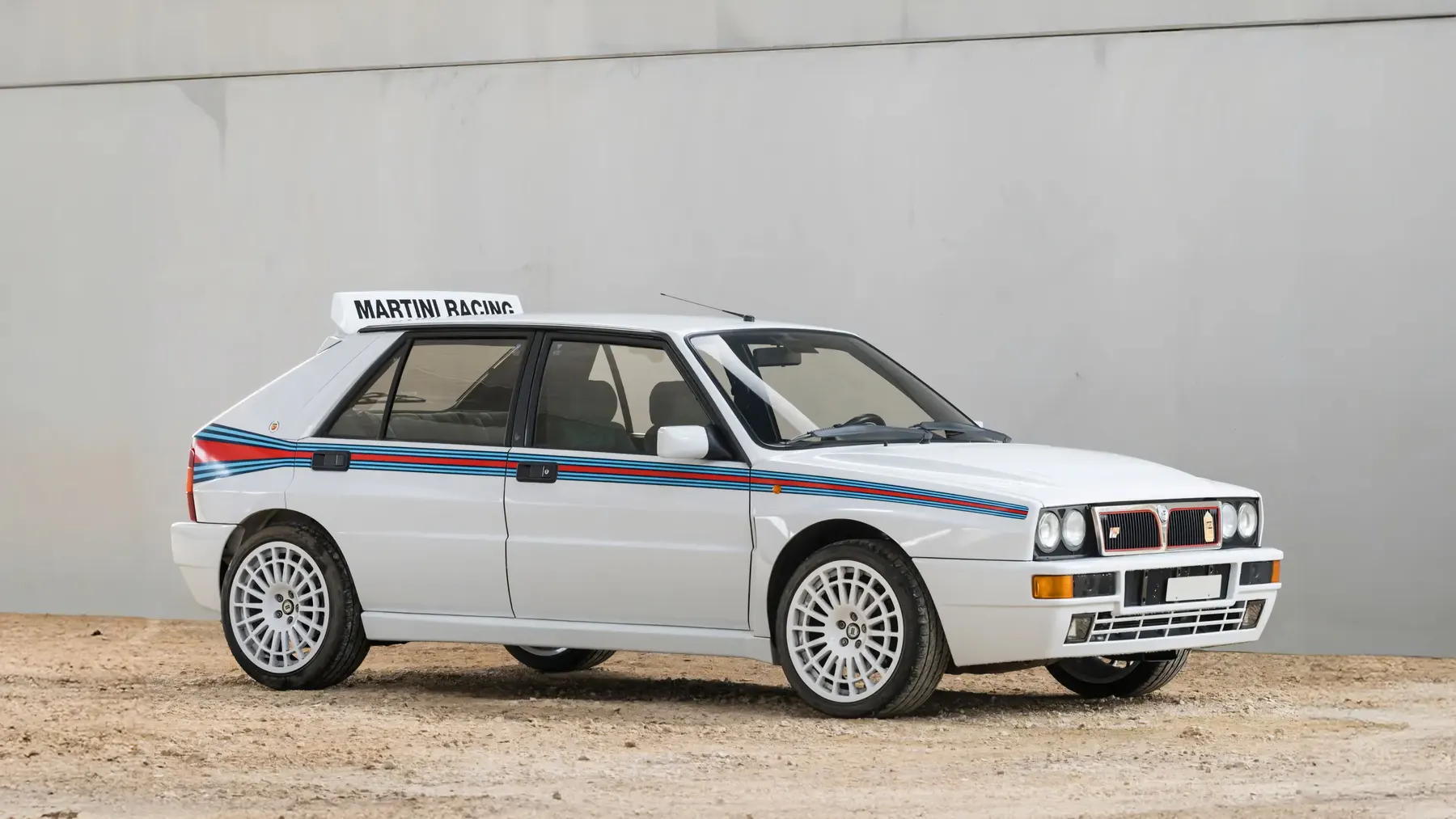
Picture this: you’re behind the wheel of a car that looks like it just rolled out of a Rally Championship stage. The engine growls with that unmistakable turbocharged whine, your hands grip a chunky leather-wrapped steering wheel, and the iconic Martini Racing stripes streak across the hood. This isn’t a full-blown race car,it’s the Lancia Delta HF Integrale Evoluzione ‘Group N’ by Abarth, one of the rarest and most focused road-legal rally machines ever built. Born in the twilight of Lancia’s rally dominance, this car represents the perfect balance of Italian engineering and competition-bred adrenaline.
By 1991, Lancia’s Delta HF Integrale had already cemented its place in motorsport history. The road-going versions of this rally legend had become cult classics, but the ‘Evoluzione’ marked the pinnacle of its evolution,and the Group N by Abarth was its swan song. Group N regulations, introduced by the FIA, required cars to remain close to their production roots while allowing subtle competition tweaks. Lancia, in collaboration with Abarth (Fiat’s legendary tuning arm), created a car that could dominate both rally stages and Sunday drives.
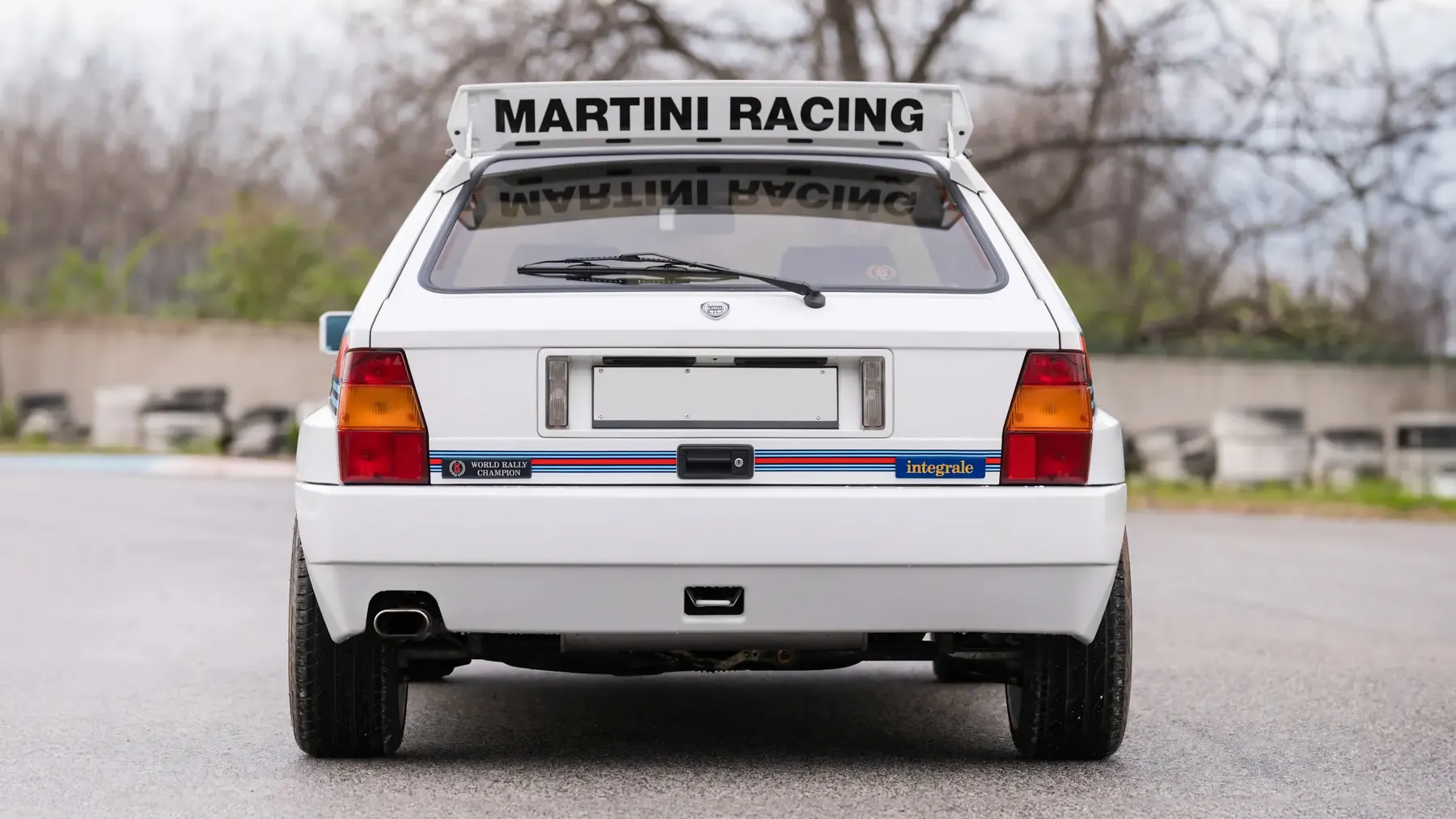
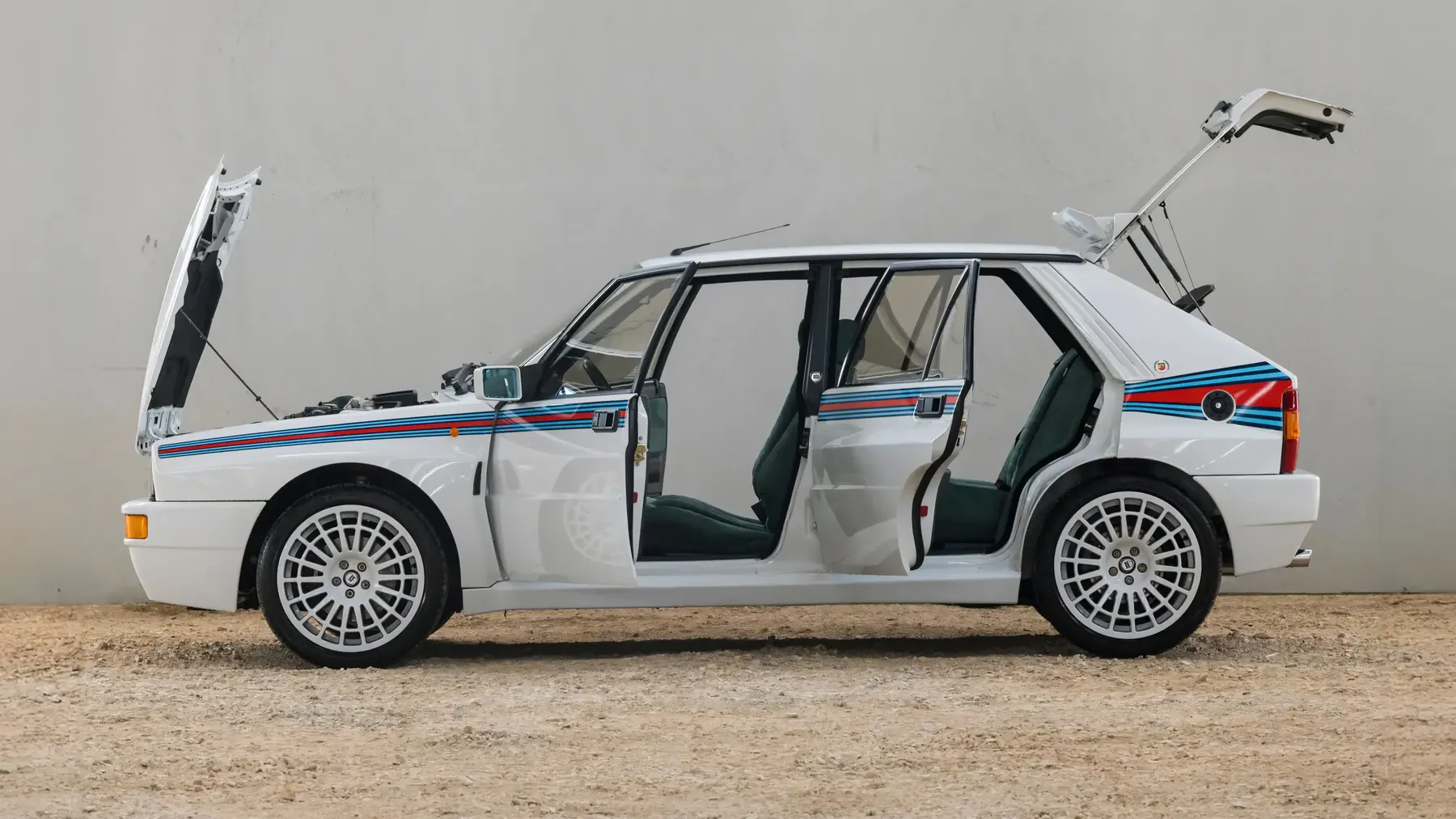
At first glance, the Group N Integrale doesn’t scream “race car.” But look closer,the widened fenders bulge to house 17-inch Speedline wheels, a full 50 mm wider in track compared to earlier Deltas. The boxy flares aren’t just for show; they’re functional, channeling air to cool brakes fed by twin-piston Brembo calipers. Up front, projector headlights,a novelty in the early ‘90s,peek out from under a vented hood. The rear spoiler, adjustable to three angles, isn’t just cosmetic. In its highest setting, it glued the rear axle to Italian mountain roads at speeds over 200 km/h.
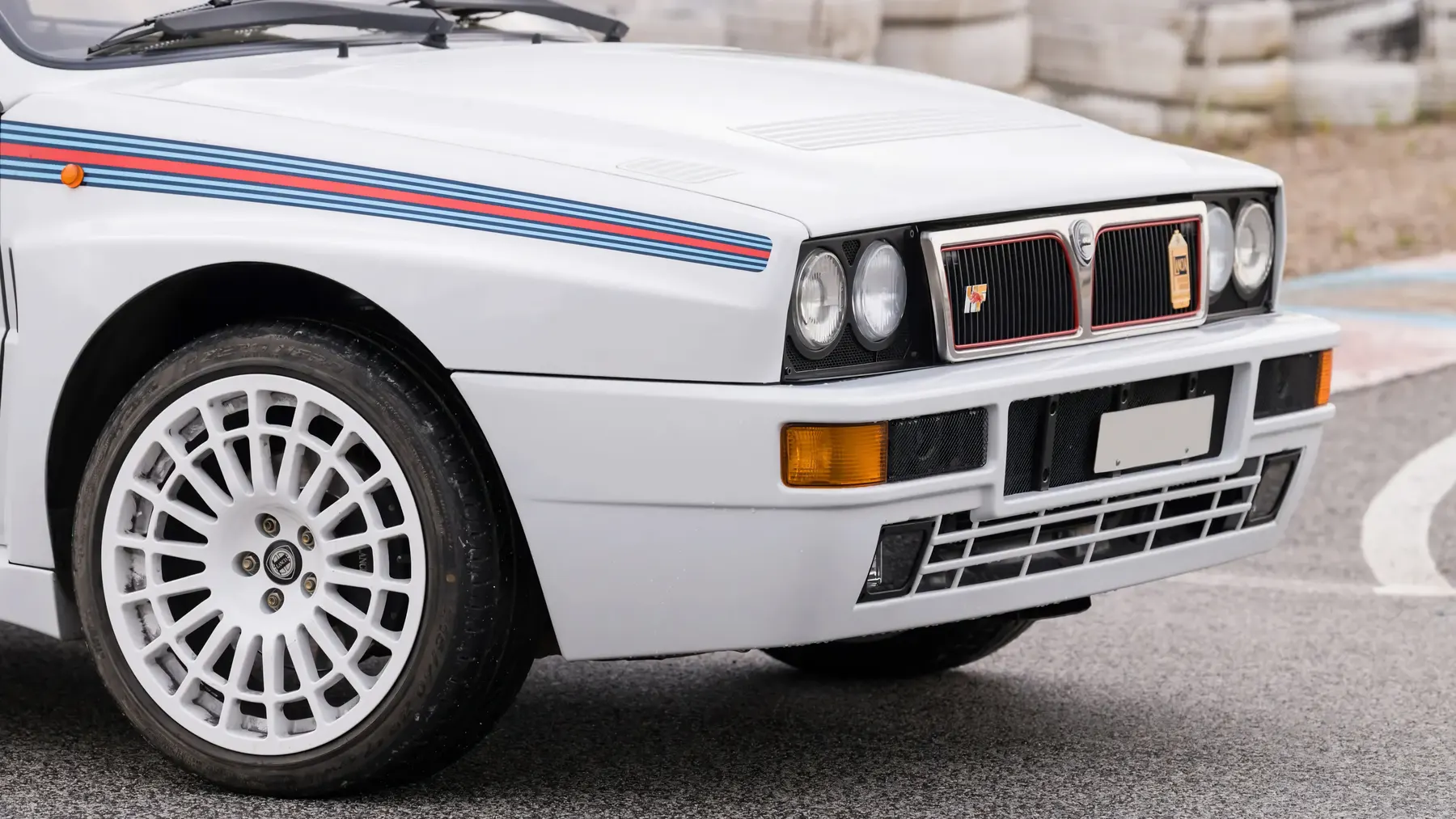
Abarth didn’t just tweak the body. Underneath, strengthened control arms and a strut tower brace transformed the chassis. The suspension, though firm, retained enough compliance to handle potholed city streets. This was a car engineered to endure 1,000 km rallies and grocery runs equally.
The Evoluzione retained Lancia’s 2.0-liter 16V inline-four, but Abarth’s input elevated it beyond stock. Power stayed at 210 metric horsepower (207 hp), but torque delivery was sharper thanks to recalibrated boost mapping. Unlike modern turbos that kick like a mule, the Garrett T3 turbo here builds boost progressively,1.2 bar of pressure pushing the Integrale to 100 km/h in 5.7 seconds. On paper, that’s slower than a modern hot hatch. But numbers don’t capture the sensation: the throaty exhaust note, the surge of acceleration as the tach needle swings past 3,500 rpm.
The genius lay in the drivetrain. Lancia’s permanent four-wheel drive system, with a Torsen rear differential and viscous coupling, sent 60% of power to the rear. Combined with Abarth’s stiffer differential mounts, the Integrale attacked corners like a terrier,biting into apexes with minimal understeer.
Slip into the Recaro seats swathed in green Alcantara (a nod to Lancia’s racing colors), and you’re struck by the purposeful minimalism. The dashboard tilts toward the driver, housing a bank of analog gauges monitoring boost pressure and oil temp. A Momo steering wheel, thin-rimmed and tactile, connects you directly to the front wheels. Missing are touch screens or driver aids,just you, a five-speed shifter, and three pedals.
But this isn’t a stripped-out racer. Crank the optional air conditioning (a luxury in rally-derived cars), and you notice the soundproofing,barely enough to mute the turbo’s whistle. The rear seats fold, the trunk fits a weekend’s luggage. It’s a car built for life at 10/10ths but pragmatic enough to handle school runs.
The Group N’s magic lies in duality. While privateers like Jolly Club raced Evos in the 1992 WRC, Abarth’s version let enthusiasts taste that readiness. The suspension, though firmer, avoided the kidney-pounding stiffness of pure track cars. Engineers added hydraulic bump stops to absorb big hits,crucial for surviving rally stages like the Acropolis’s jagged rocks.
Abarth also focused on durability. The gearbox, prone to overheating in earlier Integrales, got stronger synchros and a reinforced casing. Coolant lines were rerouted away from the turbocharger (a common failure point). These tweaks made the Group N a car you could drive hard without praying to the reliability gods.
When the Group N debuted, critics hailed it as the ultimate Integrale. British magazine Car called it “a road car with a rally championship’s soul.” Fans adored its unapologetic rawness. When rivals like the Audi Quattro and Ford Escort RS Cosworth went tech-heavy, Lancia kept it analog. The steering, unassisted and chatty, became its hallmark.
But this wasn’t a car for everyone. At 55 million Italian lire (about 92,000 today), it cost nearly double a base Delta. Only 310 Group N Integrales were ever made. Most went to wealthy collectors or privateer racers.
By 1993, Lancia withdrew from rallying. The Group N marked the end of an era where road cars and race cars shared true DNA. Modern homologation specials like the GR Yaris channel its spirit but lack the Integrale’s handmade charm. Today, clean Group N examples fetch over $150,000 at auctions. Not bad for a car that originally sold for less than a tenth of that.
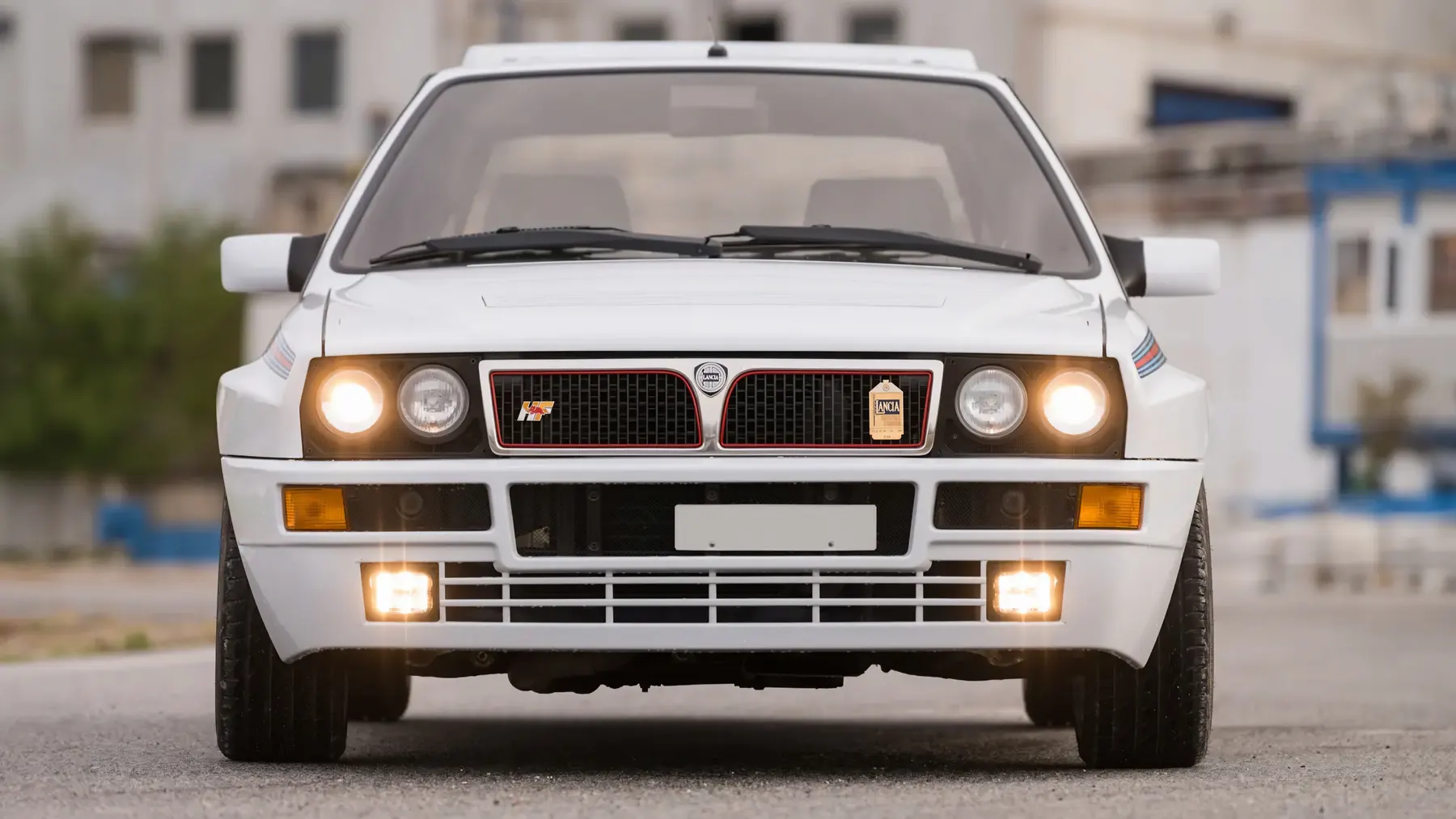
Survivors are rare. Many were rallied into oblivion, their bodies battered by stages from Monte Carlo to Australia. Those remaining are cherished,garaged gems polished more than driven.
Behind the wheel, the Group N feels shockingly modern. The turbo lag? Noticeable but manageable,anticipate the bend, roll onto throttle early, and the torque arrives in a wave. The steering, heavy at parking speeds, lightens up as you carve through switchbacks. On backroads, it’s in its element,the four-wheel drive shuffling grip between axles, the engine snarling through tunnels.
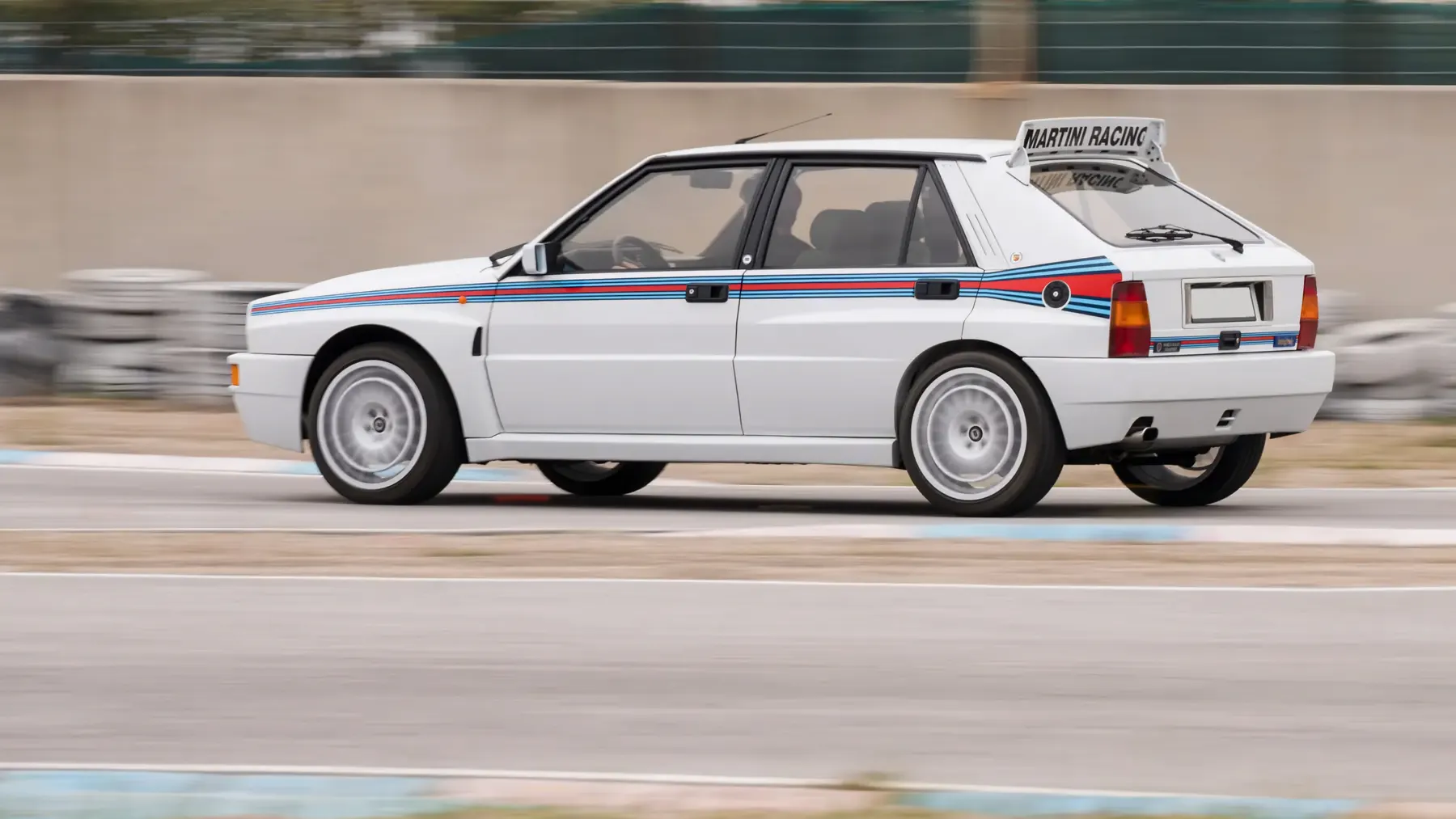
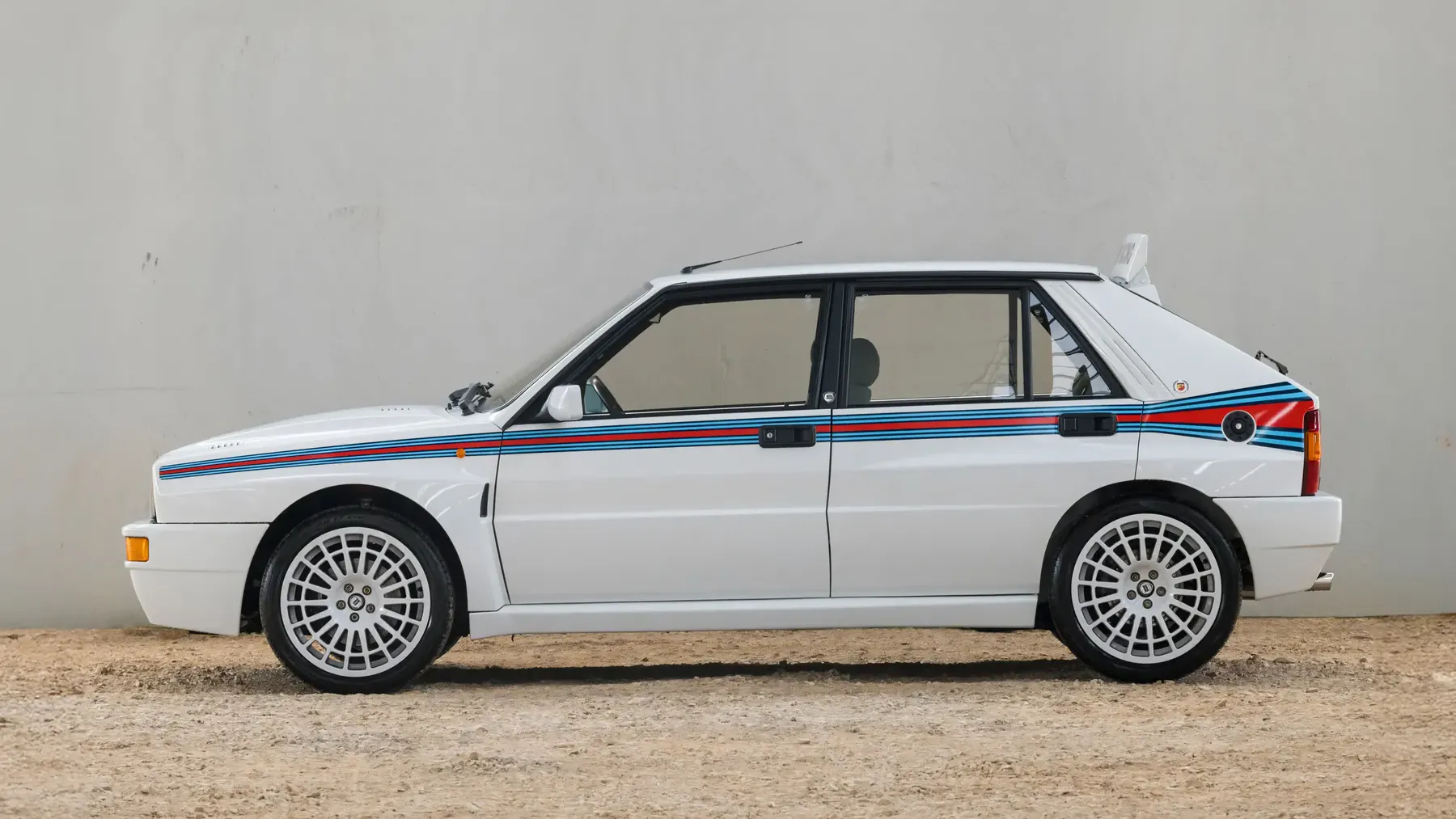
But it’s the details that enchant. The smell of aged leather mixed with hot metal after a long drive. The way the Martini stripes catch sunlight, flaking slightly at the edges because, yes, even legends age. This isn’t a sanitized classic; it’s a machine that begs to be driven.
The Lancia Delta HF Integrale Evoluzione ‘Group N’ by Abarth isn’t the fastest or rarest sports car. But it’s perhaps the purest expression of rally heritage distilled into road form. In an age where cars are designed by software and governed by touchscreens, the Group N reminds us of a time when racing directly shaped what you could buy.
It’s flawed,thirsty, cramped, and demanding to drive. Yet those flaws endear it. They remind us that greatness often lies in imperfection. For those lucky enough to own one, every drive is a pilgrimage,a chance to touch the golden age of rallying. And for the rest of us? We’ll keep dreaming, scrolling auction sites, and hoping one day, we’ll hear that turbo spool.
Join the discussion
Comments
Loading comments…
Leave a comment
Share a detail, memory, or perspective. Every comment is reviewed before publication.