1994 Land Rover NAS Defender 90

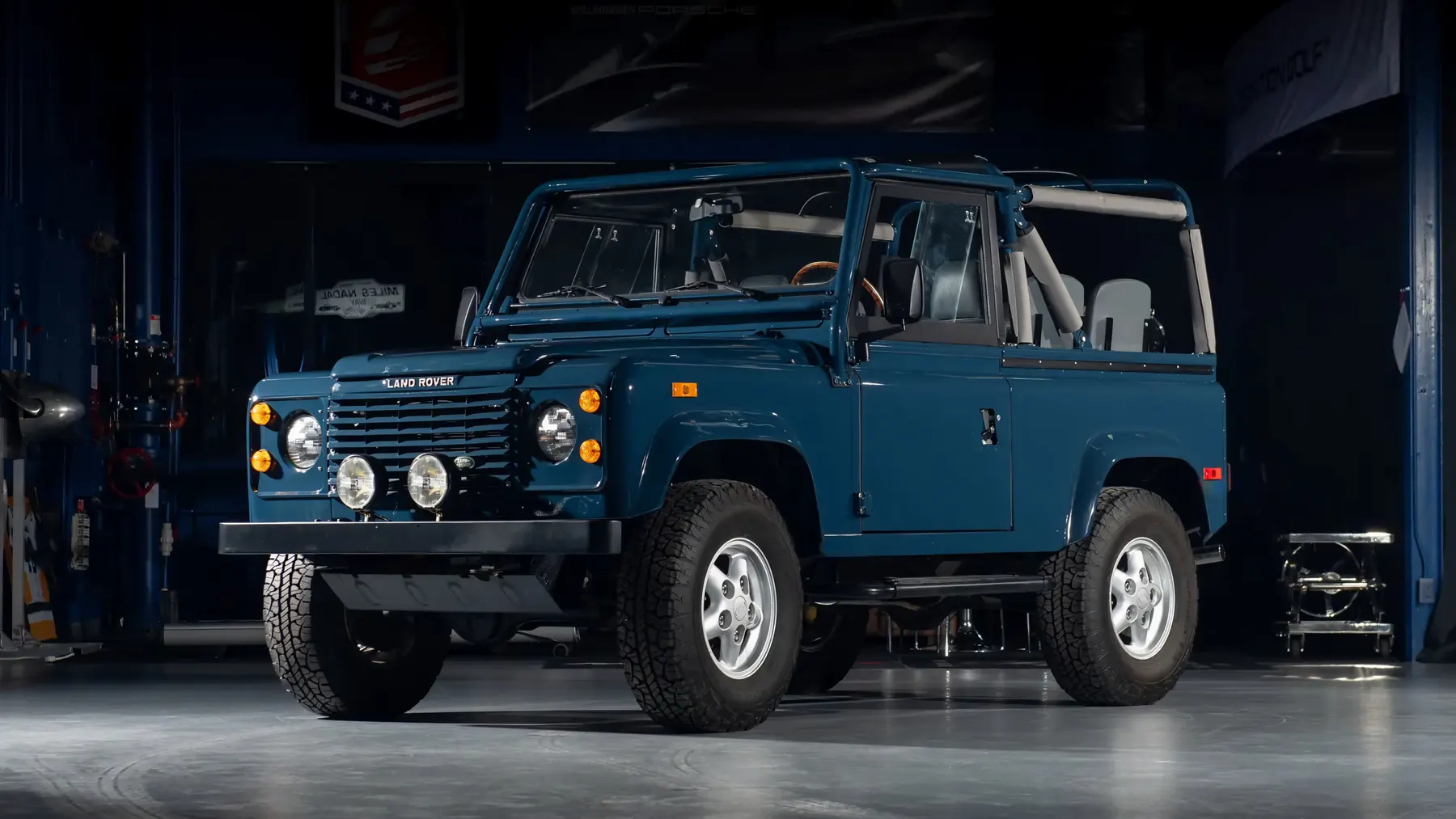
The Land Rover Defender 90 NAS represents one of the most fascinating chapters in automotive history-a brief yet impactful period when Britain’s iconic off-roader made its way to North American shores in limited numbers. With distinctive styling, exceptional capability, and a powerful V8 heart, these rare machines continue to captivate enthusiasts and collectors nearly three decades after their introduction.
In August 1992, Land Rover reintroduced its classic utility vehicle to North America after an eighteen-year absence. This marked a significant moment for the brand, which until then had only offered its more luxurious Range Rover in the American market since 1987.
The introduction began with 525 Defender 110 County models for the 1993 model year-500 destined for the United States and 25 for Canada. These initial offerings were painted Alpine white (with one notable exception painted black for Ralph Lauren) and featured full external roll cages, brush guards, roof racks, and factory air conditioning.
However, Land Rover quickly pivoted to focus on the shorter-wheelbase Defender 90 for the 1994 and 1995 model years, positioning it as an upmarket alternative to the Jeep Wrangler. After a brief hiatus, a final batch of 300 Willow Green Defenders was produced in 1997 as the ultimate send-off for the model in North America.
The North American Specification (NAS) Defenders were substantially different from their global counterparts, requiring extensive modifications to meet stringent US Department of Transportation regulations.
Most noticeably, while global Defenders primarily featured diesel engines, the NAS models were exclusively equipped with gasoline power. The 1994-1995 models featured a 3.9-liter fuel-injected V8 engine producing 182 horsepower. This engine, borrowed from the Range Rover, provided adequate performance despite the vehicle’s brick-like aerodynamics, allowing a top speed of around 90 mph.
For the final 1997 models, Land Rover improved the power plant to a 4.0-liter V8 and paired it with a four-speed automatic transmission. This combination provided enhanced drivability and performance more suited to American preferences.
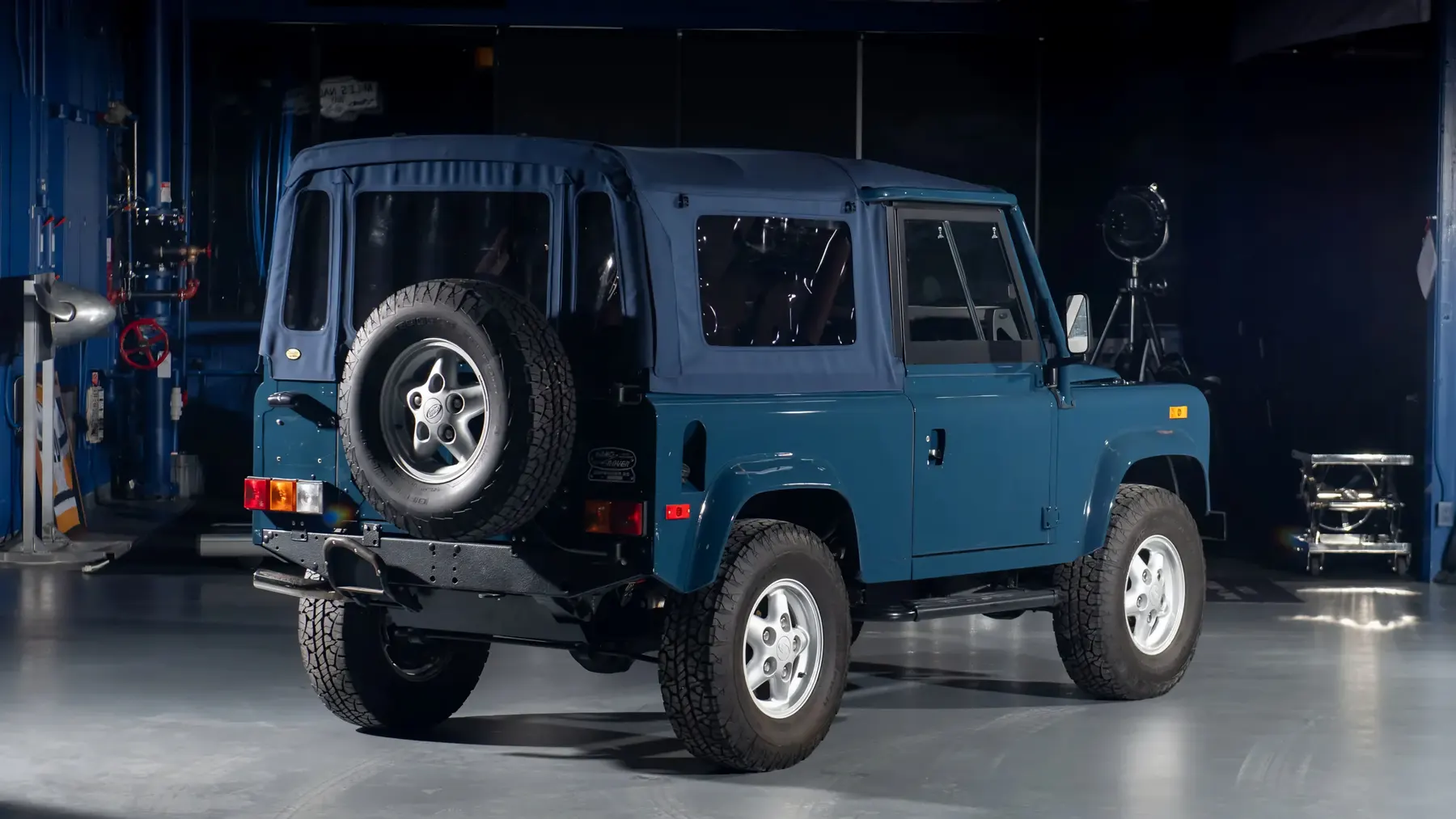
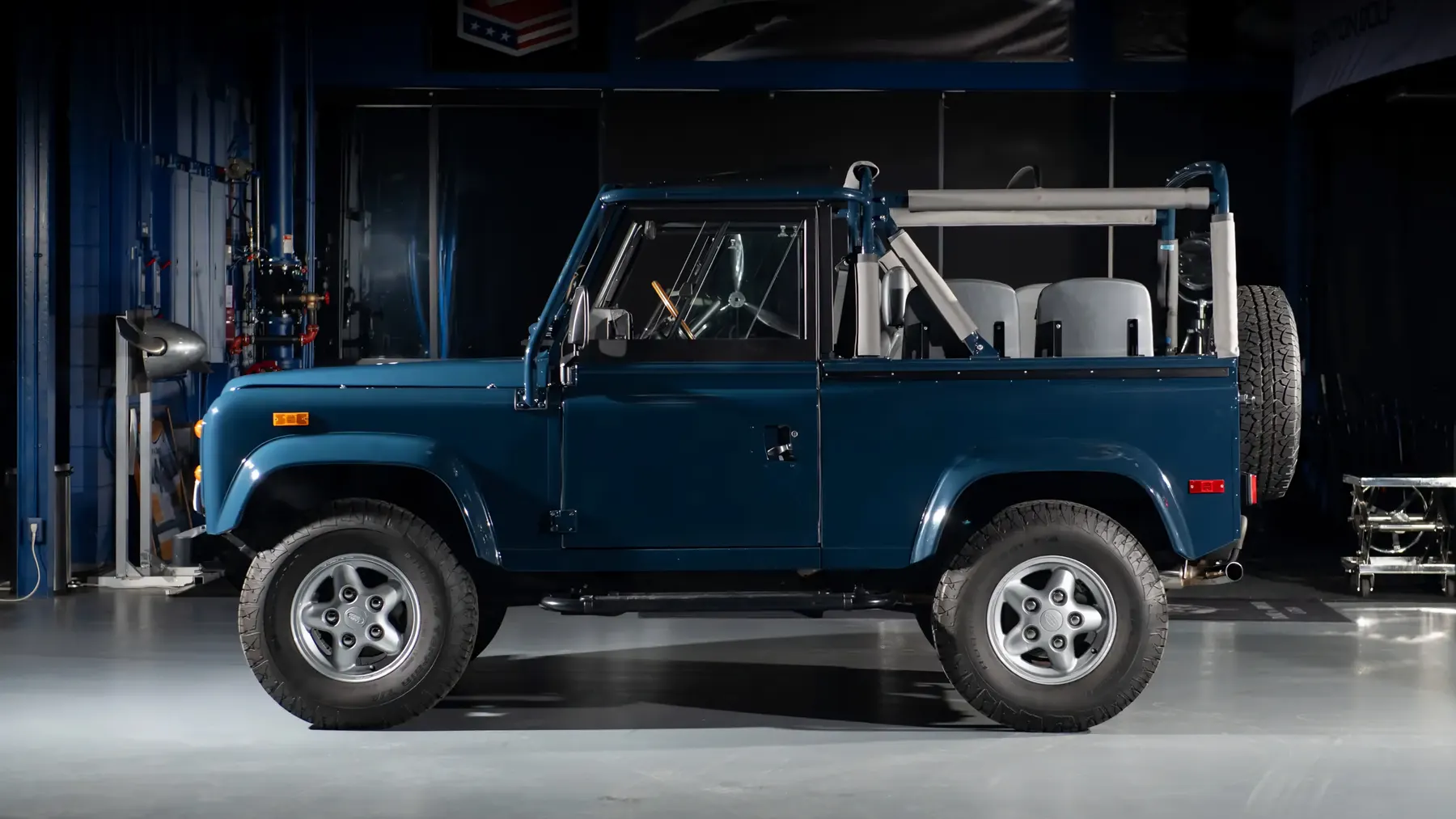
The NAS Defender 90 was initially offered as a soft-top with a structural roll cage, though later versions became available with either a unique removable fiberglass roof panel or a conventional hard-top “estate” configuration. This versatility added to the vehicle’s appeal as both a practical utility vehicle and a lifestyle accessory.
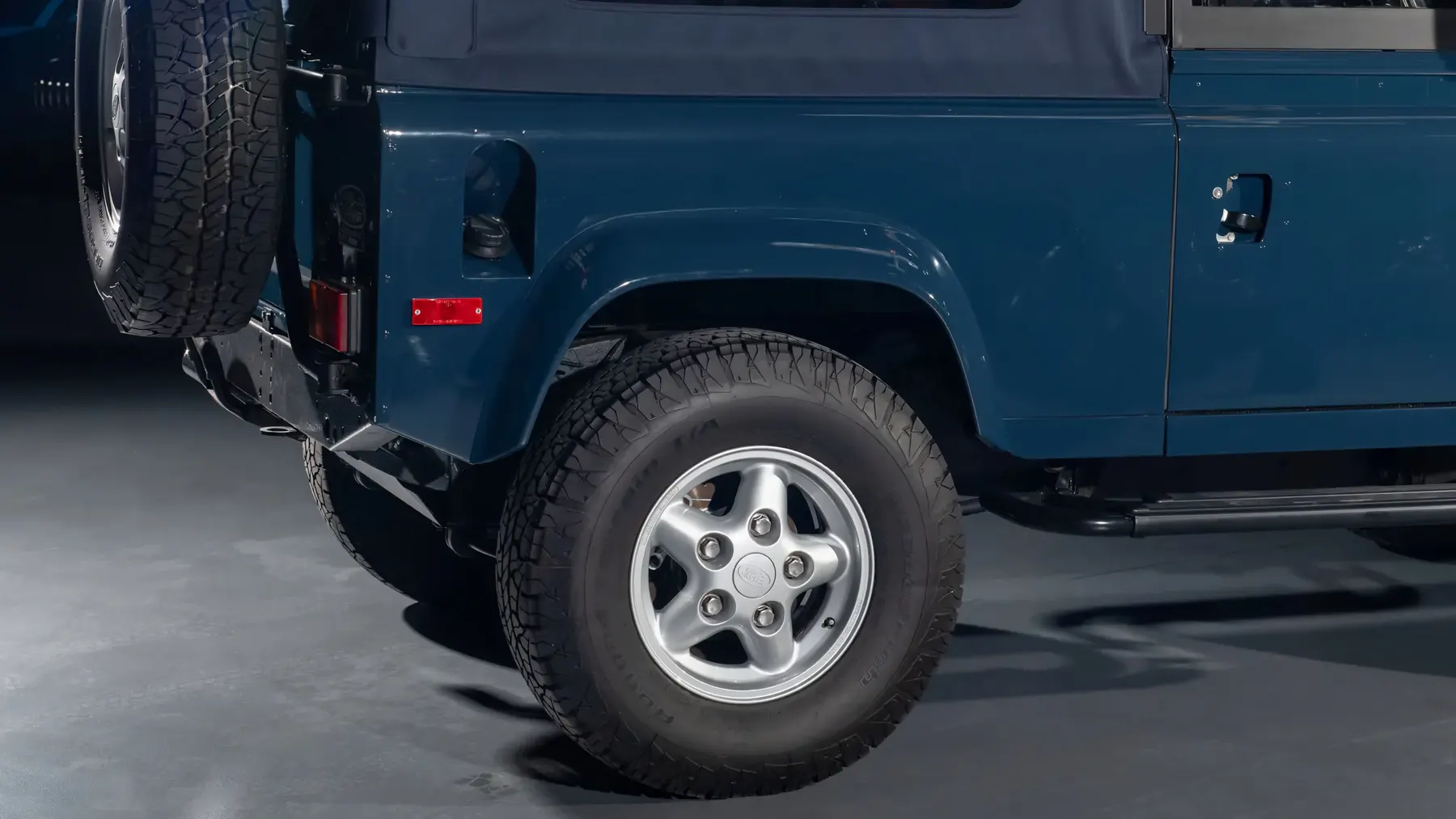
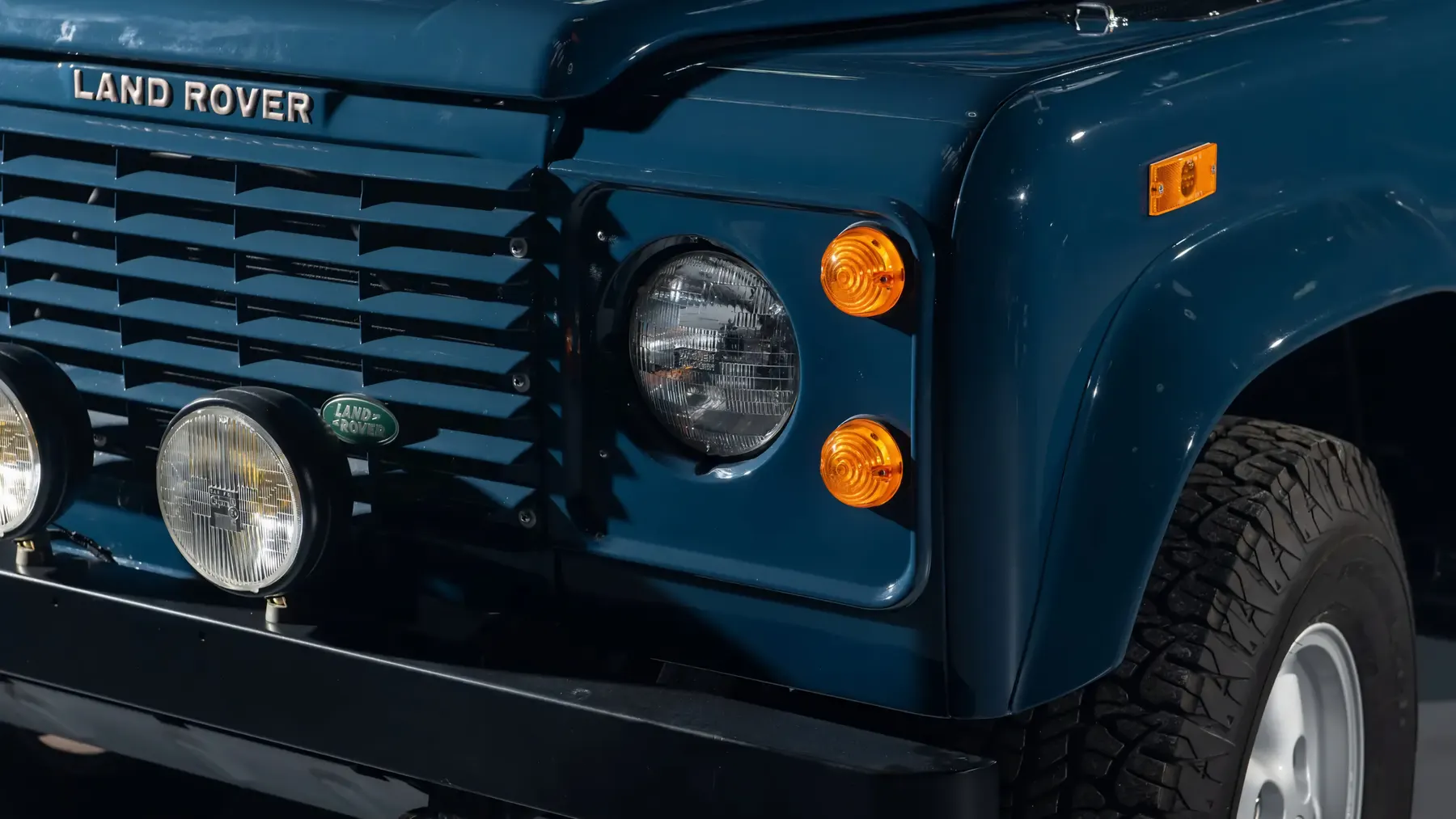
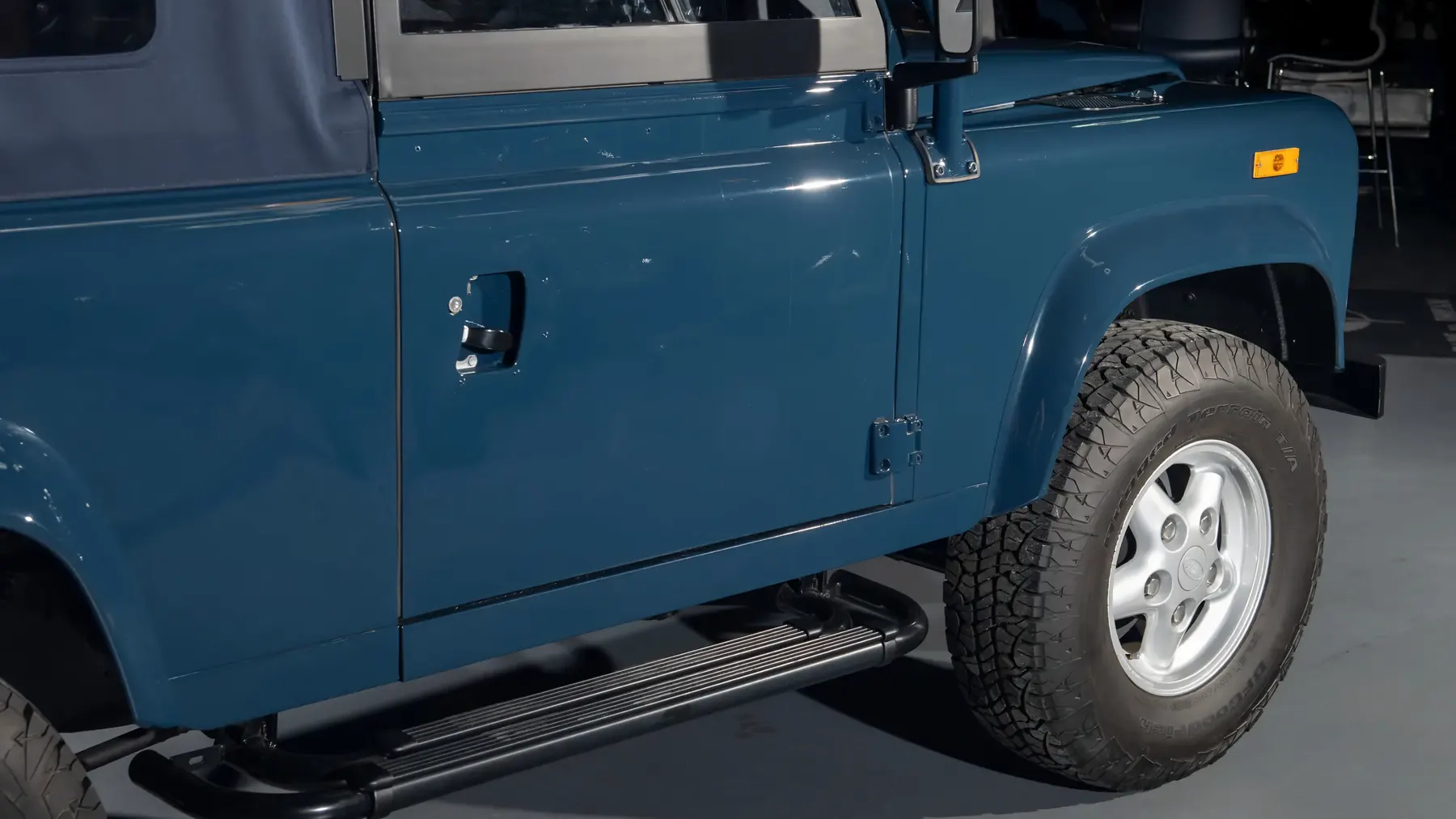
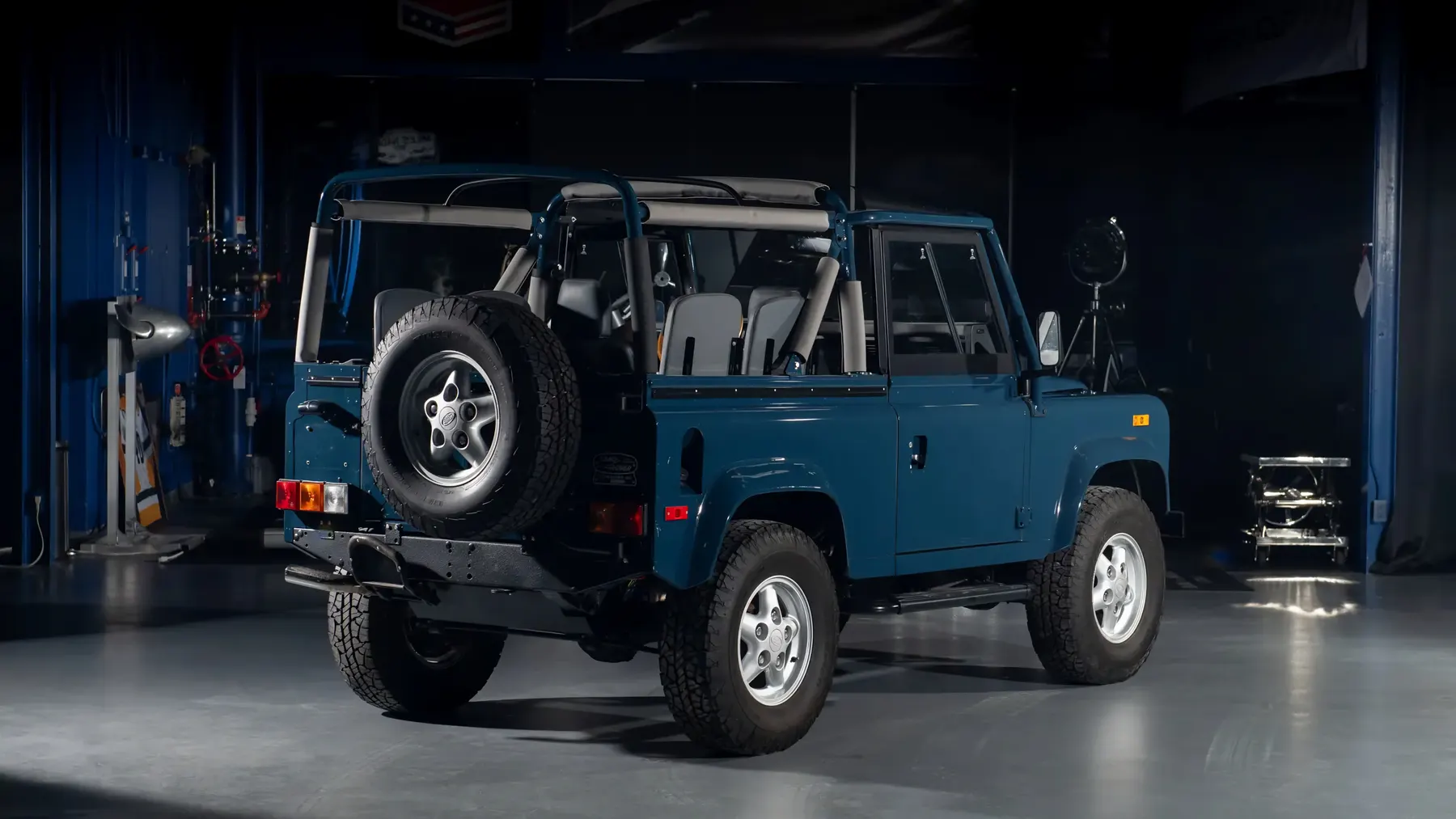
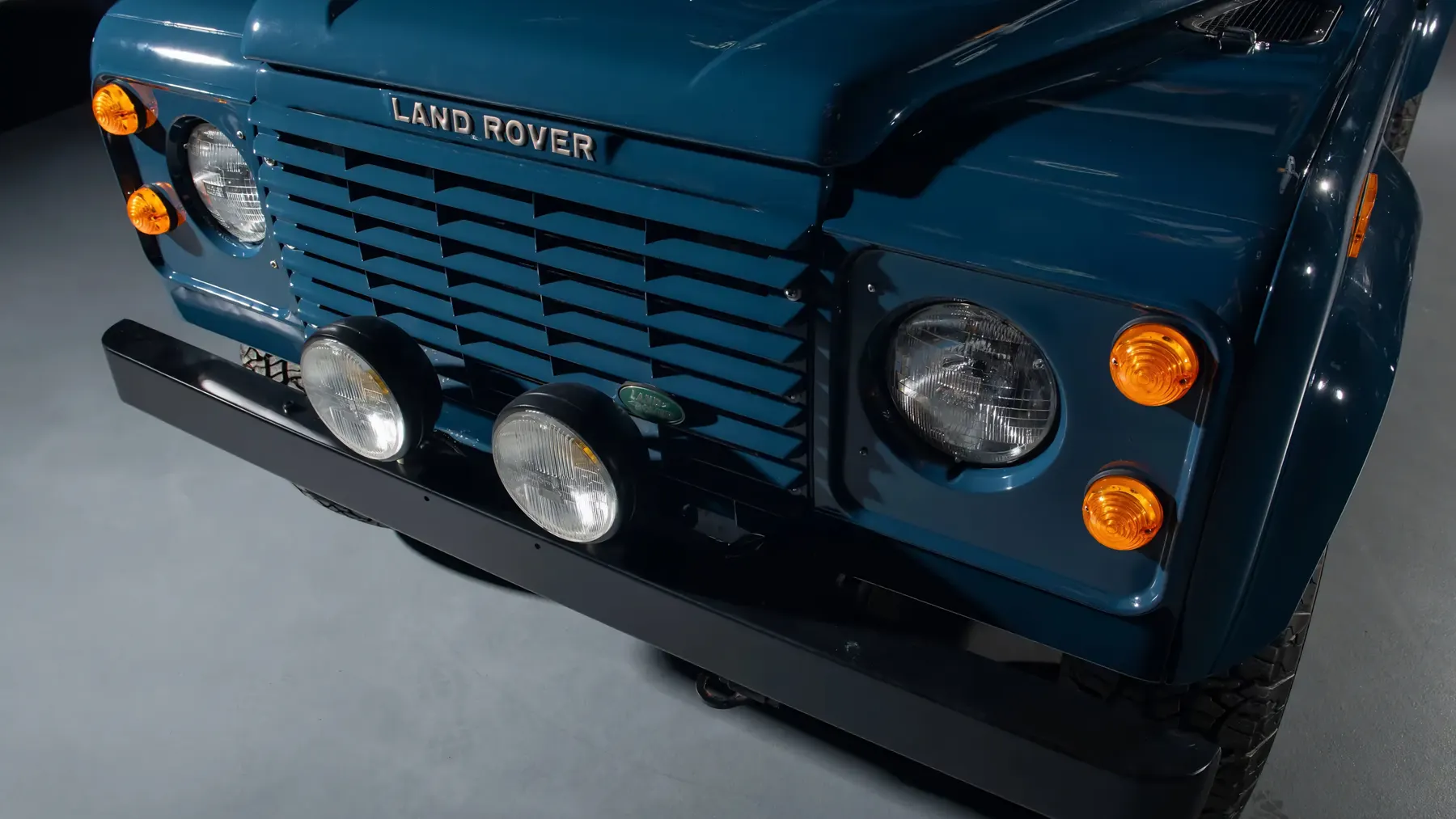
Visually, the NAS Defender 90 stood apart from its global siblings in several ways. It featured larger side-indicator and tail lights specifically to meet American regulations, sourced from companies that typically supplied lighting for trailers. The external roll cage was both a functional safety feature and a distinctive styling element that gave the NAS models their unmistakable silhouette.
Inside, the vehicles typically featured vinyl upholstery suited for rugged use, though with concessions to American comfort expectations including factory air conditioning-a luxury by Defender standards of the time. The NAS Defender was available with a “2+4” seating configuration, providing versatility for passengers and cargo.
All NAS Defenders carried a cast plaque on the rear tub displaying “Defender 90” below the Land Rover emblem, along with a unique limited edition production number-a feature that would later become valuable for collectors and enthusiasts verifying authentic examples.
The decision to equip NAS Defenders with V8 petrol engines rather than the diesel power plants found in global models was primarily driven by American market preferences and emissions regulations. The 3.9-liter V8 was already certified for US emissions, making it the practical choice over the 200TDi diesel engine used elsewhere.
This engine gave the NAS Defender 90 a distinctive character-more powerful and responsive than its diesel counterparts, though with increased fuel consumption. The V8’s generous low-end torque proved ideal for off-road applications, allowing for confident crawling over obstacles and impressive pulling power when towing or recovering stuck vehicles.
Combined with the permanent four-wheel-drive system featuring a center differential in the transfer case (an improvement over earlier Land Rover Series vehicles), the NAS Defender 90 offered exceptional off-road capability straight from the factory.
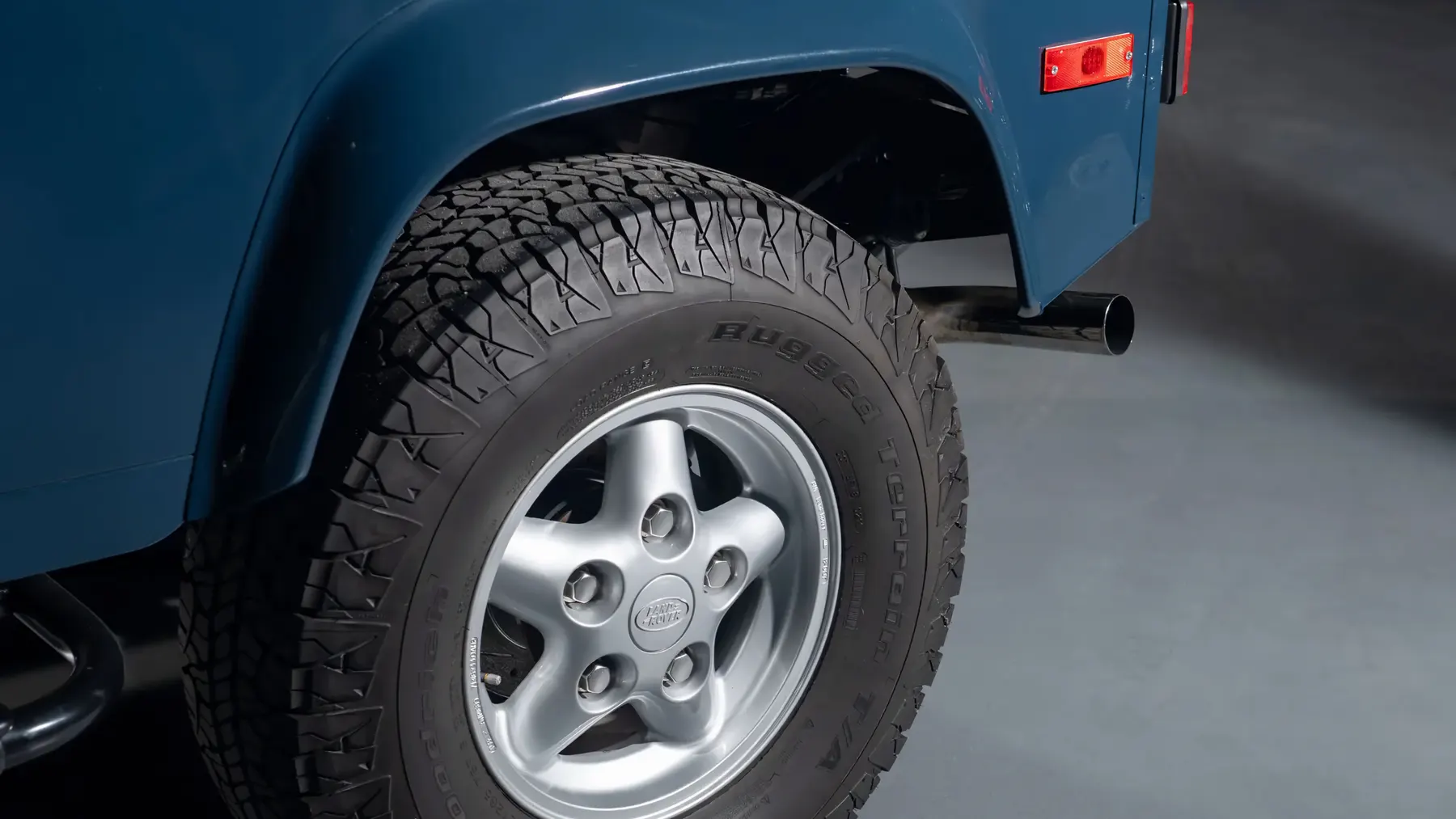
The production run of NAS Defenders was brief-just over 7,000 units in total were built for the US market between 1993 and 1997. This limited availability, combined with their unique specifications and the Defender’s iconic status, has made them highly sought-after collector vehicles.
Particularly desirable are examples from the final 1997 production run, with vehicle #300 of 300 representing the very last NAS Defender 90 produced. This specific vehicle, showing only 36,000 miles, was recently featured at Gooding & Co.'s Scottsdale auction, highlighting the significant collector value these vehicles now command.
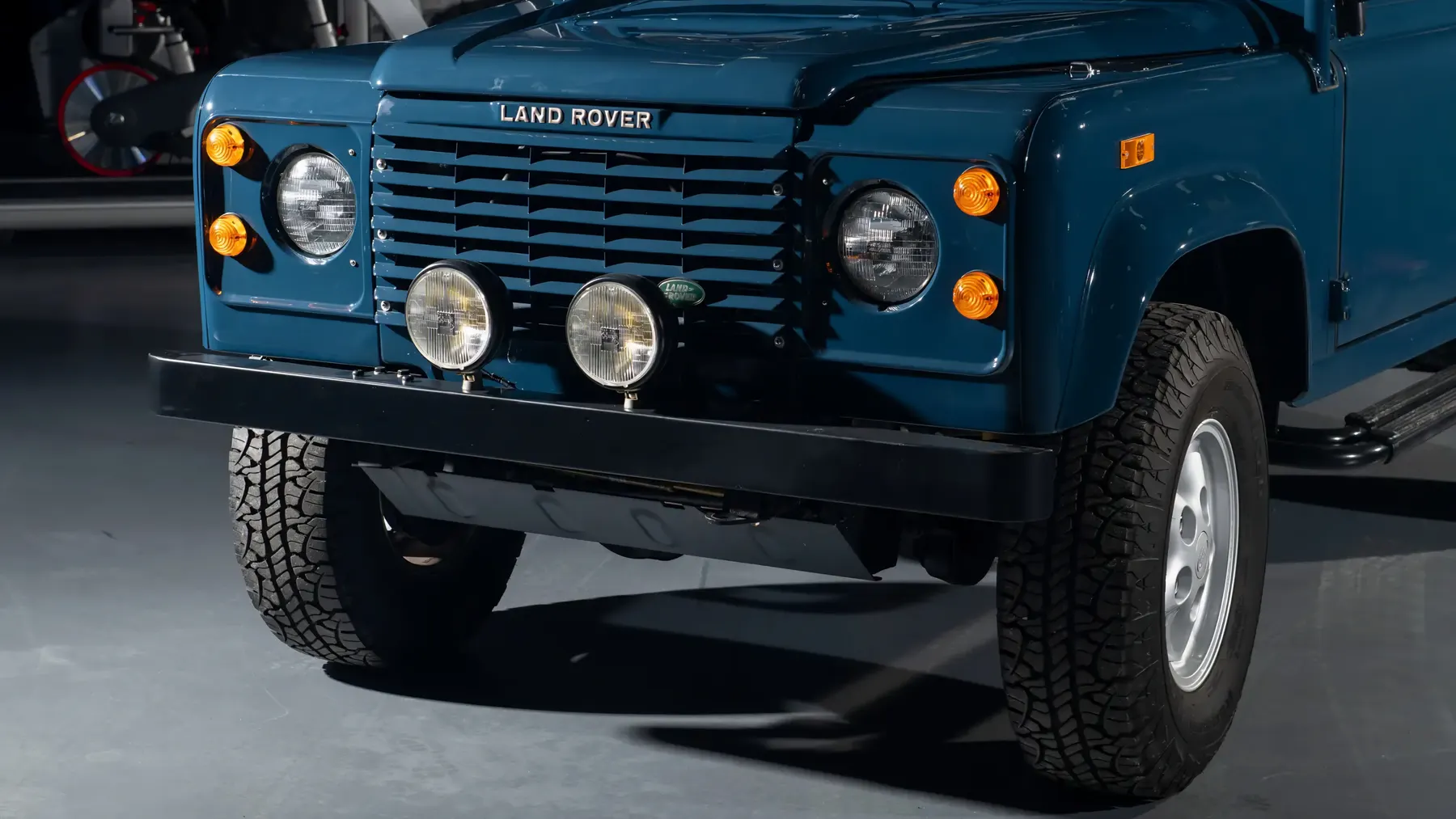
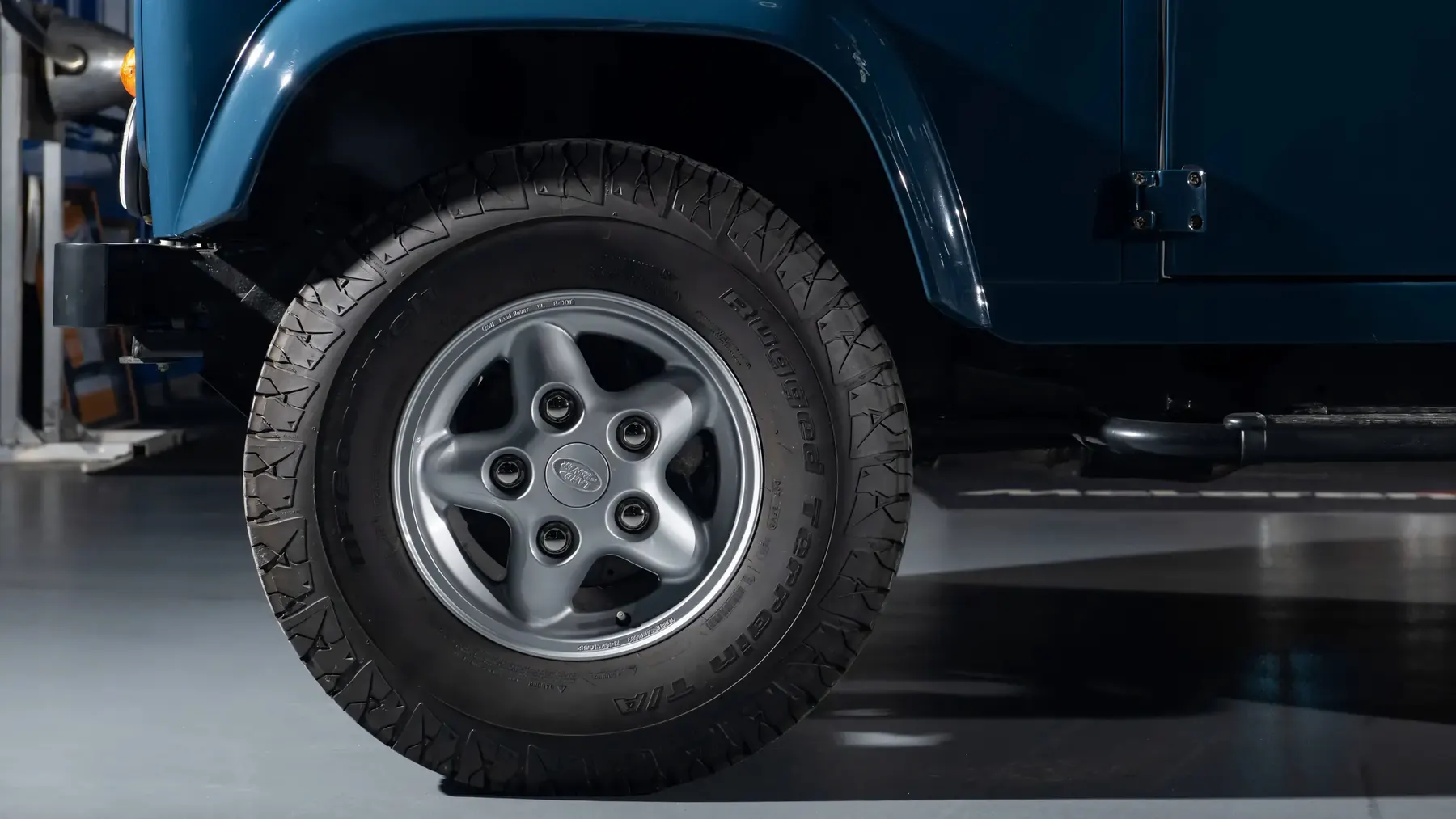
Many surviving examples have been comprehensively restored and upgraded over the years. Modern restorations often include engine overhauls, upgraded transmissions, chassis repairs, and modernized electronics including digital gauges and LED lighting systems.
The NAS Defender’s American adventure came to an end in 1997 due to changing safety regulations. New requirements for 1998 mandated airbags for both front seat passengers and enhanced side door impact protection-modifications that weren’t economically viable given the relatively small sales volumes.
Land Rover chose to retire its North American Specification utility vehicles to focus on more profitable models like the Discovery and Range Rover, along with the then-newly launched Freelander. It would be 23 years before the Defender name returned to American shores with the all-new L663 Defender in 2020-a vehicle that, while impressive in its own right, shares no components or technology with its iconic predecessor.
For enthusiasts and collectors, the brief window of official NAS Defender availability created a legend that continues to grow. These vehicles represent the last of the traditional, utilitarian Land Rovers in North America-rugged machines built primarily for function rather than luxury, possessing a character and personality that remains unmatched in today’s more sanitized automotive landscape.
Join the discussion
Comments
Loading comments…
Leave a comment
Share a detail, memory, or perspective. Every comment is reviewed before publication.