1997 Dodge Viper GTS

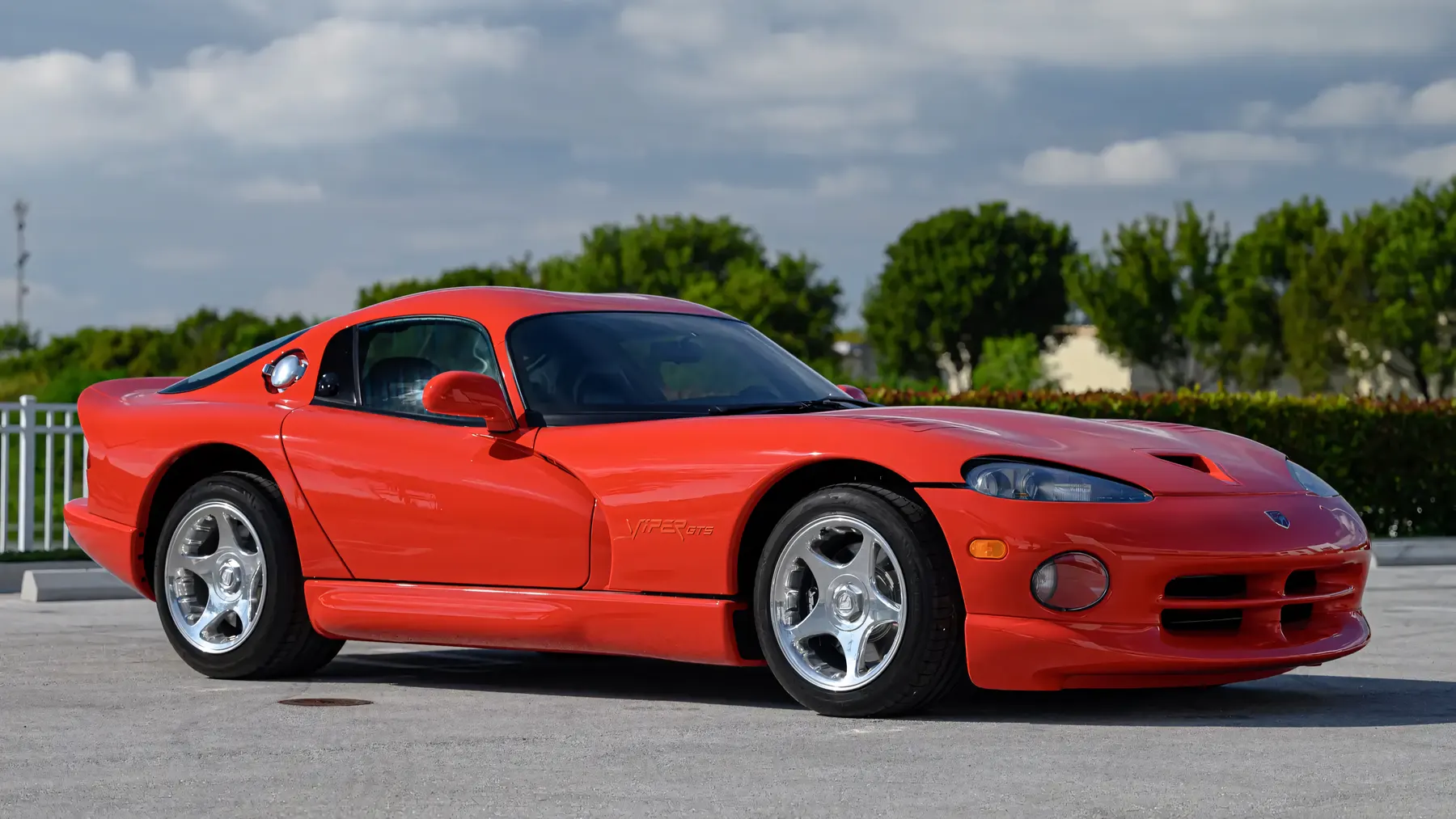
The Dodge Viper GTS represents an era of raw, unapologetic American sports cars. A vehicle synonymous with brute power, stunning design, and an unrelenting focus on performance, the GTS emerged as a standout in the Viper lineup. With its striking aesthetics and formidable engineering, it solidified its place as one of the most celebrated American performance vehicles of the 1990s and early 2000s.
The Dodge Viper, first unveiled as a concept car at the 1989 North American International Auto Show, was born out of Chrysler’s desire to revive the spirit of the classic Shelby Cobra. Led by Chrysler president Bob Lutz and the “Team Viper” engineering group, the project delivered its first-generation production model in 1992. The Viper captured the hearts of enthusiasts with its outrageous V10 engine and stripped-down, driver-focused nature.
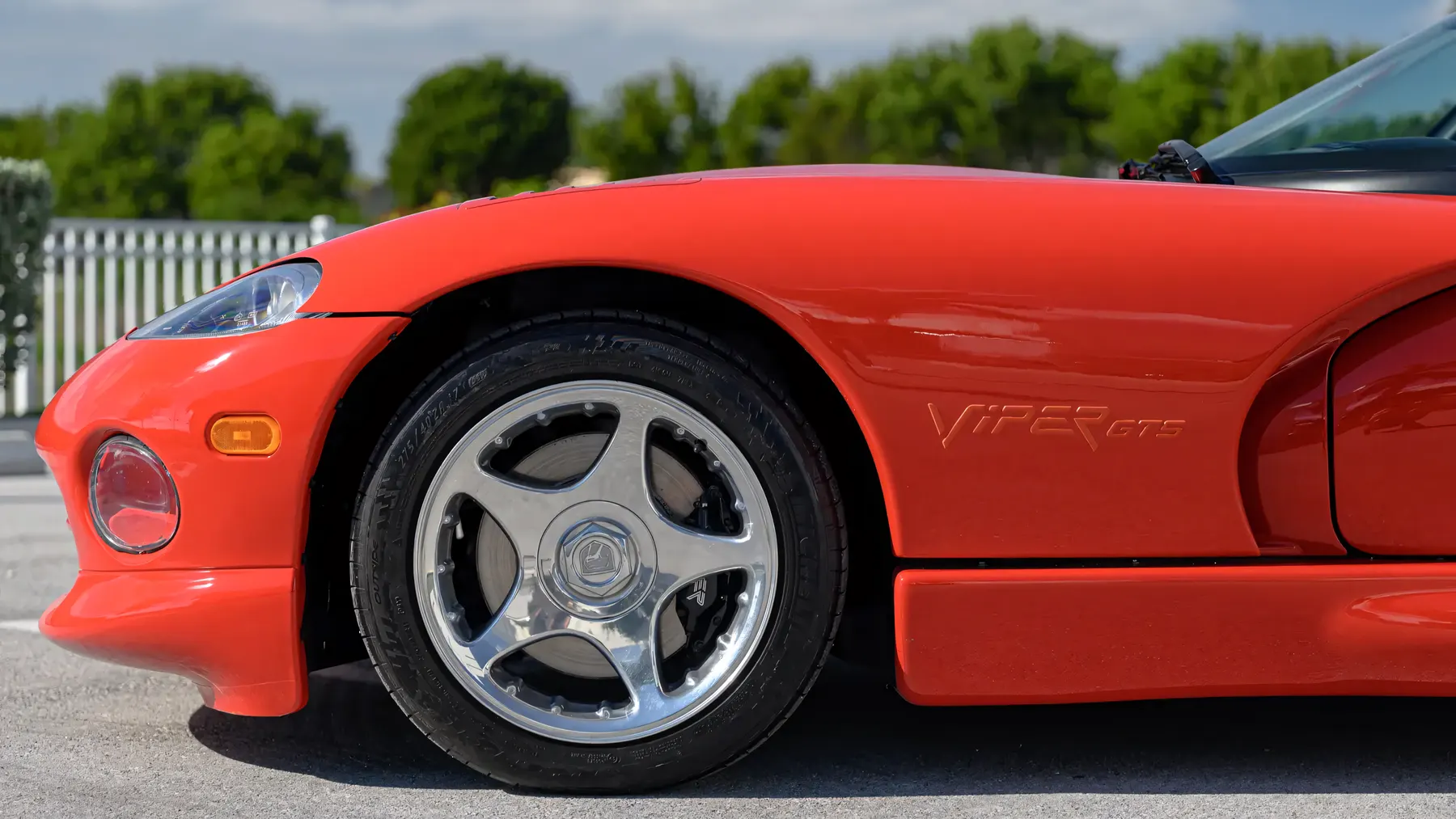
In 1996, the second generation of the Viper, dubbed SR II, brought significant updates and introduced the GTS coupe. While the RT/10 roadster offered open-air thrills, the GTS emphasized aggressive styling and track-ready performance. The GTS coupe quickly earned its nickname, the “double bubble,” thanks to the raised sections on its roof that allowed for additional helmet clearance during spirited track driving.
The Dodge Viper GTS introduced a bold new aesthetic that became instantly iconic. While it retained the curvaceous silhouette of its RT/10 predecessor, the GTS added the sleek roofline of a coupe, making it more aerodynamically efficient. Its long hood, wide stance, and aggressive proportions exuded muscle, while the twin racing stripes,optional starting in 1996,added to its track-focused character. The stripes were 8 inches wide with a 4-inch gap, running seamlessly from the front bumper to the rear bumper. Notably, in 1996, they ran through the rear license plate area, a unique feature to that model year.
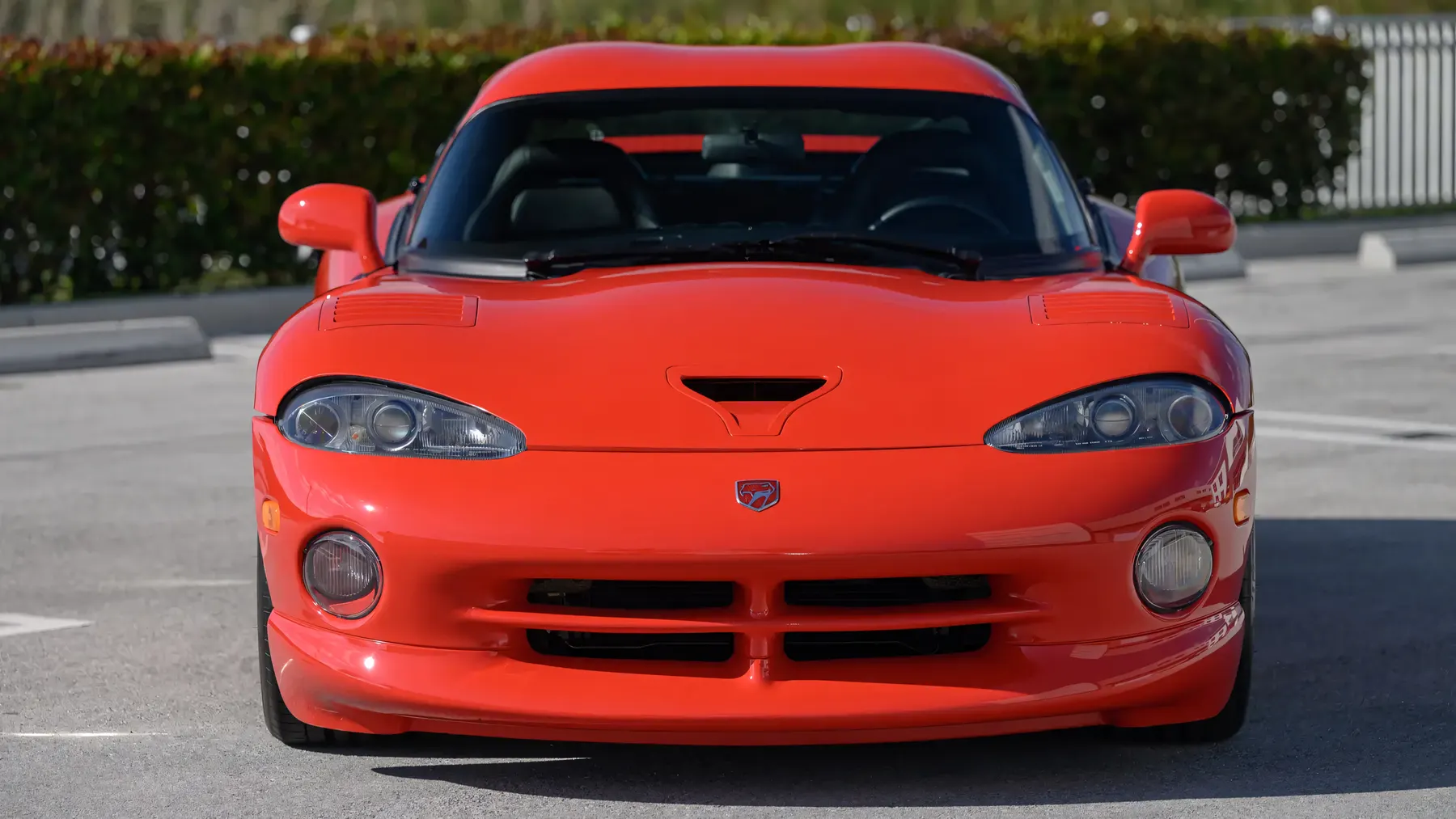
The coupe design also improved driver comfort and practicality. The addition of rear glass and a trunk provided storage, albeit limited, while the roof’s raised sections allowed for added headroom,a thoughtful touch for track-day enthusiasts.
Inside, the GTS retained the simplicity of the Viper platform. While interior luxury remained minimal, notable improvements were made over the RT/10, including the introduction of airbags and a more refined cockpit. In later years, Dodge offered options like Connolly leather, with the coveted Cognac interior becoming available in 1999.
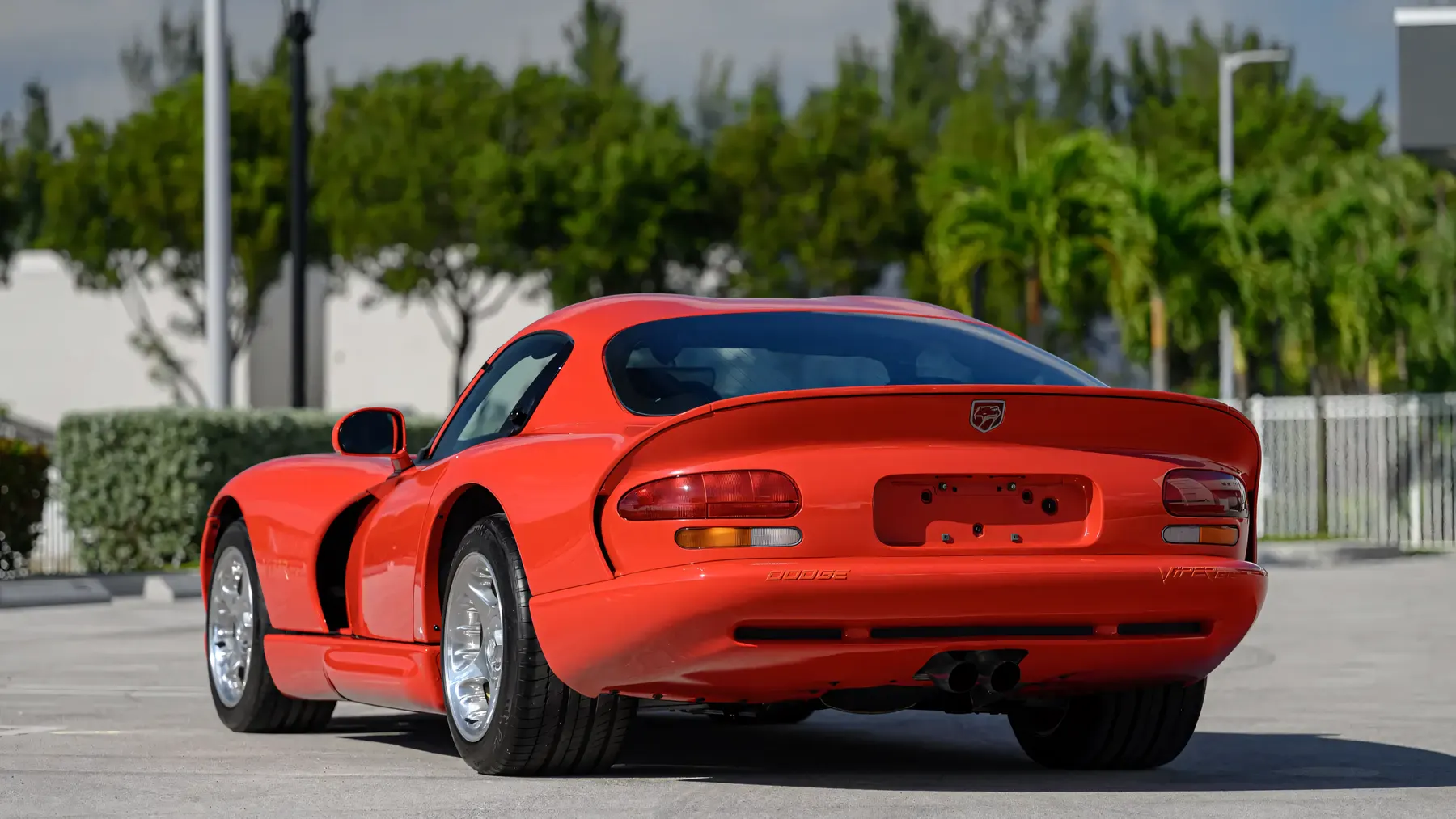
Under the hood, the Viper GTS packed a naturally aspirated 8.0-liter V10 engine, a hallmark of the Viper lineup. For its time, the GTS delivered astounding performance figures, rivaling some of the best European sports cars at a fraction of the cost. Producing 450 horsepower and 490 lb-ft of torque, the GTS was not just about straight-line speed but also track-ready dynamics.
The second-generation Viper GTS boasted a 0-60 mph time of approximately 4.3 seconds, with a quarter-mile run clocking in at 12.4 seconds at 115 mph. Its top speed exceeded 180 mph, making it one of the fastest production cars of its era. Dodge achieved this performance with minimal driver aids, ensuring an unfiltered and visceral driving experience. Anti-lock brakes were not introduced until 2001, highlighting just how analog and raw the Viper remained throughout its production.
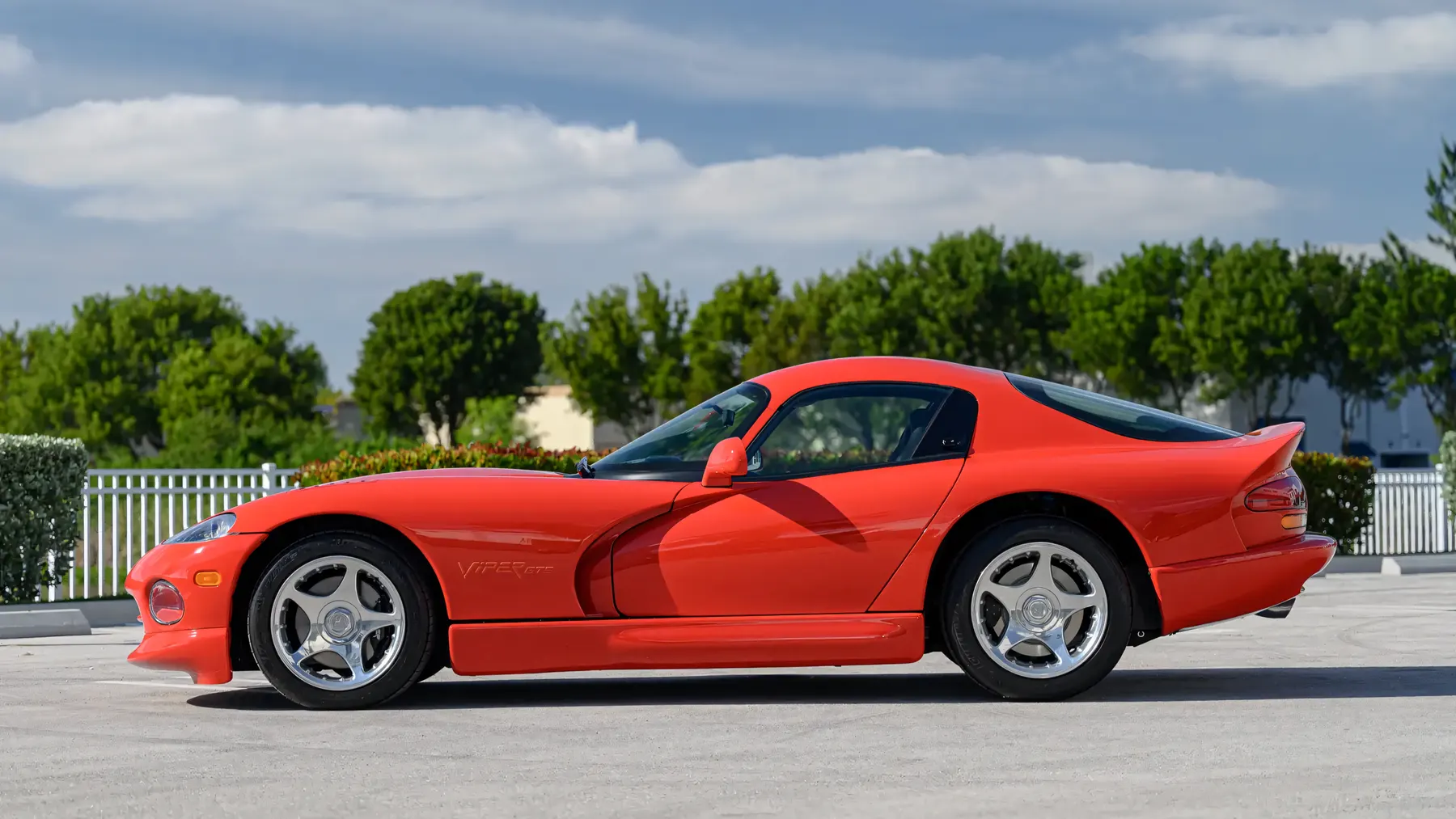
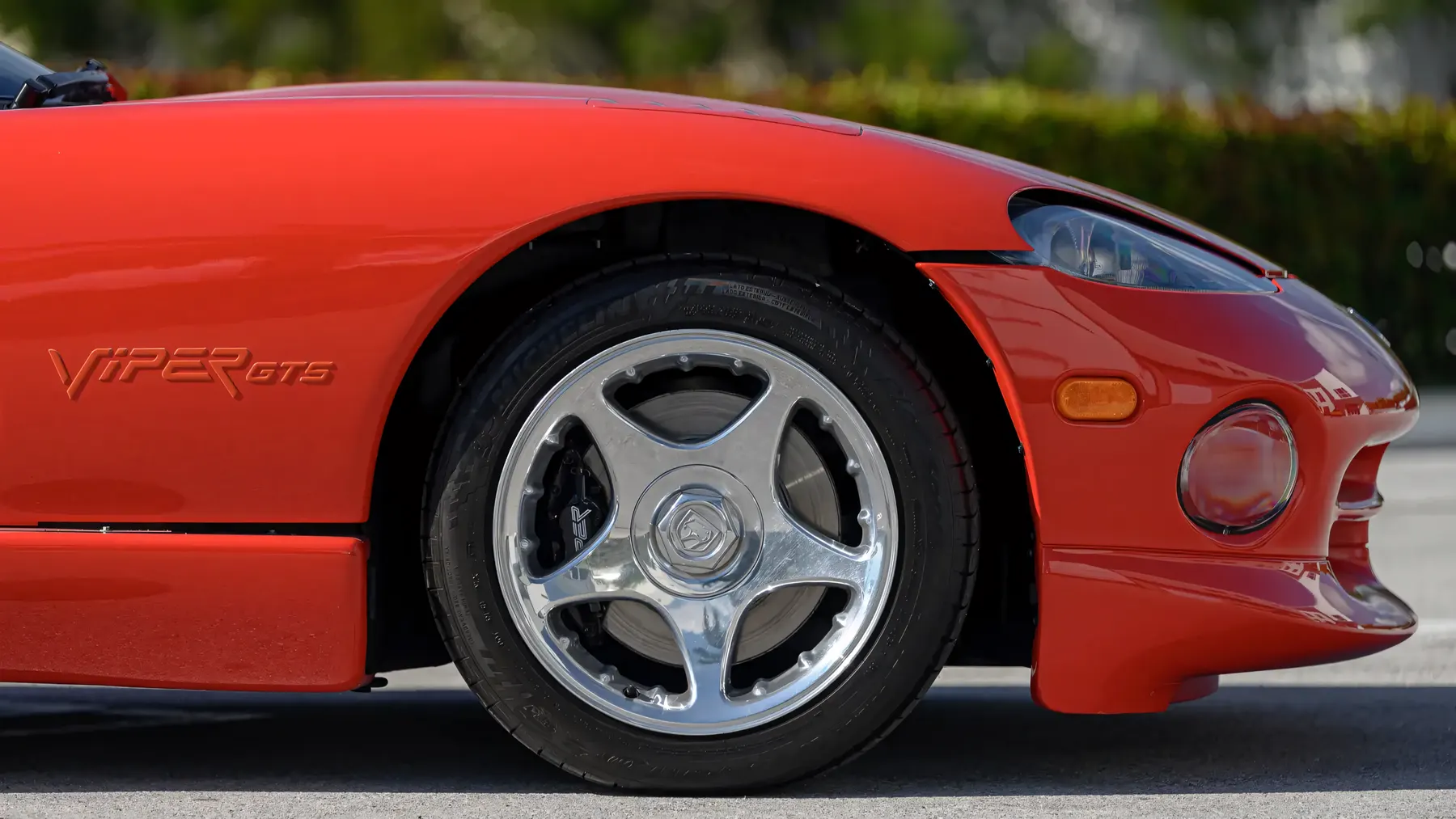
Weight savings were also a priority. The GTS replaced some steel suspension components with aluminum, shedding around 60 pounds from its predecessor. Though relatively simple in terms of mechanical sophistication, its massive engine, rear-wheel drive layout, and six-speed manual transmission delivered an exhilarating experience that rewarded skilled drivers.
The Dodge Viper GTS was defined by several standout features that cemented its status as a legend. At its heart was the 8.0-liter V10 engine, developed with Lamborghini’s input during its Chrysler ownership, which delivered raw, unfiltered power and a distinctive exhaust note. Another defining element was the “double bubble” roof, a functional design feature that allowed extra helmet clearance for track driving while giving the GTS its unmistakable profile. The addition of the iconic twin racing stripes amplified the GTS’s aggressive, motorsport-inspired styling and became synonymous with the model’s identity. Raw driving dynamics were another hallmark; with no electronic stability control or traction aids, the GTS demanded skill and precision, ensuring a pure driving experience. Finally, rarity and exclusivity played a key role in its allure. Out of the approximately 32,000 Vipers produced over its 26-year lifespan, the GTS models remain particularly sought after for their unique combination of design, performance, and analog driving thrills.
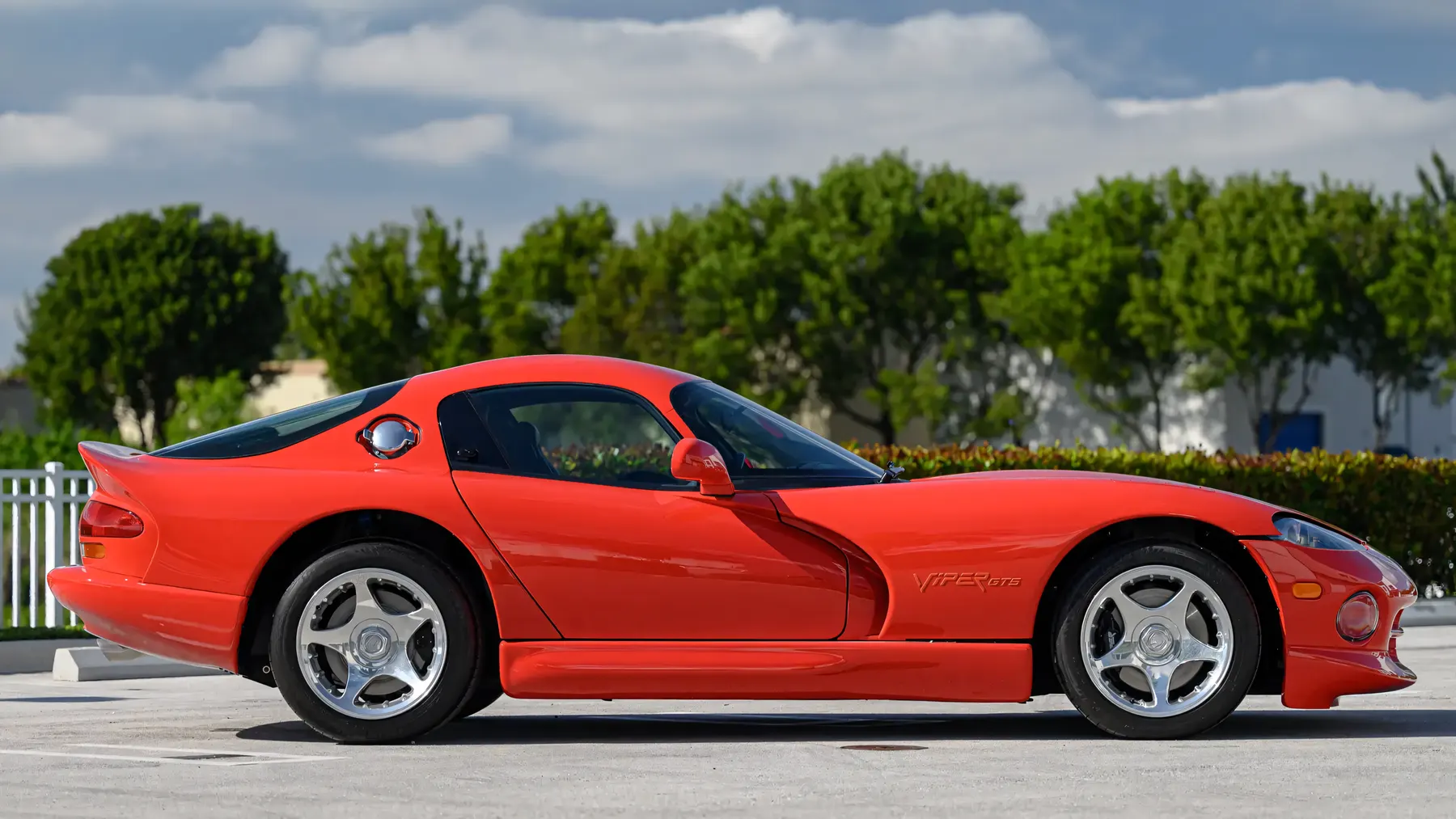
The Dodge Viper GTS represents an uncompromising vision of performance. Its combination of stunning looks, monstrous power, and analog driving thrills ensured its place as a standout among modern sports cars. Unlike its European rivals, the GTS embraced simplicity and rawness, creating a driving experience that was as rewarding as it was unforgiving.
Though production of the Dodge Viper ended in 2017, the GTS remains a revered model among collectors and enthusiasts. It captures an era when cars were built to deliver thrills above all else, unencumbered by technology and excess. For those fortunate enough to experience it, the Dodge Viper GTS will forever be remembered as one of America’s greatest performance icons.
Join the discussion
Comments
Loading comments…
Leave a comment
Share a detail, memory, or perspective. Every comment is reviewed before publication.