1997 Mercedes-AMG CLK GTR GT1

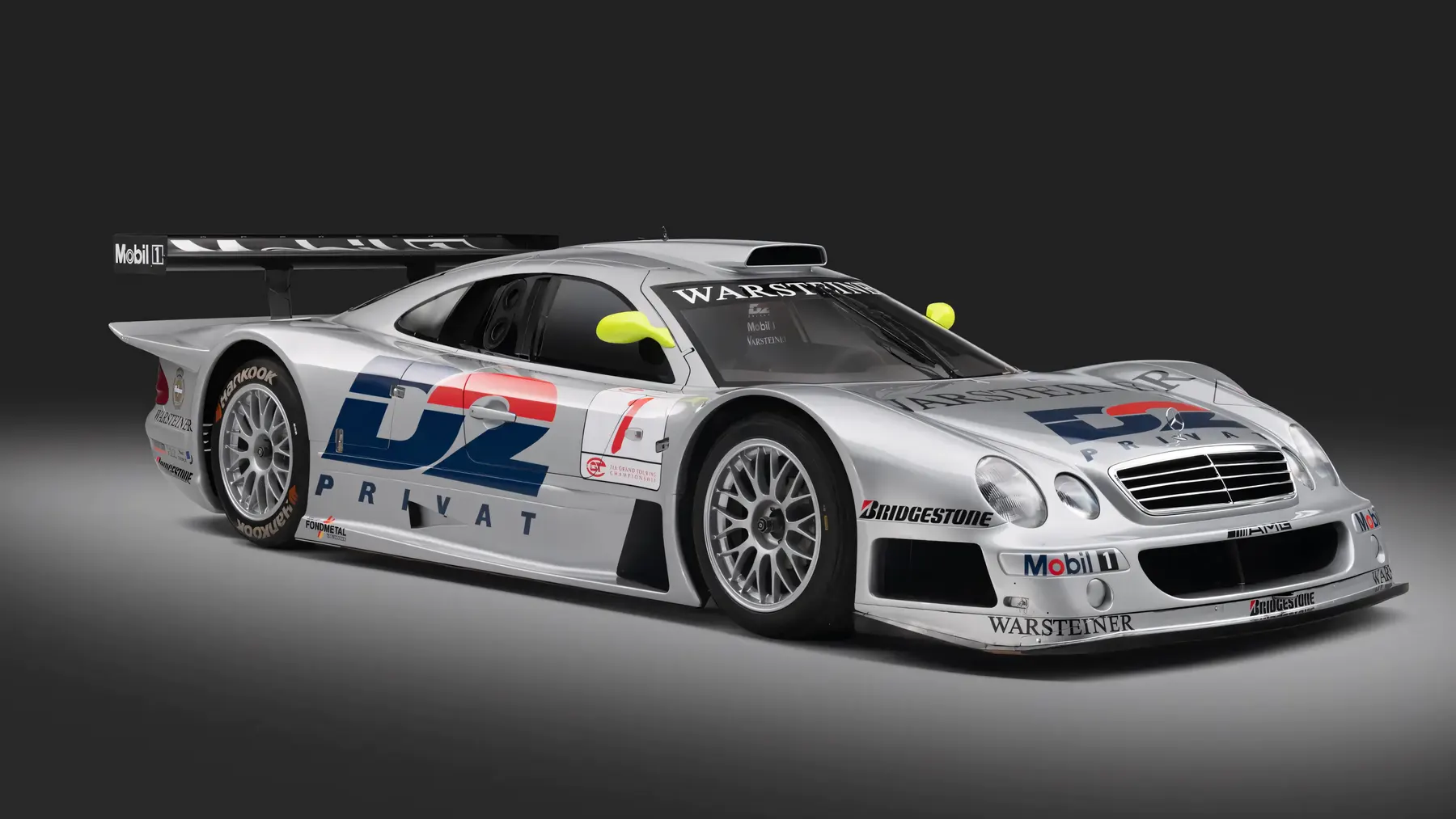
The Mercedes-AMG CLK GTR GT1 is a masterpiece of engineering and design, born out of Mercedes-Benz’s ambition to dominate the FIA GT Championship. Developed primarily as a race car, it fulfilled homologation requirements with limited road-going versions, making it one of the most coveted “homologation specials” in motorsport history. With its combination of advanced technology, aggressive design, and relentless performance, the CLK GTR redefined excellence in GT racing and left a lasting legacy.
After the 1955 Le Mans disaster, Mercedes-Benz withdrew from motorsport. Decades later, in 1985, the company returned with a partnership with Sauber in the World Sportscar Championship, achieving significant success, including two championships in 1989 and 1990. However, Mercedes withdrew again in 1991 after disappointing results.
The 1990s saw Mercedes dominate the Deutsche Tourenwagen Meisterschaft (DTM) with the 190 E and later the C-Class. However, the collapse of the DTM/ITC in 1996 left Mercedes without a top-tier motorsport platform. The newly FIA-sanctioned GT Championship became the next target, pitting them against rivals like Porsche and McLaren. Mercedes-AMG’s response to this challenge was the CLK GTR, a car that would go toe-to-toe with the McLaren F1 GTR and Porsche 911 GT1.
The CLK GTR was developed in a record 128 days. To speed up the process, Mercedes-AMG acquired a McLaren F1 GTR chassis (#11R) from Larbre Compétition. This mule car was stripped of its BMW engine and McLaren bodywork, allowing AMG to test their own powertrain and aerodynamic concepts.
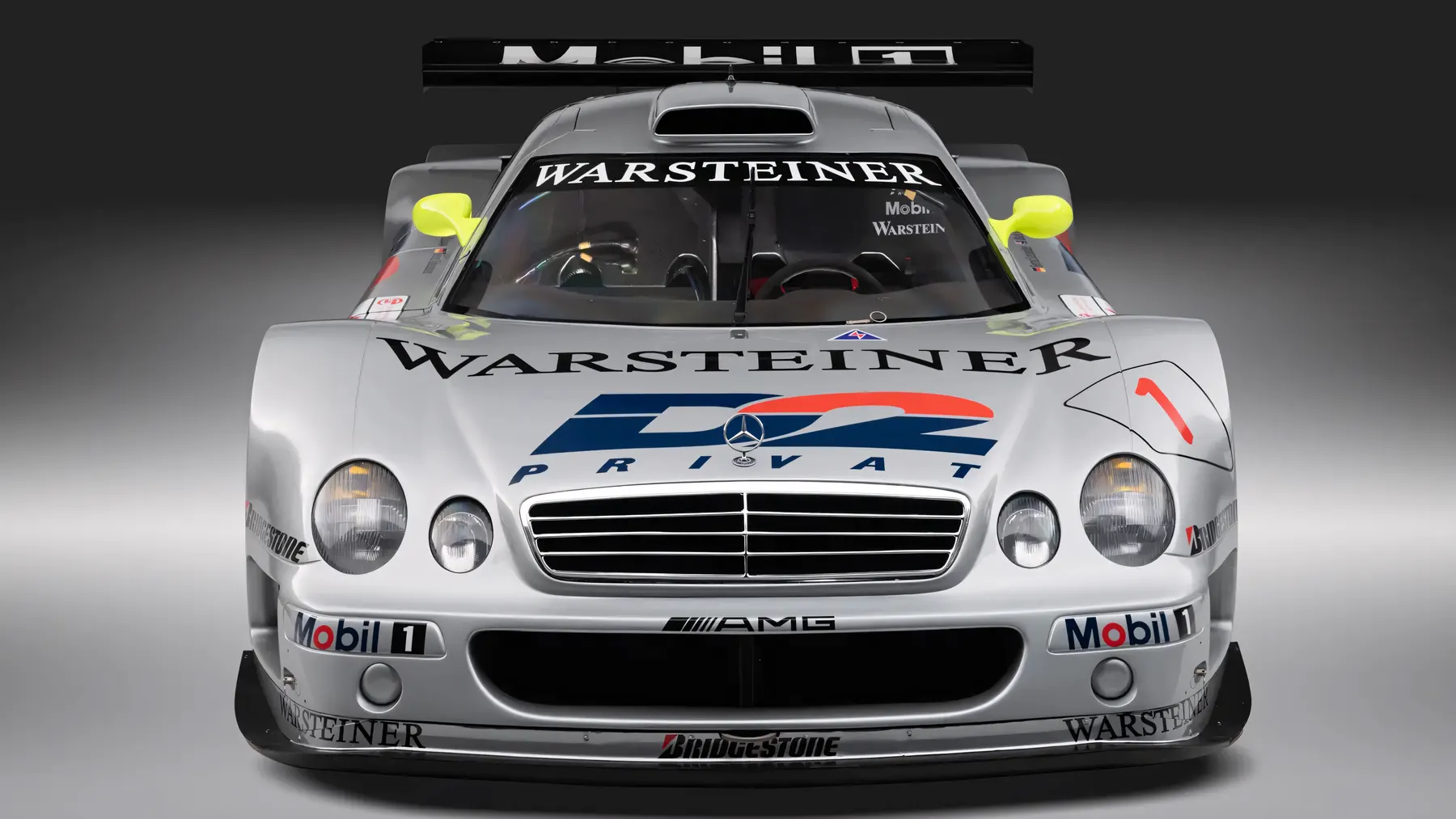
The CLK GTR’s chassis was a carbon-fiber monocoque with honeycomb aluminum reinforcements, offering exceptional rigidity and lightweight performance. The body featured carbon-fiber panels and an aerodynamic design optimized for downforce and cooling. The headlights, grille, and taillights were the only components borrowed from the road-going Mercedes-Benz CLK, emphasizing the car’s racing pedigree.
Power came from a 6.0-liter M120 V12 engine, producing around 600 horsepower in race trim (restricted by FIA regulations) and over 800 horsepower in unrestricted form. Paired with a six-speed sequential Xtrac transmission, the CLK GTR could accelerate from 0 to 100 km/h in just 3.8 seconds and achieve a top speed of 330 km/h. Suspension was a double-wishbone setup with push-rod actuated coil springs, while braking was handled by carbon-composite rotors with six-piston calipers.
The CLK GTR debuted in the 1997 FIA GT Championship and quickly established itself as a dominant force. Despite initial mechanical teething problems, its raw speed and advanced engineering made it the car to beat. Mercedes-AMG clinched the championship, defeating rivals Porsche and McLaren with a combination of reliability, aerodynamics, and outright performance.
For the 1998 season, Mercedes-AMG introduced the CLK LM, an evolution of the CLK GTR designed specifically for Le Mans. Although the CLK LM’s dominance in the FIA GT Championship continued, its performance at Le Mans was hindered by reliability issues. The CLK GTR’s racing career concluded after the 1998 season, as the FIA GT Championship’s GT1 category folded due to rising costs and dwindling manufacturer participation.
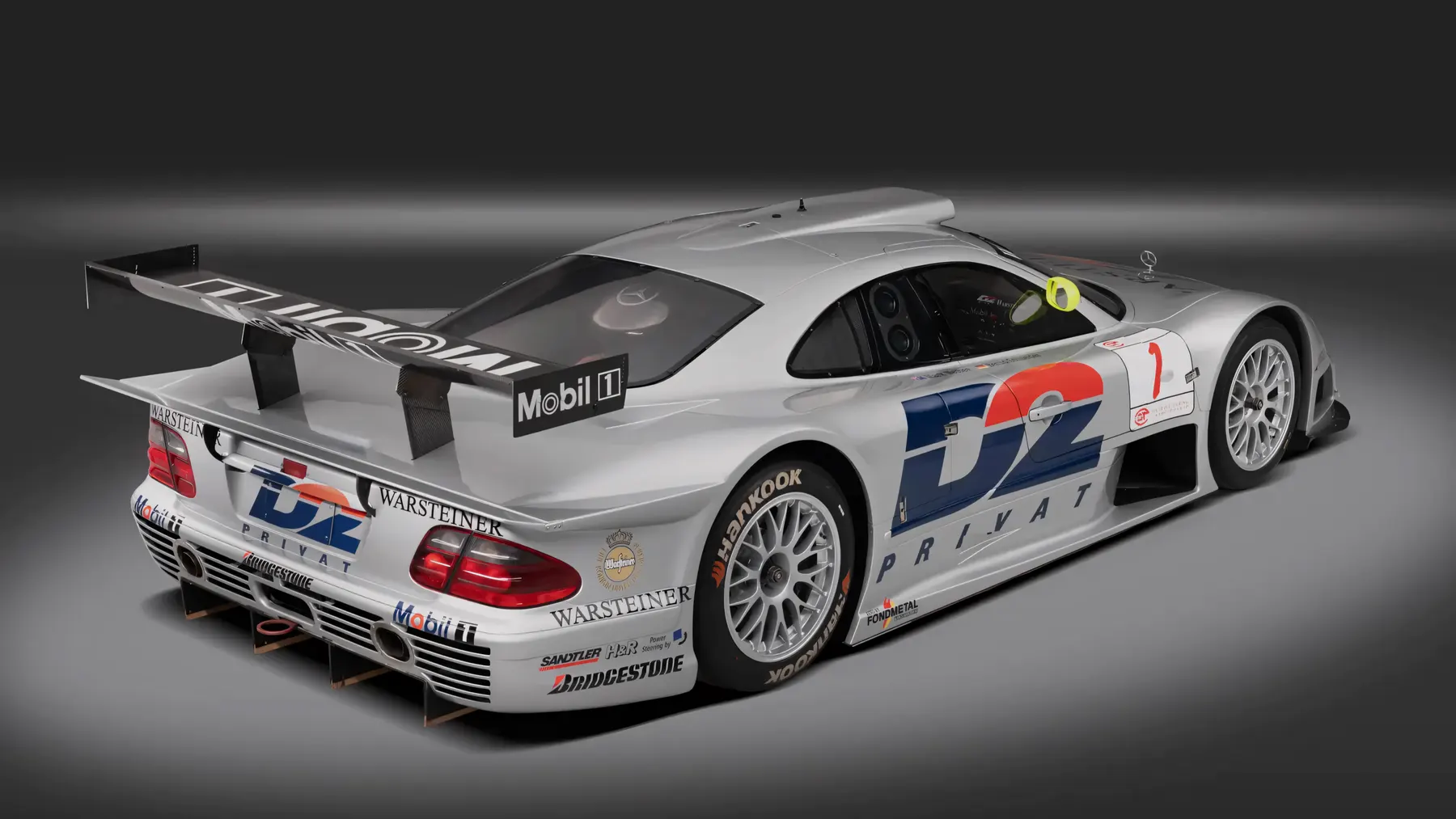
To meet homologation requirements, Mercedes-AMG produced 25 road-legal versions of the CLK GTR. These cars retained much of the racing version’s design, including the carbon-fiber monocoque and the M120 V12 engine, albeit detuned to 612 horsepower. Luxuries such as air conditioning, leather seats, and a CD player were added, but the interior remained spartan, emphasizing its racing roots.
The road versions were capable of remarkable performance, with a 0–100 km/h time of 3.8 seconds and a top speed of 344 km/h. Each CLK GTR road car was meticulously hand-built, making it one of the rarest and most exclusive hypercars ever produced.
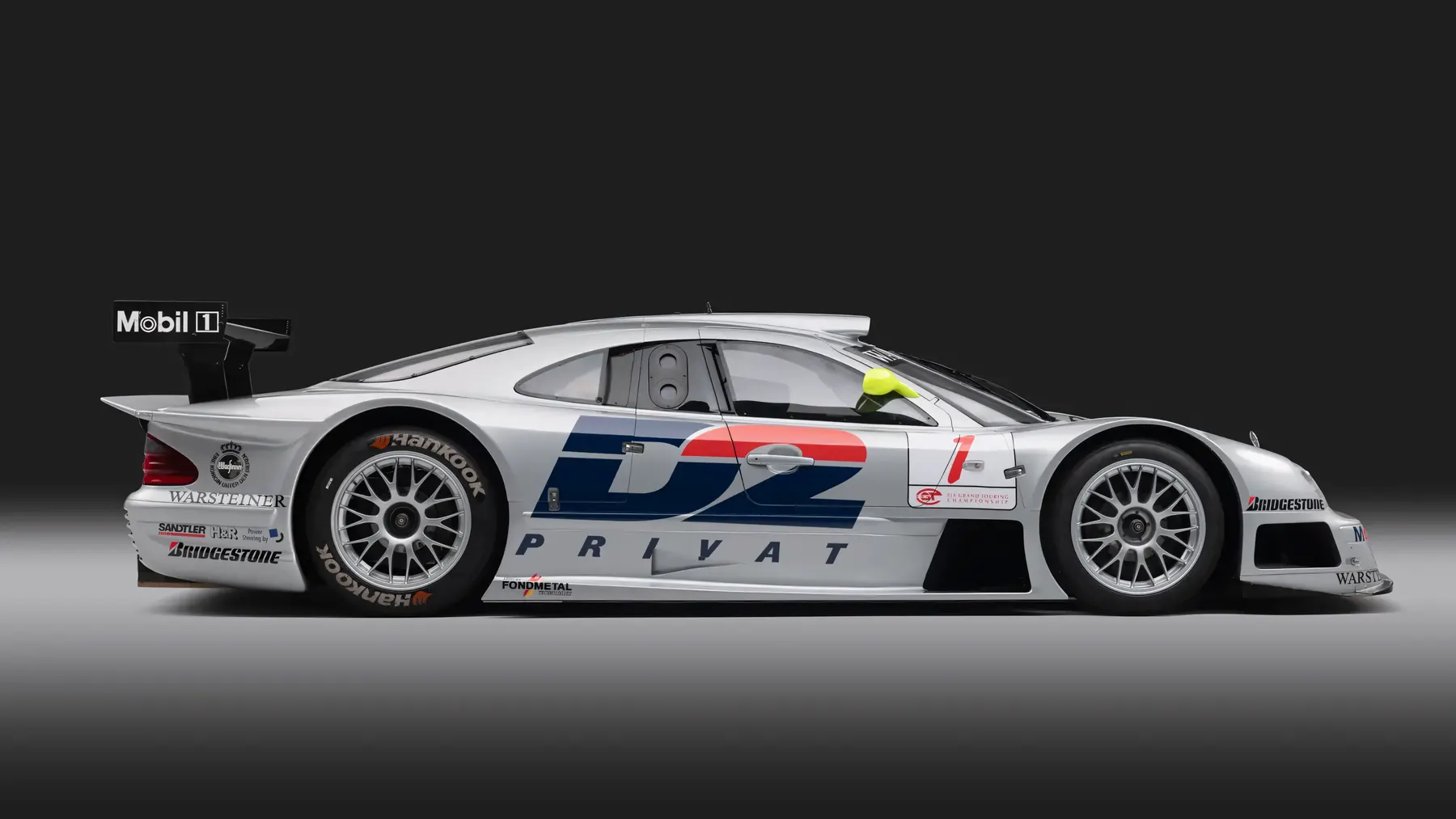
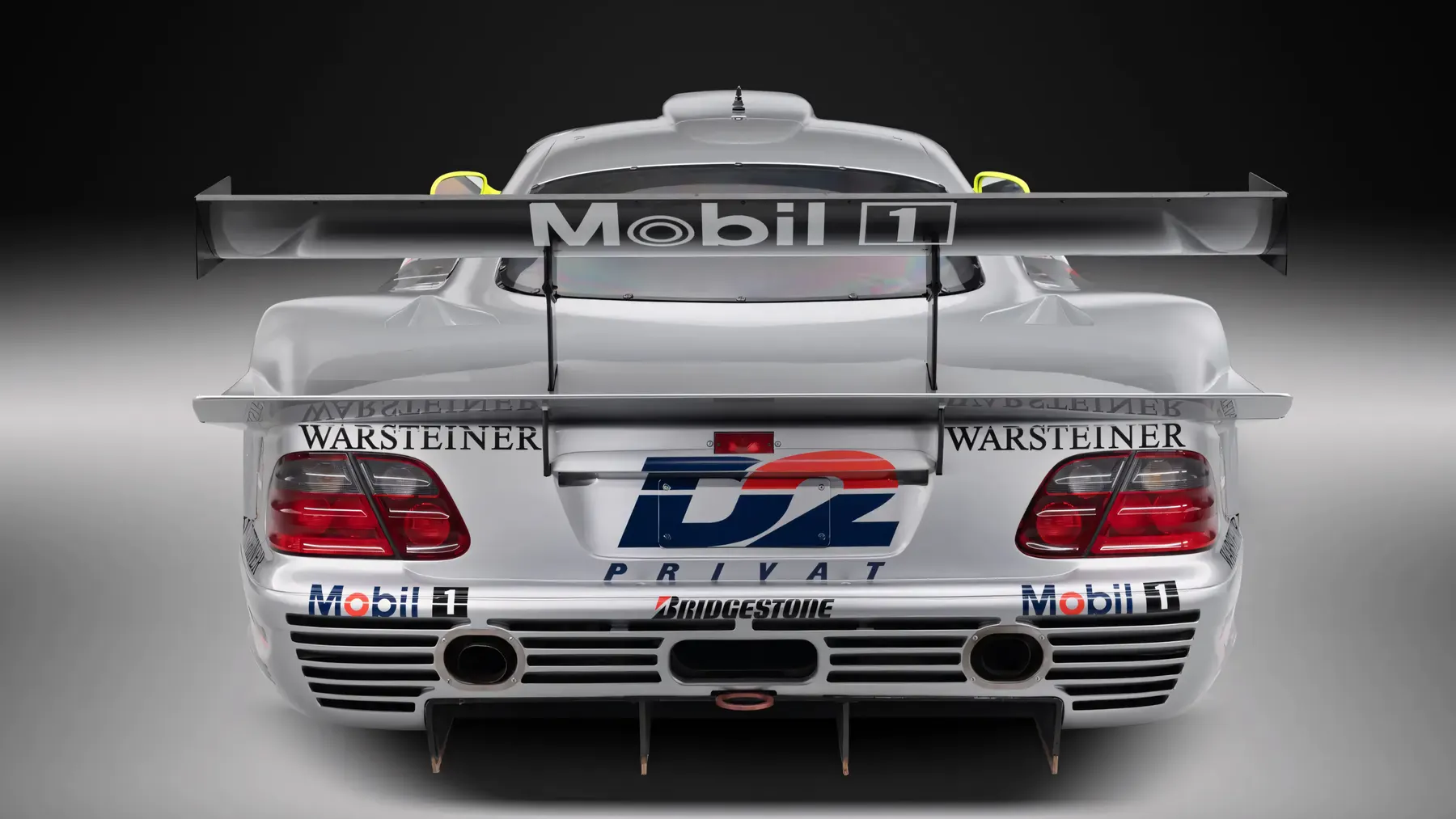
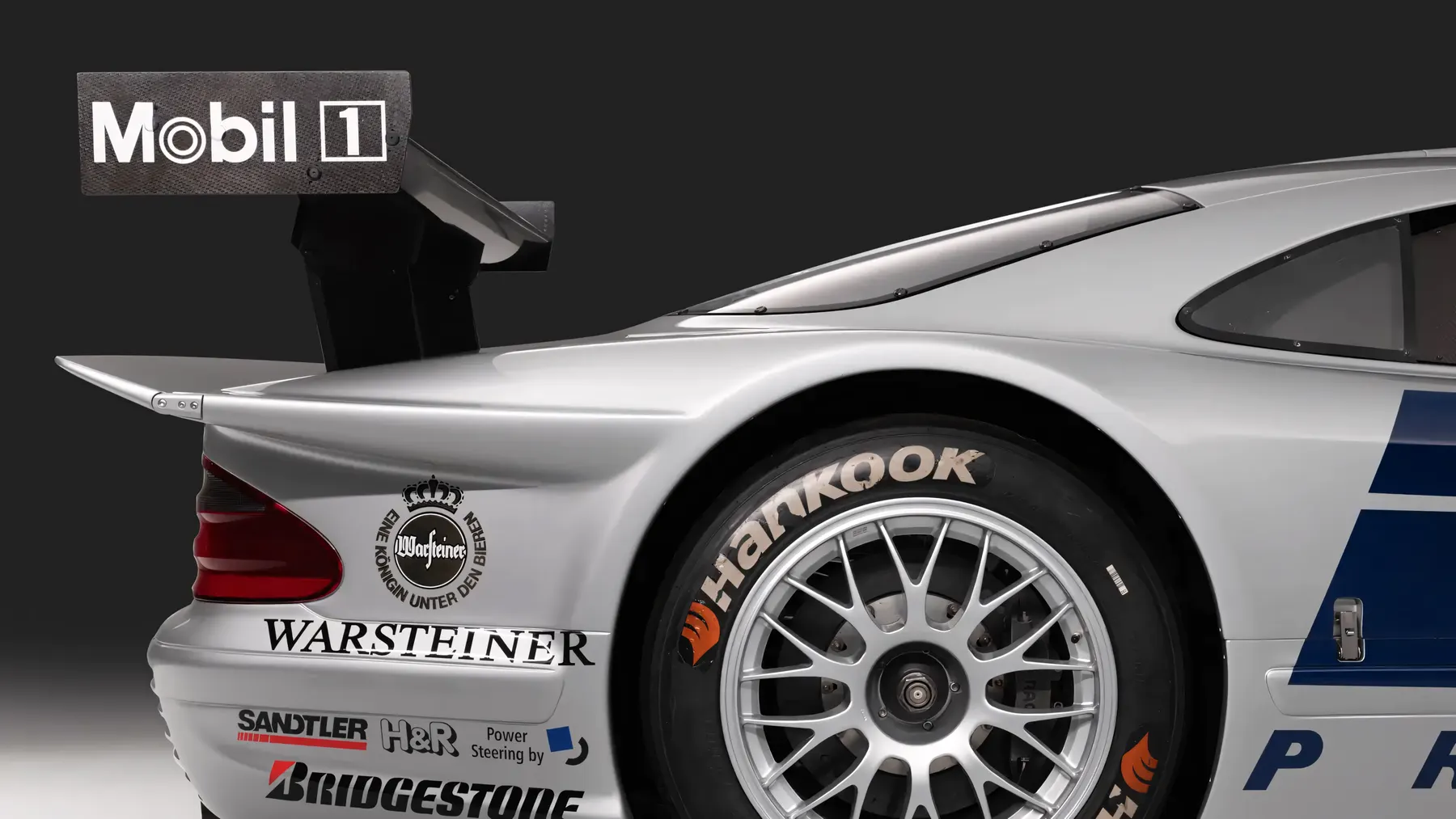
The CLK GTR’s design was a blend of form and function. Its low-slung body, wide stance, and aggressive aerodynamics prioritized performance while maintaining a visual connection to the Mercedes-Benz CLK. Large air intakes, a prominent rear wing, and a mid-mounted engine defined its purposeful appearance.
Inside, the cockpit featured a minimalist layout with racing bucket seats, a carbon-fiber dashboard, and a digital display providing vital telemetry. Every detail underscored the car’s focus on performance, making the road-going version a true race car for the streets.
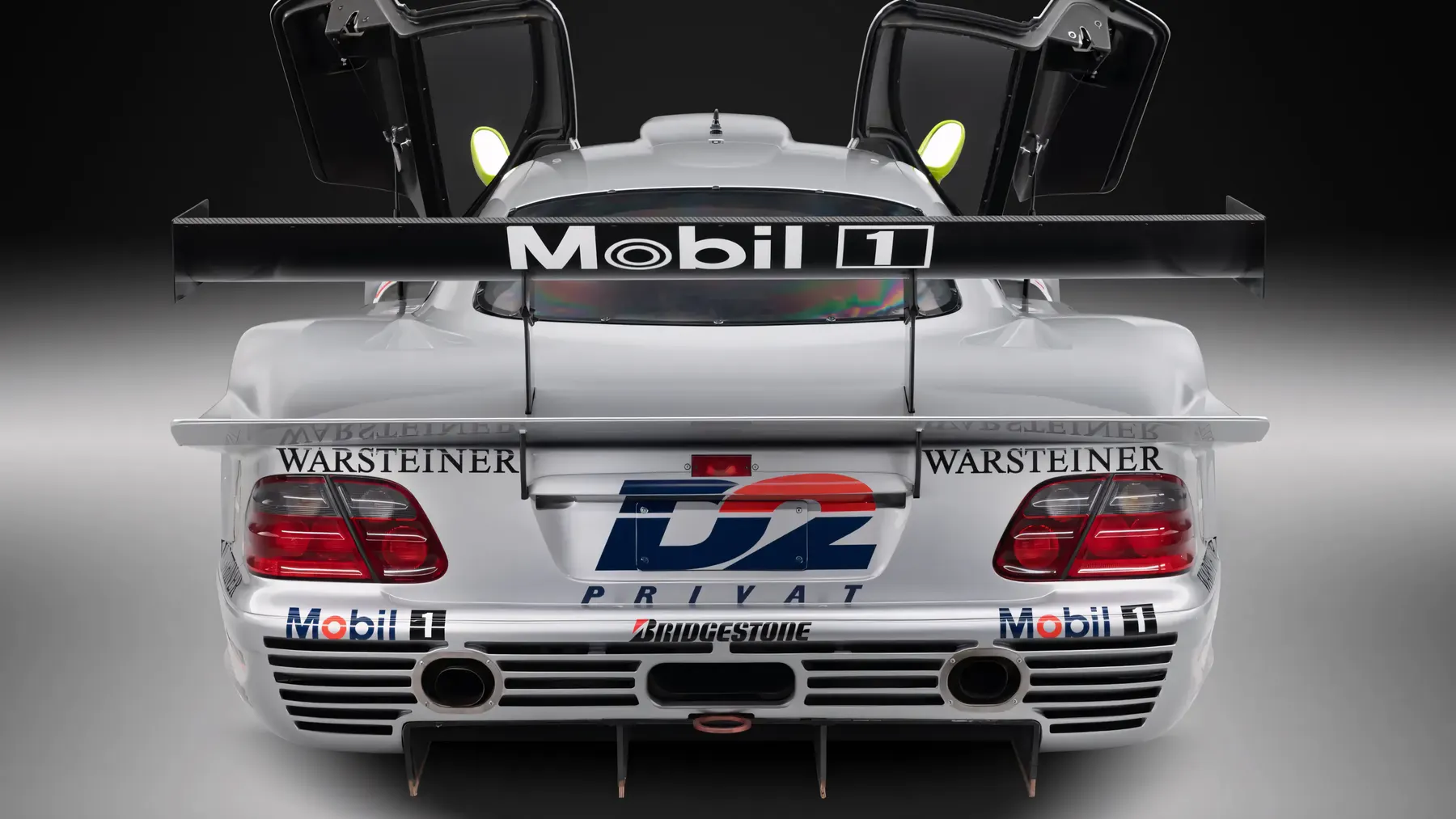
The CLK GTR’s debut marked a high point in GT1 racing, but its dominance also contributed to the category’s demise. The car’s unprecedented engineering and performance left competitors struggling to keep up, leading to unsustainable costs for manufacturers. Despite its short-lived racing career, the CLK GTR’s impact on motorsport was profound.
Among enthusiasts, the CLK GTR is regarded as a symbol of Mercedes-AMG’s engineering excellence and racing ambition. Its rarity, performance, and history make it one of the most sought-after collector’s cars. Road-going examples have achieved multi-million-dollar prices at auctions, cementing their status as icons of automotive history.
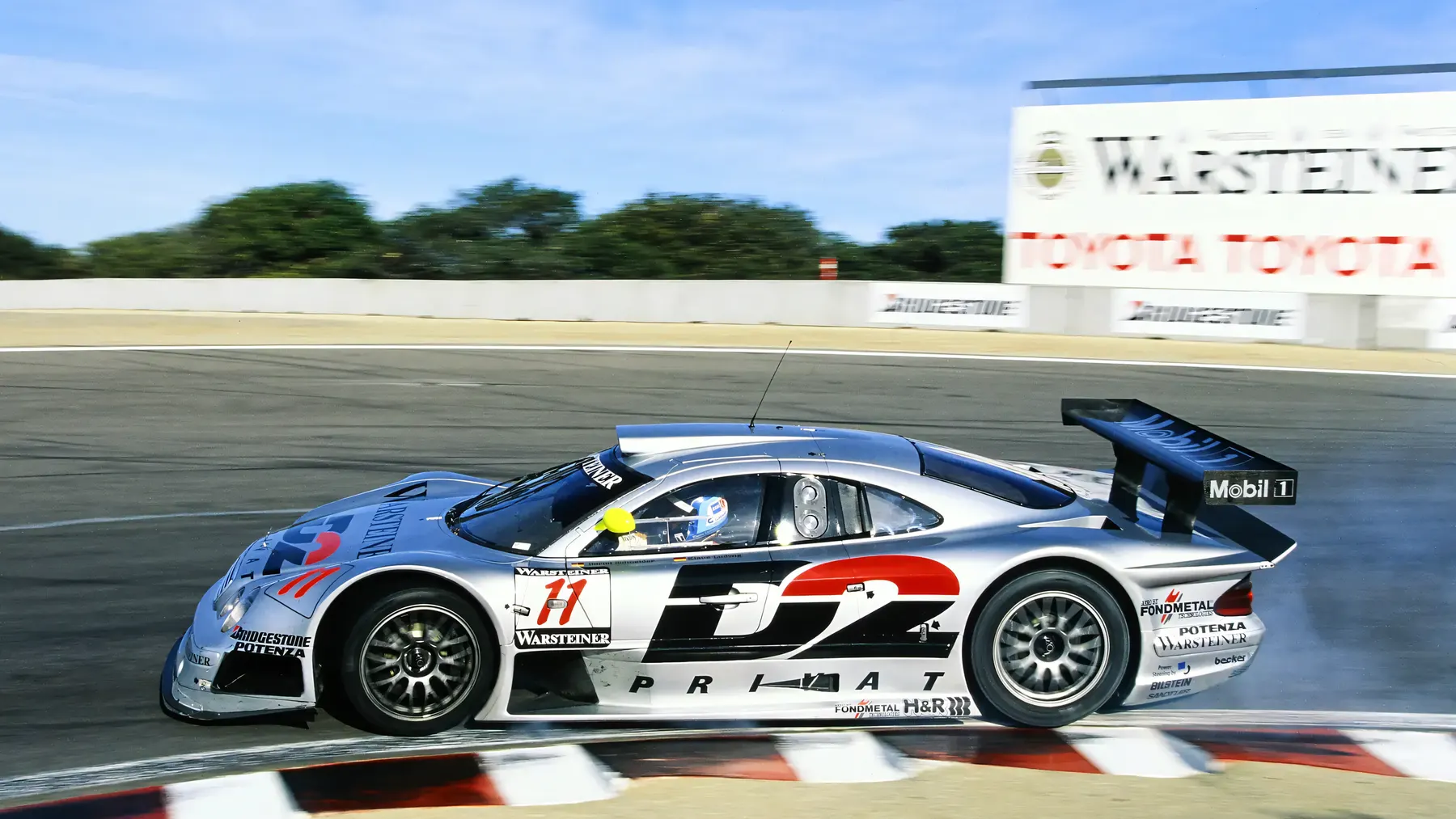
The Mercedes-AMG CLK GTR remains a testament to the era of homologation specials, where manufacturers pushed the boundaries of technology to create road cars that were barely distinguishable from their track counterparts. Its legacy endures as one of the most remarkable achievements in motorsport and automotive engineering.
Join the discussion
Comments
Loading comments…
Leave a comment
Share a detail, memory, or perspective. Every comment is reviewed before publication.