1998 Dallara IR-8

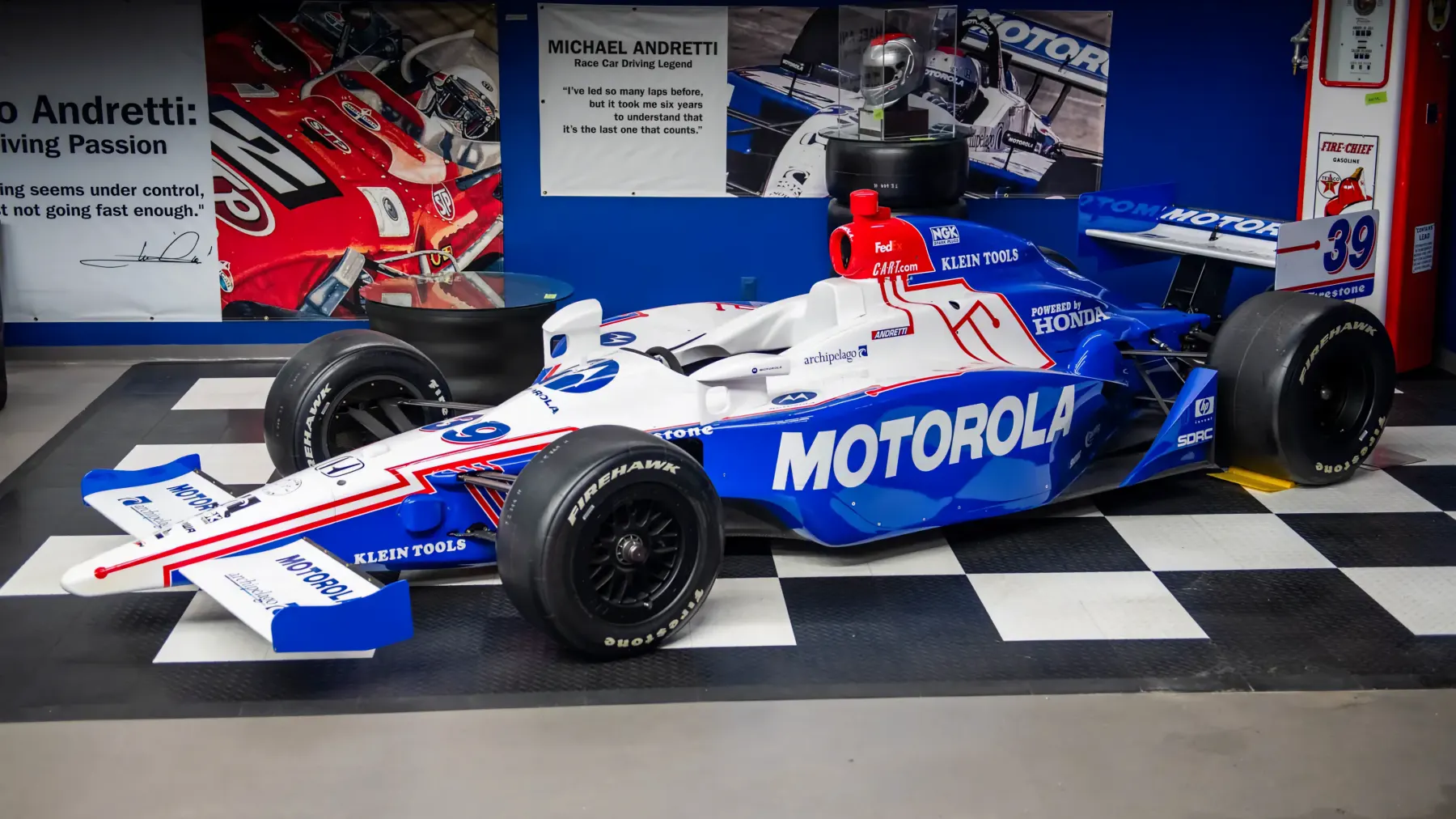
Few names in motorsport evoke the same sense of relentless innovation and competitive spirit as Dallara. The Dallara IR-8 stands as a testament to the Italian constructor’s commitment to pushing the boundaries of open-wheel racing, capturing a pivotal era in IndyCar history. For anyone passionate about automotive design, the IR-8 is a fascinating study in evolution, performance, and the enduring allure of racing machinery.
The Dallara IR-8 traces its roots to the late 1990s, a period of transformation for American open-wheel racing. Dallara, founded by Giampaolo Dallara in 1972 after formative years at Ferrari, Maserati, Lamborghini, and De Tomaso, had already established itself as a force in European formula racing. By 1997, Dallara entered the Indy Racing League (IRL) as one of three original chassis suppliers, debuting with the IR-7 platform. The IR-8, introduced for the 1998 season, was essentially an IR-7 chassis updated with a new aerodynamic and mechanical kit, reflecting the series’ three-year homologation cycle.
The IR-8’s most significant historical moment came in 1998, when Eddie Cheever drove a Dallara IR-8 to victory at the Indianapolis 500, marking Dallara’s first win at the legendary event. This win wasn’t just a milestone for the company; it signaled the beginning of Dallara’s dominance in the series, a streak that would see the Italian marque become the sole chassis supplier for IndyCar by 2007.
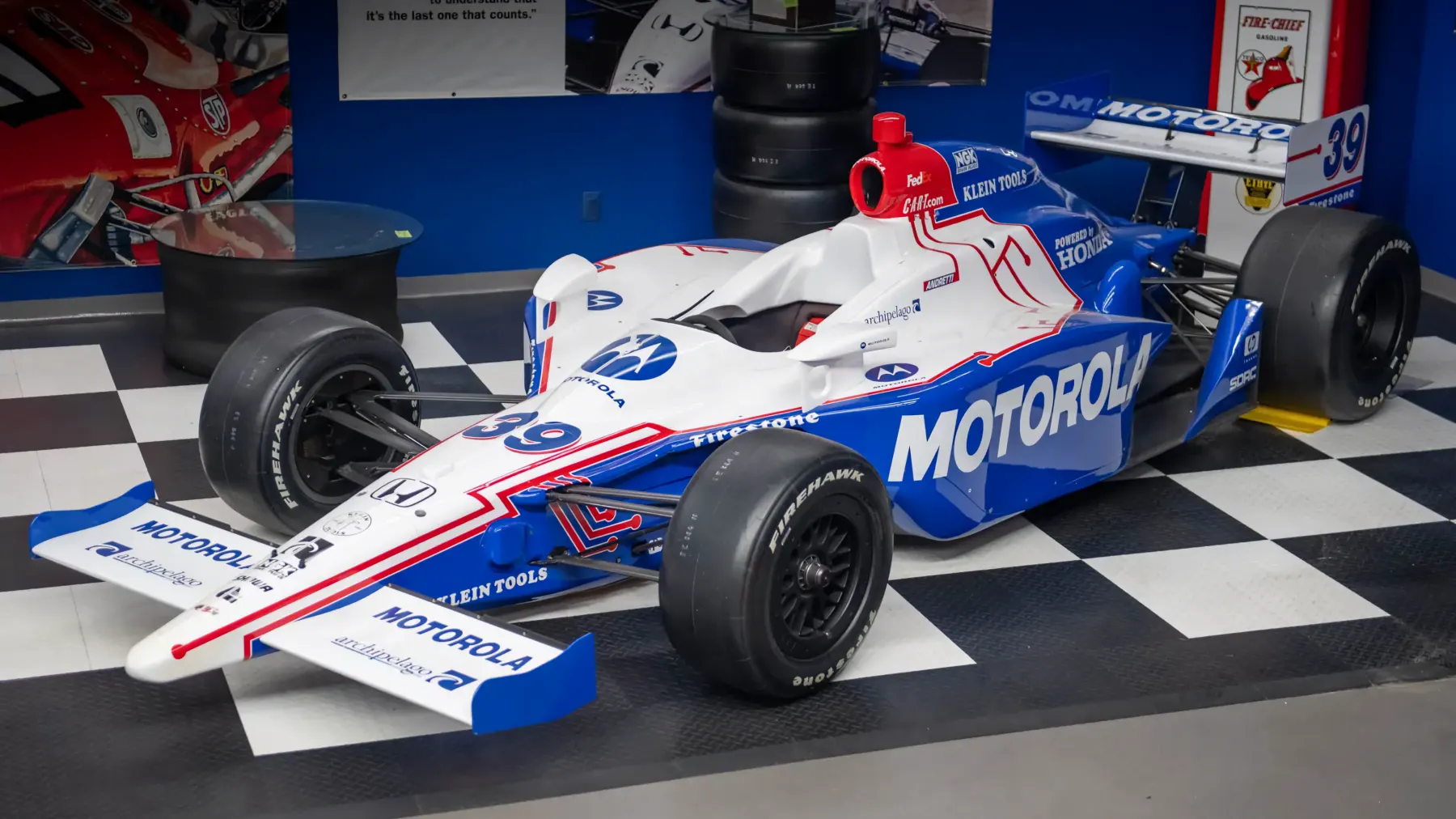
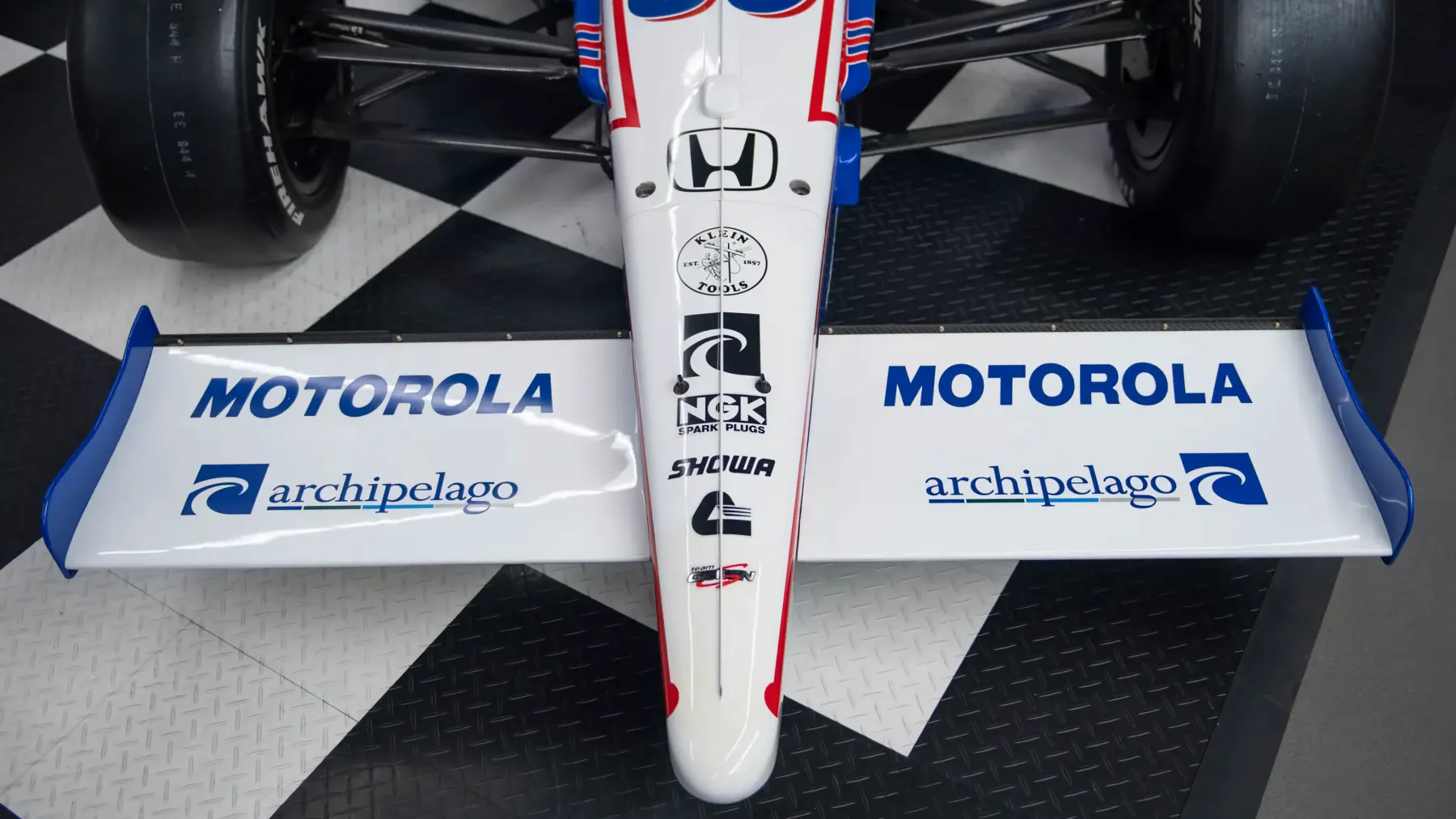
The IR-8’s design is pure, purposeful, and unmistakably Dallara. Built on a carbon fiber monocoque, the chassis was engineered for both safety and rigidity, using advanced composite materials that were cutting-edge for their time. The car’s silhouette is defined by its ovoid air intake - a Dallara signature that set it apart from the angular G-Force chassis - and its sculpted wings, which were meticulously shaped to optimize downforce and stability at high speed.
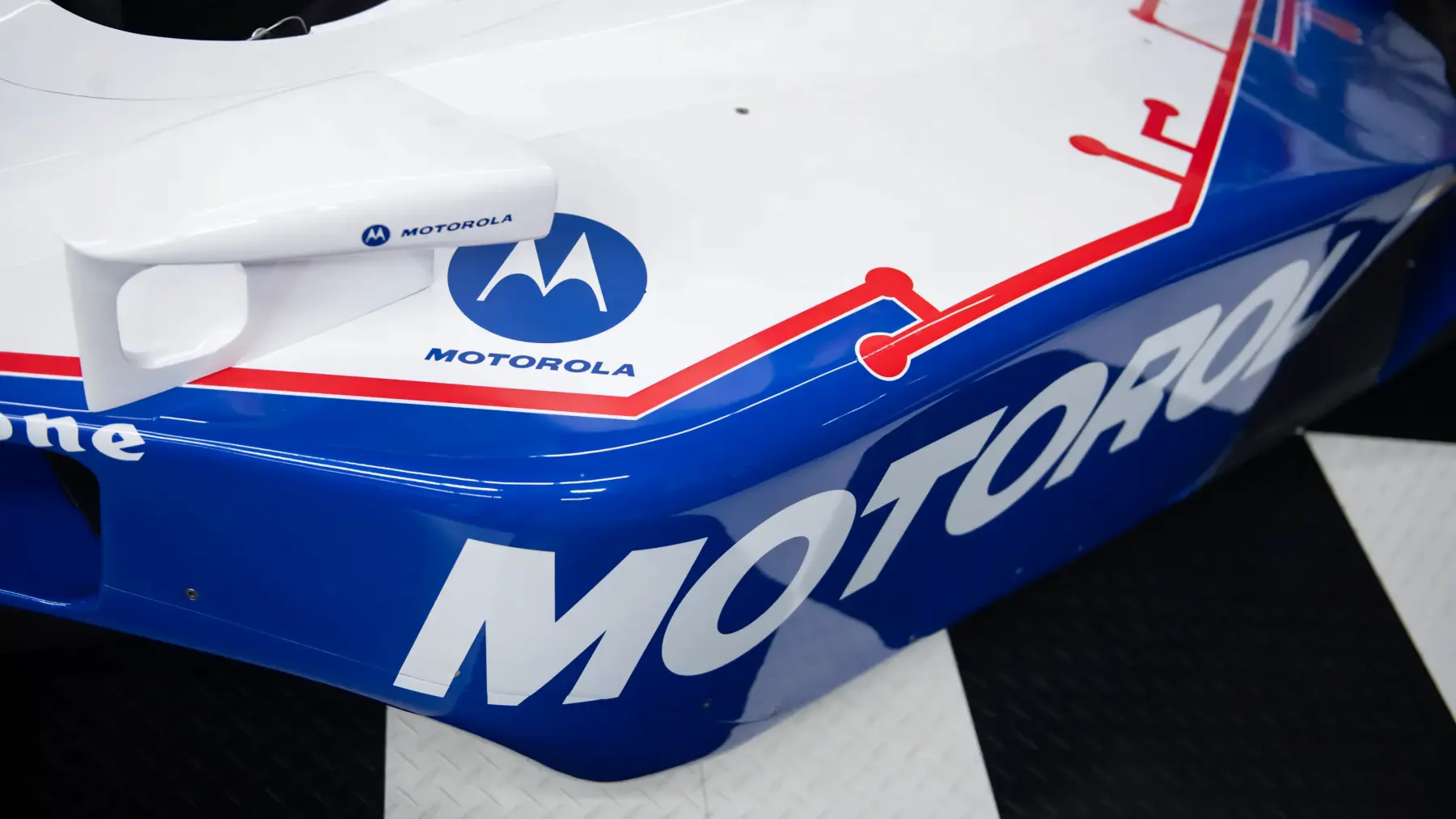
Aerodynamics were a central focus. The IR-8’s update kit included revised bodywork and undertray elements, enhancing ground effect and airflow management. The result was a car that could be finely tuned for the demands of both high-speed ovals and technical street circuits, a necessity in the diverse world of IndyCar racing.
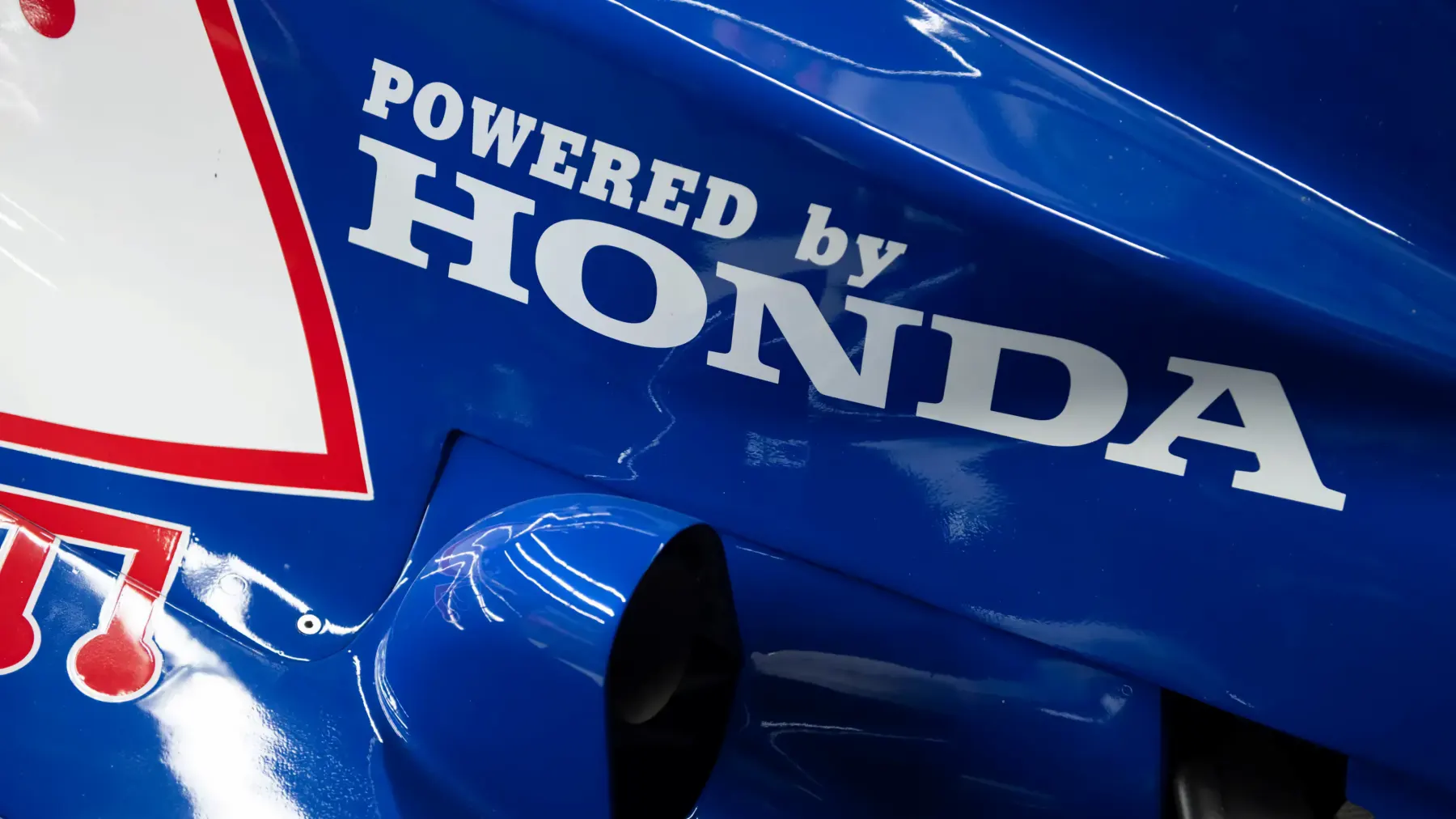
Under the skin, the IR-8 was a beast. Powered typically by a 4.0-liter, naturally aspirated V8 engine - most famously the Oldsmobile Aurora V8 - the car produced around 522 kW (700 hp), revving to 10,500 rpm. Weighing a minimum of 703 kg (1,550 lbs) without driver or fuel, the IR-8’s power-to-weight ratio was formidable. The standard Emco IRL six-speed gearbox, H-pattern shifter, and methanol fuel cell were all designed for reliability and performance under the grueling conditions of IndyCar competition.
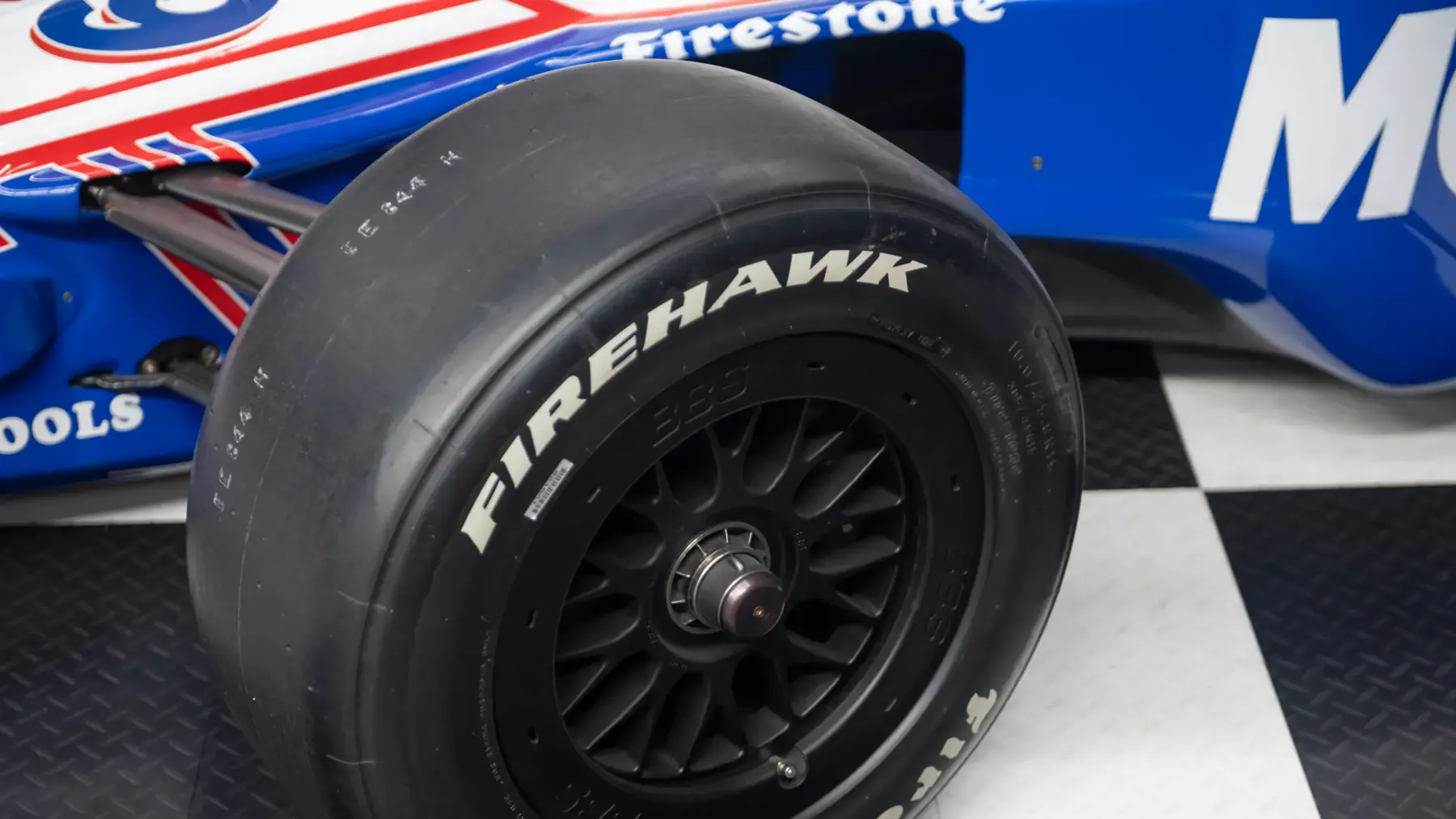
On track, the IR-8 was both fast and forgiving, a combination that endeared it to drivers and teams alike. Its adaptability meant it could be competitive across a wide range of circuits, from the flat-out straights of Indianapolis to the twisty confines of street courses. The car’s crowning achievement remains Cheever’s 1998 Indy 500 win, a race that cemented Dallara’s reputation for building cars that could win on the biggest stage.
What truly sets the IR-8 apart is its role as a bridge between eras. The car’s modular design, allowing for annual update kits, exemplified Dallara’s philosophy of continuous improvement without forcing teams into costly full-chassis replacements. This approach not only made racing more accessible but also encouraged technical development and competition.
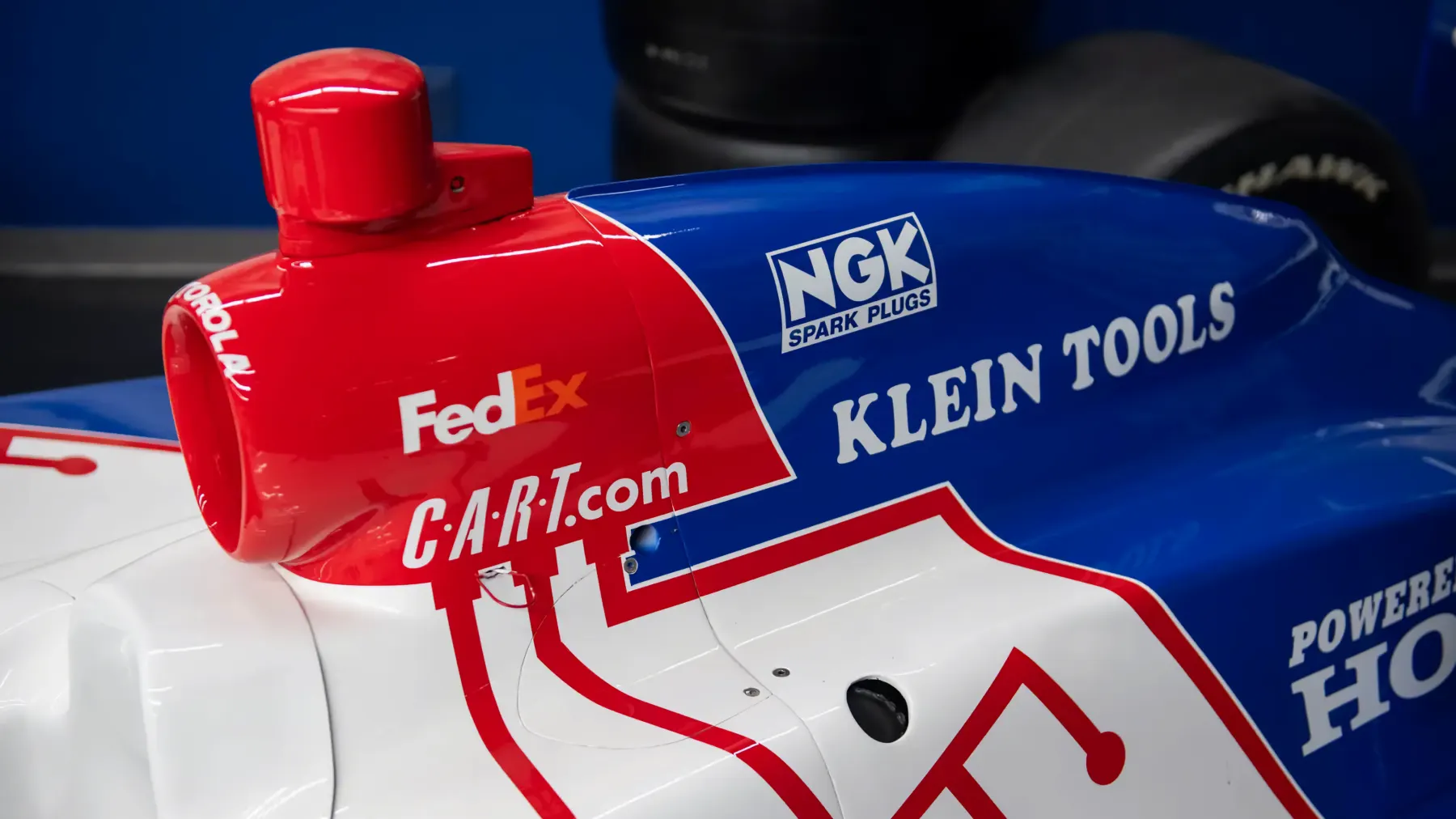
The IR-8’s #39 Motorola livery, most famously associated with Michael Andretti’s 2002 Long Beach Grand Prix victory, has become an icon in its own right. The car in this configuration commemorates Andretti’s 42nd and final career win, making it a cherished piece for collectors and fans. Even as a static display, stripped of its original engine, the IR-8’s presence evokes the drama and excitement of its racing heyday.
The IR-8 was met with enthusiasm by teams and drivers, who appreciated its balance of speed, safety, and serviceability. Its success on track quickly translated into widespread adoption, and by the early 2000s, Dallara chassis were the backbone of the IndyCar grid. The public, too, responded to the IR-8’s exploits - especially its triumph at Indianapolis, a race that commands global attention and respect.
Today, the IR-8 is celebrated not just as a race-winning machine, but as a symbol of Dallara’s ascent to the pinnacle of American open-wheel racing. Its influence is still felt in the design philosophy of modern IndyCars, and its legacy is honored by special tributes like the Dallara Stradale IR8 Edition, a road car that channels the spirit of the original racer with modern engineering and unmistakable style.
The Dallara IR-8 is more than a racing car; it’s a milestone in motorsport history. Its blend of Italian design flair, technical ingenuity, and competitive success make it a touchstone for anyone who loves racing. From its groundbreaking win at the Indy 500 to its enduring influence on car design, the IR-8 embodies the relentless pursuit of excellence that defines Dallara - and why, for true enthusiasts, its story never gets old.
Join the discussion
Comments
Loading comments…
Leave a comment
Share a detail, memory, or perspective. Every comment is reviewed before publication.