1999 Mercedes-Benz CLK GTR Coupe

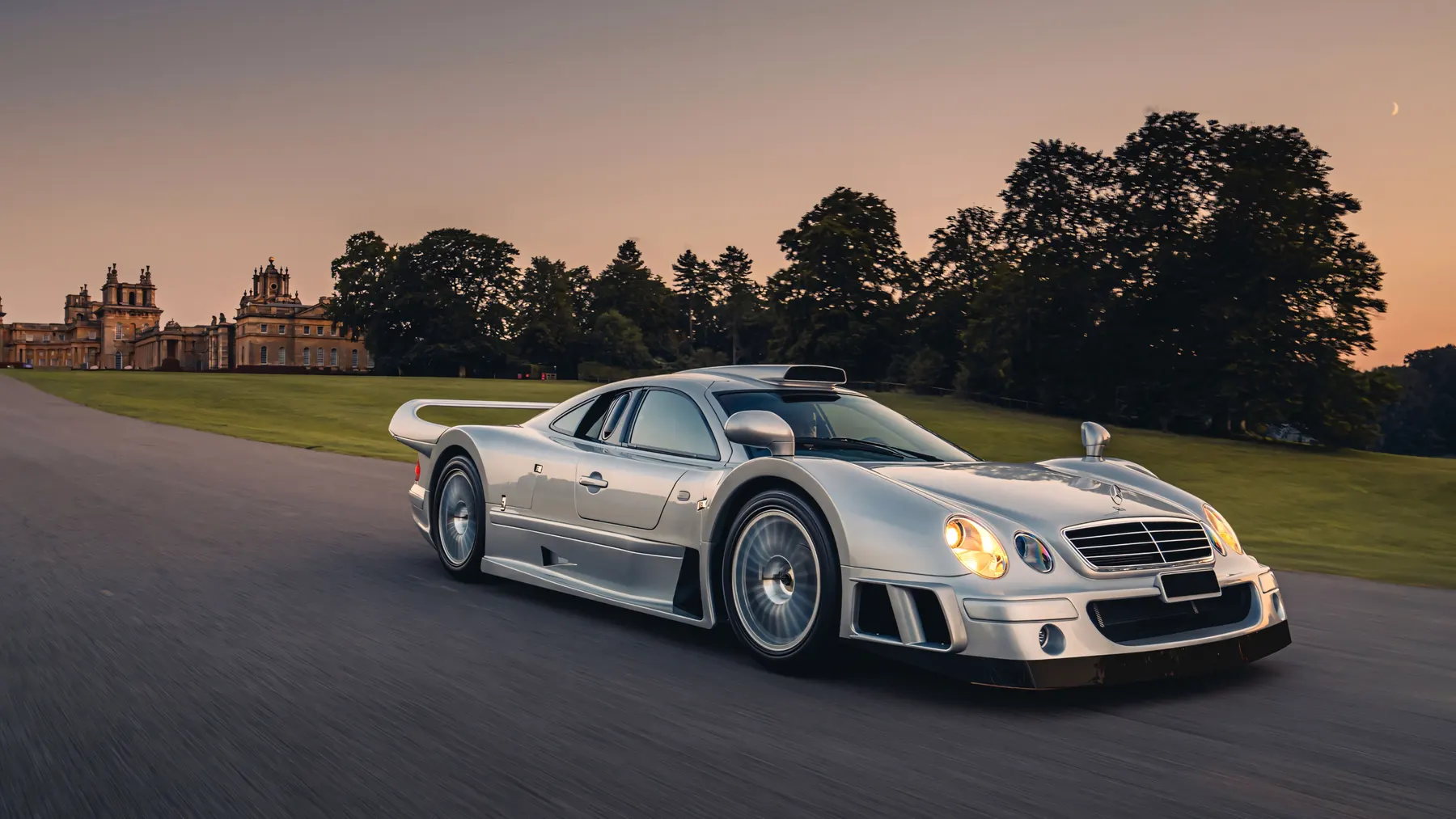
In the world of high-performance automobiles, there are legends, and then there are icons. The Mercedes-Benz CLK GTR Coupe belongs firmly to the latter category. Born out of the relentless pursuit of speed, precision, and championship glory, this roaring masterpiece is a symphony of engineering, a testament to the audacity of those who dared to dream beyond limits.
In a mere 128 days, the masterminds at Mercedes-Benz Sportabteilung, along with their motorsports partners, crafted the CLK GTR from an idea to a championship-winning reality. It was a lightning-fast gestation period, culminating in works driver Bernd Schneider tearing up the track at Jarama in April 1997. Little did the world know that this beast on wheels would not only dominate the motorsport series it was designed for but also cause a seismic shift that led to the series’ collapse.
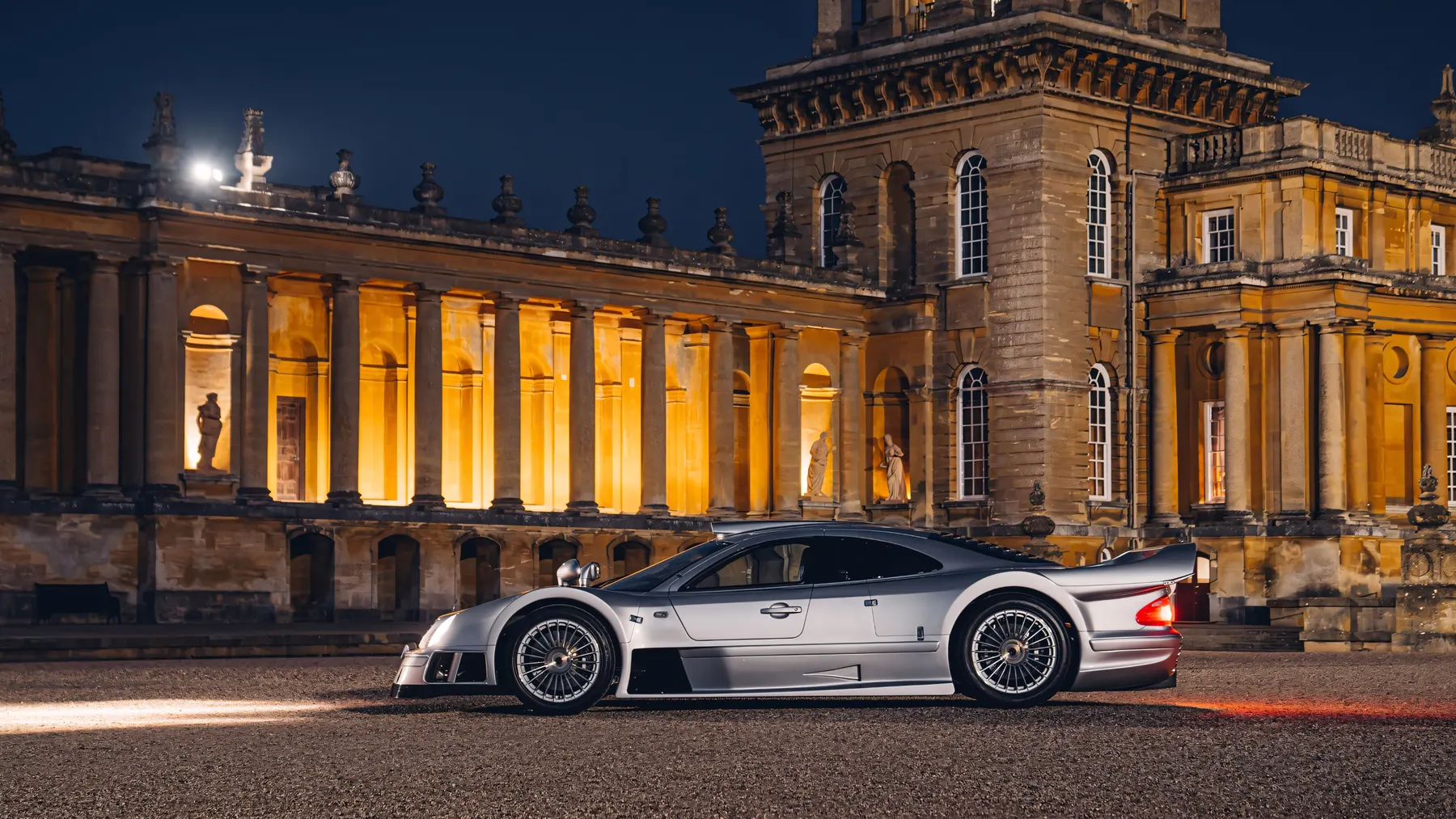
The CLK GTR, standing shoulder to shoulder with the McLaren F1 and Porsche 911 GT1, forms the illustrious “GT1 Trinity.” These contemporaneous rivals, battling in the FIA GT1 class, represent the pinnacle of late-Nineties racing sports car development. The CLK GTR, however, emerges as the most exclusive and barely tamed of the trio, etching its name in history with back-to-back FIA GT1 Championships in 1997 and 1998.
The transition from a dominating race car to a road-legal juggernaut is a journey rife with challenges. Unlike McLaren’s F1 supercar, which underwent a reverse homologation strategy, AMG, the performance arm of Mercedes, took a bold approach. They essentially turned race cars into road cars, with the homologation process being more about compliance than transformation.
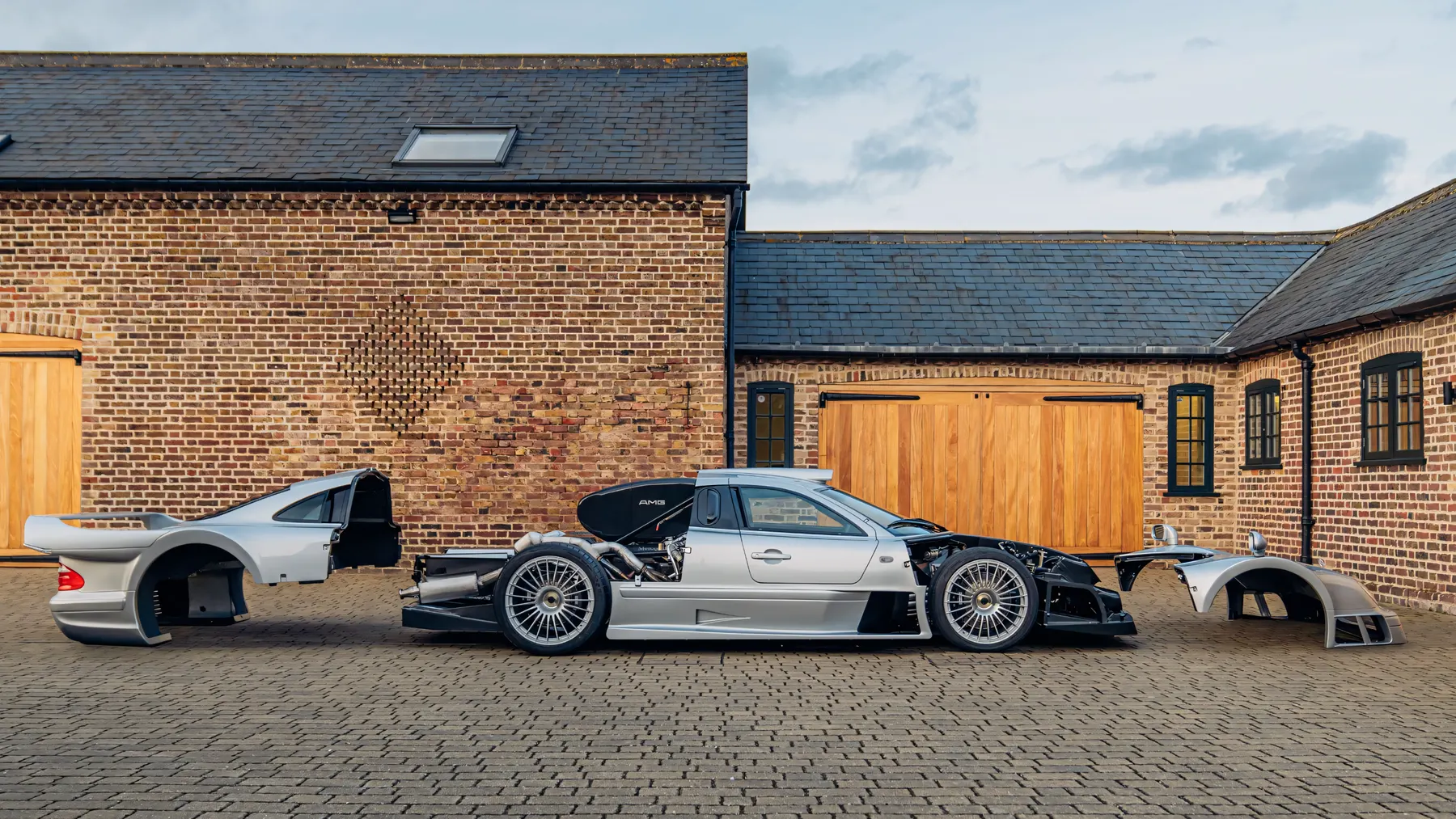
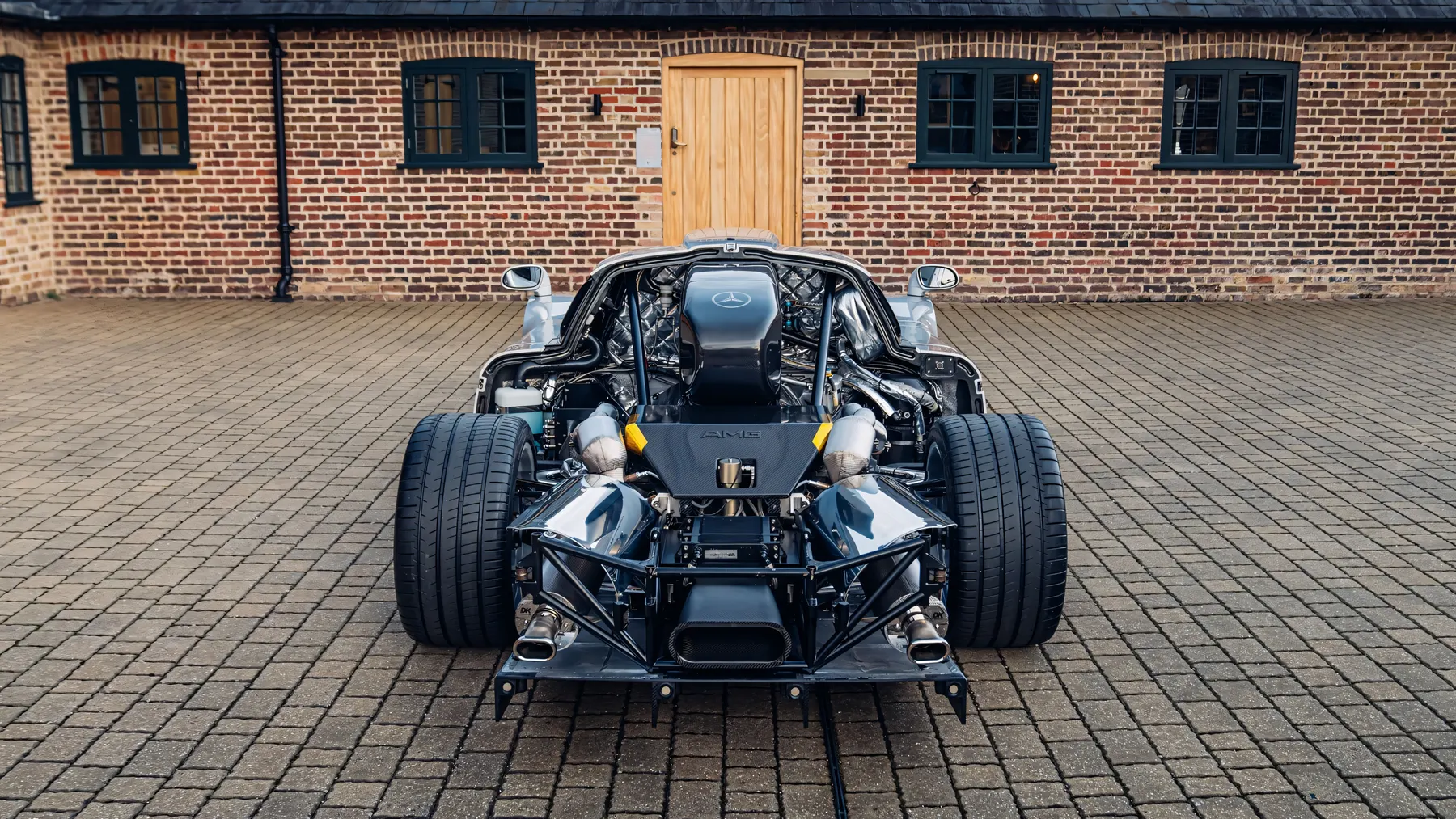
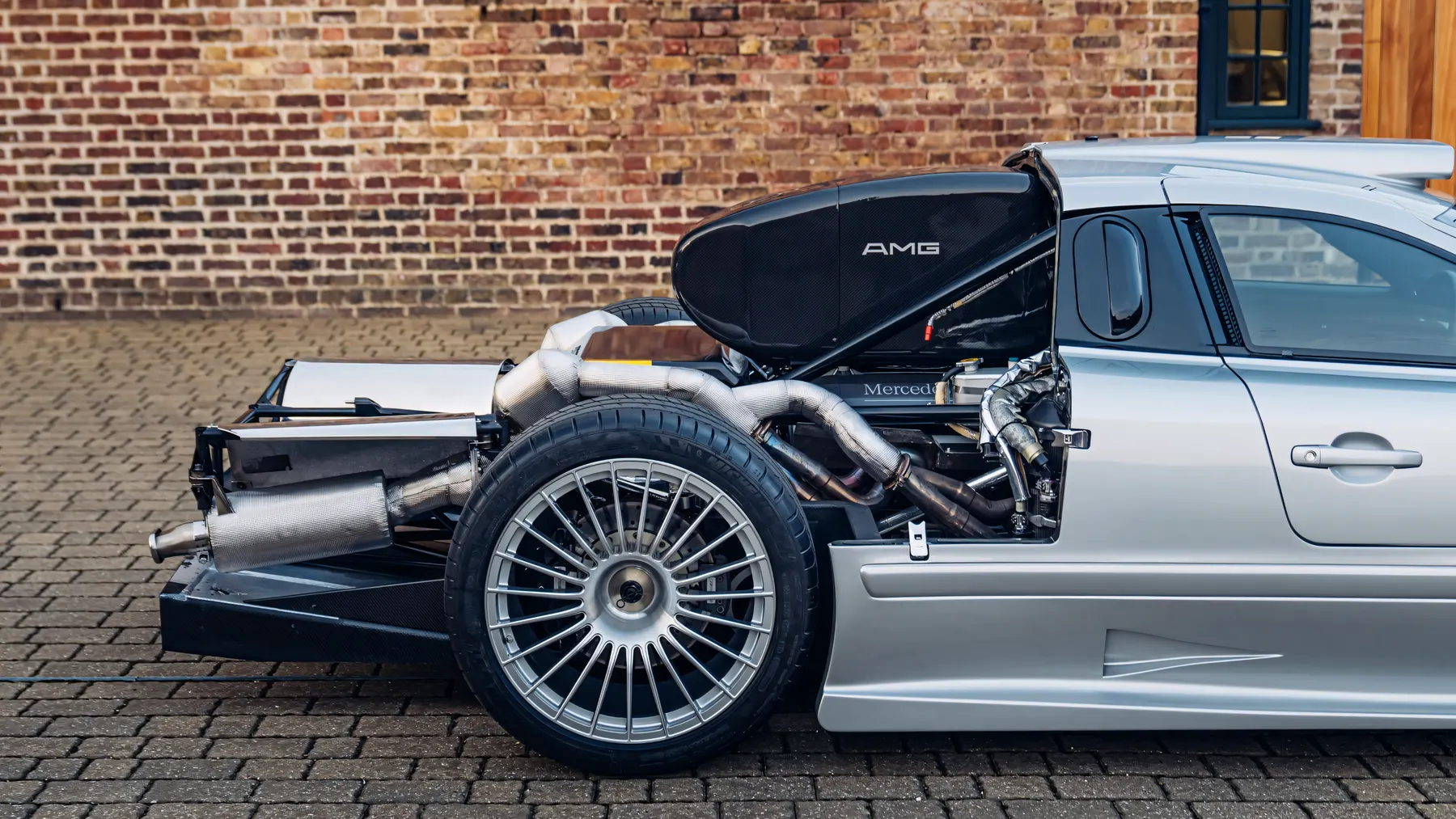
Crafted in tandem with the racecar, the CLK GTR’s monocoque chassis is a marvel of engineering. Constructed from a central carbon-fibre composite tub adorned with carbon-fibre body panels, it embodies a stressed-member powertrain design. The result? A car that’s not just fast but possesses the structural integrity demanded by the most gruelling of tracks.
The first CLK GTR for the streets made its debut in front of the FIA on April 1, 1997, just six days before Bernd Schneider’s stellar performance at Hockenheimring. However, production for the road-going Strassenversion did not commence until the summer of 1998. In a poetic continuation of its dominance, the CLK GTR’s road-legal version remained true to its racing roots.
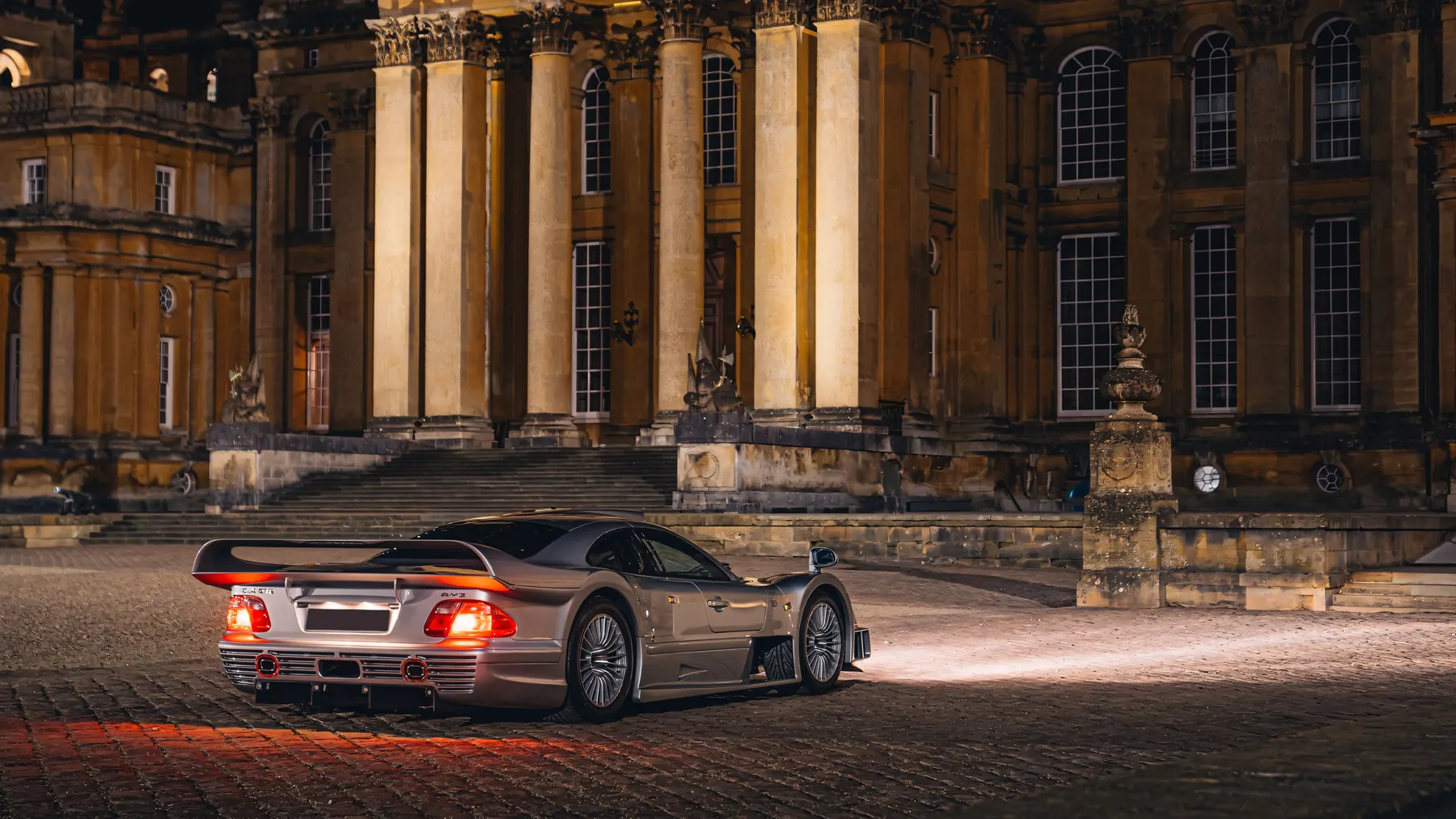
Under the hood of the CLK GTR beats a 6.9-liter naturally-aspirated M297 V-12 engine. This powerhouse, generating 623 horsepower, is a distinct variant from the race car engine. The road-going Strassenversion, while sharing many components with its track sibling, is refined for the street. Air conditioning, anti-lock brakes, leather upholstery, and insulation for a comfortable ride are among the additions to the Strassenversion.
The driving experience of the CLK GTR is nothing short of awe-inspiring. With a mid-mounted engine, the car’s V-12 sits right behind the driver, generating a raw and menacing soundtrack. The six-speed sequential manual gearbox, operated by paddle shifters, is lifted directly from the GT1 cars, providing lightning-quick gear changes. It’s a symphony of power, precision, and the unmistakable growl of a true racing beast unleashed on the street.
Mercedes-Benz, true to its legacy, did not flood the market with the CLK GTR. Only 20 coupes were meticulously crafted by HWA AG and AMG’s Special Vehicle Construction Office between 1998 and 1999. These road-legal marvels, with a world-record sticker price surpassing $1.5 million, are now among the rarest and most coveted automobiles globally. Standing in the lineage of the 300 SLR Uhlenhaut Coupe, the CLK GTR is, without a doubt, the epitome of a true “Silver Arrow” for the street.
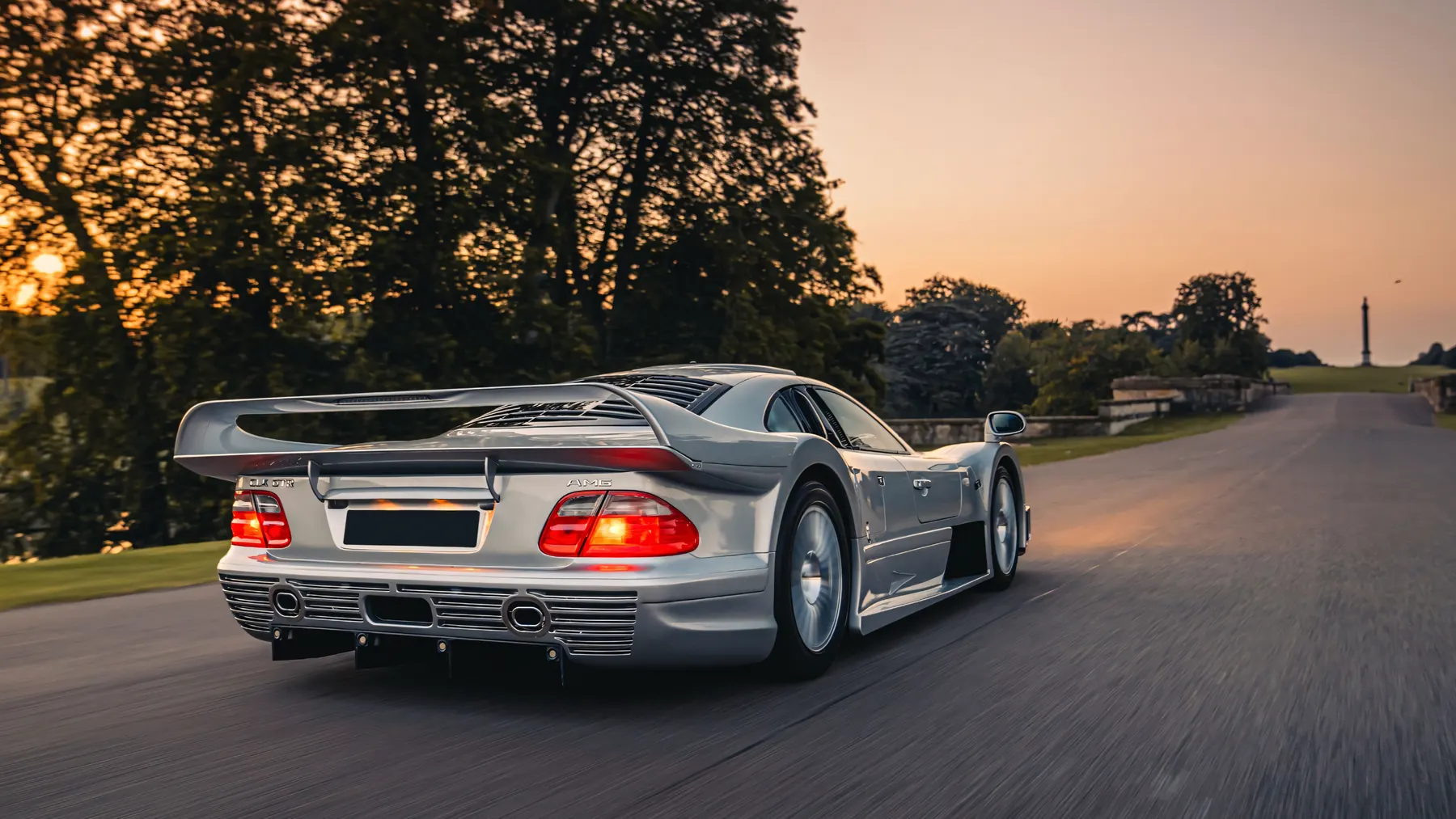
Unlike some of its contemporaries, the CLK GTR doesn’t pretend to be a road car; it roars its racing DNA on the streets. The paddle-operated gearbox, the mid-mounted engine, and the aerodynamic prowess are not compromises for daily driving; they are testaments to the car’s racing pedigree. Each element, from the integrated rear wing to the cabin insulation, serves a purpose - to provide a slice of the racetrack in every street drive.
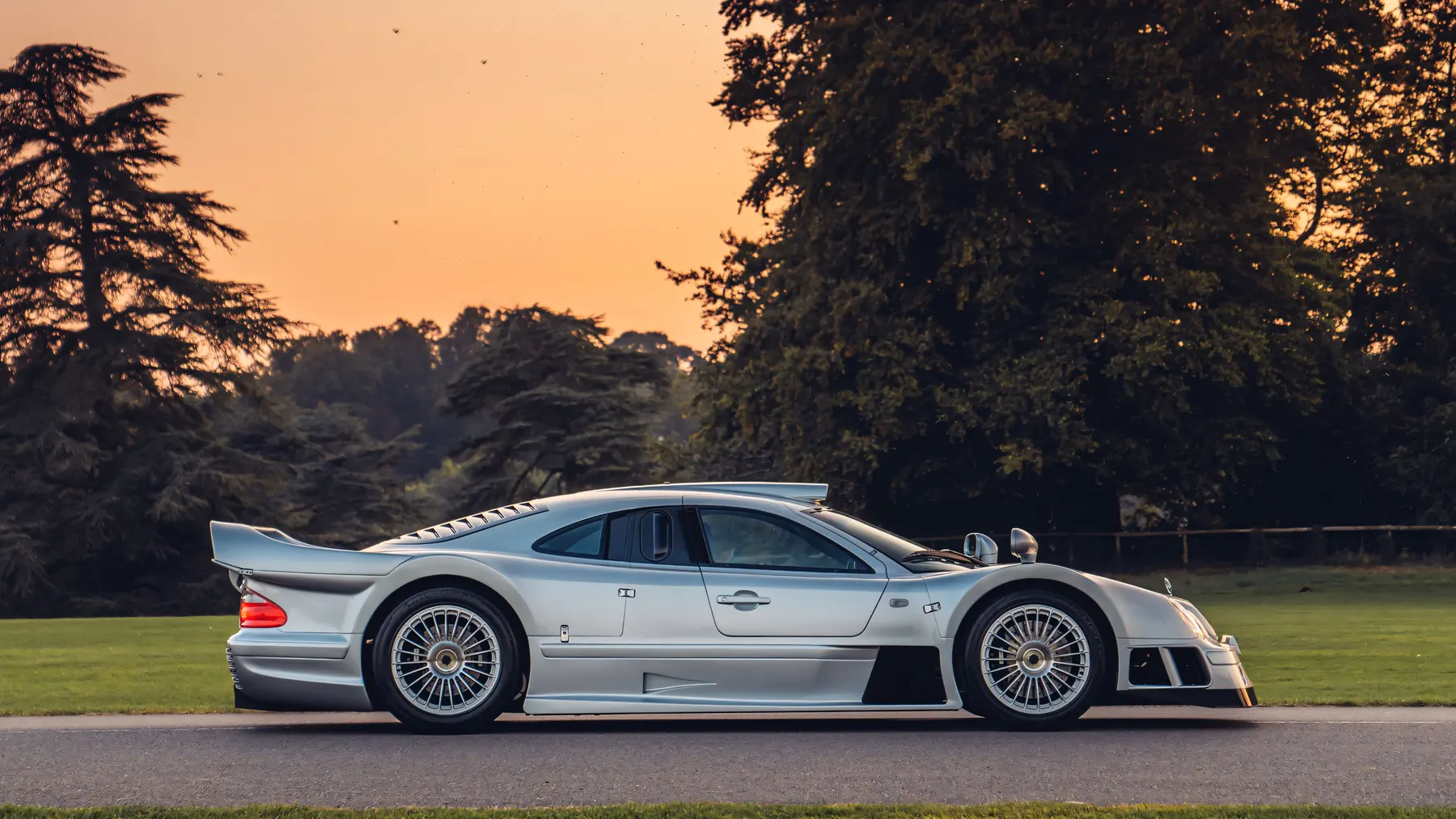
Former racing driver and motoring journalist Paul Frère, after a test drive at Hockenheimring, echoed the sentiment of every enthusiast. He praised the car’s tractability despite its immense power. Frère commended Mercedes-Benz for making the car more user-friendly, with soundproofing to reduce mechanical noise. However, he didn’t shy away from critiquing the cramped cockpit space and highlighted the challenges of city driving due to the non-synchronous transmission and ample torque available at low RPMs. His verdict? A “real work of art.”
The CLK GTR’s engine was no ordinary power plant. Stroked out to 6,898 cc (420.9 cu in) by Ilmor, it churned out a formidable 622 horsepower at 6,500 rpm and 731 N⋅m (539 lb⋅ft) at 5,250 rpm. Paired with a 6-speed sequential manual transmission and a four-plate carbon-fibre clutch, the GTR boasted a 0–100 km/h (0–62 mph) time of 3.8 seconds and a claimed top speed of over 320 km/h (199 mph), contingent on the gearing.
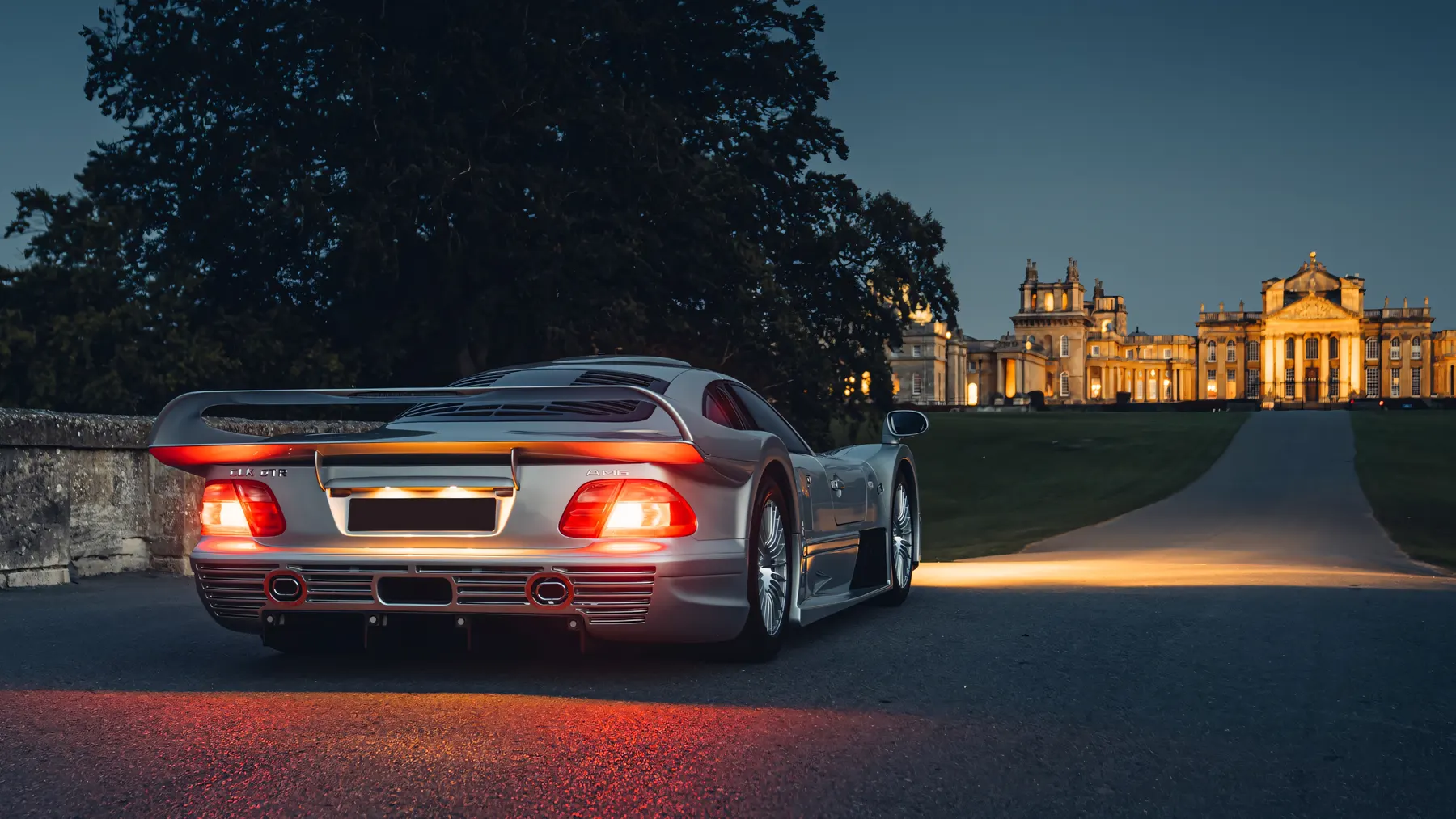
The 18-inch centre-locking wheels, shod in Bridgestone tires (295/35ZR18 at the front and 345/35ZR18 at the rear), delivered a grip that translated the engine’s power to the asphalt. The stopping power, essential for a car of such immense speed, was provided by 6-piston callipers and carbon-composite rotors measuring 380 mm (15.0 in) at the front and 335 mm (13.2 in) at the rear. This symphony of power and precision wasn’t just about acceleration; it was about commanding control.
In the transition from track to street, the Strassenversion did not sacrifice comfort. The road car received amenities like ABS, air conditioning, and an audio system, making it not just a performance marvel but also a comfortable cruiser. Luggage pockets under each door, tartan, leather, or Alcantara seats, and four-point harnesses added to the exclusivity and versatility of this racing legend.
The CLK GTR’s allure even extended to royalty. Two cars, a coupe and a roadster, left the factory as right-hand drive for the 29th Sultan of Brunei, Hassanal Bolkiah. The Sultan, known for his exquisite taste in automobiles, found in the CLK GTR a gem that matched his discerning standards.
The legacy of the 1999 Mercedes-Benz CLK GTR Coupe extends far beyond the chequered flag. It’s not just about the championships it clinched on the track; it’s about the hearts it won on the streets. In a world where supercars often compromise comfort for speed, the CLK GTR stood as an anomaly, offering both in abundance.
As we look back at the CLK GTR, we don’t just see a car; we witness the epitome of racing elegance. From its swift inception to its dominance on the track, and finally, its exclusive presence on the streets, the CLK GTR is a chapter in automotive history that deserves to be read with awe. In a realm where machines become legends, the CLK GTR carved its niche as a roaring, racing, and regal icon that continues to captivate the imagination of enthusiasts around the globe.
Join the discussion
Comments
Loading comments…
Leave a comment
Share a detail, memory, or perspective. Every comment is reviewed before publication.