1999 Shelby Series 1

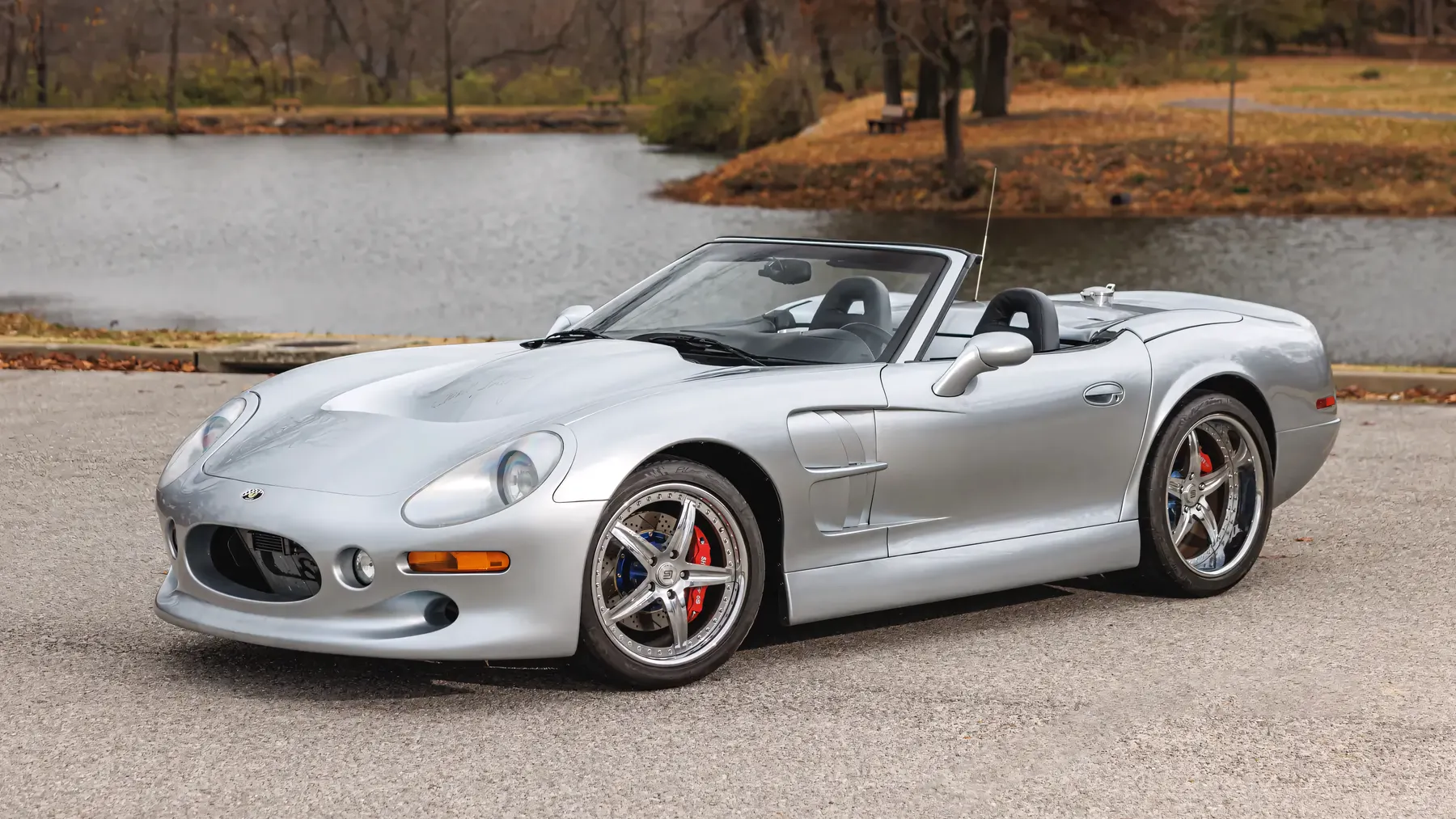
The Shelby Series 1 stands as a remarkable, yet often overlooked, chapter in automotive history. Designed by the legendary Carroll Shelby and produced by Shelby American, it was introduced in 1997 as a spiritual successor to the iconic Shelby AC Cobra. Like the Cobra, the Series 1 was envisioned as a high-performance roadster with cutting-edge engineering and aggressive styling. However, despite its promise and Shelby’s name behind it, the Series 1 faced several production hurdles that kept it from becoming the landmark car it was meant to be.
When Carroll Shelby unveiled the Series 1 at the 1997 Los Angeles Auto Show, the excitement was palpable. Shelby’s legacy as the creator of the original Cobra ensured high expectations, and the Series 1 was pitched as a modern reinterpretation of that classic sports car. The car was powered by Oldsmobile’s 4.0-liter L47 Aurora V8 engine, producing 320 horsepower. With an aluminium chassis, carbon fibre, and fibreglass body panels, it promised a lightweight, high-performance package reminiscent of the raw driving experience of the original Cobra.
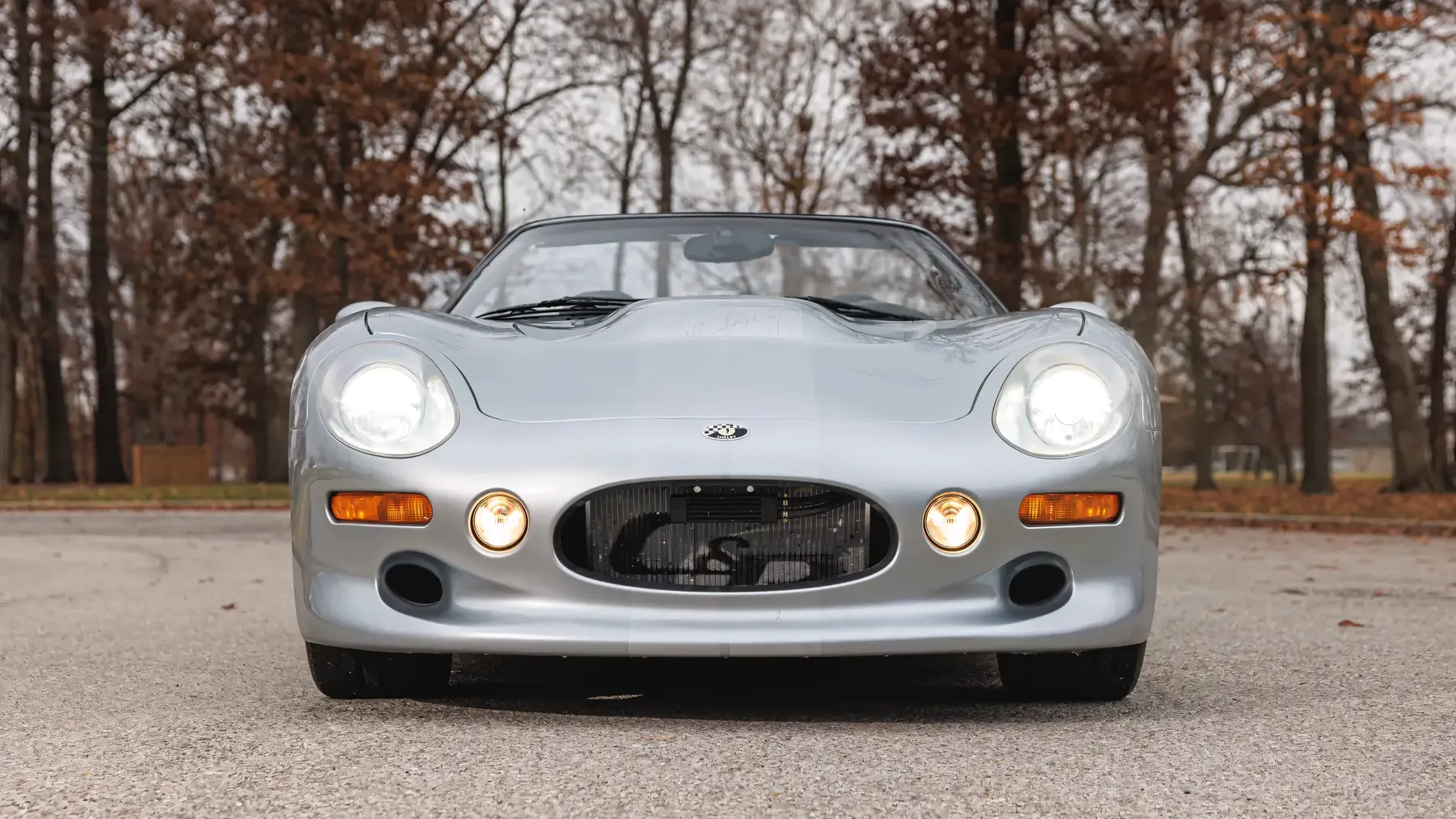
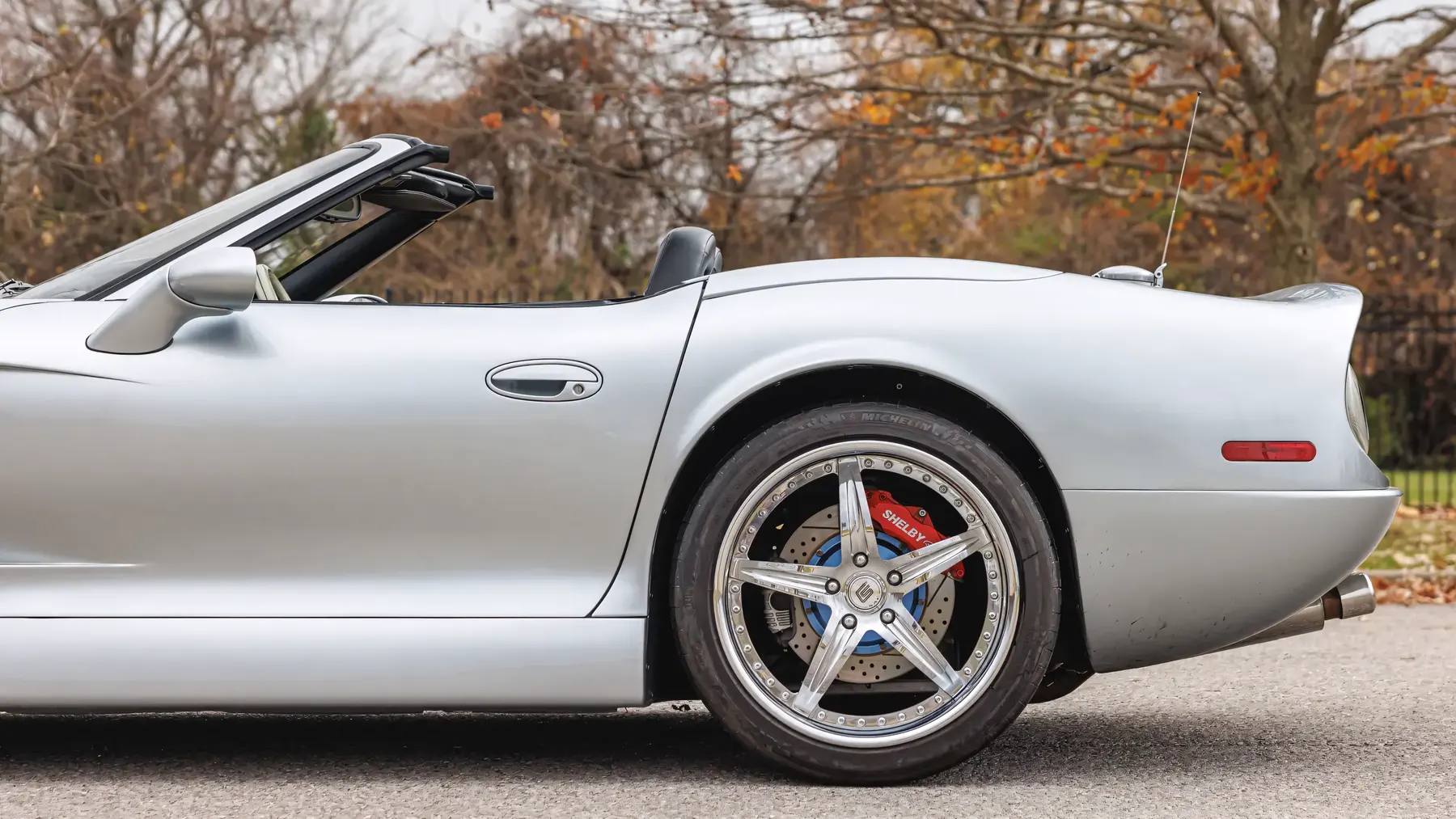
One of the most impressive aspects of the Series 1 was its engineering. The car’s chassis was a masterpiece of extruded 6061 aluminium, post-heat-treated for maximum strength. Specially designed aluminium honeycomb panels were bonded into the floor and rocker panels to further enhance stiffness. The dual wishbone suspension, featuring inboard coil-over dampers, was race-inspired, and the engine was mounted behind the front axle for better weight distribution.
The result was a car that weighed just 1,202 kg (2,650 lbs) and boasted impressive performance figures. The Series 1 could accelerate from 0 to 60 mph in just 4.4 seconds, with a top speed of 170 mph (274 km/h). Quarter-mile times were equally impressive, clocking in at 12.8 seconds at 112 mph (180 km/h). Despite these credentials, the Series 1 also offered luxury features like power steering, air conditioning, power windows, and an AM/FM/CD audio system,making it a refined yet thrilling roadster.
While the Series 1 looked like a promising continuation of Shelby’s automotive legacy, its production was riddled with difficulties. Before production began, Shelby incurred significant costs related to testing and certification to meet the 1999 Federal Motor Vehicle Safety Standards. After announcing a retroactive price increase in early 2000 to cover these expenses, customer backlash forced the company to walk it back, creating further complications.
Another major issue was the car’s convertible top, which didn’t attach properly. This flaw required reengineering, and several early cars were delivered without tops, forcing Shelby American to send technicians to buyers’ homes to install them after delivery.
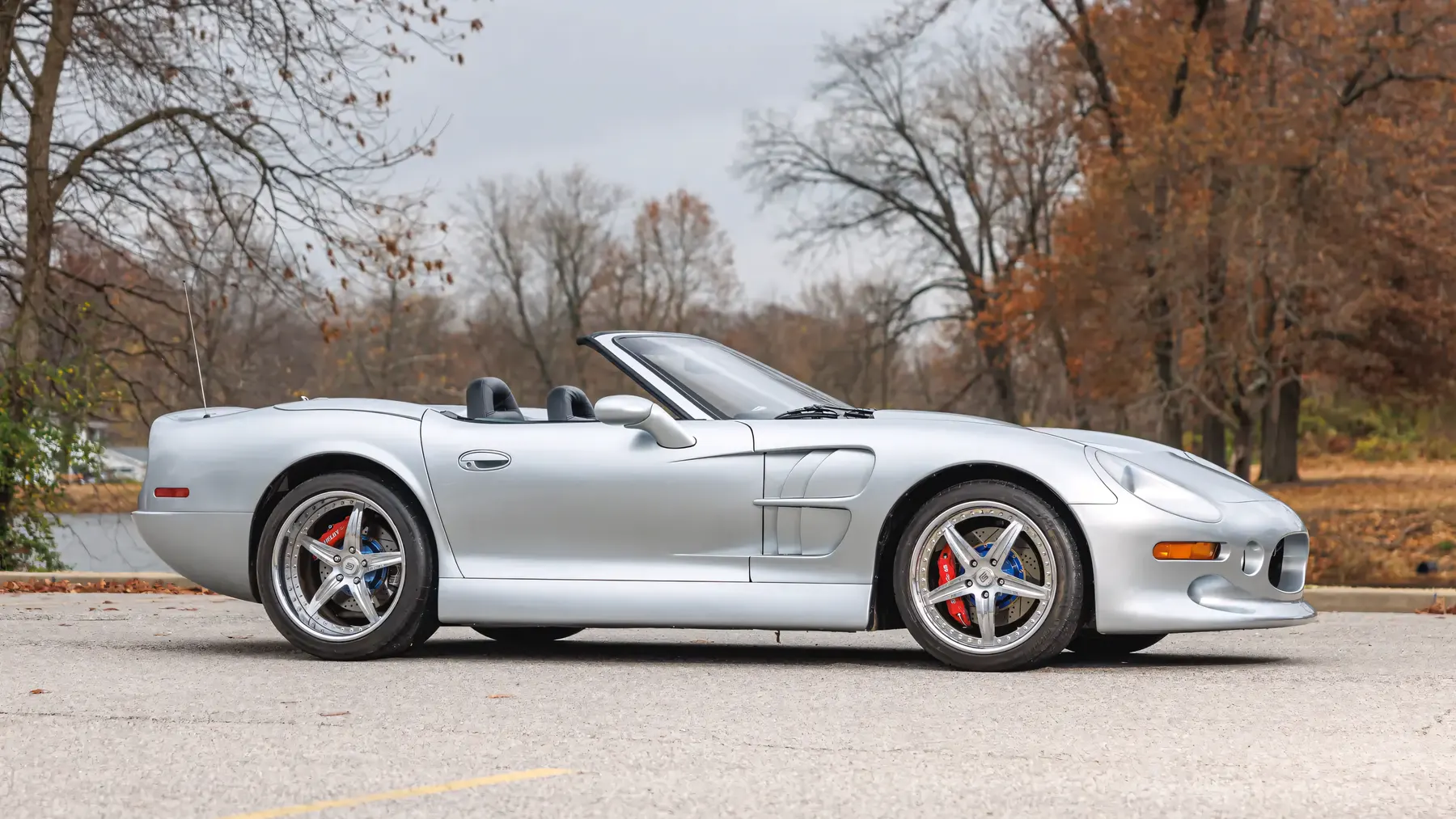
Although a production run of 500 cars was initially planned, only 249 Series 1 models were built, all of them designated as 1999 models. Venture Corporation acquired Shelby American during production, including rights to the Series 1, but after Venture’s bankruptcy in 2004, Carroll Shelby reacquired the assets. By this point, the car’s Federal Motor Vehicle Safety Standards certification had expired, meaning any additional cars built were sold as “component cars” without engines or transmissions.
While the Series 1 never reached its full production potential, it left a lasting impression as the only car entirely designed and engineered by Carroll Shelby from the ground up. Its use of advanced materials, like carbon fibre body panels and an aluminium chassis, was ahead of its time. However, many of its components, such as the Monsoon audio system, instrument cluster, and climate controls, were sourced from General Motors, leading to criticisms that the car was not as bespoke as originally advertised.
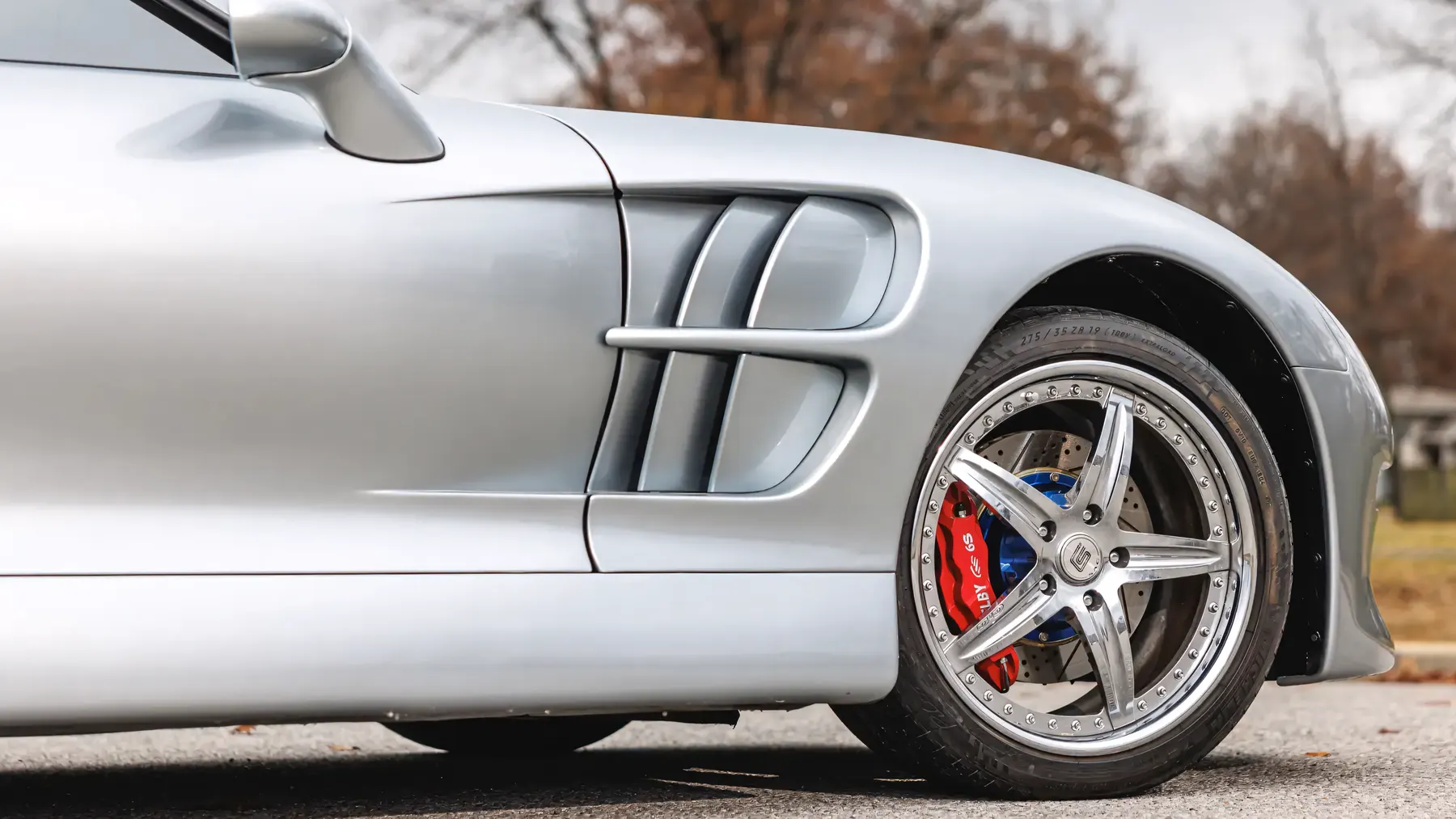
The Series 1 also offered two significant performance upgrades. The X50 package, priced at $20,150, was intended to add 50 horsepower but fell short of its goal. More enticing was the supercharger option, which cost $35,100 and bumped the engine’s output to 450 hp, with some prototypes even reaching 600 hp. Few customers opted for these upgrades, but the combination of both made for an absolute beast, with a power output of over 540 hp.
Despite these upgrades, production issues, and a high price tag meant that the Series 1 never quite captured the public’s imagination the way the original Cobra had. Still, it remains a fascinating chapter in Shelby’s storied career.
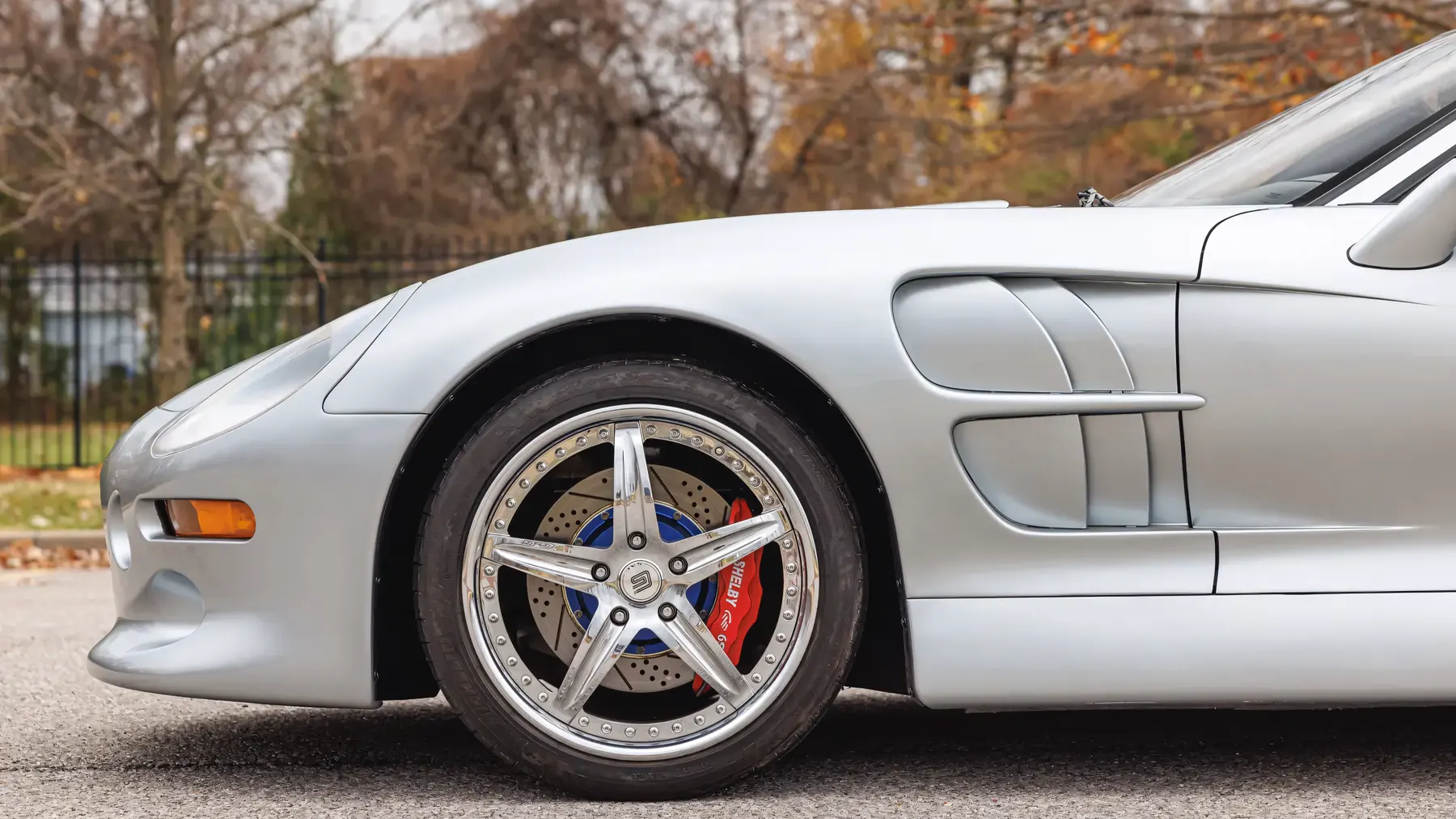
The Shelby Series 1 was a car full of promise, but plagued by production woes and high costs. It stands today as a testament to Carroll Shelby’s enduring legacy in American automotive engineering. A rare blend of advanced technology, racing pedigree, and luxury, the Series 1 may not have achieved the same iconic status as the Cobra, but for those lucky enough to drive or own one, it remains a unique and thrilling part of Shelby’s legacy.
Join the discussion
Comments
Loading comments…
Leave a comment
Share a detail, memory, or perspective. Every comment is reviewed before publication.