2001 BMW Z8

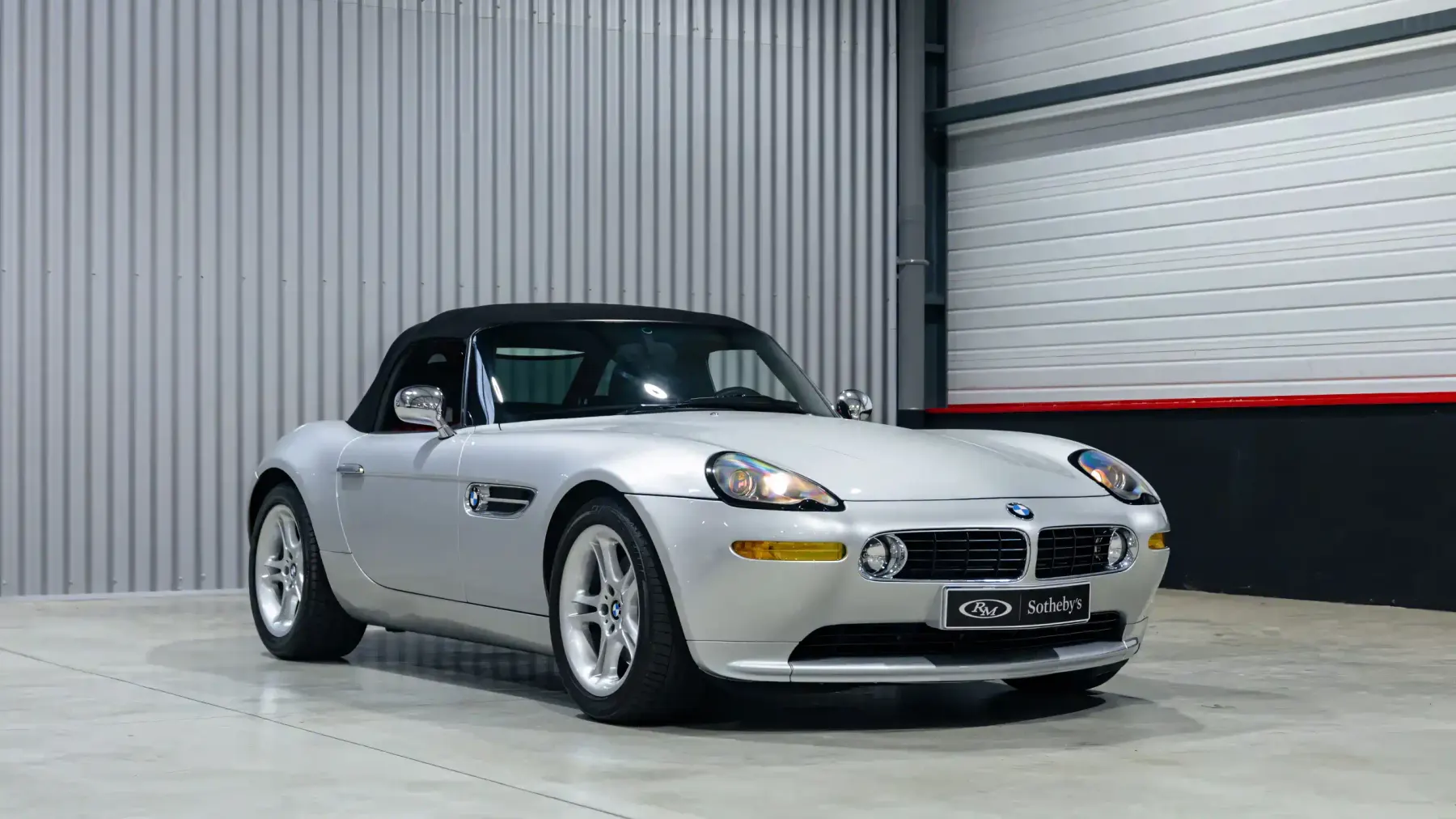
Few cars can claim to have captured the hearts of enthusiasts and collectors quite like the BMW Z8. Produced from 1998 to 2003, the Z8 stands as a testament to BMW’s commitment to blending heritage with innovation. Developed under the codename “E52,” the Z8 was an homage to the legendary BMW 507, a 1950s roadster that symbolised the brand’s foray into the luxury sports car market.
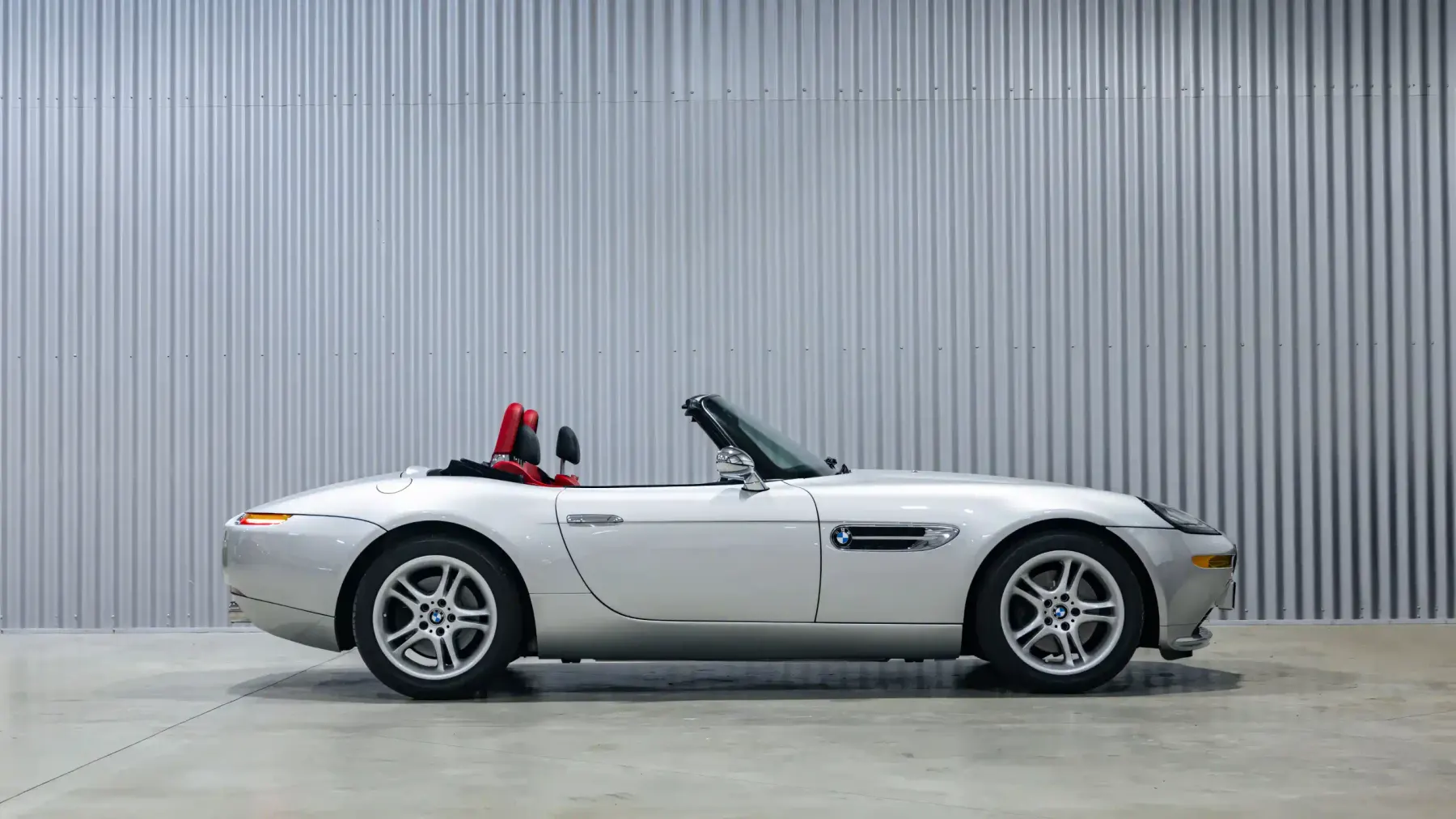
The Z8’s journey began in 1993, led by a design team under the direction of Chris Bangle. The exterior, masterfully penned by Henrik Fisker, evokes the spirit of the 507 with its long hood, short overhangs, and sweeping lines. Inside, Scott Lempert’s design focused on minimalism and driver engagement, highlighted by the unique centre-mounted instrument cluster angled toward the driver, offering an unimpeded view of the road.
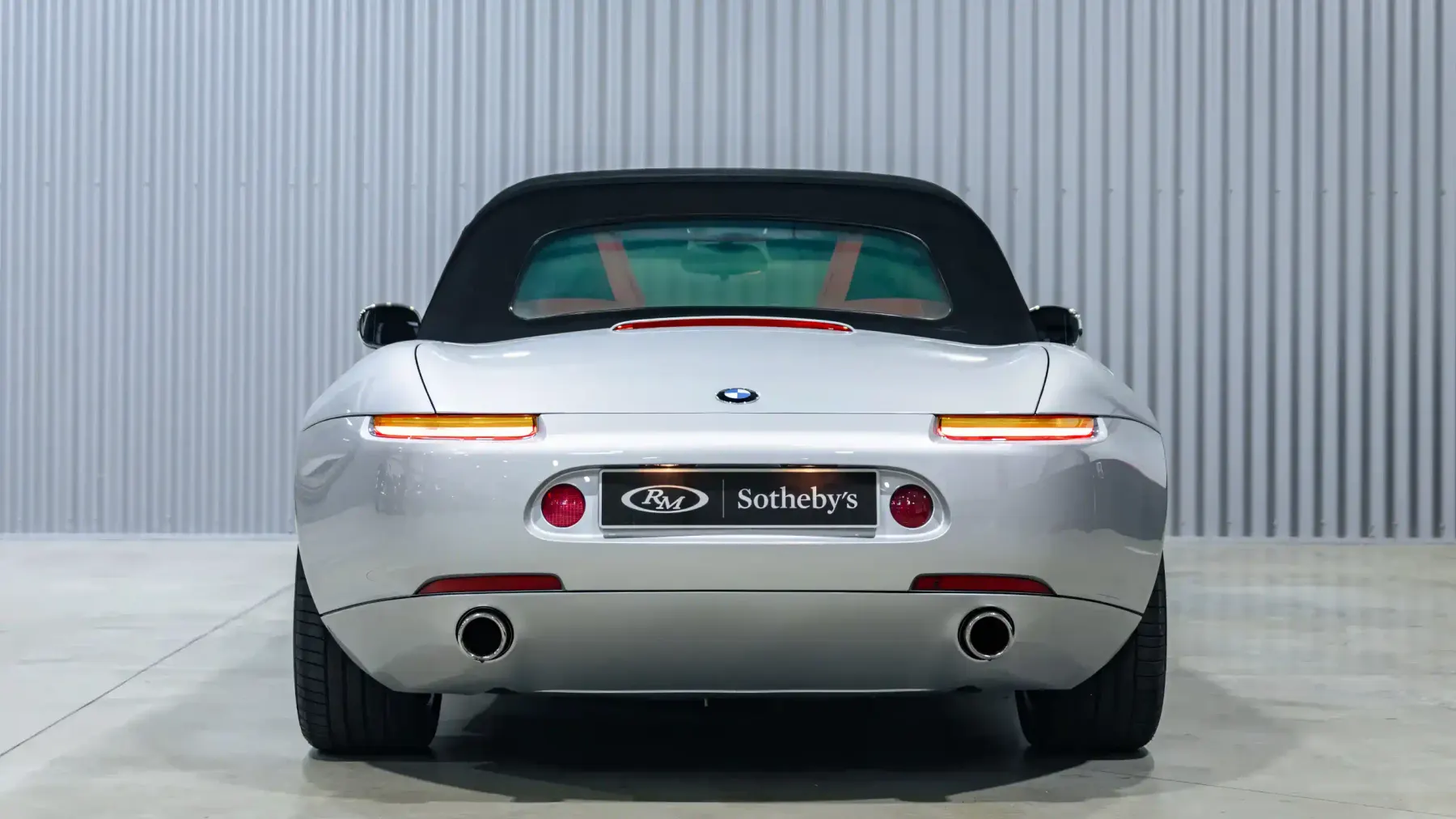
The Z8 first appeared as the Z07 concept at the Tokyo Motor Show in 1997, instantly capturing the automotive world’s imagination. The production model, introduced in 1998, stayed remarkably true to the concept, a rare feat in automotive design.
Beneath its elegant exterior, the Z8 housed a powerhouse: a 4.9-liter V8 engine (S62) derived from the E39 M5, producing 400 PS (395 hp) and 500 Nm (369 lb-ft) of torque. This engine placement behind the front axle achieved a perfect 50/50 weight distribution, ensuring exceptional handling.
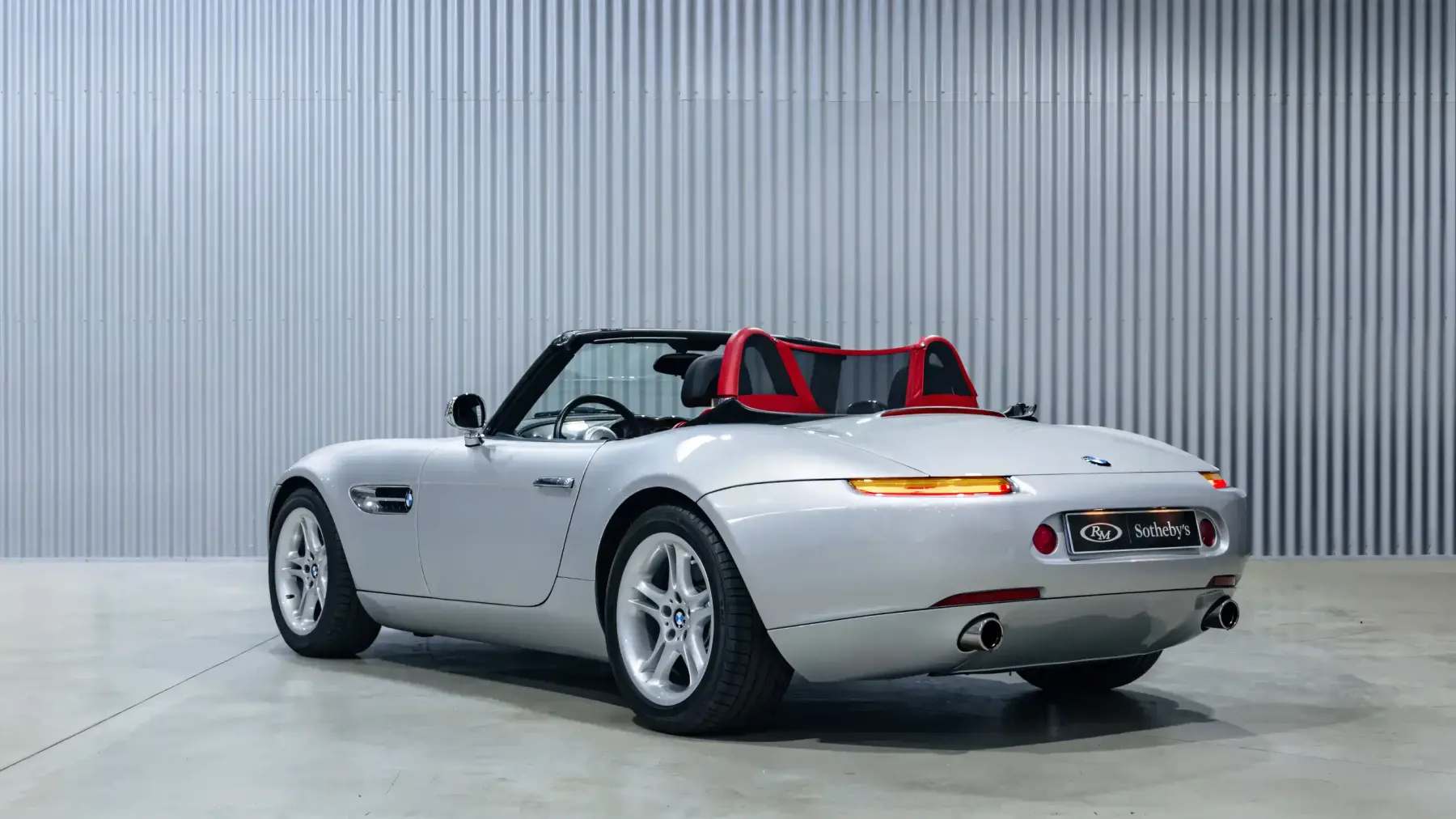
The Z8’s performance figures were impressive by any standard. BMW claimed a 0-100 km/h (0-62 mph) time of 4.7 seconds, though tests by Motor Trend achieved 0-96 km/h (0-60 mph) in just 4.2 seconds. The Z8 outperformed contemporary supercars like the Ferrari 360 Modena in acceleration, handling, and braking tests, according to Car and Driver.
The Z8 wasn’t just about raw power. It featured cutting-edge technology, such as neon exterior lighting for quicker activation and longer life. The car’s all-aluminium chassis and body contributed to its agility and performance, while the factory-included colour-matching metal hardtop with a rear defroster added a touch of practicality and style.
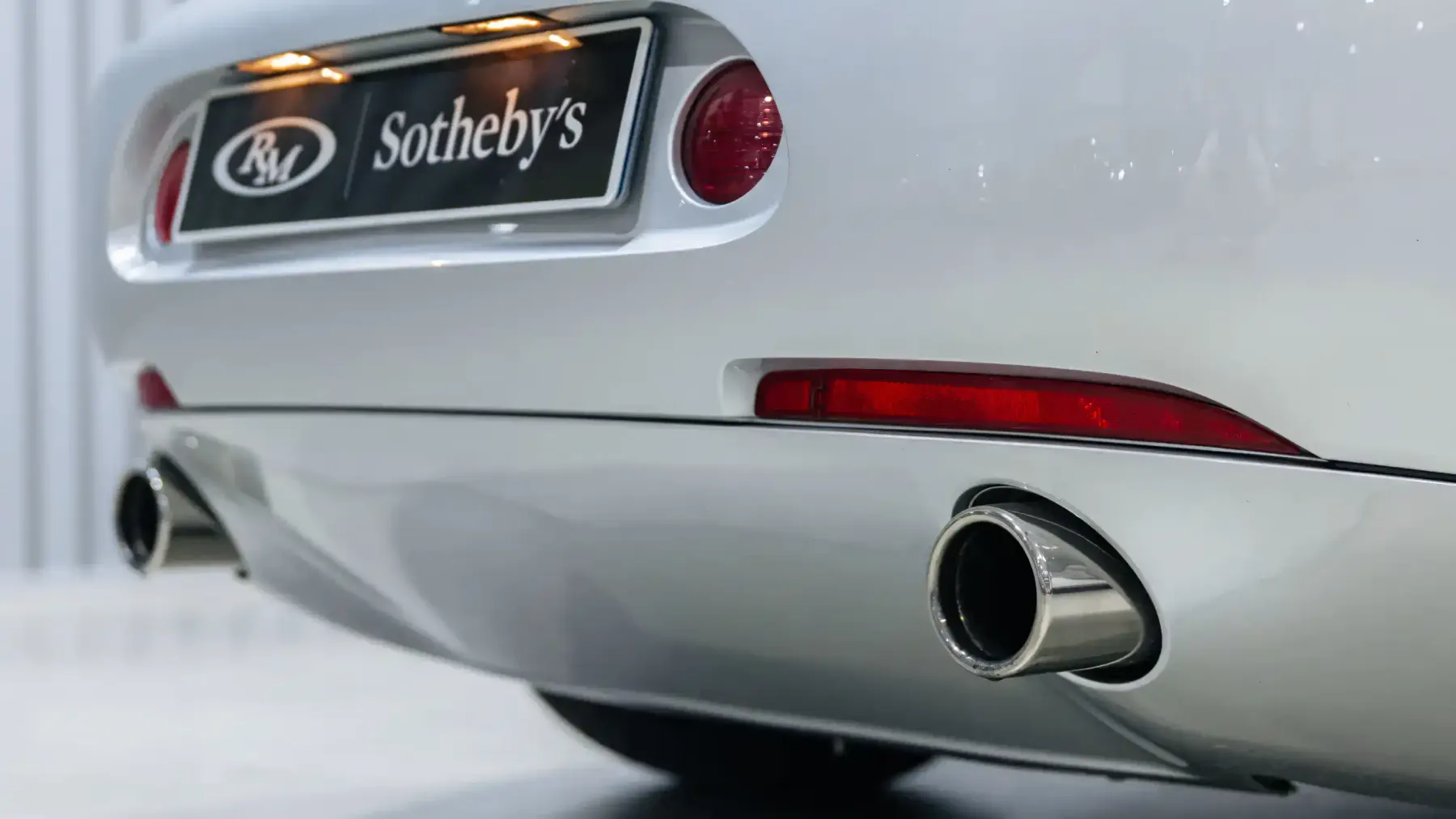
The Z8’s interior was designed to be both luxurious and uncluttered, integrating multiple functions into single controls. This approach maintained the car’s sleek lines and driver-focused design, further emphasising its role as a true driver’s car.
The Z8’s status as a cultural icon was cemented by its appearance in the James Bond film The World Is Not Enough (1999). Driven by Pierce Brosnan’s Bond, the Z8 was equipped with surface-to-air missiles and other gadgetry, embodying the car’s blend of elegance and performance. The Z8 also made appearances in video games like 007 Racing and Need for Speed: Hot Pursuit 2, as well as the film The Tuxedo (2002).
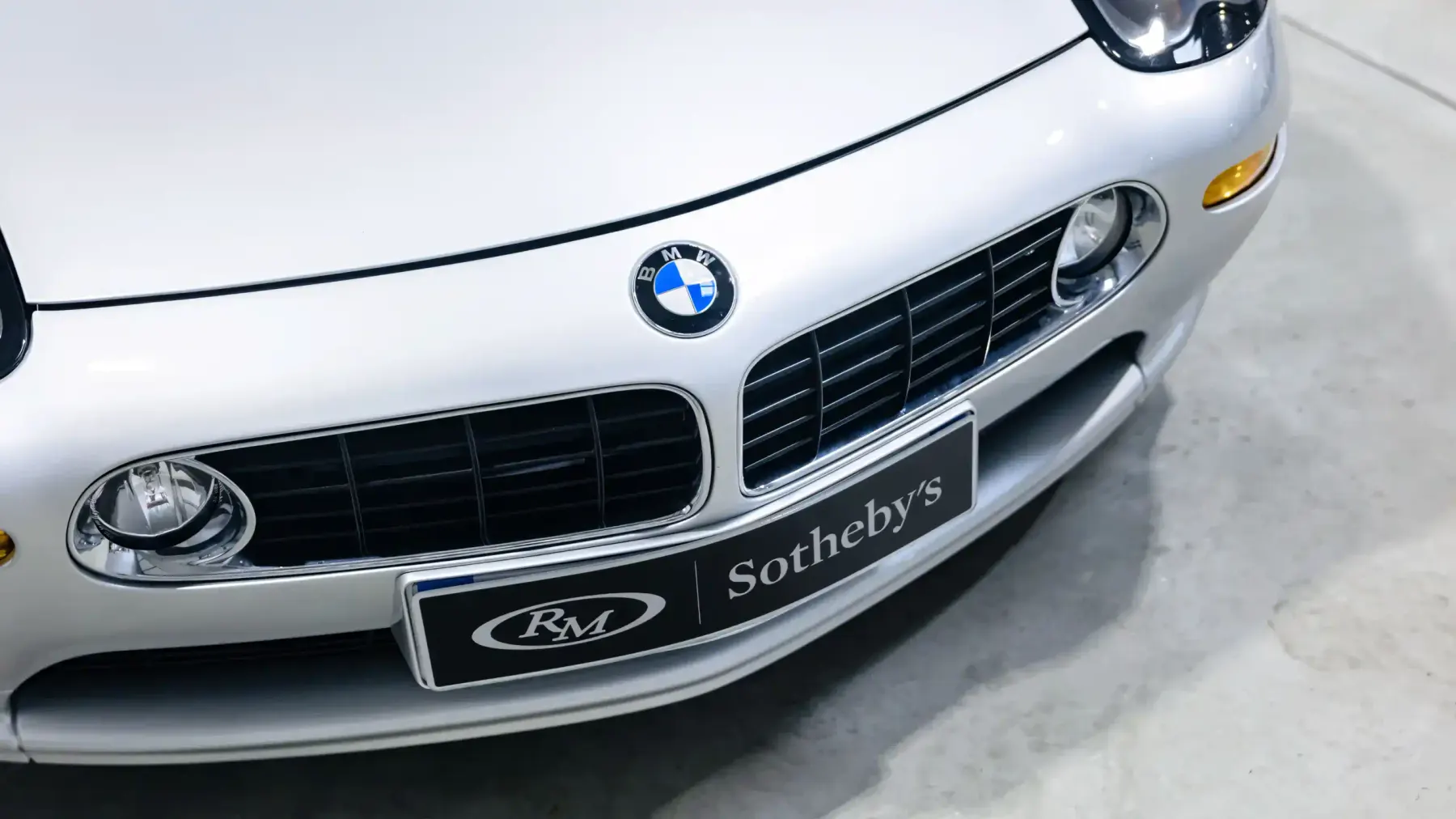
Production of the Z8 was limited to 5,703 units, with each car hand-finished in Munich. This meticulous craftsmanship, coupled with BMW’s promise of a 50-year stockpile of spare parts, underscored the Z8’s status as an “instant classic.” The limited production and bespoke options offered by BMW Individual ensured that each Z8 was unique, further enhancing its appeal among collectors.
Today, the BMW Z8 remains a sought-after collector’s item, revered for its timeless design, outstanding performance, and cultural significance. It is a car that not only celebrates BMW’s storied past but also represents a pinnacle of automotive excellence. The Z8 is more than just a roadster; it is a rolling piece of art, a symbol of BMW’s unwavering commitment to creating the ultimate driving machines.
Join the discussion
Comments
Loading comments…
Leave a comment
Share a detail, memory, or perspective. Every comment is reviewed before publication.