2003 Aston Martin Vanquish

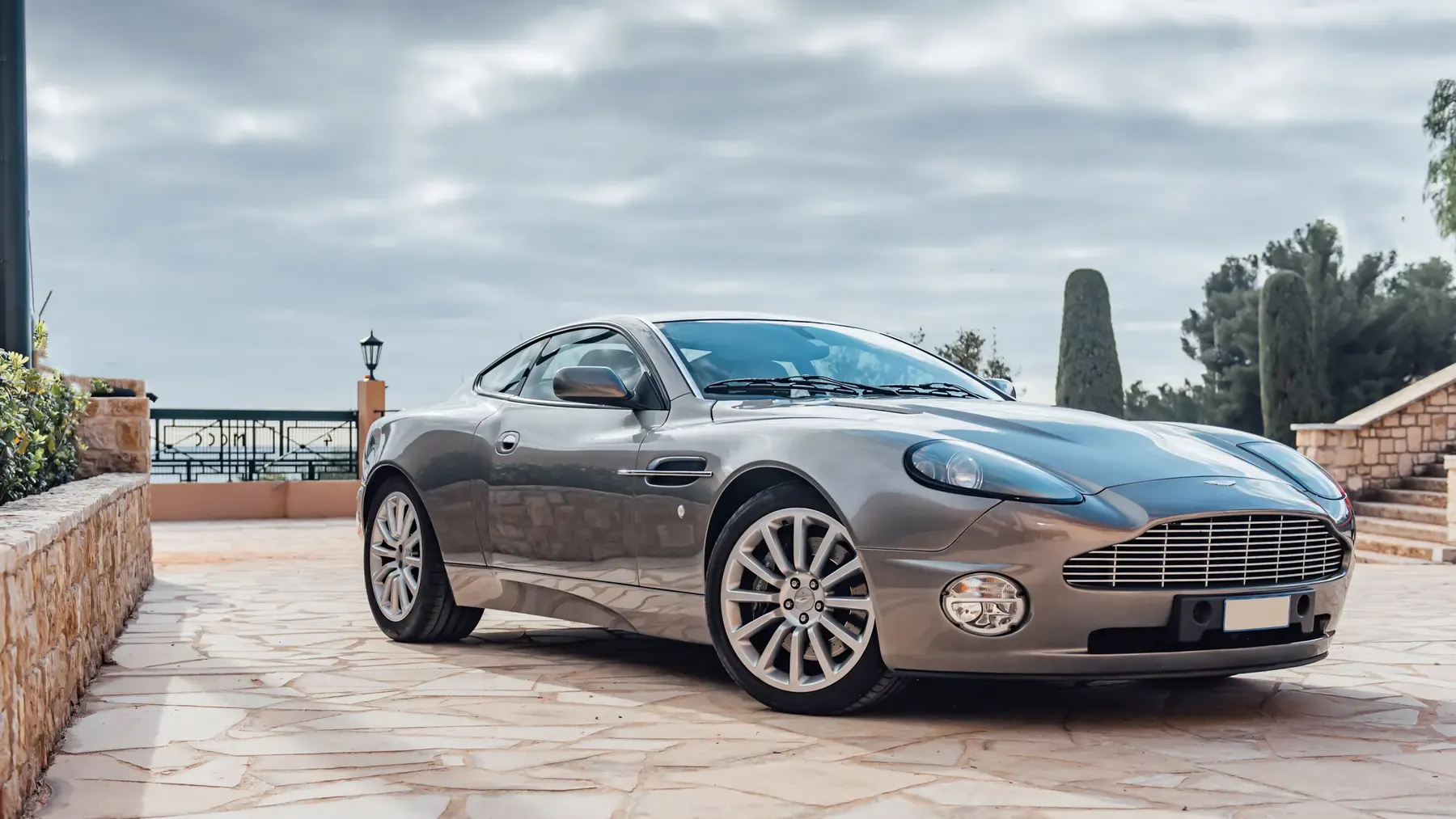
The turn of the millennium marked a pivotal moment for Aston Martin. After decades of financial struggles and ownership changes, the storied British marque needed a statement – something to reassert its position among the world’s greatest sports car manufacturers. When the Vanquish roared into existence in 2001, it did exactly that. With its muscular presence, thunderous V12, and technical innovations, the Vanquish didn’t just replace the aging Virage; it redefined what an Aston Martin could be.
The story of the Vanquish begins in the late 1990s, when Aston Martin – then under Ford ownership – was working to modernize its lineup. Scottish designer Ian Callum, who had already penned the graceful DB7, was tasked with creating something more aggressive and technologically advanced to sit at the top of the range.
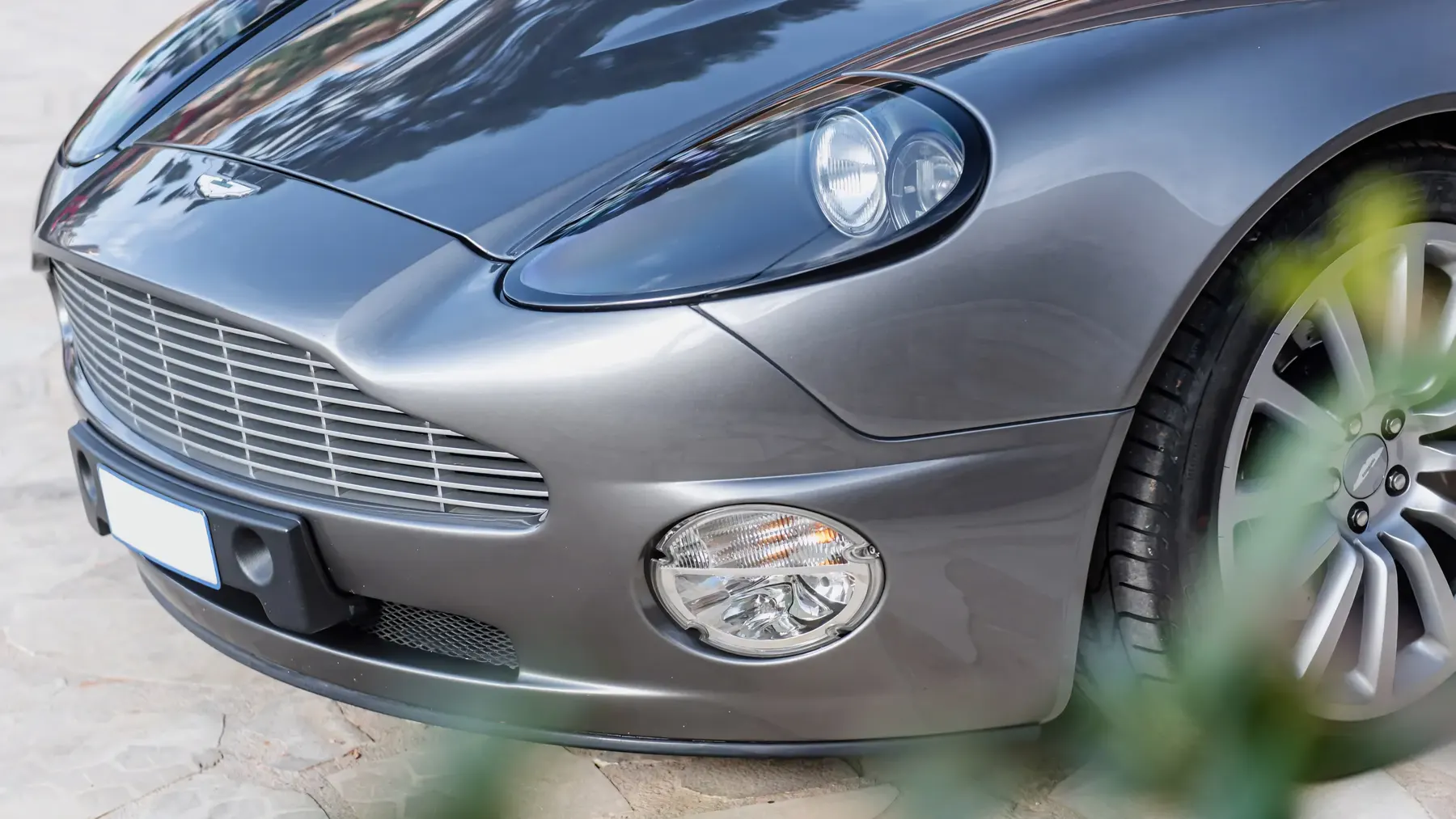
Callum’s vision first materialized as the “Project Vantage” concept, unveiled at the 1998 North American International Auto Show. Unlike many concepts that get watered down for production, the transition from Project Vantage to production Vanquish was remarkably faithful. When the finished car debuted at the 2001 Geneva Motor Show, it retained the concept’s dramatic proportions and purposeful stance.
What made the Vanquish particularly special was its timing. It arrived exactly when Aston Martin needed to prove it could build a thoroughly modern supercar while maintaining its heritage. Under Ford’s stewardship, the company finally had the resources to develop cutting-edge technology, and the Vanquish became the showcase for these advancements.
While the Vanquish’s sculpted body turned heads, its true innovation lay beneath the surface. Developed in partnership with Lotus Engineering, the car featured a unique bonded aluminum composite chassis with a carbon fiber backbone – radical construction for a production car in 2001.
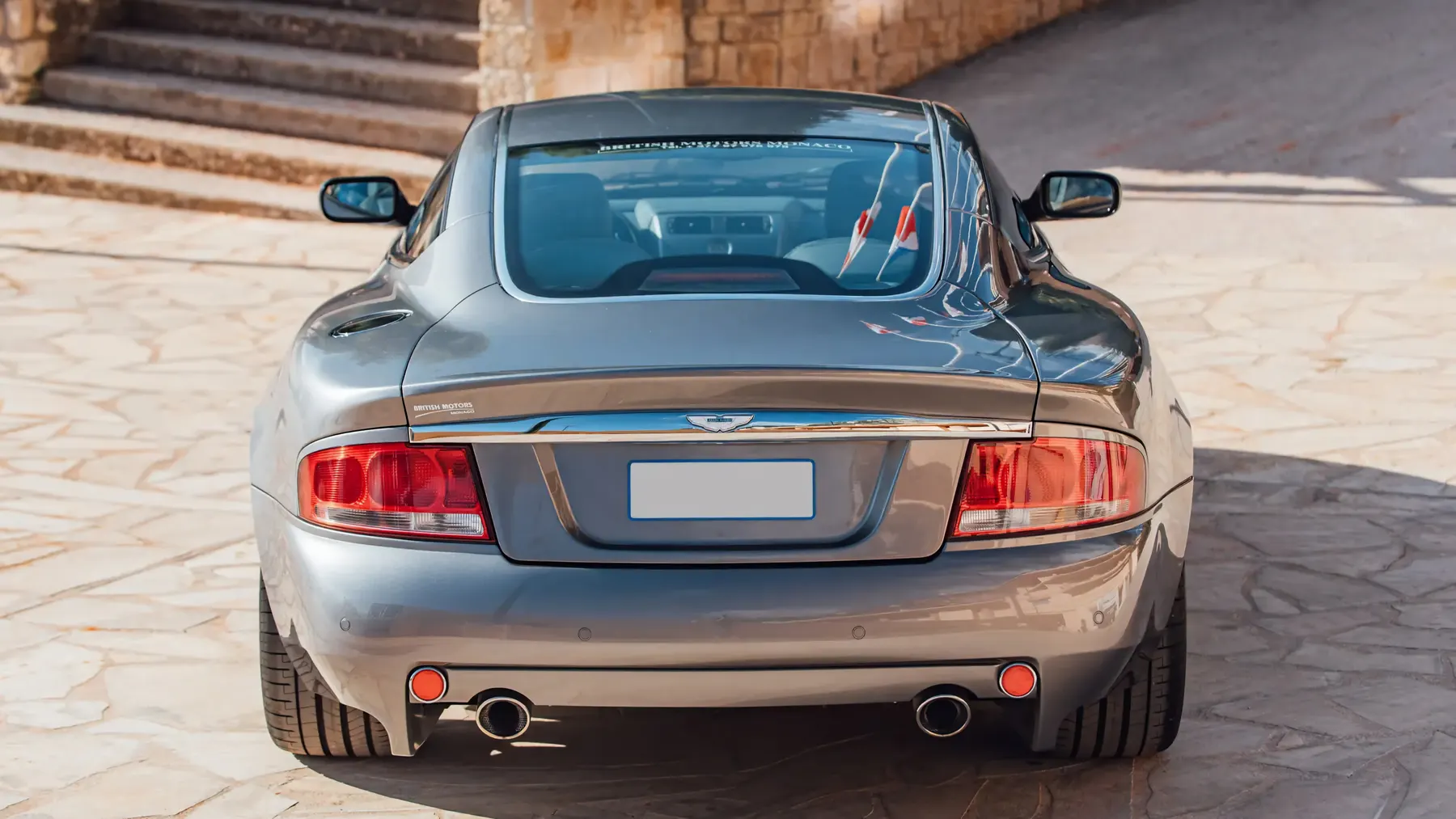
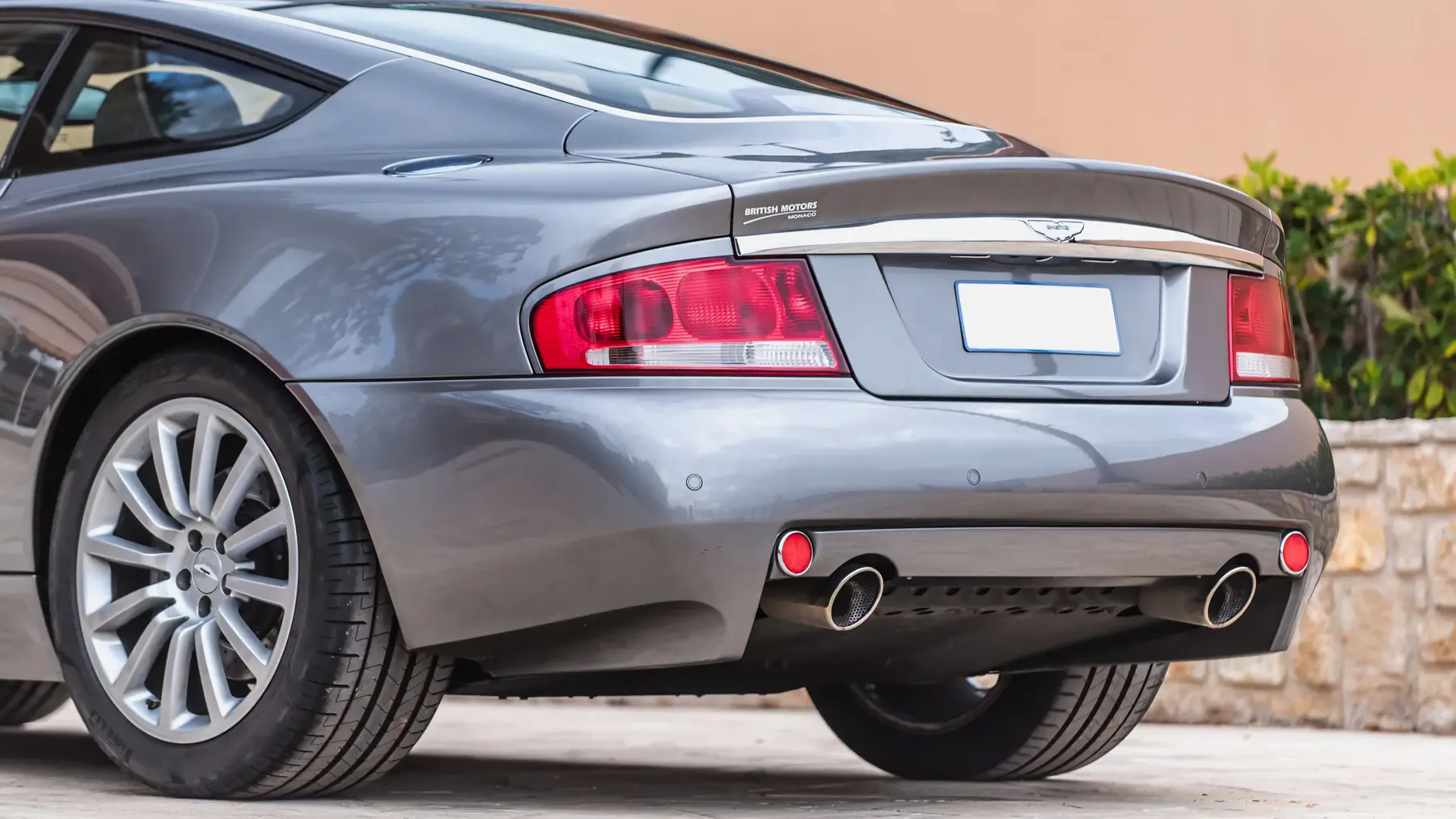
This advanced structure provided exceptional rigidity while keeping weight manageable, despite the car’s substantial 1,835-kilogram mass. The body panels themselves were a mix of aluminum and composite materials, hand-formed at Aston’s historic Newport Pagnell factory – a blend of cutting-edge technology and traditional craftsmanship that defined this transitional era for the brand.
Under the long, vented hood sat a masterpiece: a naturally aspirated 5.9-liter V12 delivering 343 kilowatts (460 horsepower) and 542 Nm of torque. This engine, developed from two Ford Duratec V6s joined together, had first appeared in the DB7 Vantage but received significant enhancements for Vanquish duty. With drive-by-wire throttle control – another first for Aston Martin – the engine delivered its considerable power with both brutality and sophistication.
The transmission proved more controversial: a six-speed automated manual that Aston Martin called “ASM” (Automated Sequential Manual). In theory, this paddle-shifted gearbox offered the best of both worlds – the control of a manual with the convenience of an automatic. In practice, early versions were criticized for jerky, slow shifts, though later software updates improved the experience considerably.
Behind the wheel, the Vanquish delivered an experience that matched its visual drama. The driving position was pure GT car – low-slung but comfortable, with a tall center console and perfect pedal placement. The interior combined traditional luxury (acres of hand-stitched leather) with modern touches like aluminum trim in place of the expected wood.
Press the distinctive crystal key into the dash, and the V12 erupted with a sound that became one of the car’s defining characteristics – a sophisticated growl at idle that built to a magnificent howl at its 7,000 rpm redline. The noise alone justified the price of admission.
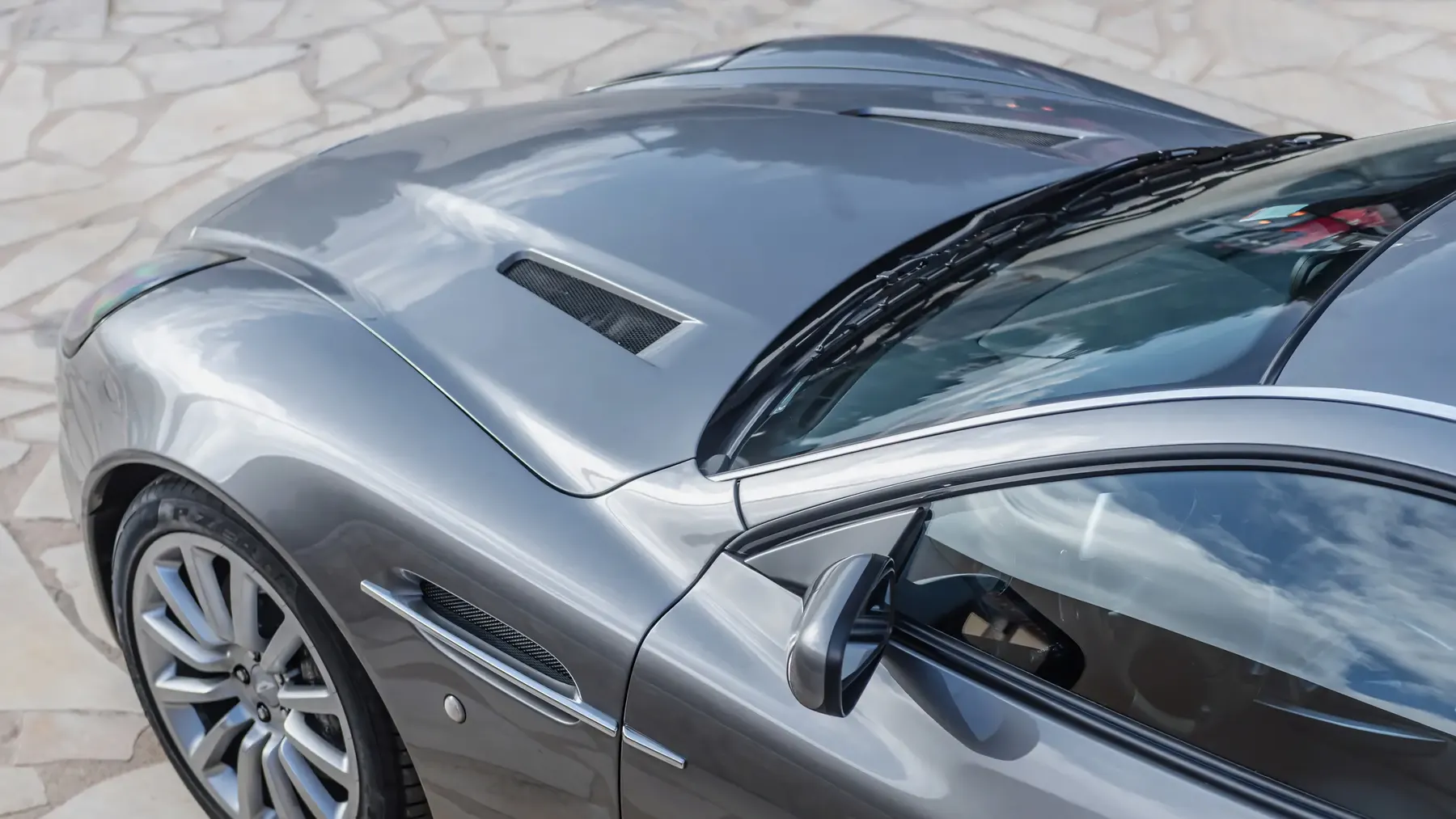
With 0-100 km/h dispatched in 4.5 seconds and a top speed of 306 km/h, the Vanquish delivered genuine supercar performance. But straight-line acceleration only told part of the story. The car’s true character emerged on sweeping roads, where its grand touring DNA shone through. The Vanquish was never a lightweight sports car like a Ferrari 360 – it was something different, a British interpretation of speed that prioritized composure and confidence over nervous energy.
Contemporary road tests praised its balance between comfort and capability. “The Vanquish devours continents with effortless grace,” wrote Autocar, “yet can transform into something far more aggressive when the mood takes you.” Road & Track simply called it “the ultimate Grand Tourer,” a description few would argue with.
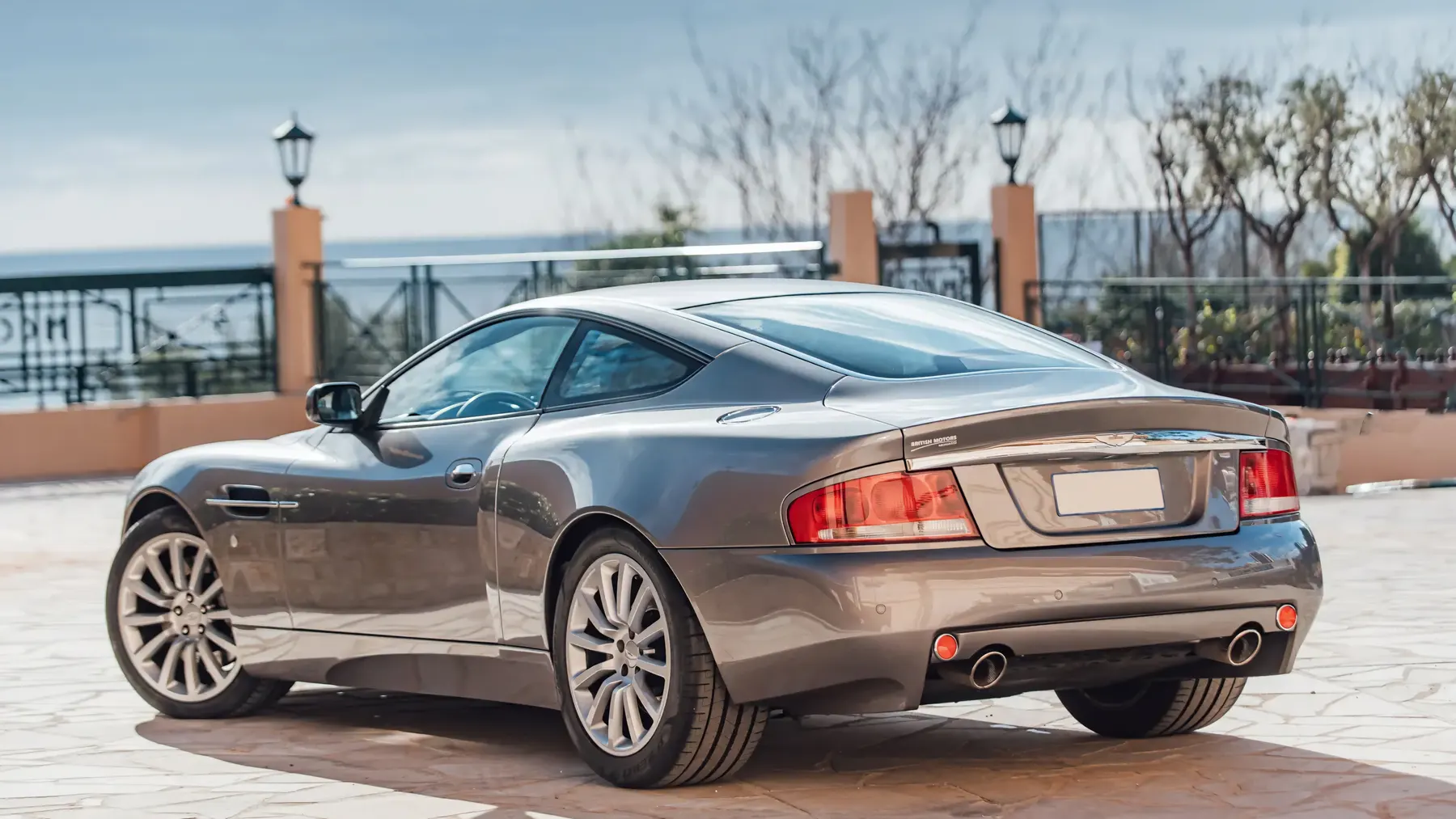
The Vanquish’s already considerable presence received a massive boost when it appeared as James Bond’s car in the 2002 film “Die Another Day.” Complete with the requisite gadgets – including an invisibility cloak that stretched credibility even by 007 standards – the Vanquish cemented its place in popular culture.
This Bond connection continued a tradition that began with the DB5 in “Goldfinger,” reinforcing Aston Martin’s unique position in the automotive landscape. For many, the Vanquish would forever be “the Bond car,” despite its considerable merits outside that role.
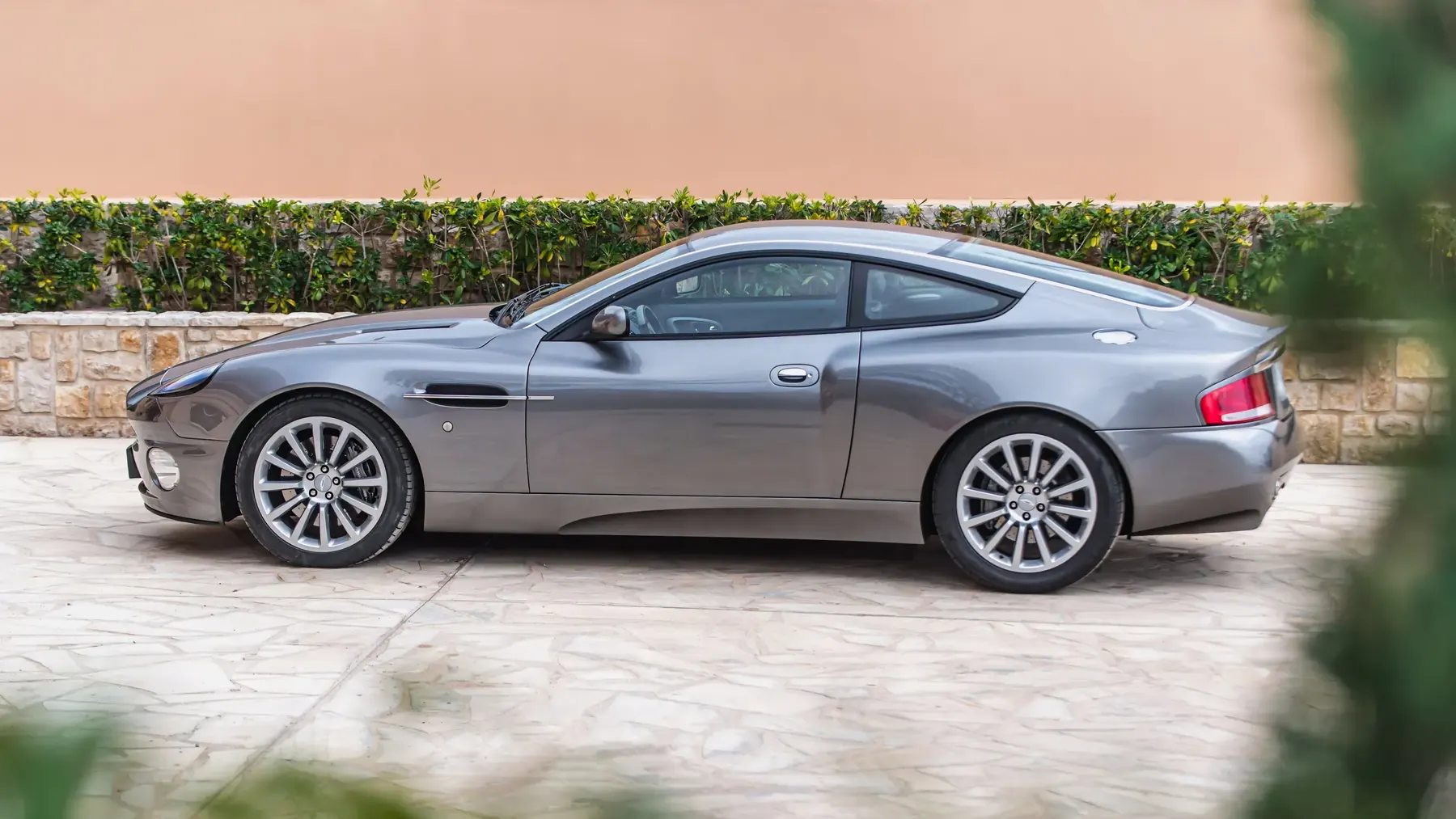
The Vanquish’s cultural impact extended beyond film. It appeared in countless video games, became a favorite subject for automotive photographers, and adorned the walls of aspiring collectors worldwide. More importantly, it signaled Aston Martin’s return as a creator of truly world-class sports cars after decades of financial uncertainty.
Production of the first Vanquish ended in July 2007, coinciding with the closure of the Newport Pagnell factory after 49 years of operation. In total, 1,492 first-generation Vanquish models were produced – 1,086 of the original and 406 S versions – making them considerably rarer than most contemporary exotics.
The Vanquish name would return in 2012 for the second generation, based on Aston’s VH architecture. Designed by Marek Reichman, this car offered a more modern interpretation of the Vanquish concept with increased performance and technology.
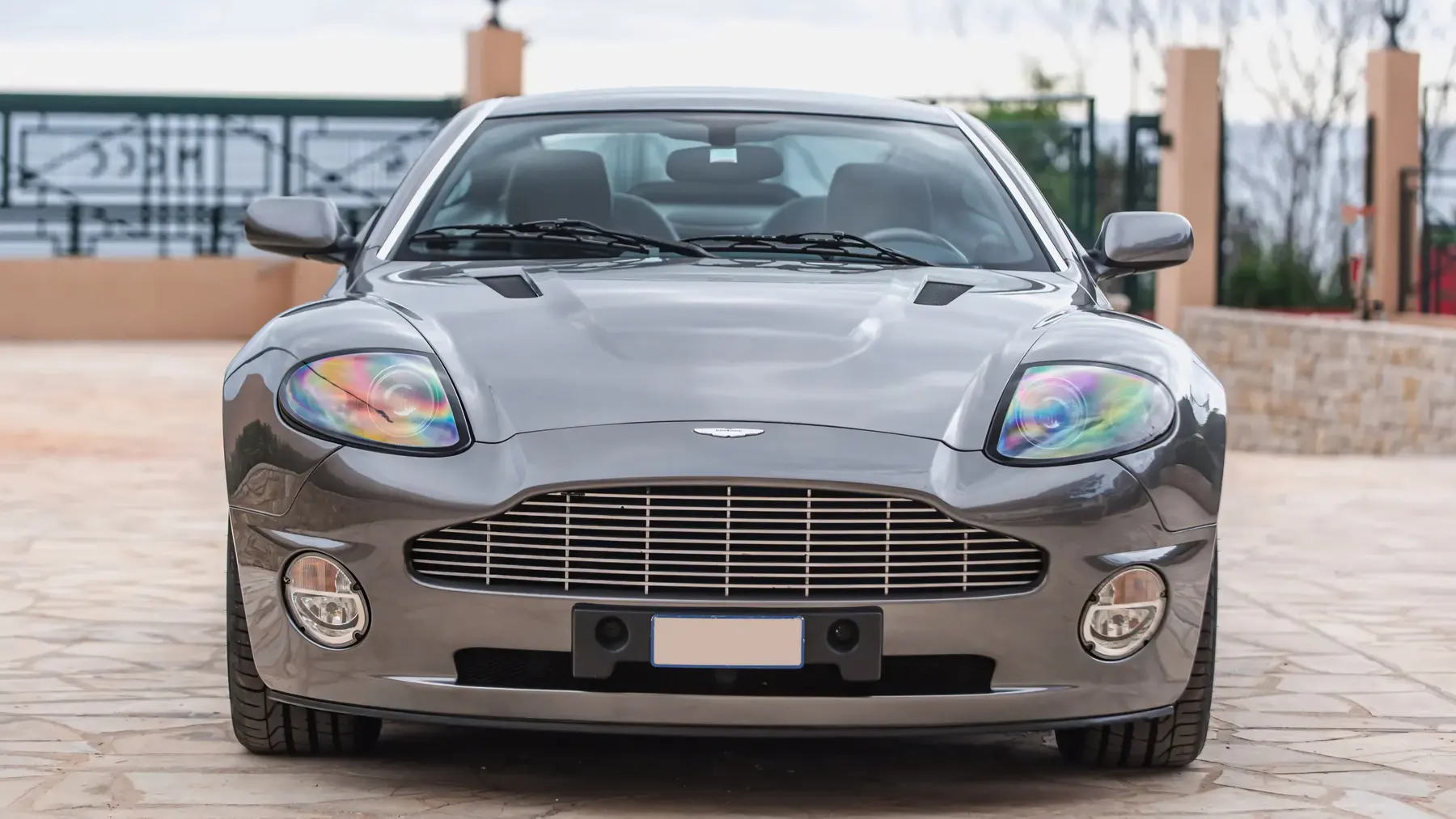
What makes the first-generation Vanquish particularly significant in Aston Martin’s history is its position at the intersection of old and new. It was the last model built at the historic Newport Pagnell facility, representing the end of an era of traditional craftsmanship. Yet it pioneered construction techniques and technologies that would define Aston Martin’s future models.
This duality gives the Vanquish a unique character. It feels both vintage and modern – handcrafted but high-tech, brutal yet sophisticated. Few cars manage this balance so effectively.
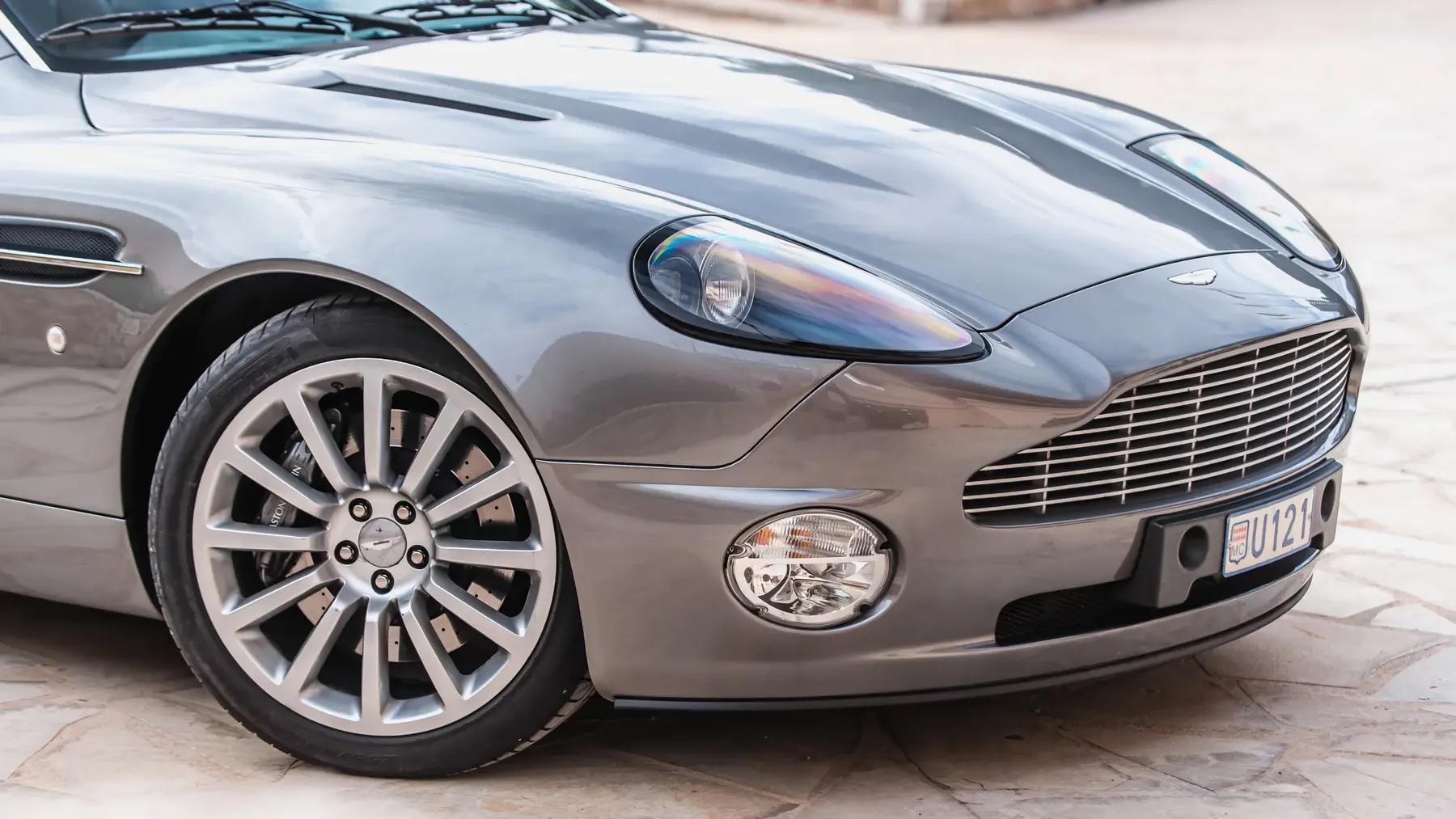
For collectors, the original Vanquish has become increasingly desirable, with prices reflecting its significance. Many owners have opted to have their cars converted to conventional manual transmissions by Aston Martin Works, addressing the main criticism of the original while creating even more exclusive variants.
What’s particularly fascinating about the Vanquish’s legacy is how it changed perceptions of Aston Martin. Before its arrival, the brand was often seen as producing beautiful but technologically conservative grand tourers. The Vanquish proved the company could innovate while maintaining its distinctive character – a lesson that continues to influence Aston’s approach today.
The Vanquish also represents a pivotal moment in automotive design. Callum’s work influenced not just future Aston Martins but sports car design broadly. The combination of classic proportions with modern surfacing created a template that many have followed since.
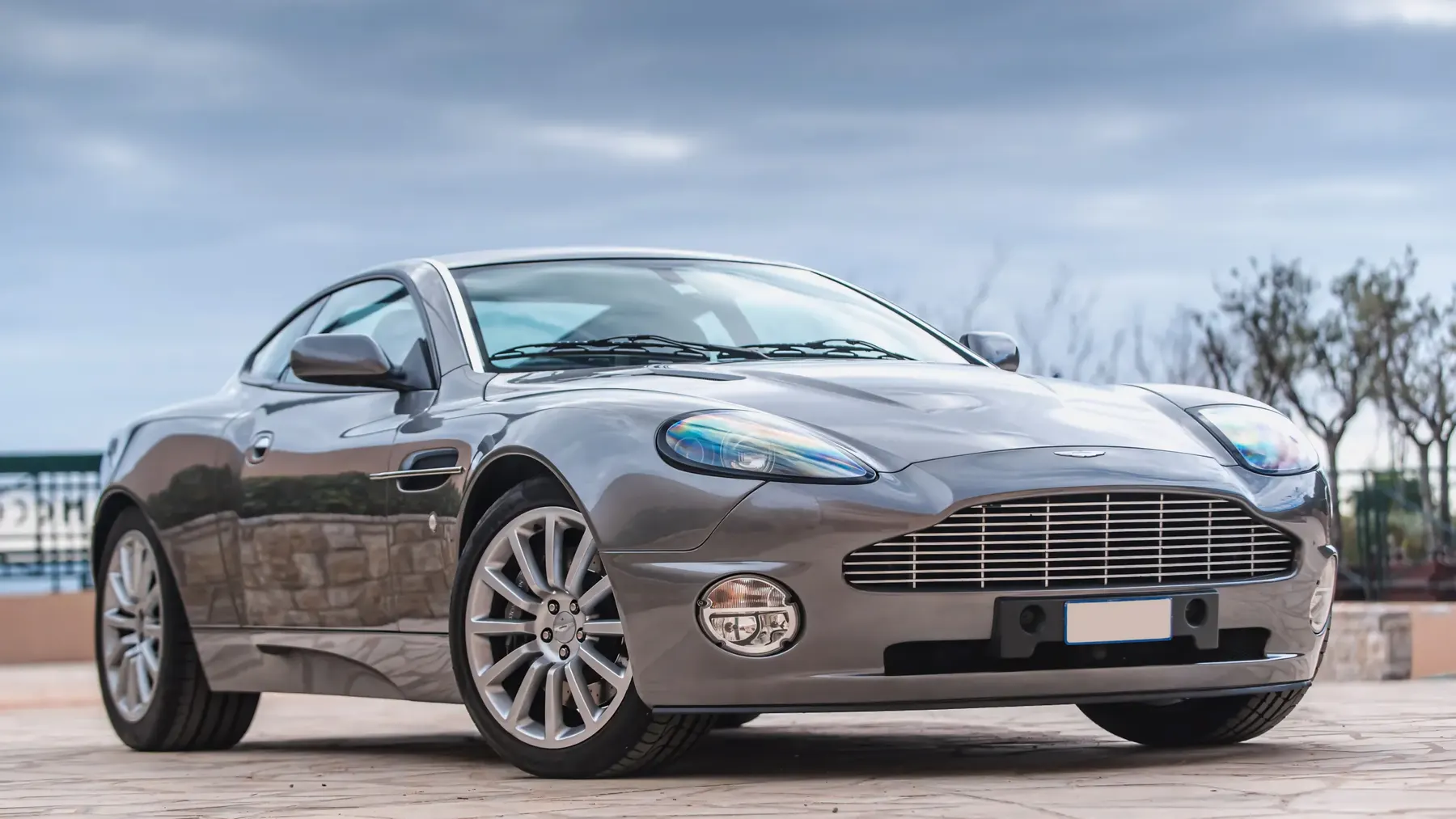
Twenty years later, the original Vanquish still turns heads. Its design has aged remarkably well – the mark of true greatness in automotive styling. When parked beside its contemporaries, many of which now look dated, the Vanquish maintains a timeless quality that transcends trends.
For those lucky enough to experience one, the Vanquish delivers something increasingly rare in modern performance cars: genuine character. From the moment you press that crystal key and the V12 awakens, you know you’re in something special – not just fast or luxurious, but somehow more alive than most automobiles. That character, more than any specification or statistic, is what makes the Vanquish an all-time great.
Join the discussion
Comments
Loading comments…
Leave a comment
Share a detail, memory, or perspective. Every comment is reviewed before publication.