2004 Acura NSX-T

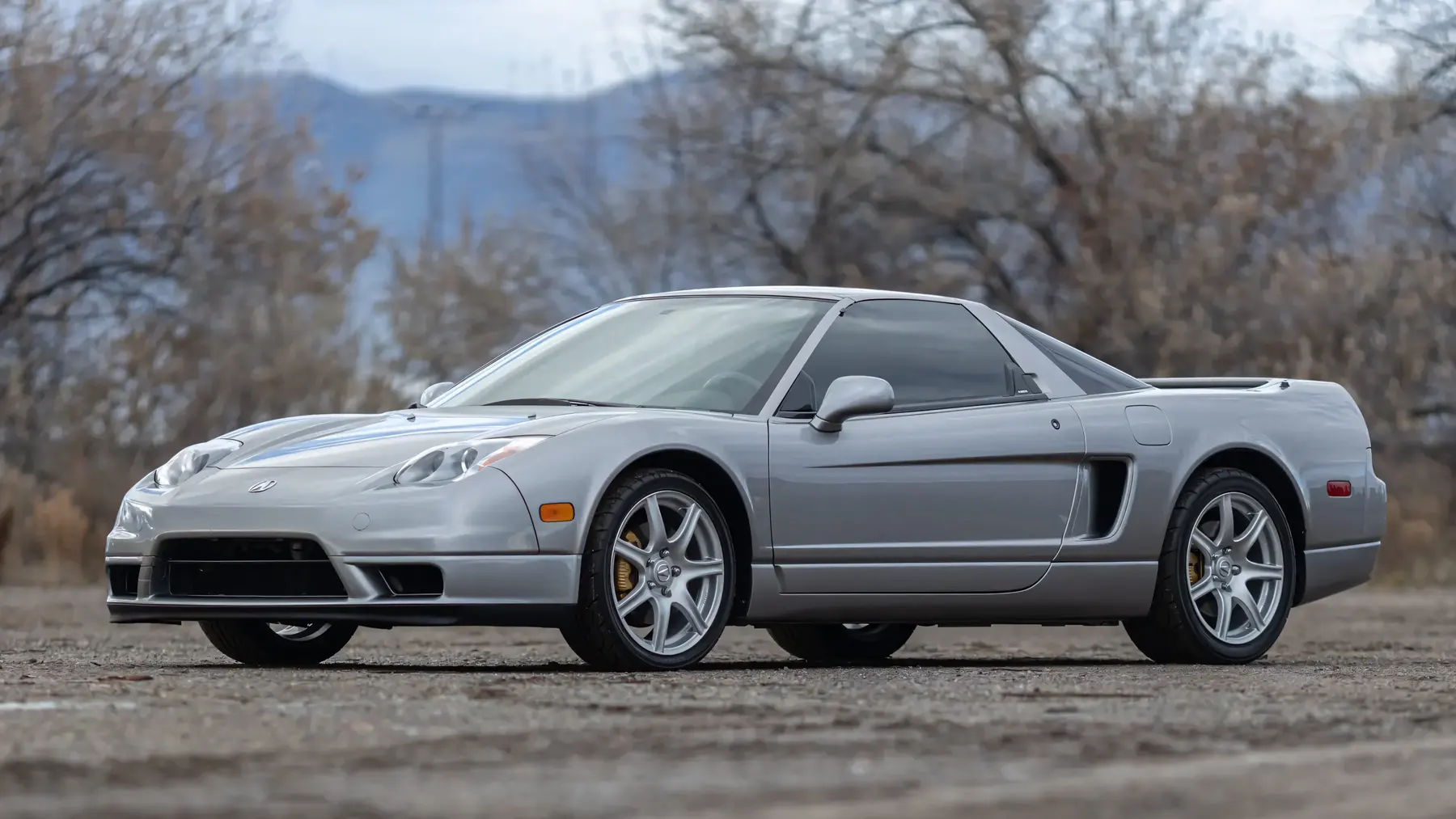
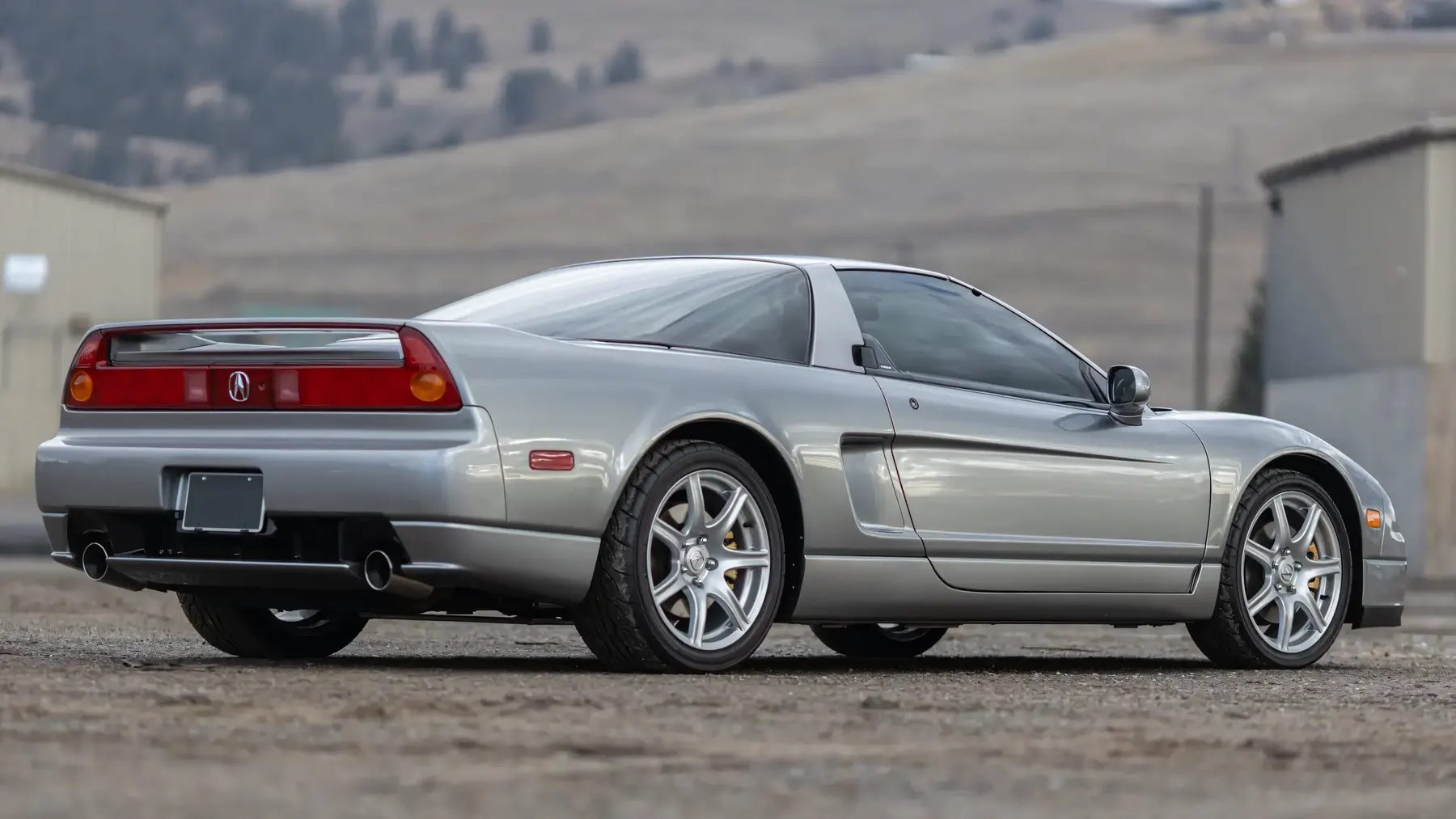
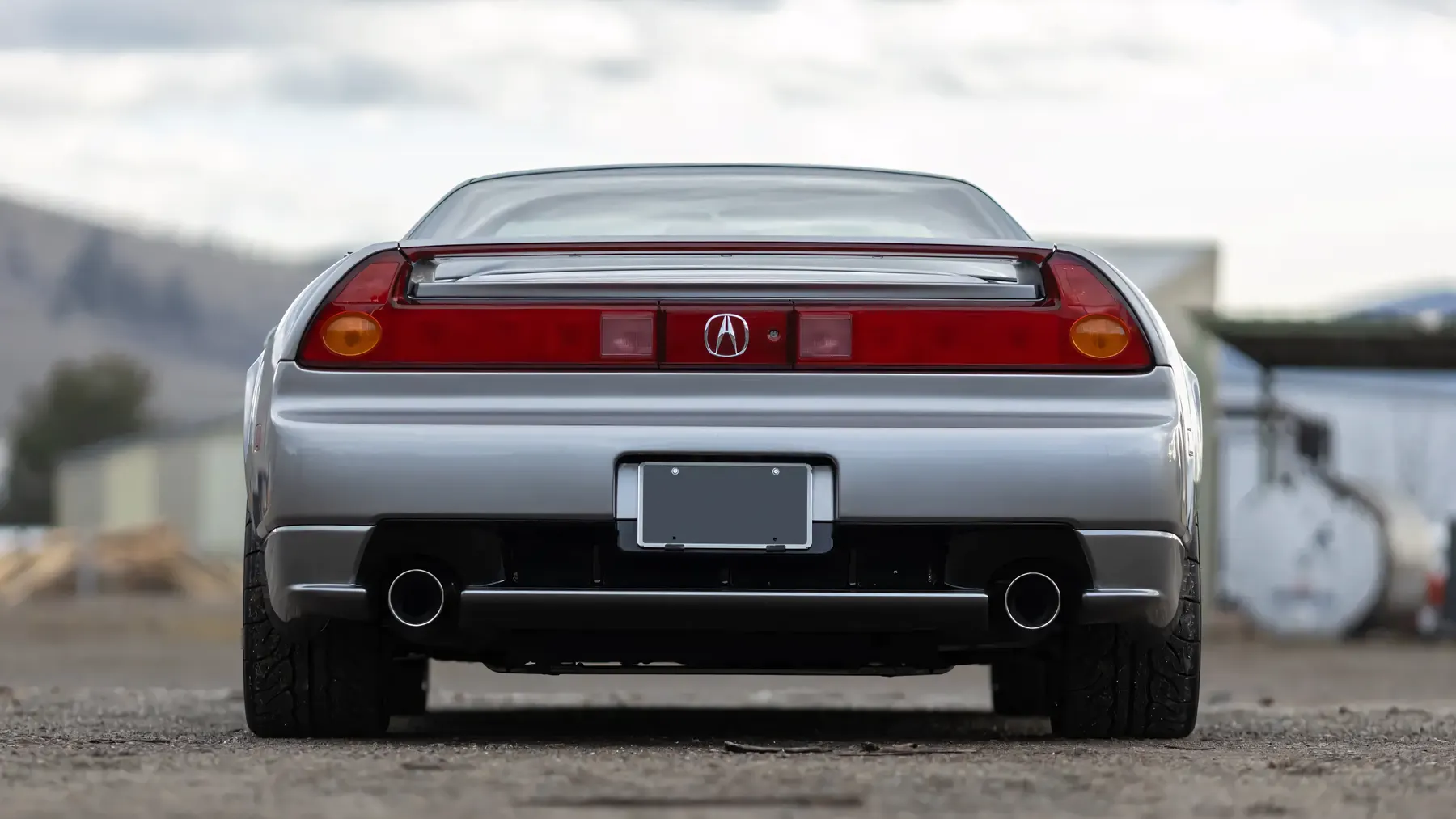
The Acura NSX-T stands as a remarkable chapter in the history of sports cars. Based on the first-generation Honda NSX, marketed in North America as the Acura NSX, the NSX-T retained the fundamental brilliance of the original while offering the added versatility of a removable targa roof. Manufactured in Japan from 1995 to 2005, the NSX-T delivered exceptional performance, innovative design, and everyday usability that set it apart in the competitive sports car market.
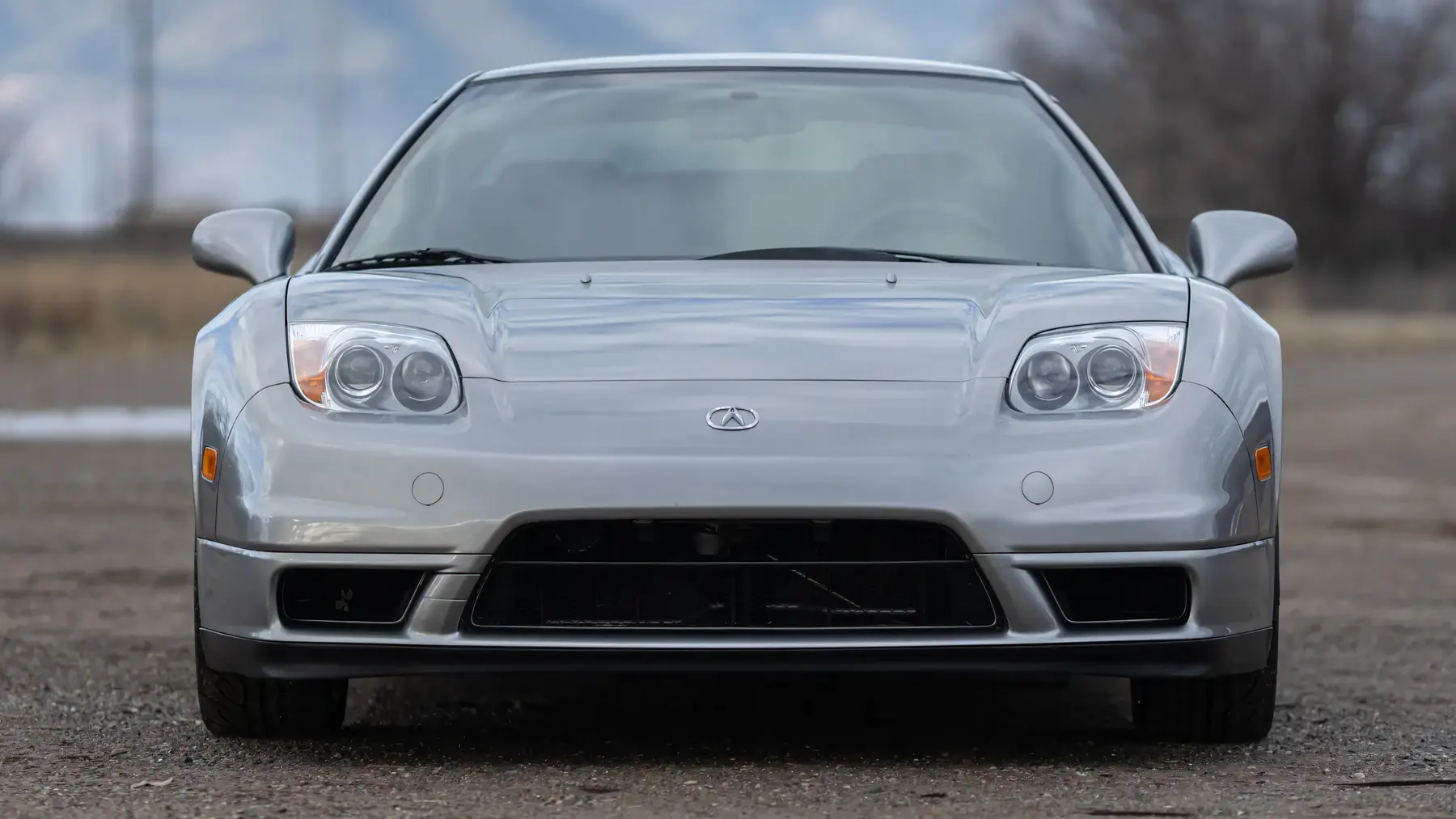
The NSX-T inherited the sleek, cab-forward design of the NSX, heavily influenced by the cockpit of an F-16 fighter jet. This approach emphasized visibility and aerodynamic efficiency, with flowing lines that prioritized both function and aesthetics. The car’s all-aluminum semi-monocoque frame, a revolutionary feature introduced with the NSX, was carried over to the NSX-T. This design saved significant weight compared to steel, contributing to its agility and performance.
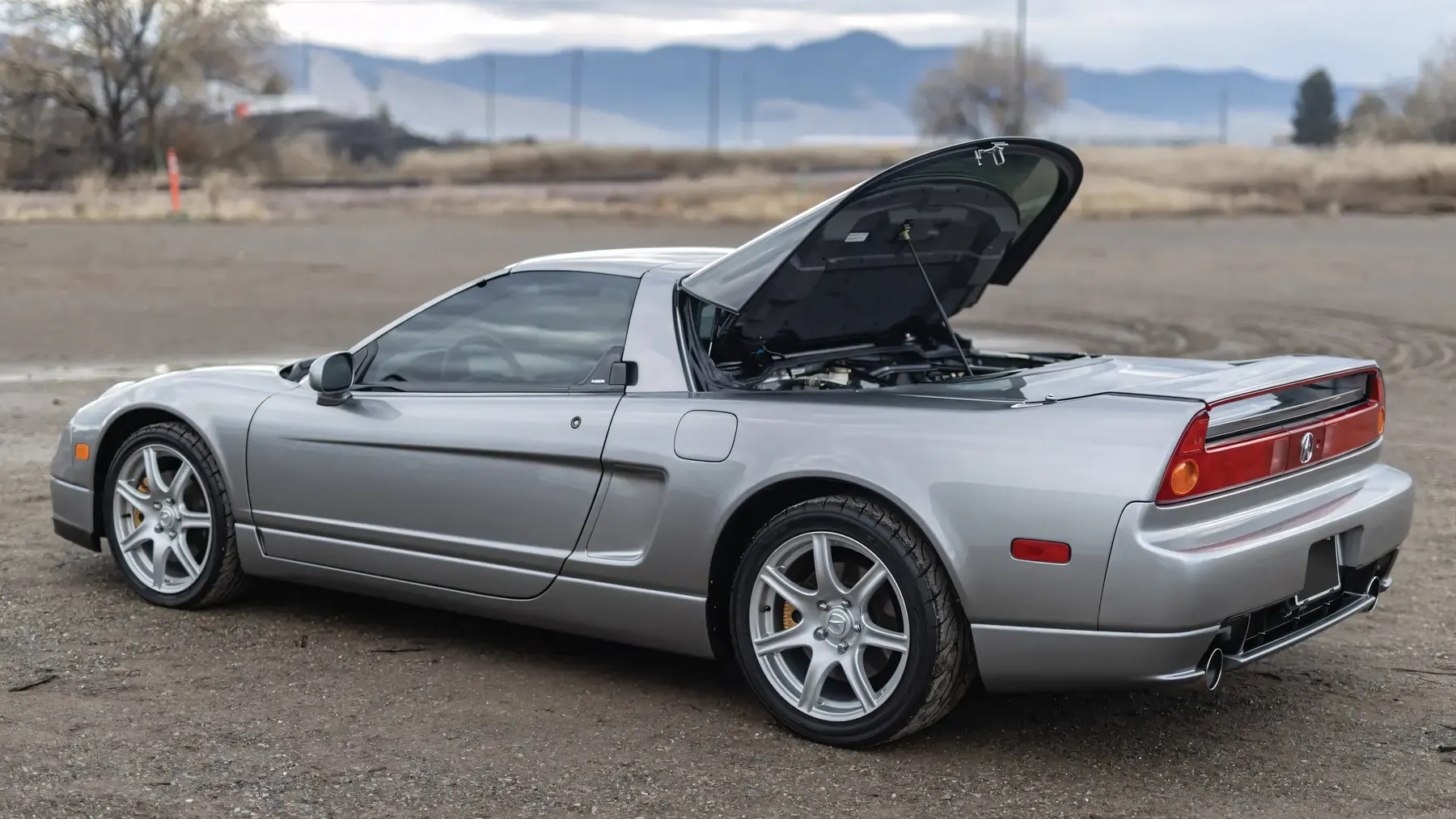
The removable targa roof added versatility but necessitated structural reinforcements. Engineers ensured the NSX-T maintained much of the stiffness of the coupe version, though it was slightly heavier. The roof configuration made it a more approachable choice for drivers seeking open-air motoring without compromising too much on performance.
The NSX-T initially shared its drivetrain with the NSX coupe, featuring the high-revving 3.0-liter V6 engine with Honda’s VTEC system. This powertrain produced 270 horsepower and 285 Nm of torque, delivering a redline of 8,000 rpm. A six-speed manual transmission and an optional four-speed automatic paired with this engine, offering flexibility to a range of enthusiasts.
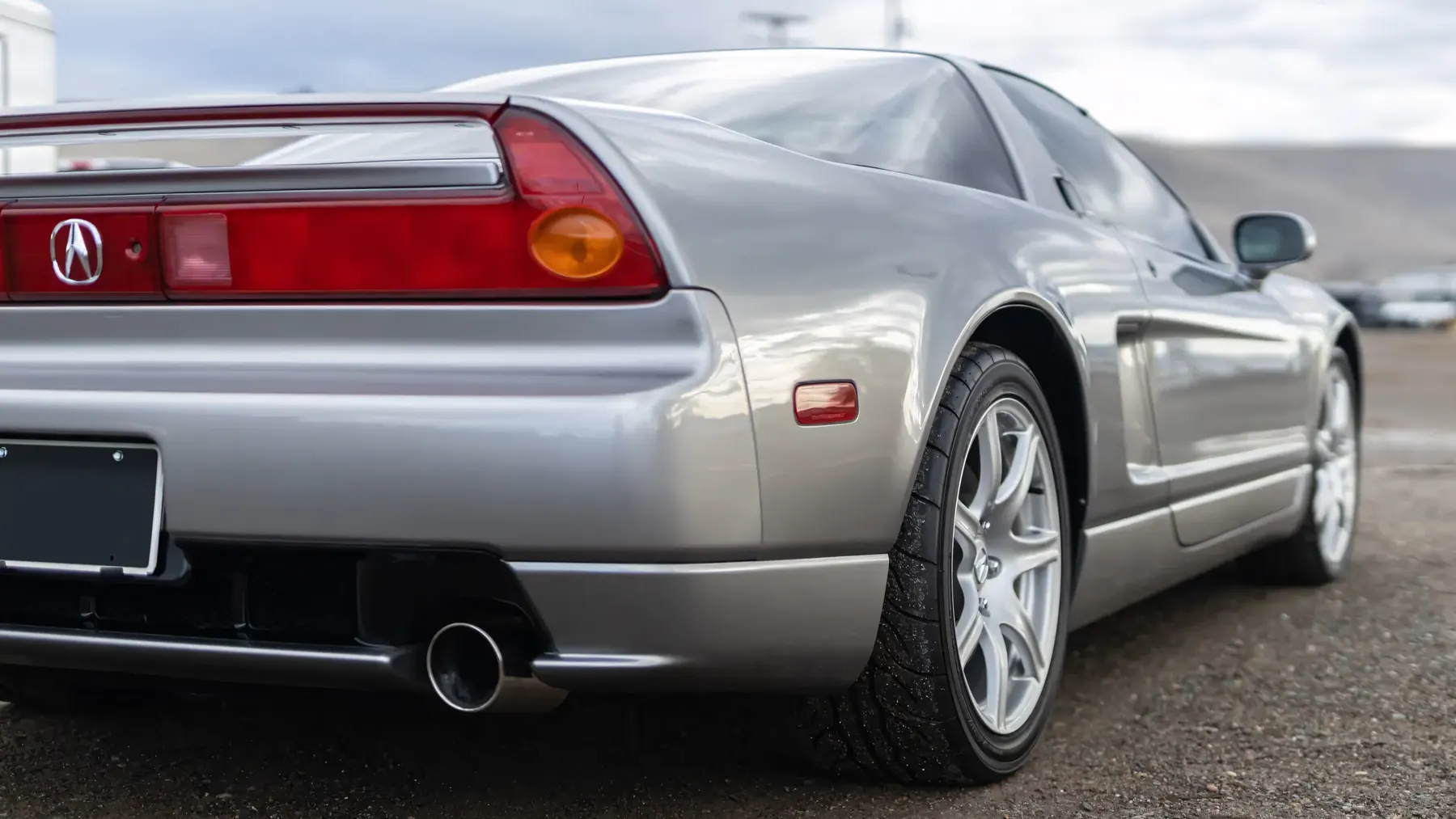
In 1997, significant updates elevated the NSX-T’s performance. The engine displacement increased to 3.2 liters for manual transmission models, boosting power to 290 horsepower and torque to 305 Nm. A six-speed manual transmission replaced the five-speed, featuring closer gear ratios and improved synchronizers for enhanced drivability. Larger brake rotors improved stopping power, and suspension tweaks maintained the car’s renowned balance and precision.
The NSX-T’s standout features included its innovative aluminum construction, independent four-channel anti-lock braking system, and electric power steering. Honda’s Formula One expertise was evident in the car’s handling dynamics. Ayrton Senna, the legendary F1 driver, provided input during the development process, influencing the chassis’s rigidity and suspension tuning.
The targa roof added a unique appeal. Drivers could enjoy the exhilaration of open-air driving while retaining the sleek profile of a coupe. Honda’s meticulous engineering ensured minimal wind noise and turbulence when the roof was removed, enhancing the driving experience.
The NSX-T received widespread acclaim for its combination of exotic performance and everyday usability. It was lauded for its reliability, a rarity among high-performance sports cars of the era. While rivals like the Ferrari 348 and Porsche 911 offered more traditional prestige, the NSX-T carved a niche with its forward-thinking engineering and driver-focused approach.
However, some purists criticized the NSX-T for the compromises introduced by the targa configuration, such as a slight reduction in chassis rigidity. These trade-offs were minor for most buyers, who valued the added versatility.
The Acura NSX-T remains a testament to Honda’s ambition to redefine the sports car segment. It combined cutting-edge technology, precise engineering, and an accessible price point. The targa version added a new dimension to the NSX lineup, broadening its appeal without diluting its core attributes. Today, the NSX-T is celebrated as a collectible classic, embodying an era when Honda dared to challenge the established norms of performance and design.
Join the discussion
Comments
Loading comments…
Leave a comment
Share a detail, memory, or perspective. Every comment is reviewed before publication.