2006 Ferrari F430 Spider

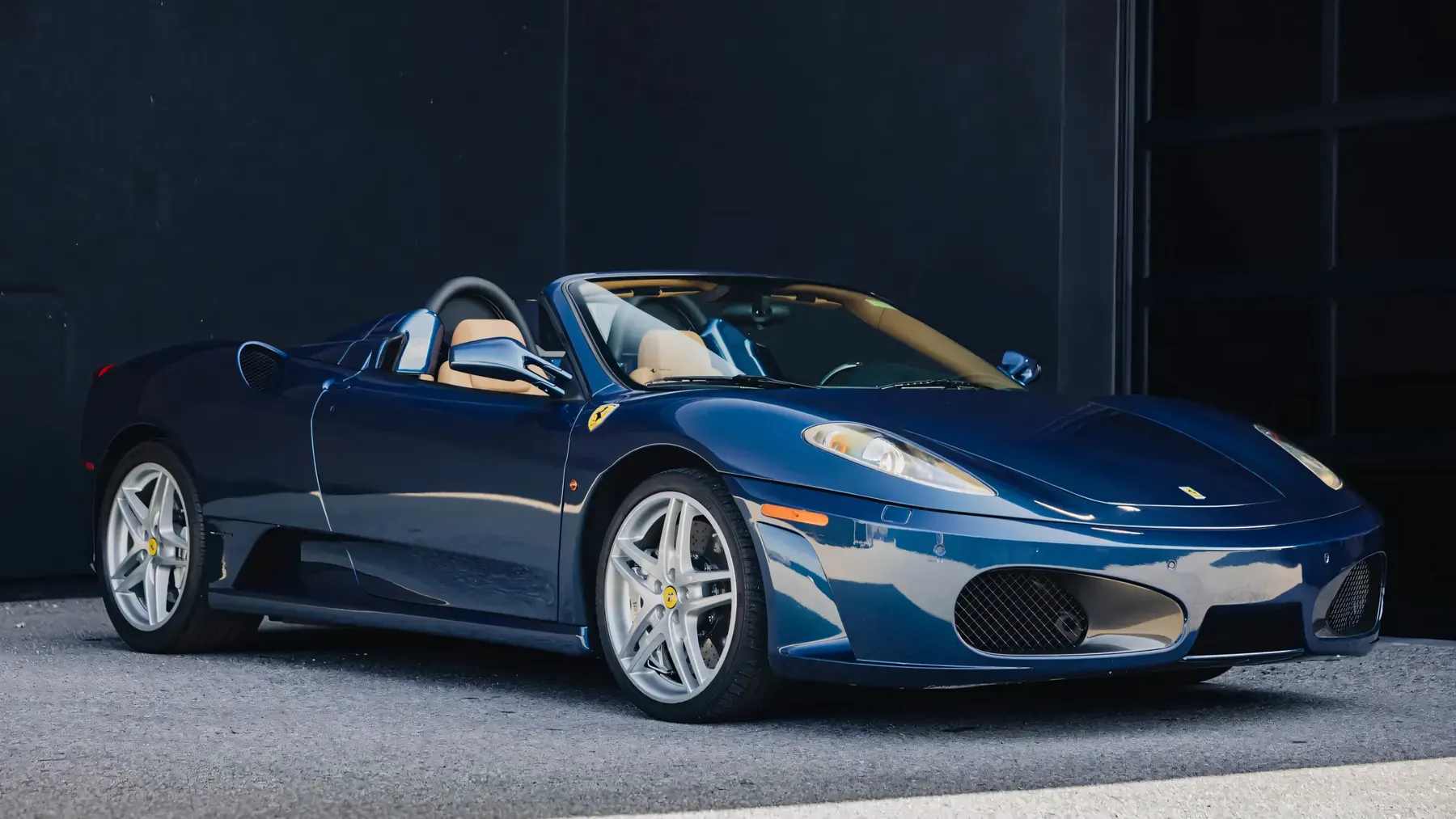
The Ferrari F430 Spider represents one of those remarkable moments when engineering excellence meets pure automotive passion. When Ferrari unveiled this convertible masterpiece at the 2005 Geneva Motor Show, they weren’t just introducing another drop-top variant, they were delivering a statement about what a mid-engine convertible supercar could truly achieve.
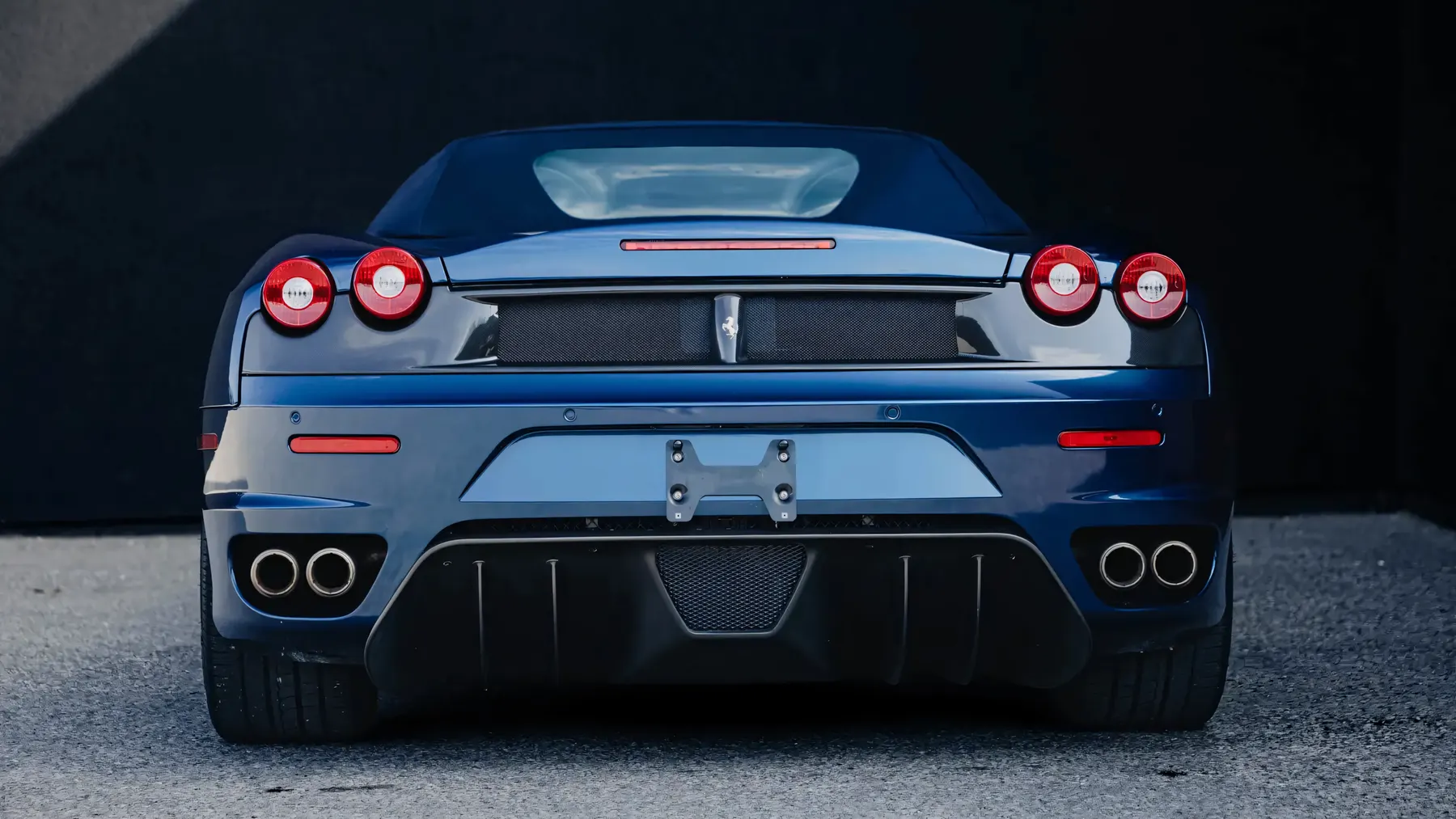
The F430 Spider emerged exactly one year after its coupe sibling, but the development philosophy remained deeply rooted in Ferrari’s racing DNA. Designed by Pininfarina in collaboration with Frank Stephenson, the Spider incorporated aerodynamic simulation programs originally developed for Formula 1 cars. This wasn’t just aesthetic flourish, it was functional artistry that honored Ferrari’s racing heritage while pushing the boundaries of convertible engineering.
The design team drew inspiration from the legendary Ferrari 156 F1 that carried Phil Hill to his 1961 World Championship title. Those distinctive oval grille openings in the front bumper weren’t merely stylistic choices, they were deliberate nods to Ferrari’s 1960s racing models, particularly the “shark nose” Formula One cars that dominated that era. Every curve and vent served a purpose, from the aggressive front grille housing the prancing horse emblem to the sleek aerodynamic fog lights that enhanced the car’s sporty demeanor.
What makes the F430 Spider truly special lies beneath its sculpted aluminum bodywork. Ferrari’s engineers faced the challenging task of maintaining the coupe’s performance characteristics while accommodating a convertible roof mechanism. They succeeded brilliantly by strengthening the all-aluminum chassis and integrating two robust steel roll-bars directly into the windshield structure, ensuring maximum occupant protection without sacrificing structural rigidity.
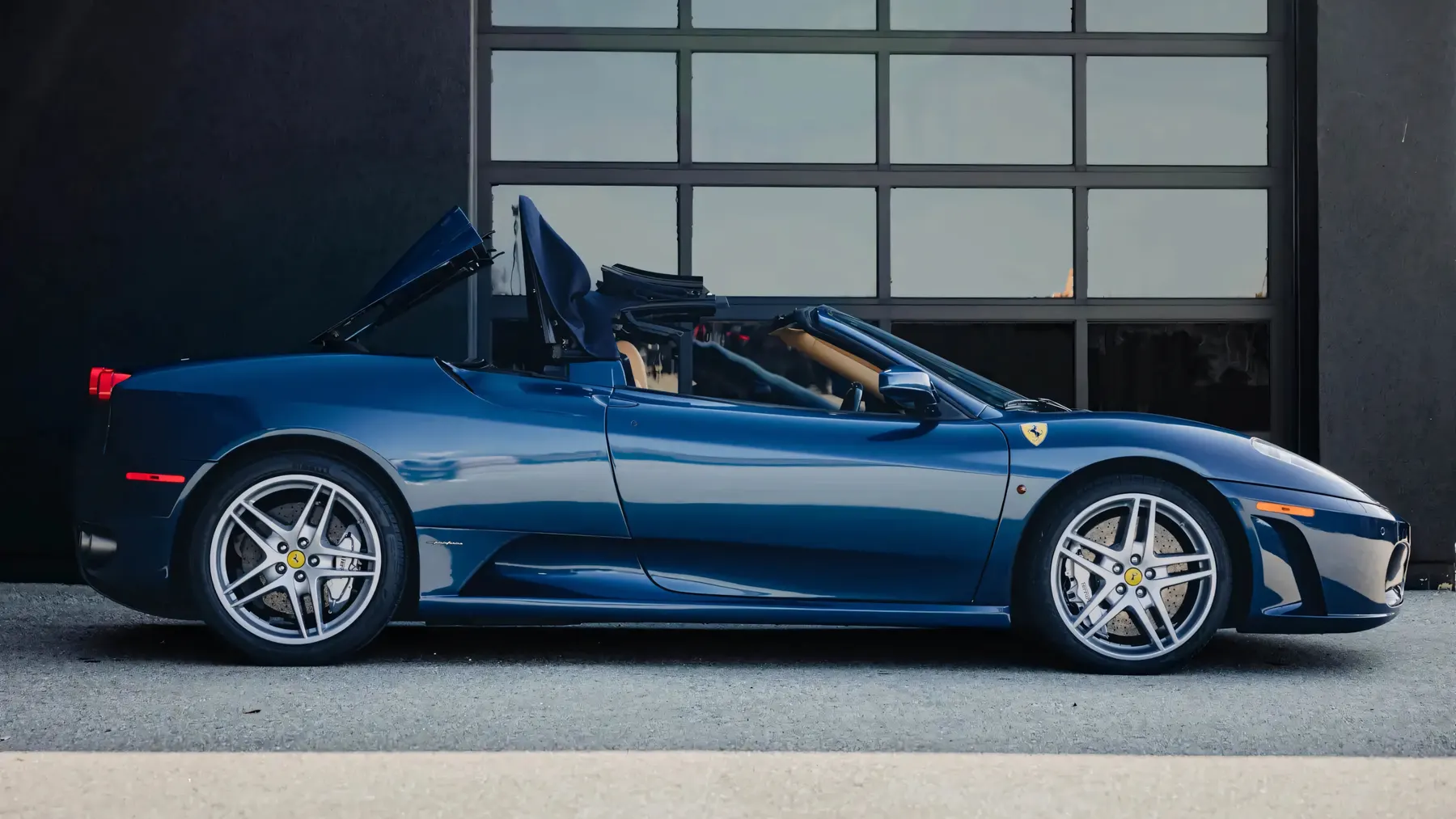
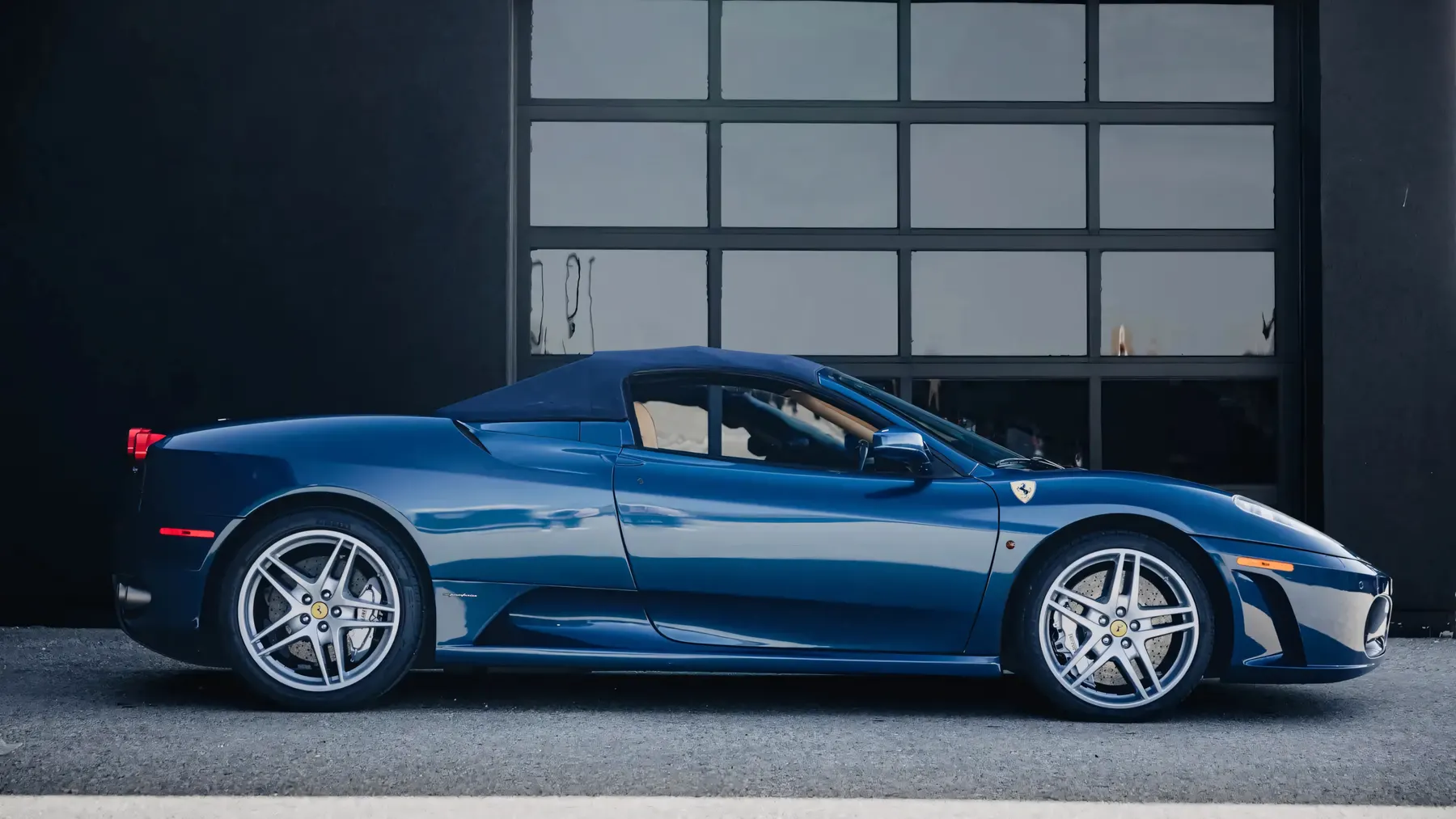
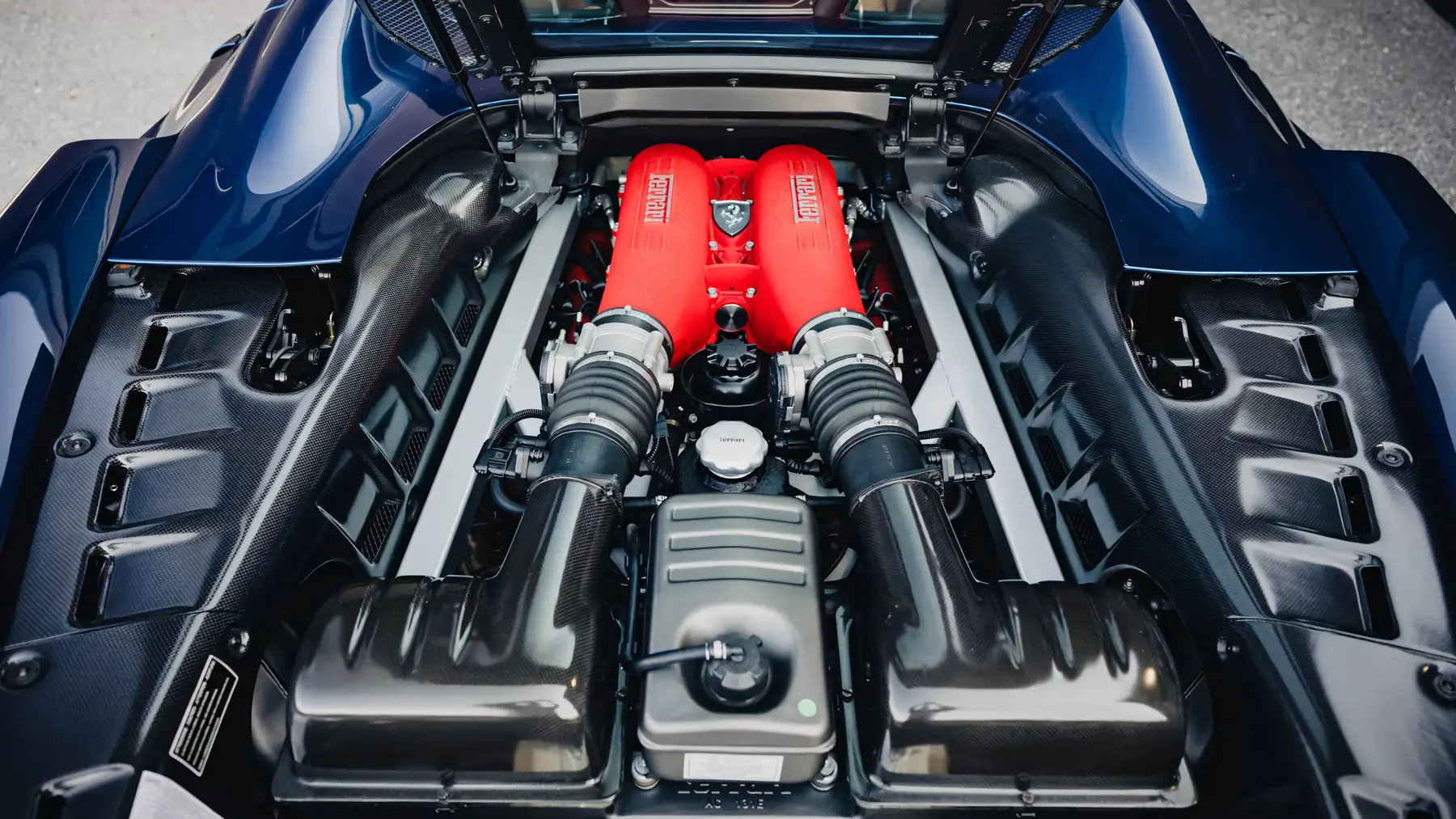
The crown jewel of this engineering marvel is the fully automatic electric hood system. Unlike many convertibles that compromise engine visibility, the F430 Spider’s compact soft-top design allows the magnificent V8 engine to remain visible at all times. The seven electrohydraulic actuators orchestrate a precise folding sequence that takes exactly 20 seconds to complete, with the roof disappearing entirely into a well positioned just ahead of the engine compartment. When you hear that completion signal, you know you’re about to experience something extraordinary.
At the core of the F430 Spider beats a revolutionary 4.3-liter 90-degree V8 engine that marked a significant departure from Ferrari’s traditional power plant lineage. This wasn’t an evolution of previous designs but rather an entirely new creation featuring a flat-plane crankshaft with 180-degree throws between cylinders. The result? An absolute masterpiece generating 490 horsepower at 8,500 rpm and 465 Newton-meters of torque at 5,250 rpm.
The performance figures speak volumes about this engineering achievement. The F430 Spider rockets from 0 to 100 kilometers per hour in just 3.5 seconds, with 80 percent of its peak torque available as low as 3,500 rpm. Maximum velocity reaches an impressive 316 kilometers per hour, making it one of the fastest convertibles ever produced. The quarter-mile disappears in 11.7 seconds at 201 kilometers per hour, demonstrating the engine’s relentless power delivery across the entire rev range.
Ferrari introduced groundbreaking technology with the F430 Spider that fundamentally changed how drivers interact with their machines. The E-Diff electronic differential represents a quantum leap in traction management, using sophisticated software to distribute torque across the rear axle based on real-time driving conditions. Combined with the F1-Trac traction control system, this creates an almost telepathic connection between driver intent and vehicle response.
The manettino dial mounted on the steering wheel gives drivers unprecedented control over the car’s personality. Five distinct settings modify everything from electronic stability control and suspension behavior to transmission response and throttle mapping. This isn’t just technology for technology’s sake, it’s a tool that allows the F430 Spider to adapt to any driving situation while maintaining its fundamental character.
Driving the F430 Spider transcends mere transportation. The experience begins the moment you settle into the cockpit and extends far beyond the mechanical aspects of performance. The exhaust note, particularly when the valves open at higher engine speeds, creates a symphony that resonates through enclosed spaces and announces your presence with unmistakable authority.
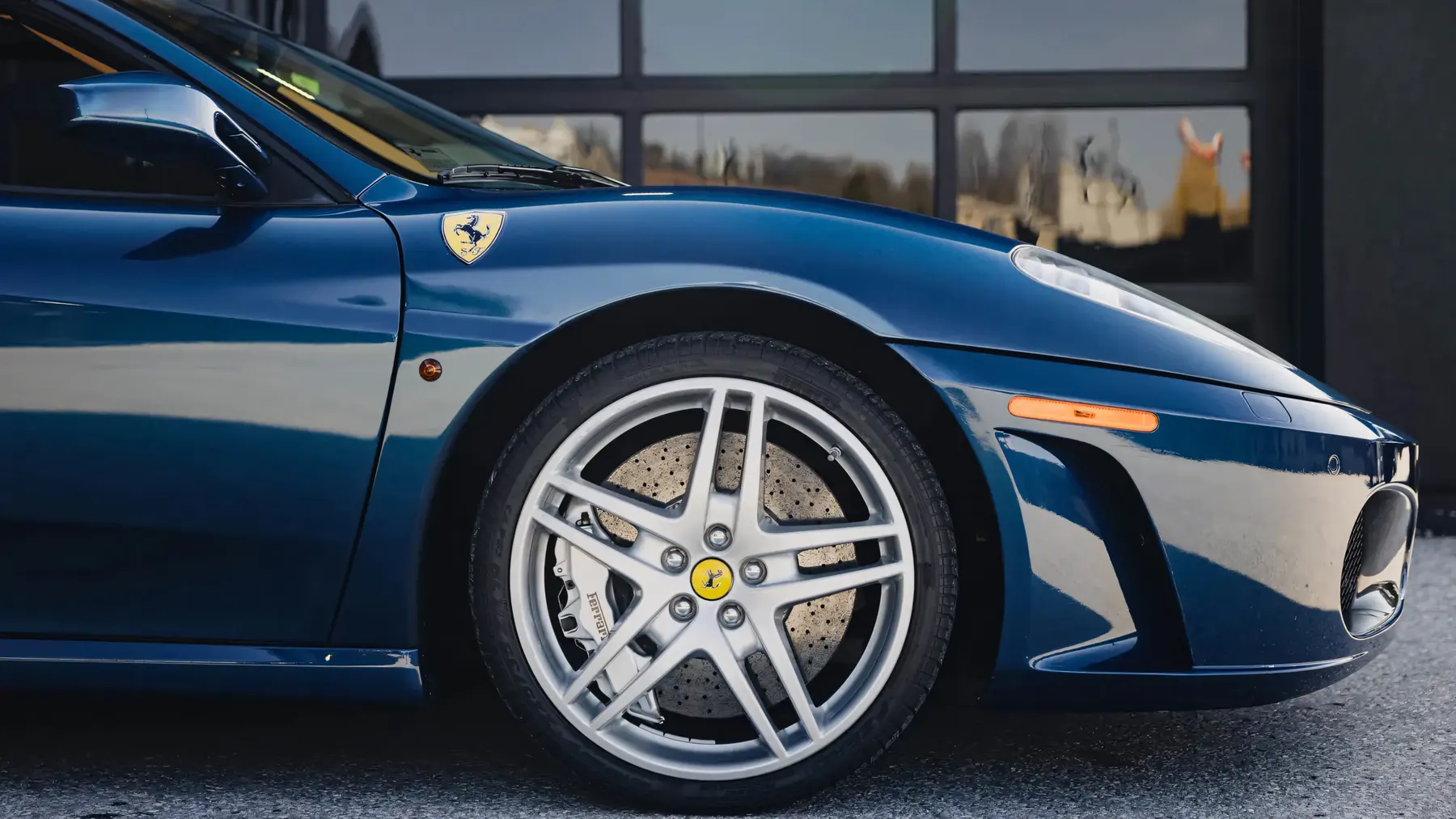
Public reception of the F430 Spider has been overwhelmingly positive, with enthusiasts praising its engaging character at all speed ranges. Unlike some supercars that only come alive at extreme velocities, the F430 Spider delivers excitement whether you’re navigating city streets or exploring mountain roads. The attention it attracts becomes part of the ownership experience, transforming every drive into a special occasion.
Ferrari produced approximately 4,500 F430 Spiders between 2005 and 2009, making it significantly rarer than its coupe counterpart. The most exclusive variant, the F430 Scuderia Spider 16M, saw only 499 units produced, creating a level of exclusivity that continues to drive collector interest today. This careful production control ensures that each F430 Spider remains special, maintaining the mystique and desirability that defines the Ferrari brand.
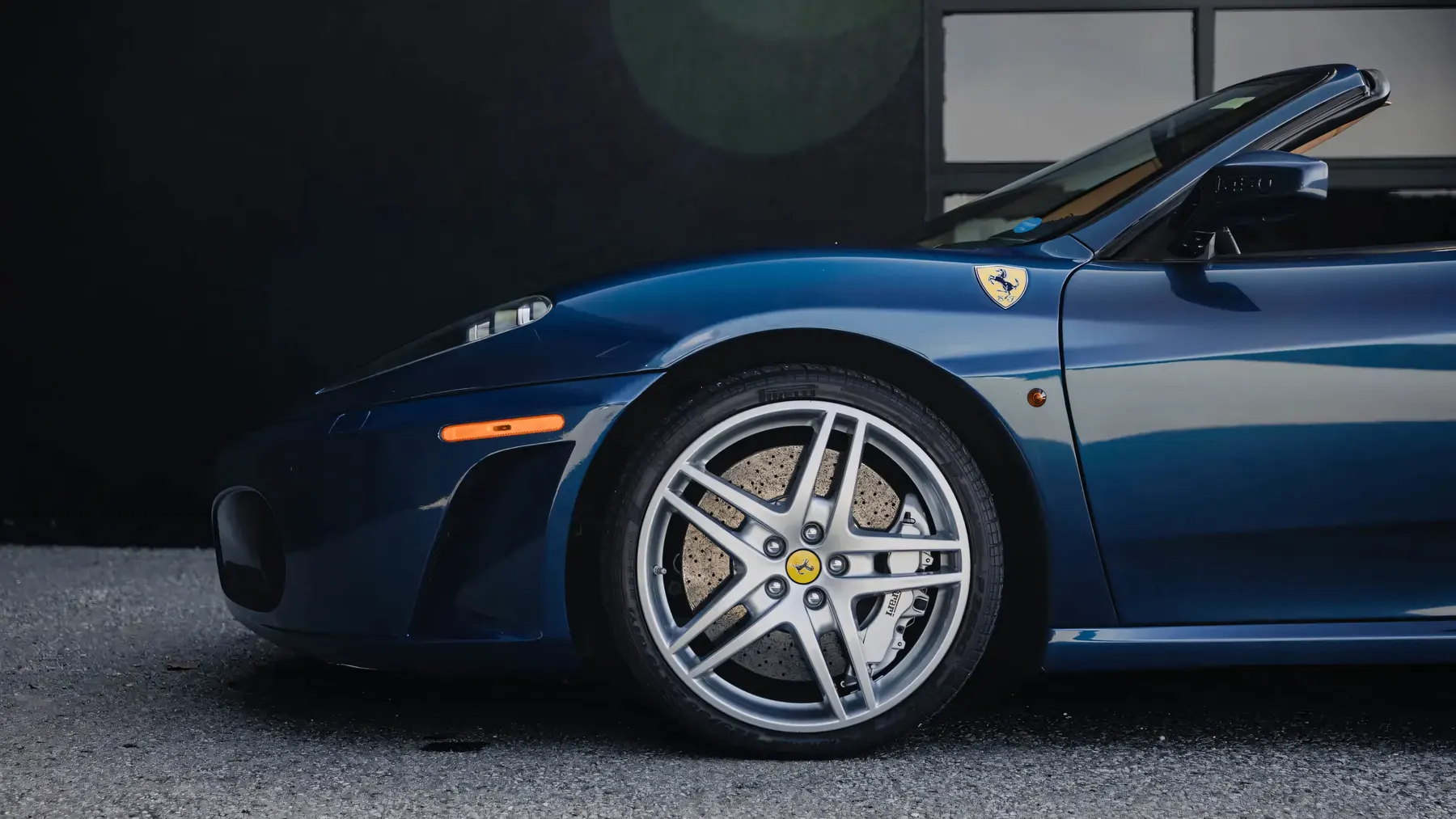
The F430 Spider stands as testament to Ferrari’s ability to create convertibles that never compromise on performance or engineering integrity. Every element, from the lightning-fast roof mechanism to the race-derived V8 engine, demonstrates what happens when passion meets precision engineering.
Join the discussion
Comments
Loading comments…
Leave a comment
Share a detail, memory, or perspective. Every comment is reviewed before publication.