2006 Ford GT

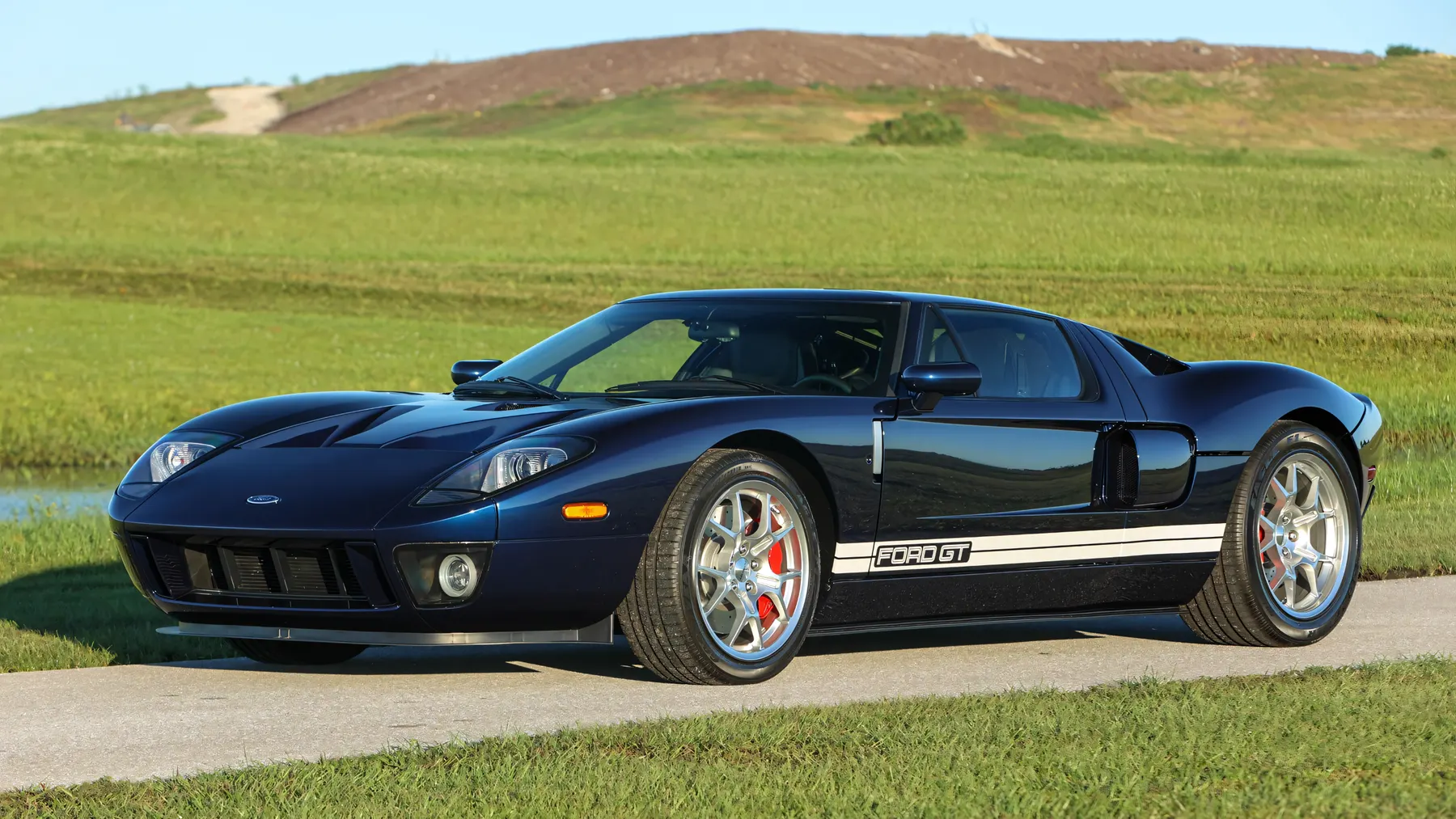
In the pulsating heart of Detroit, where the echoes of racing triumphs resonated through time, Ford Motor Company unfurled a masterpiece to mark its centennial celebration,the Ford GT. A resplendent ode to the iconic GT40 that dominated Le Mans in the 1960s, the 2006 Ford GT was a roaring manifestation of Ford’s racing heritage.
As the automotive world ushered in the 21st century, Ford looked back to its storied past for inspiration. The GT40, etched in the annals of racing history for its four consecutive Le Mans victories from 1966 to 1969, was the muse. The 2006 Ford GT emerged as a modern reincarnation, a gleaming tribute to the racing glory that had become synonymous with the blue oval.
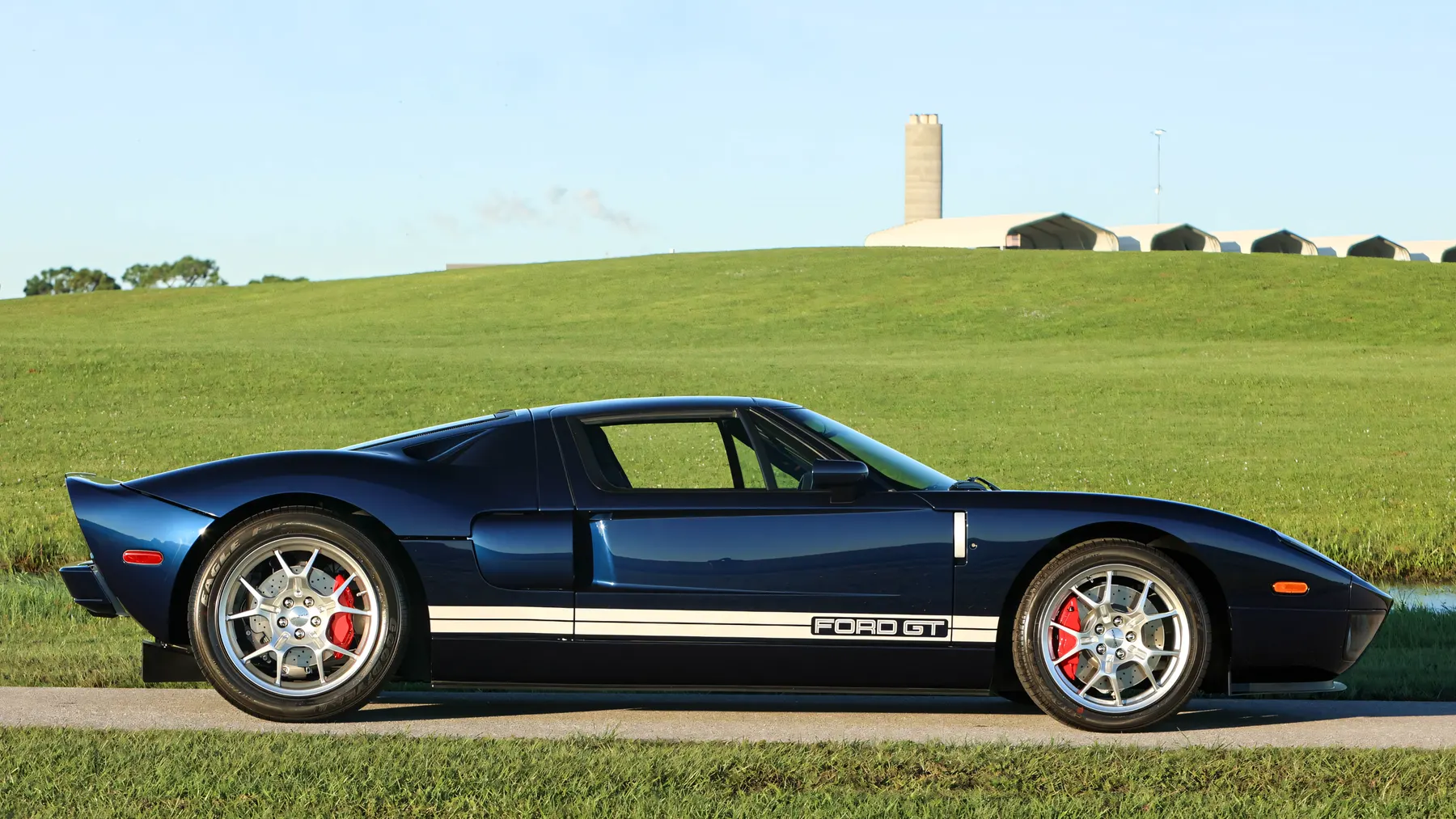
When the GT40 Concept car graced the stage at the 2002 North American International Auto Show, it was a moment of collective awe. Camilo Pardo, under the guidance of J Mays, sculpted a design that paid homage to the original GT40 while embracing a contemporary flair. The GT bore a familial resemblance but stood taller, wider, and more assertive than its forebear. In its aesthetic essence, the GT captured the soul of the GT40 but unfurled its own identity,a balance between nostalgia and modernity.
The name “GT44” flirted with possibility, an acknowledgment of the increased dimensions, but ultimately, it was the simple, profound “GT” that adorned the car’s haunches. Carroll Shelby, the maestro behind the original Shelby GT 500, lent his expertise to the project, a nod to the intertwining legacies of speed and innovation.
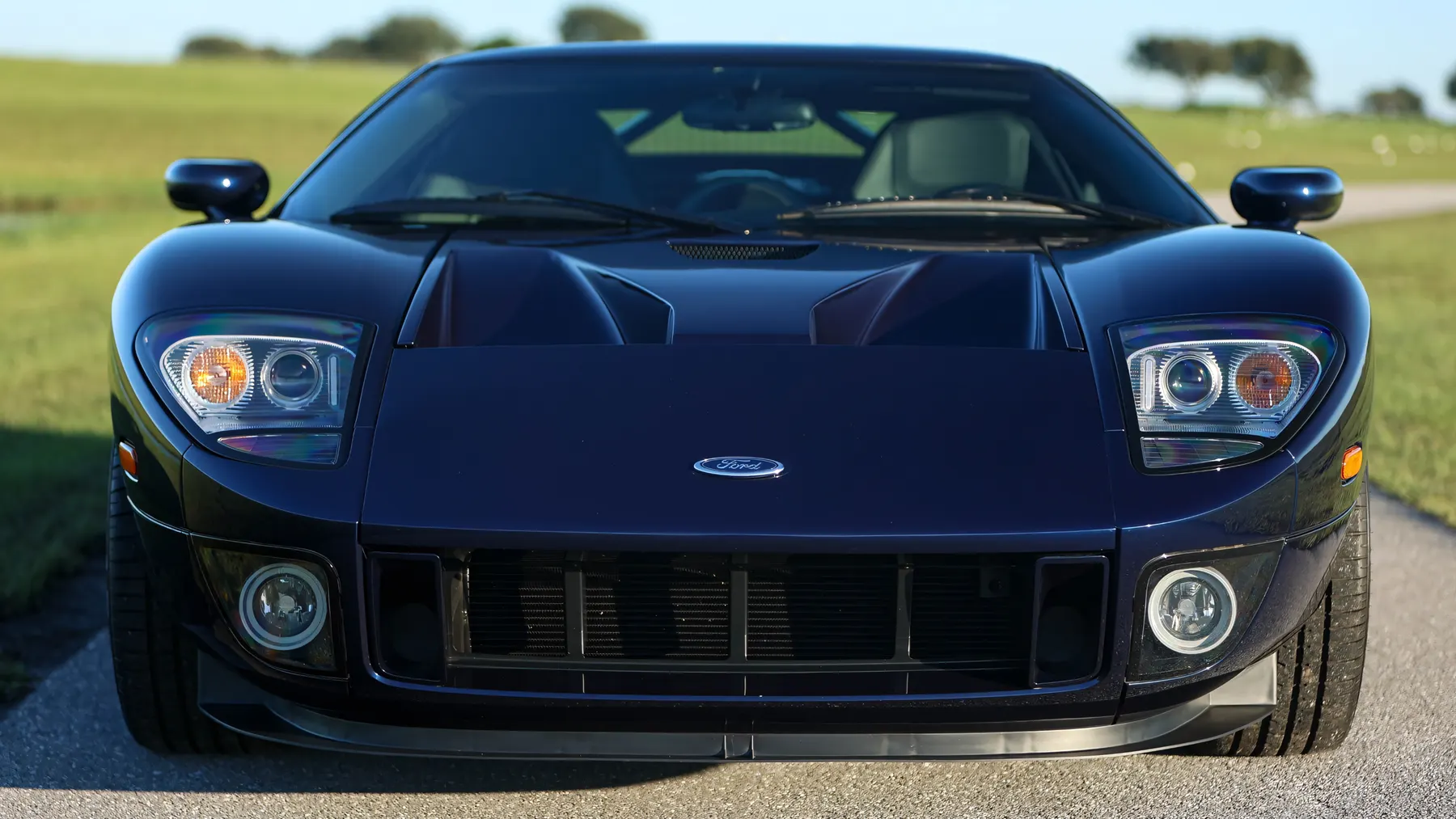
The left headlight cluster, a subtle yet symbolic touch, bore the imprint “100,” a testament to Ford’s century-long journey. It was a car that didn’t just roll off the assembly line; it emerged as a piece of living history, an embodiment of the relentless pursuit of automotive excellence.
If the design was an homage, the beating heart of the Ford GT was an outright roar of power. Beneath the sculpted hood lurked a 5.4-liter V-8 engine,a technological marvel. Dual overhead camshafts orchestrated the symphony within, and a Lysholm twin-screw supercharger elevated the GT into the realm of automotive titans. The result,a staggering 550 horsepower and 500 pound-feet of torque.
But power, in the realm of the GT, wasn’t a mere number; it was a visceral experience. The Ricardo six-speed manual transmission, a nod to purists, featured a helical limited-slip differential. It was more than a machine-to-driver connection; it was a tactile engagement with the very essence of driving. The GT’s performance wasn’t just a statistical marvel; it was an adrenaline-fueled narrative.
The numbers, however, spoke volumes,205 mph of top speed, a 0–60 sprint that defied the laws of physics at 3.3 seconds. In the automotive landscape of the mid-2000s, the Ford GT emerged as a relentless contender, locking horns with the likes of the Mercedes-McLaren SLR and the Porsche Carrera GT.
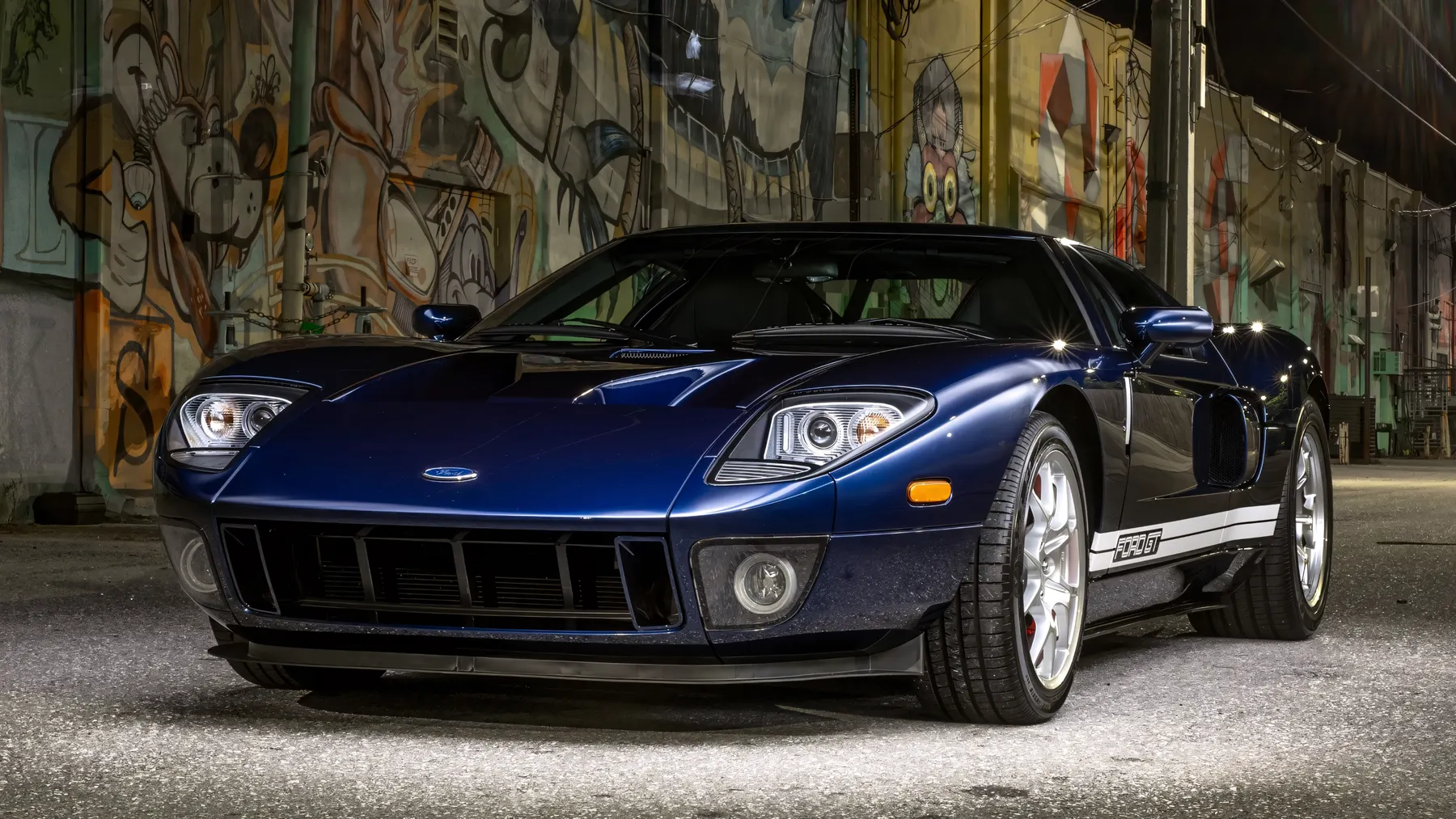
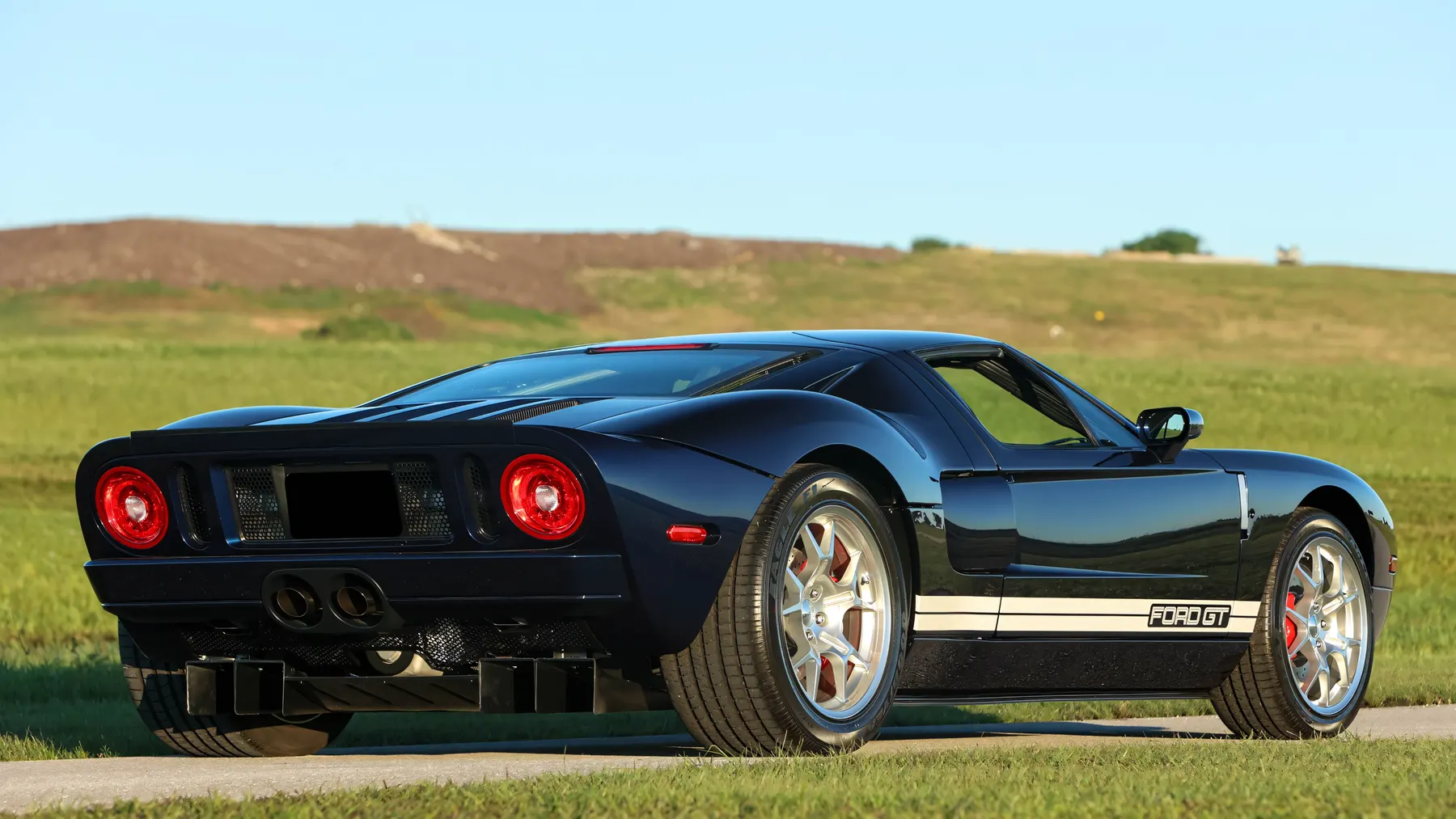
For a car that encapsulated a century of automotive innovation, the Ford GT wasn’t mass-produced. In 2005, a mere 2,022 examples rolled off the production line, each a testament to meticulous craftsmanship. The following year, an additional 2,011 GTs bid farewell to the assembly plant. The GT wasn’t just a commodity; it was automotive artistry in motion, and its exclusivity added an extra layer of allure.
The journey from concept to reality wasn’t a linear progression. The GT began as a vision in the “Living Legends” studio, a pet project codenamed Petunia. The unveiling of the GT40 Concept marked the initiation of a transformative journey. Carroll Shelby’s involvement, the racing legend himself, injected the project with a racing spirit that resonated with the soul of the GT40.
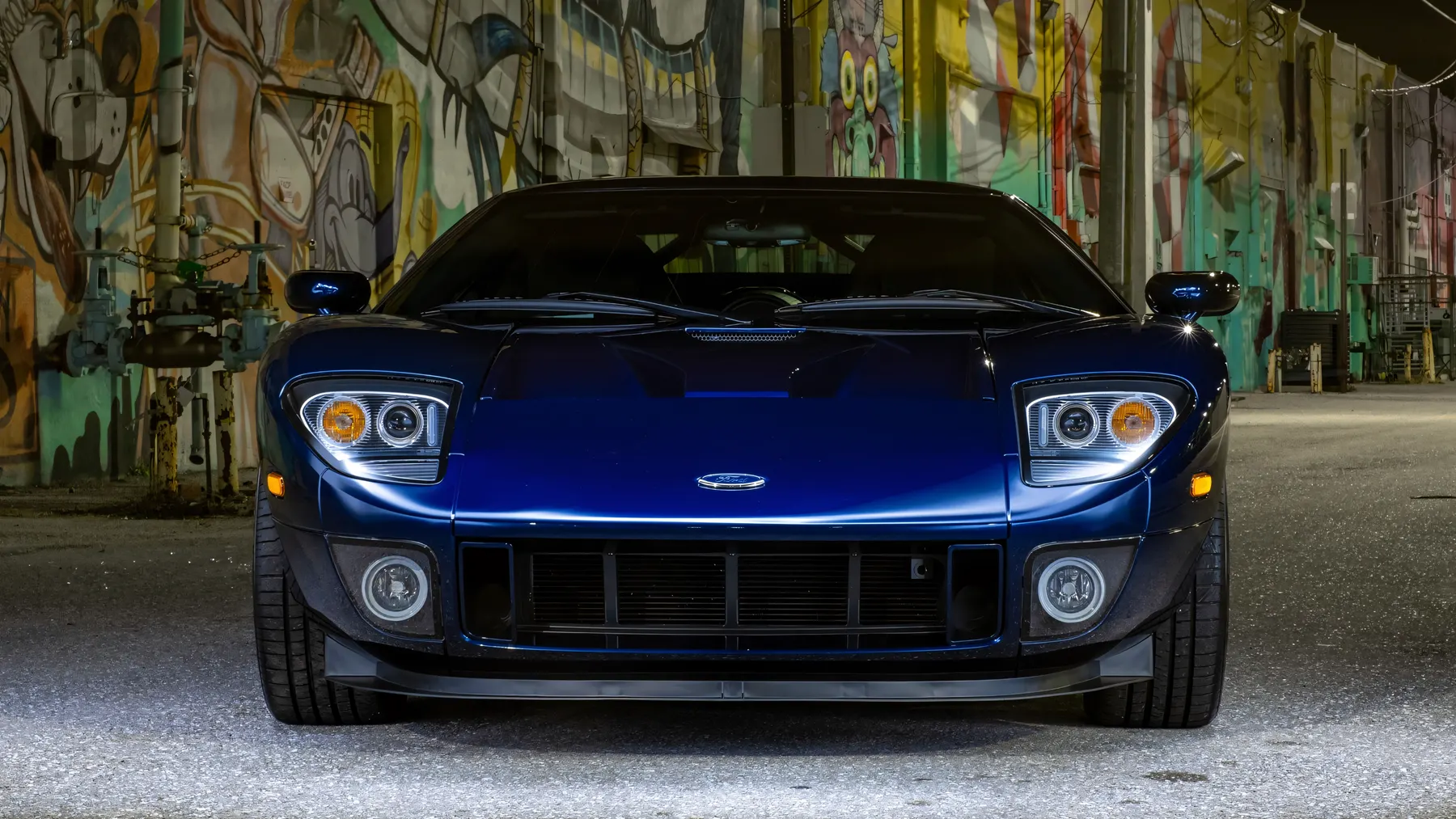
As the first few pre-production cars graced public eyes in 2003, the anticipation reached a crescendo. The fall of 2004 marked the commencement of deliveries, and the Ford GT wasn’t just a concept car anymore; it was a living, breathing manifestation of Ford’s unyielding spirit.
The Ford GT wasn’t confined to the racetrack or the open road; it transcended its mechanical existence to become a cultural icon. It became a symbol of American engineering prowess, a fusion of heritage and innovation. Every curve, every roar of the engine carried the weight of history and the promise of a future where speed wasn’t just a number but a way of life.
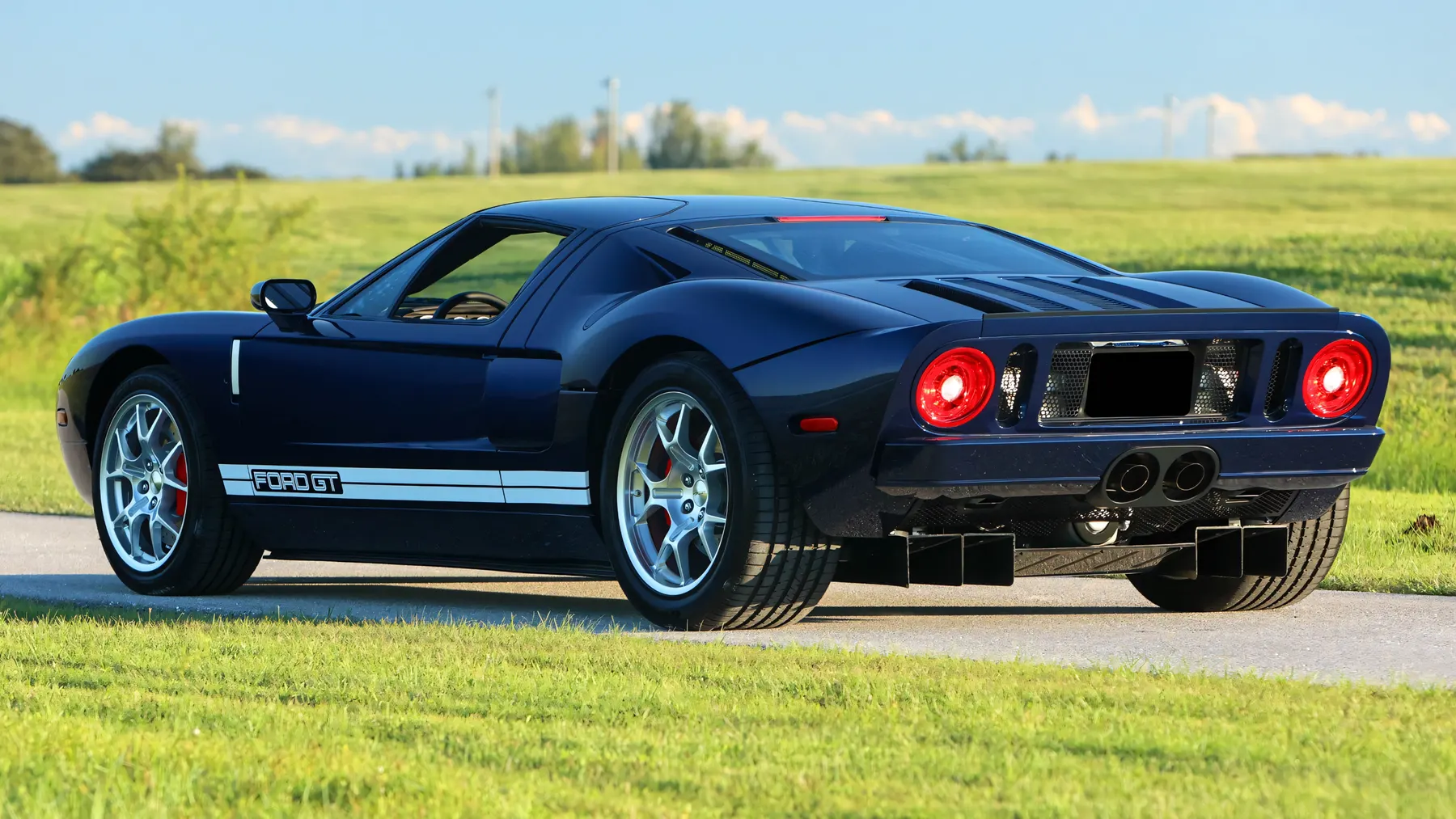
In the realm of automotive legends, the 2006 Ford GT etched its chapter with indelible ink. It wasn’t just a car; it was a living, breathing chronicle of racing triumphs, technological brilliance, and a century of automotive evolution.
Join the discussion
Comments
Loading comments…
Leave a comment
Share a detail, memory, or perspective. Every comment is reviewed before publication.