2008 Aston Martin V8 Vantage GT2

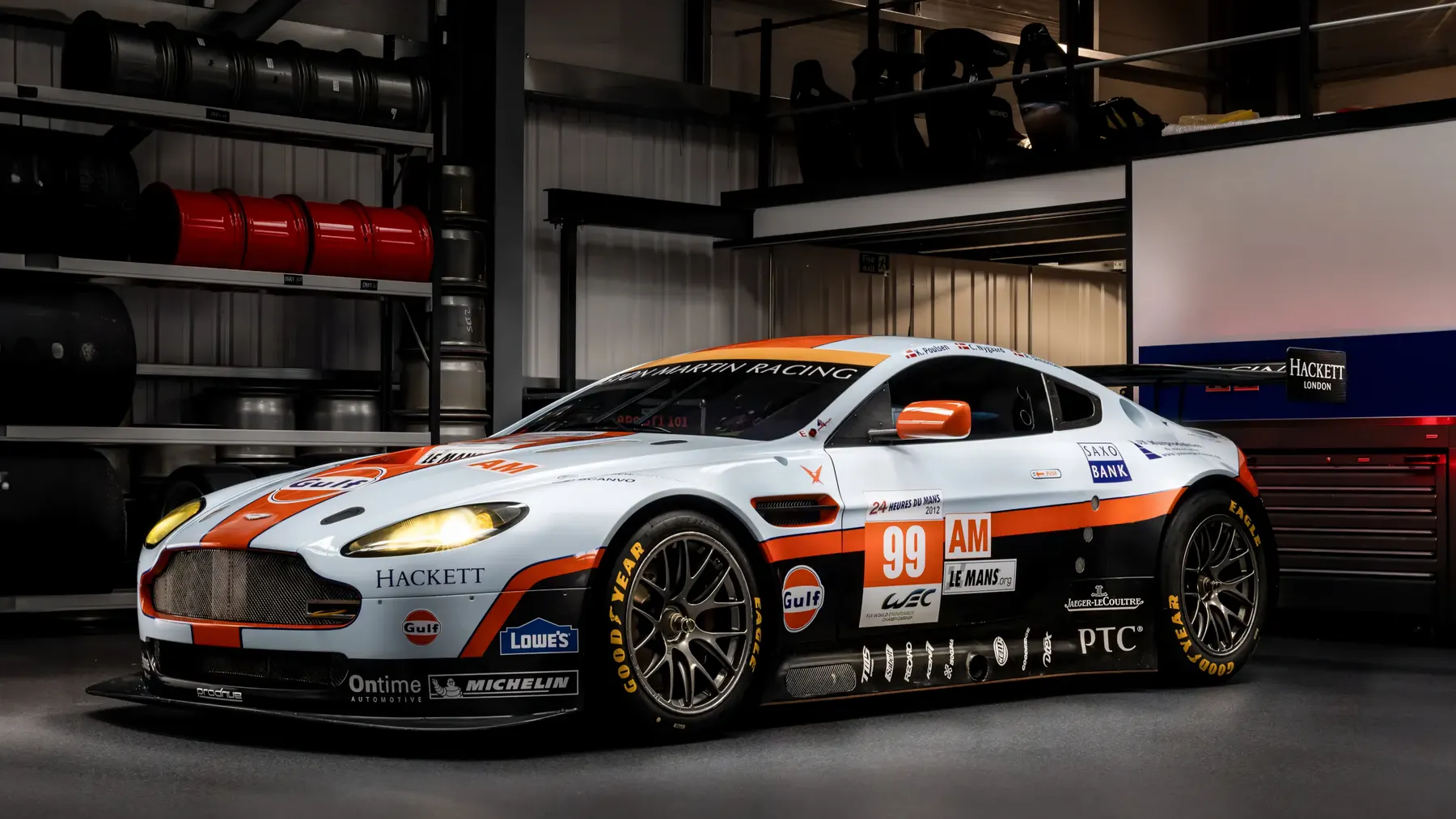
When Aston Martin decided to create a racing version of their already impressive V8 Vantage road car, they weren’t just making another track machine,they were crafting automotive art designed to conquer the world’s most demanding circuits. The Vantage GT2 emerged in 2008 as the most powerful racing variant in the Vantage family, representing the perfect marriage between Aston Martin’s legendary road car DNA and purpose-built racing technology.
I’ve always been fascinated by cars that can transition from the showroom to the racetrack, and the V8 Vantage GT2 does this with quintessential British style and engineering prowess. Let me take you through the remarkable journey of this racing thoroughbred.
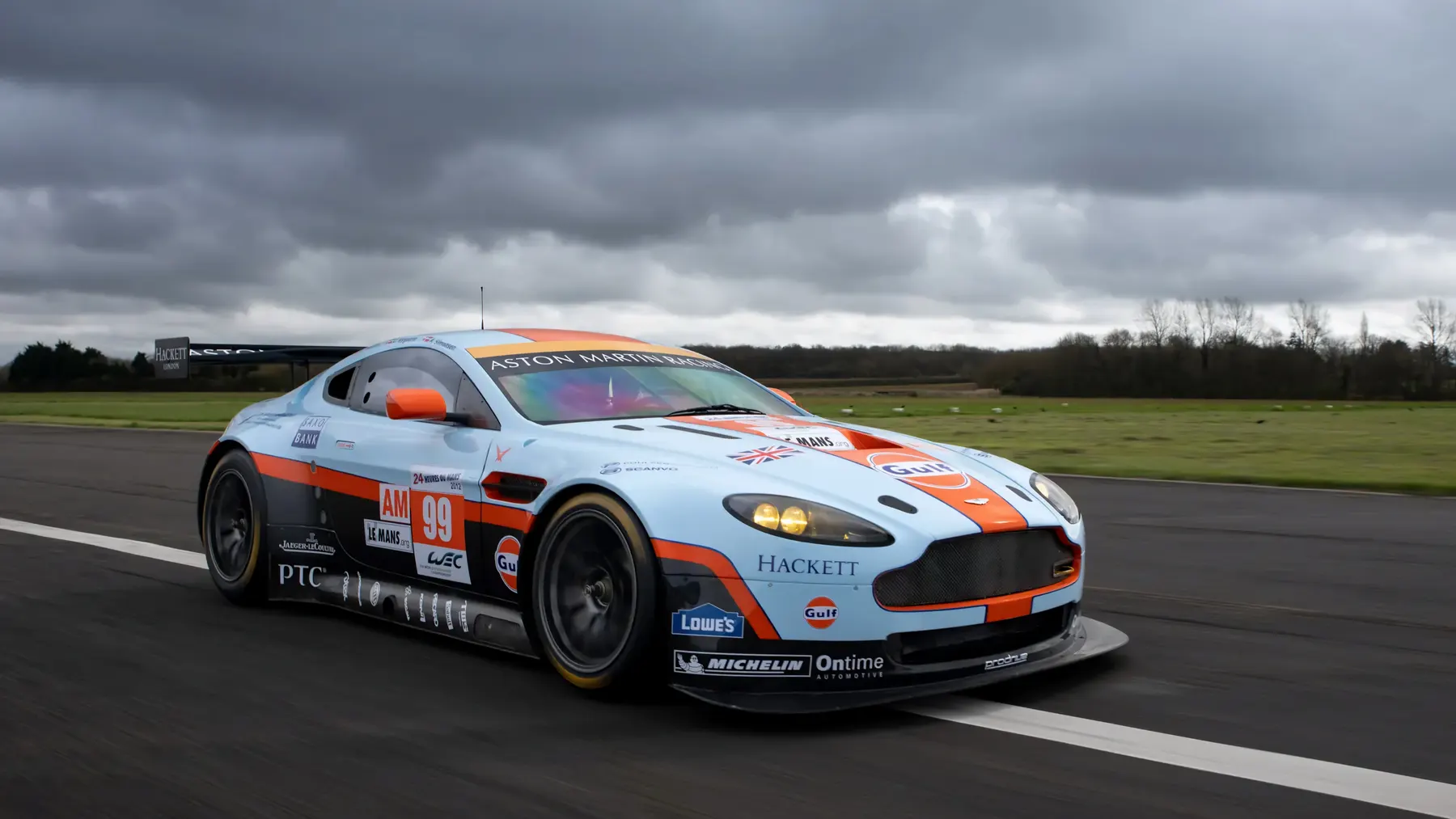
The V8 Vantage GT2 was born from Aston Martin’s desire to compete at the highest levels of GT racing. Developed by Prodrive under the Aston Martin Racing banner, the GT2 was designed specifically to meet FIA and ACO GT2 class regulations. This allowed it to compete in prestigious events including the FIA GT Championship, American Le Mans Series, Le Mans Series, and the legendary 24 Hours of Le Mans.
What makes the development story particularly interesting is how Aston Martin built upon the lessons learned from their Le Mans-winning DBR9 GT1 car while adapting to the more production-based requirements of GT2 regulations. The GT2 class mandated closer ties to road-going vehicles, which presented both challenges and opportunities for the engineering team.
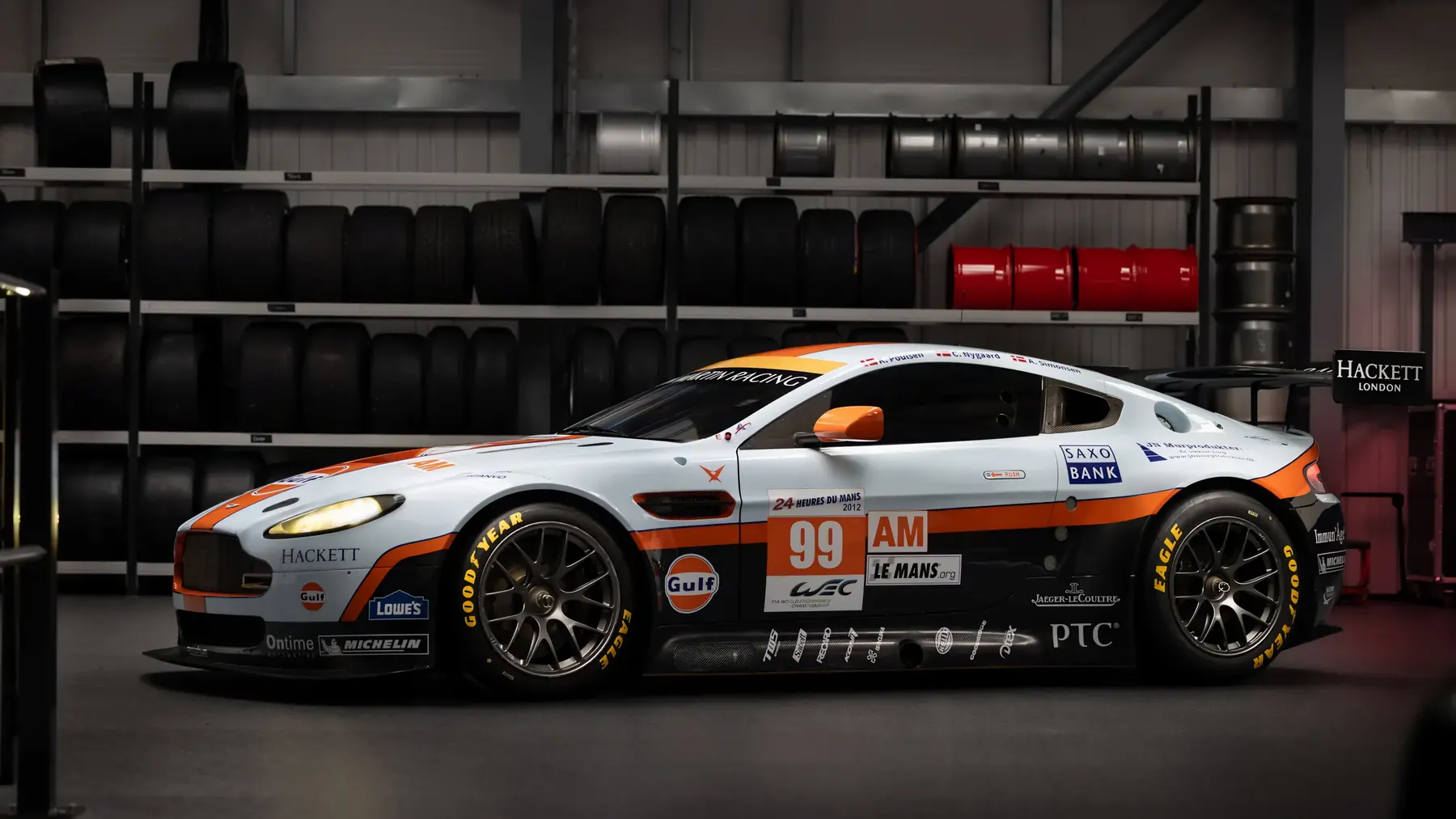
Only ten examples were ever built, making this one of the rarest racing Aston Martins in existence. Each chassis represented a significant investment in racing technology, with the primary target being customer racing teams rather than a full factory effort.
The heart of the Vantage GT2 is a modified version of the road car’s 4.3-liter V8, enlarged to 4.5 liters for racing duties. What I find fascinating is how the engineers maintained the production cylinder block, heads, and crankshaft while integrating competition-specific components like specialized con-rods, valves, camshafts, and a racing exhaust system.
The engine employs a dry sump lubrication system,a sophisticated racing technology that allows the engine to sit lower in the chassis for an optimized center of gravity. This seemingly small change has massive implications for handling at racing speeds, where every millimeter of height in the center of gravity can affect cornering performance.
Perhaps the most innovative aspect of the GT2’s powertrain was its fuel flexibility. In an era when environmental concerns were beginning to influence motorsport, Aston Martin engineered the V8 Vantage GT2 to run on either standard racing fuel or E85 bio-ethanol. This forward-thinking approach allowed teams to adapt to different series requirements or fuel strategies.
The chassis begins with the same bonded aluminum structure as the road car, providing exceptional rigidity and a relatively light platform. For racing, this was further stiffened with a comprehensive roll cage that integrated seamlessly into the structure. Carbon fiber body panels replaced most of the aluminum panels from the road car, with the roof being the exception.
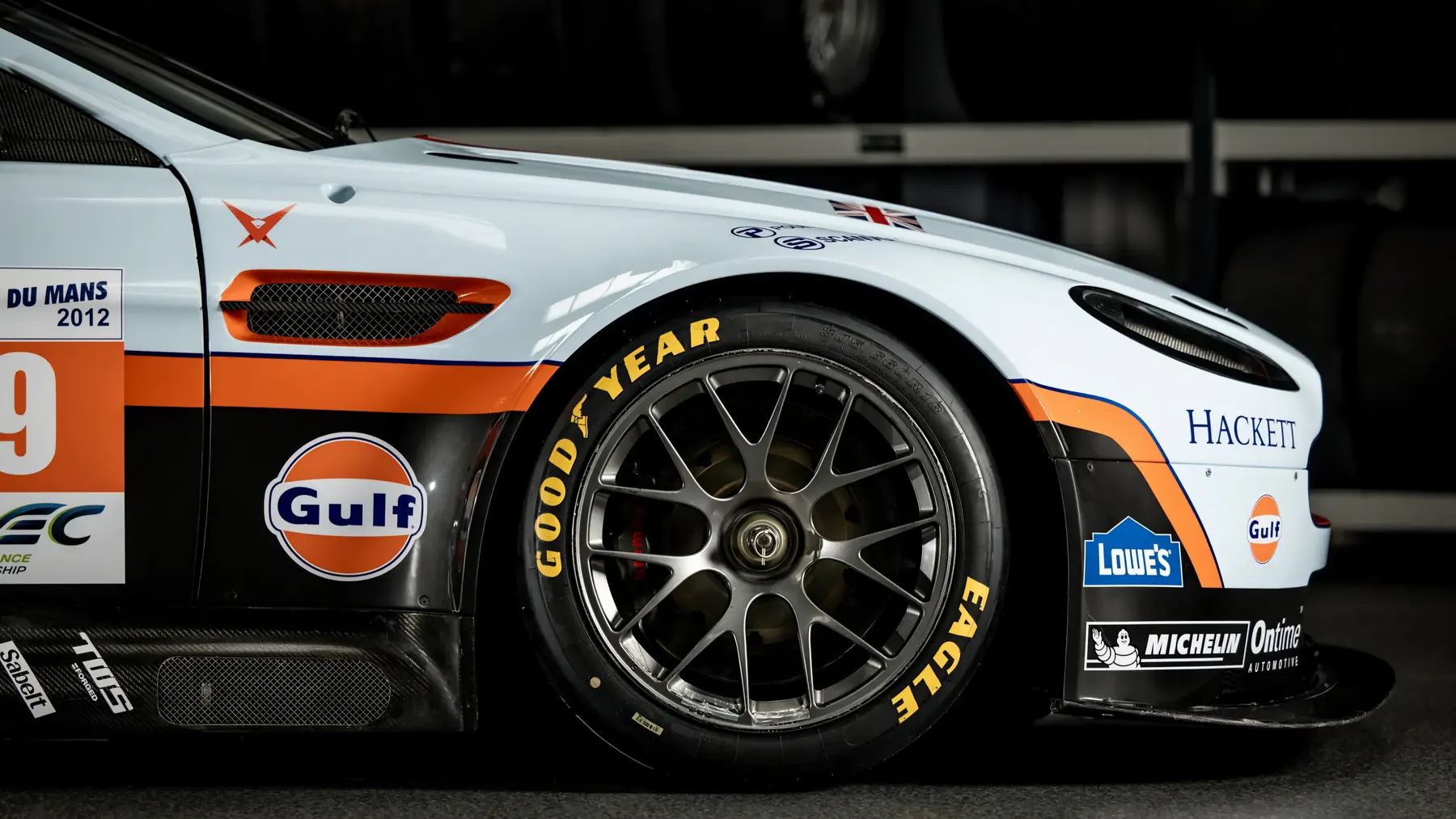
At approximately 1,150 kilograms, the GT2 achieved a remarkable power-to-weight ratio that translated directly to on-track performance. The transmission system featured a rebuilt gearbox and differential optimized for racing durability and performance.
Walking around a Vantage GT2, you immediately notice the purposeful aerodynamic elements that distinguish it from its road-going sibling. The carbon fiber front splitter aggressively channels air under and around the car, working in concert with the flat floor to generate downforce.
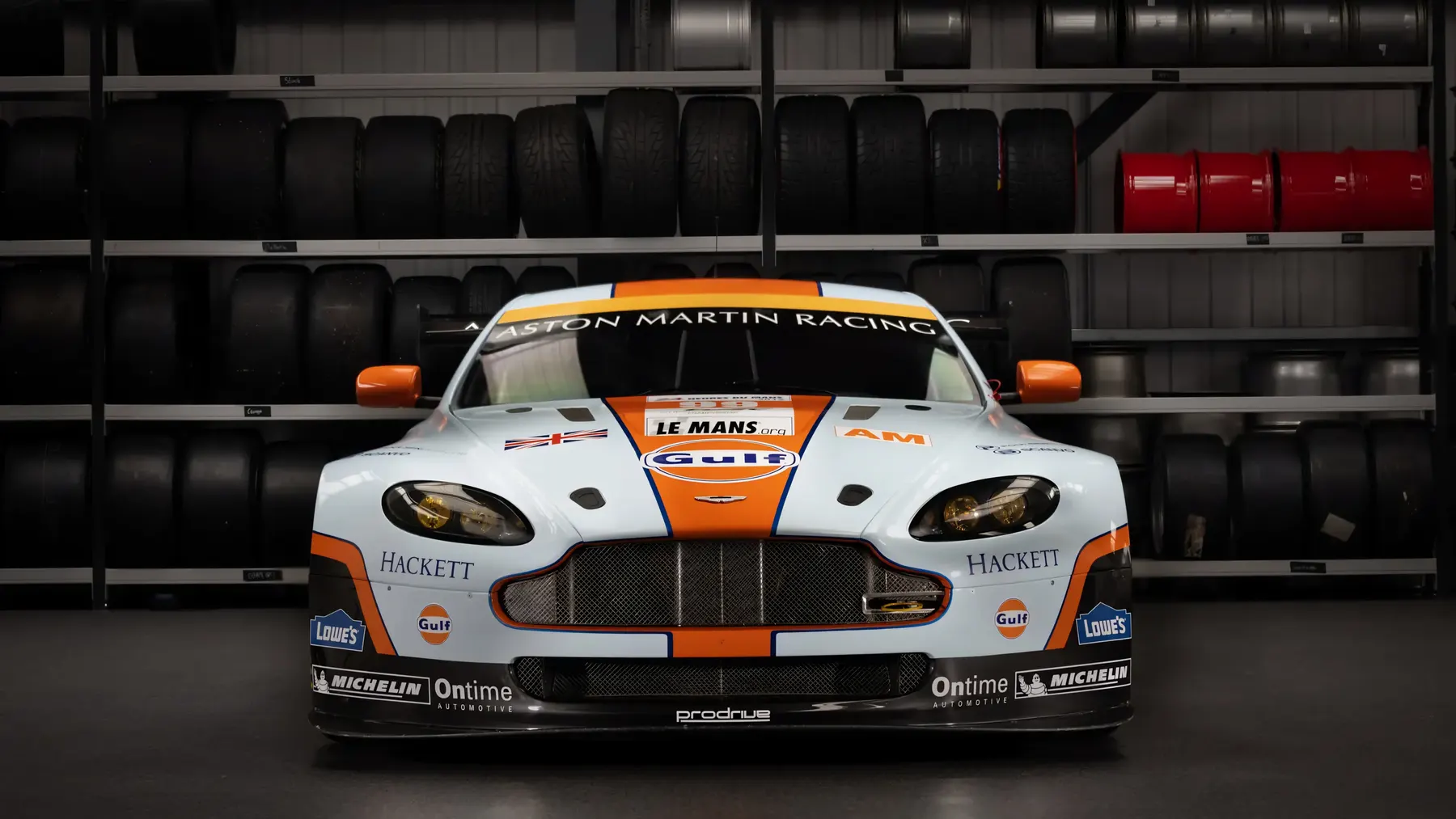
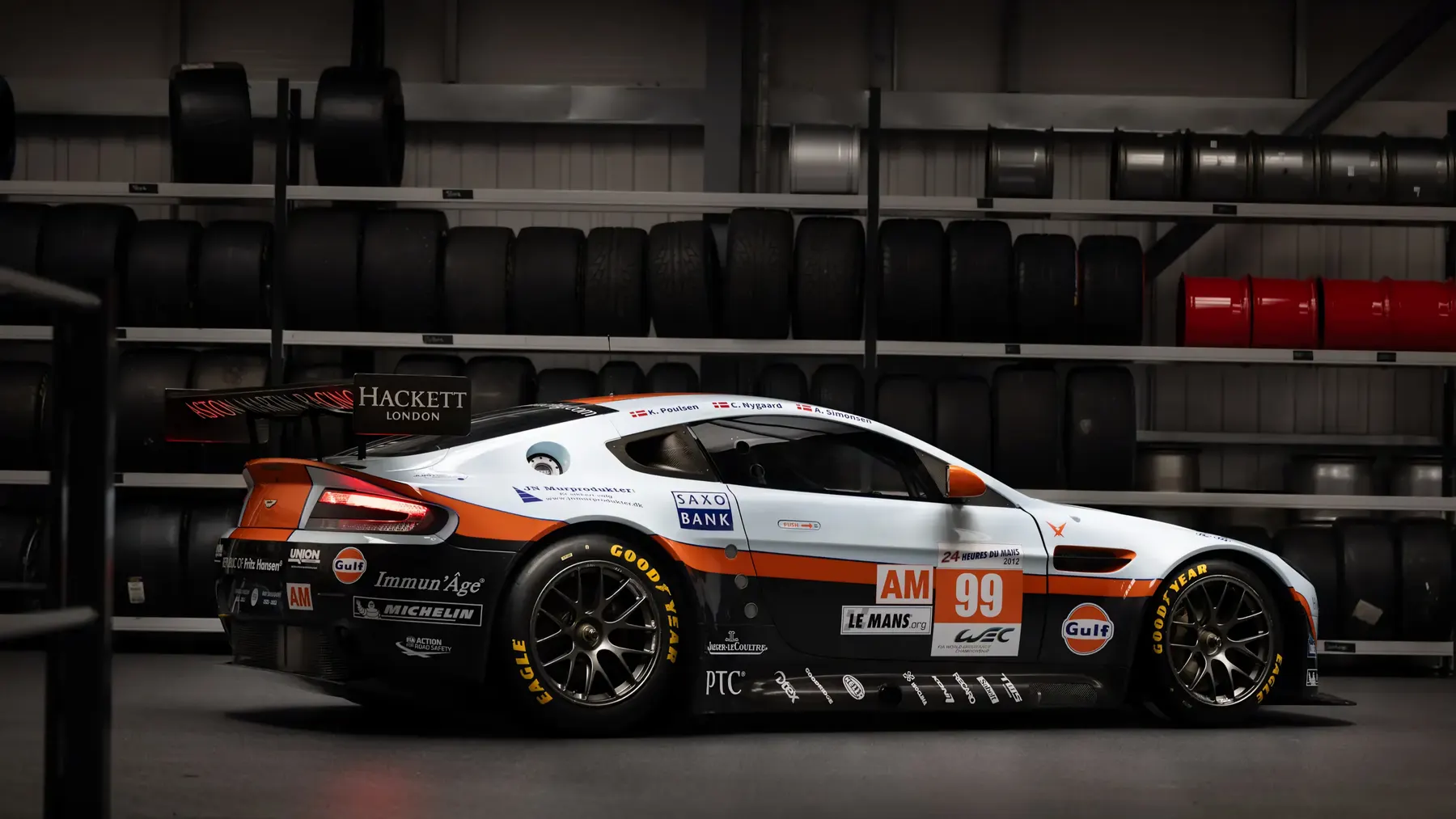
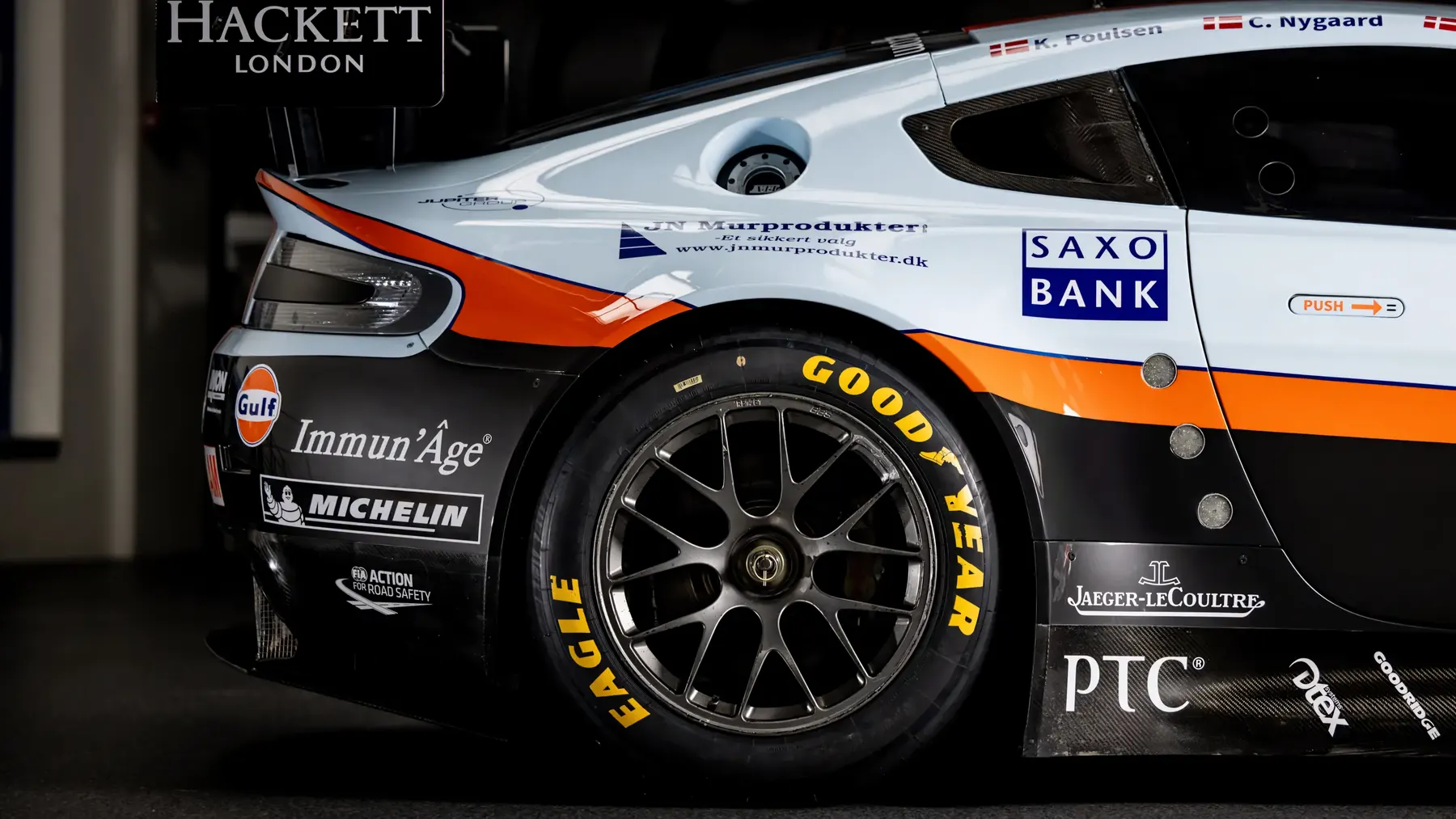
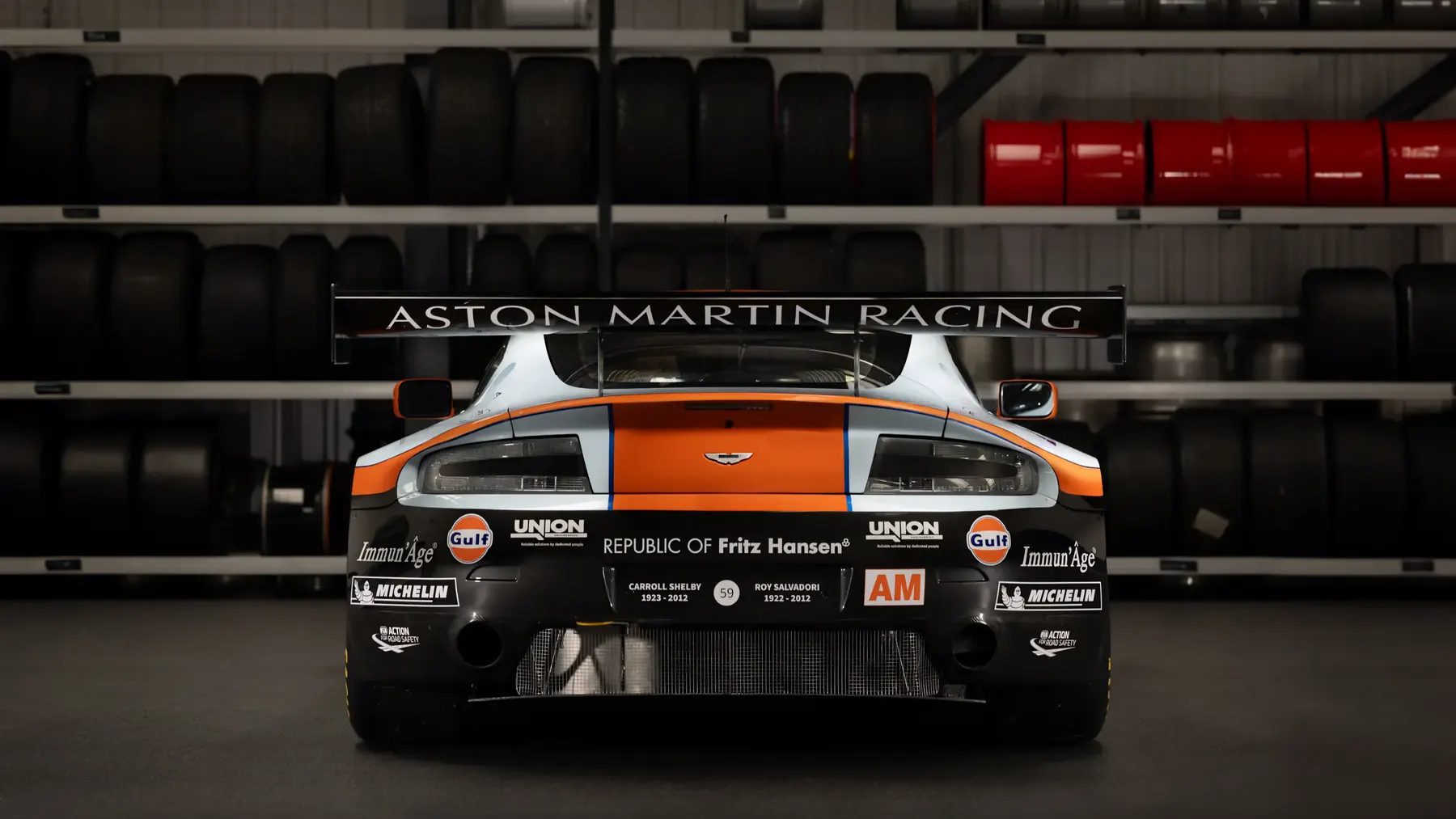
At the rear, an imposing diffuser manages airflow exiting beneath the car, while the prominent rear wing provides substantial downforce to keep the car planted in high-speed corners. These aerodynamic elements weren’t merely added for show,each was carefully developed through computational fluid dynamics (CFD) and refined through testing.
The evolution of the aerodynamic package continued throughout the car’s competitive life. For the 2012 season, when the car was rebranded as the Vantage GTE to align with regulation changes, Aston Martin Racing introduced a CFD-derived front bumper, revised side skirts, and an evolved rear wing based on their Le Mans aero package.
The racing debut of the Vantage GT2 came at the 2008 Grand Prix of Long Beach in the American Le Mans Series, with the car piloted by Paul Drayson (a former UK Minister of State) and Jonny Cocker (2004 British GT Champion). This high-profile debut highlighted Aston Martin’s commitment to customer racing at the highest levels.
Throughout its competition career, the V8 Vantage GT2 competed across multiple international series. James Watt Automotive campaigned the car in the 2008 Le Mans Series, while Drayson Racing continued development with entries in the 2009 season. The car even made its way to Japan, where JLOC ran it in the 2010 Super GT season under the name “Aspeed triple A Vantage GT2.”
The car achieved notable successes, including class wins in the 2008 FIA GT Championship at circuits like Nogaro and Zolder. However, like many racing programs, it also faced its share of challenges. At the 2011 24 Hours of Le Mans, two Vantages entered by Jota Racing AMR and Gulf AMR Middle East both retired,one with mechanical issues and the other after a crash that injured driver Mark Wainwright.
For the 2012 season, Aston Martin Racing returned to GT racing after an unsuccessful foray into the LMP1 class with their AMR-One prototype. The Vantage GT2 was updated to meet the revised GTE regulations and rebranded as the Vantage GTE, marking an evolution rather than a replacement of the GT2 platform.
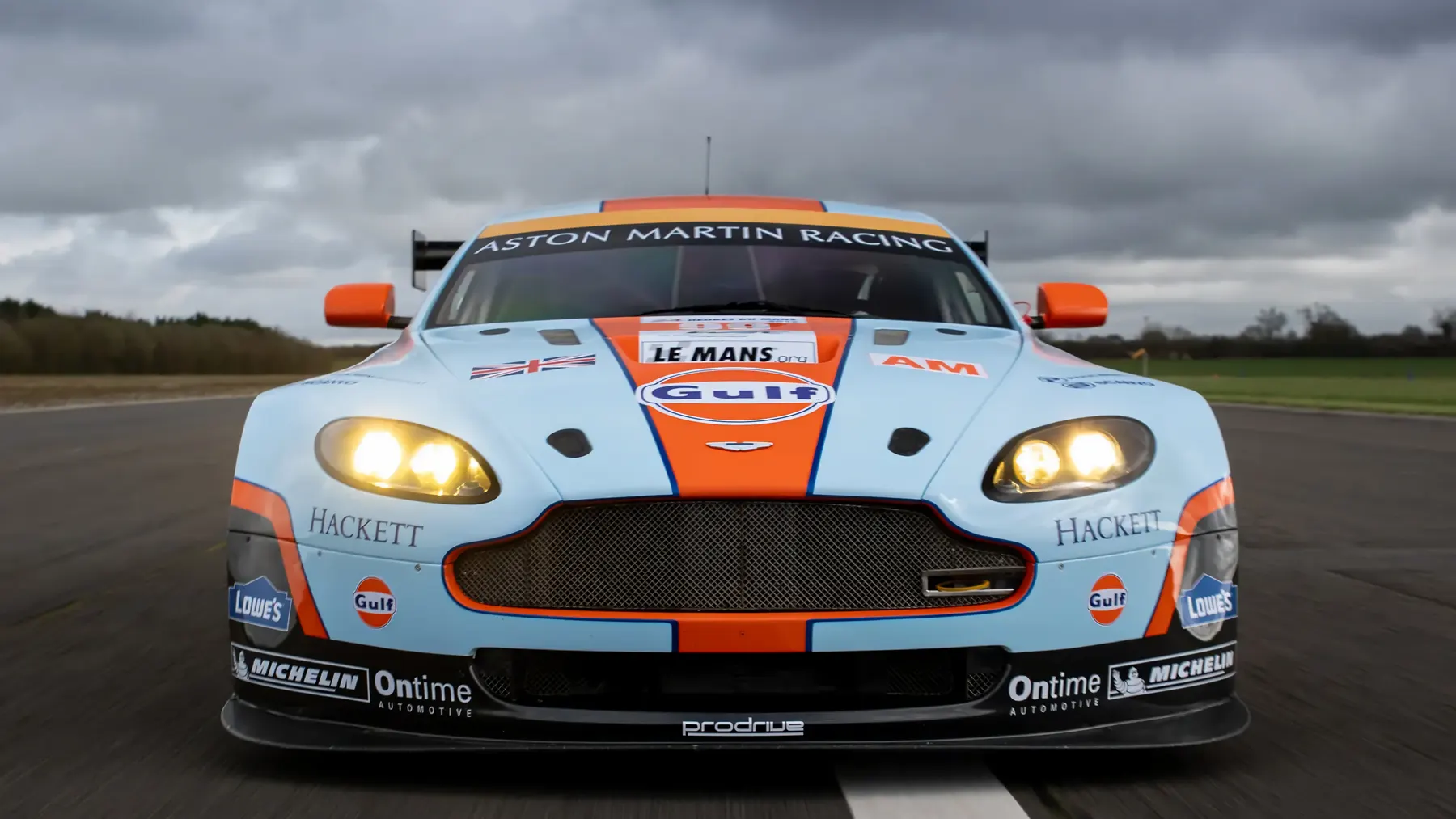
What I find particularly impressive about the Vantage GT2 program was Aston Martin’s commitment to continuous improvement. When transitioning to the GTE specification for 2012, the engineering team focused on serviceability,a critical factor in endurance racing.
They created a modular front structure with detachable bars that allowed the engine to be removed straight out of the car. This engineering breakthrough reduced engine change times from over four hours to less than one hour, without affecting suspension settings. For racing teams, this kind of efficiency can mean the difference between finishing a race and retiring.
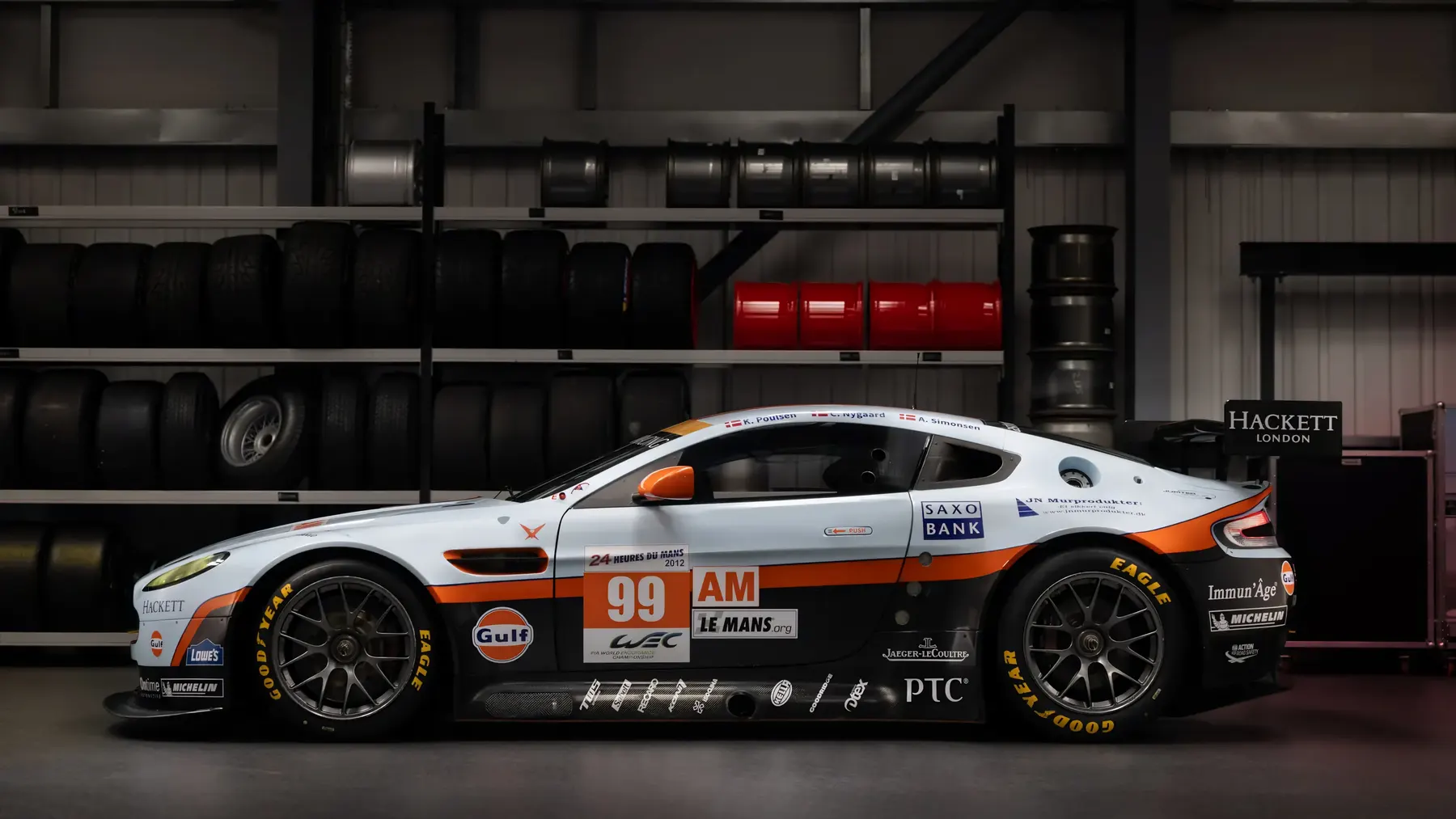
The rear suspension and subframe were similarly modified to improve serviceability, while the fuel cell was repositioned within the roll cage to enhance safety in accidents. Throughout the car, weight-saving measures were implemented, including lighter individual components like the battery.
Driver comfort also received attention, with improved cooling systems addressing issues that had plagued earlier versions of the car during hot racing conditions.
The Vantage GT2 represents a significant chapter in Aston Martin’s modern racing history. It bridged the gap between the highly successful DBR9 GT1 program and the later GTE efforts that would see Aston Martin become a dominant force in GT racing.
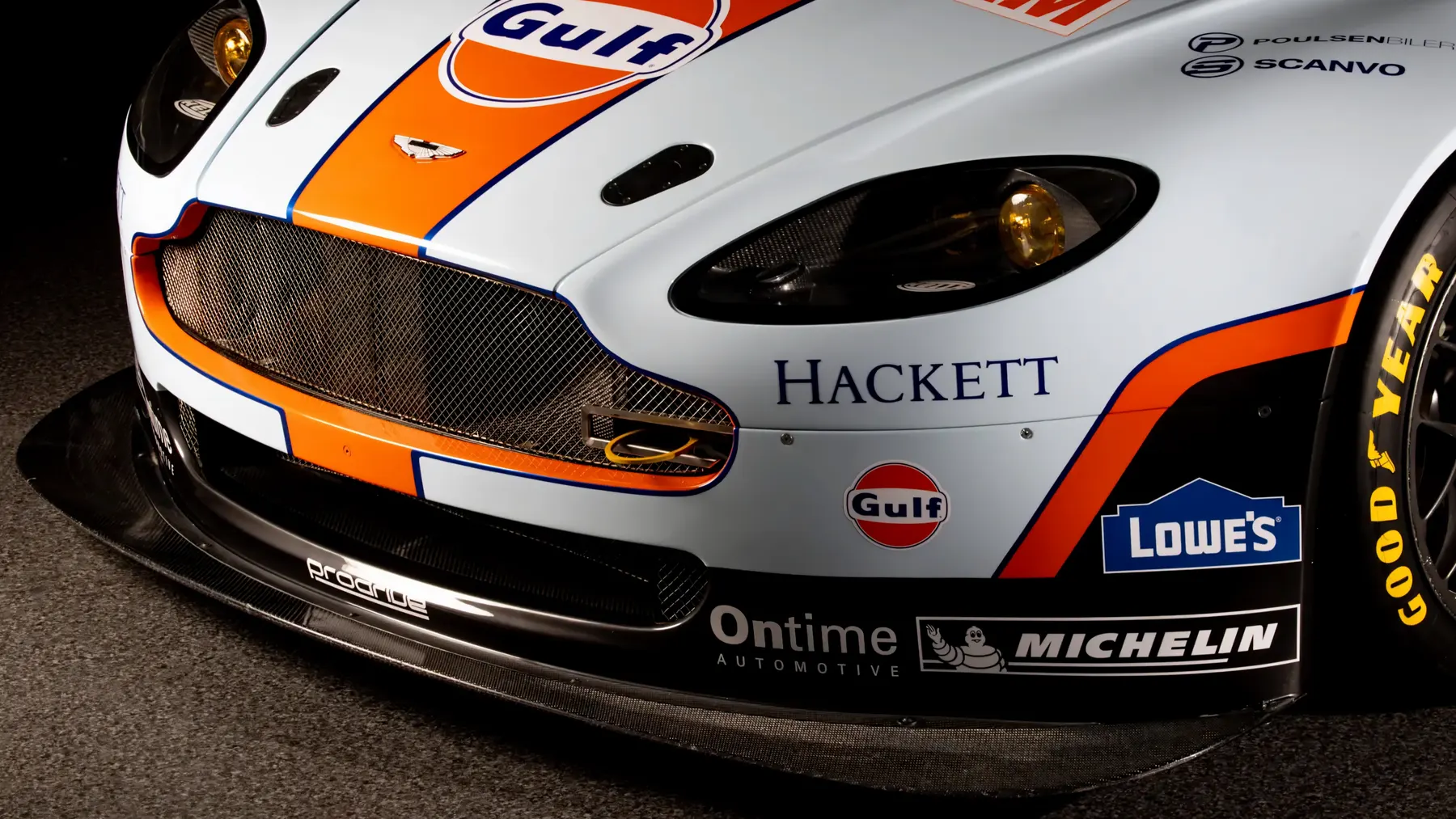
Beyond its competition achievements, the GT2 program demonstrated Aston Martin’s commitment to customer racing,providing privateer teams access to factory-developed technology. This approach helped spread the Aston Martin racing heritage across multiple series and countries, building the brand’s motorsport reputation globally.
The technological developments from the GT2 program didn’t exist in isolation. Lessons learned from racing directly influenced Aston Martin’s road cars, with technologies and design approaches filtering down to production vehicles. This racing-to-road transfer of technology remains one of the most compelling aspects of manufacturer involvement in motorsport.
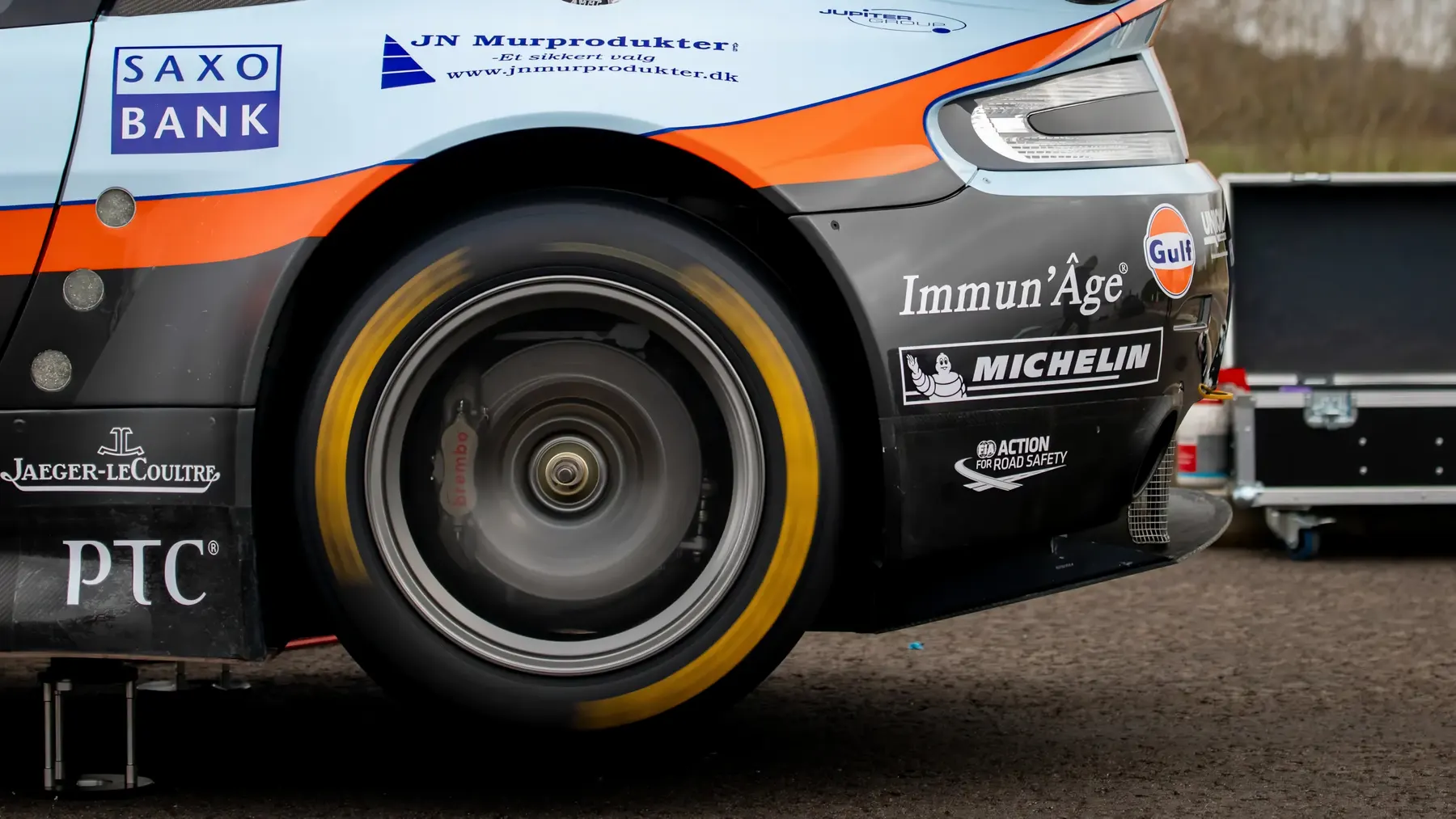
The V8 Vantage GT2’s legacy continues through the later Vantage GTE and GT3 models, which have gone on to achieve significant success in World Endurance Championship competition, including class victories at the 24 Hours of Le Mans.
For enthusiasts and collectors, the extreme rarity of the Vantage GT2,with only ten chassis ever built,ensures its place as one of the most exclusive and desirable racing Aston Martins ever created.
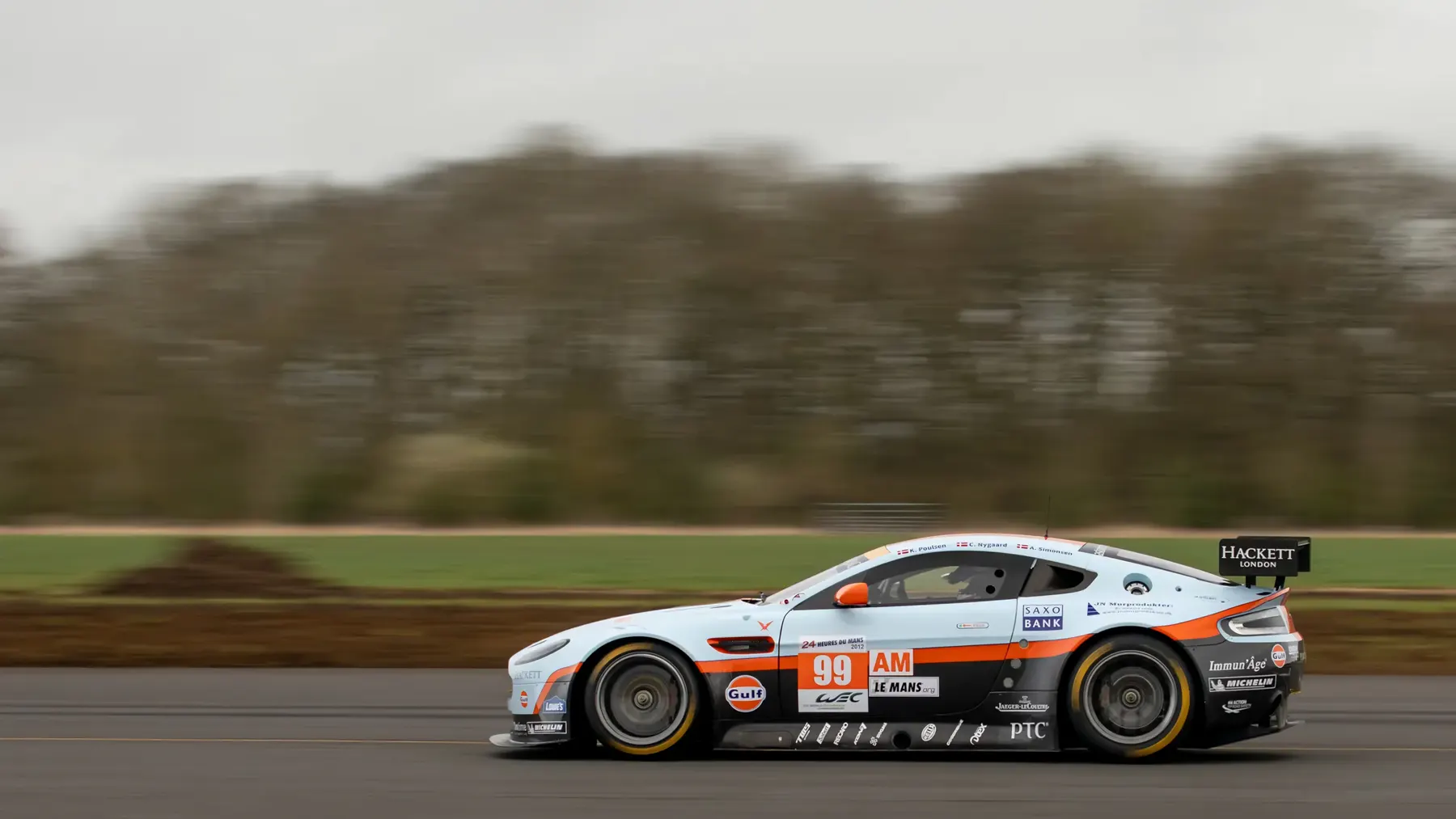
The Aston Martin V8 Vantage GT2 stands as a testament to British engineering excellence, combining the soul of a grand touring car with the heart of a racing machine. It represents everything I love about motorsport: the relentless pursuit of performance, the beautiful marriage of form and function, and the intangible emotional connection that only special racing cars can create.
**
Join the discussion
Comments
Loading comments…
Leave a comment
Share a detail, memory, or perspective. Every comment is reviewed before publication.