2011 Dallara-Honda IR-05

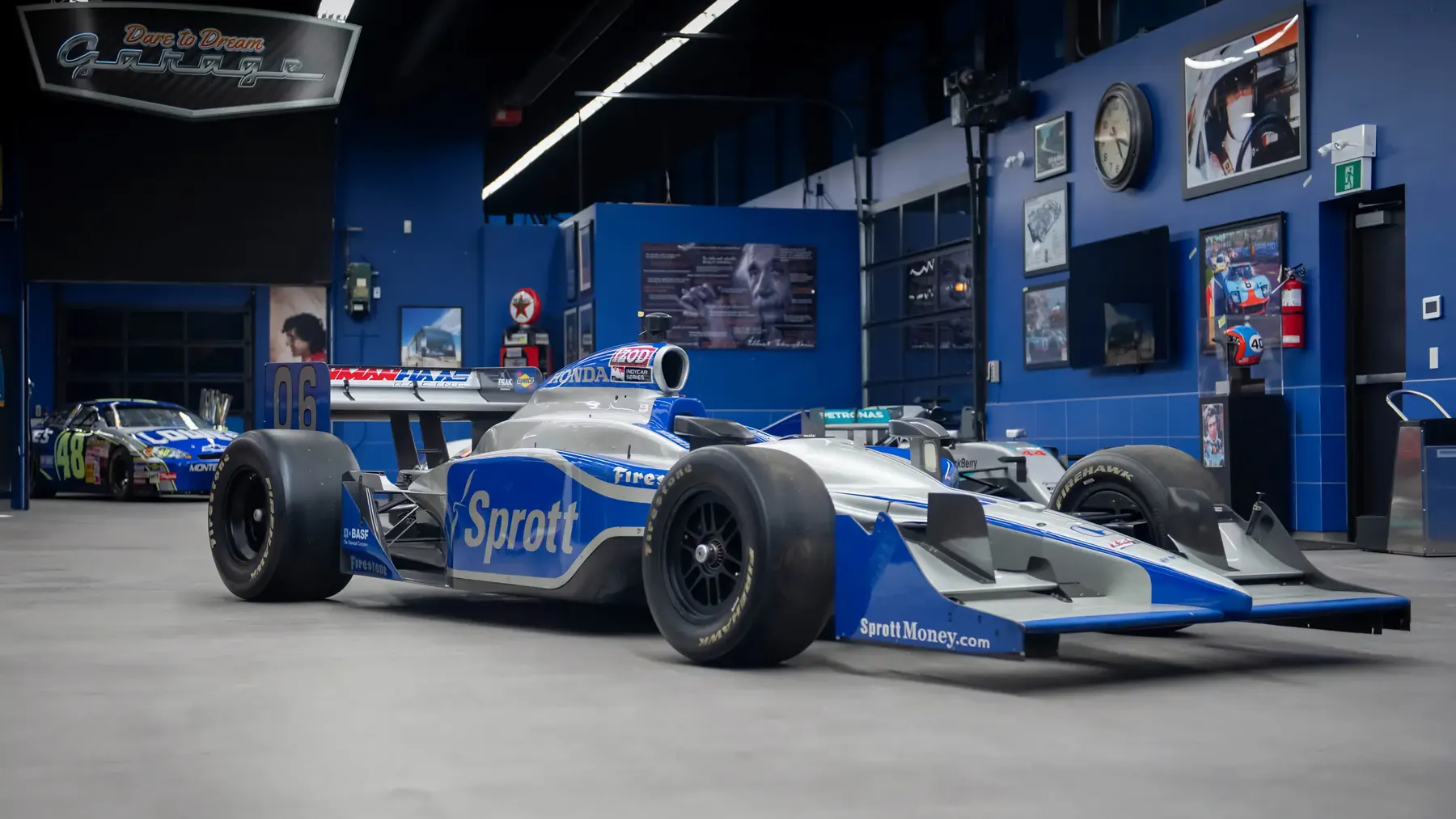
The Dallara-Honda IR-05 stands as one of the most successful and consequential race cars in modern IndyCar history. This remarkable machine dominated American open-wheel racing for half a decade, becoming the backbone of the series during a crucial transitional period. With its sleek carbon fiber monocoque and Honda power plant, the IR-05 represented the pinnacle of racing technology in the late 2000s while establishing Dallara as the preeminent chassis manufacturer in IndyCar competition.
The story of the IR-05 begins with Dallara’s entrance into American open-wheel racing in 1997. Founded by former Ferrari, Maserati, and Lamborghini engineer Giampaolo Dallara in 1972, the Italian manufacturer initially focused on sports car chassis and Formula 3 cars before making the leap to IndyCar. Their first generation chassis, the IR-7, achieved immediate success with Eddie Cheever winning the 1998 Indianapolis 500 in an Oldsmobile-powered version.
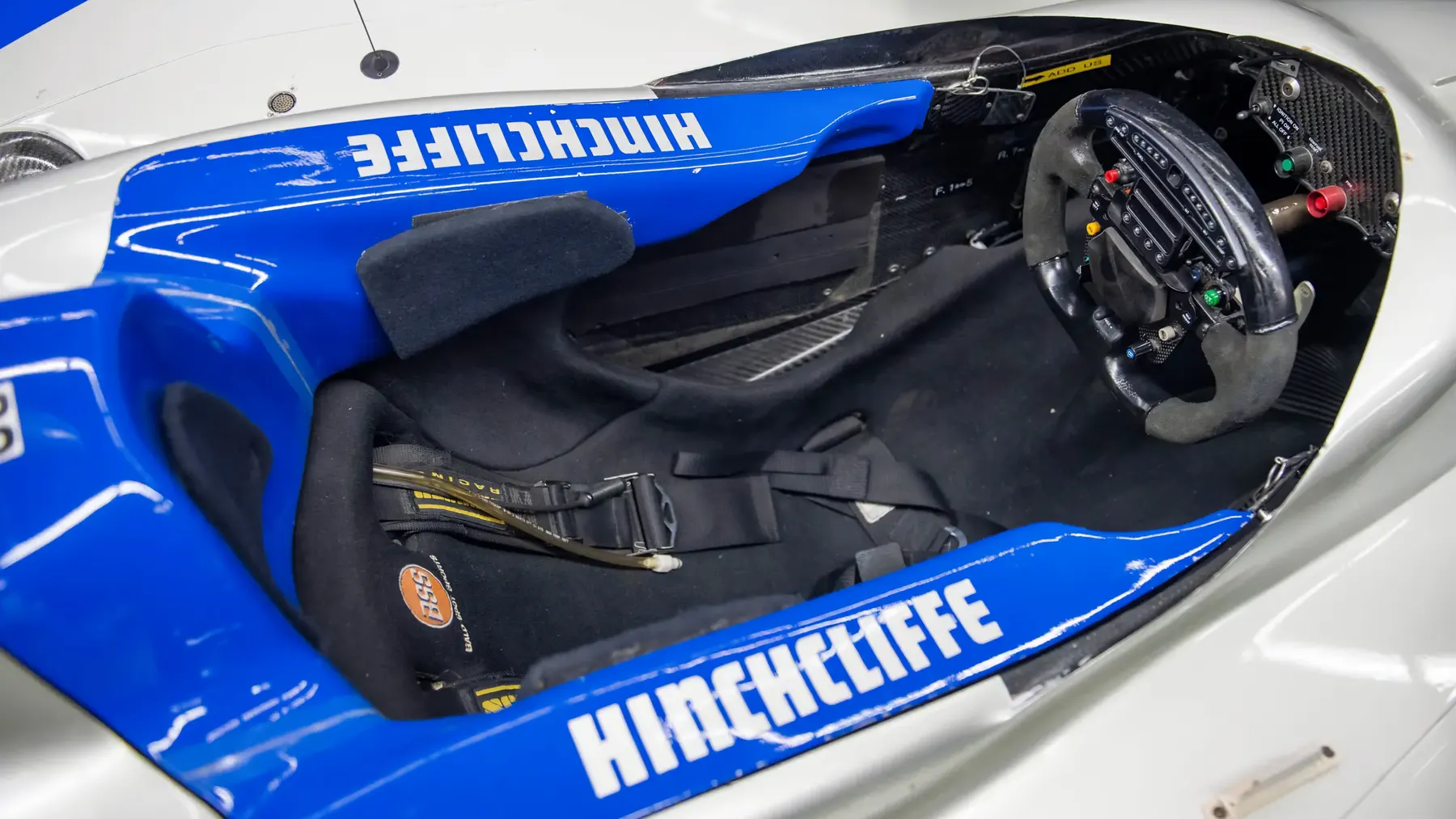
For the 2003 season, Dallara introduced their third-generation chassis, the IR-03. This design would prove transformative, gradually becoming the de facto standard for the entire series. The evolution continued with aerodynamic updates in 2004 (designated IR-04) and again in 2007, when the IR-05 designation was established. By 2007, the IR-05 had achieved complete dominance, with all teams in the IndyCar Series utilizing the chassis outside of a few Panoz entries at the Indianapolis 500.
The IR-05 wasn’t merely a cosmetic update. It introduced significant aerodynamic revisions designed to optimize performance across the diverse track types found in IndyCar racing – from tight street circuits to high-speed 2.5-mile superspeedways. The chassis incorporated crucial safety enhancements including energy-absorbing materials in the footbox and leg areas, a 7 mm thick side anti-intrusion panel, and a compact, gears-forward transmission. In 2008, the evolution continued with the introduction of paddle shifters on the steering wheel, further refining the driving experience.
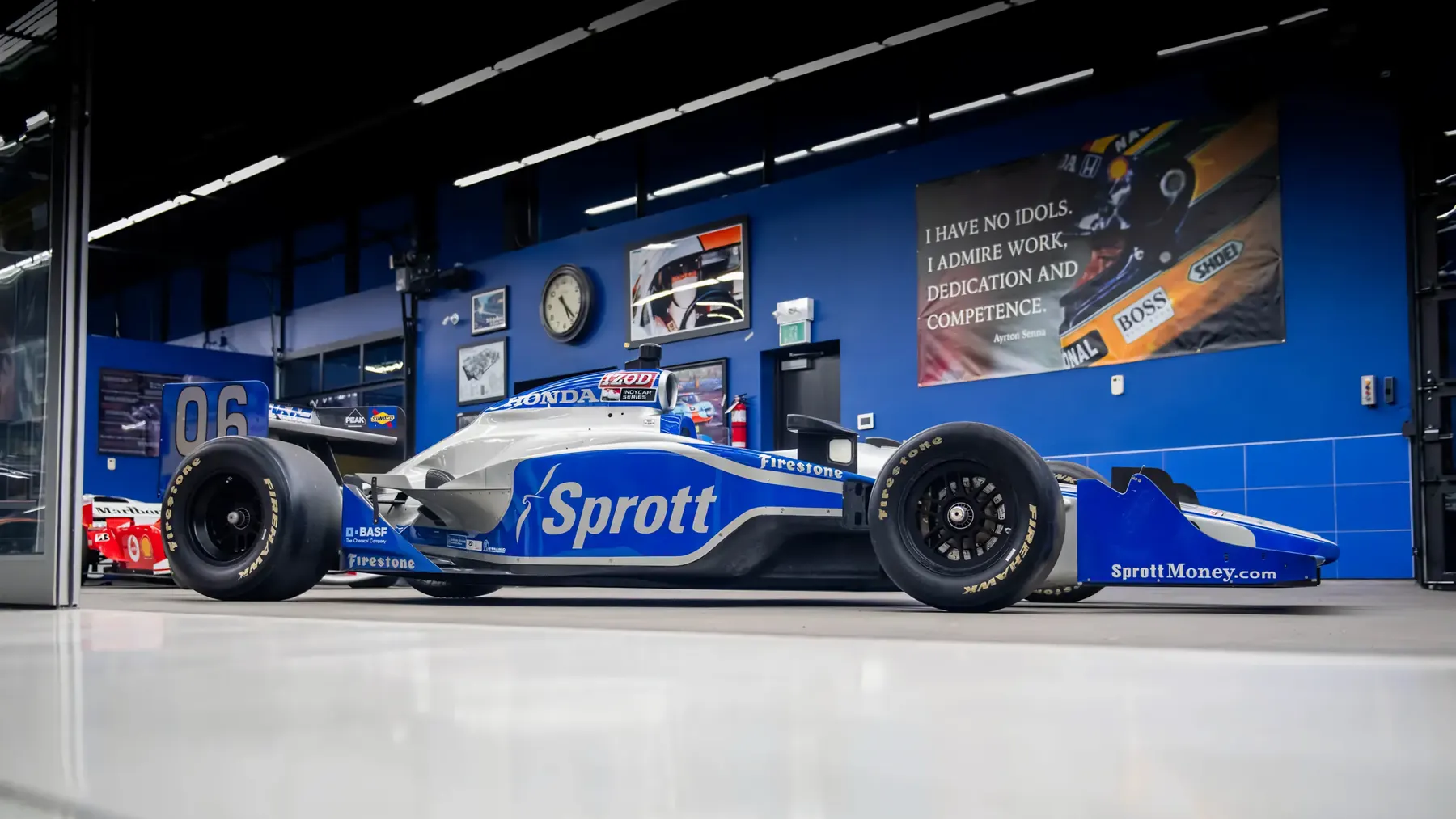
The engineering brilliance of the IR-05 is evident in its technical specifications. The car featured a carbon fiber monocoque with honeycomb structure, providing exceptional rigidity while keeping weight remarkably low – between 692-710 kg on ovals and 726-744 kg on road courses.
Its double wishbone suspension with pull-rod actuated coil springs over shock absorbers could be finely tuned for different circuit demands. The chassis dimensions were equally adaptable, with length ranging from 4,877 to 4,978 mm, width between 1,968 and 1,994 mm, and an adjustable wheelbase of 2,997 to 3,099 mm. This flexibility allowed teams to optimize setups for the wide variety of tracks on the IndyCar calendar.
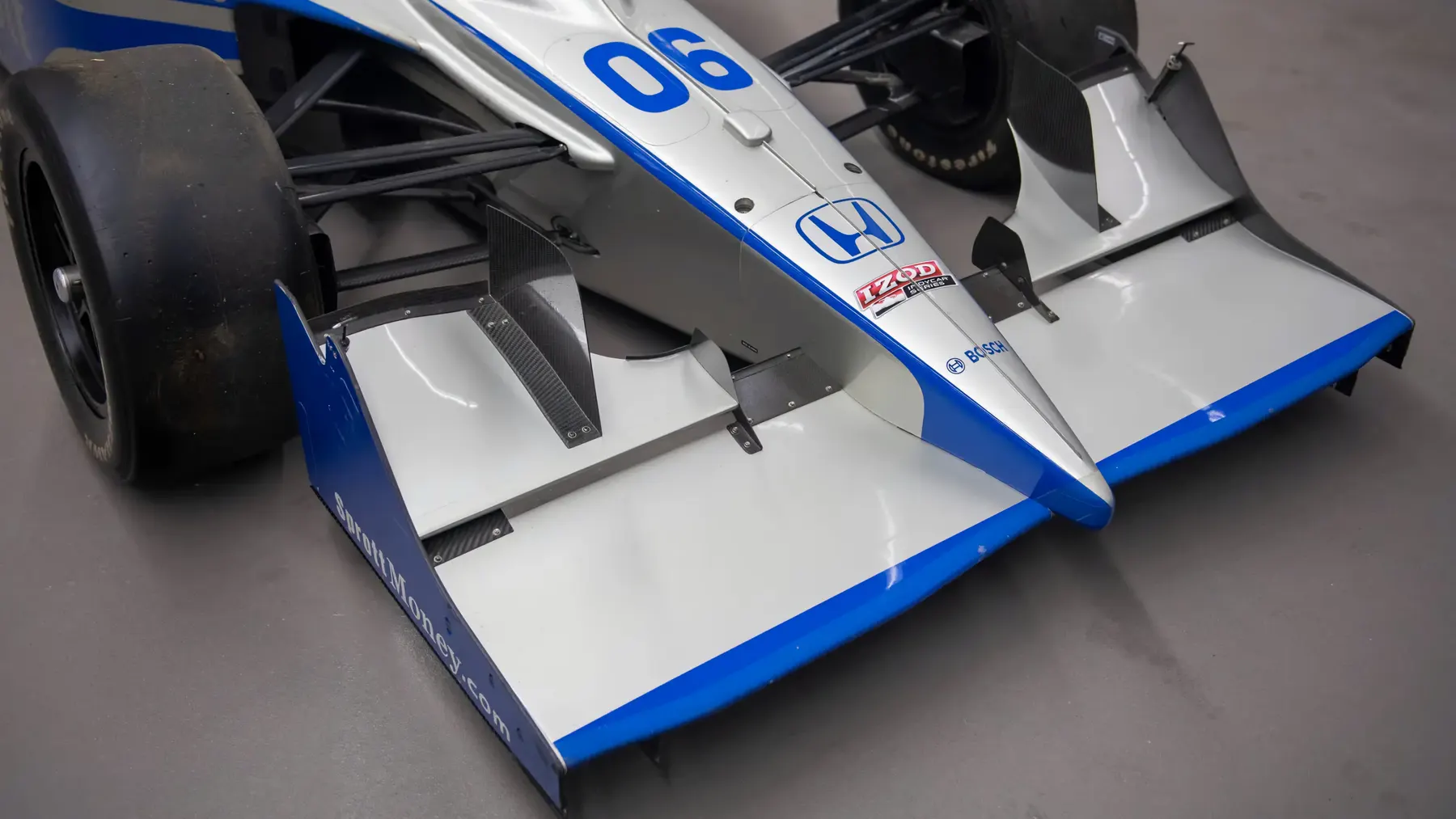
From 2003 to 2005, the chassis accommodated Chevrolet, Honda, and Toyota V8 engines. However, in 2006, Honda became the exclusive engine supplier to the series, cementing the Dallara-Honda IR-05 partnership that would continue until 2011. These naturally aspirated 3.0-3.5L 90° V8 engines produced approximately 650 horsepower (485 kilowatts), with later models featuring push-to-pass functionality that added an additional 20-40 horsepower in short bursts.
The IR-05’s racing record speaks volumes about its capabilities. During its tenure, the chassis demonstrated remarkable versatility and reliability across all track types. Newman/Haas Racing’s purchase of chassis #001 for the historic 2008 season – which marked the reunification of American open-wheel racing after a twelve-year split – proved especially significant.
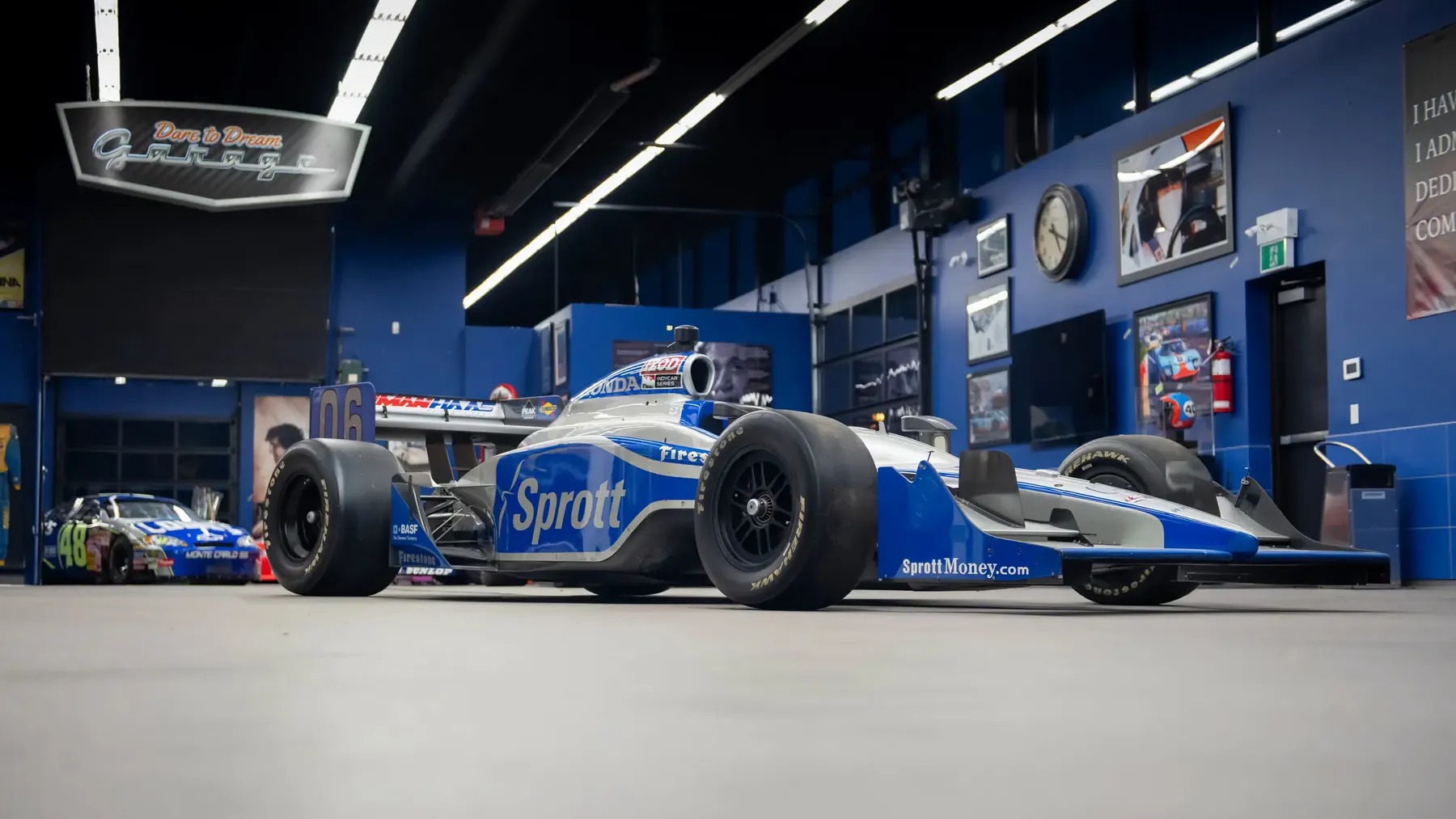
With young Graham Rahal at the wheel, this particular IR-05 achieved immediate success, winning the Honda Grand Prix of St. Petersburg. At just 19 years old, Rahal became the youngest driver ever to win a major American road race, showcasing the chassis’s exceptional road course capabilities.
The IR-05’s oval prowess was equally impressive. In 2011, chassis #016 qualified on the front row of the Indianapolis 500 with Oriol Servià driving for Newman/Haas, converting that position into a strong 6th place finish. Perhaps most remarkably, Dan Wheldon won the 2011 Indianapolis 500 driving a nine-year-old IR-03 chassis (the predecessor to the IR-05), demonstrating the fundamental excellence of Dallara’s third-generation design.
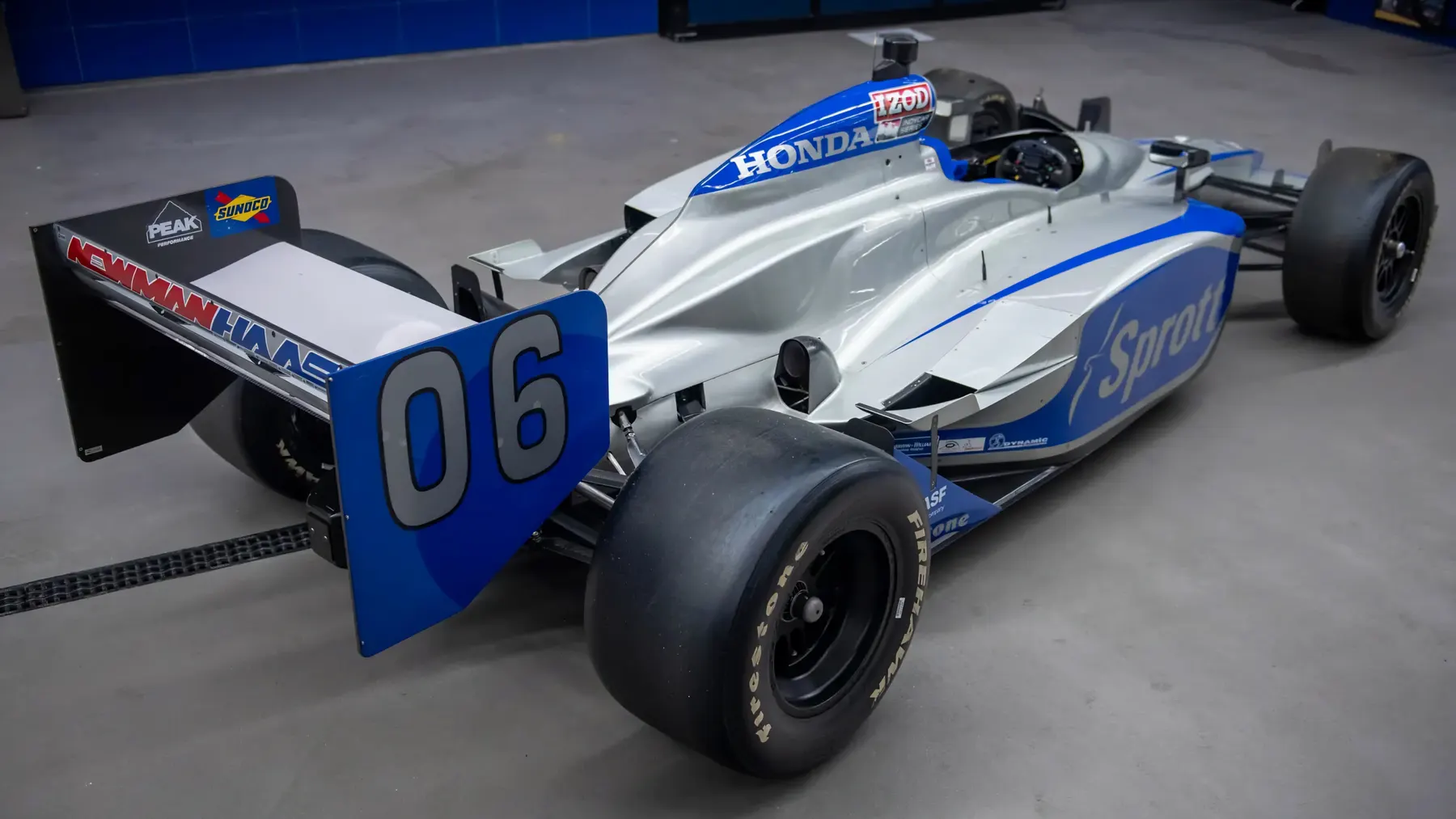
The Dallara-Honda IR-05 represents a pivotal chapter in American motorsport. It served as the standard bearer during the crucial reunification period of American open-wheel racing, providing stability and continuity when the sport desperately needed it. From 2007 to 2011, it was the exclusive chassis used in IndyCar competition, creating a level playing field that emphasized driver skill and team execution.
The IR-05’s legacy extends beyond its racing success. It established Dallara as the dominant force in IndyCar manufacturing, a position the company maintains today. When the time came to develop a successor, Dallara was the natural choice, creating the DW12 (named after Dan Wheldon) that debuted in 2012.
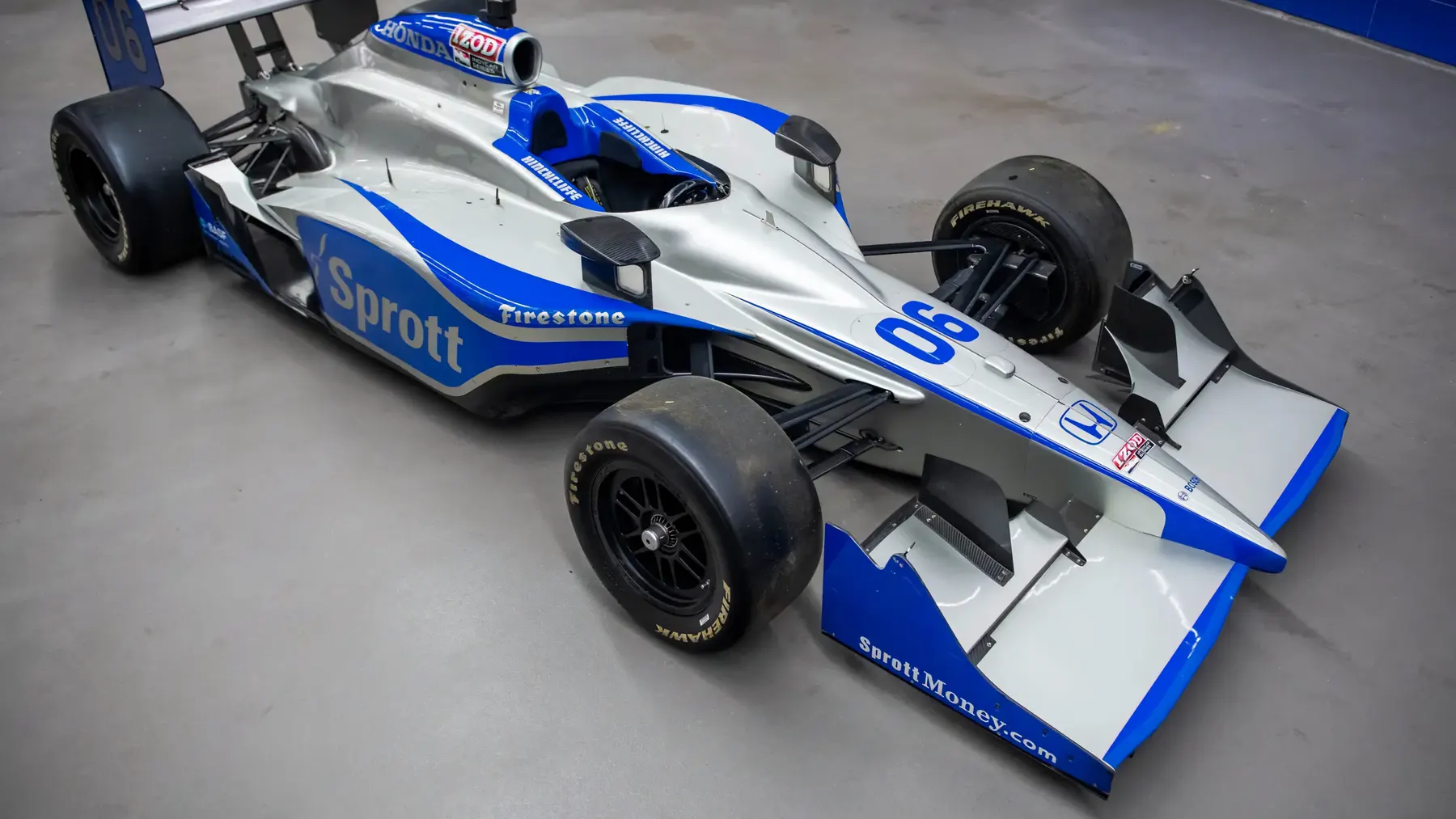
Today, collectors and enthusiasts recognize the historical significance of these machines. When RM Sotheby’s auctioned chassis #016 from the Haas Collection, it highlighted the car’s impressive racing pedigree, including its front-row qualification at the 2011 Indianapolis 500 and podium finish at Milwaukee that same year.
The Dallara-Honda IR-05 stands as a testament to Italian engineering excellence applied to the unique challenges of American oval and road course racing. Its blend of performance, safety, and adaptability created a platform that not only produced thrilling competition but also helped heal the wounds of a divided sport. Few race cars can claim such a profound impact both on and off the track, securing the IR-05’s place in motorsport history.
Join the discussion
Comments
Loading comments…
Leave a comment
Share a detail, memory, or perspective. Every comment is reviewed before publication.