2011 Porsche 911 Speedster

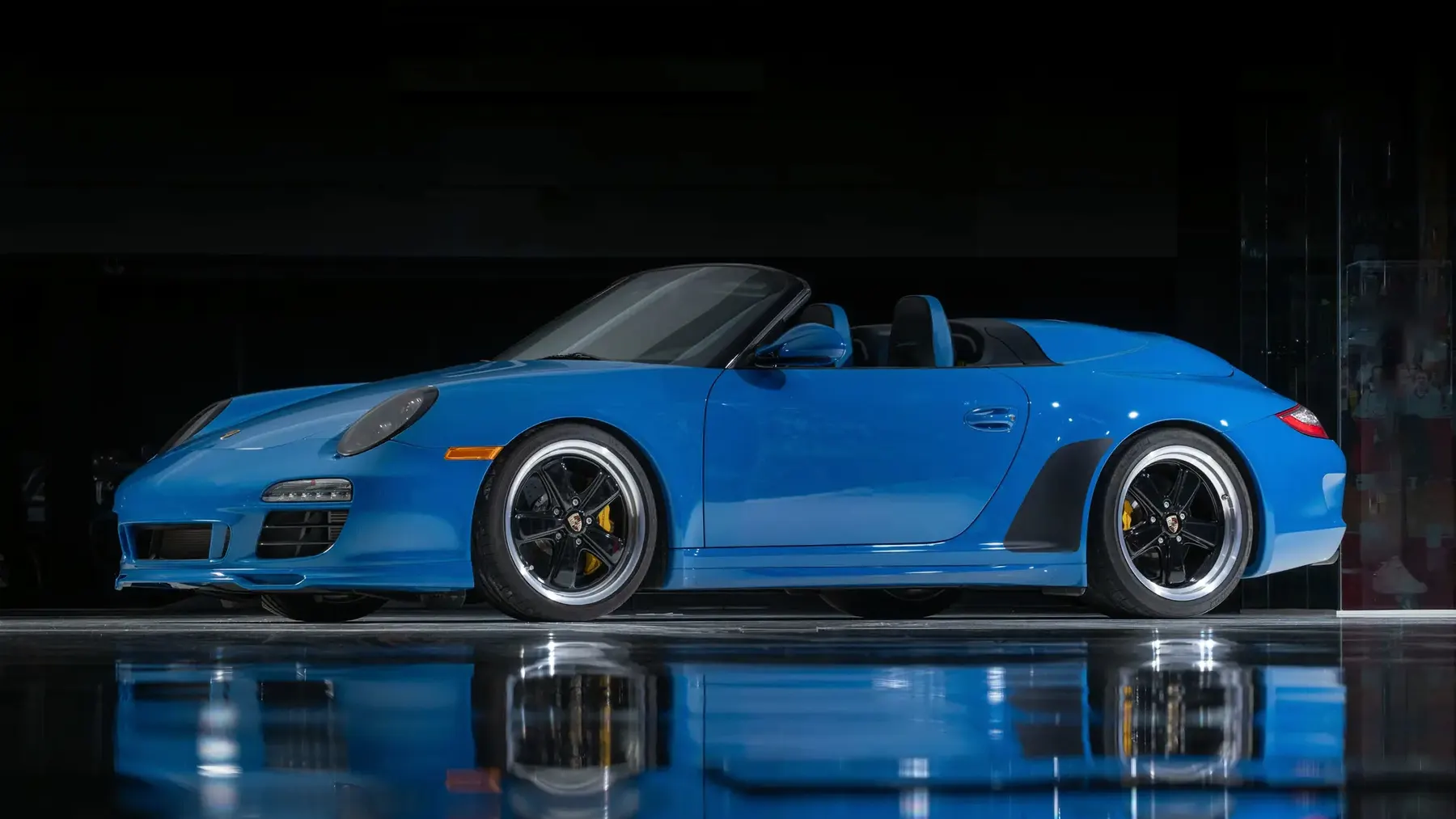
The 997 Porsche 911 Speedster represents one of the most captivating expressions of Porsche’s heritage combined with modern engineering. Released in limited numbers for the 2011 model year, this exclusive variant embodies the perfect blend of nostalgic design elements and contemporary performance. As one of the rarest and most coveted 911 models, the 997 Speedster continues to enchant enthusiasts with its distinctive profile and thrilling driving dynamics.
The 911 Speedster nameplate carries significant historical weight in Porsche’s lineup. The concept traces back to 1953 when Porsche launched the original 356 Speedster, a puristic sports car with a shorter, curved windscreen and minimalist features designed primarily for the American market. This iconic model set the template for all future Speedsters.
The name was revived in 1988 for the G-Series 911, which introduced the now-characteristic double-bubble tonneau cover. A 964-generation Speedster followed in 1993/1994, continuing the lineage. After skipping the 993 and 996 generations, Porsche finally reintroduced the Speedster concept for the 997 platform, unveiling it at the Paris Motor Show in September 2010.
The 2011 model marked the fourth generation of the Speedster concept, and Porsche deliberately limited production to exactly 356 units worldwide, a deliberate homage to the original 356 Speedster. This rarity instantly positioned the 997 Speedster as a future classic.
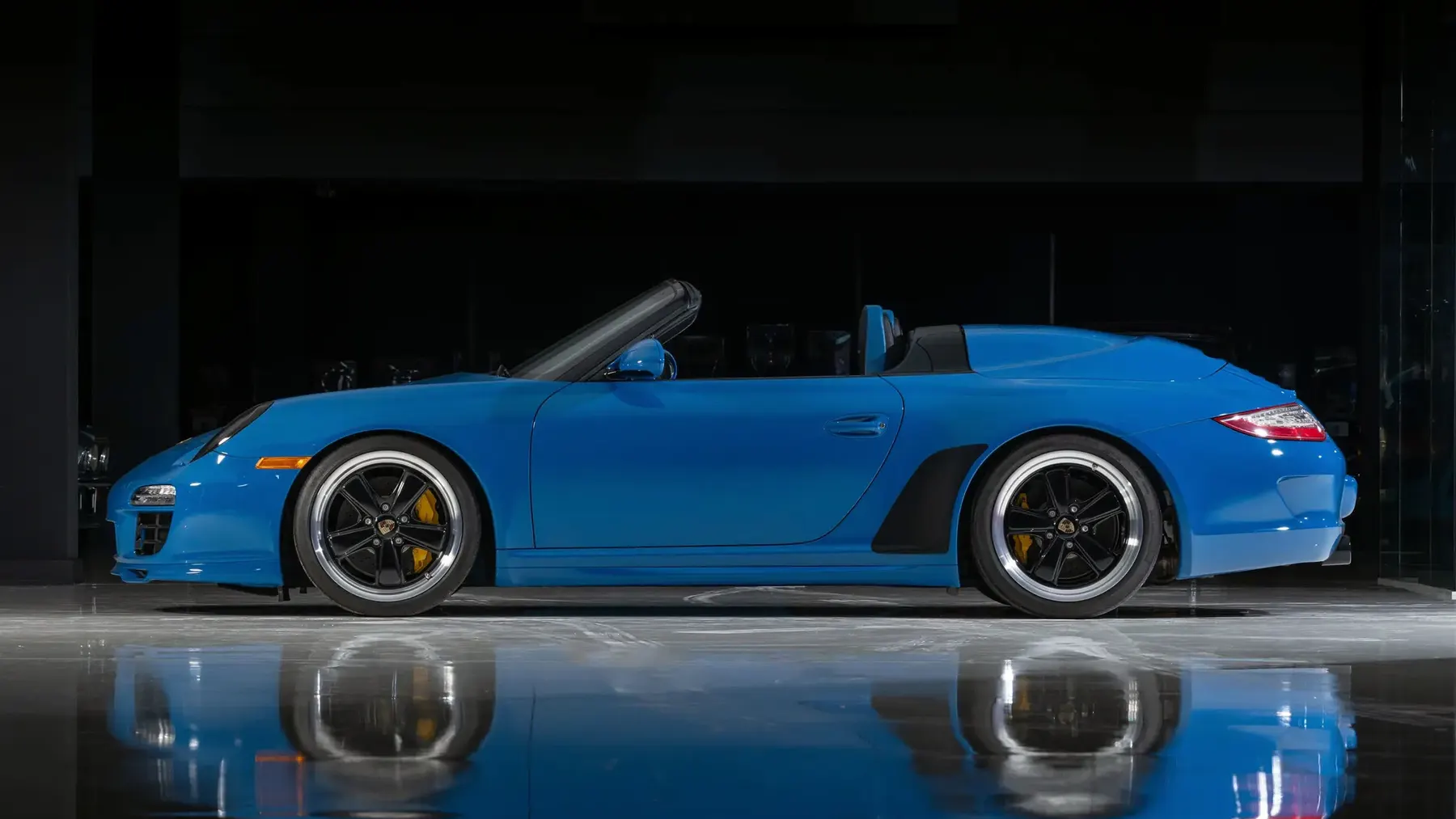
The 997 Speedster’s most striking visual element is undoubtedly its dramatically shortened windscreen. Reduced by 77mm (about 3 inches) compared to the standard 997 cabriolet, this modification immediately distinguishes the Speedster from any other 911 variant. Interestingly, while the windscreen height changed, engineers maintained the same rake angle as the standard model.
Perhaps the most defining design element is the “double-bubble” tonneau cover that elegantly extends from behind the seats, creating the Speedster’s distinctive profile. This design choice not only pays homage to the 1988 Speedster but also serves a functional purpose by optimizing aerodynamics.
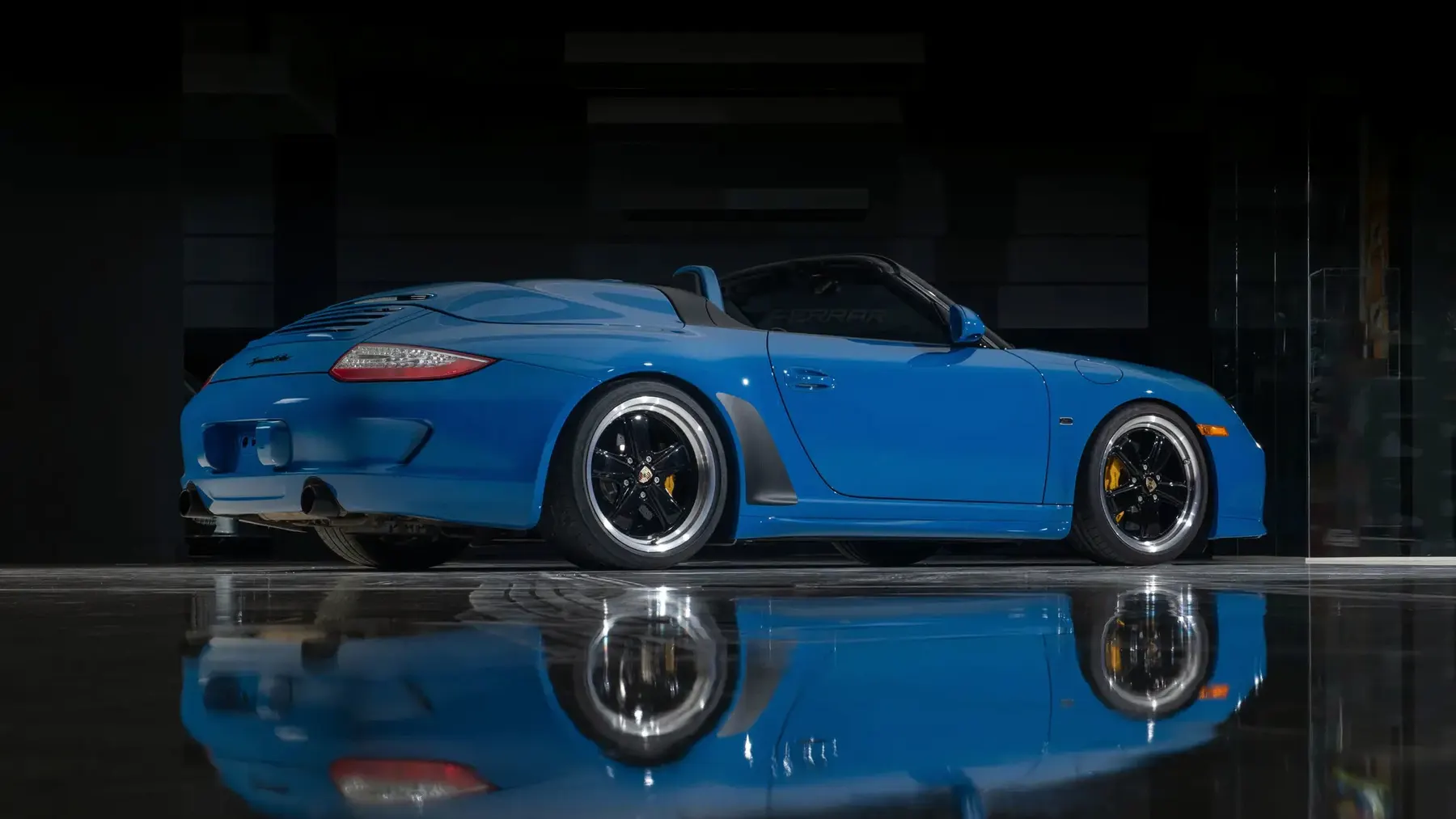
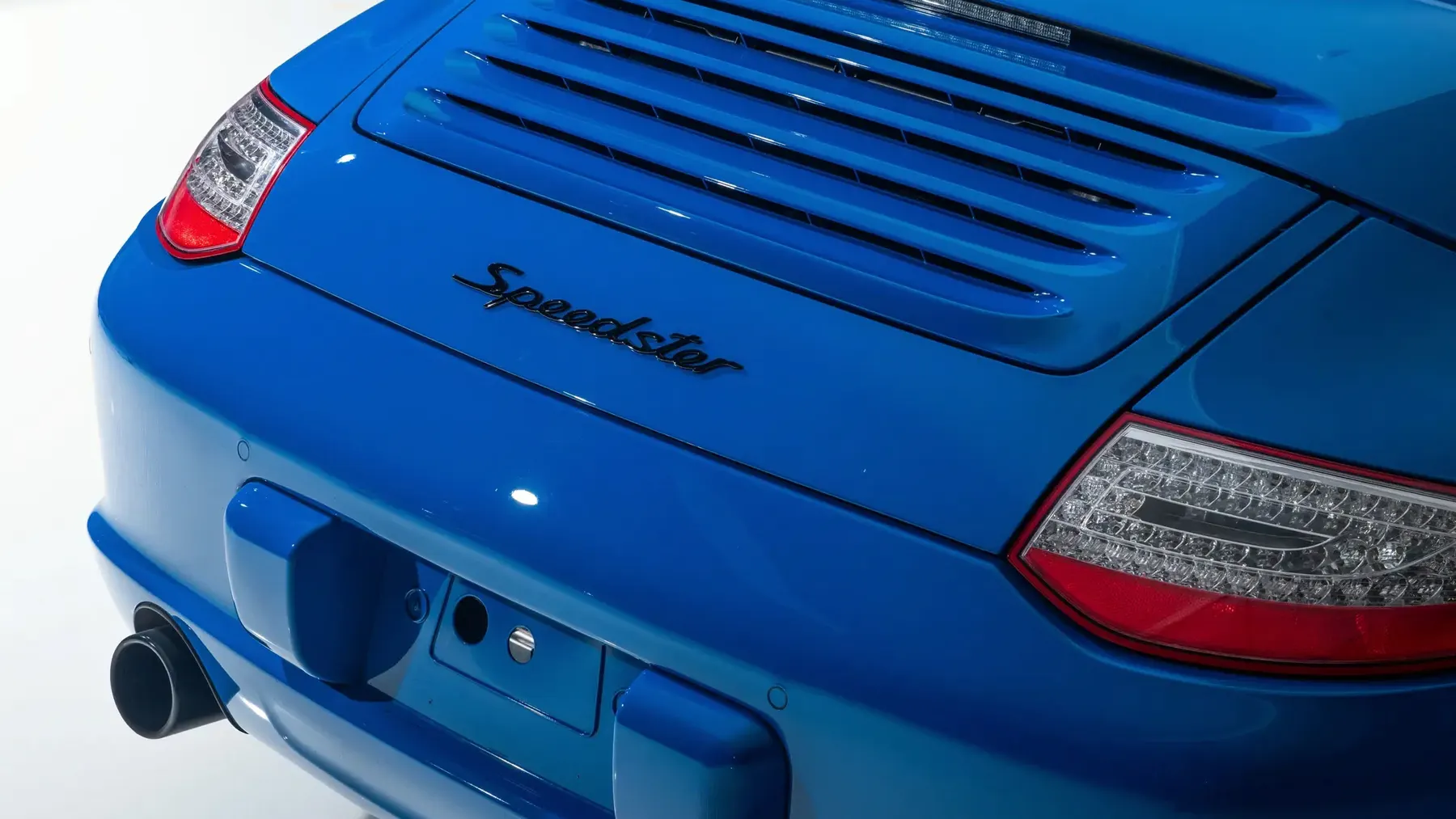
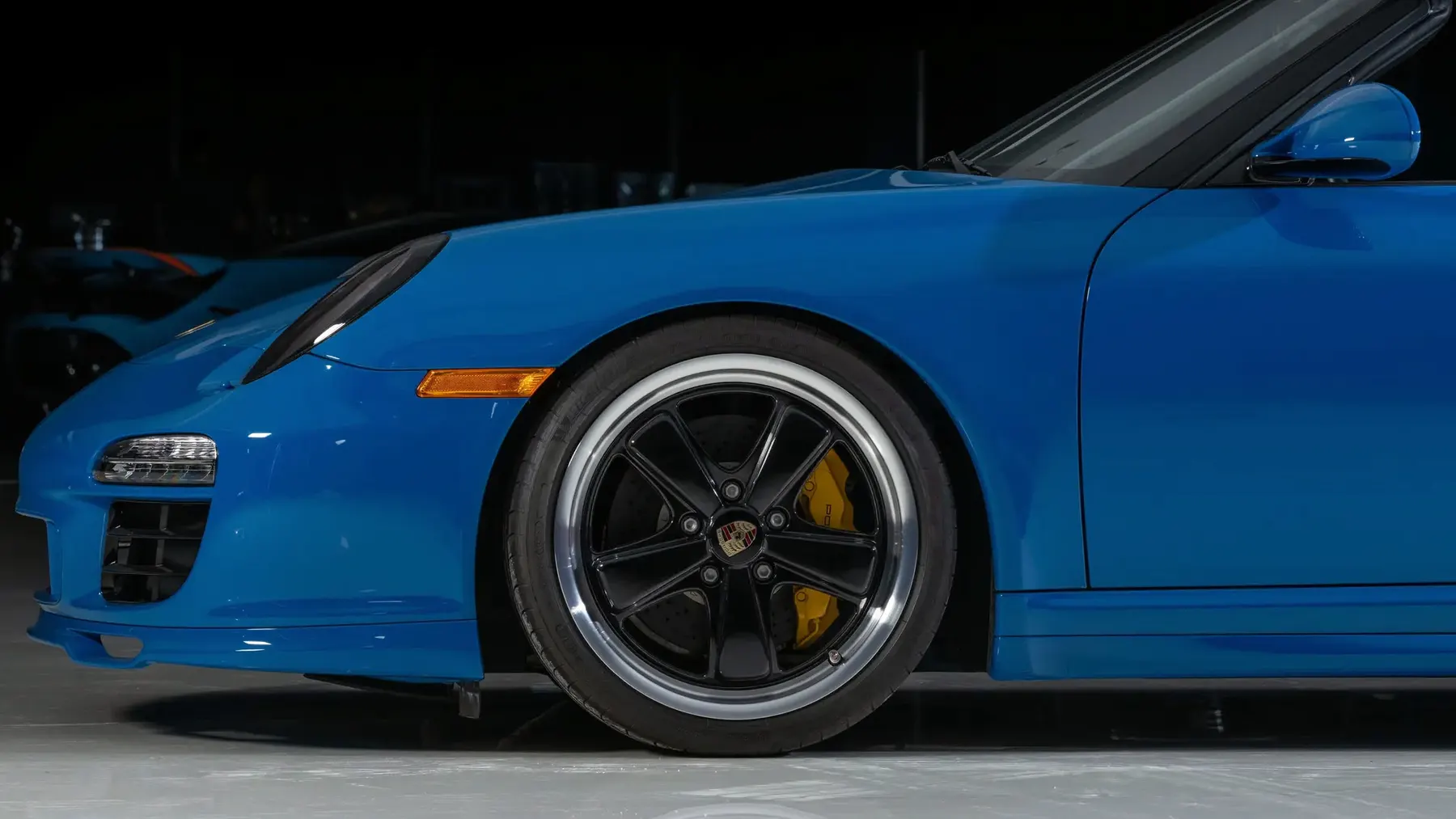
Porsche offered the 997 Speedster in just two colors: Carrera White and an exclusive Pure Blue developed specifically for this model. The Pure Blue option would never be available on any other Porsche model, making those examples particularly desirable among collectors. A few Paint-to-Sample versions were produced in extremely limited numbers, making them even rarer.
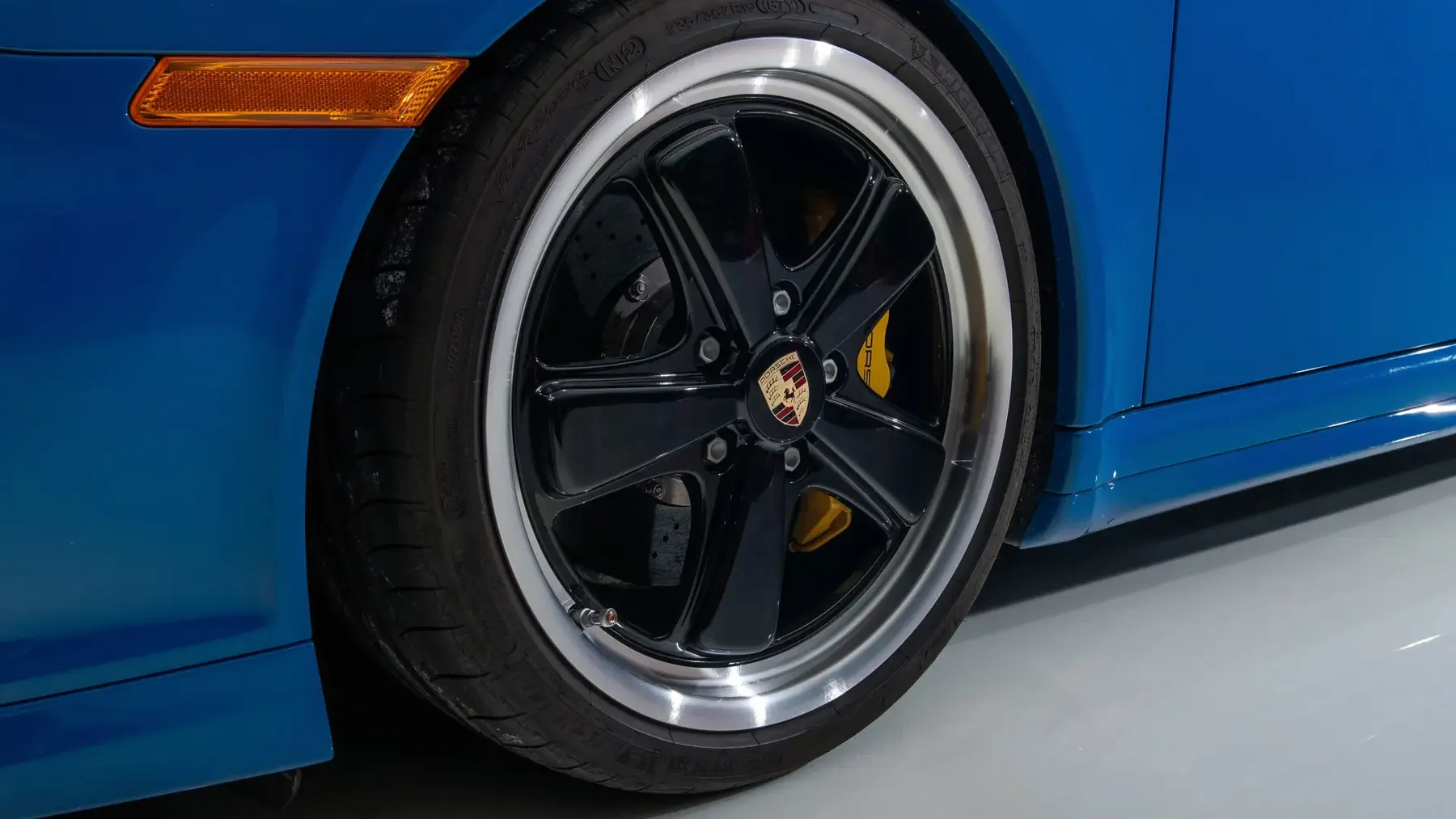
Other design touches included black Fuchs-style alloy wheels and black rock chip protectors on the rear fenders, both subtle nods to classic Porsche design elements. The car’s manual convertible top was designed for both functionality and aesthetics, though stowing it required a somewhat involved procedure.
Contrary to what some might expect, the 997 Speedster wasn’t based on the standard 911 Cabriolet but rather on the more performance-oriented Carrera GTS platform. This gave the Speedster substantially more athletic capabilities than a typical open-top 911.
Under the rear decklid sat a 3.8-liter flat-six engine generating 408 horsepower (300 kW) and 310 pound-feet of torque, 23 horsepower more than the standard Carrera S. This powerplant featured Porsche’s “Power Kit” which included modifications to the intake system and high-pressure fuel injectors with optimized spray pattern.
Unlike earlier Speedster variants which offered manual transmissions, the 997 Speedster came exclusively with Porsche’s seven-speed PDK dual-clutch transmission. This decision prioritized performance over tradition, as the PDK delivered faster acceleration figures.
The performance numbers were impressive: 0-60 mph acceleration in approximately 4.0-4.2 seconds, a quarter-mile time of 12.8 seconds at 119 mph, and a top speed of 190 mph (305 km/h). Despite this performance capability, the Speedster maintained reasonable efficiency ratings of 19 mpg city and 27 mpg highway.
The 997 Speedster shared its chassis setup with the 911 GT3, giving it truly exceptional handling characteristics. This wasn’t merely a style-focused special edition but a genuine driver’s car with serious performance credentials.
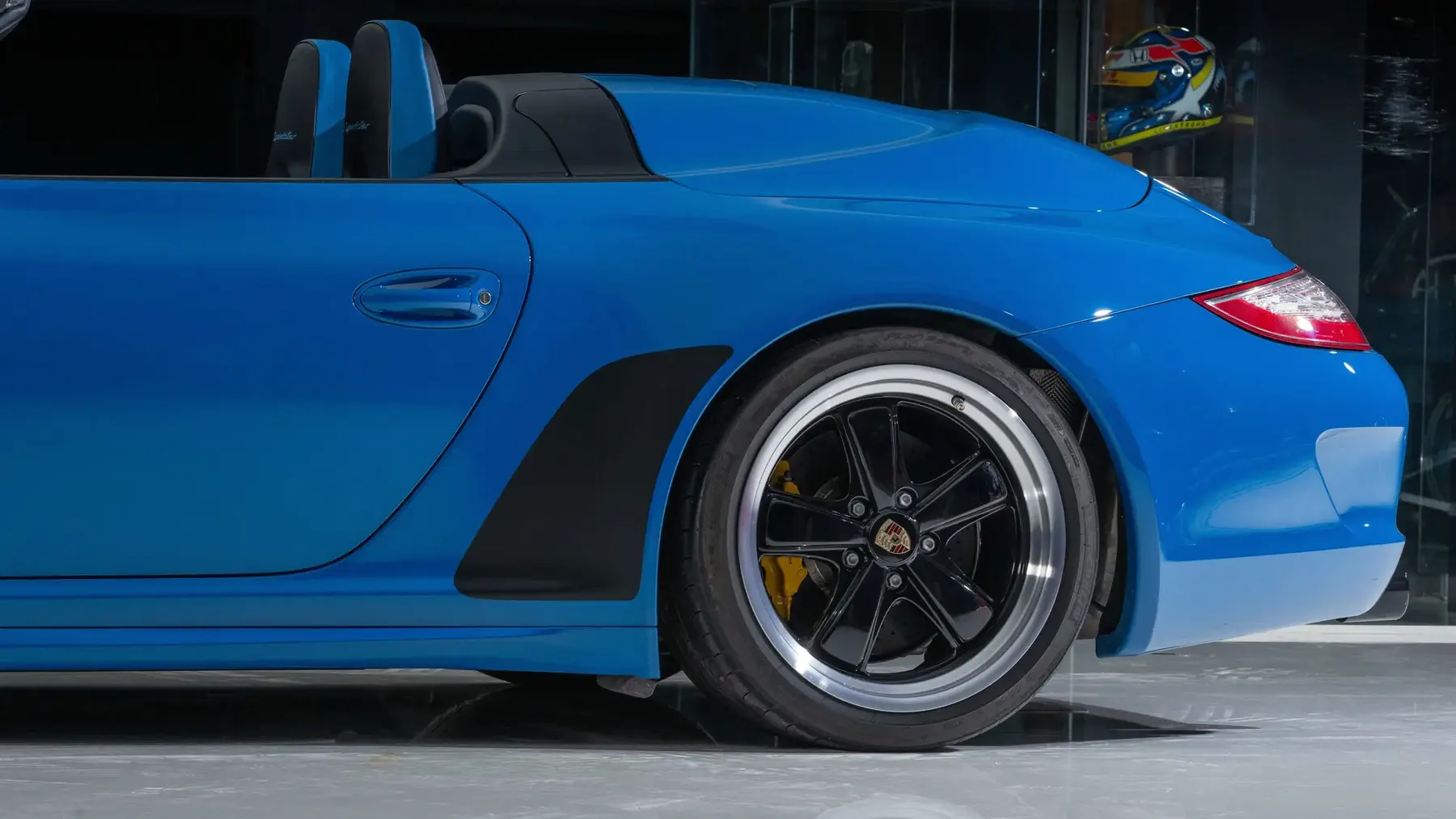
Standard equipment included Porsche Ceramic Composite Brakes (PCCB), providing fade-resistant stopping power and reducing unsprung weight by 17 kg compared to conventional brakes. Additionally, Porsche Active Suspension Management (PASM) came standard, allowing drivers to switch between normal and sport suspension settings.
The car also featured a sport exhaust system in lightweight stainless steel that weighed 10 kg less than standard, including two particulate filters. This exhaust system contributed to the Speedster’s distinctive engine note.
Other technical highlights included a mechanical rear differential lock with asymmetric locking action and Porsche’s “auto-blip” function that automatically matched engine revs during downshifts when using the manual shifting mode of the PDK transmission.
Inside, the 997 Speedster featured a driver-focused cockpit with numerous special touches. Black leather dominated the cabin, with center panels of the seats upholstered in perforated leather. Lightweight door panels with black door pulls and stowage nets reduced overall weight while maintaining a premium feel.
The 360mm sports steering wheel featured a distinctive marking at the 12 o’clock position, and “Speedster” logos adorned the head restraints, door sills, and central rev counter. The instruments featured black dials with white needles and green digits and scales, subtle references to the original Porsche 356 Speedster.
Each car carried a numbered badge on the cross structure behind the front seats, indicating its position in the limited production run. Porsche bundled numerous options under a single “Speedster option” package rather than listing them individually, a practice reflecting the model’s position as Porsche Exclusive Manufaktur’s 25th anniversary celebration.
With a price tag of €201,682 in Germany and $222,000 in the United States, the 997 Speedster positioned itself firmly in the collector car market from day one. Many examples were sold to dedicated Porsche collectors and rarely driven, though enthusiast reviews consistently praised its driving dynamics.
The Speedster was described as offering “perhaps the purest driving experience of all open-top 911s,” with Car and Driver noting it made “the driver feel more at one with the elements than any other 911”. Its limited production ensured it was “a collectible before any of the 356 units even reached production”.
Of the 356 units produced worldwide, 103 were allocated for North American customers, making them particularly rare in that market. Today, well-preserved examples command significant premiums over their original selling prices.
The 997 Speedster stands as a pivotal model in Porsche’s modern history, bridging the company’s heritage with contemporary engineering. Its influence extended to later 911 generations, with Porsche subsequently releasing Speedster versions of both the 991 and 992 generations.
What makes the 997 Speedster special isn’t merely its rarity or its aesthetic appeal, but rather how it embodies Porsche’s commitment to honoring tradition while embracing innovation. In a lineup filled with special editions, the 997 Speedster manages to stand out as particularly significant, a proper tribute to the car that helped establish Porsche in America decades earlier.
For enthusiasts and collectors alike, the 997 Speedster represents one of the most distinctive and desirable modern Porsches, a car that continues to captivate with its unique combination of heritage-inspired design and exhilarating performance.
Join the discussion
Comments
Loading comments…
Leave a comment
Share a detail, memory, or perspective. Every comment is reviewed before publication.