2012 Lamborghini Aventador LP700-4 Coupe

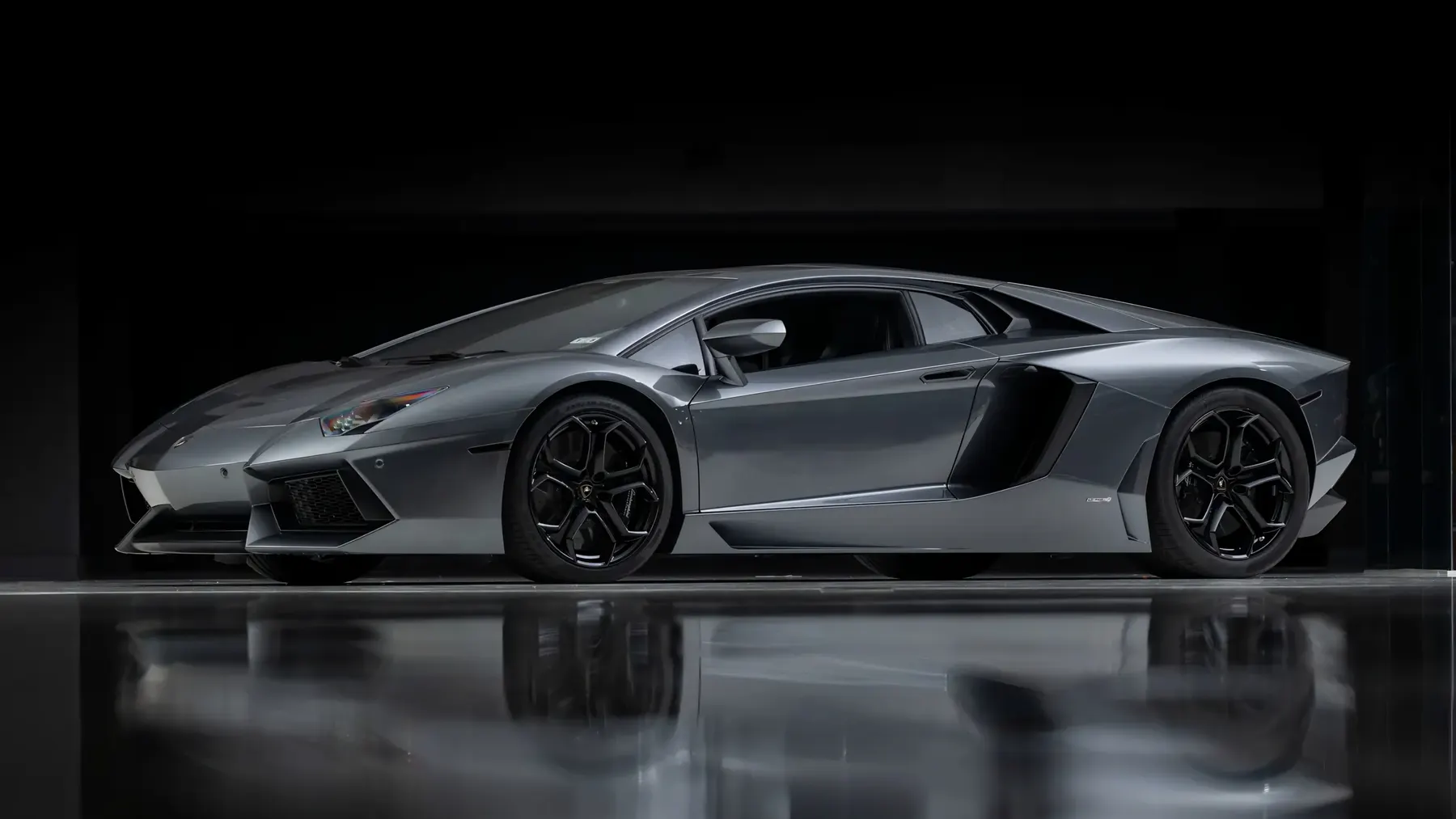
When Lamborghini unveiled the Aventador LP700-4 at the 2011 Geneva Motor Show, the automotive world witnessed the birth of not just another supercar, but a revolutionary milestone in Lamborghini’s storied history. As the designated successor to the decade-old Murciélago, the Aventador arrived with the monumental task of redefining what a flagship Lamborghini could be - and it delivered spectacularly.
The development of the Aventador (internally codenamed LB834) represented Lamborghini’s commitment to pushing technological boundaries. Launched on February 28, 2011, after being initially unveiled at Sant’Agata Bolognese, the Aventador was named after a famed Spanish fighting bull from Zaragoza that fought valiantly in 1993. This naming tradition perfectly embodied the car’s fierce character and fighting spirit.
Lamborghini’s vision with the Aventador was clear: create a supercar that excelled not just in straight-line speed (as many previous Lamborghini flagships had) but also in cornering ability and overall driving dynamics. The market responded enthusiastically, with 12 cars sold immediately after its unveiling and deliveries beginning in the second half of 2011.
The Aventador LP700-4 represented a revolutionary leap in automotive engineering. At its core was an innovative carbon fiber monocoque - a single-shell structure that integrated the cockpit, floor, and roof into one cohesive unit. This engineering marvel provided exceptional structural rigidity while keeping weight remarkably low at just 229.5 kg for the monocoque structure itself.
This dedication to carbon fiber technology established Lamborghini as a leader in composite materials. The company became the first automotive manufacturer to produce such large carbon fiber elements in-house. The carbon fiber expertise was so specialized that Lamborghini established a team of “flying doctors” who traveled worldwide to support dealers with diagnostics and repairs to the carbon monocoque when damaged.
The result was a supercar that was 229.52 kg lighter than its predecessor, the Murciélago, while offering substantially greater torsional stiffness and safety for occupants.
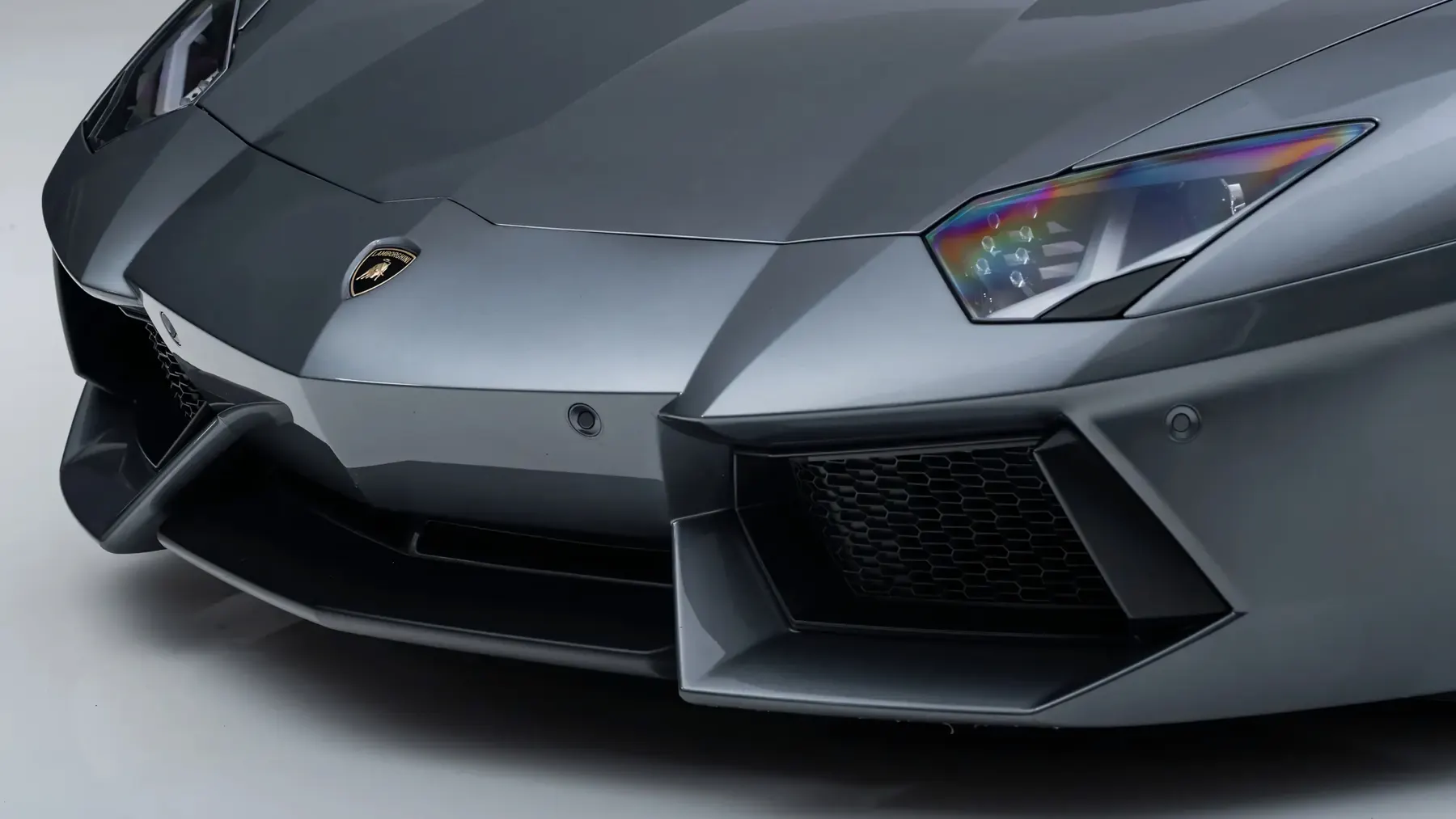
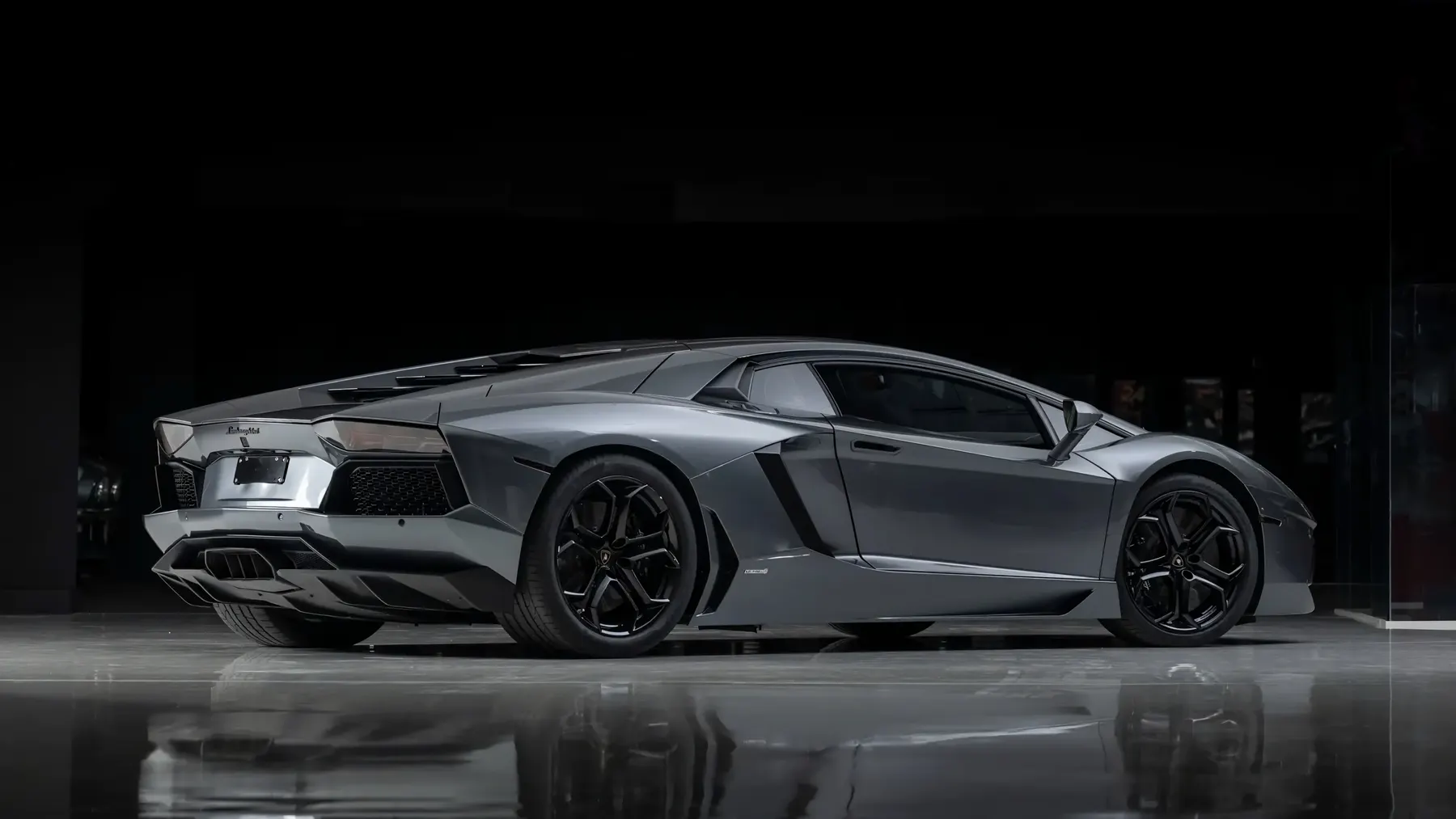
The Aventador’s exterior design, created by Filippo Perini, broke new ground with its dramatic, angular aesthetics. Its razor-sharp lines drew inspiration from modern aeronautics, particularly stealth fighters. Every surface served both visual drama and aerodynamic purpose.
The distinctive doors continued Lamborghini’s tradition of upward-opening “scissor doors” first seen on the legendary Countach. The roof had a specific geometry that carried the main design theme while providing adequate headroom for passengers. From the aggressive front fascia to the substantial rear diffuser, the Aventador looked like nothing else on the road - exactly as a Lamborghini flagship should.
Powering the Aventador was Lamborghini’s mighty 6.5-liter V12 engine, known internally as the L539. This was Lamborghini’s fifth in-house engine and only the second V12 design since the original 3.5-liter unit found in the 350GT. Producing a staggering 700 PS (515 kW; 690 hp) at 8,250 rpm and 690 Nm (509 lb-ft) of torque at 5,500 rpm, this naturally aspirated masterpiece weighed approximately 235 kg.
The firing order of the engine (1, 12, 4, 9, 2, 11, 6, 7, 3, 10, 5, 8) created a distinctive, spine-tingling soundtrack that became one of the Aventador’s most celebrated characteristics. The roar of this V12 was not just mechanical noise; it was automotive theater at its finest.
The Aventador’s performance figures were nothing short of extraordinary. With a power-to-weight ratio of 372 HP per tonne, it could accelerate from 0-100 km/h in just 2.9 seconds. The quarter-mile was dispatched in 10.5 seconds at 220 km/h, and the top speed was officially rated at 350 km/h (217 mph), though Sport Auto magazine measured it at 354 km/h (220 mph).
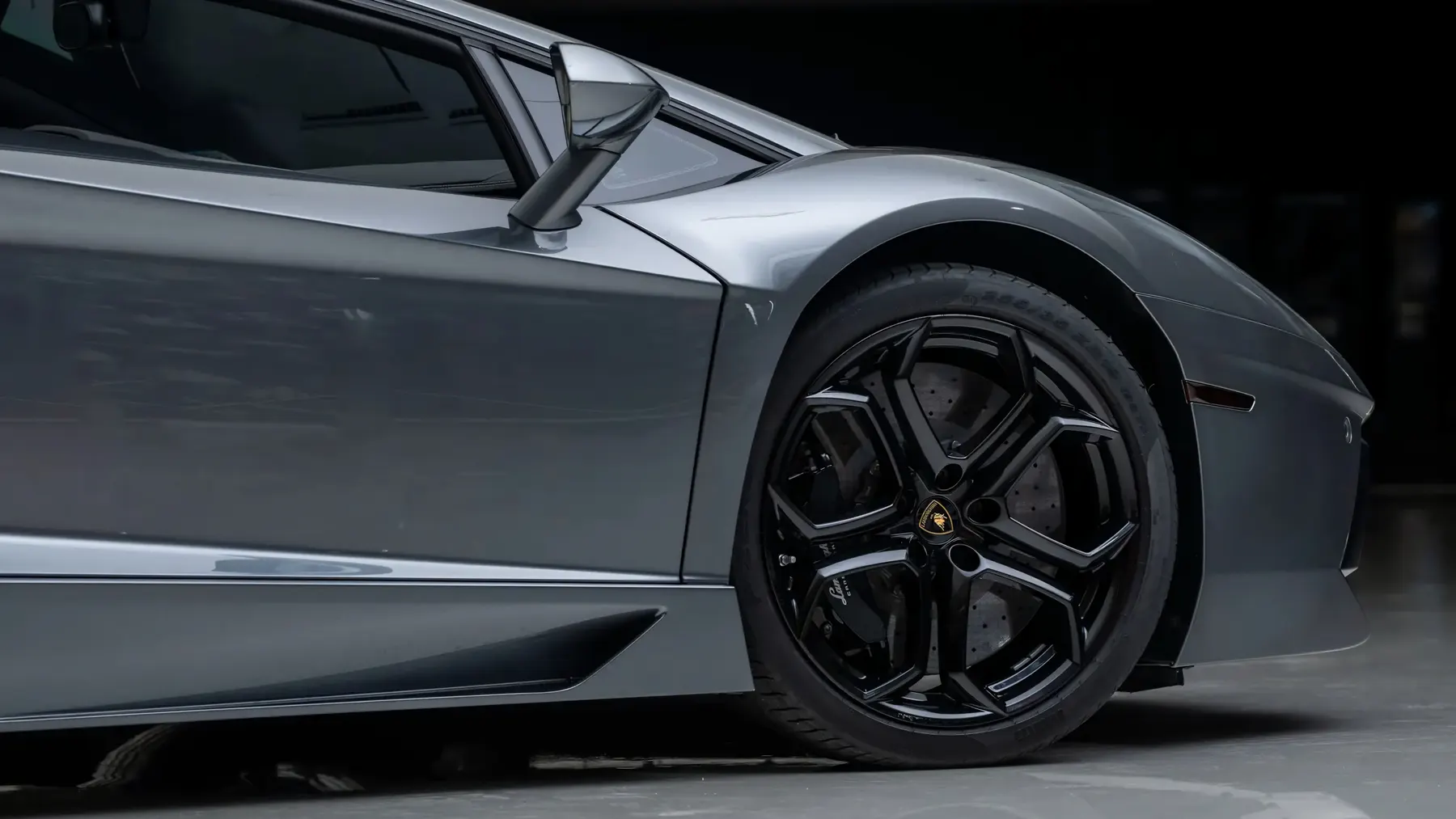
This remarkable performance was delivered to the road via an innovative all-wheel-drive system developed by Swedish company Haldex Traction. The system distributed power between front and rear axles in milliseconds, adapting to the dynamic situation instantly. A self-blocking rear differential and an electronically controlled front differential worked in harmony with the ESP system to deliver tremendous handling capabilities.
The Aventador featured a highly innovative ISR (Independent Shifting Rods) transmission. Rather than using a dual-clutch design, Lamborghini engineers created what they described as “not only the fastest robotized gearbox, but also the world’s most emotional gear shift”. This seven-speed single-clutch automated manual transmission was both lighter and smaller than conventional units - key factors in the pursuit of lightweight engineering.
The suspension system was equally revolutionary, employing a Formula 1-inspired pushrod design. Instead of traditional shock absorber placement, the pushrod system connected the suspension elements directly to the body, prioritizing handling precision over comfort. While this meant the Aventador communicated every road imperfection to the driver, it also delivered extraordinary cornering capabilities, generating 1.05g of lateral grip.
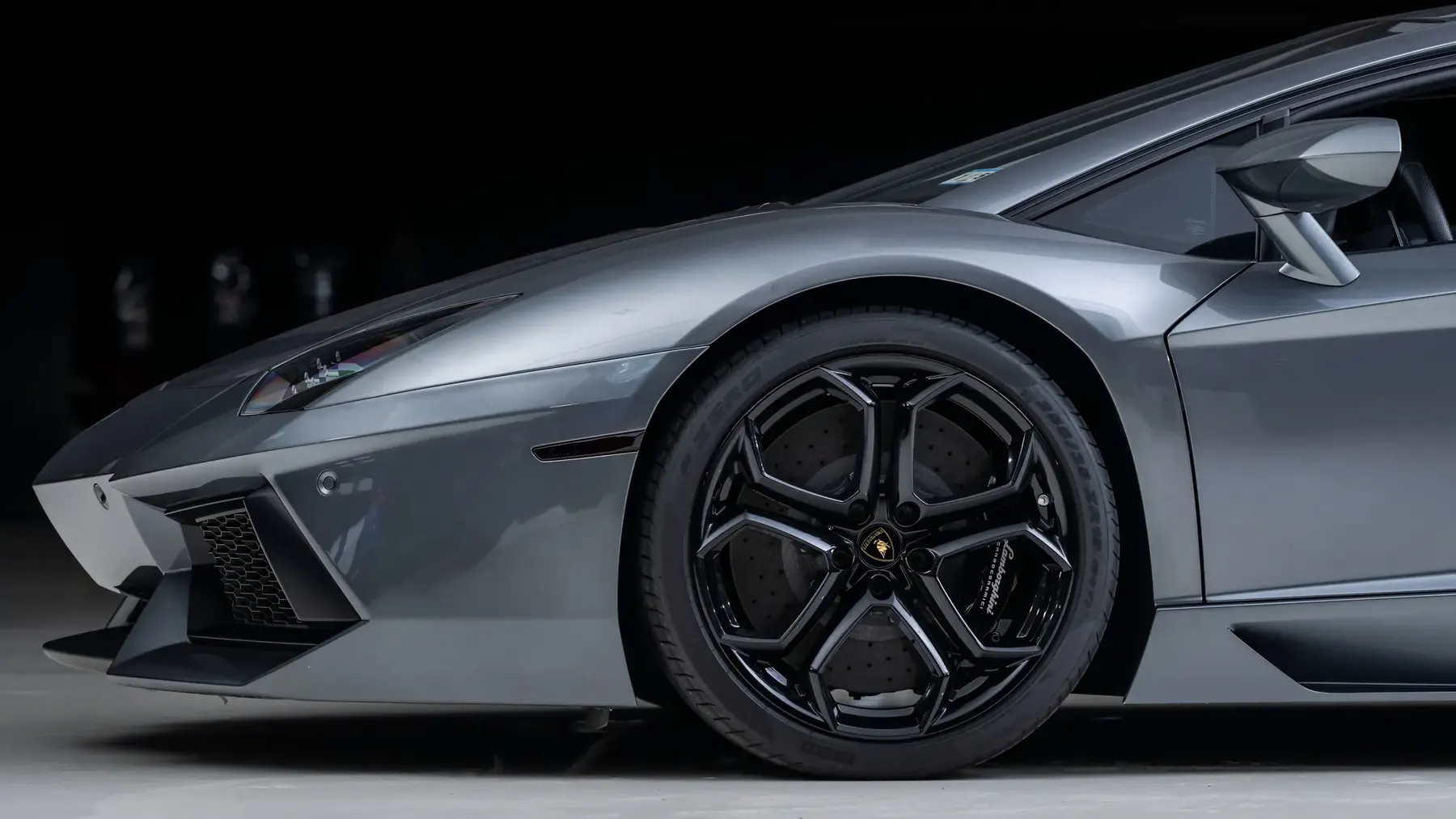
The interior of the Aventador continued the fighter jet inspiration, creating a cockpit-like environment focused entirely on the driver. The centerpiece was a next-generation dashboard with TFT-LCD screen instruments and innovative display concepts. A second screen managed the multimedia and navigation systems.
The start button featured a distinctive red flip-up switch reminiscent of fighter jet ignition controls. The premium leather sports seats held occupants firmly in place during aggressive driving, while still providing reasonable comfort for longer journeys.
The automotive press was overwhelmingly positive about the Aventador. Car and Driver famously titled their review “The Best Lamborghini Ever,” while Motor Trend described it as “the friendliest V12 supercar in the world”. On Top Gear, it posted the fifth-fastest time ever recorded on their test track with a time of 1:16.5, and presenter Jeremy Clarkson described it as being “£200,000 worth of dreams”.
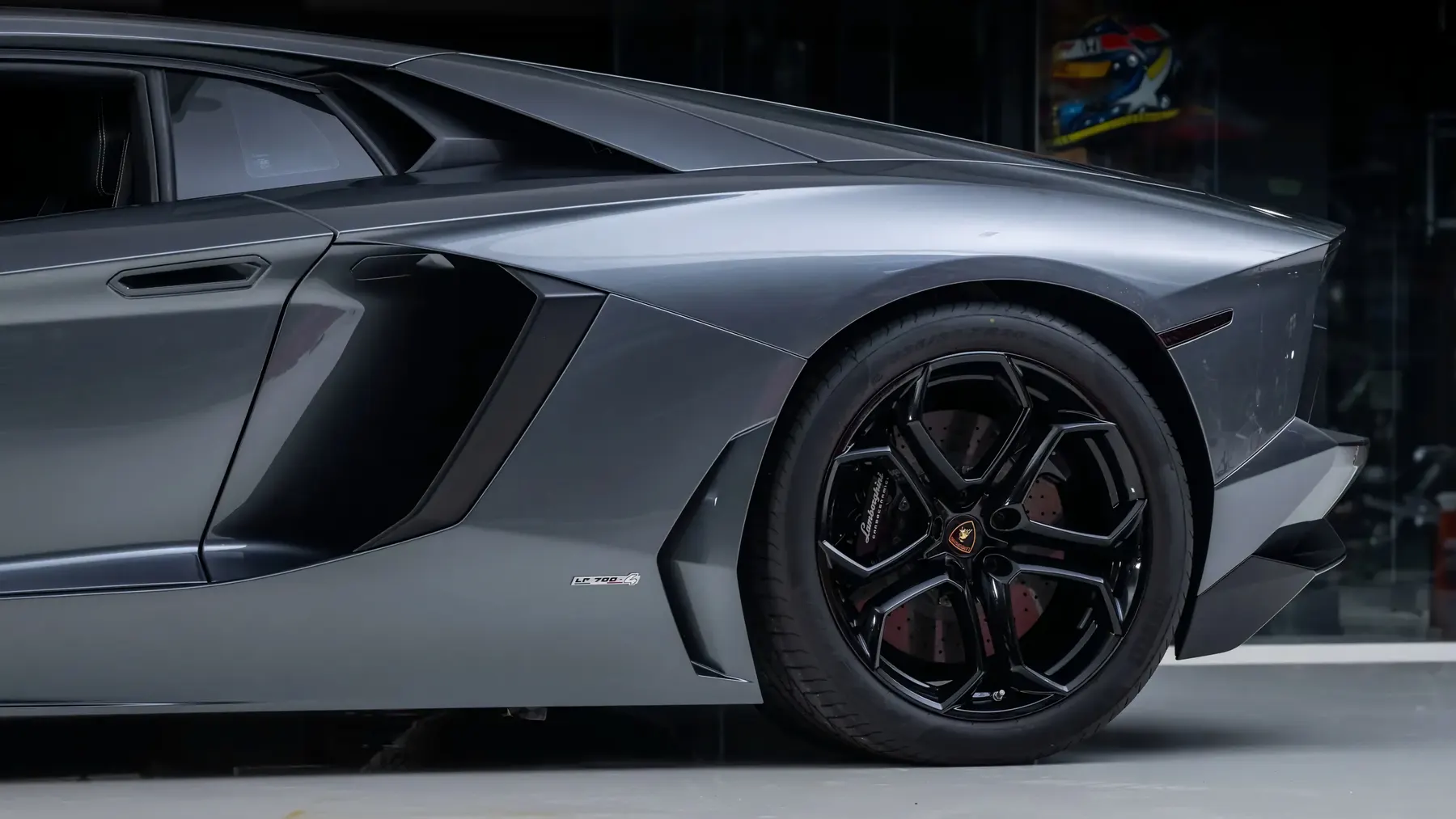
The Aventador transcended automotive culture to become a pop culture icon. It appeared in numerous films, including “The Dark Knight Rises” as Bruce Wayne’s personal vehicle. Its distinctive design made it instantly recognizable to car enthusiasts and casual observers alike.
Initially planned for a production run of 4,000 vehicles, the Aventador proved so popular that by 2016, Lamborghini had produced 5,000 units. The original LP700-4 coupe sold from 2011 to 2016 before being replaced by the Aventador S. By the time production of all Aventador variants ended in 2022, total production had reached an impressive 11,831 units.
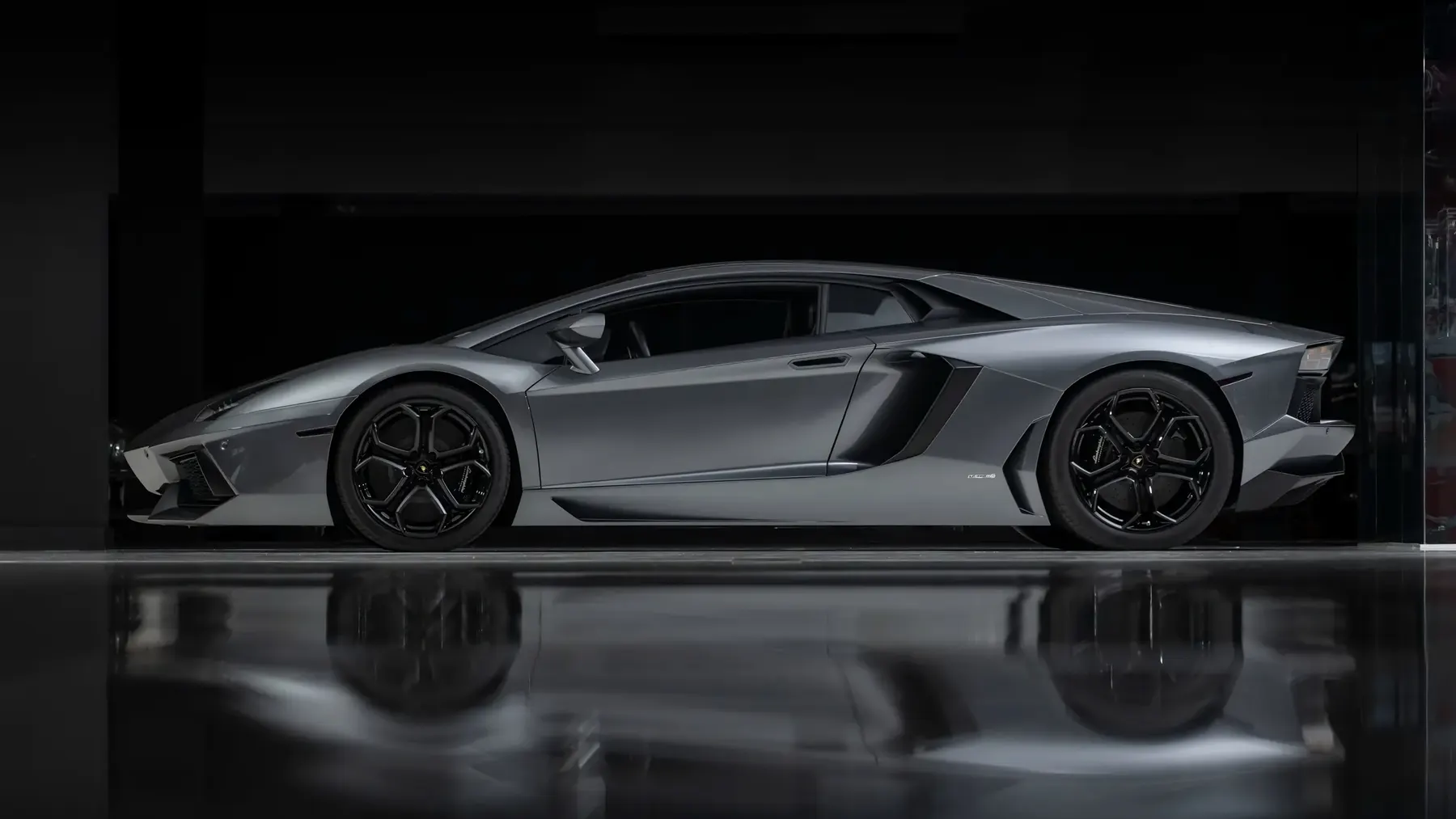
The original LP700-4 formed the foundation for numerous special editions and more powerful variants, including the SuperVeloce (SV), S, SVJ, and finally the limited-production Ultimae that concluded the model’s impressive run.
The Aventador LP700-4 represented far more than just another fast Lamborghini. It established the company’s leadership in carbon fiber technology, introduced revolutionary suspension and drivetrain concepts, and set new standards for flagship supercar performance.
What made the Aventador truly special was how it combined raw, traditional Lamborghini drama with genuine technological innovation. It respected the brand’s heritage while pushing boldly into the future. As the car that bridged Lamborghini’s analog past with its high-tech future, the Aventador LP700-4 will forever stand as one of the most significant supercars of the early 21st century - a true revolution on wheels.
Join the discussion
Comments
Loading comments…
Leave a comment
Share a detail, memory, or perspective. Every comment is reviewed before publication.