2013 Audi A1 quattro

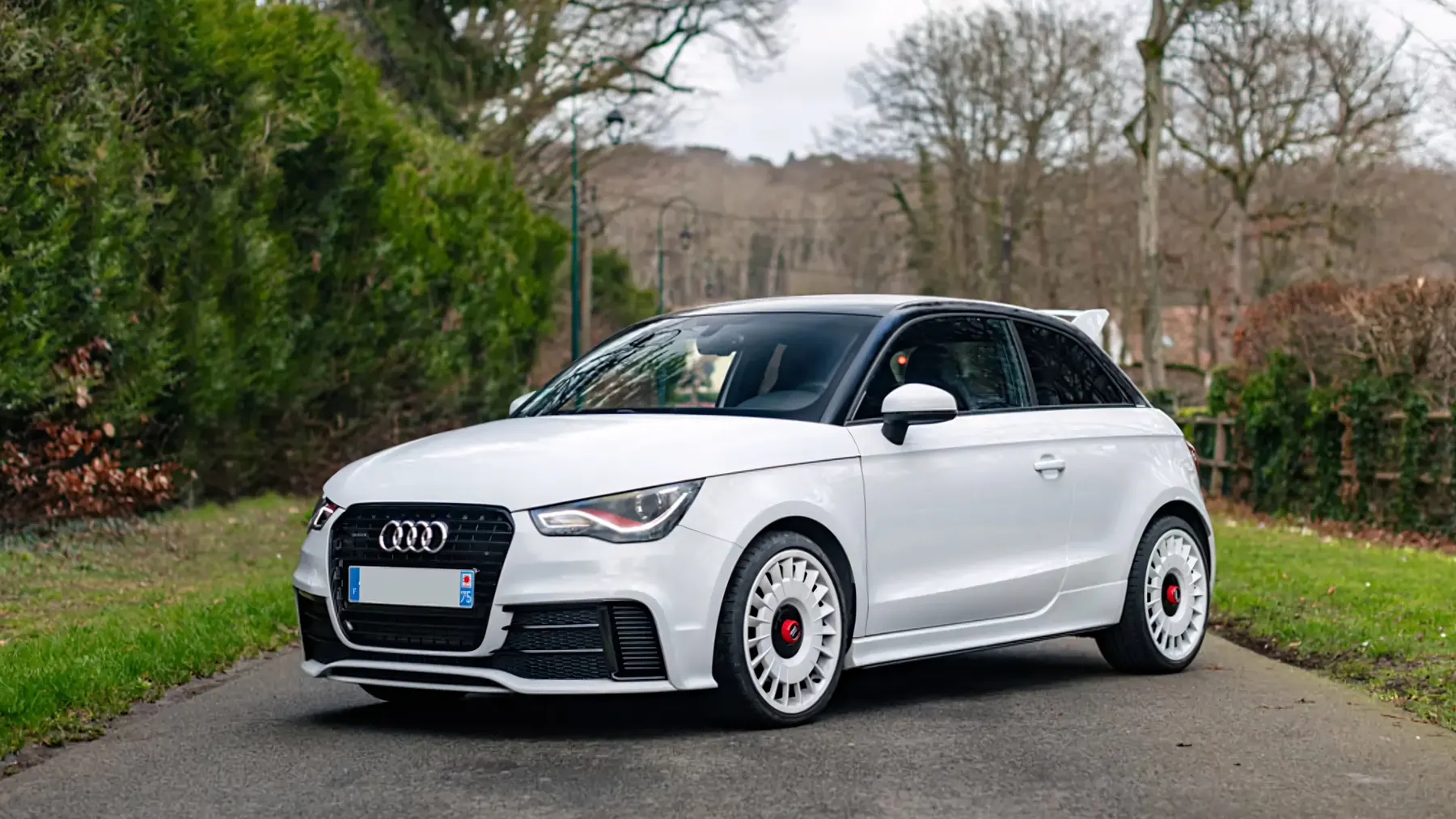
In 2012, Audi unveiled a rally-bred anomaly in the supermini segment: the A1 quattro. Limited to just 333 units globally, this pocket-sized dynamo fused Audi’s quattro all-wheel-drive legacy with hot-hatch aggression, creating a cult classic that challenged perceptions of what a compact car could achieve. The A1 quattro wasn’t just a showpiece; it delivered raw performance wrapped in exclusivity, cementing its status as a modern icon for driving enthusiasts.
Debuting at the 2010 Geneva Motor Show, the Audi A1 targeted urban buyers seeking luxury in a compact frame. But Audi’s engineers harbored grander ambitions. By 2012, they unleashed the A1 quattro, a limited-run homologation special designed to showcase quattro technology in its smallest chassis. Built on the Volkswagen Group’s PQ25 platform (shared with the Polo and Ibiza), the A1 quattro was a technical marvel, blending motorsport DNA with street legality. Assembled at Audi’s Brussels plant, its 333-unit production run underscored its rarity, appealing to collectors and performance purists alike.
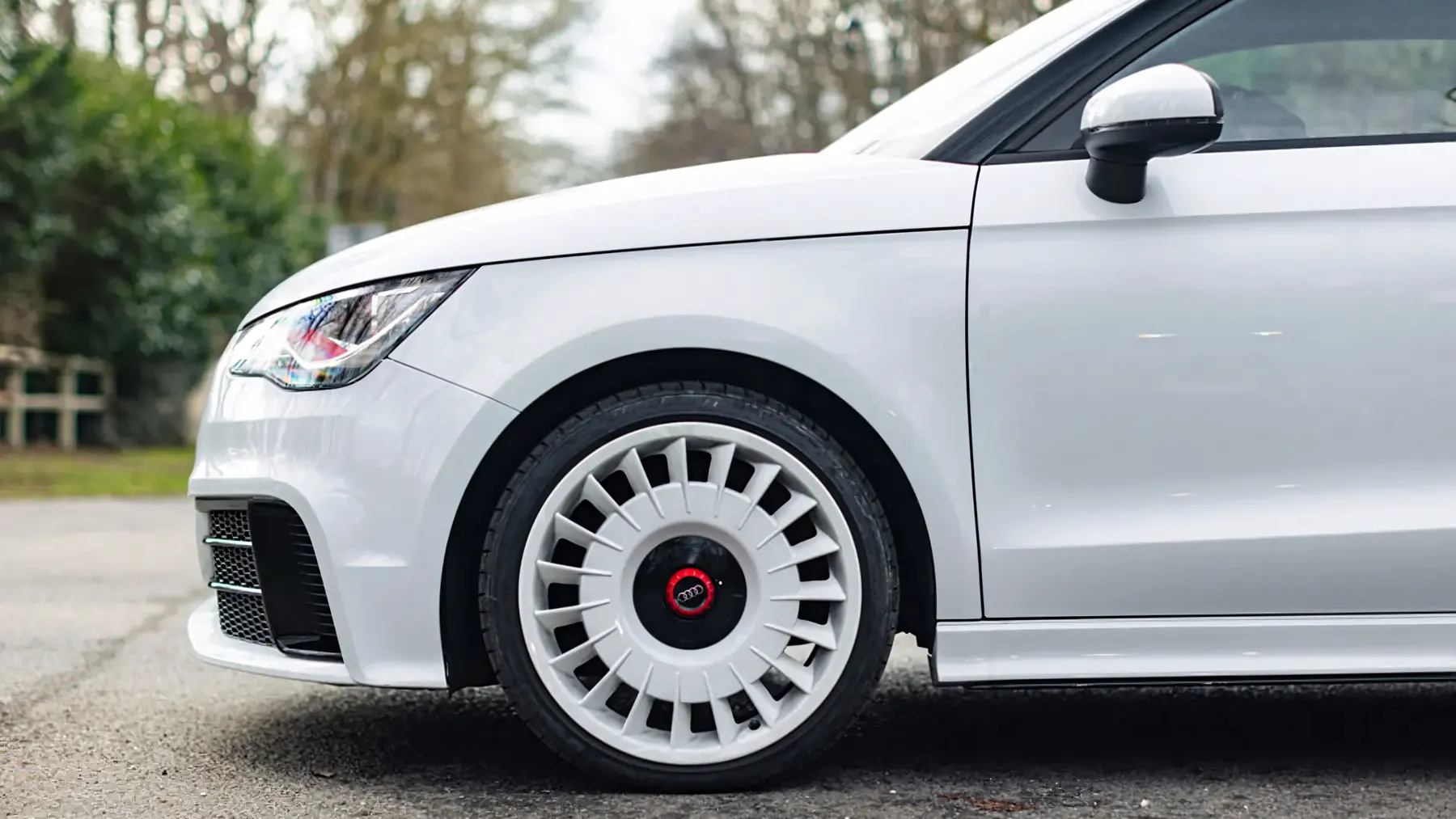
The A1 quattro’s design screamed intent. Glacier White metallic paint contrasted with high-gloss black accents on the roof, grille, and rear diffuser, while red-tinted headlight “wings” and quad exhausts added menace. Widened wheel arches accommodated 18-inch turbine-style wheels, and a rear spoiler enhanced aerodynamics. Lowered suspension and tinted LED taillights completed its aggressive stance.
Inside, the cabin married sportiness with luxury. Black Silk Nappa leather seats featured red stitching and embossed quattro badges, while a flat-bottom steering wheel, aluminum pedals, and a red-stitched gear lever underscored its driver-centric ethos. Each car bore a serial number plaque, emphasizing its exclusivity.
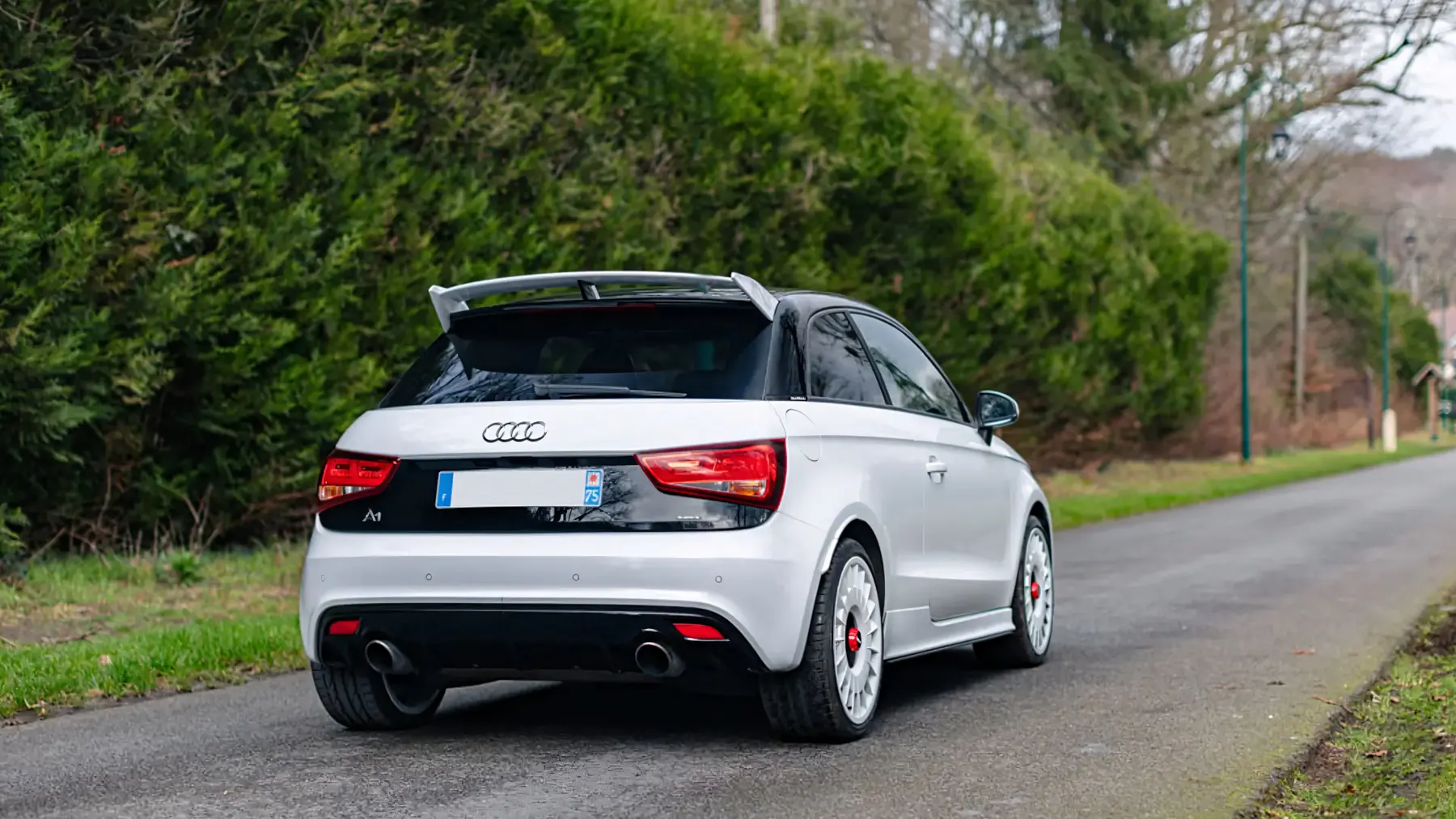
Beneath the hood lay a 2.0-liter TFSI engine producing 252 horsepower and 258 lb-ft of torque, paired exclusively with a six-speed manual transmission,a nod to purist driving. The quattro all-wheel-drive system, featuring a carbon fiber prop shaft and rear electronic differential, delivered rear-biased torque distribution, enabling a 0–100 km/h sprint in 5.7 seconds and a top speed of 245 km/h.
Chassis upgrades borrowed from the Audi TTS included a multi-link rear suspension and 312mm front brakes, enhancing grip and stability. In a celebrated 2012 Autocar test, the A1 quattro outpaced a Nissan GT-R on a wet track by five seconds, earning “giant-killer” acclaim.
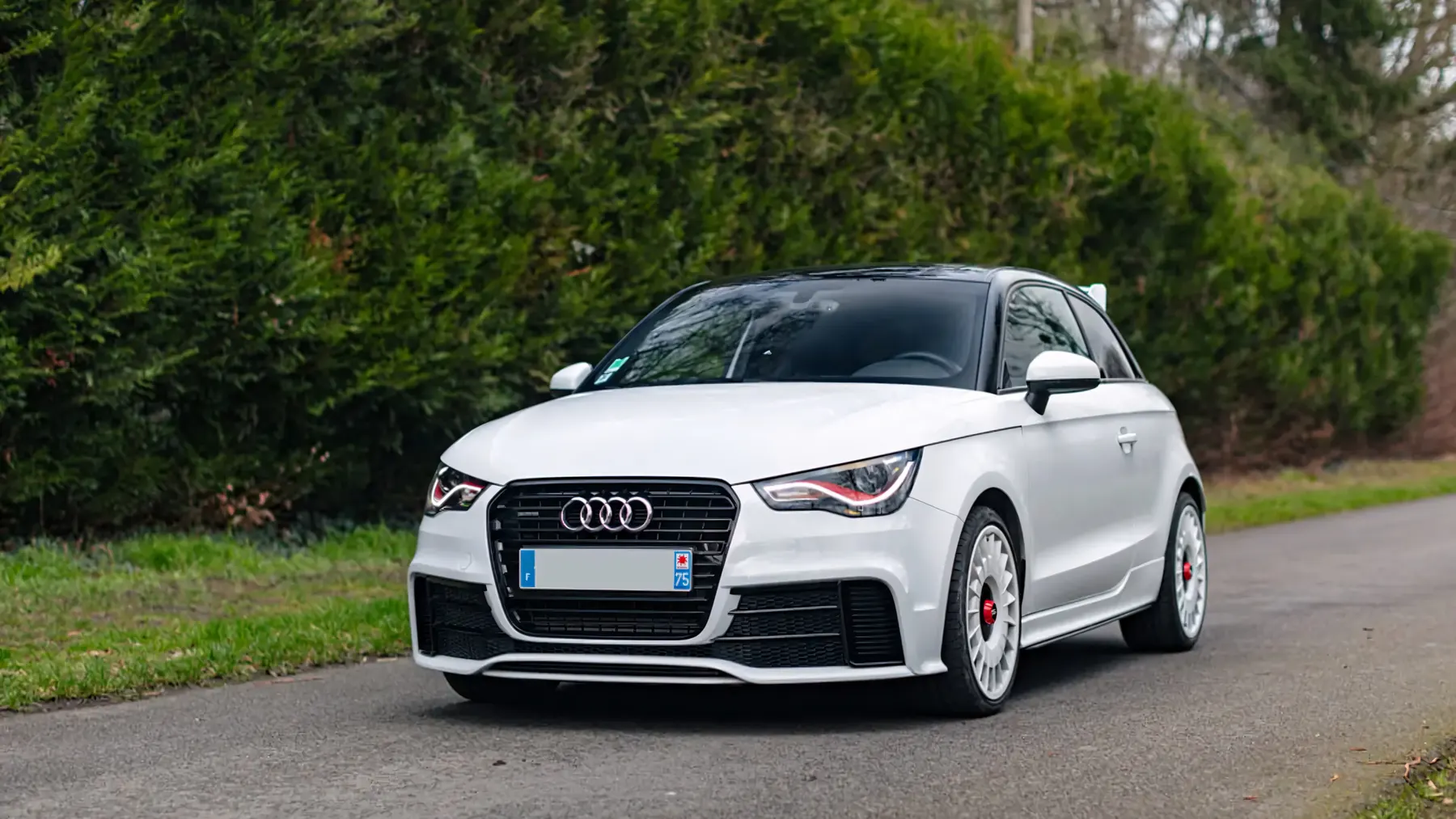
The A1 quattro’s brilliance lay in its meticulous engineering. The quattro system’s lightweight carbon fiber components minimized drivetrain loss, while ESP Sport mode allowed controlled drifts. Unique suspension tuning and a wider track improved cornering precision, and the manual transmission preserved analog engagement,a rarity in an era leaning toward automation.
Beyond performance, the A1 quattro boasted bespoke details. The exterior featured Glacier White paint, a black roof, quad exhausts, and red-accented headlights. Inside, sport seats with integrated headrests, brushed aluminum accents, and a red-tipped tachometer created a cockpit focused on the driver. Advanced technology, such as the driver information system with quattro branding and LED lighting, added a modern touch.
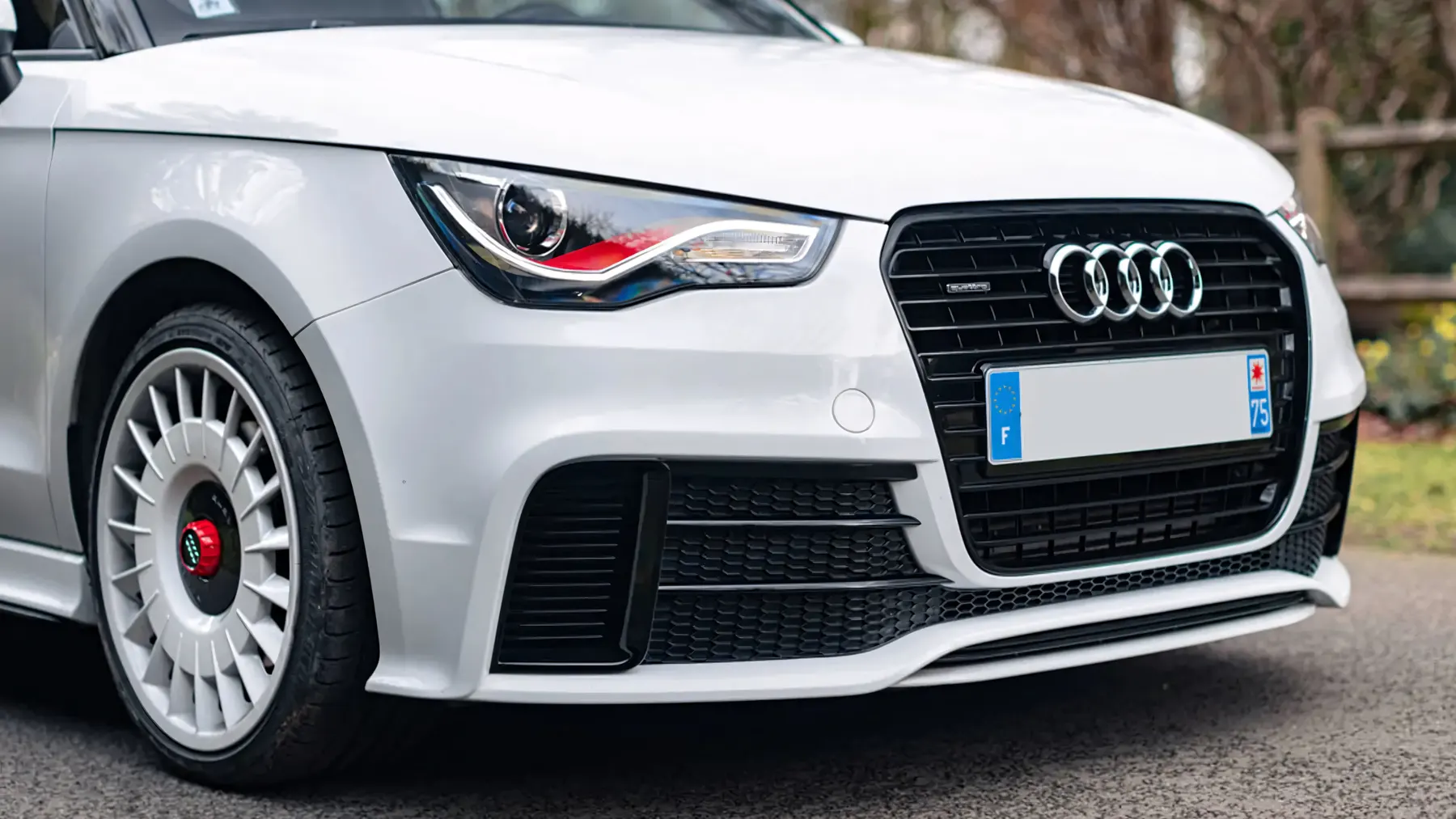
The A1 quattro stunned critics. Autocar’s wet-track triumph highlighted its agility, while its fusion of luxury and power earned praise. Though not mass-market, its limited run and rally pedigree attracted collectors, with values appreciating steadily. The standard A1’s 2011 “Car of the Year” award from What Car? bolstered the quattro’s prestige, while a Damien Hirst-designed A1 auctioned for £350,000 underscored its cultural cachet.
Enthusiasts lauded its rarity and driver-focused ethos, dubbing it a precursor to the Audi S1. Today, low-mileage examples are prized, embodying Audi’s daring to reimagine the supermini as a performance machine.
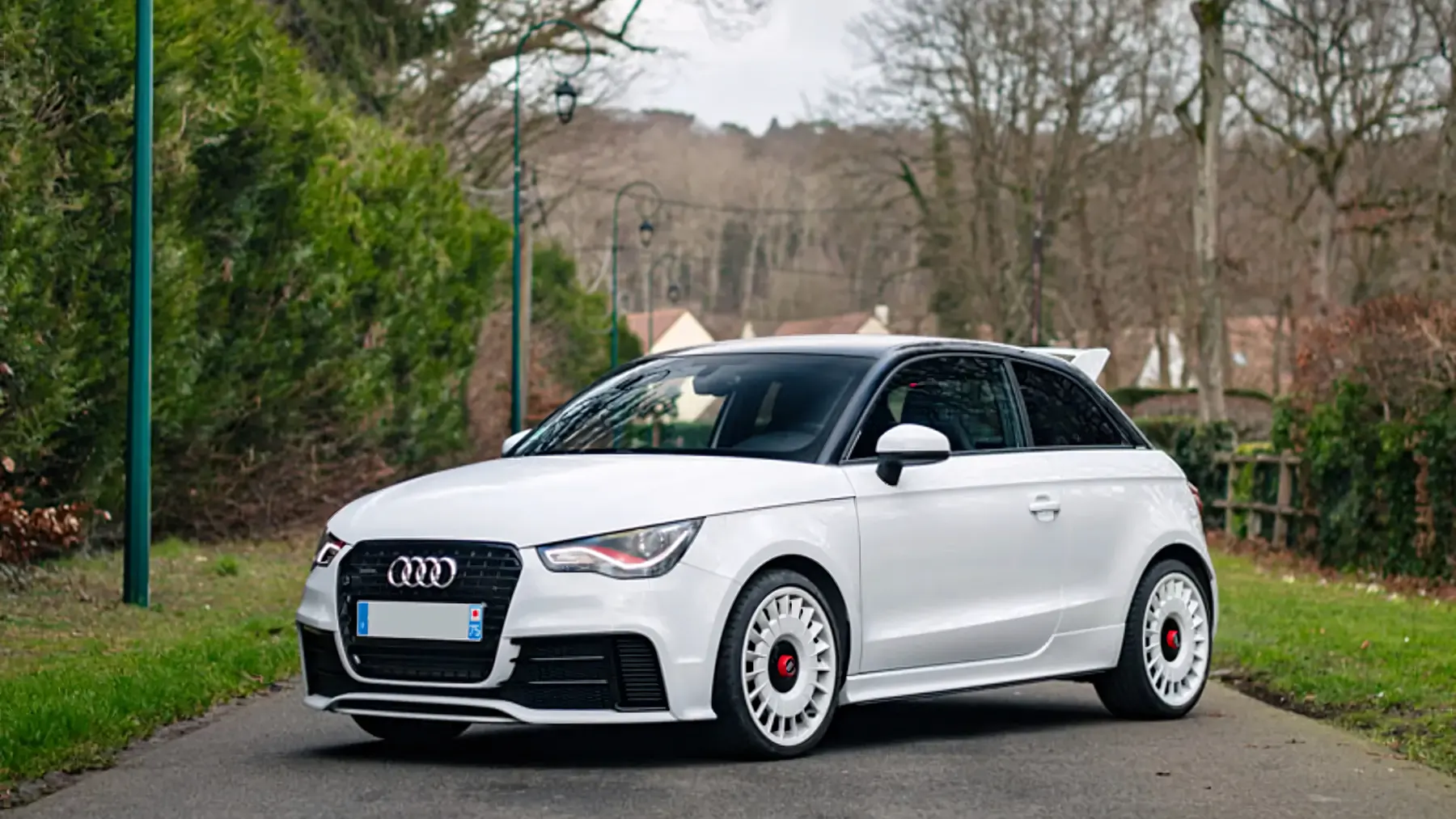
The Audi A1 quattro remains a testament to engineering audacity. In a segment dominated by practicality, it dared to prioritize passion, blending quattro innovation with hot-hatch thrills. For those fortunate enough to own one, it’s a rare slice of automotive rebellion, proving that even the smallest platforms can harbor giants.
Join the discussion
Comments
Loading comments…
Leave a comment
Share a detail, memory, or perspective. Every comment is reviewed before publication.