2013 Dodge Challenger SRT NASCAR

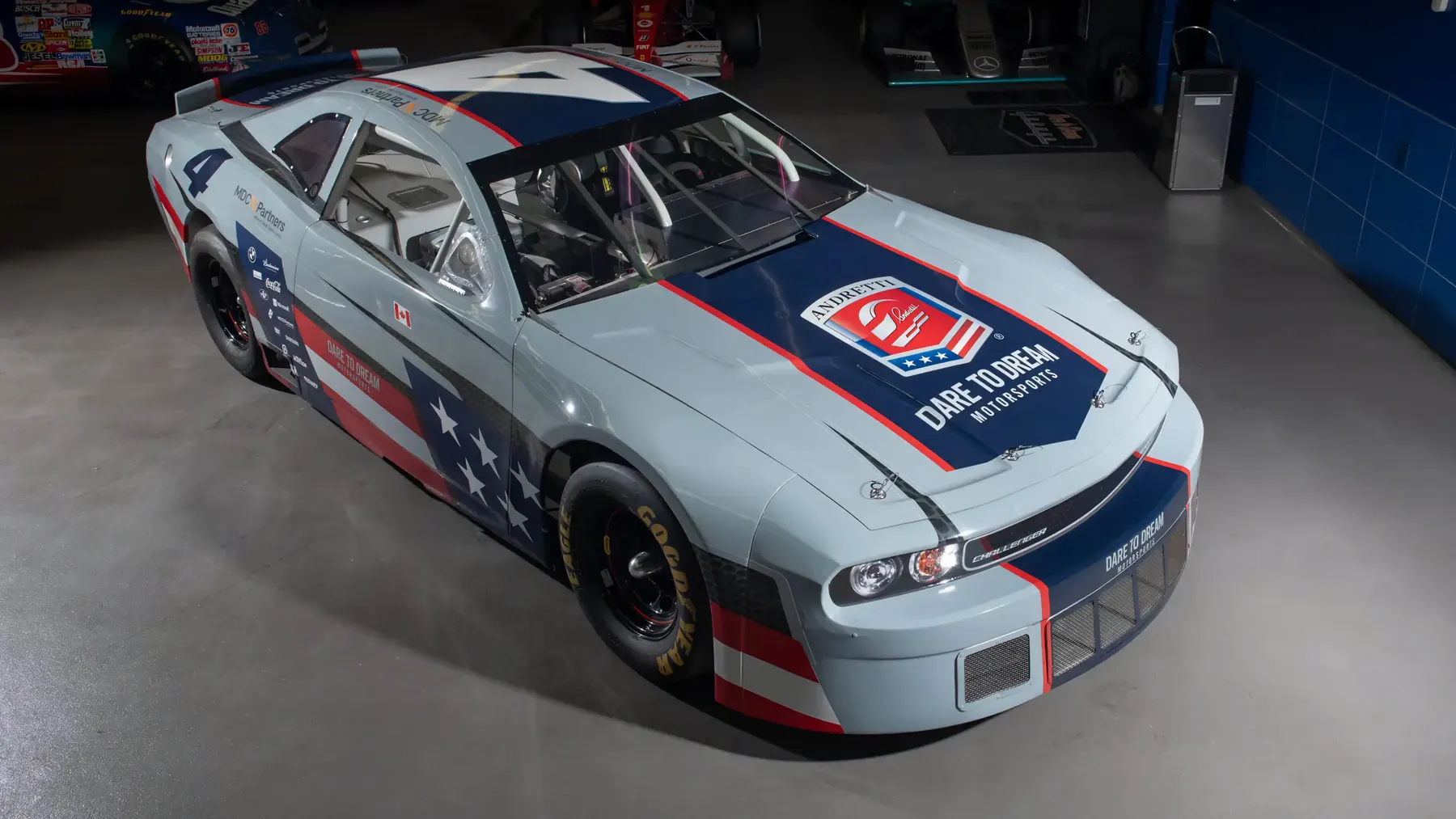
The roar of a V8 engine, the sleek retro-inspired body cutting through air at breakneck speeds, and the distinctive silhouette that commands attention even at 290 km/h - the Dodge Challenger SRT NASCAR represents American muscle car heritage translated into pure racing form. This racing machine carries the torch for one of America’s most beloved automotive icons while pushing the boundaries of what’s possible on the NASCAR circuit.
The story of the Dodge Challenger in NASCAR begins in 2010, when Dodge officials unveiled their design for the Nationwide Series at Talladega Speedway. The announcement came with considerable excitement as pony car lovers welcomed the iconic shape to NASCAR competition. This wasn’t just another race car - it was the resurrection of muscle car rivalry on America’s premier racing stage.
The Challenger entered NASCAR during an interesting period of transformation for stock car racing. NASCAR had been encouraging manufacturers to create race cars that more closely resembled their production counterparts, moving away from the generic silhouettes that had dominated previous generations. For fans who had grown up idolizing muscle cars, seeing the Challenger’s distinctive form thundering around tracks brought an authentic connection between showroom models and racing machines.
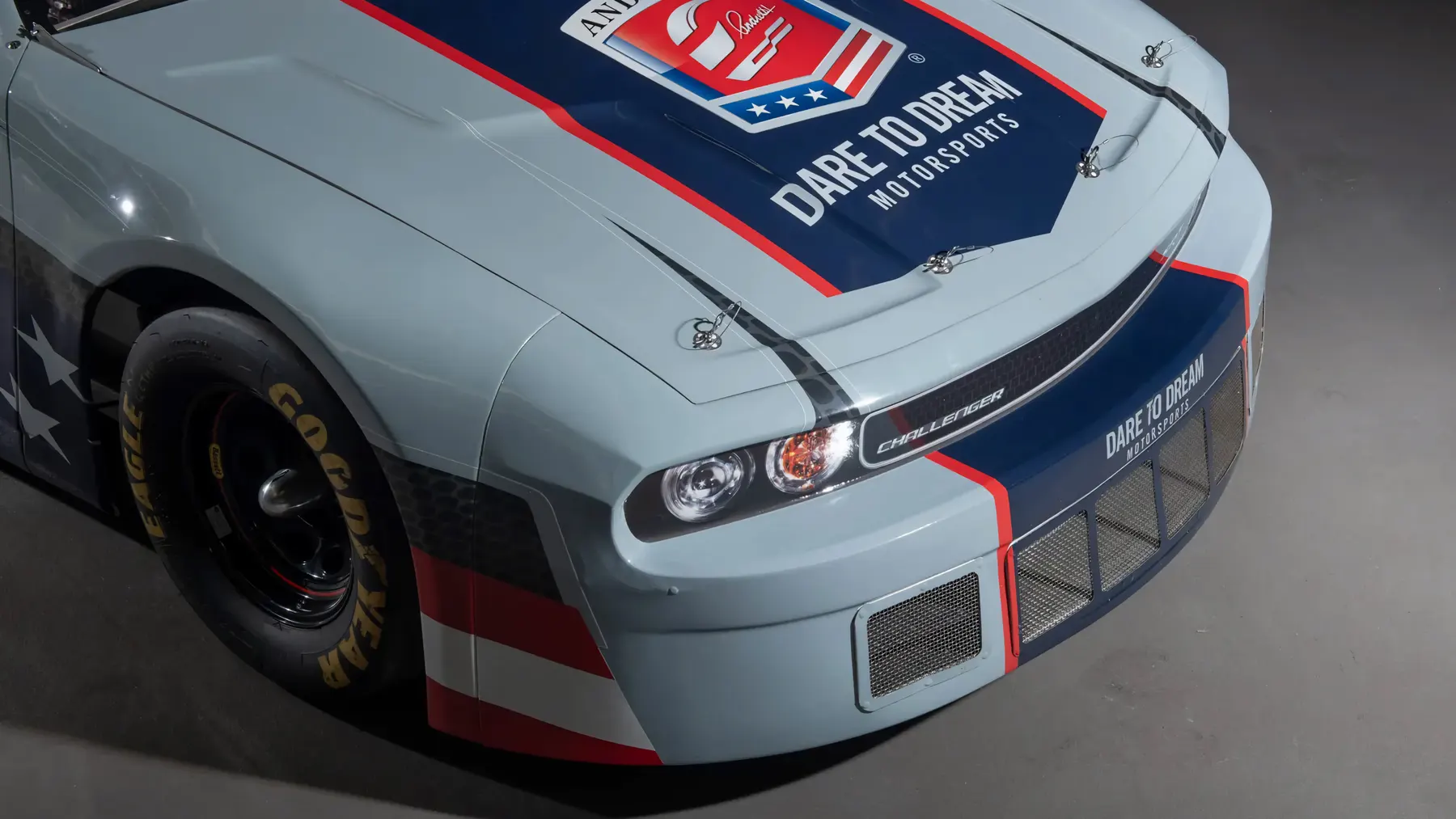
Building the NASCAR Challenger required substantial engineering innovation. Unlike the street version’s unibody construction, the race car utilized a purpose-built tube frame chassis with a fiberglass body shaped to echo the production Challenger’s iconic lines while meeting NASCAR’s strict aerodynamic regulations.
Under the hood, the NASCAR Challenger packed a serious punch with a racing-tuned 5.9-liter V8 engine producing tremendous power. This powerplant shared little with the street version’s HEMI beyond basic architecture and brand lineage, but it captured the essential character that made Challenger famous: raw, unapologetic American muscle.
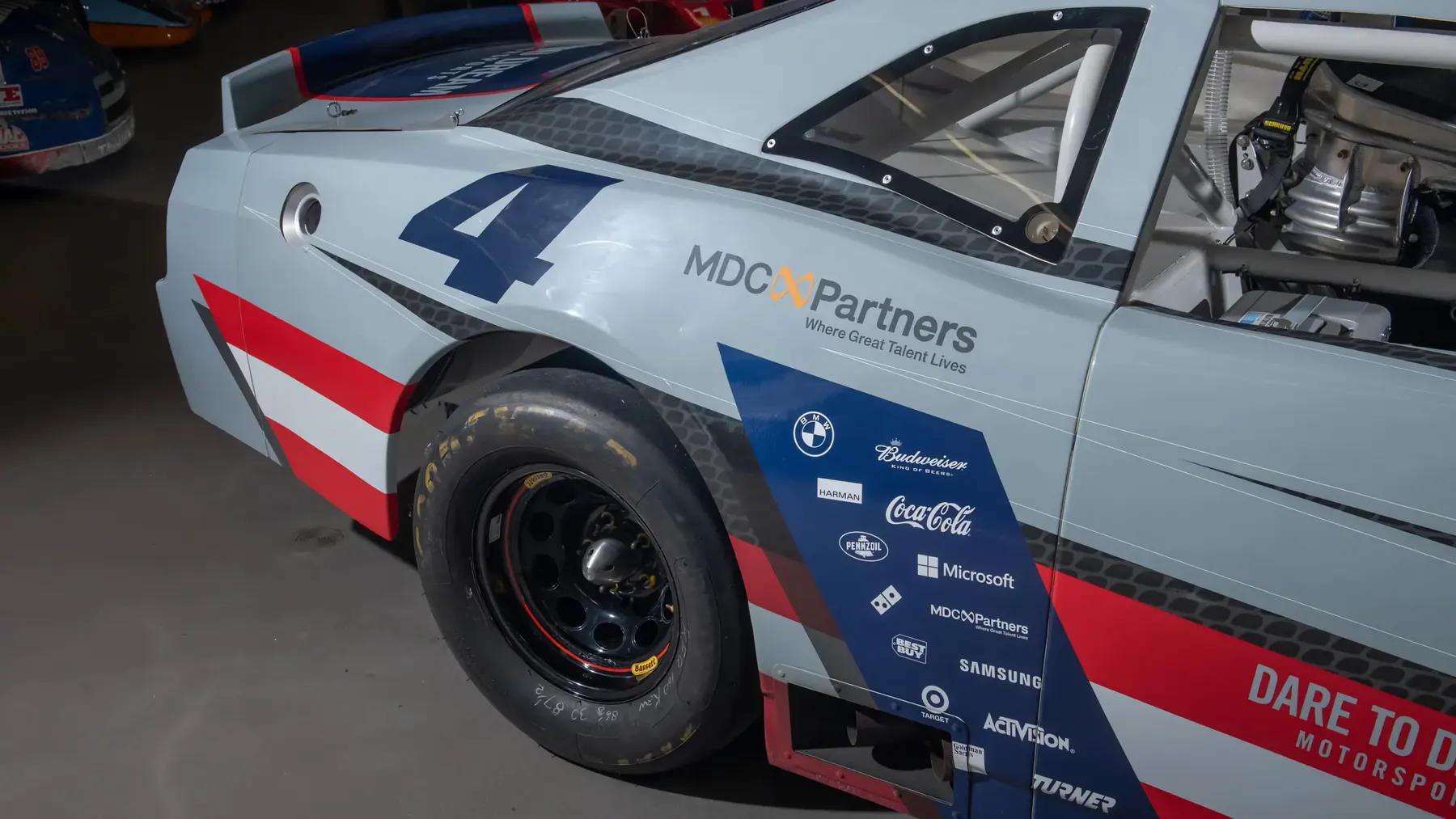
The race-ready Challenger featured unique elements like a racing-specific transmission, high-performance brake systems, and specialized suspension tuning. Teams utilizing the Challenger platform benefited from SRT Motorsports engineering support, with technical innovations like the SRT Power Chiller system that helped maximize engine performance during grueling race conditions.
The Challenger R/T became the Chrysler model of choice for NASCAR Nationwide Series competition starting in 2010. What made this particularly special was how the Challenger maintained its distinctive visual identity even in race form. The car’s broad shoulders, muscular stance, and classic proportions translated remarkably well to the NASCAR template, giving fans something genuinely different to cheer for among the field.
When Ryan Vargas piloted the #28 Dodge Challenger in the NASCAR Canada Series at Canadian Tire Motorsport Park, his performance demonstrated the platform’s continued competitiveness. Despite facing the challenge of driving an unfamiliar car on an unfamiliar track, Vargas and his DJK Racing team showed impressive adaptability, gaining significant performance between practice and qualifying.
The Challenger’s racing legacy extended beyond NASCAR into other prestigious competitions. In 2014, SRT Motorsports partnered with Miller Racing to bring the Challenger to the Trans-Am series, with Tommy Kendall returning to competition behind the wheel. This program demonstrated Dodge’s commitment to leveraging the Challenger platform across multiple racing disciplines, further cementing its performance credentials.
Dodge’s official NASCAR program faced a critical turning point in 2012. Despite having unveiled the 2013 Dodge Charger for NASCAR Sprint Cup competition at Las Vegas Motor Speedway, the manufacturer made the shocking announcement in August 2012 that they would withdraw from NASCAR at the end of the season. This decision came primarily because Penske Racing, Dodge’s flagship team, had announced earlier that year they would switch to Ford for 2013.
In what became a bittersweet finale, Brad Keselowski captured the 2012 Cup Series championship in a Dodge, giving the brand a championship send-off. SRT Motorsports president Ralph Gilles noted that Dodge had achieved “disproportionate” success fielding just two Penske cars, a testament to both the team’s excellence and the platform’s potential.
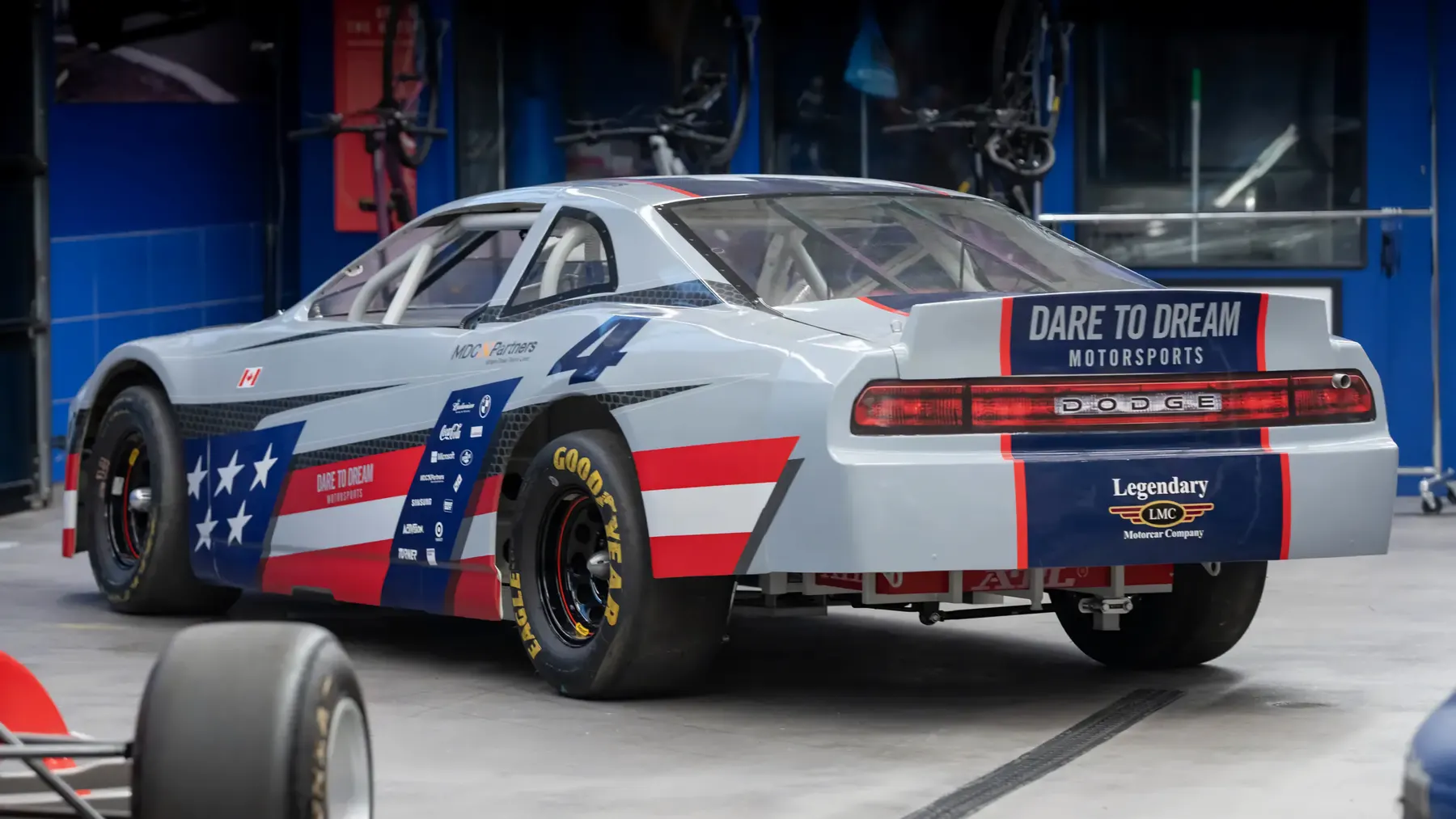
What happened next created one of NASCAR’s most interesting chapters. After Dodge’s official departure, several smaller teams continued to field Challengers in what became known as the “zombie Dodges” era. Teams like Mike Harmon Racing and MBM Motorsports purchased remaining cars and parts, keeping the Challenger on track years after the manufacturer’s official exit.
These privateer efforts demonstrated remarkable resilience. J.J. Yeley’s team continued fielding a Challenger as long as they could find parts, regularly running in the top 20 during races until stopping after the 2014 season. Mike Harmon Racing ran Dodges through multiple seasons, including the entire 2016 campaign. The Challenger’s continued presence showed both the durability of the platform and the passionate commitment of smaller teams determined to keep this piece of NASCAR heritage alive.
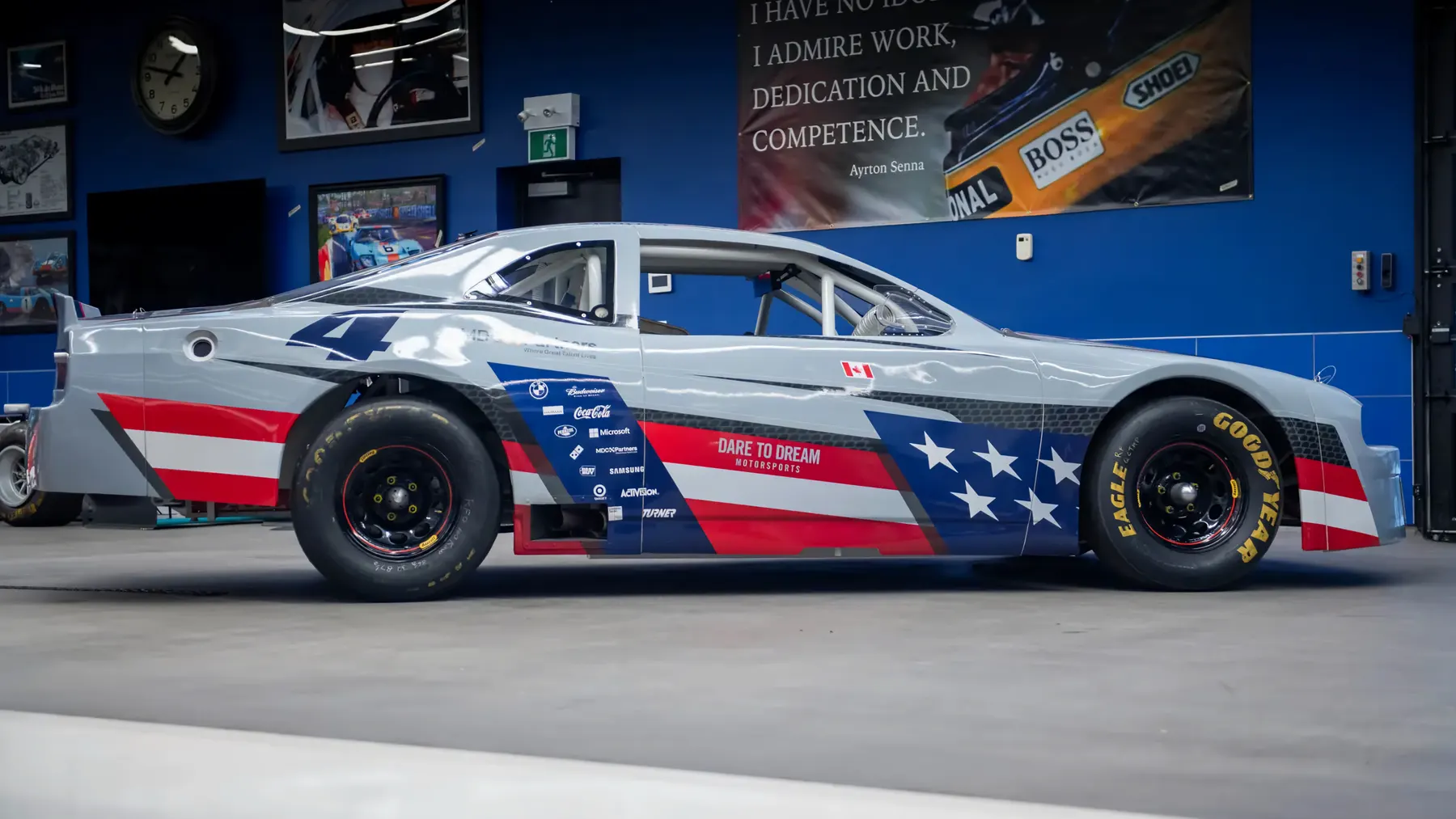
The Dodge Challenger SRT NASCAR represents a fascinating chapter in American motorsport history. It combined classic muscle car aesthetics with cutting-edge racing technology, creating a bridge between automotive nostalgia and modern competition. Even as production of the street Challenger ended on December 22, 2023, its racing legacy continues to inspire automotive enthusiasts.
As Stellantis shifts focus toward electrified vehicles, the Challenger’s NASCAR history serves as a reminder of what made American muscle cars special - raw power, distinctive styling, and the ability to compete at the highest levels of motorsport. Whatever form the promised electrified successor takes, it will carry forward a racing heritage built by every Challenger that thundered around NASCAR’s legendary tracks.
The Dodge Challenger SRT NASCAR may have been a relatively brief chapter in stock car racing history, but its impact on fans, competitors, and the sport itself continues to reverberate. Like the best performance cars, it left us wanting more, creating memories that will fuel automotive passion for generations to come.
Join the discussion
Comments
Loading comments…
Leave a comment
Share a detail, memory, or perspective. Every comment is reviewed before publication.