2013 Dodge SRT Viper GTS

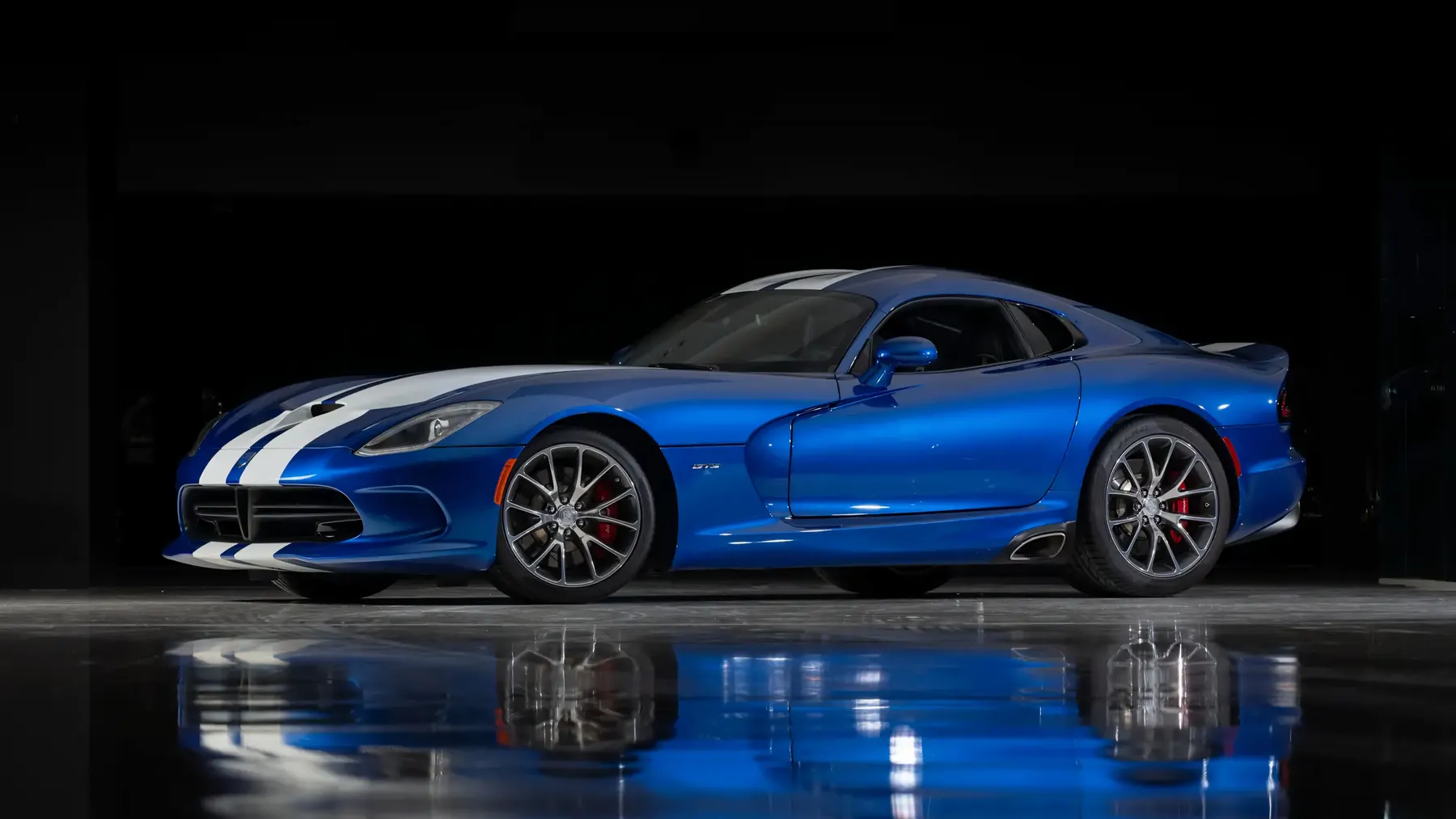
The Dodge Viper stands as one of America’s most audacious automotive creations. Born from a passionate vision in the late 1980s, this venomous serpent evolved through five generations before its final farewell in 2017. Among its variants, the GTS model represented the pinnacle of performance and refinement, blending brutal power with a touch of sophistication that set new standards for American supercars.
The Viper’s story began in late 1988 at Chrysler’s Advanced Design Studios when company president Bob Lutz suggested creating a modern Cobra. The concept captivated audiences at the 1989 North American International Auto Show, and despite initial hesitation from Chrysler chairman Lee Iacocca over the $70 million development costs, the project received approval in May 1990.
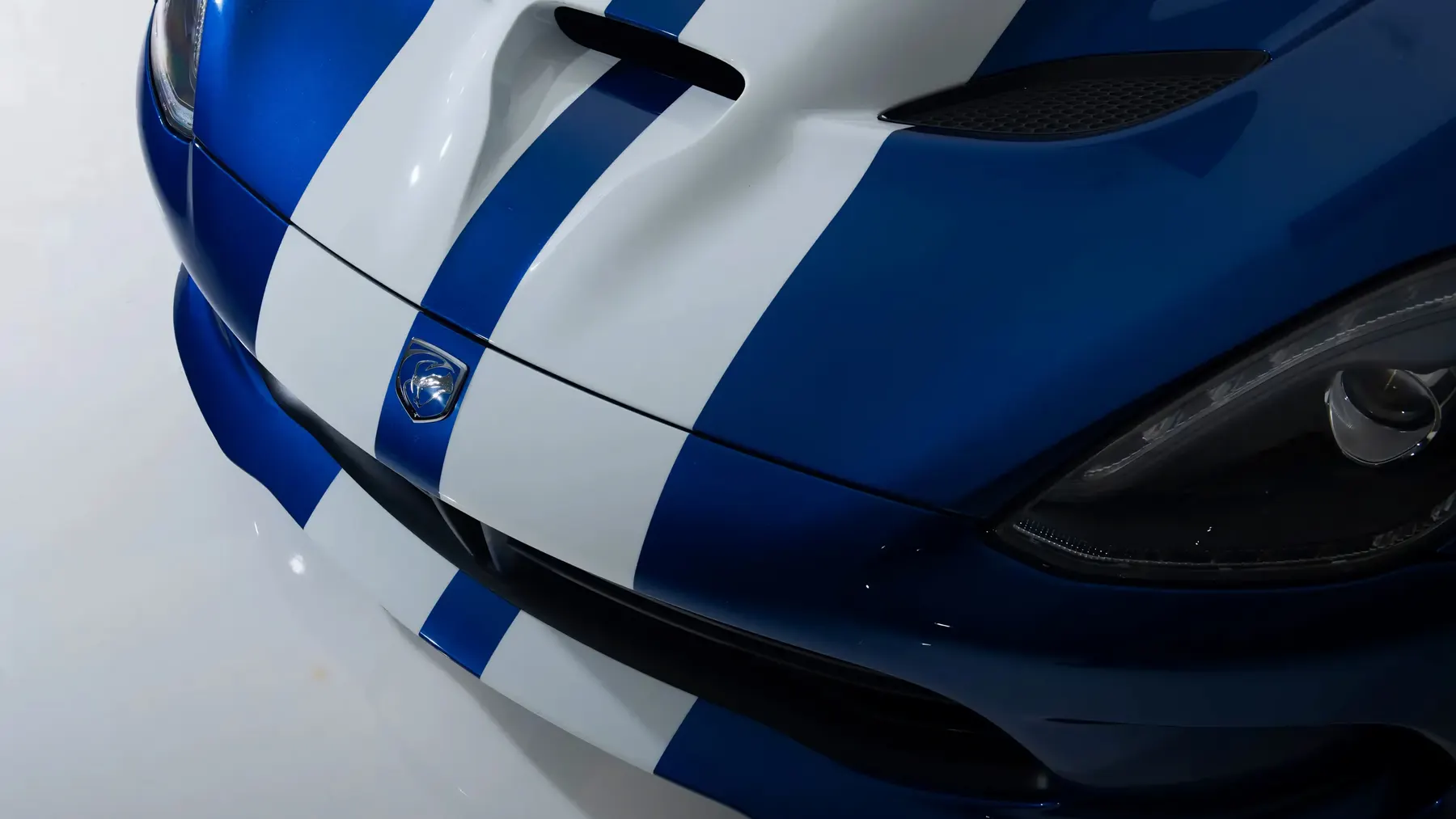
The original Viper RT/10 was a primal machine that prioritized power over practicality. As customer feedback and engineering advancements accumulated, Dodge introduced the GTS coupe in late 1996, marking a significant evolution in the model’s history. This GTS variant offered more power and refinement while maintaining the car’s core identity as an uncompromising performance machine.
After a brief production hiatus from 2011 to 2012, the Viper returned for its fifth and final generation in 2013, initially branded as the SRT Viper rather than Dodge. This represented Chrysler’s attempt to establish SRT as a separate performance division. However, by 2015, the car had returned to its Dodge roots while retaining the refined character and enhanced capabilities developed under the SRT badge.
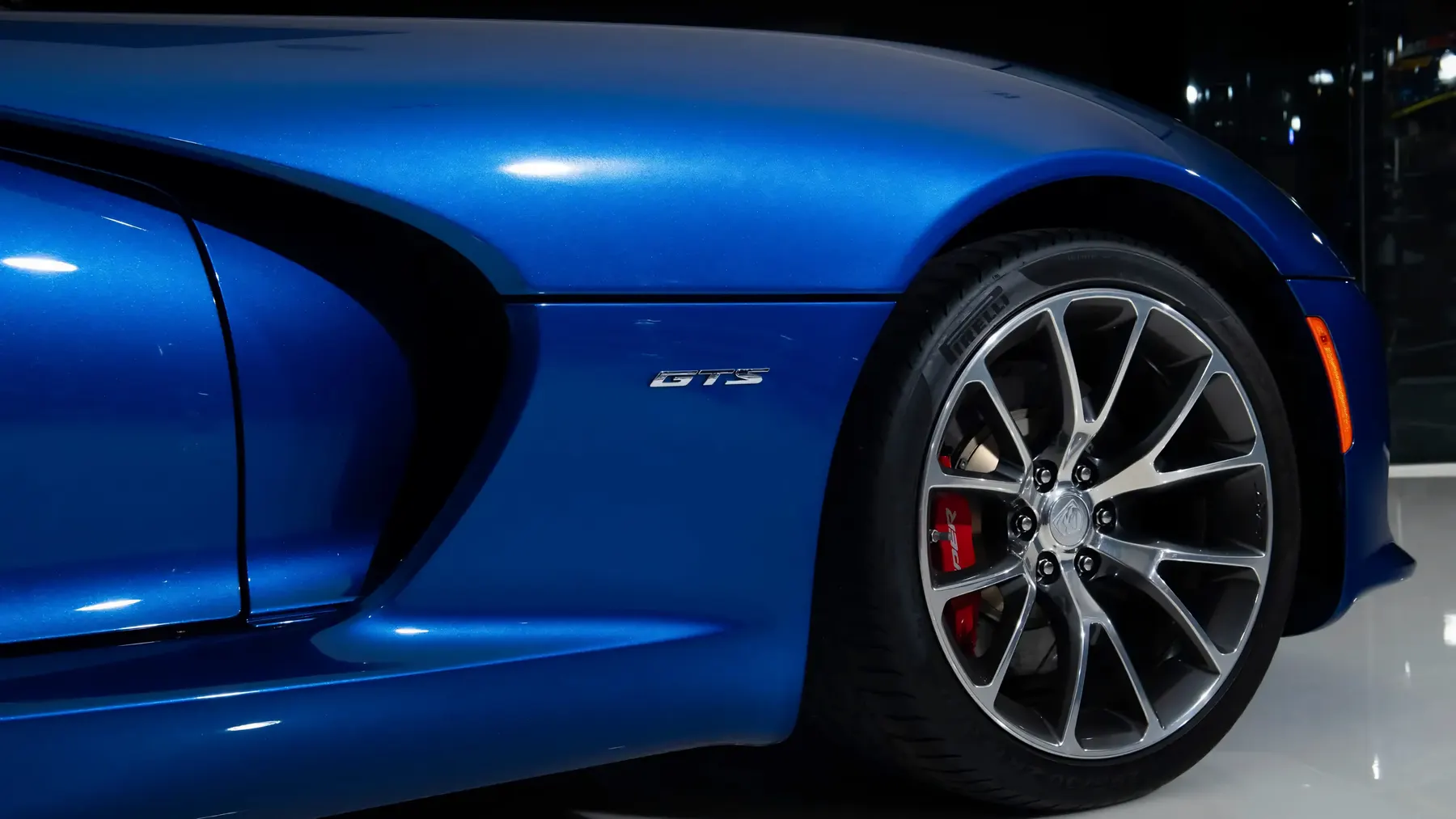
What made the Viper GTS truly exceptional was its massive 8.4-liter all-aluminum V10 engine. This powerplant initially generated a staggering 640 horsepower at 6,150 rpm and 600 lb-ft of torque at 4,950 rpm, the most torque of any naturally aspirated sports car engine in the world at that time. In 2015, power was bumped up to 645 horsepower, further cementing its status as a performance monster.
This engine transformed the 1,560 kg machine into a genuine supercar performer. The GTS could accelerate from 0-60 mph in approximately 3.4 seconds, complete the quarter-mile in 11.4 seconds at 128.7 mph, and reach a top speed of 206 mph (332 km/h). These numbers put it squarely in competition with exotic European supercars costing significantly more.
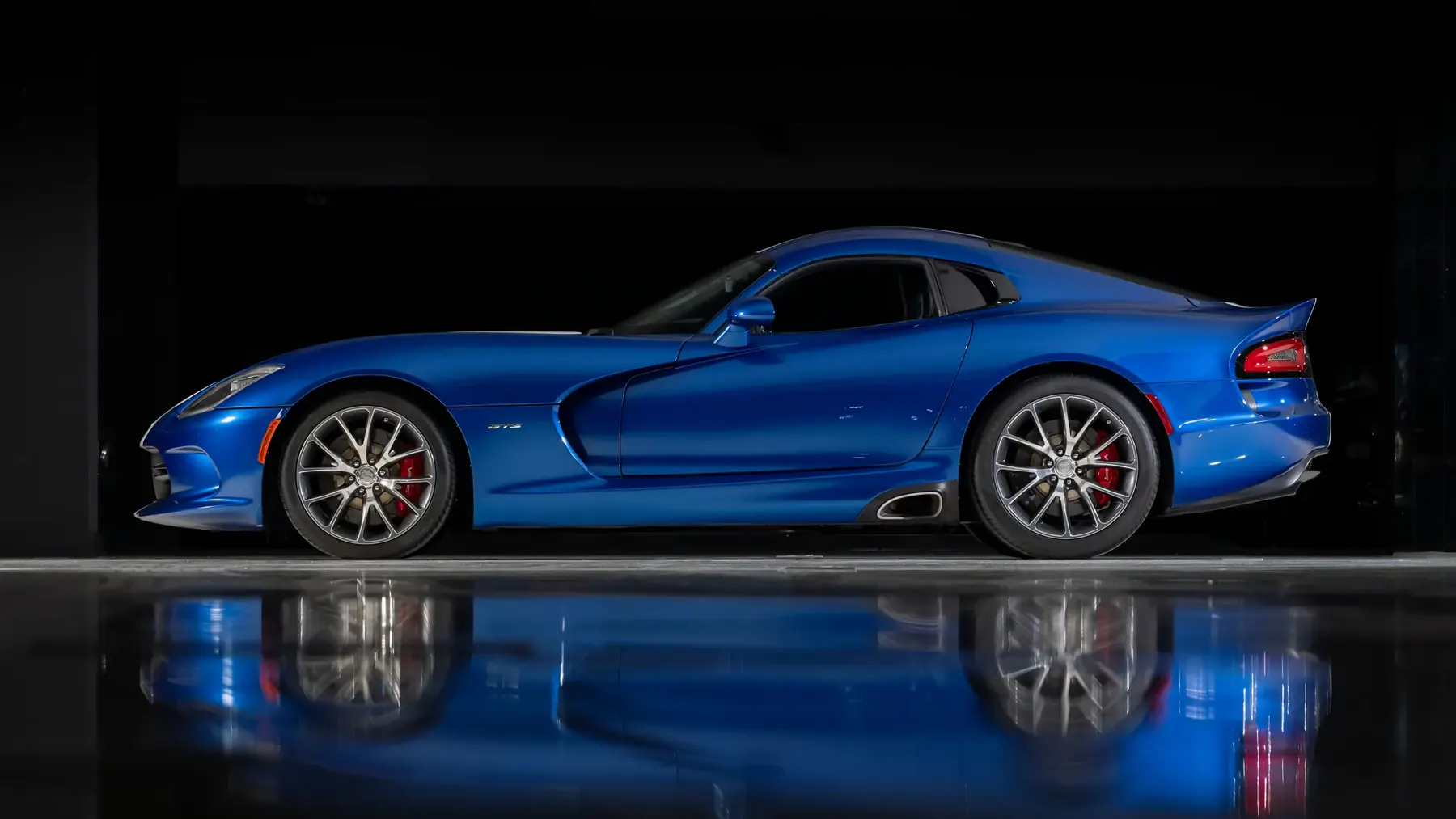
Unlike many modern performance cars that rely on turbocharging or supercharging for their power, the Viper maintained a naturally aspirated engine throughout its lifespan. This approach delivered immediate throttle response and a distinctive, thunderous exhaust note that became part of the car’s character.
The fifth-generation Viper GTS wasn’t just about straight-line speed. Chassis enhancements boosted torsional stiffness by 50 percent over previous models, while weight reduction measures gave it the best power-to-weight ratio of any Viper ever produced.
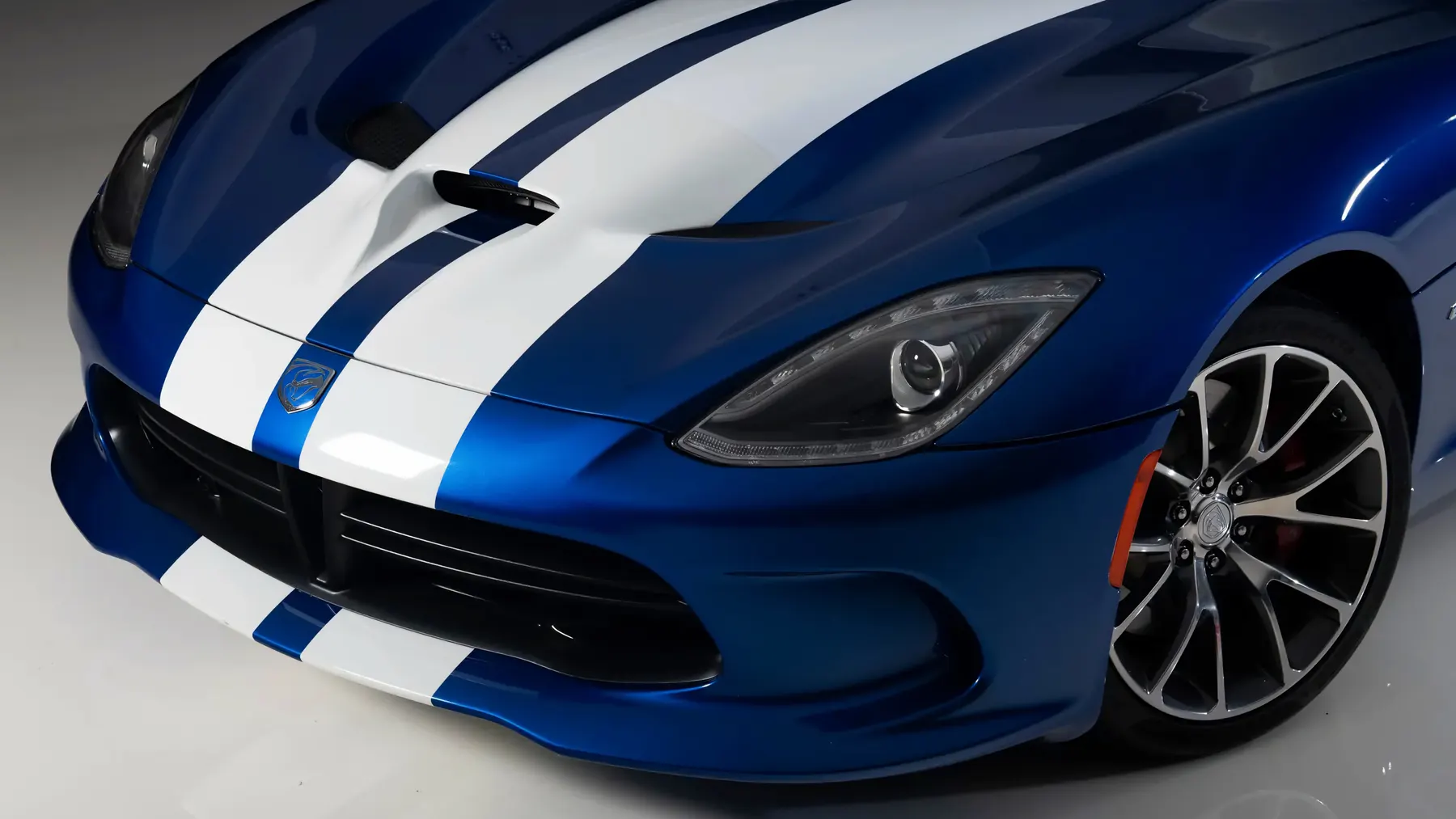
Visually, the GTS featured a distinctive design with carbon fiber hood, roof, and decklid components that reduced weight while enhancing the car’s aggressive stance. The premium GTS model was distinguished from the base Viper by its hood design, featuring only two functional vents compared to the base model’s six.
Inside, the GTS received significant upgrades over previous generations and the base model. Nappa leather upholstery with contrast stitching, a leather-wrapped dashboard, and Alcantara accents created an environment that felt more premium than any Viper before it. The Sabelt racing seats featured Kevlar and fiberglass shells that delivered exceptional support during high-performance driving while maintaining reasonable comfort.
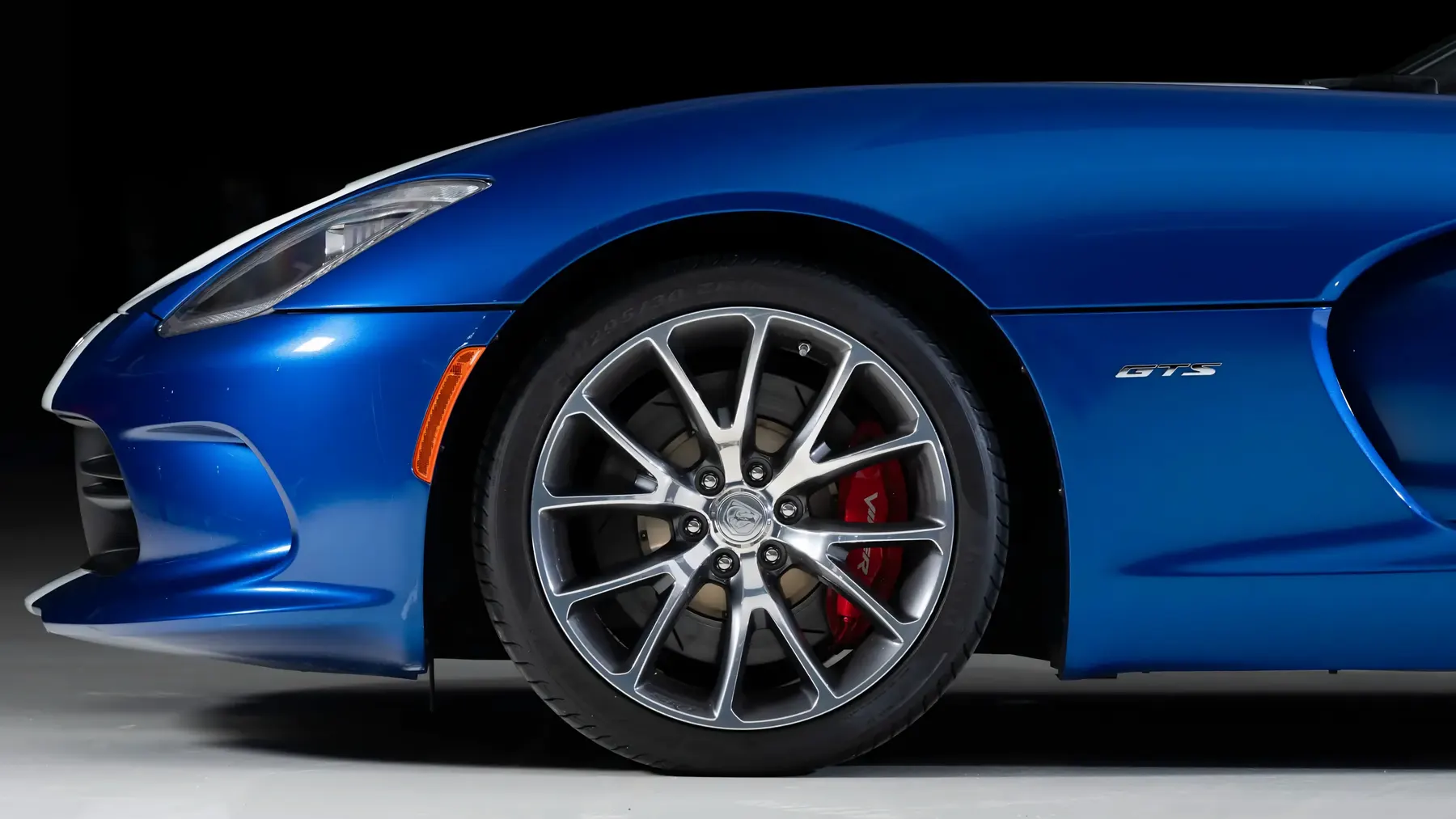
What truly set the fifth-generation GTS apart from its predecessors was its integration of modern technology. For the first time, a Viper included standard electronic stability control, traction control, and ABS, features that made the car more accessible without diminishing its challenging character.
The GTS model added a two-mode Bilstein Damptronic suspension system with street and track settings, allowing drivers to adjust the car’s ride quality depending on their needs. Additionally, the GTS featured a four-mode stability control system that gave drivers flexibility in how much electronic intervention they wanted.
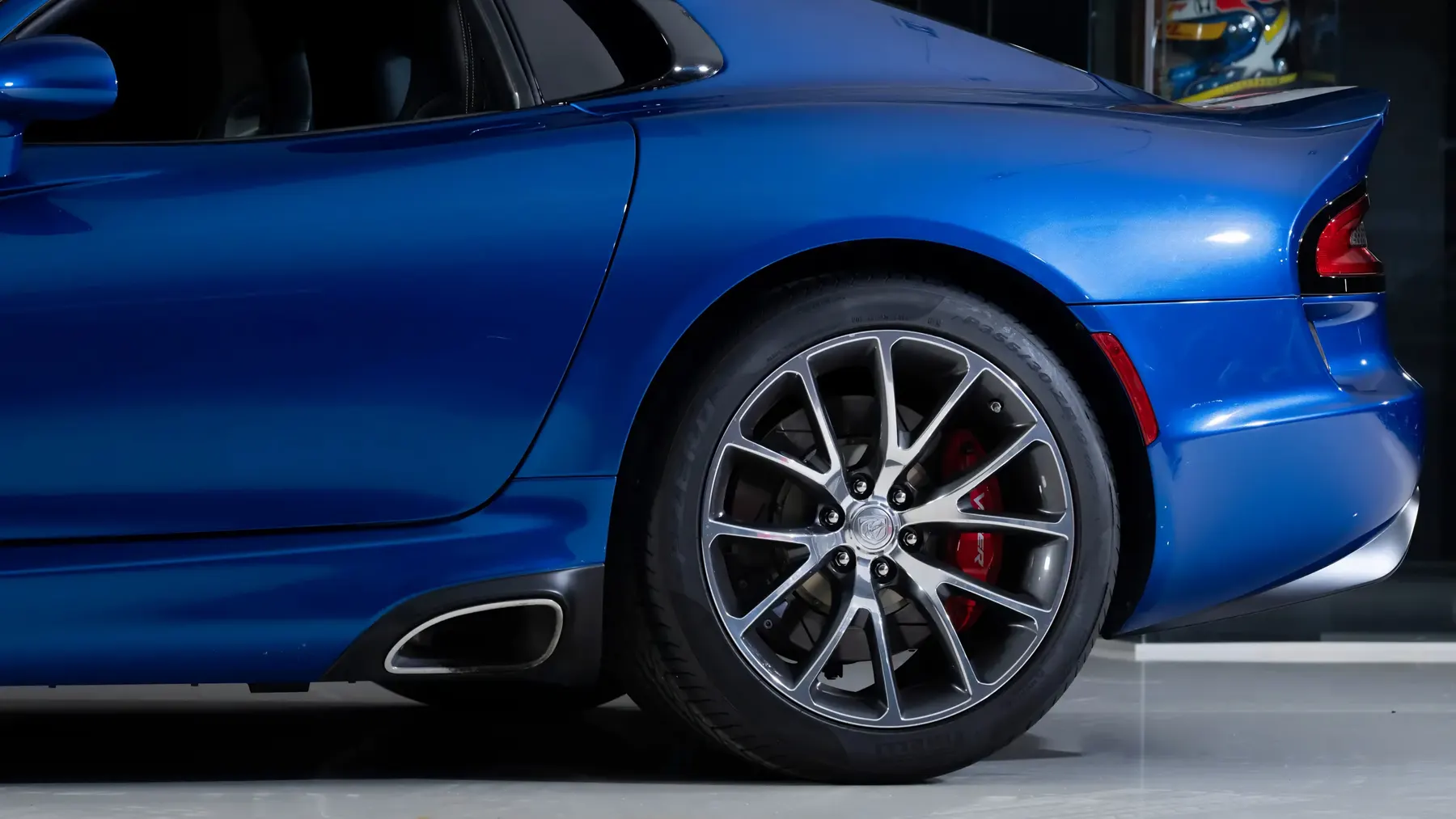
Inside, an 8.4-inch touchscreen housed the Uconnect infotainment system, while a customizable TFT display replaced traditional gauges in the instrument cluster. An available 18-speaker Harman Kardon audio system provided premium sound, though many owners would argue the V10’s exhaust note was all the music they needed.
The GTS truly came alive on the track, where its race-bred chassis and massive power could be fully exploited. In 2015, the ACR variant (based on the GTS platform) achieved an impressive 7:01.67 lap time at the Nürburgring Nordschleife. Later, a crowdfunded effort by enthusiasts would attempt to better this time, underscoring the passionate following the car had developed.
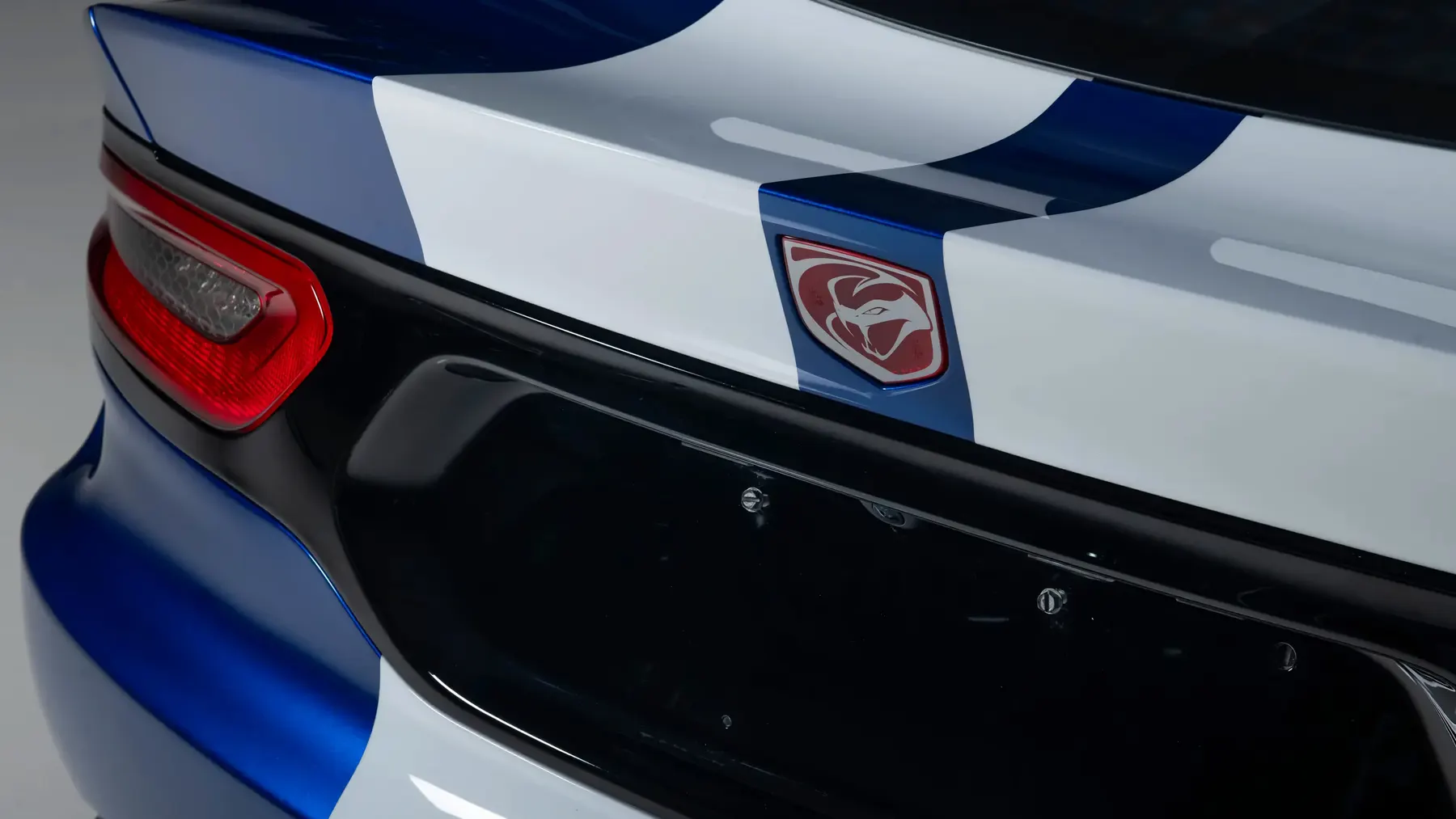
On public roads, the GTS was demanding but rewarding. As Road Test Editor Jonathan Wong noted, “If I wasn’t intimidated by the Viper, it wouldn’t be a Viper. SRT had to keep the fear factor in the car because that’s part of its DNA”. This unfiltered character became increasingly rare in an era of computerized driving aids and safety systems.
Despite its impressive capabilities and loyal following, the Viper’s production ended in August 2017. While poor sales contributed to this decision, the primary reason was the car’s inability to comply with Federal Motor Vehicle Safety Standard 226, which required side-curtain airbags. The Viper’s unique design made incorporating these airbags prohibitively expensive and would have further reduced its already limited headroom.
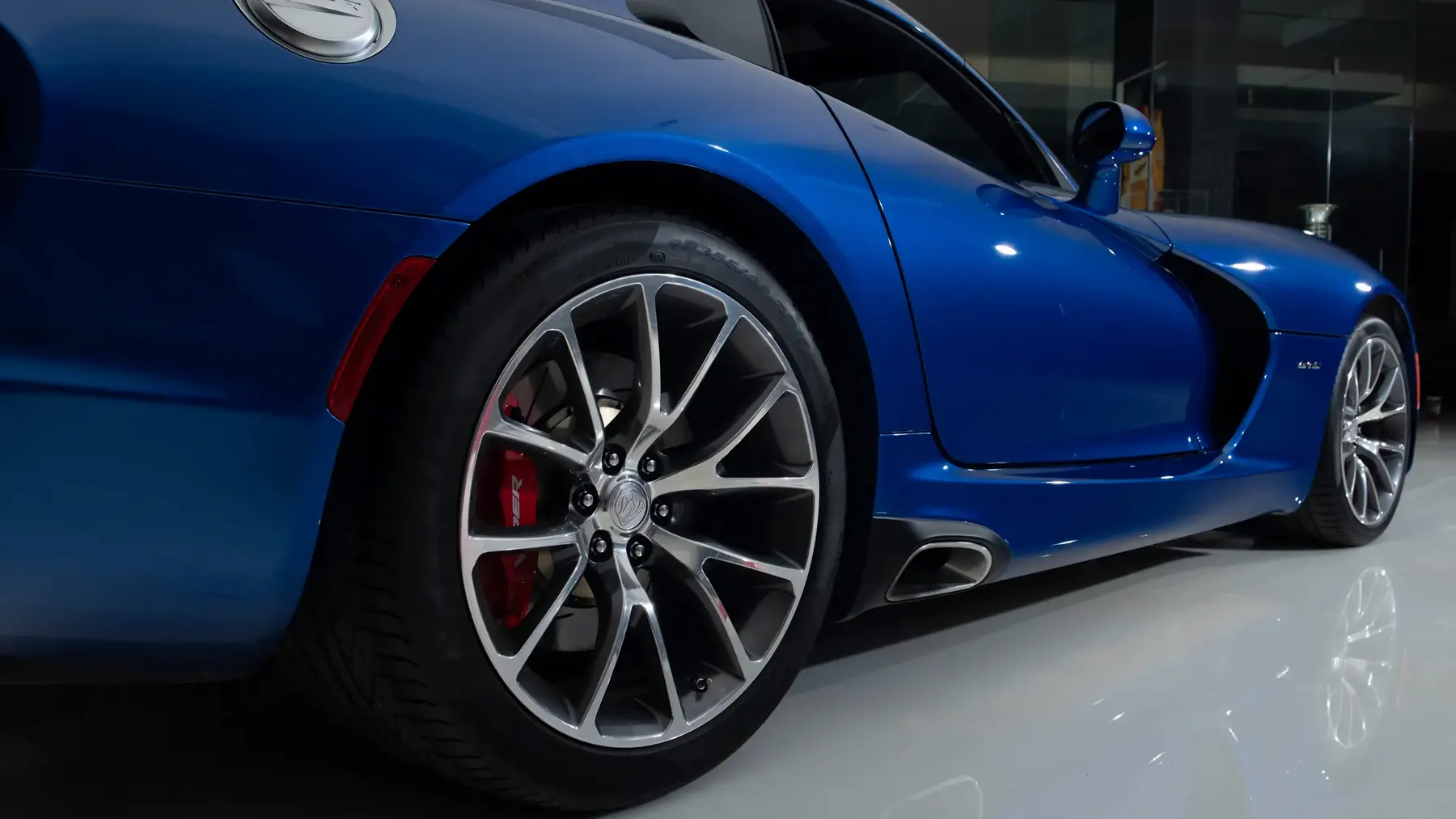
In total, only 2,427 fifth-generation Vipers were produced from 2013 through 2017, making them relatively rare collector’s items. Since production ended, values have increased significantly, with many examples now selling for $150,000-$200,000, well above their original retail price.
The Dodge Viper GTS represents a disappearing breed of automobiles, cars designed primarily for the visceral experience of driving rather than convenience or efficiency. As Edmunds noted, it was “arguably the last unfiltered and unapologetic sports car left”.
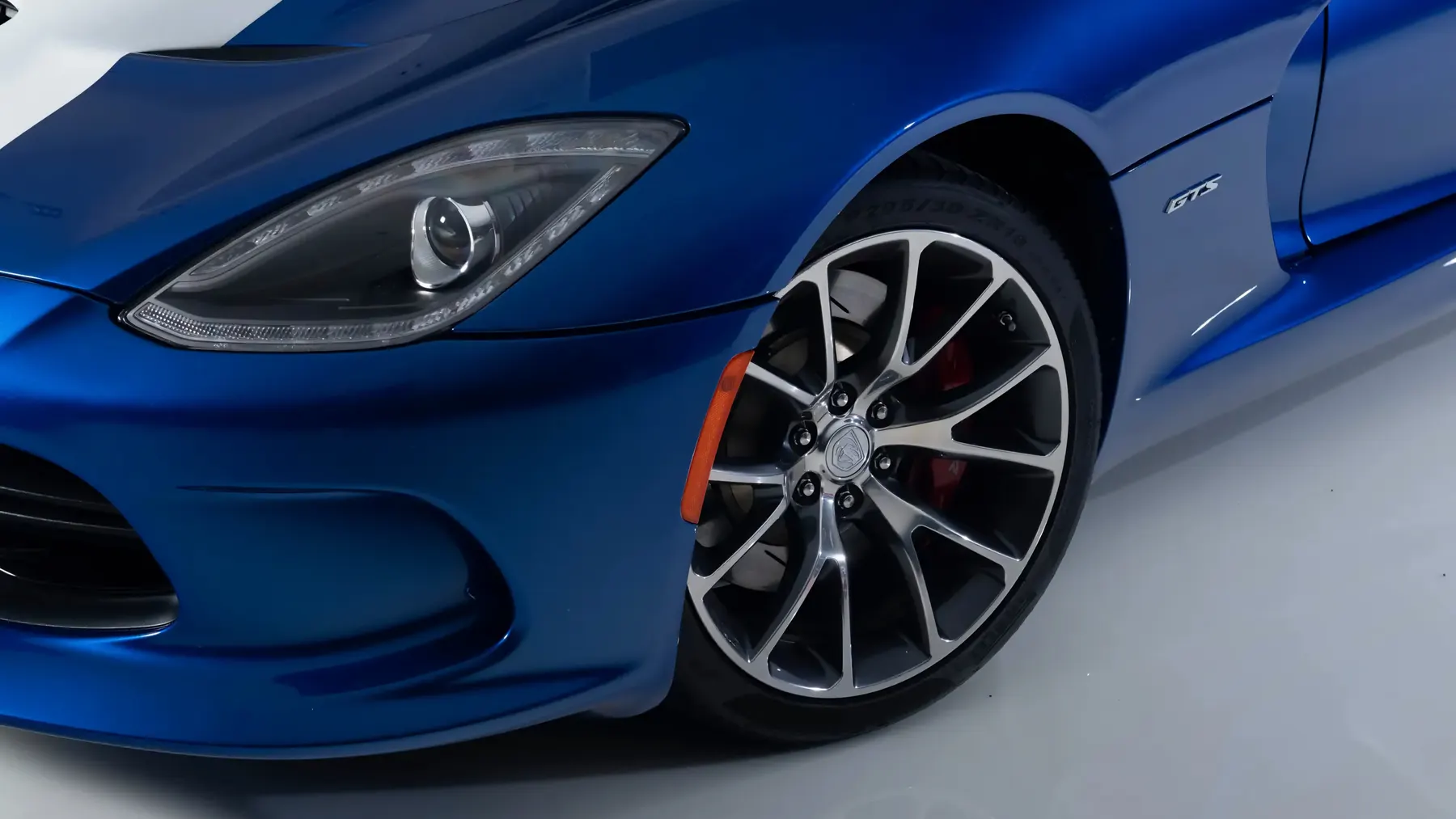
For enthusiasts, the Viper represents a childhood dream realized. As one owner commented, “They often say not to meet your heroes because you might be let down, but the Viper exceeded all my expectations”. Another noted it was “an incredible experience” that garnered attention wherever it went.
The Viper GTS wasn’t just a car, it was a statement of American automotive passion. While European exotics might have offered more refinement and Japanese sports cars more precision, nothing matched the Viper’s combination of brutal power, distinctive styling, and unapologetic character. It remains a true icon of automotive enthusiasm, a car built not for the masses but for those who appreciate driving in its purest form.
Join the discussion
Comments
Loading comments…
Leave a comment
Share a detail, memory, or perspective. Every comment is reviewed before publication.