2013 Ford Taurus Police Interceptor 'Toronto Police'

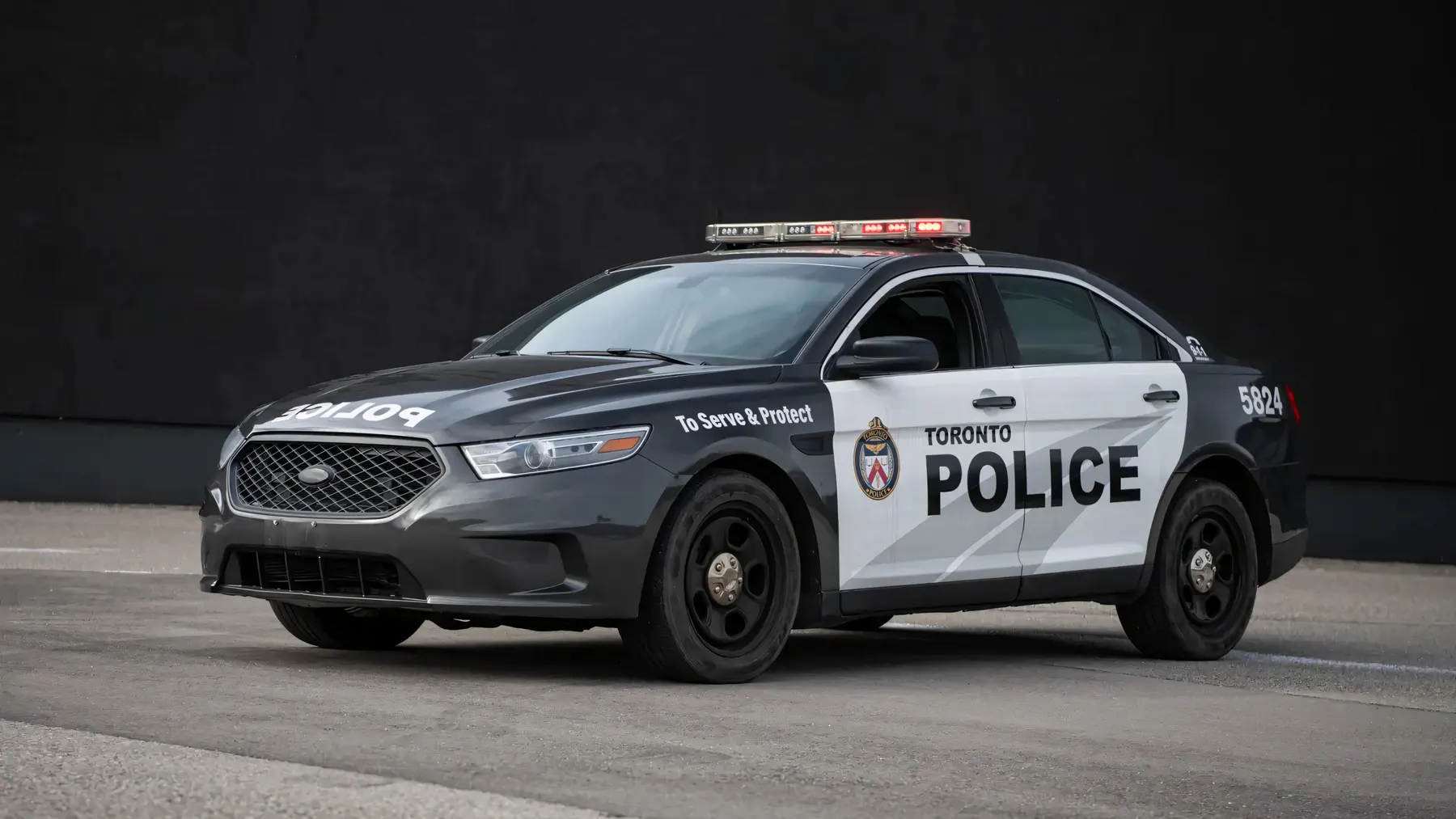
The Ford Taurus Police Interceptor represents one of the most significant transformations in North American law enforcement vehicles of the 21st century. When Ford discontinued the beloved Crown Victoria Police Interceptor in 2011, departments across North America faced an uncertain future. The answer came in 2013 with the introduction of the Ford Police Interceptor Sedan, based on the sixth-generation Ford Taurus, including those that would serve with the Toronto Police Service and other Canadian departments.
The development story of this vehicle reads like a masterclass in automotive engineering responding to real-world demands. Ford didn’t simply badge a civilian Taurus and call it a police car. Instead, they embarked on an exhaustive 28-month development program, working hand-in-hand with the Los Angeles County Sheriff’s Department and the Michigan State Police to create something genuinely purpose-built. This collaboration ensured that every modification served a specific law enforcement need, from the reinforced door hinges to the specialized cooling systems.
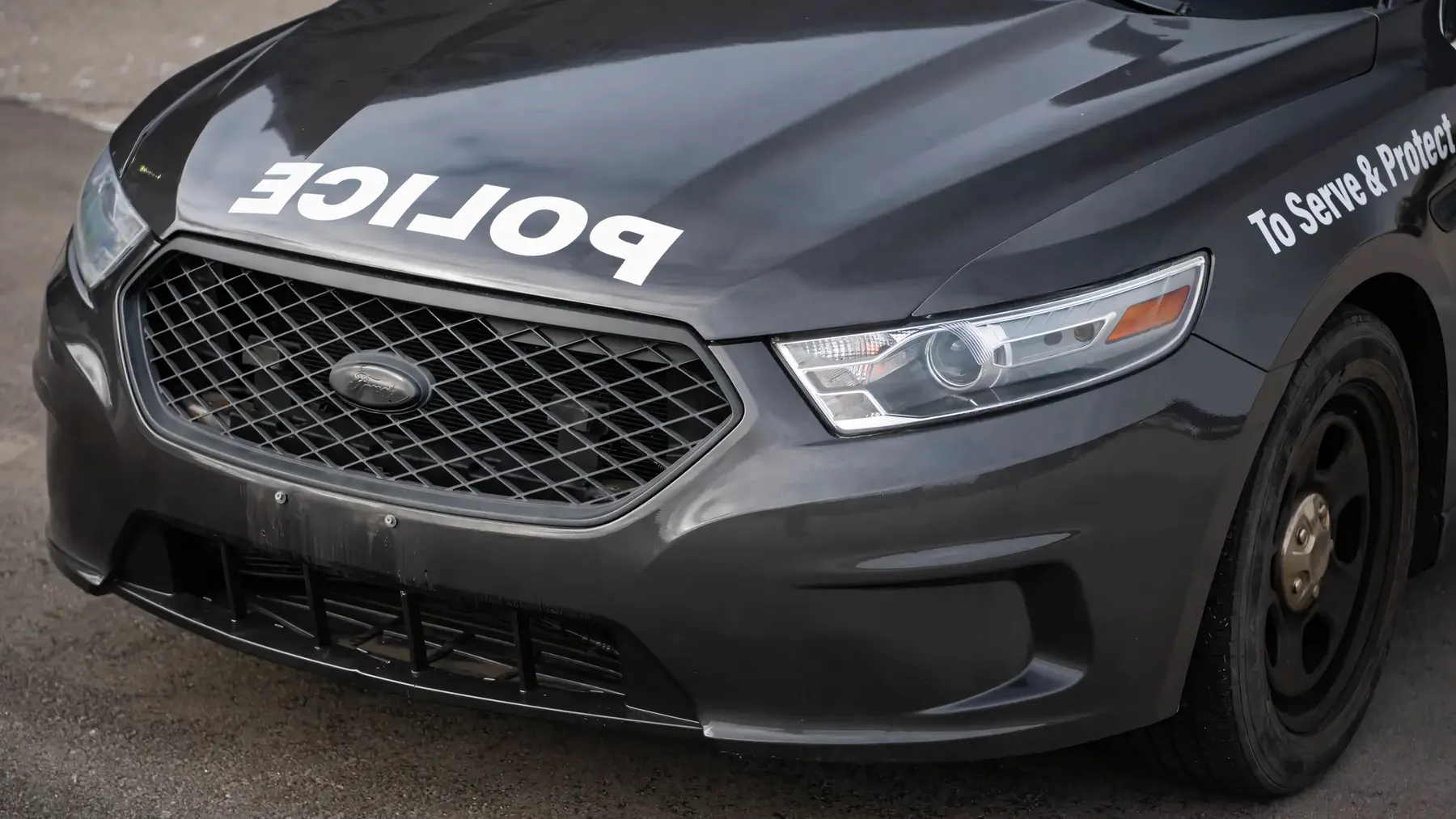
The visual transformation from civilian Taurus to Police Interceptor tells a compelling story of function driving form. The blacked-out grille isn’t merely aesthetic; it’s specifically designed for improved cooling over the standard Taurus. Those menacing looks serve a practical purpose, housing the enhanced cooling systems that allow these vehicles to idle for extended periods without overheating.

The interior modifications reveal the depth of engineering consideration. The front seats incorporate anti-stab plates while removing lower bolstering to accommodate officers’ utility belts. The rear bench transforms into an easily cleaned vinyl surface, designed for the harsh realities of police work. Column-mounted shifters replace floor consoles to create space for essential equipment, while reinforced mounting points accommodate everything from laptops to emergency lighting systems.
Ford’s attention to safety borders on obsessive. The Police Interceptor Sedan earned certification for surviving 75 mph rear impacts, a standard that addresses the real danger officers face when stopped roadside. Stab-proof seat backs provide protection from behind, while side curtain airbags and reinforced pillars enhance rollover protection.
The engine lineup offered departments choices that ranged from economical to exhilarating. The base 3.5-liter naturally aspirated V6 produced 288 hp and 366 N⋅m of torque, providing solid performance while maintaining reasonable fuel economy. For departments requiring more capability, the 3.7-liter V6 delivered 305 hp and 378 N⋅m, borrowing the Mustang’s powerplant in transverse configuration.
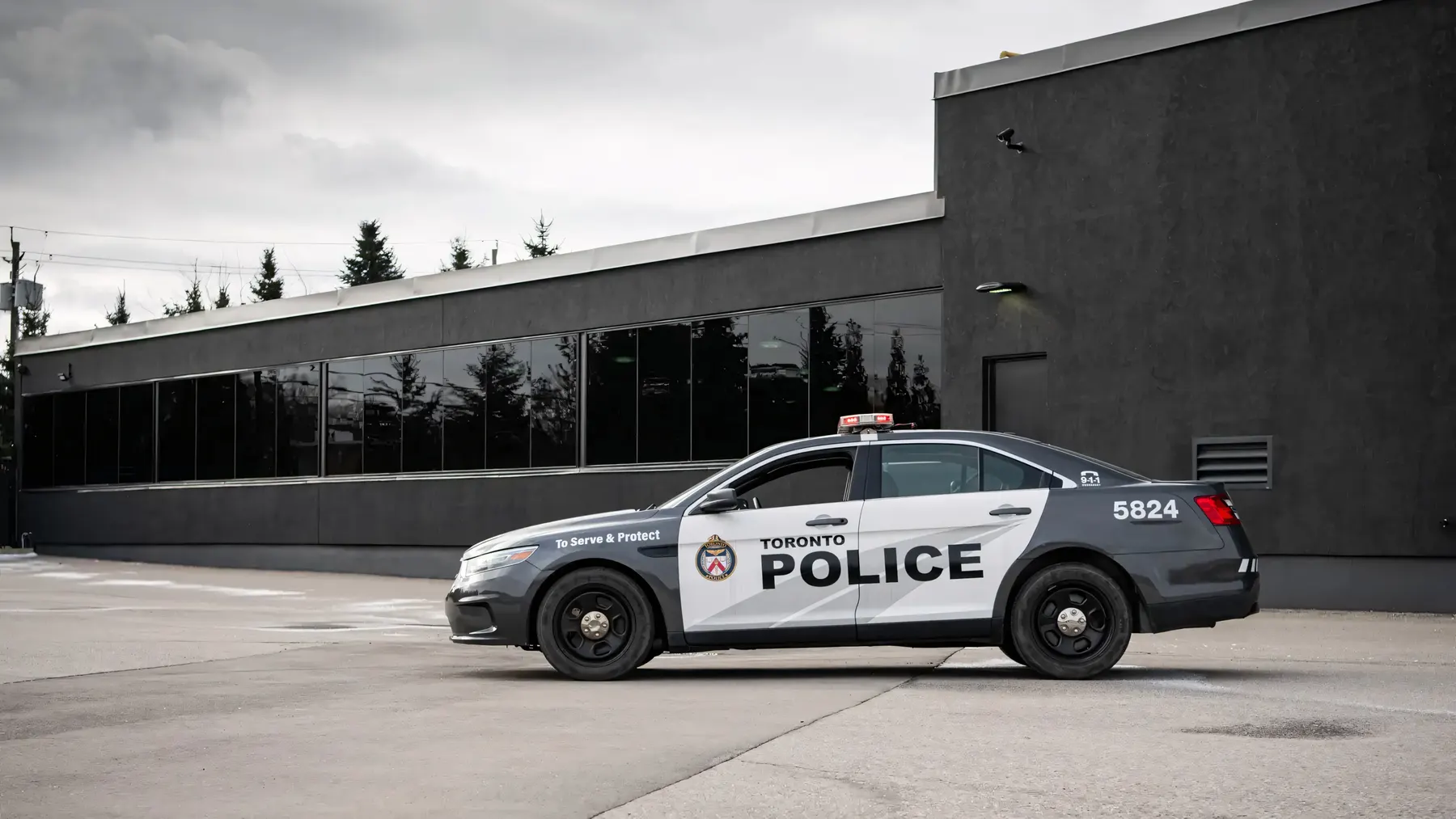
The crown jewel remained the 3.5-liter EcoBoost V6, generating an impressive 365 hp and 475 N⋅m of torque. This twin-turbocharged engine propelled the Interceptor from 0-100 km/h in just 5.7 seconds, with a top speed of 241 km/h. These figures placed it firmly ahead of competing V8-powered police vehicles from other manufacturers, proving that Ford’s commitment to efficient powertrains didn’t compromise performance.
The all-wheel-drive system became a game-changer for departments in harsh climates. Toronto’s winters and Canada’s challenging weather conditions made this technology invaluable. Officers reported superior traction and confidence compared to the rear-wheel-drive Crown Victoria, particularly when equipped with proper winter tires.
Police departments and individual officers embraced the Interceptor with enthusiasm tempered by initial skepticism. The transition from the Crown Victoria’s simple, robust design to the Taurus platform’s more complex systems required adjustment. However, real-world performance quickly won converts. Officers appreciated the improved fuel economy, achieving over 11 km/L on highway patrols when driven conservatively.
The handling characteristics drew particular praise. The police-tuned suspension, upgraded sway bars, and electronic stability control created a platform that could handle emergency maneuvers with confidence. The massive brake rotors provided 60 percent more swept area than the Crown Victoria, with improved thermal management for repeated high-stress stops.
User reviews consistently highlighted the vehicle’s surprising comfort during long shifts, despite its utilitarian mission. The ride quality struck an effective balance between handling precision and occupant comfort, crucial for officers spending entire shifts behind the wheel.
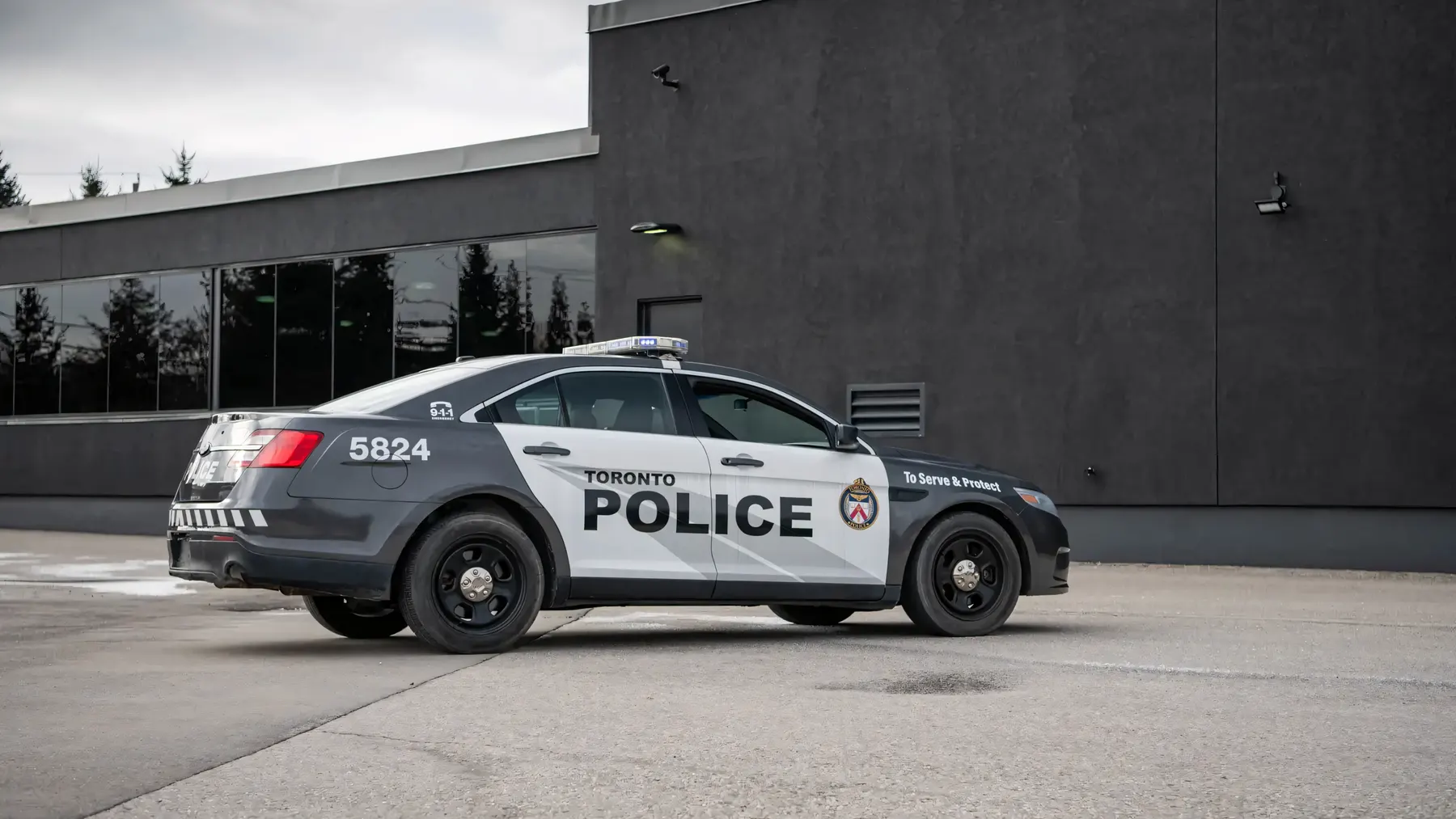
The Police Interceptor Sedan’s seven-year production run from 2013 to 2019 represented a successful bridge between traditional body-on-frame police vehicles and modern unibody designs. While Ford ultimately discontinued the sedan in favor of the more popular Police Interceptor Utility, the Taurus-based cruiser proved that front-wheel-drive platforms could effectively serve law enforcement needs.
The Toronto Police Service and other Canadian departments that operated these vehicles experienced firsthand how thoughtful engineering could transform a civilian platform into a capable law enforcement tool. The water pump issues that plagued some civilian Taurus models served as a reminder that even well-engineered vehicles have vulnerabilities, but proper maintenance protocols helped departments minimize problems.
Today, retired Police Interceptor Sedans continue serving in civilian hands, where enthusiasts appreciate their unique combination of performance, all-wheel drive, and purposeful design. The vehicle stands as testament to Ford’s ability to reimagine police transportation for the modern era, successfully bridging the gap between the Crown Victoria’s legacy and law enforcement’s evolving needs. While the sedan chapter has closed, its influence on police vehicle development continues, proving that sometimes the most significant automotive stories unfold not on racetracks, but on the streets where they truly matter.
Join the discussion
Comments
Loading comments…
Leave a comment
Share a detail, memory, or perspective. Every comment is reviewed before publication.