2014 BMW i8

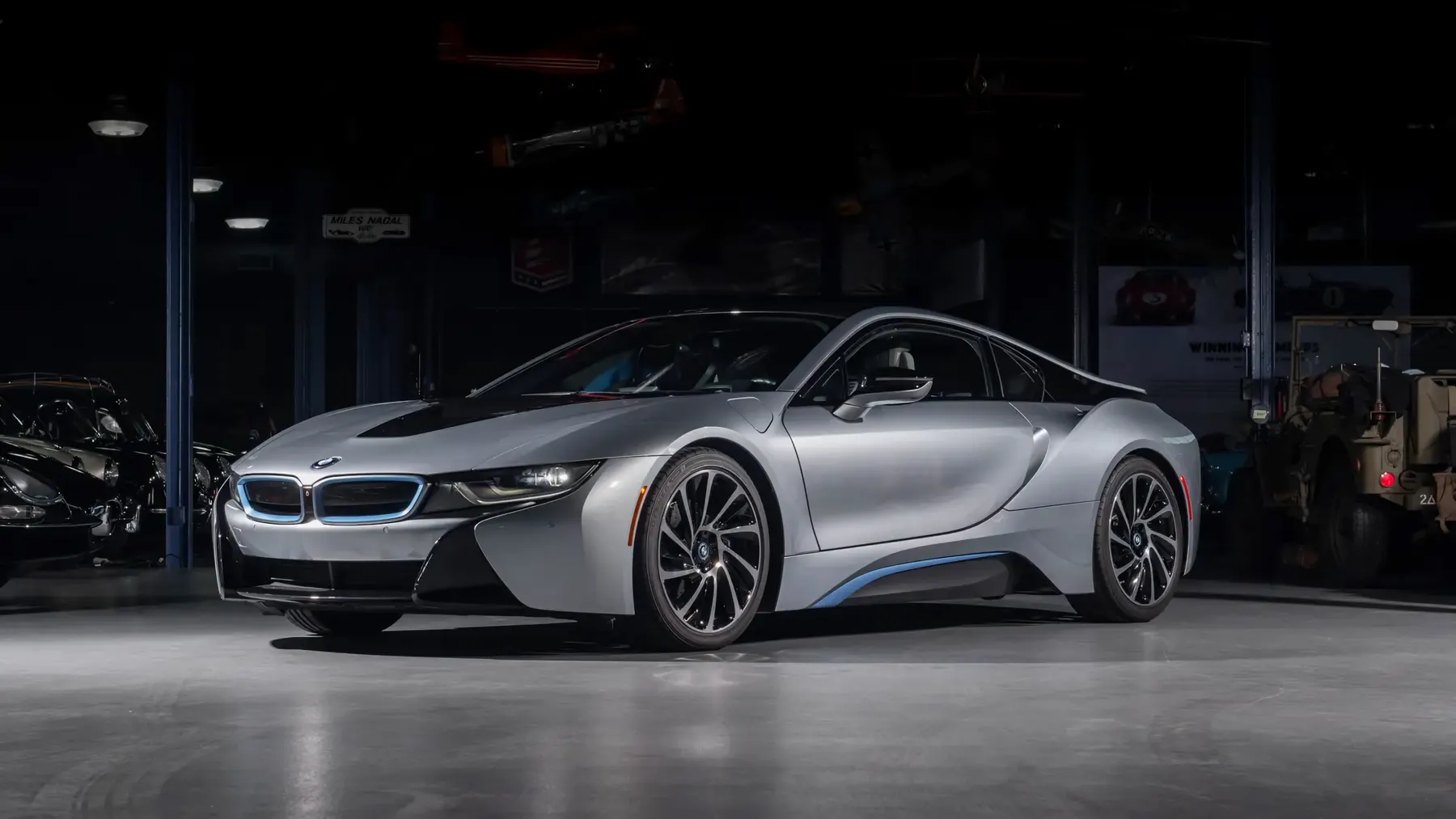
The BMW i8 remains one of the most visually arresting and technologically advanced sports cars to emerge in the 21st century. When it arrived in 2014, it sent shockwaves through the automotive world with its dramatic styling and innovative hybrid powertrain. This wasn’t merely another sports car with an electric motor tacked on-it represented a fundamental rethinking of what a performance vehicle could be in a new era of environmental consciousness and technological possibility.
The story of the BMW i8 began in 2009 at the Frankfurt Motor Show, where BMW unveiled the Vision EfficientDynamics concept. This striking prototype showcased BMW’s vision for sustainable mobility without compromising the driving pleasure that had long been the company’s hallmark. The concept generated such enthusiasm that in 2010, BMW announced plans to bring it to production as the i8.
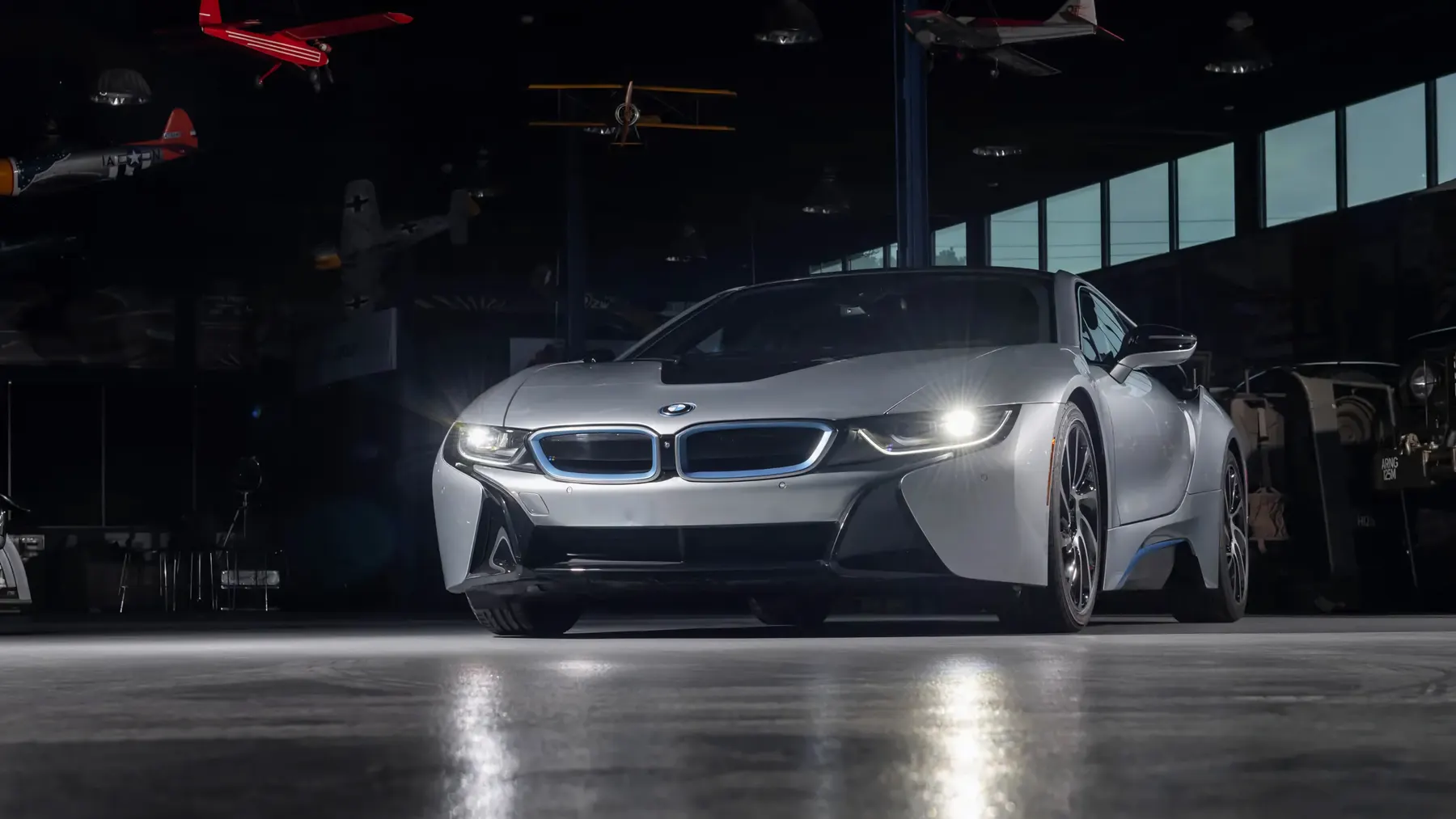
The i8 was developed as part of BMW’s “Project i,” which would spawn a sub-brand dedicated to sustainable mobility. In June 2011 at Frankfurt, BMW presented both the i8 and i3 prototypes, setting the stage for a bold new direction. The i3, an urban electric vehicle, would represent practicality, while the i8 would serve as the emotional, performance-oriented flagship of the new brand.
In April 2014, series production of the i8 began at BMW’s Leipzig plant, with the first deliveries to German customers in June 2014. The U.S. market followed in August of the same year. Four years later, in May 2018, BMW expanded the lineup with the stunning i8 Roadster variant. Production of all i8 models concluded in June 2020, with the 20,000th unit-a limited Ultimate Sophisto Edition-having rolled off the assembly line in December 2019.
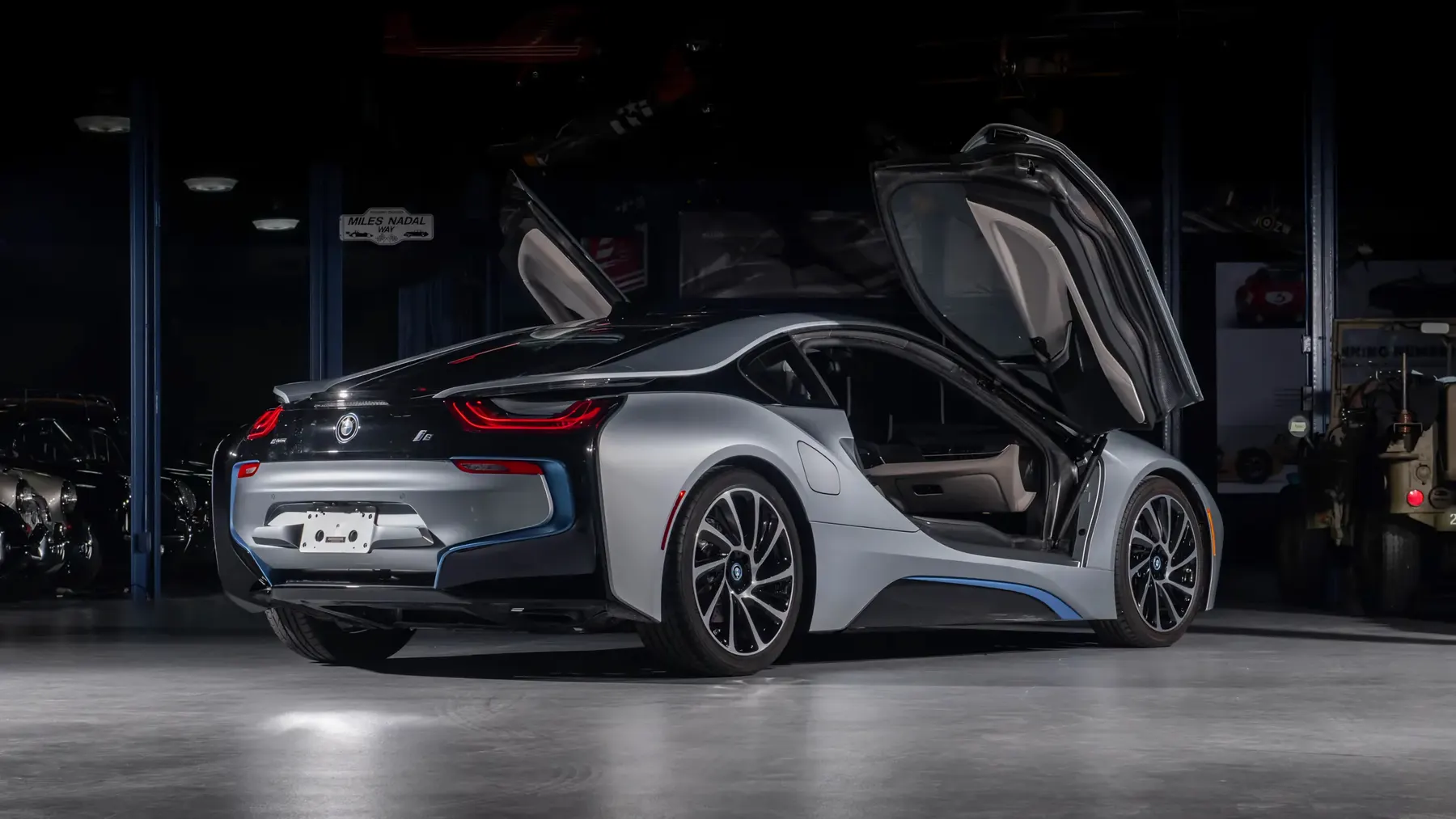
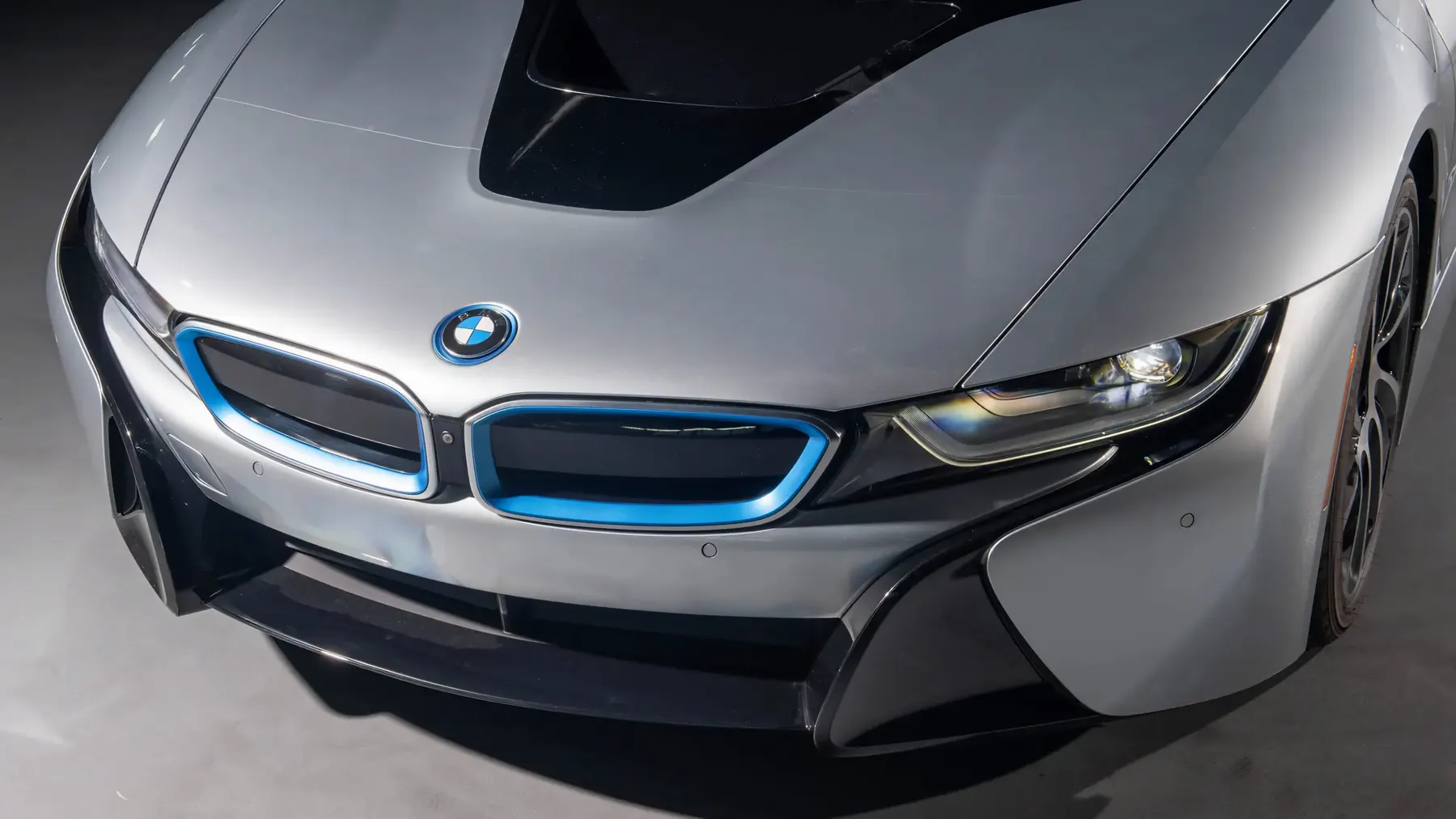
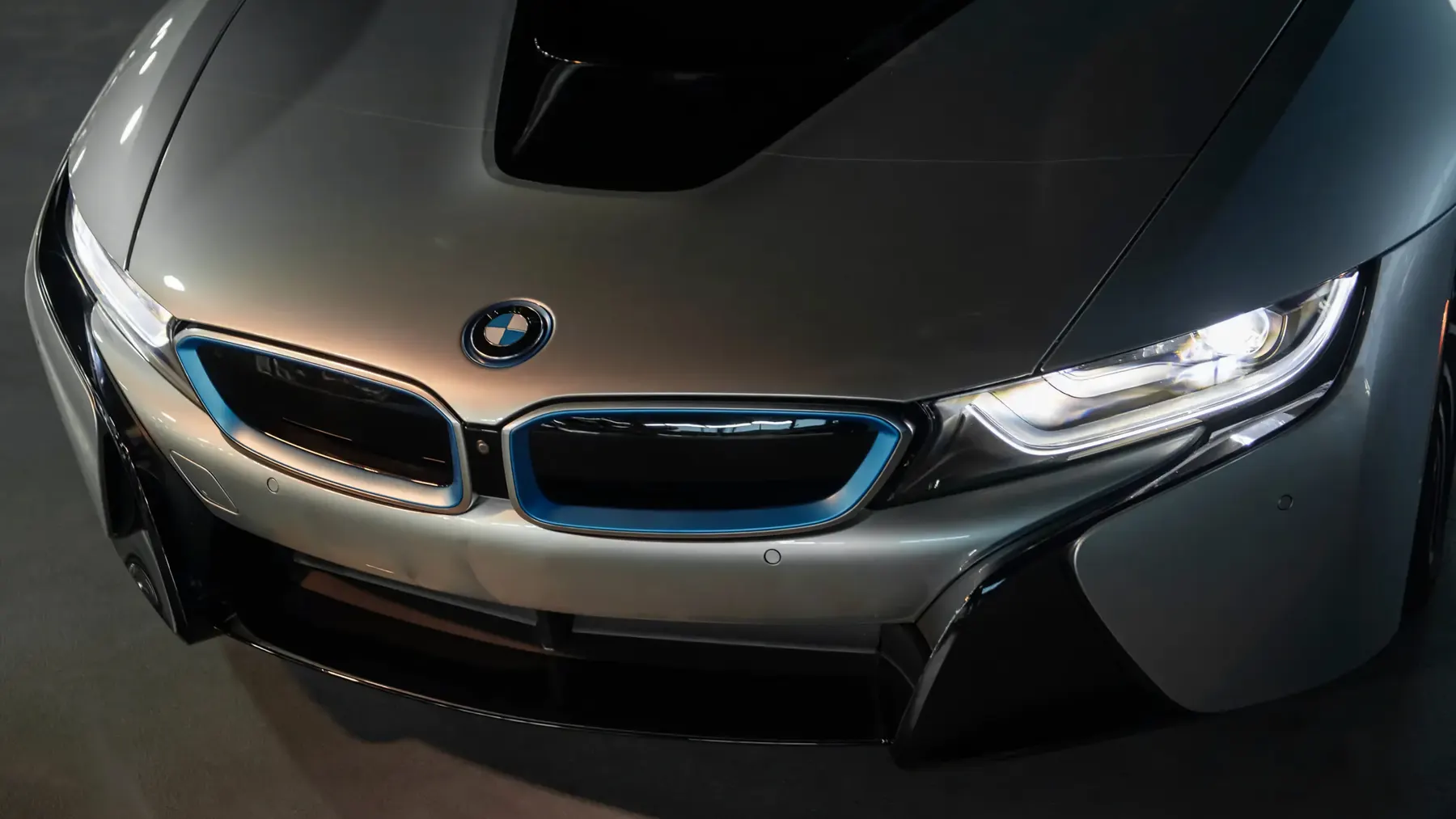
The production BMW i8 remained remarkably faithful to the concept that preceded it, maintaining the dramatic proportions and futuristic aesthetic that had captivated audiences worldwide. Its design drew inspiration from the BMW M1 Homage concept, itself a nod to BMW’s legendary M1 supercar.
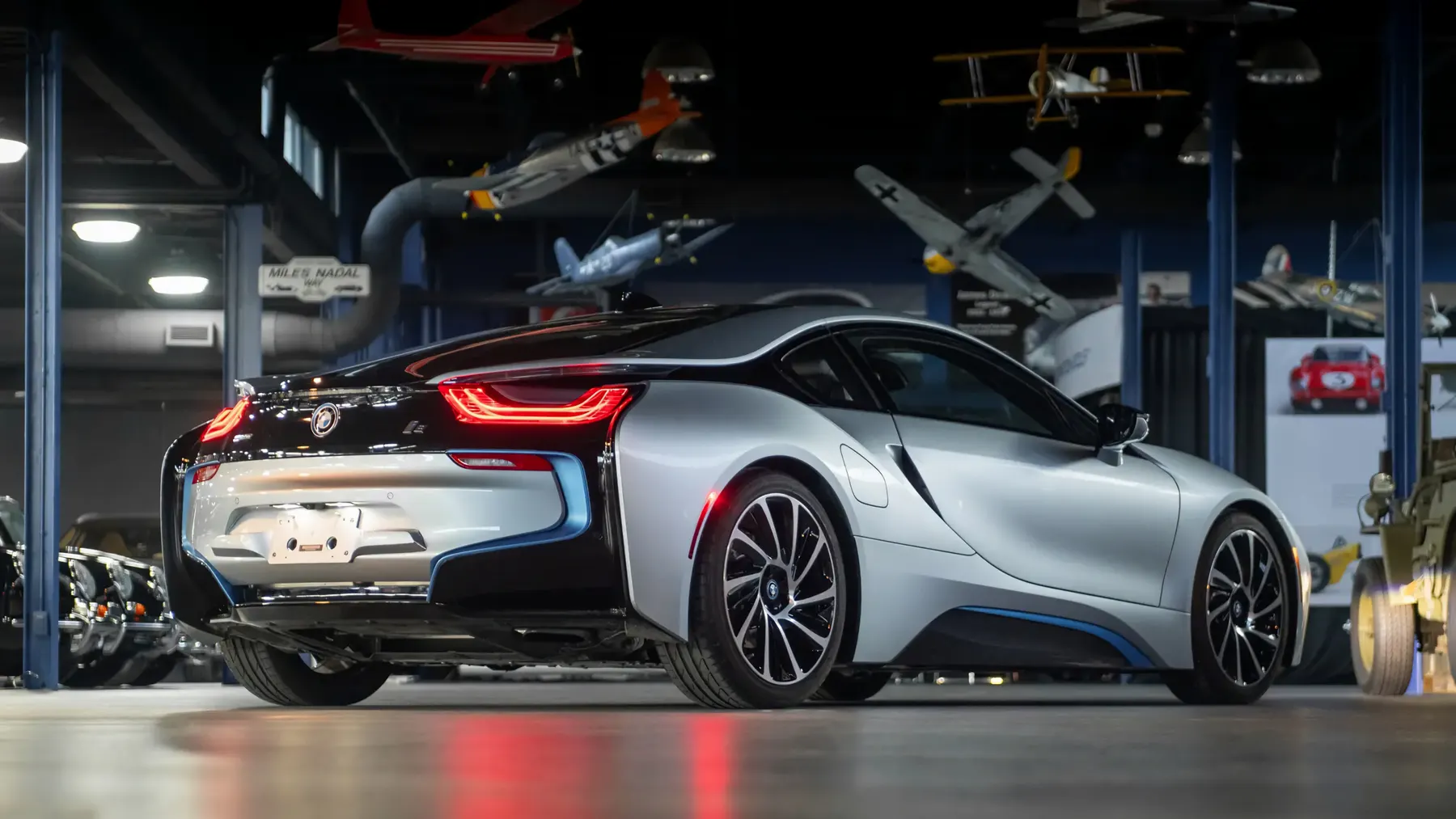
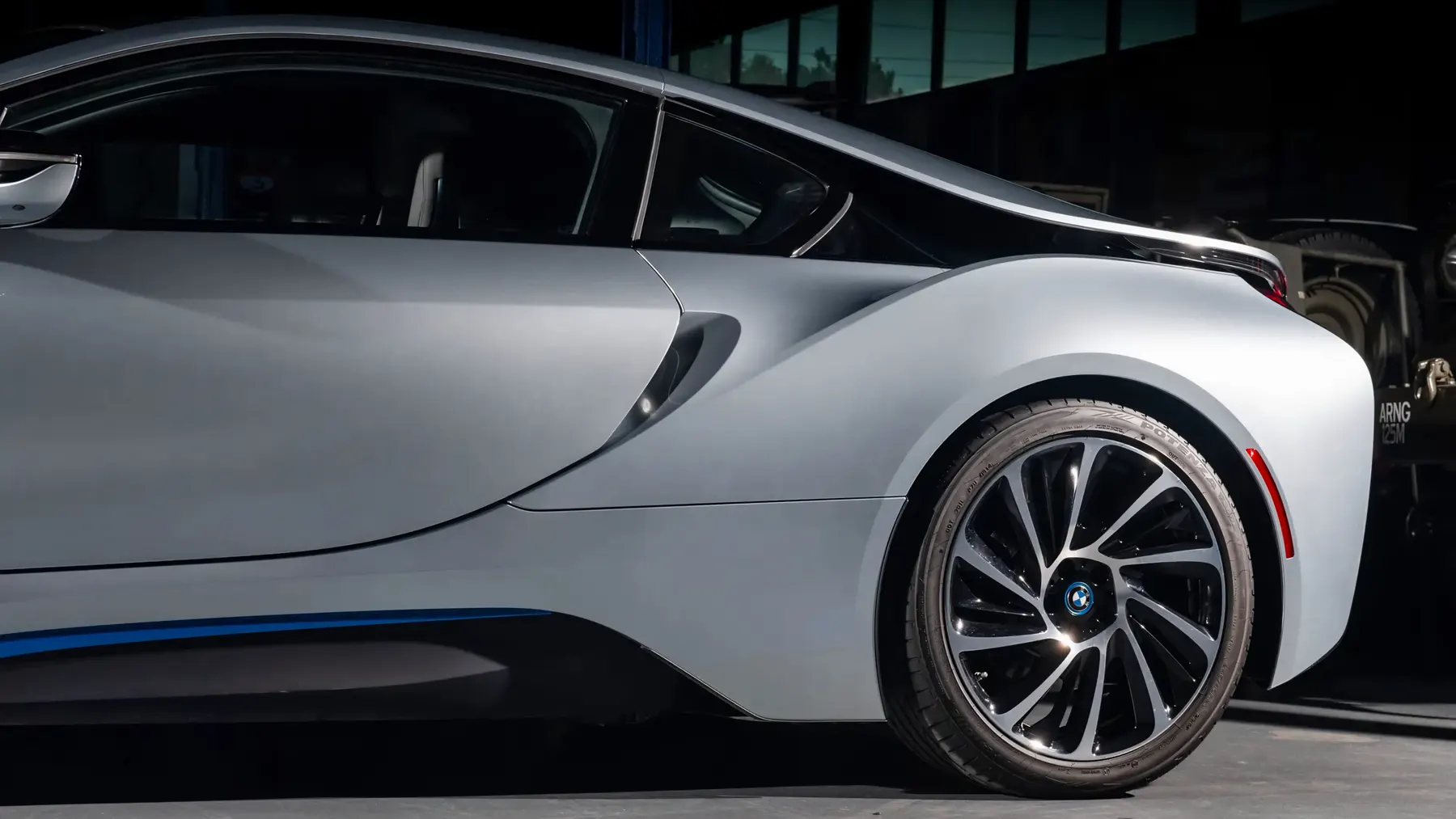
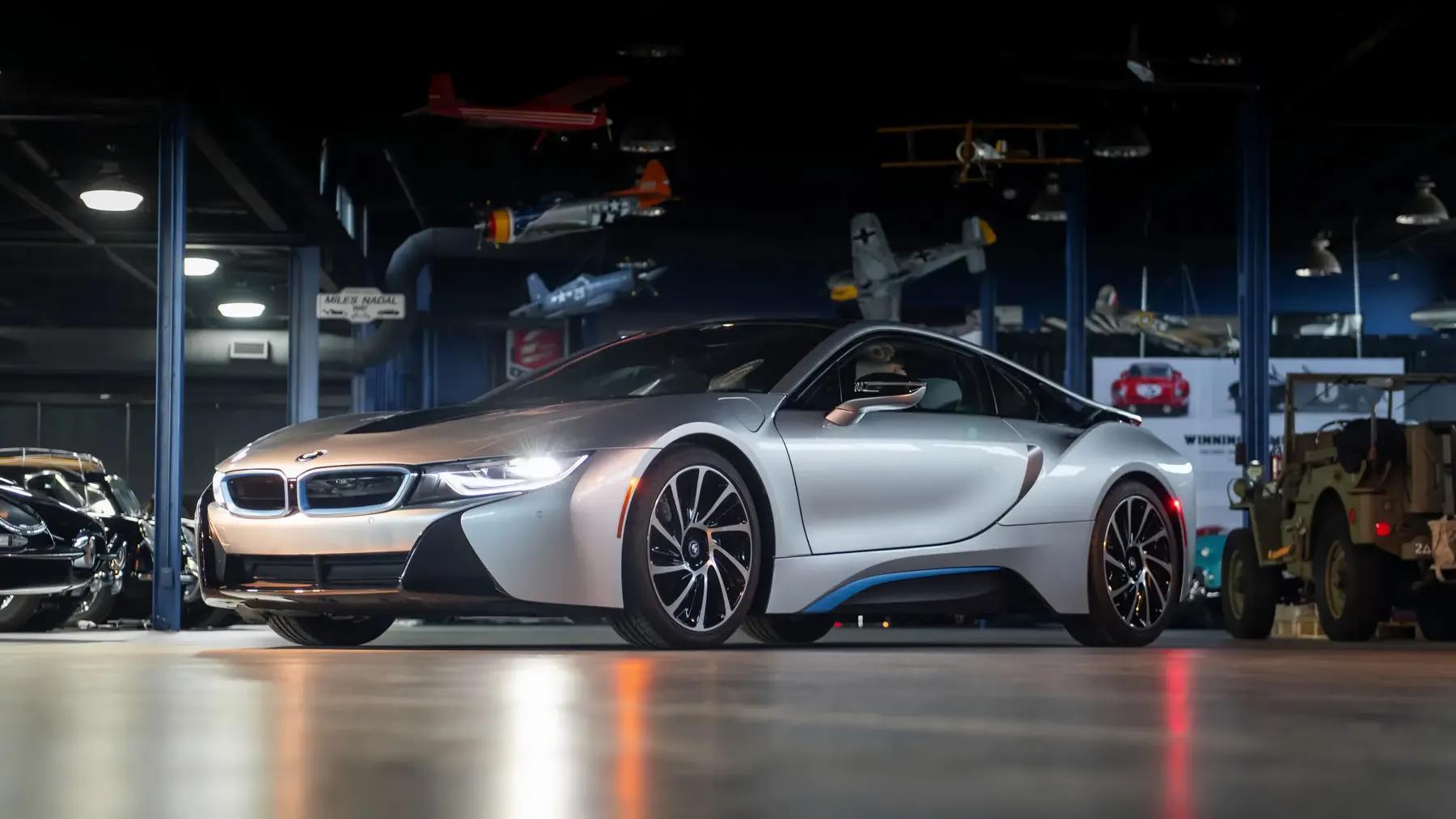
What made the i8 truly distinctive was its combination of butterfly doors, a low-slung silhouette, and dramatic surface treatments that created a visual drama rarely seen in production vehicles. The floating C-pillars and distinctive “stream flow” design of the rear fenders weren’t just stylistic flourishes-they served aerodynamic purposes, helping the car achieve an impressive drag coefficient of just 0.26.
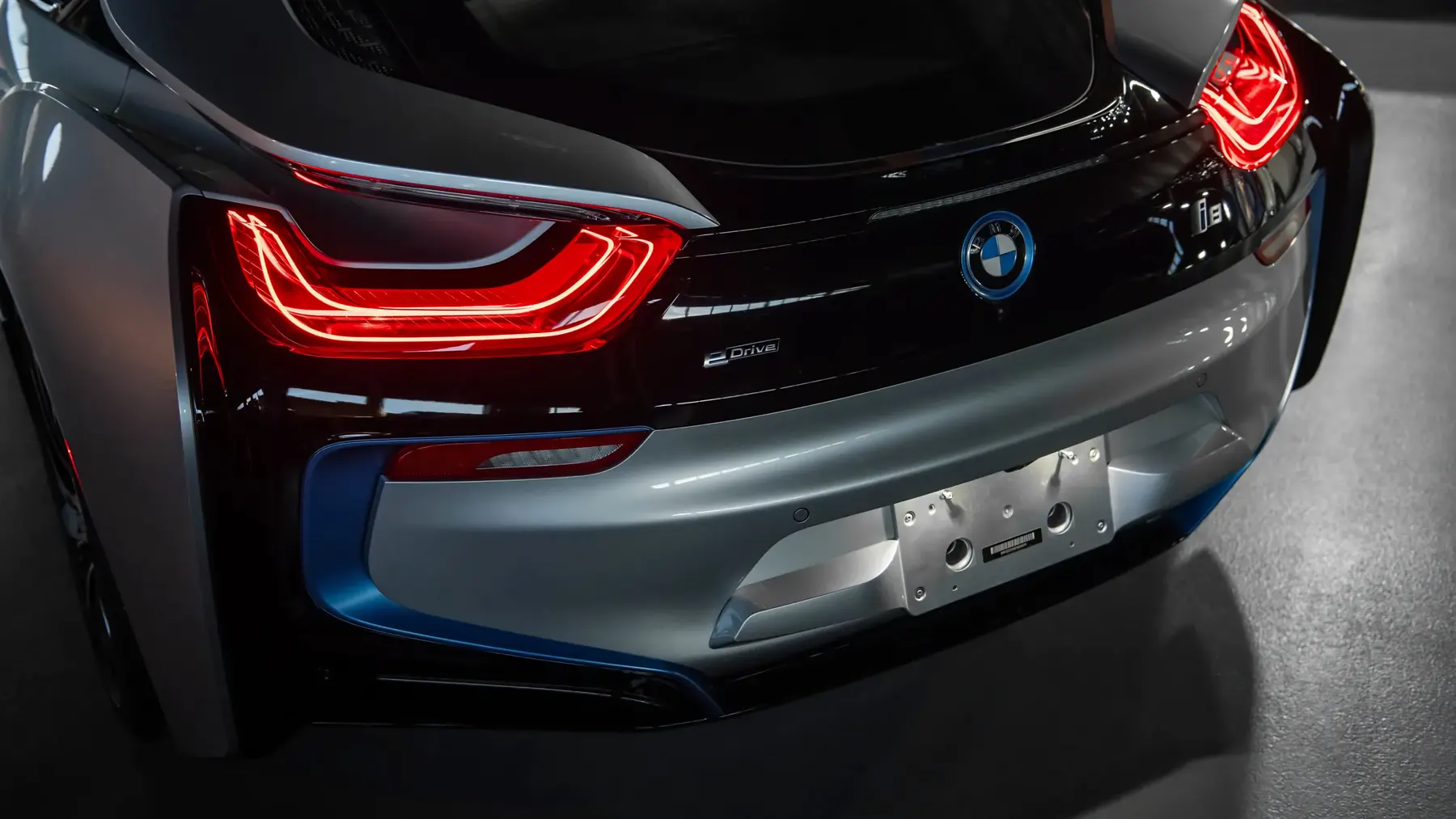
The i8’s construction was equally innovative, utilizing a carbon-fiber-reinforced plastic (CFRP) passenger cell-marketed as the “Life Module”-mounted to aluminum subframes that housed the powertrain components. This advanced construction kept weight down to just 1,535 kg, an impressive figure for a hybrid sports car packed with technology.
The heart of the i8’s appeal lay in its innovative hybrid powertrain, which earned it the International Engine of the Year Award in 2016 in the 1.4-litre to 1.8-litre displacement category. The system combined a mid-mounted 1.5-liter three-cylinder turbocharged gasoline engine with an electric motor.
Initially, the turbo three-cylinder produced 231 PS (170 kW, 228 hp) and 320 N⋅m (236 lb⋅ft) of torque, while the front-mounted electric motor contributed an additional 131 PS (96 kW, 129 hp) and 250 N⋅m (184 lb⋅ft). Combined, this gave the early i8 models a total system output of 362 PS (266 kW, 357 hp) and 570 N⋅m (420 lb⋅ft) of torque.
For the 2018 model year, BMW upgraded the electric motor to 143 PS (105 kW, 141 hp), bringing total system output to 374 PS (275 kW, 369 hp). The battery capacity also increased from 7.1 kWh to 11.6 kWh, extending the electric-only range from approximately 24 km to 34 km under NEDC testing protocols.
Perhaps most impressively, the i8 featured two completely separate drivetrains with no mechanical connection between them. The gasoline engine drove the rear wheels through a six-speed automatic transmission, while the electric motor powered the front wheels via a two-speed automatic. This arrangement effectively gave the i8 all-wheel drive capability, with sophisticated software coordinating power delivery between the two systems.
The i8 delivered performance worthy of its exotic appearance. It accelerated from 0 to 100 km/h in just 4.4 seconds and reached an electronically limited top speed of 250 km/h. In electric-only mode, it could travel up to 120 km/h.
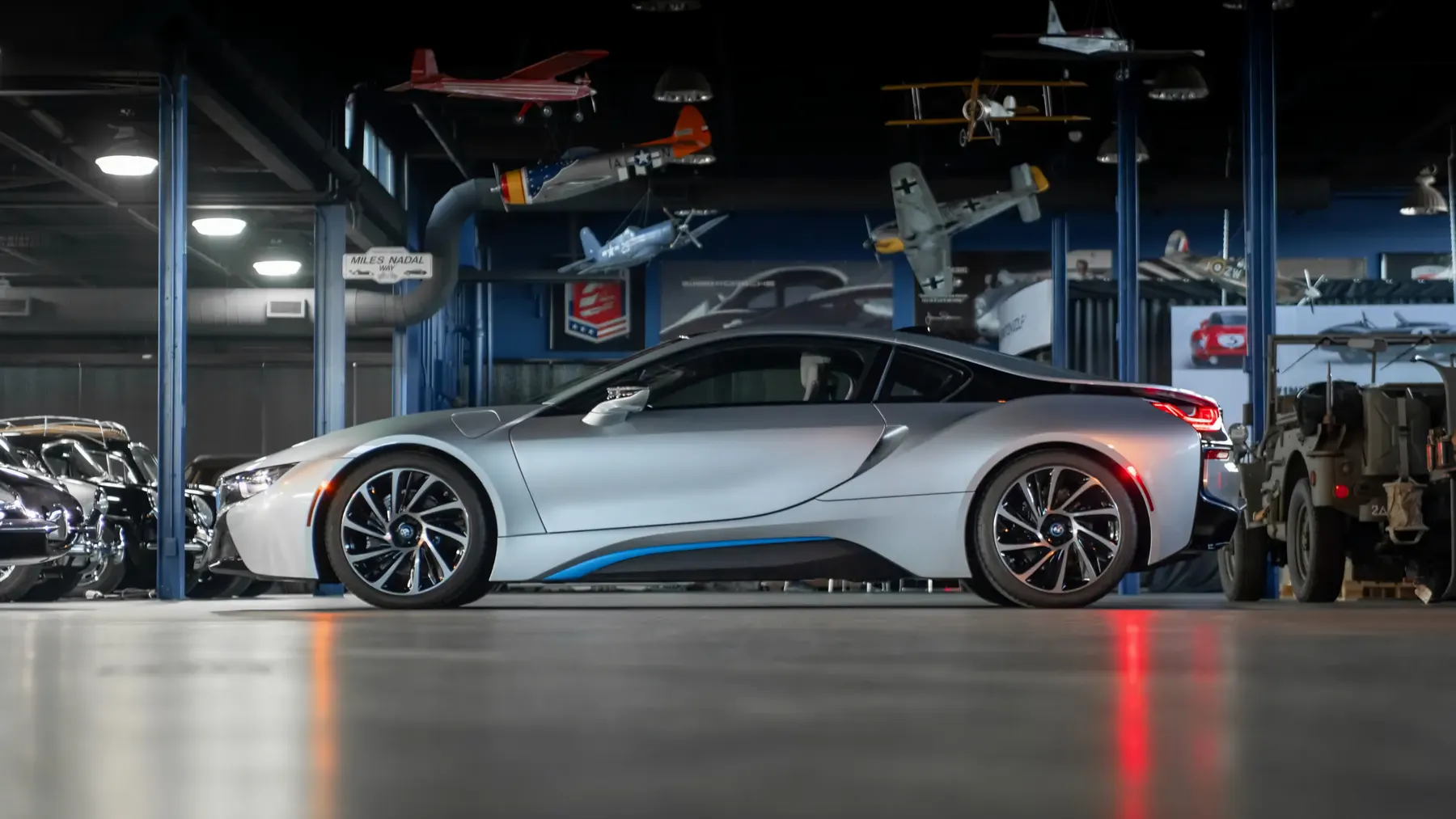
What made the i8 special wasn’t just straight-line speed, but the character of its performance. The instant torque from the electric motor provided immediate response at lower speeds, while the three-cylinder engine contributed a surprisingly characterful soundtrack as speeds increased. The i8’s relatively light weight and low center of gravity gave it agile handling that belied its complex powertrain.
The car offered multiple driving modes, including an all-electric eDrive mode, a balanced Hybrid mode, and a performance-oriented Sport mode that kept the gasoline engine running constantly while using the electric motor as a power boost.
Despite its supercar styling and performance, the i8 delivered remarkable efficiency. Under the NEDC test cycle, it achieved a fuel consumption figure of just 2.1 L/100 km (134.5 mpg-imp) with CO2 emissions of only 49 g/km. The EPA in the United States rated its combined fuel economy at 76 MPGe when using both gasoline and electric power, and 29 mpg when running solely on the gasoline engine.
This efficiency didn’t come at the expense of practicality. The i8 offered a combined range of around 530 km, making it suitable for long-distance travel. It could be recharged from a standard household power socket in approximately 3.5 hours, or in about 1.5 hours using a Level 2 charger.
The BMW i8 found enthusiastic reception among early adopters and technology enthusiasts. By March 2020, more than 20,000 units had been sold globally, making it the world’s best-selling plug-in electric sports car. In some markets, including the UK, demand outstripped supply, with waiting lists extending to 10 months shortly after launch.
The i8 quickly established itself as a technological showcase for BMW, demonstrating the company’s commitment to sustainable mobility without sacrificing performance or design. It became a regular sight at technology conferences, environmental events, and on the streets of affluent neighborhoods worldwide.
Throughout its production run, the i8 collected numerous awards recognizing its groundbreaking design and technology. It won the World Green Car Award in 2015, following in the footsteps of the BMW i3, which had claimed the same honor the previous year. Top Gear Magazine named it Car of the Year for 2014, while Green Car Journal awarded it the 2015 Luxury Green Car of the Year.
Perhaps most significantly, in 2023, Top Gear named the i8 the best car of the last 30 years, cementing its place in automotive history.
The i8’s legacy extends beyond awards. It established BMW’s credentials in electrified performance vehicles and set the stage for the company’s expanded electrification strategy. The technologies pioneered in the i8, particularly its carbon fiber construction techniques and hybrid drivetrain management, have influenced subsequent BMW models.
As we look back at the BMW i8, it stands as a bridge between eras-a car that embraced the future while honoring BMW’s performance heritage. It showed that environmental responsibility and driving pleasure could coexist in a package that still turns heads years after its introduction. For those lucky enough to have experienced it, the i8 wasn’t just transportation; it was a rolling demonstration of automotive art and engineering at its finest.
**
Join the discussion
Comments
Loading comments…
Leave a comment
Share a detail, memory, or perspective. Every comment is reviewed before publication.