2015 Land Rover Defender 110 XS Station Wagon 'V-8 LS3' by Twisted

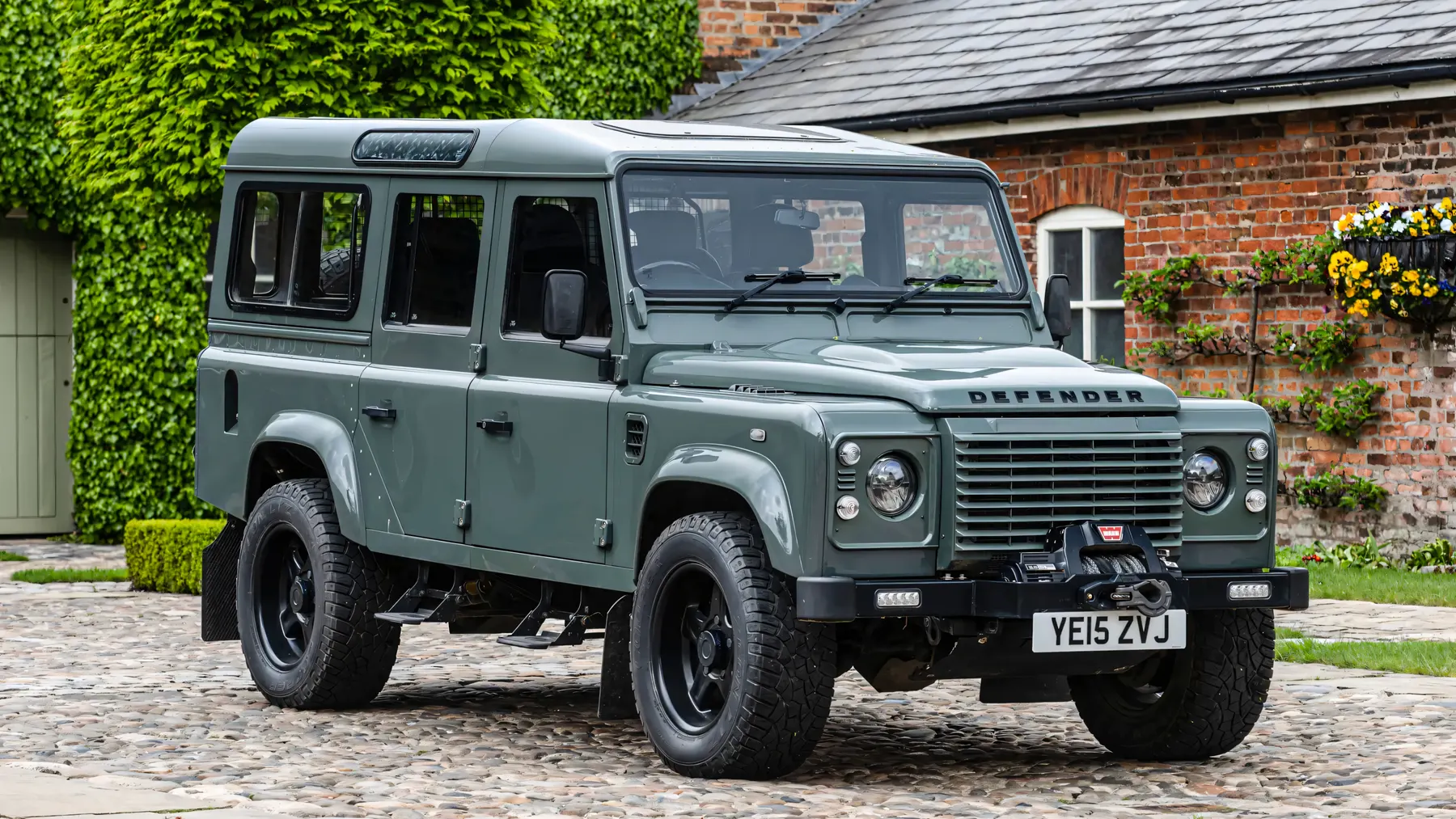
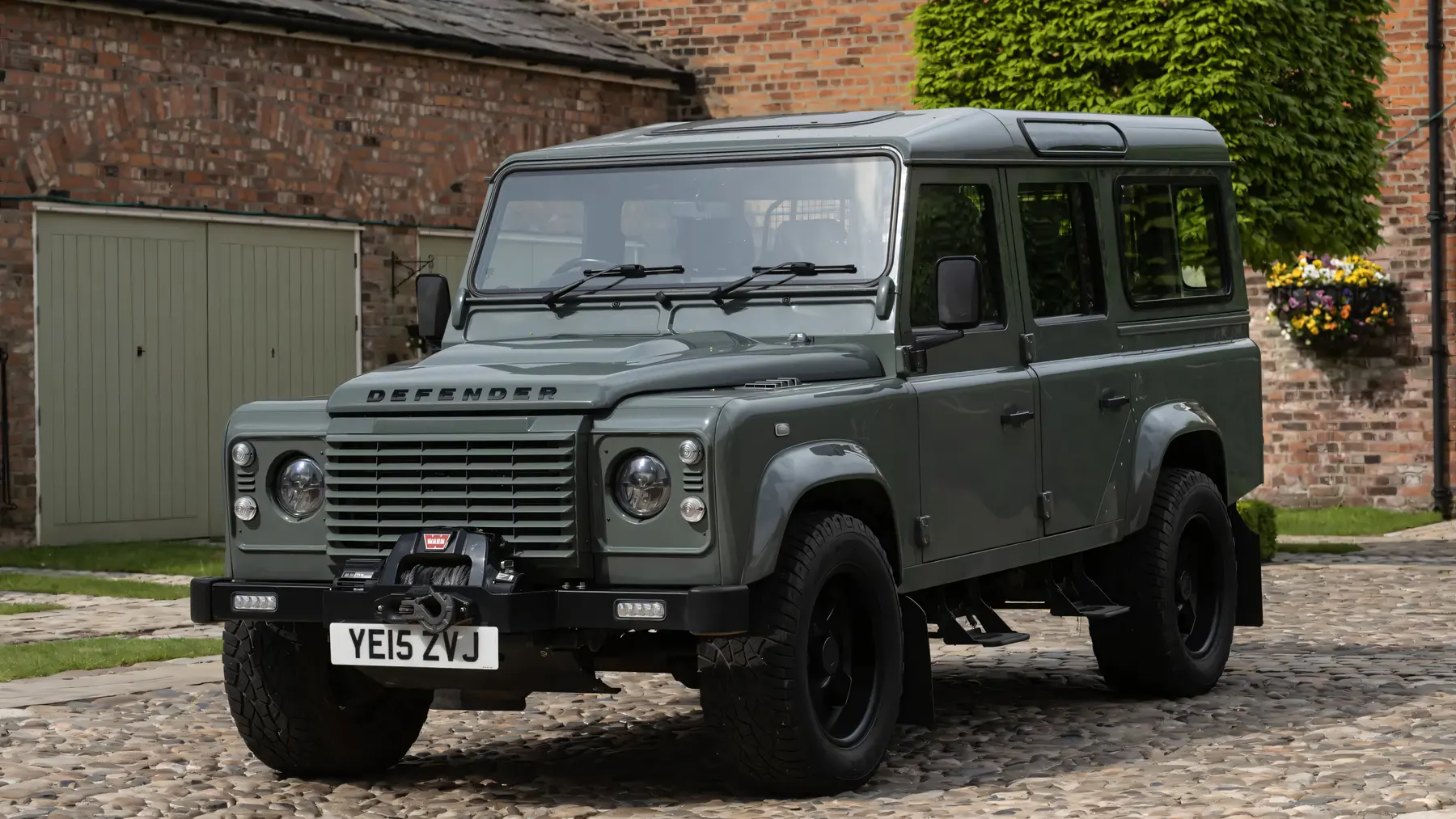
There’s something magnificently absurd about the Twisted Land Rover Defender 110 XS Station Wagon V-8 LS3, and that’s exactly why it works. This is what happens when a Yorkshire-based specialist takes one of the final Defenders to roll off the production line in 2015-a vehicle built on April 28th in Keswick Green, destined for a modest 2.2-litre diesel existence-and decides that subtlety is for other people.
Charles Fawcett founded Twisted Automotive in 2000 out of a childhood obsession with Land Rovers, and by 2012, the company was already stuffing GM-sourced V8s into Defenders. This wasn’t just modification work; it was systematic reimagining that would take around 300 hours per vehicle. The strategic masterstroke came in 2015 when Twisted allegedly ordered 240 brand-new Defenders, securing delivery-mileage vehicles just as production was ending after 67 years. It was either prescient business planning or the automotive equivalent of buying up all the vinyl before everyone realized streaming was terrible.
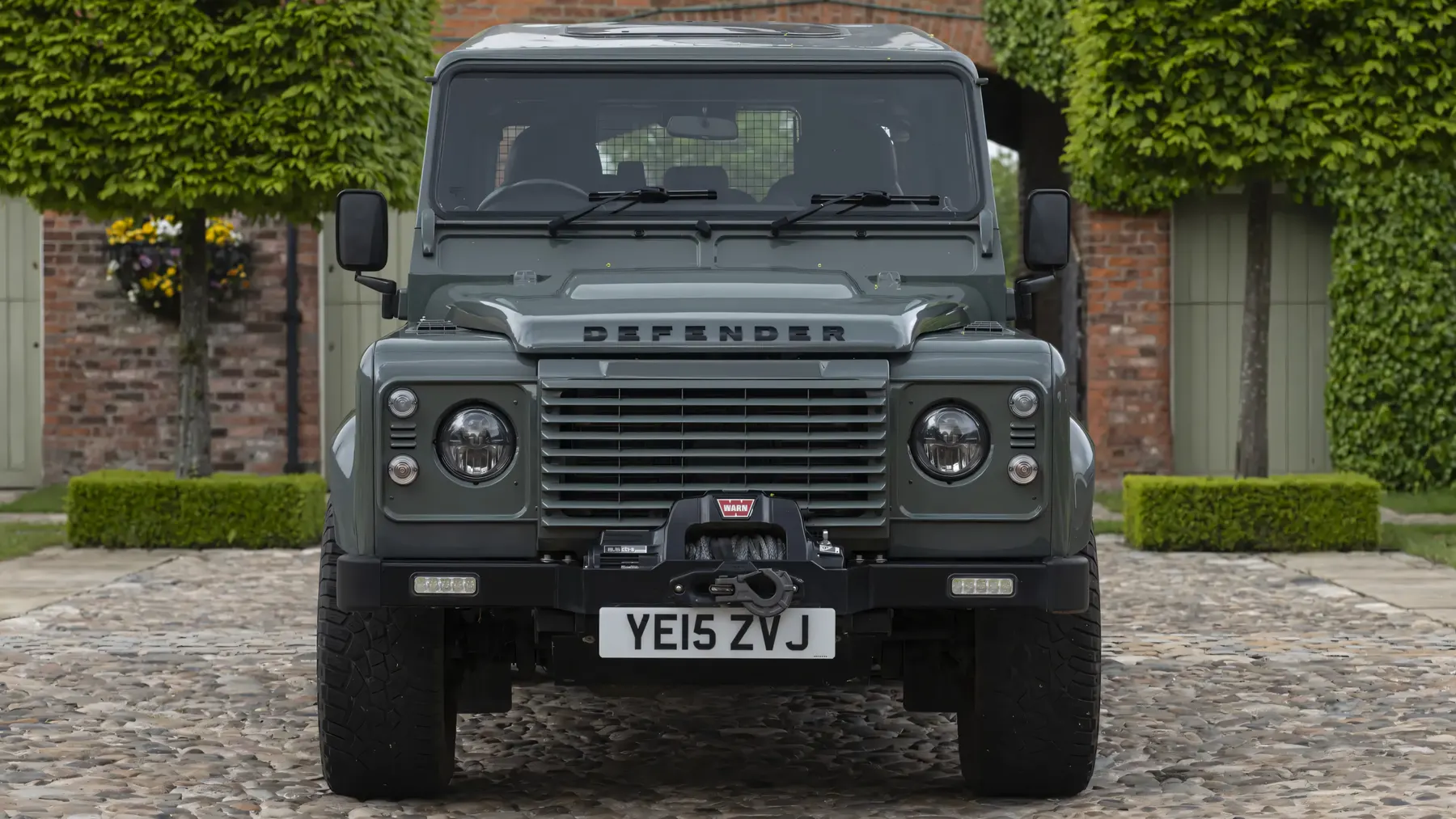
The heart of this particular build is a 6.2-litre LS3 V8 borrowed from the Corvette parts bin, producing 430 brake horsepower and 424 lb-ft of torque-a delicious irony given that the original Land Rover V8 was based on a Buick design. The LS3 is brilliantly simple, which makes it the go-to engine for conversions, but more importantly, it’s perfectly suited to the Defender’s character. Around town it gargles like bubbling molten lava, but when you really lean on it, the revs run around the dial with what Top Gear described as “delicious anger”. This is a far cry from the 68-horsepower 2.5-litre diesel that powered early 110s in 1984, where the One Ten name reflected the 110-inch wheelbase in the closest imperial terms to familiar Series 3 dimensions.
The transformation goes far beyond just the engine swap. Twisted strips each Defender back to its bones and spends up to 90 hours on soundproofing alone, stuffing the cabin full of foam to tame the thunderous tire, wind, and engine noise that normally leaves standard Defender occupants speechless. The suspension receives variable spring rates-softer in the first 25mm of movement to absorb normal undulations, firmer in the center for a more predictable ride. There’s also the option of air suspension, presumably for those who need to limbo into low car parks, which seems antithetical to the whole point but exists nonetheless.
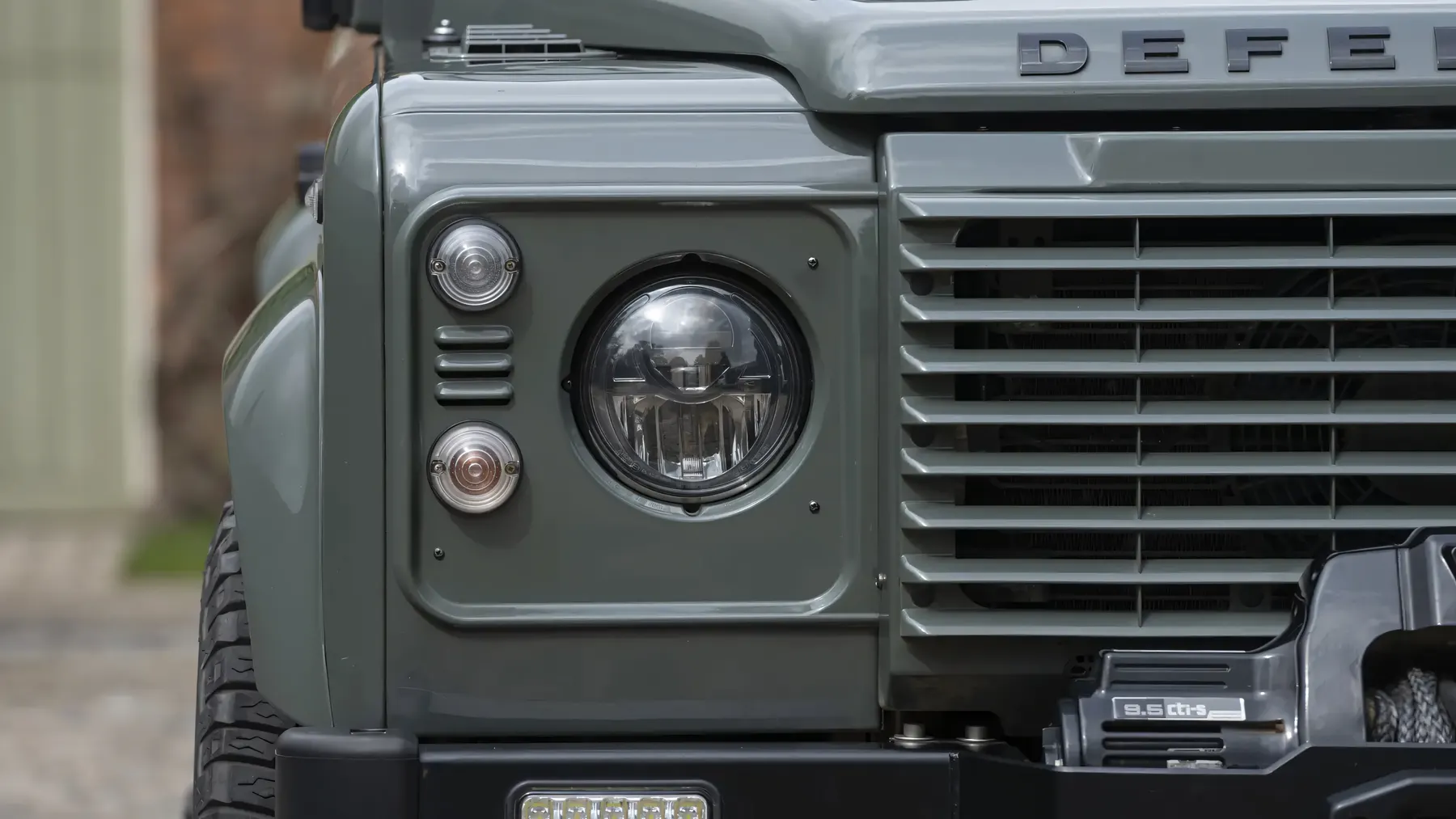
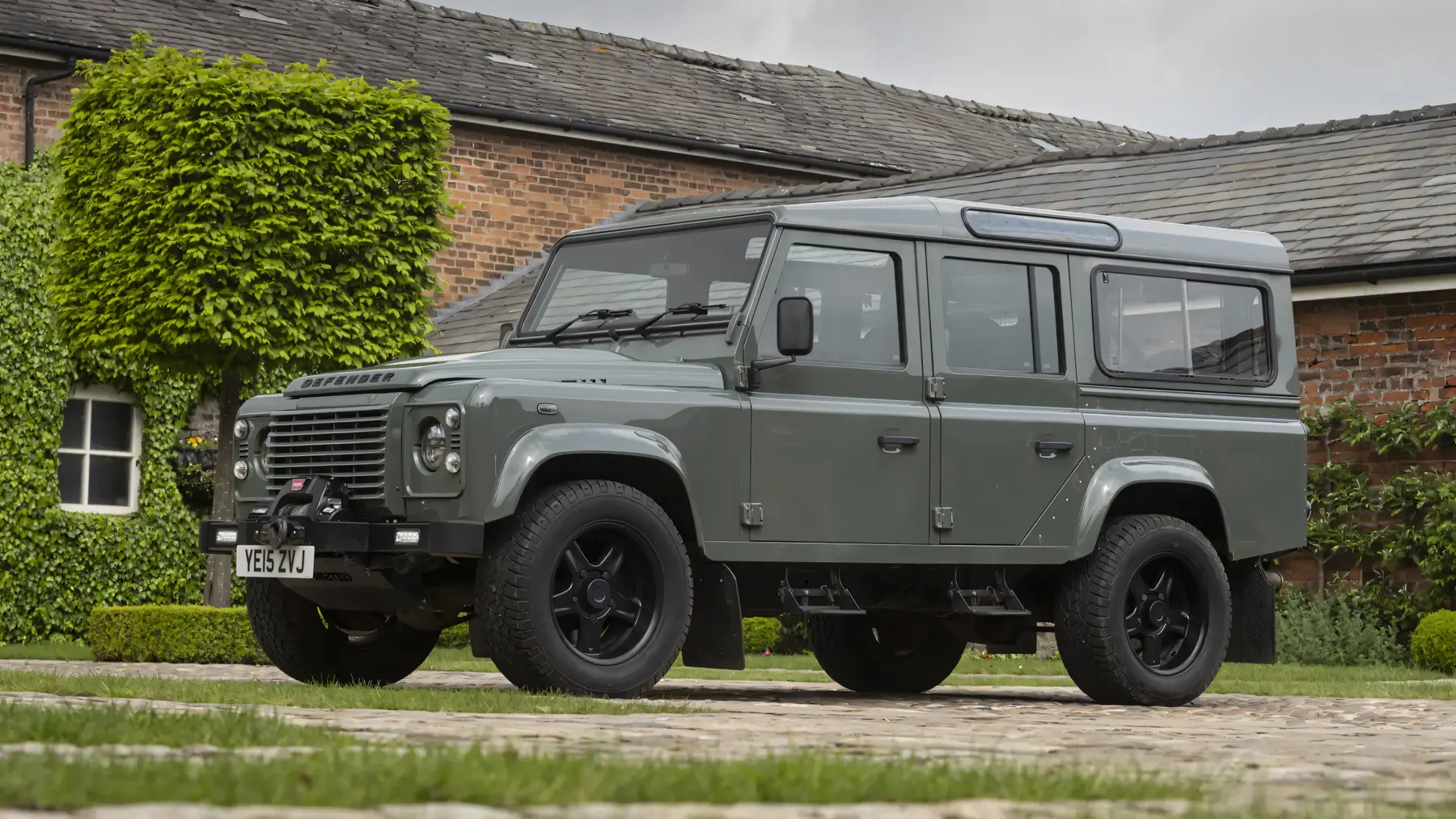
The exterior remains faithful to the Defender’s utilitarian roots, though this 2015 example would have carried the L316 styling from 2007-2016, with “Land Rover” spelled across the bonnet’s leading edge in raised letters rather than badges above the radiator grille. The coil-sprung architecture introduced in 1983 with the One Ten brought Range Rover-derived suspension and a permanent four-wheel-drive system with lockable center differential, replacing the leaf springs and part-time 4WD that had defined Land Rovers since 1949. Twisted doesn’t fundamentally alter this DNA; they simply make it palatable for people who don’t want to feel like they’ve done a Crossfit workout after driving to the shops.
Inside, the Alpine iLX-702D stereo system brings Apple CarPlay and Android Auto to a platform that predates such niceties, creating a curious juxtaposition of old-world ruggedness and modern connectivity. The cabin treatment is comprehensive enough that, according to reviews, it’s no longer punishing to drive, yet it retains enough of the original Defender character that “you’re still very much at the coal face of driving the thing”. It’s this balance-softening the corners literally and metaphorically without eroding the fundamental experience-that defines Twisted’s approach.
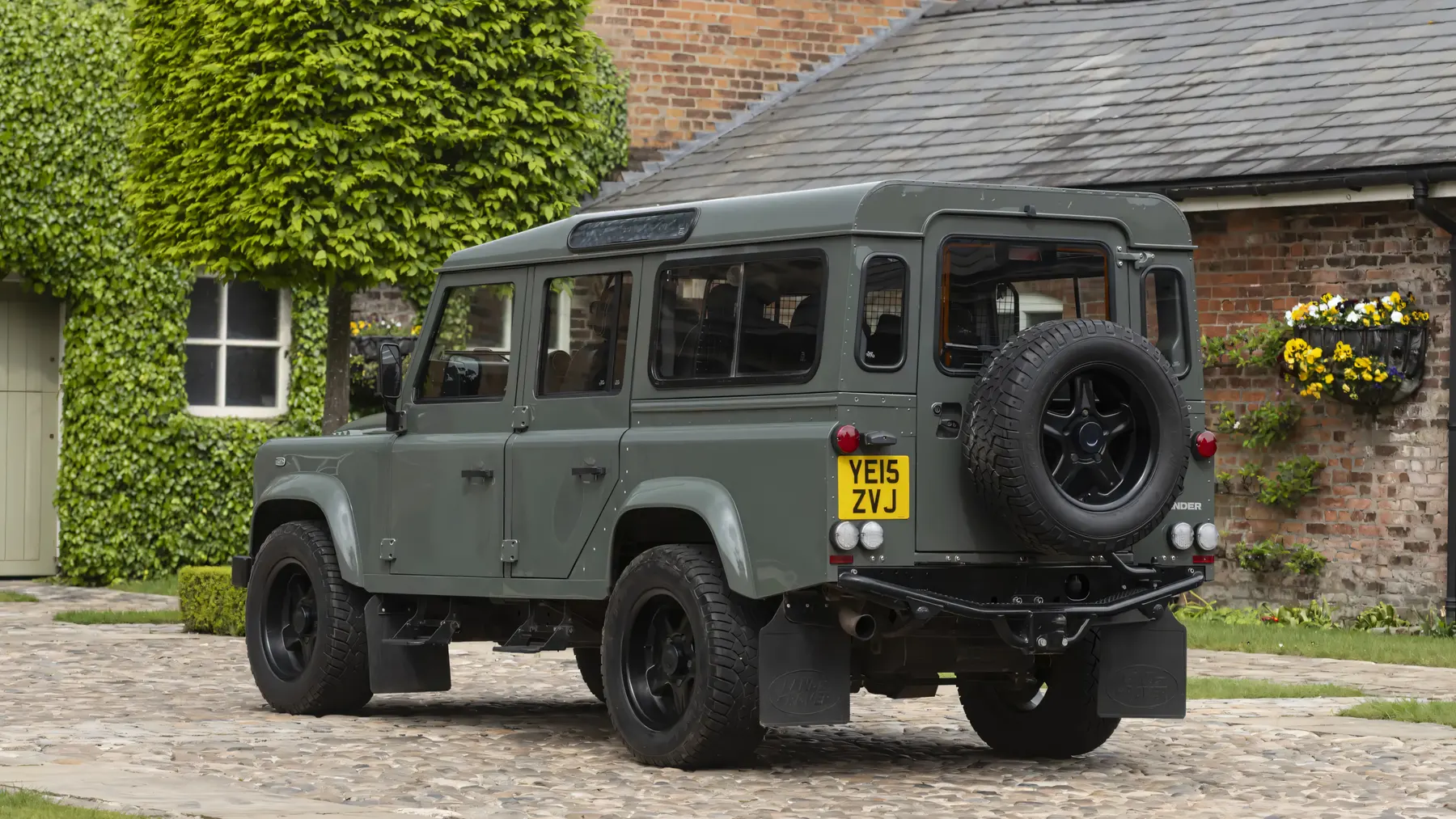
The LS3 engine transforms the driving experience without turning the Defender into something it isn’t. The power delivery is effortless and refined at slow speeds, but there’s genuine ferocity when you want it. The upgraded suspension, which can include Eibach springs and Bilstein shocks with custom-valved dampers in some Twisted builds, dramatically reduces the understeer and provides superior traction while retaining the Defender’s hallmark long wheel travel. The front-mounted winch, LED spotlights, and rear towbar confirm this isn’t just a luxury statement; it’s still a proper tool with genuine off-road capability and “a huge payload, great towing possibilities and an off-road ability that is still uncompromised”.
The brilliance of the Twisted V-8 LS3 lies in making a fundamentally compromised vehicle-one that was never designed for comfort or refinement-into something you could actually use daily without hating your life. The soundproofing genuinely works, the suspension is vastly improved, and the V8 provides the kind of effortless power that makes the original diesel feel like penance. Yet this remains a focused commercial vehicle at heart, one that can’t escape its origins no matter how much foam you stuff in the doors.
The drawbacks are inherent to the platform itself. This is still a vehicle with the aerodynamic profile of a washing machine, steering that’s described as “hefty” even when improved, and dynamics that are merely “not punishing” rather than actually good. The fuel consumption with a 6.2-litre V8 is presumably catastrophic, though Twisted wisely doesn’t advertise this. And then there’s the cost-approaching £190,000 for some Twisted builds, which is Mercedes-AMG G63 territory. The G63 delivers even more ferocious performance, but as one review notes, that misses the point entirely.
The Twisted approach speaks to a particular kind of enthusiast who values authenticity and character over logic and spreadsheets. These are people committed to the classic Defender, who pride themselves on being “anti-ordinary” and don’t want to follow the obvious route. The fact that Twisted has built a worldwide brand over two decades of obsessive re-engineering suggests there’s a substantial market for this kind of purposeful irrationality. When Land Rover ended Defender production in January 2016-after over two million Series and Defender models had been built-it created a finite resource, and Twisted’s foresight in securing delivery-mileage examples positioned them perfectly to meet surging demand for bespoke builds that maintain the spirit while delivering modern performance and appointments far exceeding the base vehicle’s capabilities.
The 2020 Defender L663 that replaced it switched to integrated bodywork, independent suspension, and an aluminum monocoque-a completely different animal that shares no components with its predecessor. The Twisted conversions represent something different: preservation through radical enhancement, keeping the ladder chassis and live axles and fundamental character alive while making them compatible with 21st-century expectations. Whether spending Corvette money to put a Corvette engine in a retired British workhorse makes sense is entirely beside the point. This is a vehicle for people who understand that the best automotive decisions are often the least defensible ones, and sometimes the only rational response to the end of production is to take what remains and make it gloriously, unnecessarily perfect.
Join the discussion
Comments
Loading comments…
Leave a comment
Share a detail, memory, or perspective. Every comment is reviewed before publication.