2017 Dodge Viper ACR

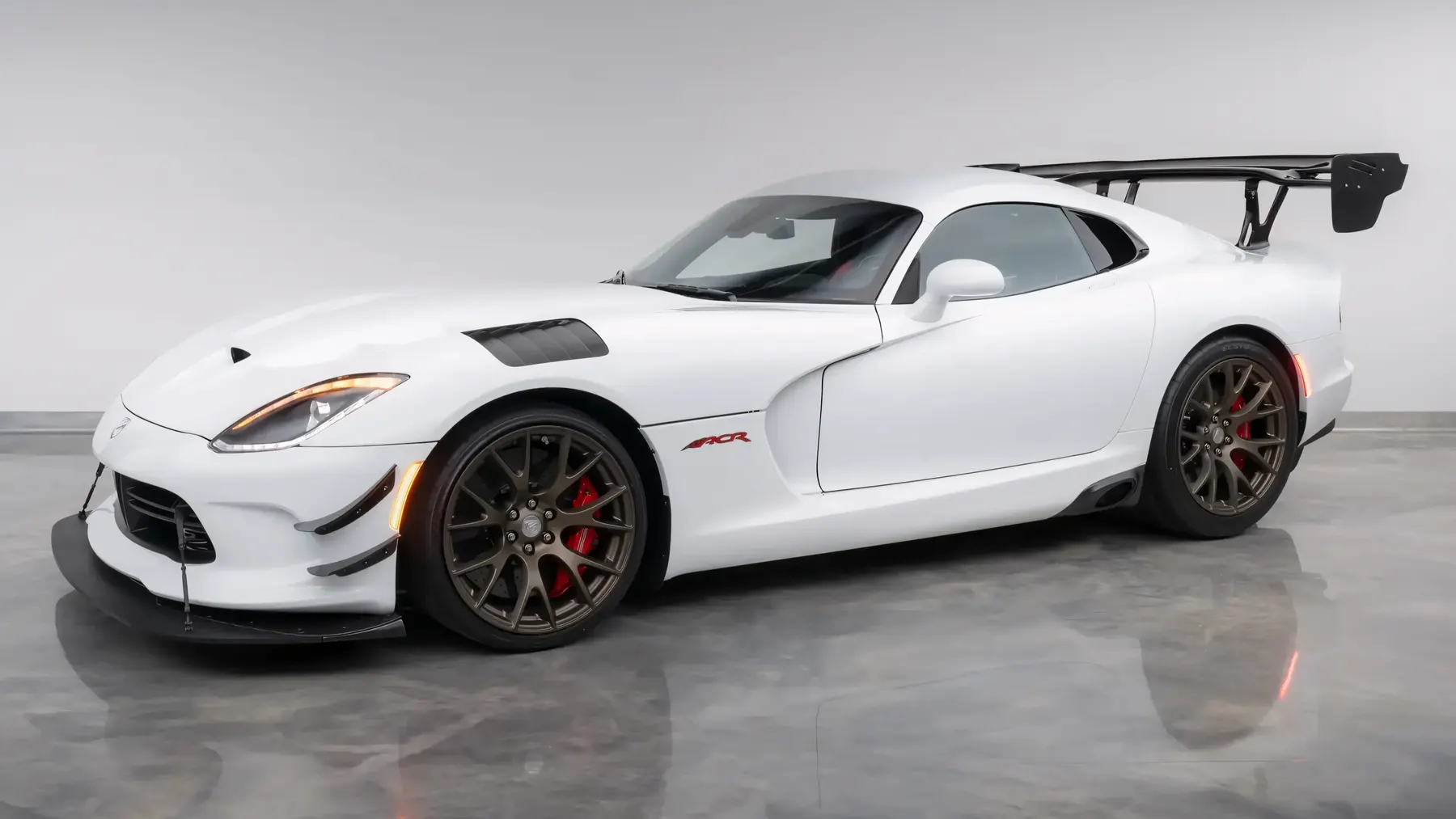
The Dodge Viper ACR (American Club Racer) represents the pinnacle of Dodge’s Viper lineup, embodying raw power, precise engineering, and track-focused design. Rooted in the iconic Viper platform, the ACR variant became a symbol of uncompromising performance and earned its place as one of the fastest and most exhilarating American cars ever built.
The Dodge Viper debuted in 1992, conceived as a modern-day Cobra with a powerful V10 engine and minimalist design. Over five generations, the Viper evolved into a highly sophisticated sports car, yet it always retained its core ethos: a manual transmission, rear-wheel drive, and an unrelenting focus on power.
The ACR badge first appeared in the late 1990s, with Dodge introducing it as a hardcore, track-oriented version of the Viper. By the time the fifth-generation Viper (VX) rolled out in 2013, the ACR was a key part of the car’s legacy. The 2016 ACR, based on the VX platform, pushed boundaries with extreme aerodynamics, race-grade components, and unparalleled track performance.
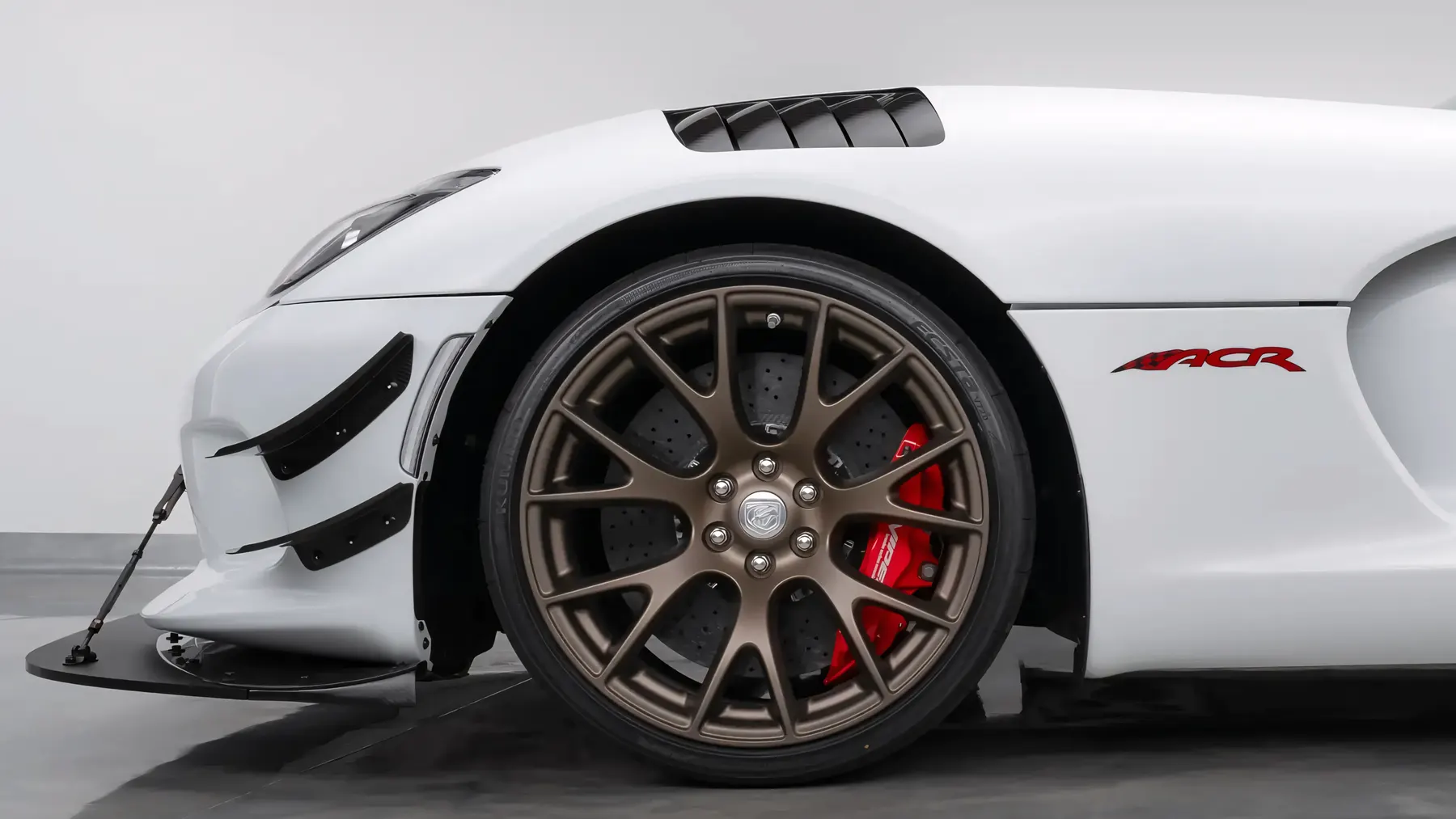
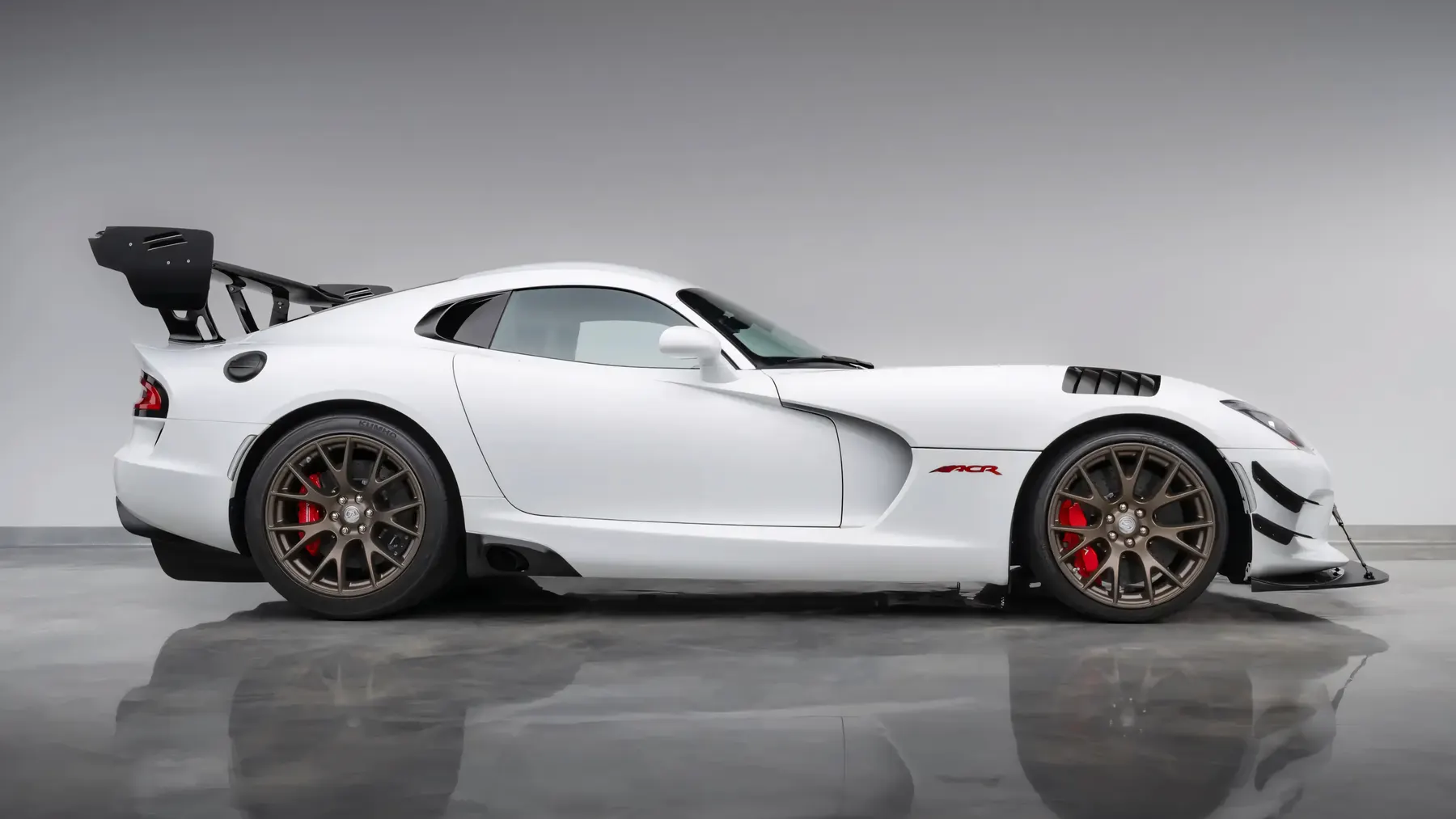
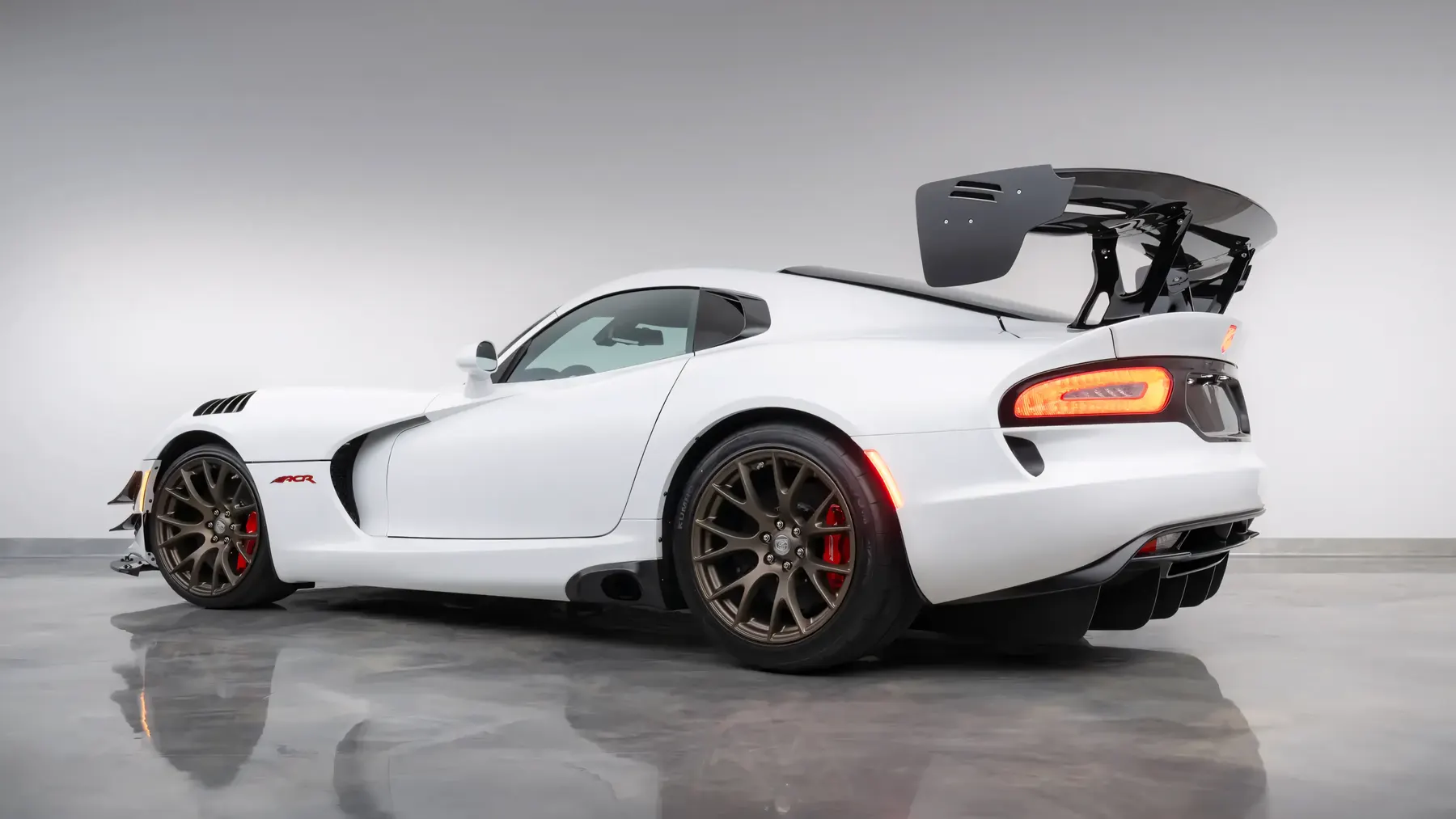
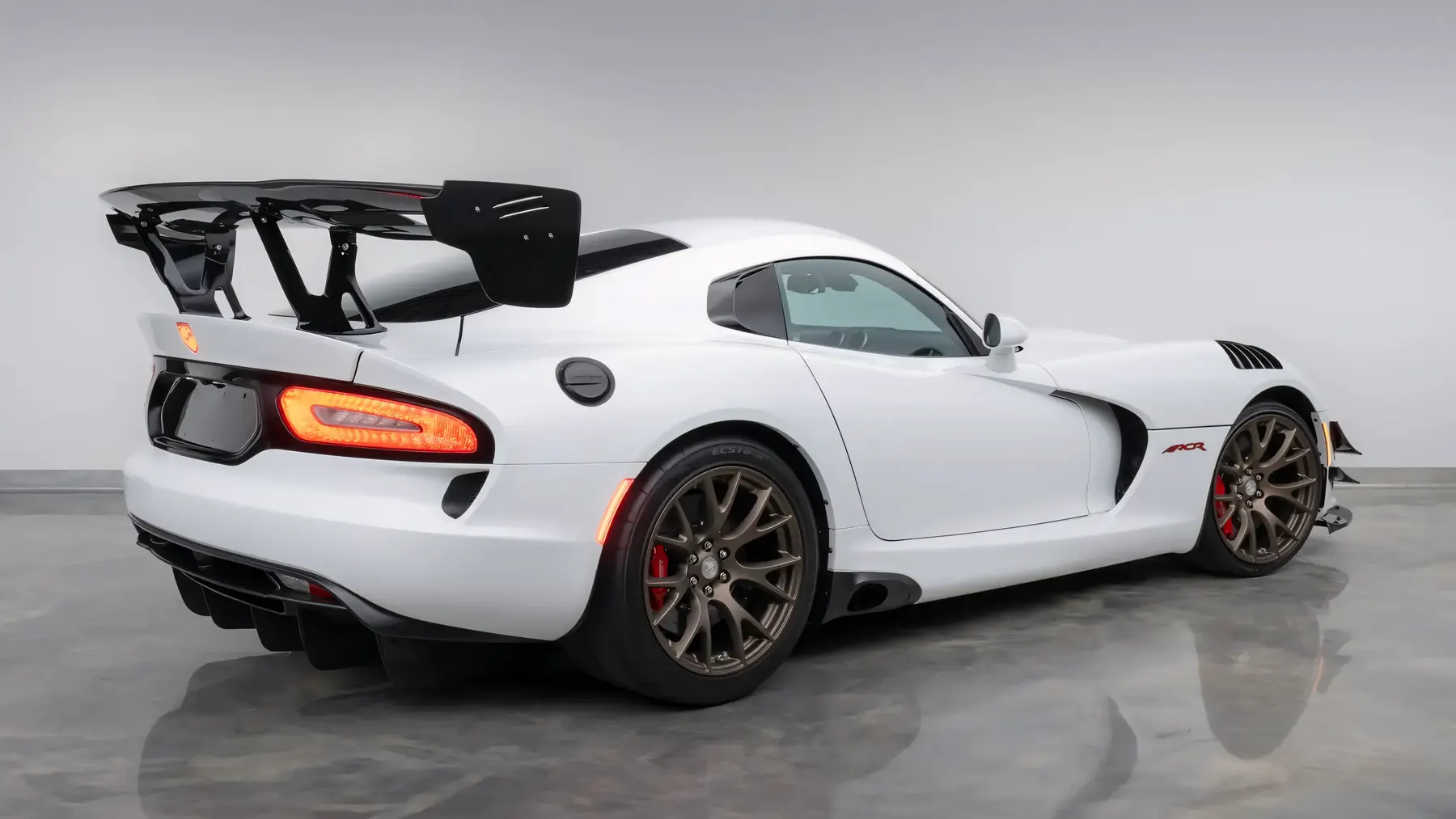
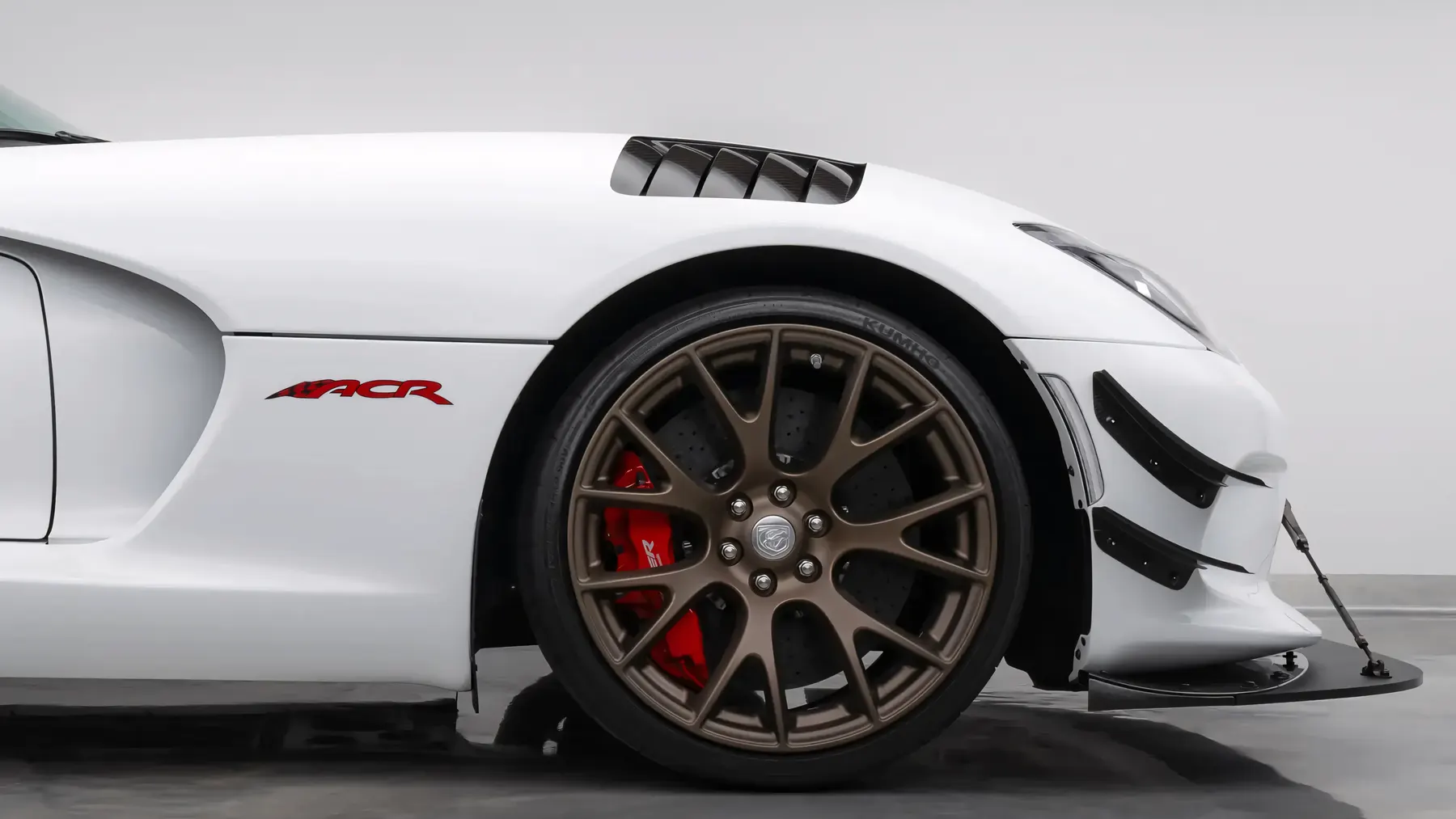
The Viper ACR’s design serves both function and form. Its aggressive aerodynamic kit includes a massive rear wing, front splitter, dive planes, and a carbon-fiber diffuser, collectively generating 695 kilograms of downforce at top speed. The wide stance and low profile enhance stability, while lightweight materials like carbon fiber reduce weight and improve handling.
The interior reflects its track-focused nature, featuring lightweight materials, racing seats, and minimal distractions. The cabin forgoes luxury in favor of functionality, making it clear that the ACR is built for serious drivers.
At the heart of the 2016 Viper ACR is an 8.4-liter V10 engine producing 645 horsepower and 813 Nm of torque. While the engine’s output matches that of other Viper trims, the ACR’s enhancements make it a vastly superior performer on the track.
The Brembo braking system, with 15-inch carbon-ceramic rotors and six-piston calipers up front, provides immense stopping power. The adjustable Bilstein coil-over suspension allows drivers to fine-tune handling for specific tracks or road conditions.
On the Nürburgring Nordschleife, the ACR clocked a blistering unofficial lap time of 7:01.67, demonstrating its ability to compete with some of the world’s best supercars.
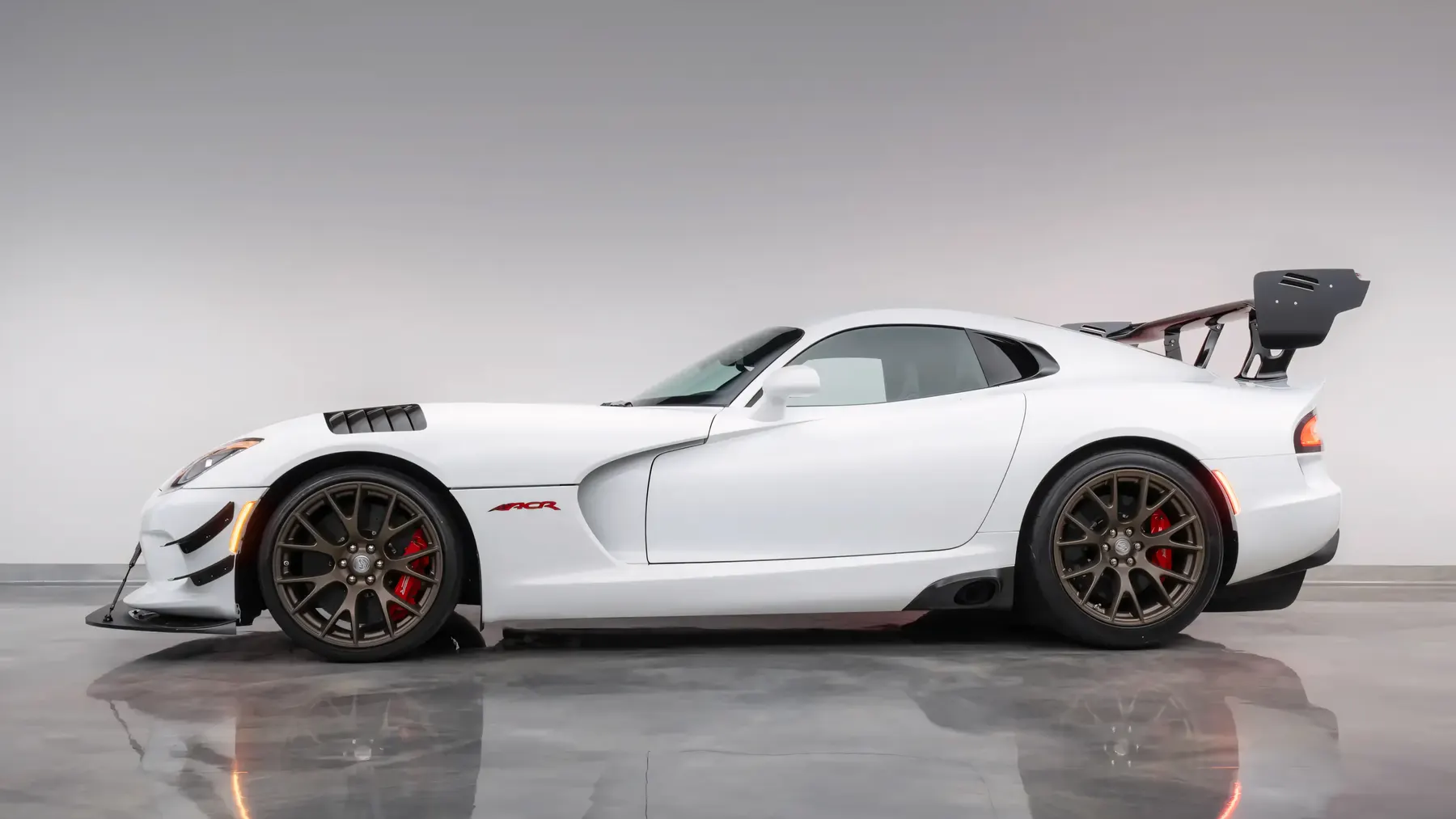
What sets the Viper ACR apart is its commitment to racing performance. The Extreme Aero Package, featuring an enormous rear wing and aggressive splitter, offers unmatched levels of downforce. The adjustable suspension and track-ready tires ensure precision handling, while the lightweight construction enhances agility.
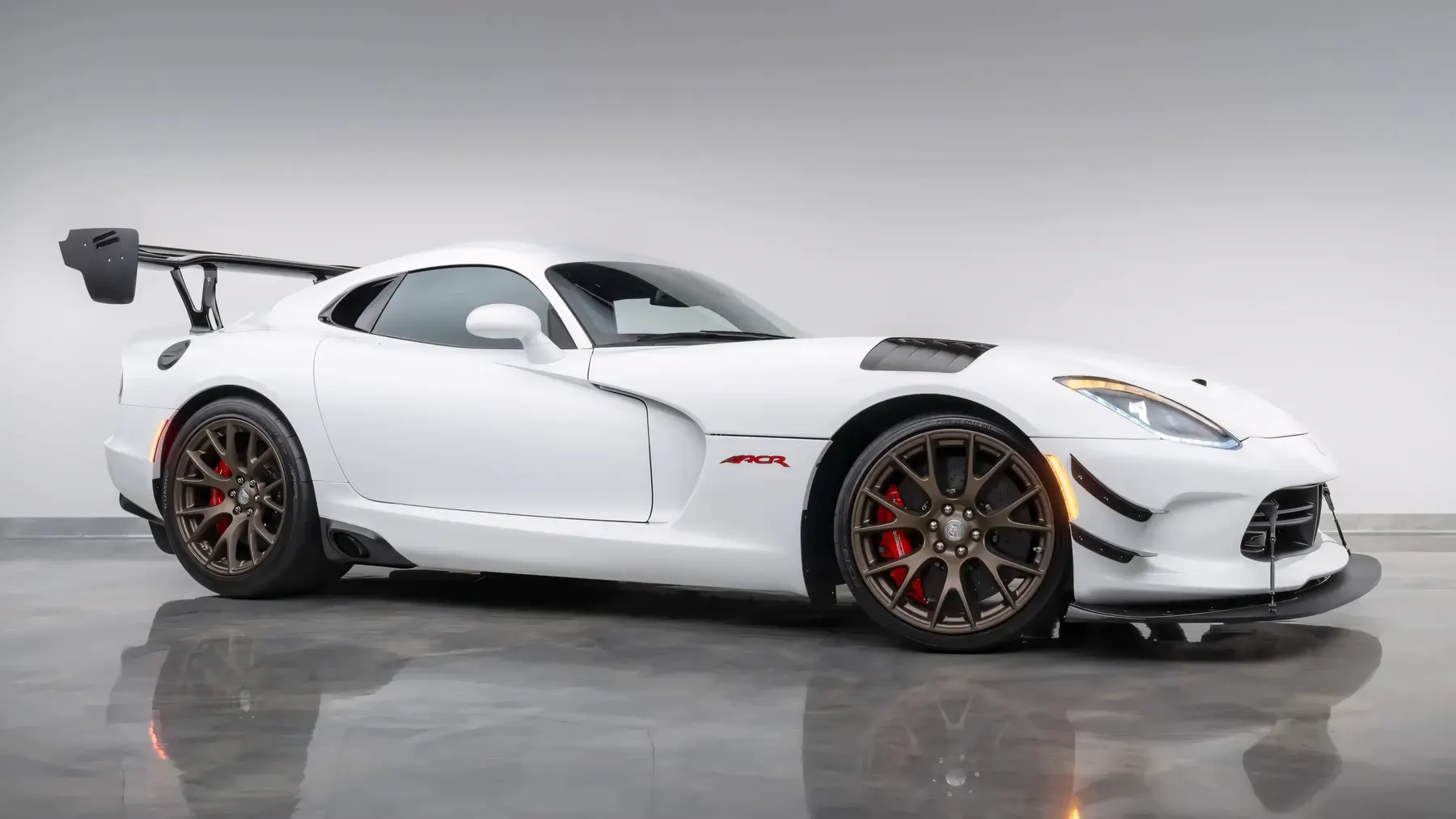
Despite these advanced features, the ACR remains a purist’s car. It offers no automatic transmission or sophisticated electronic driver aids beyond traction control and ABS. The driving experience is raw, mechanical, and immersive.
The Viper ACR received widespread acclaim from enthusiasts and automotive media for its uncompromising approach to performance. Reviewers praised its sharp handling, track capability, and thrilling driving dynamics. However, its hardcore nature meant it was not for everyone,buyers seeking a more comfortable, daily drivable sports car often opted for competitors.
Sales of the fifth-generation Viper, including the ACR, struggled due to a combination of high pricing, a shrinking sports car market, and safety regulation challenges. Despite these hurdles, the ACR cemented its place as a modern classic, beloved by collectors and track-day enthusiasts alike.
The Dodge Viper ACR is the epitome of American engineering and passion. It represents a bygone era of raw, analog sports cars that prioritize driver skill over electronic aids. Although the Viper line was discontinued in 2017, the ACR remains a symbol of Dodge’s dedication to performance and a reminder of what makes cars like this so special.
With its stunning design, relentless power, and track-dominating capabilities, the Viper ACR will forever be a standout in the world of high-performance vehicles.
**
Join the discussion
Comments
Loading comments…
Leave a comment
Share a detail, memory, or perspective. Every comment is reviewed before publication.