1931 Bentley 8-Litre Open Tourer by Tony Townshend

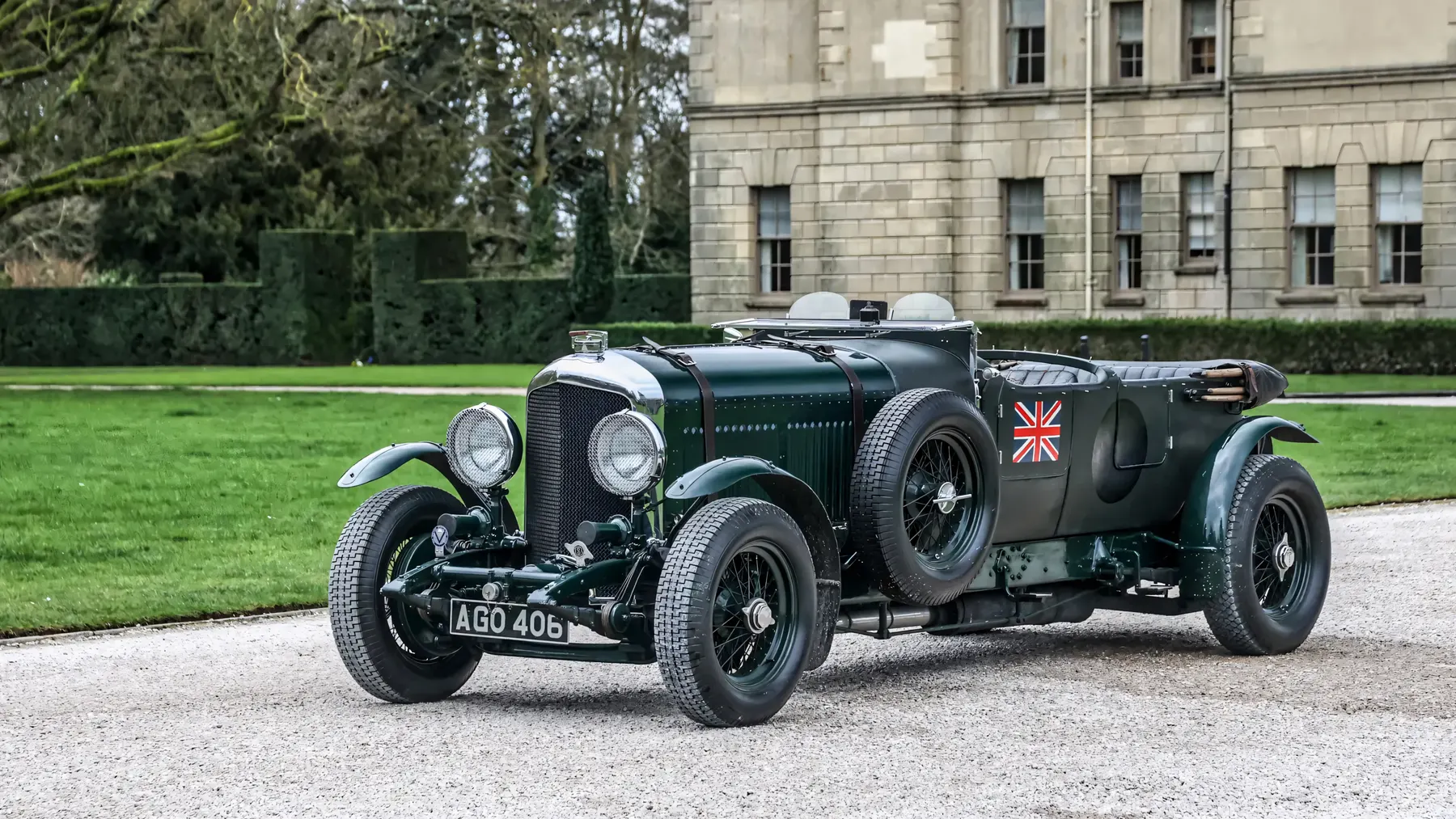
The Bentley 8-Litre emerged from the Cricklewood works in London during an unfortunate moment in history. Announced on September 15, 1930, and unveiled at the London Olympia Motor Show the following month, this magnificent machine would become the last completely new model to bear W.O. Bentley’s vision before financial reality intervened. Production continued from 1930 to 1932, yielding exactly 100 examples-five in the first year, sixty-two in 1931, and thirty-three in the final year. Of these, fewer than twenty-five would wear open bodywork, making such configurations exceptionally rare.
At the heart of the 8-Litre beat a straight-six engine of considerable sophistication. The designers chose to cast the block and cylinder head as a single piece of iron, mounting it to a crankcase fashioned from Elektron, a lightweight magnesium alloy. Above the cylinders, an overhead camshaft received its motion through Bentley’s patented “three-throw drive” system, which employed triple coupling rods to maintain precise timing. Each cylinder breathed through four valves, while twin-spark ignition provided redundancy with separate coil and magneto systems firing the plugs.
The engineers bored the cylinders to 110 millimeters and set the stroke at 140 millimeters, creating a displacement of 7,983 cubic centimeters. Aluminum alloy pistons reciprocated within these generous dimensions, while the entire powertrain-both engine and gearbox-floated on rubber mounts at three points to shield passengers from mechanical vibrations. Power flowed through a newly designed four-speed gearbox featuring constant mesh third gear and reverse, then through a single-plate dry clutch to a hypoid bevel final drive. The rear wheels, measuring 21 inches and manufactured by Rudge-Whitworth in the wire centre-lock pattern, received this considerable torque.
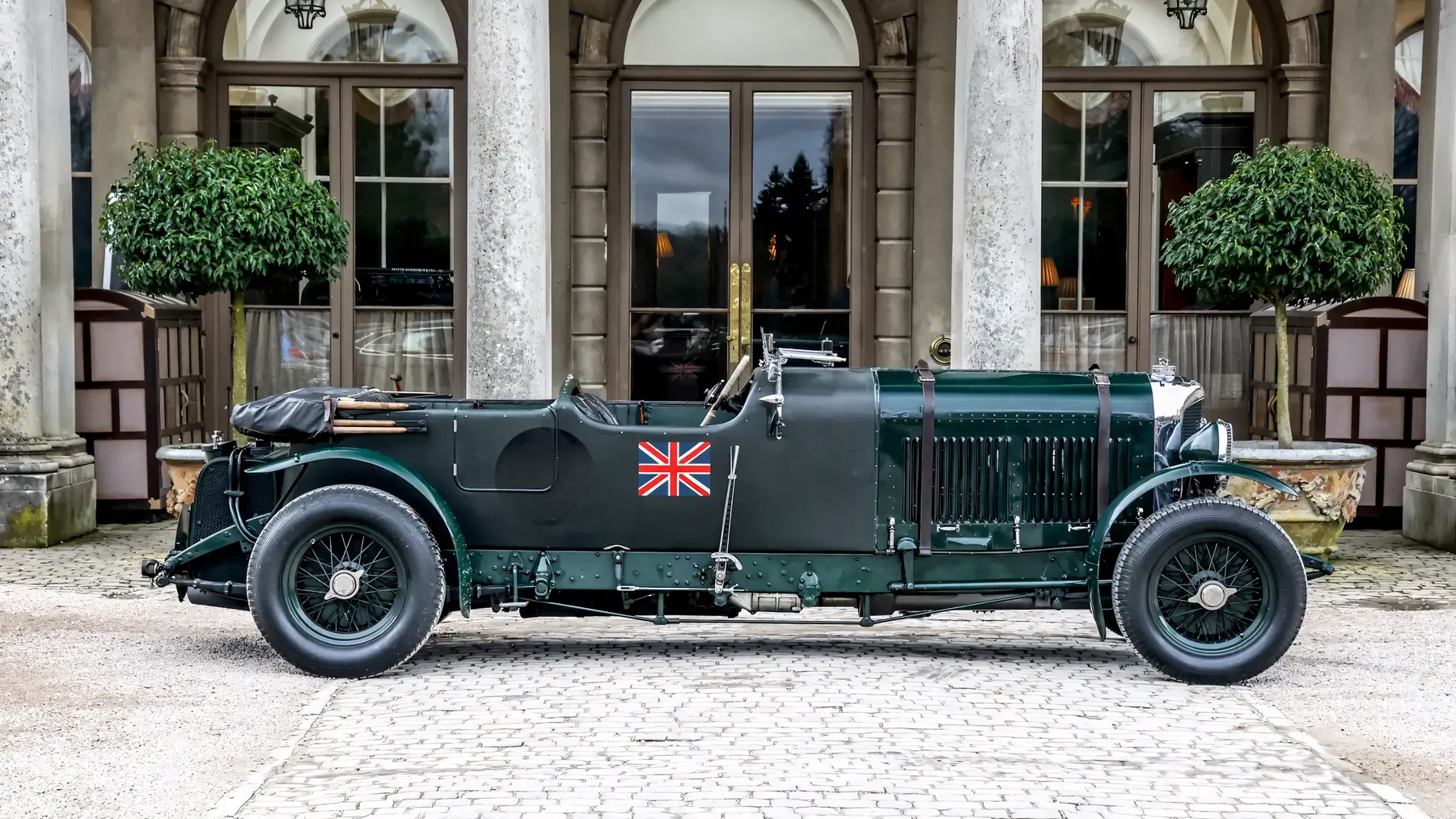
Bentley’s engineers constructed the largest rolling chassis the company had yet produced, building a ladder frame from large tubular steel crossmembers. These members swept downward from the front and rear axles, deliberately lowering the center of gravity without relying on the engine or gearbox to contribute structural rigidity. Customers could specify two standard wheelbases-144 inches or 156 inches-though three examples departed the works on a 138-inch wheelbase. Of the hundred cars built, thirty-five rode on the shorter standard chassis.
Long semi-elliptic leaf springs handled suspension duties, their movements controlled by double-acting dampers-friction type at the front and hydraulic at the rear. Springs received protective gaiters and benefited from centralized chassis lubrication, though the front axle and clutch withdrawal mechanism required separate attention. All four corners received substantial 400-millimeter drum brakes enhanced by Dewandre vacuum servo assistance, with the forward pair incorporating the Bentley-Perrott design. Steering responded to driver input through a worm and sector mechanism, adjustable to individual preferences through variable castor action.
Bentley claimed the 8-Litre could reach approximately 125 miles per hour, guaranteeing that even the heaviest saloon bodies wouldn’t prevent speeds exceeding 104 miles per hour. More impressive than outright velocity was the engine’s tractability-the car could accelerate smoothly from walking pace to highway speeds in top gear without protest or drama.
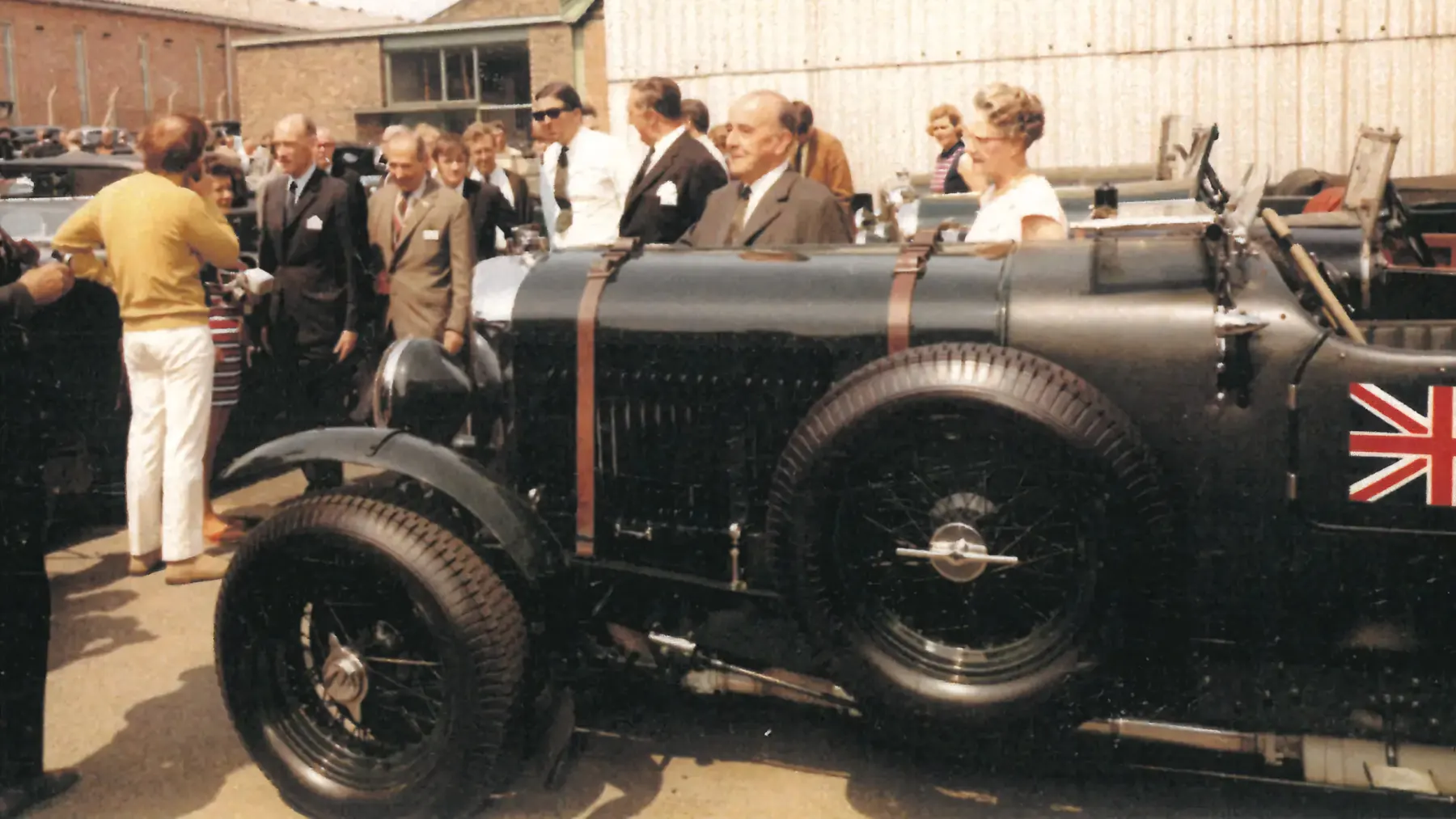
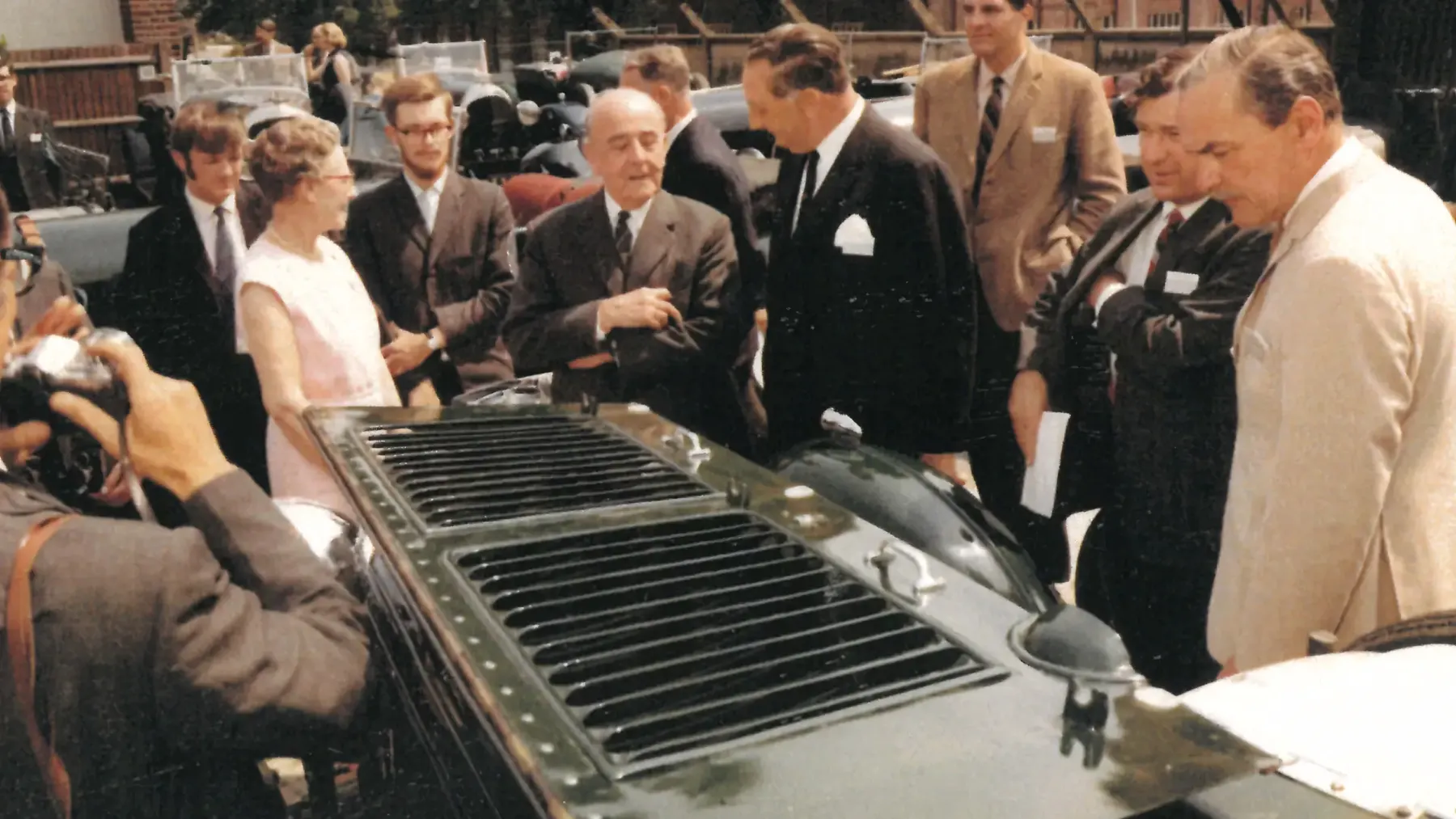
In 1962, renowned constructor Tony Townshend undertook a remarkable transformation of chassis YR5077, removing its original coachwork and replacing it with a stunning Le Mans-style four-seater replica body. The work, commissioned by owner A.J. Hancock, reached completion in 1963. This open tourer design joined the select company of fewer than twenty-five 8-Litres originally fitted with open bodies, creating a highly desirable configuration.
The 8-Litre arrived during the Great Depression, carrying a chassis price of £1,850-approximately £293,000 in 2010 currency. Despite its technical excellence, neither the 8-Litre nor its smaller 4-Litre sibling could reverse Bentley’s deteriorating financial situation. Less than nine months after introduction, Bentley Motors entered receivership. When Rolls-Royce purchased the company from the receiver in November 1931, production ceased immediately and all spare parts were disposed of. The substantial development costs of the 8-Litre contributed significantly to the company’s bankruptcy.
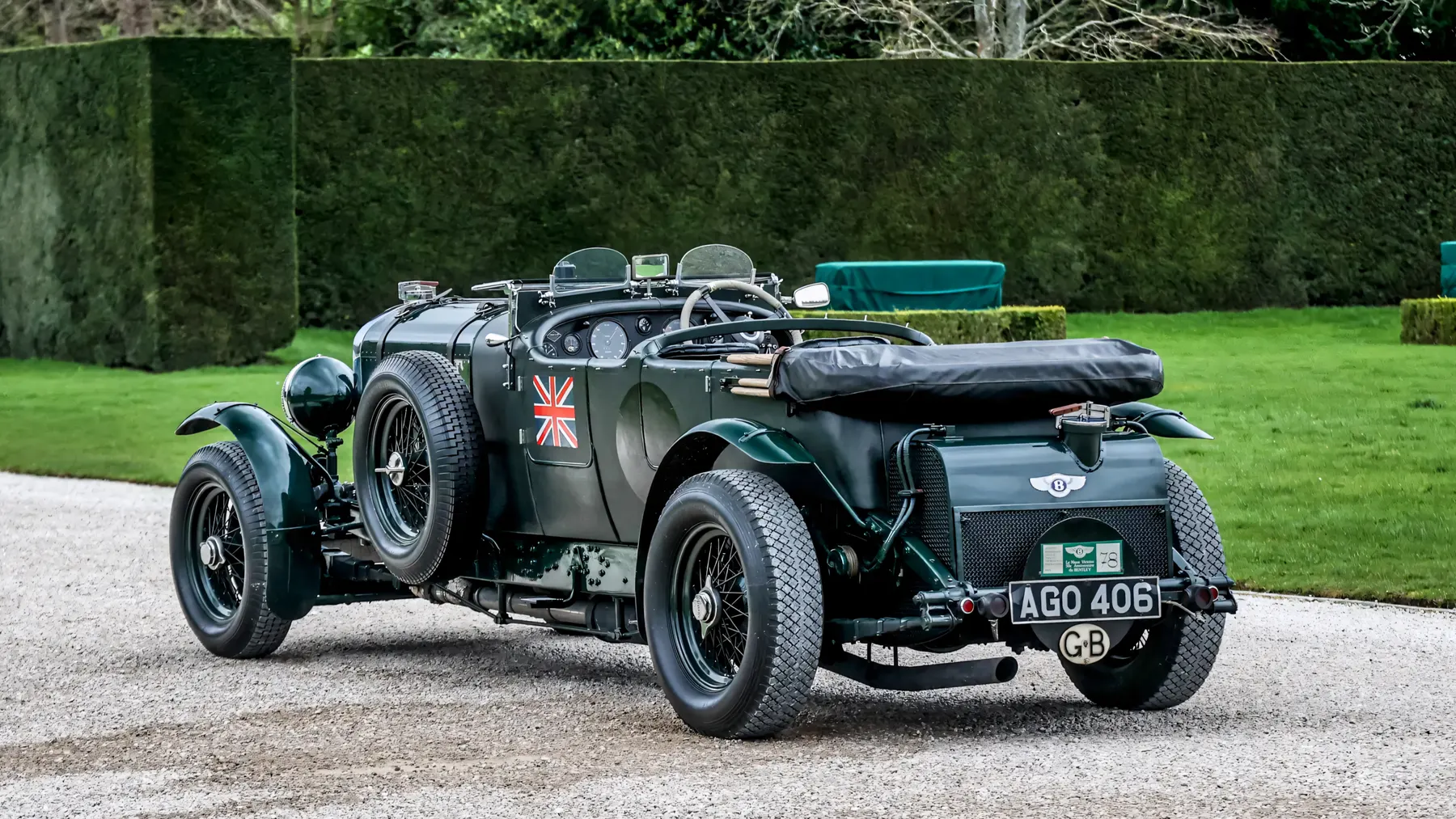
By mid-2011, seventy-eight examples were known to survive from the original hundred. Many original limousine and saloon bodies had given way to replica tourer bodies over the decades, elevating the value of examples retaining their original coachwork. Collectors particularly prize these survivors of W.O. Bentley’s final independent creation.
**
Join the discussion
Comments
Loading comments…
Leave a comment
Share a detail, memory, or perspective. Every comment is reviewed before publication.