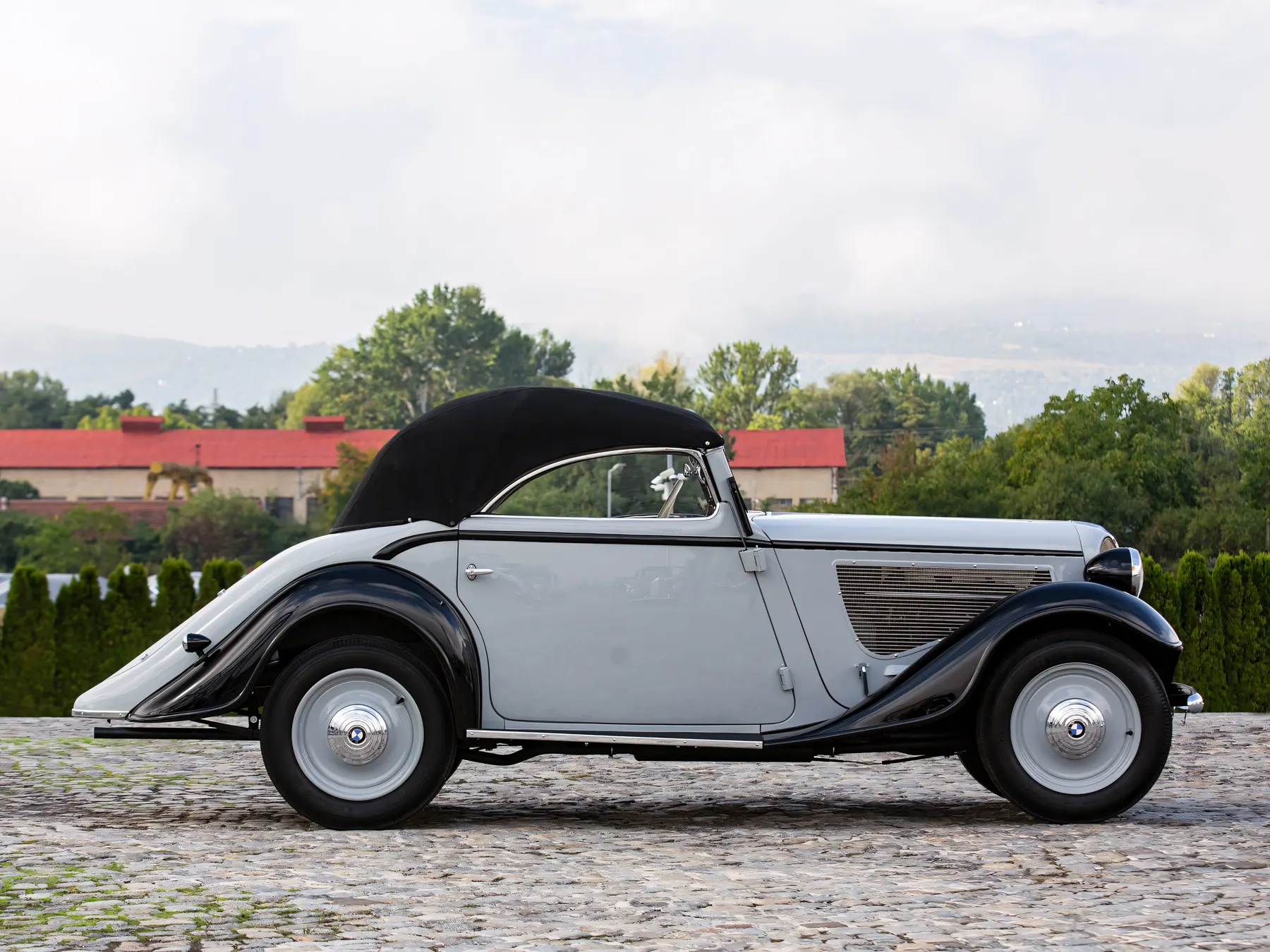
1936 BMW 319 Two-Seat Sport Cabriolet

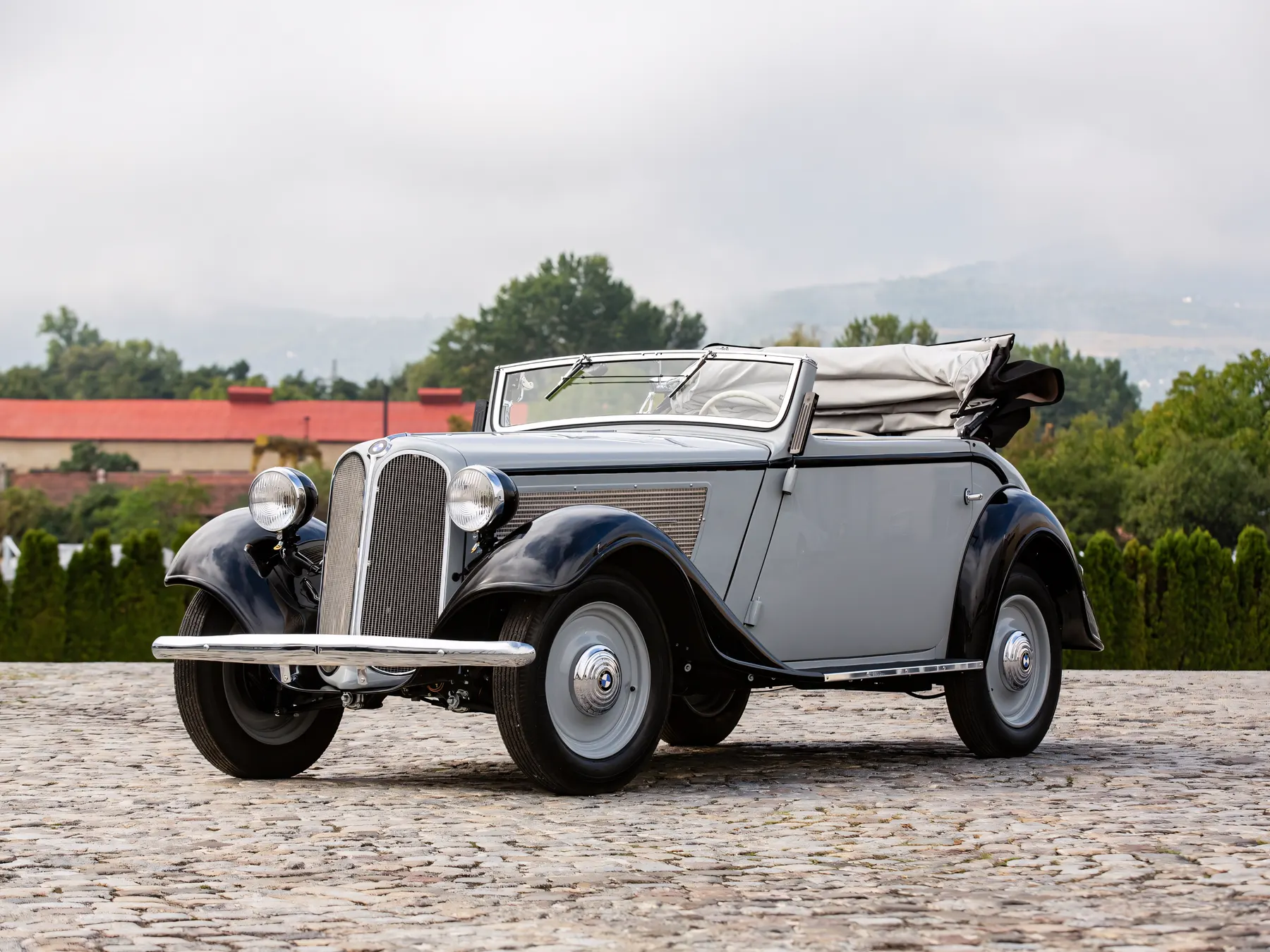
In the pulsating heart of automotive history, the year 1936 marked a significant chapter in the legacy of BMW, as they rolled out the remarkable 319 Two-Seat Sport Cabriolet. This automotive jewel, a precursor to the iconic 328, showcased BMW’s commitment to craftsmanship, performance, and sheer driving pleasure.
At the core of the 319’s prowess was its robust 1,911 cc inline-six engine, a powerhouse that set the stage for the brand’s future triumphs. Borrowed from its predecessor, the 315, this twin-carbureted masterpiece boasted a bore of 65 mm and a stroke of 96 mm, resulting in a displacement of 1,911 cc. Translating to 45.6 horsepower at 3750 rpm, the 319 was a force to be reckoned with, effortlessly propelling its 850 kg frame with a distinct sense of purpose.
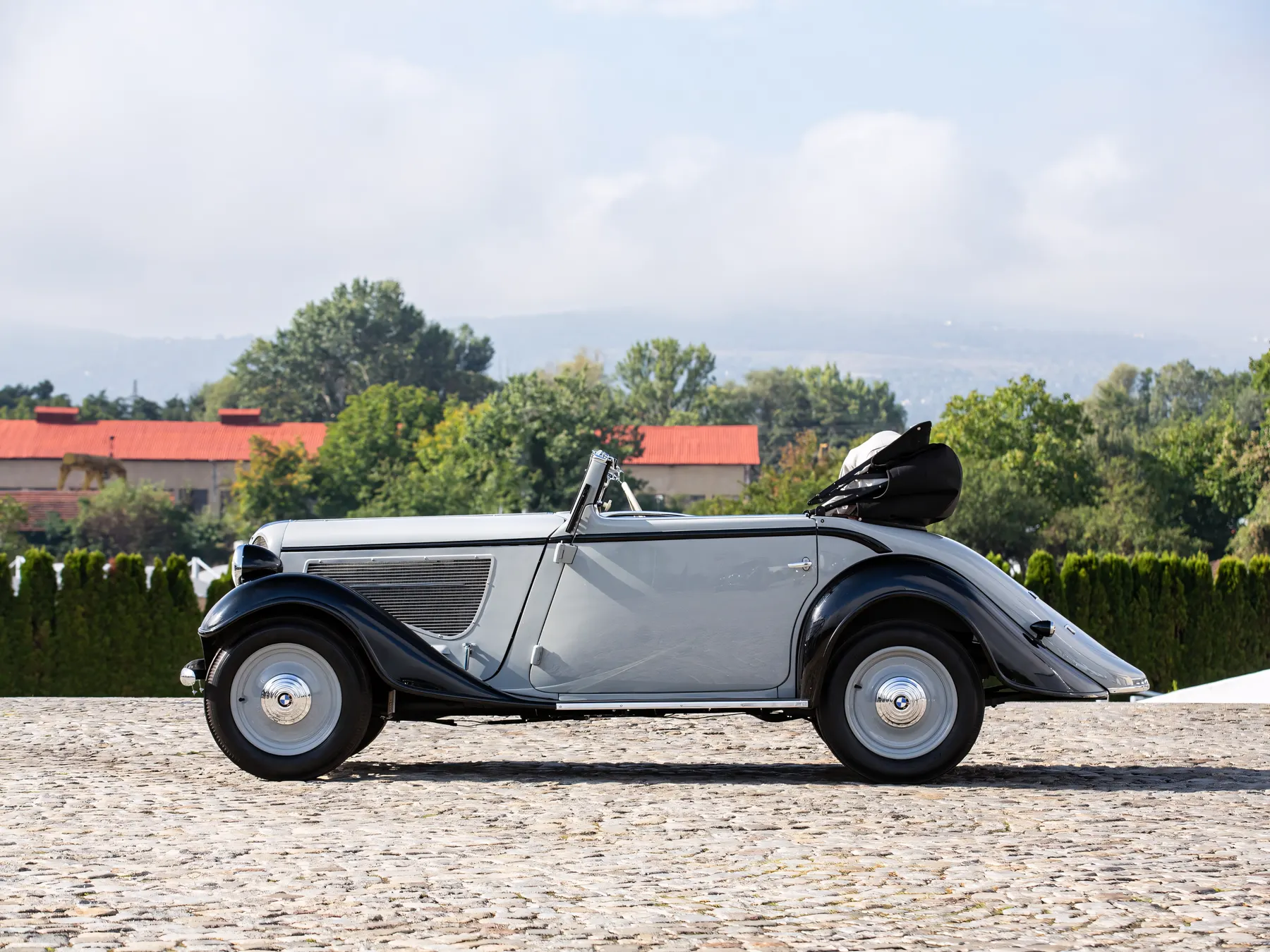
The engineering marvel extended beyond the engine, as the 319 embraced an oval-section chassis with transverse leaf-spring suspension at the front and semi-elliptical at the rear. A four-speed transmission with synchromesh on third and top gears provided a seamless dance between the driver and the road, making every journey a symphony of performance and precision.
One couldn’t discuss the 319 without paying homage to its captivating Sport Cabriolet coachwork, arguably the epitome of automotive aesthetics in its time. Priced at 5,150 Reichsmark, this two-seater beauty was a thousand RM more than its saloon counterpart, a testament to its exclusivity. Only 238 lucky enthusiasts had the chance to experience the wind in their hair and the roar of the engine in this delectable creation between 1935 and 1937.
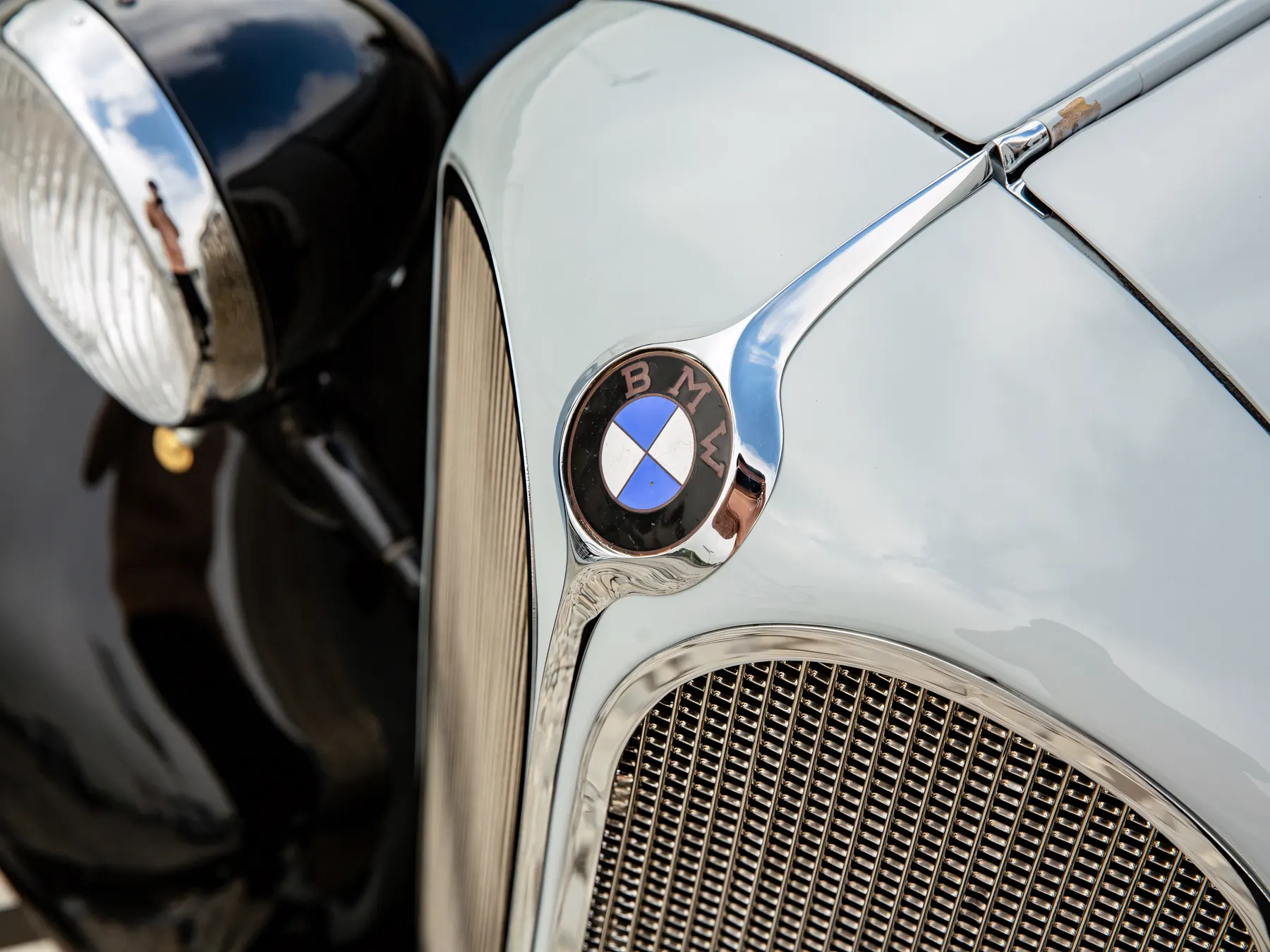
As the 319 graced the streets, it shared the spotlight with its sibling, the 315. However, the 319 stood out with its larger engine, setting it apart as a symbol of power and sophistication. With 34 kW of raw energy, it became a beacon for those who craved the thrill of the open road.
By 1937, as the BMW 326 took centre stage, the 315 and 319 gracefully stepped down from their positions as the brand’s largest cars. It marked the end of an era but paved the way for the next evolution in BMW’s automotive saga.
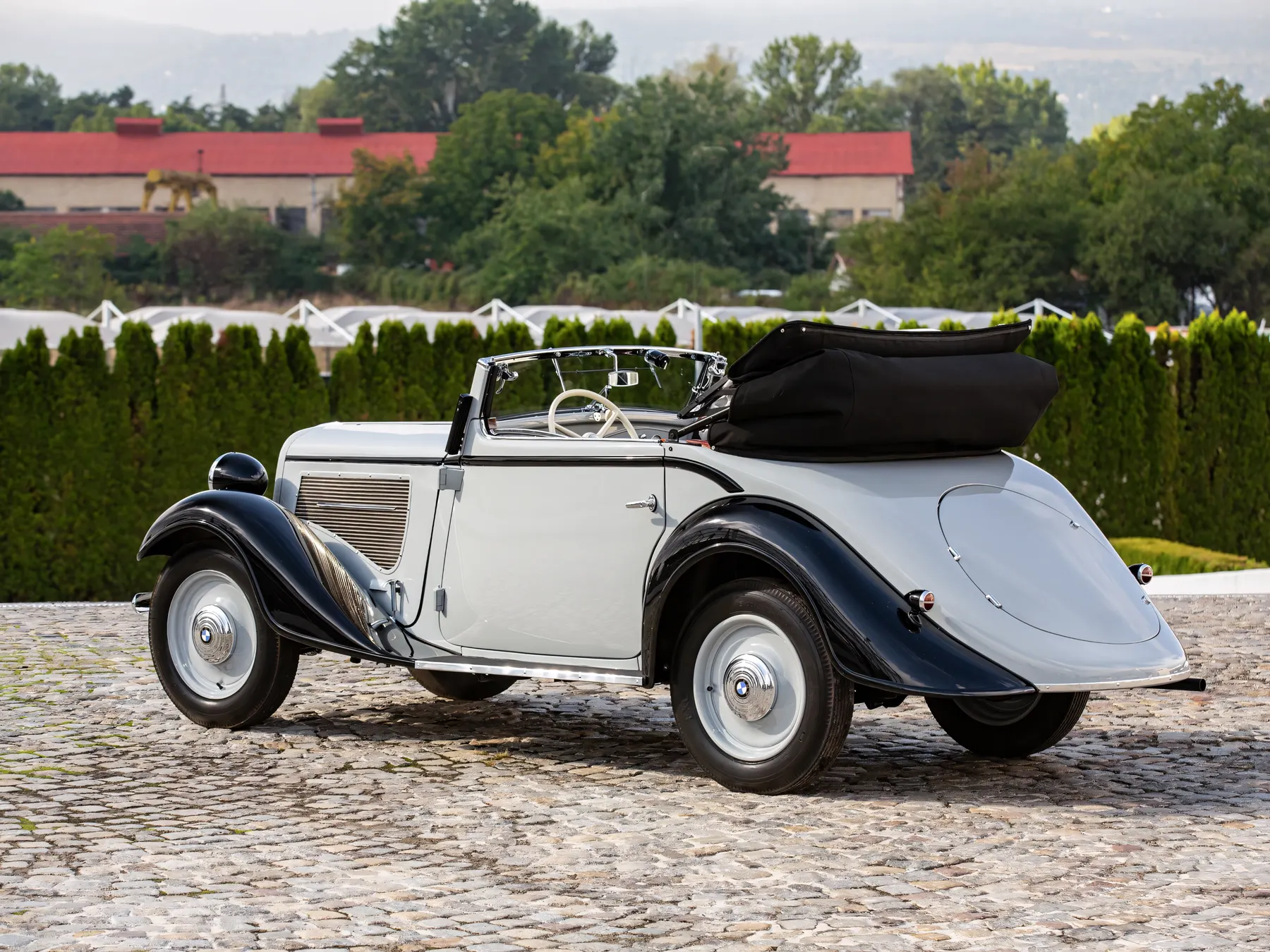
The final curtain fell on the 315 and 319 in 1937, leaving behind a legacy of innovation and elegance. A total of 9,765 BMW 315s graced the roads, showcasing a variety of body styles, while the 319, in all its forms, reached a production total of 6,646 units. These numbers, though finite, tell the story of a chapter that left an indelible mark on the automotive tapestry.
In the annals of automotive history, the 319 Two-Seat Sport Cabriolet remains a cherished chapter, a testament to BMW’s relentless pursuit of excellence and the enduring allure of classic cars. The road it paved was not just one of asphalt but also of dreams and aspirations, where each turn was an opportunity to celebrate the joy of driving.
Join the discussion
Comments
Loading comments…
Leave a comment
Share a detail, memory, or perspective. Every comment is reviewed before publication.