1936 Rolls-Royce Phantom III Saloon by Barker

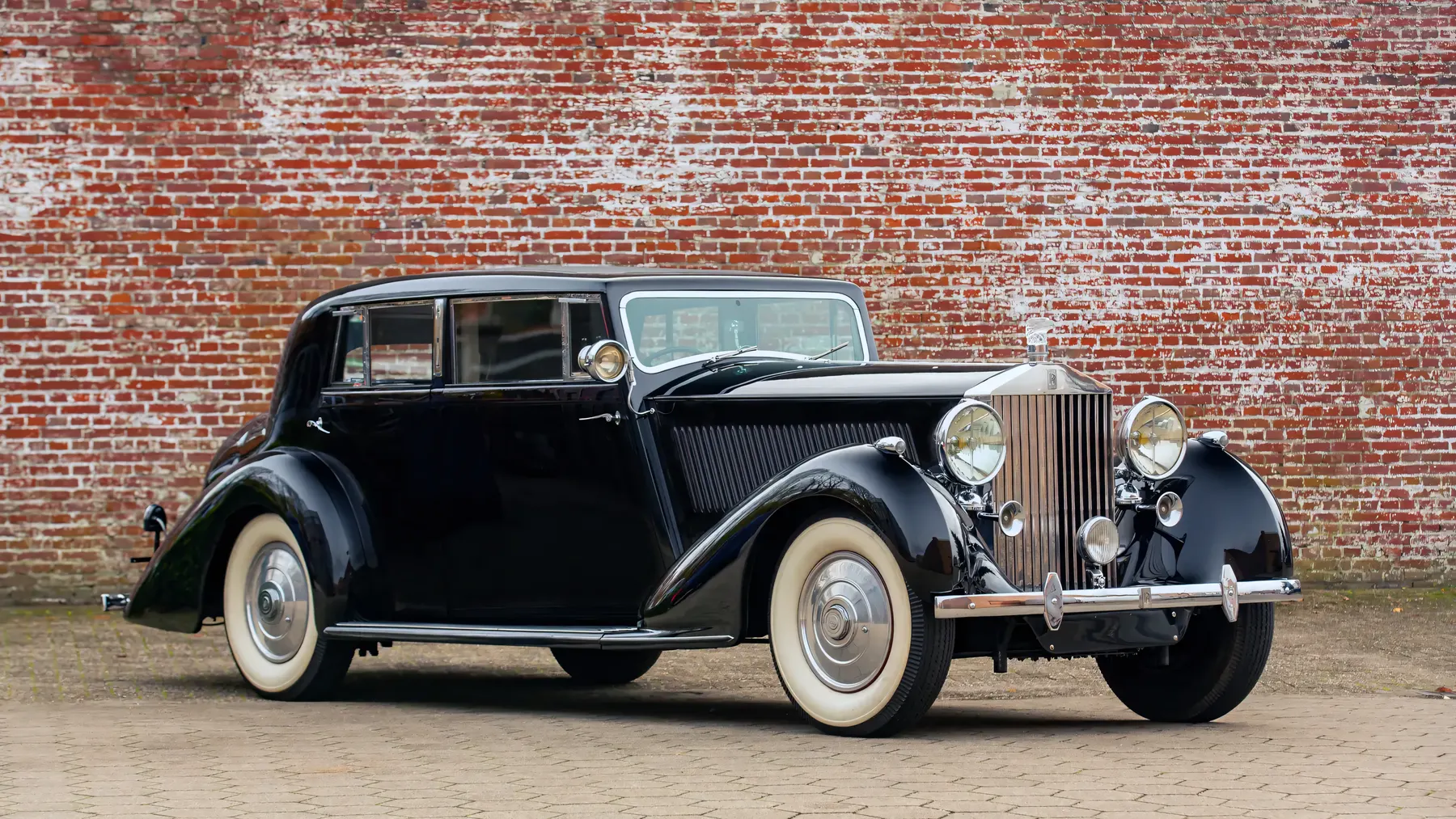
The Rolls-Royce Phantom III stands out as one of the most iconic and innovative luxury cars of its era. Produced between 1936 and 1939, it was the last large pre-war Rolls-Royce and the only model to feature a V12 engine until the arrival of the Silver Seraph in 1998. The Phantom III embodied the height of British luxury, with its chassis and engine built by Rolls-Royce and its body designed by renowned coachbuilders, such as Barker. The Phantom III Saloon by Barker is a perfect example of this prestigious collaboration, blending engineering excellence with bespoke craftsmanship.
The Phantom nameplate has long been synonymous with Rolls-Royce’s commitment to luxury, exclusivity, and hand-built craftsmanship. As one of the longest-running automotive series in history, second only to the Chevrolet Suburban, the Phantom lineage represents a symbol of prestige. The Phantom III, in particular, was produced in limited numbers, with just 727 chassis built, and each model was tailored to the buyer’s preferences. This exclusivity, combined with the car’s extraordinary craftsmanship, attracted royalty, celebrities, and the world’s wealthiest individuals.
At the heart of the Phantom III lies an impressive 7.32-litre V12 engine made from aluminium alloy. This was the first time Rolls-Royce incorporated a V12 into one of its models, setting a new standard for performance and smoothness. The engine’s twin ignition systems, featuring two distributors, two coils, and 24 spark plugs, highlighted the level of engineering precision in the car. This powertrain delivered 87½ mph (140 km/h) in tests conducted by The Autocar magazine in 1938, remarkable for a car of such size and weight.
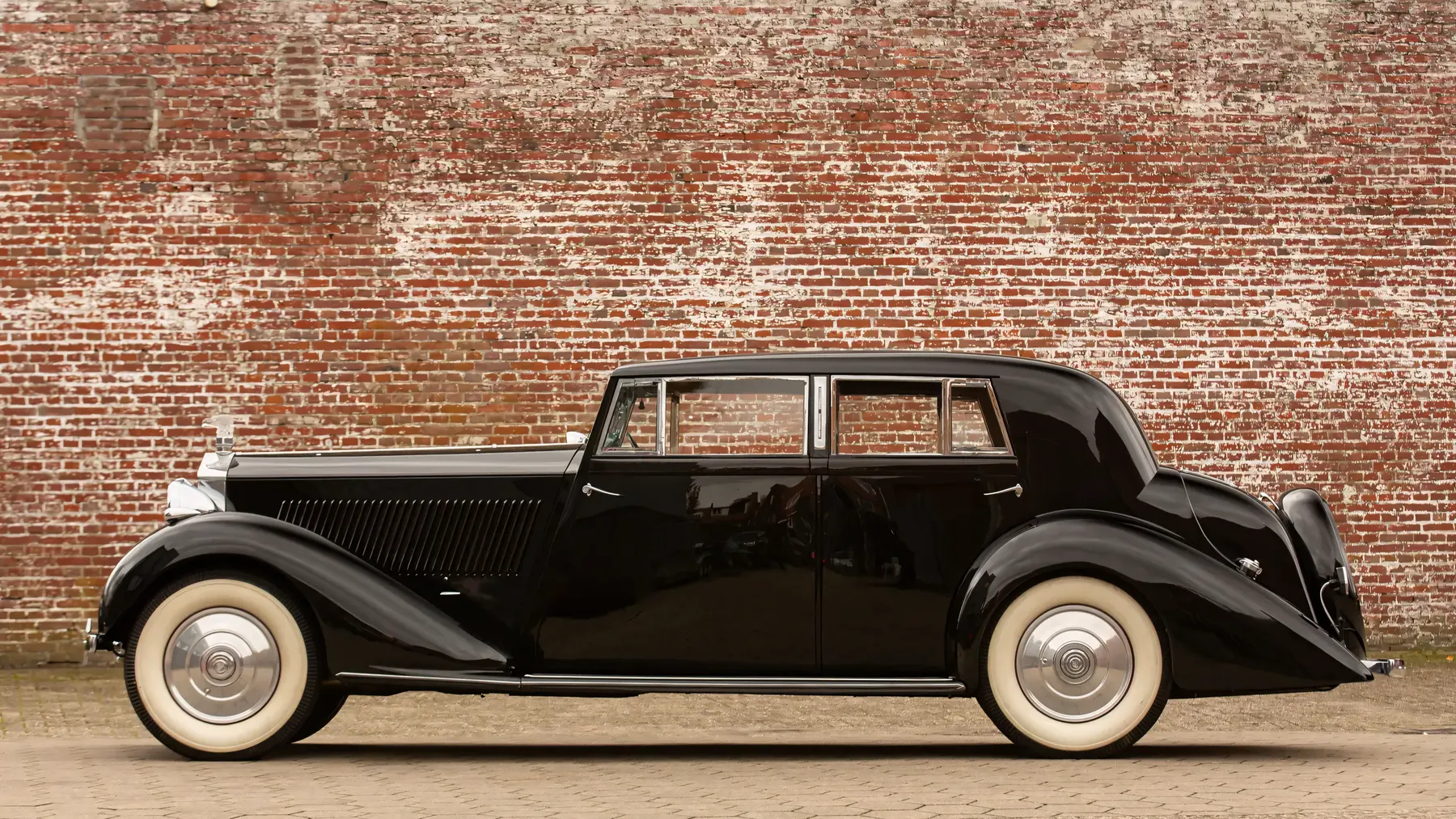
The Phantom III’s handling was also notable for its time, incorporating independent front suspension and a semi-elliptical spring unit at the rear. The inclusion of four-wheel servo-assisted brakes, made under licence from Hispano-Suiza, added an extra layer of safety for such a large vehicle. Despite its bulk, the Phantom III was agile and comfortable, providing the smooth and quiet ride Rolls-Royce was known for.
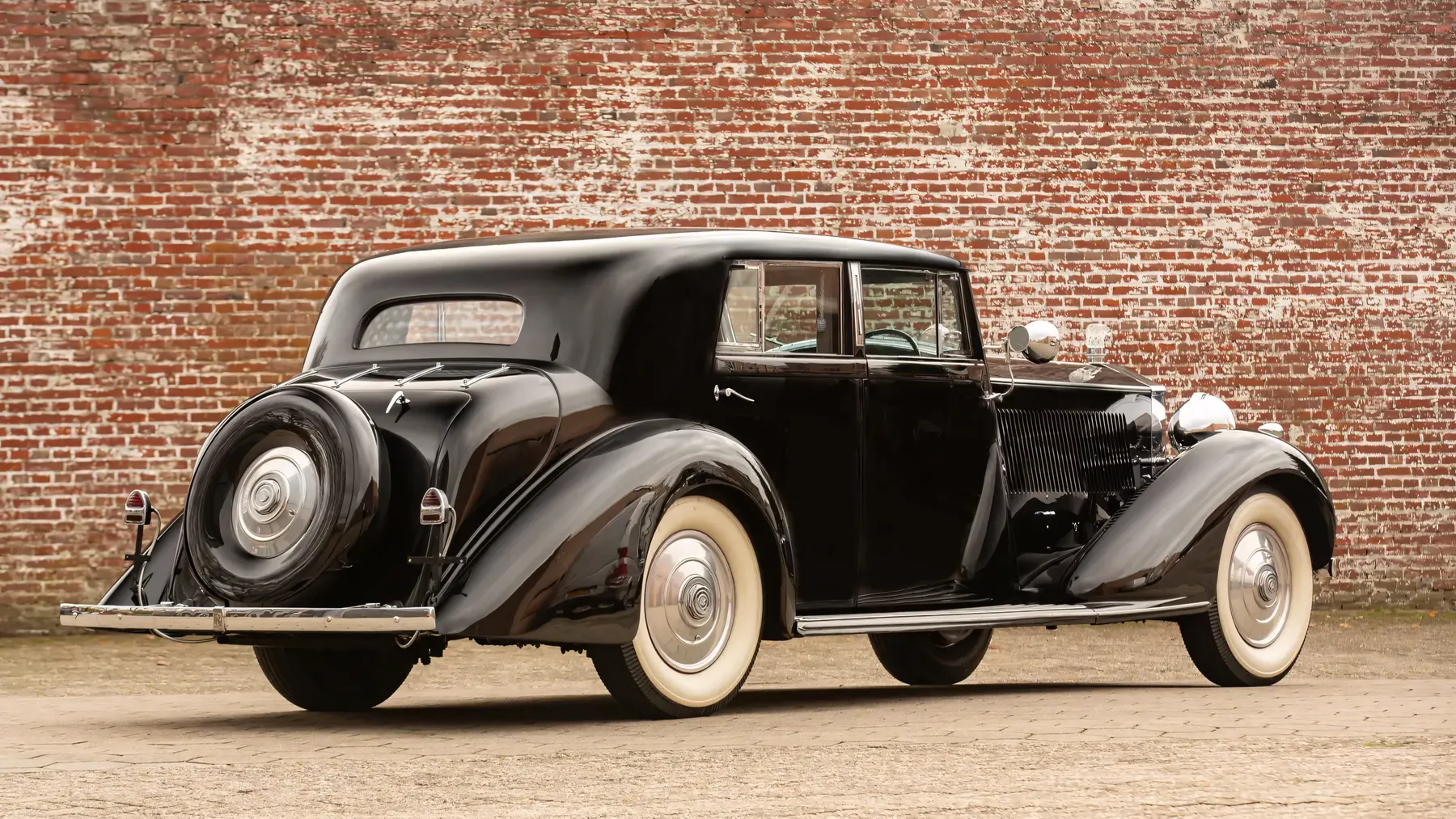
As with all Rolls-Royce Phantoms of the era, only the chassis and mechanical components were built by Rolls-Royce, leaving the bodywork to specialist coachbuilders. Barker, one of the most renowned coachbuilders of the time, produced a number of stunning bodies for the Phantom III, including luxurious saloons. These bespoke creations were designed to meet the individual tastes and desires of the owner, making each Phantom III a one-of-a-kind masterpiece.
Barker’s design for the Phantom III saloon was elegant yet stately, reflecting the opulence that Rolls-Royce customers expected. The high roofline, large windows, and flowing lines of the body exudes sophistication, while the interior was typically adorned with the finest materials, including wood, leather, and bespoke fittings. These cars were as much about craftsmanship as they were about performance, and Barker’s attention to detail ensured that the Phantom III stood out in any setting.
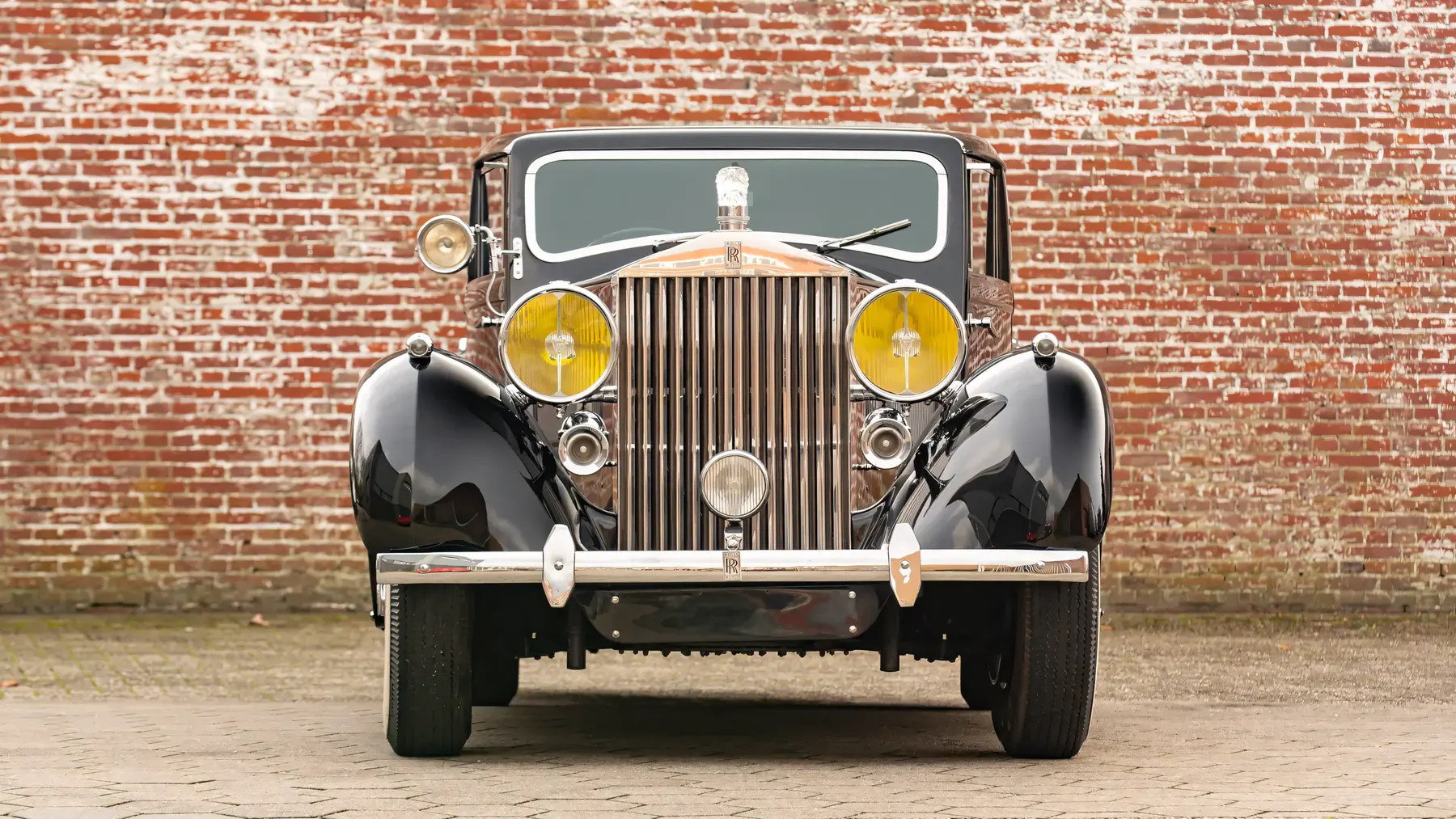
The Rolls-Royce Phantom III was packed with technical innovations that set it apart from other luxury cars of the time. The car featured a one-shot chassis lubrication system, operated from inside the cabin, and an on-board jacking system, making maintenance easier for owners. The gearbox was a 4-speed manual with synchromesh on the higher gears, and in 1938, an overdrive was added to improve high-speed cruising.
Though luxurious, the Phantom III was not fuel-efficient, with an average consumption of 28 litres per 100 km (10 mpg). This, however, was of little concern to its wealthy owners, who prized the car’s comfort and engineering over running costs.
The Rolls-Royce Phantom III gained a new level of fame decades after its production ended when it appeared in the 1964 James Bond film Goldfinger. A black and yellow Phantom III, driven by the villain Auric Goldfinger’s henchman Oddjob, played a central role in the plot. Its large size and strength were highlighted as the perfect vehicle for smuggling gold around Europe. The car’s appearance in such an iconic film cemented its place in automotive and cinematic history.
The Rolls-Royce Phantom III Saloon by Barker represents a pinnacle of pre-war luxury motoring. Its powerful V12 engine, advanced engineering, and bespoke coachwork combined to create a vehicle that was as much a symbol of status as it was a means of transportation. Although only a few hundred were made, the Phantom III remains one of Rolls-Royce’s most revered models, celebrated for its craftsmanship, performance, and enduring appeal. Whether on the road or in popular culture, the Phantom III continues to be a shining example of Rolls-Royce’s legacy of excellence.
**
Join the discussion
Comments
Loading comments…
Leave a comment
Share a detail, memory, or perspective. Every comment is reviewed before publication.