1955 Ferrari 121 LM Spider by Scaglietti

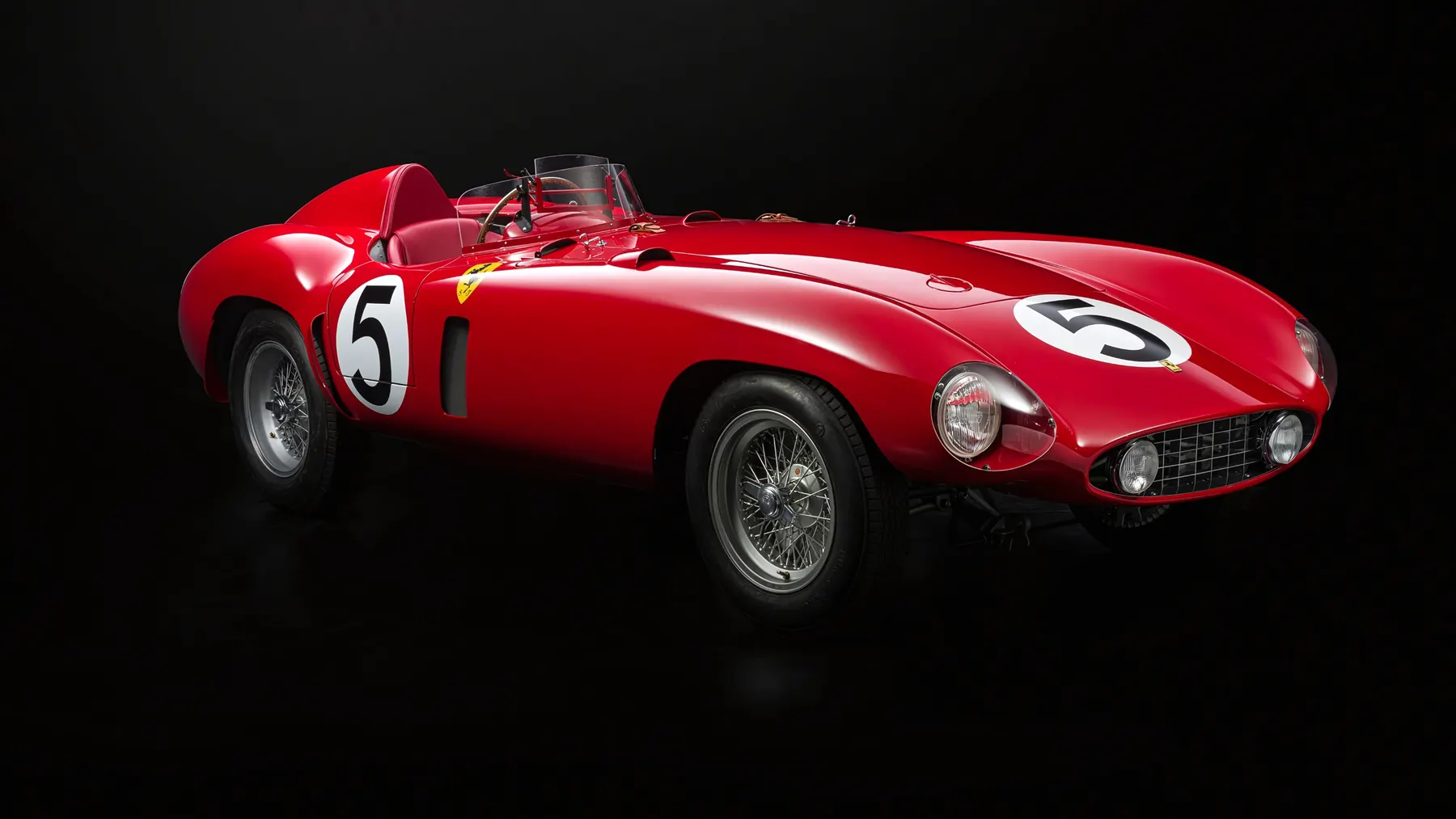
Calling all car enthusiasts and vintage aficionados! Today, we dive into the glorious realm of classic automobiles, where power, beauty, and adrenaline intertwine to create automotive legends. Our star of the show is none other than the Ferrari 121 LM Spider by Scaglietti,a roaring beast that dominated the racing circuits of the 1950s.
In the golden age of motorsport, Ferrari faced fierce competition from formidable rivals, and they needed a true powerhouse to reign supreme. The Ferrari 121 LM Spider emerged as a result,an embodiment of speed, precision, and relentless performance. Born in 1955, this majestic beauty showcased a fusion of engineering excellence and Scaglietti’s exquisite craftsmanship.
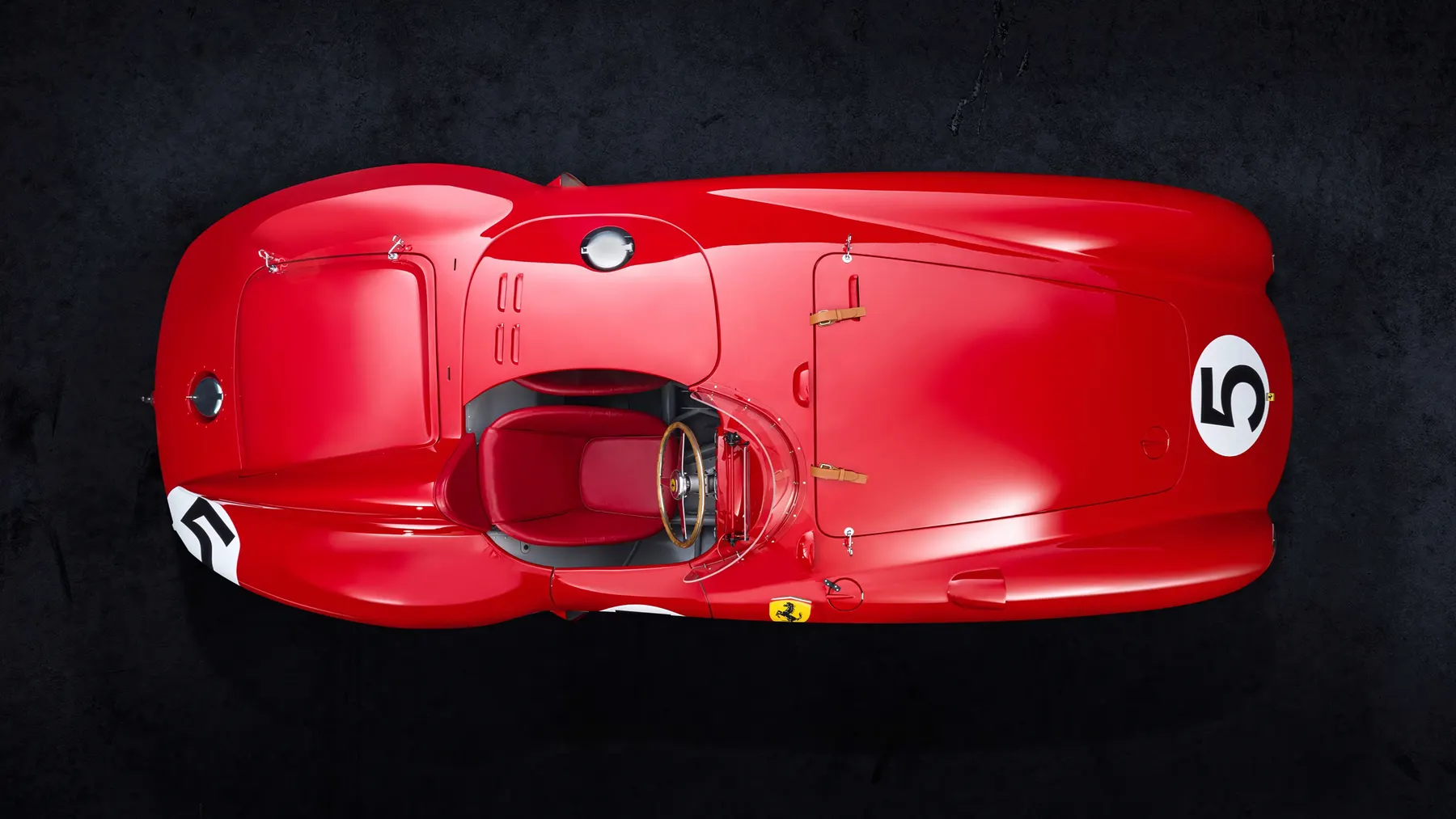
At the heart of the Ferrari 121 LM Spider beats a formidable 4,412 cc straight-six engine,an absolute powerhouse designed to conquer the most demanding race tracks. Equipped with three side-draught Weber carburetors, this mighty engine unleashed a tire-shredding 360 brake horsepower, propelling the car to mind-boggling speeds. It was a symphony of raw power and mechanical prowess that ignited the senses.
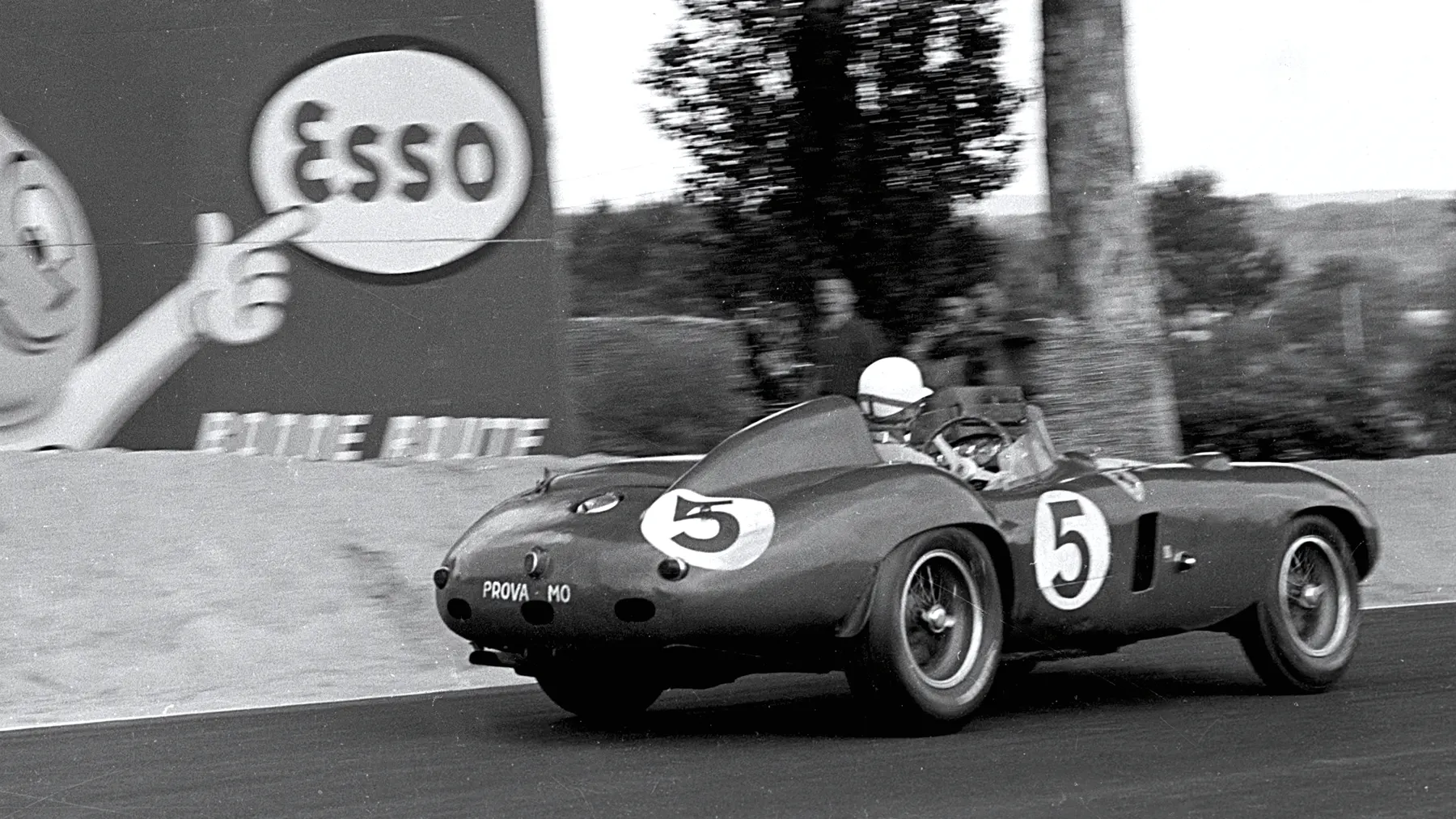
The Ferrari 121 LM Spider was bred for competition, and it showcased its prowess on the world’s most prestigious racing circuits. At the iconic 24 Hours of Le Mans, this beast was one of three 121 LMs fielded by Scuderia Ferrari, with chassis 0546 LM piloted by Maurice Trintignant and Harry Schell. These racing icons battled fiercely against rivals like Jaguar and Mercedes, leaving their mark in motorsport history.
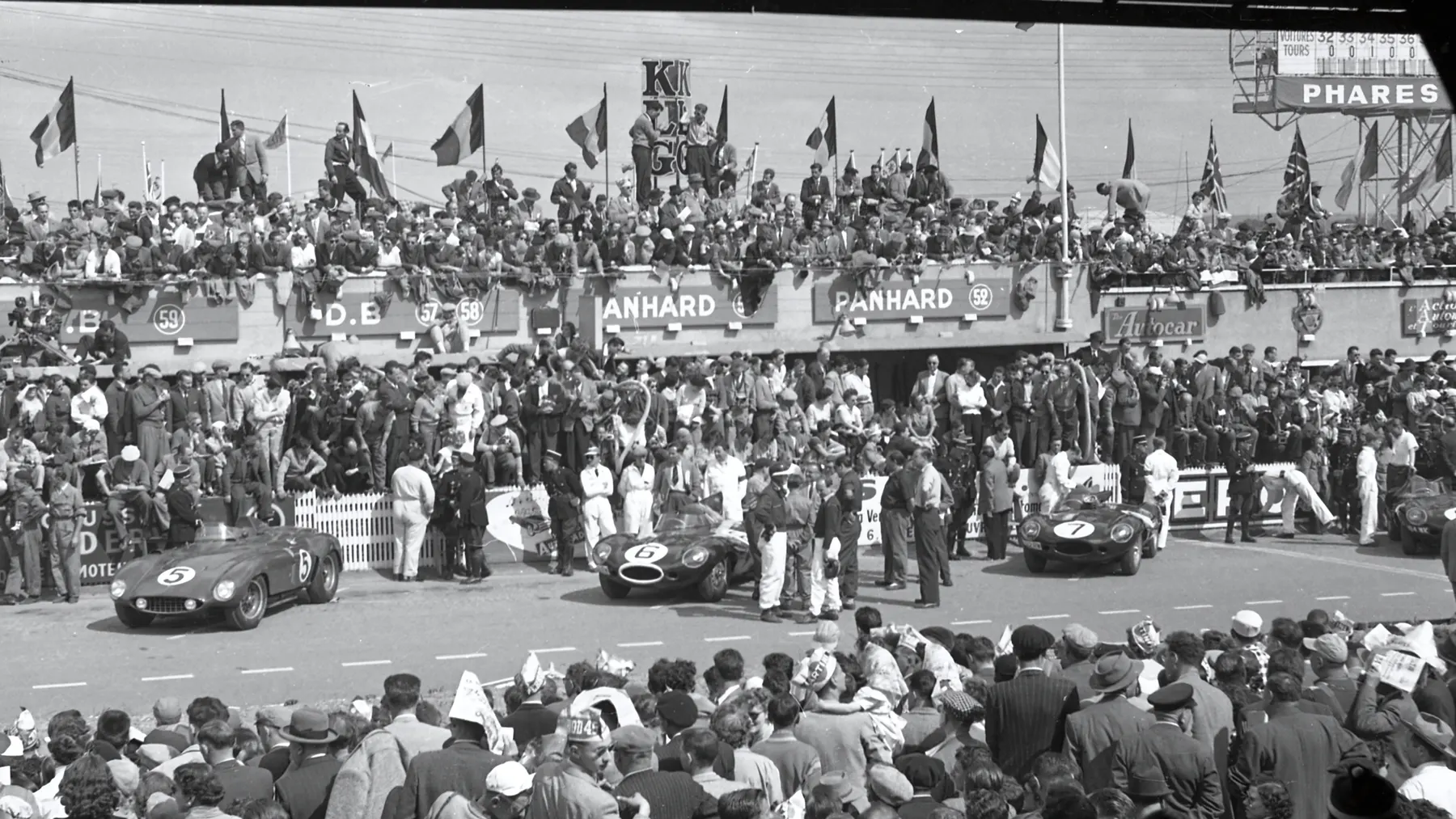
The intensity of the 121 LM Spider’s Le Mans campaign cannot be understated. During practice, Eugenio Castellotti, driving a sister car, set the fastest lap, leaving competitors in awe. The lap record was shattered multiple times as these titans of racing pushed the limits of speed and endurance. Though the 121 LMs couldn’t withstand the gruelling 24-hour race, they showcased unwavering determination and the indomitable spirit of Ferrari.
Crafted by the esteemed Carrozzeria Scaglietti, the 121 LM Spider featured an aerodynamic and elegant design that captured the essence of speed. With its sleek lines, flowing curves, and purposeful stance, this Spider exuded an irresistible aura of aggression and grace. Every inch of the car was meticulously sculpted to slice through the air with minimal resistance, ensuring maximum performance on the track.
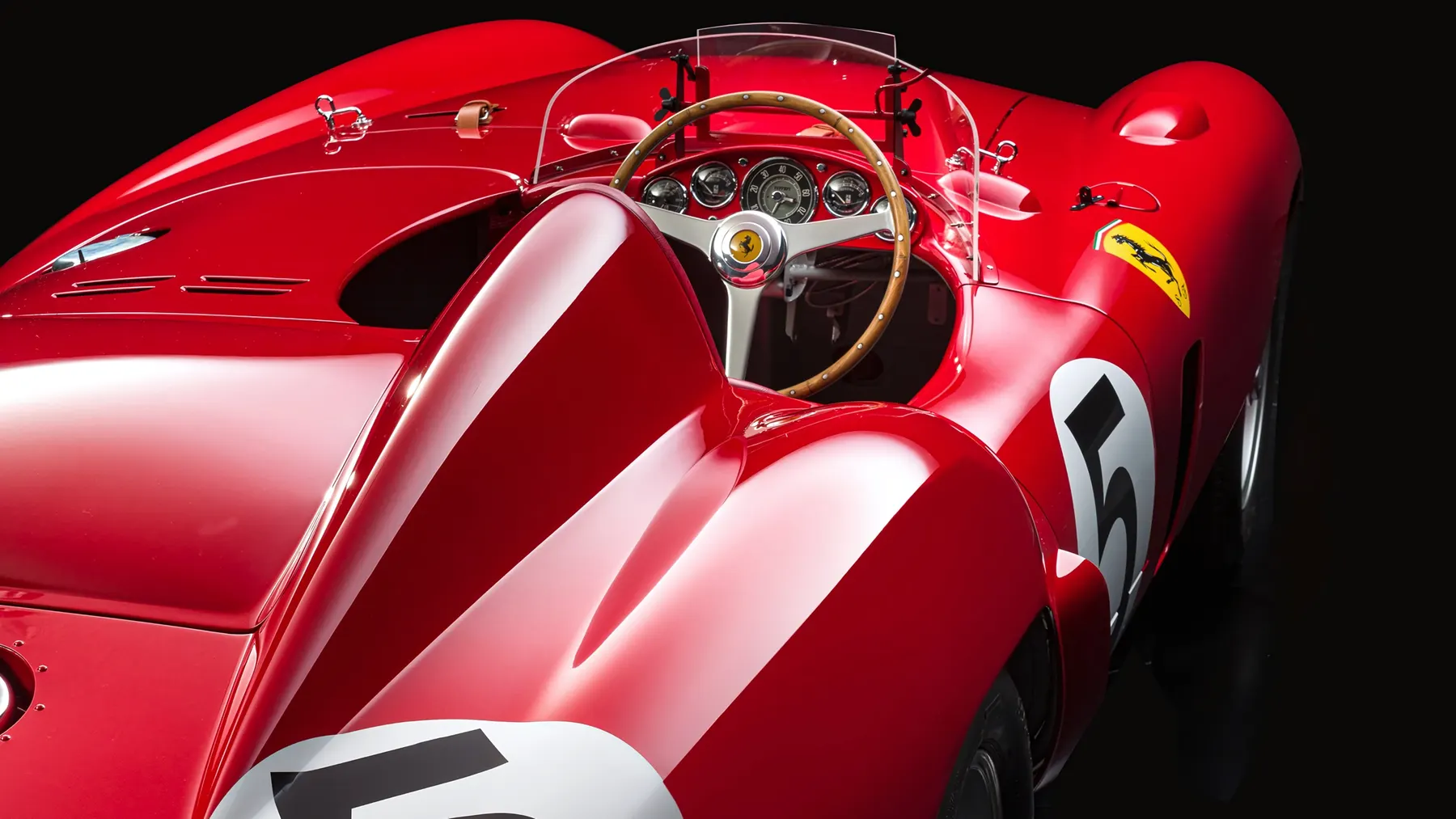
The Ferrari 121 LM Spider boasted several technical innovations that set it apart from the competition. Its advanced chassis provided excellent rigidity, allowing for precise handling and control. The suspension system, featuring double wishbones at the front and a de Dion axle at the rear, ensured optimal traction and responsiveness. With a potent power-to-weight ratio and cutting-edge engineering, the 121 LM Spider was a force to be reckoned with.
As a testament to its exclusivity, only four Ferrari 121 LM Spiders were ever built, making each one a highly sought-after collector’s dream. Today, these automotive treasures command immense admiration and respect for their pivotal role in Ferrari’s rich heritage. The few fortunate owners who possess a 121 LM Spider hold a piece of automotive history in their hands.
The Ferrari 121 LM Spider by Scaglietti transcends the mere realm of automobiles,it becomes an emblematic embodiment of unbridled passion, audacious innovation, and an unwavering quest for flawless excellence. From its thunderous engine to its graceful design, this racing legend encapsulates the spirit of an era when automobiles were true works of art. So, let us raise our imaginary racing helmets to the ferocious Ferrari 121 LM Spider, a timeless masterpiece that continues to captivate hearts and minds, ensuring its enduring legacy in the annals of automotive history.
Join the discussion
Comments
Loading comments…
Leave a comment
Share a detail, memory, or perspective. Every comment is reviewed before publication.