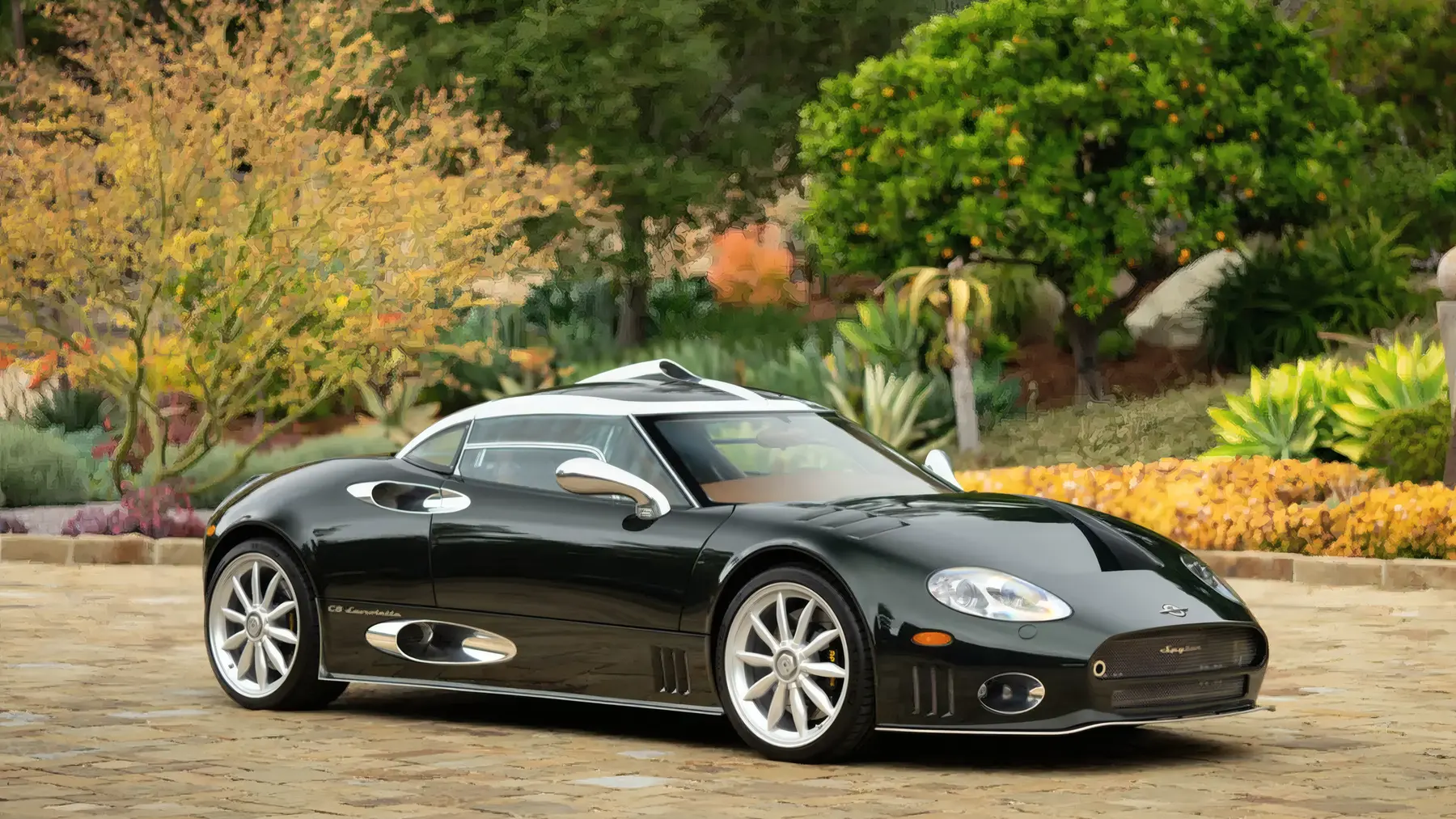
Ambitious Commercial Failures
Cars born from bold ideas and serious ambition that ultimately collided with financial reality, weak demand or an unsustainable business model.
Stories across the archive
Cars brought together by a shared idea, engineering approach, or place in history.
Cars born from bold ideas and serious ambition that ultimately collided with financial reality, weak demand or an unsustainable business model.
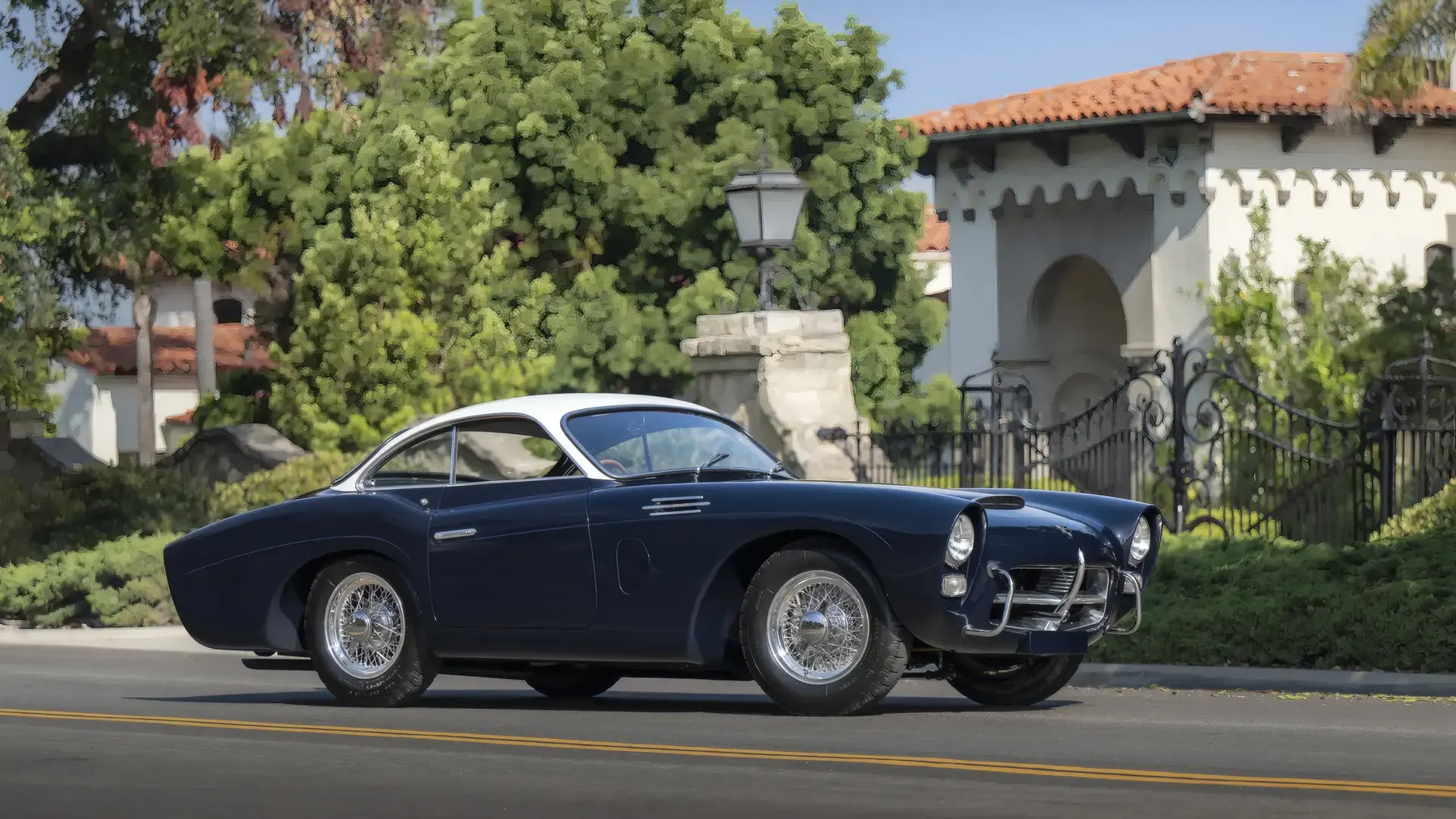
Final flourishes from celebrated coachbuilders, created as bespoke bodywork gave way to modern factories, standardisation and changing tastes around them.

The last convincing expressions of technologies, layouts and design philosophies that the motor industry was already preparing to leave behind.
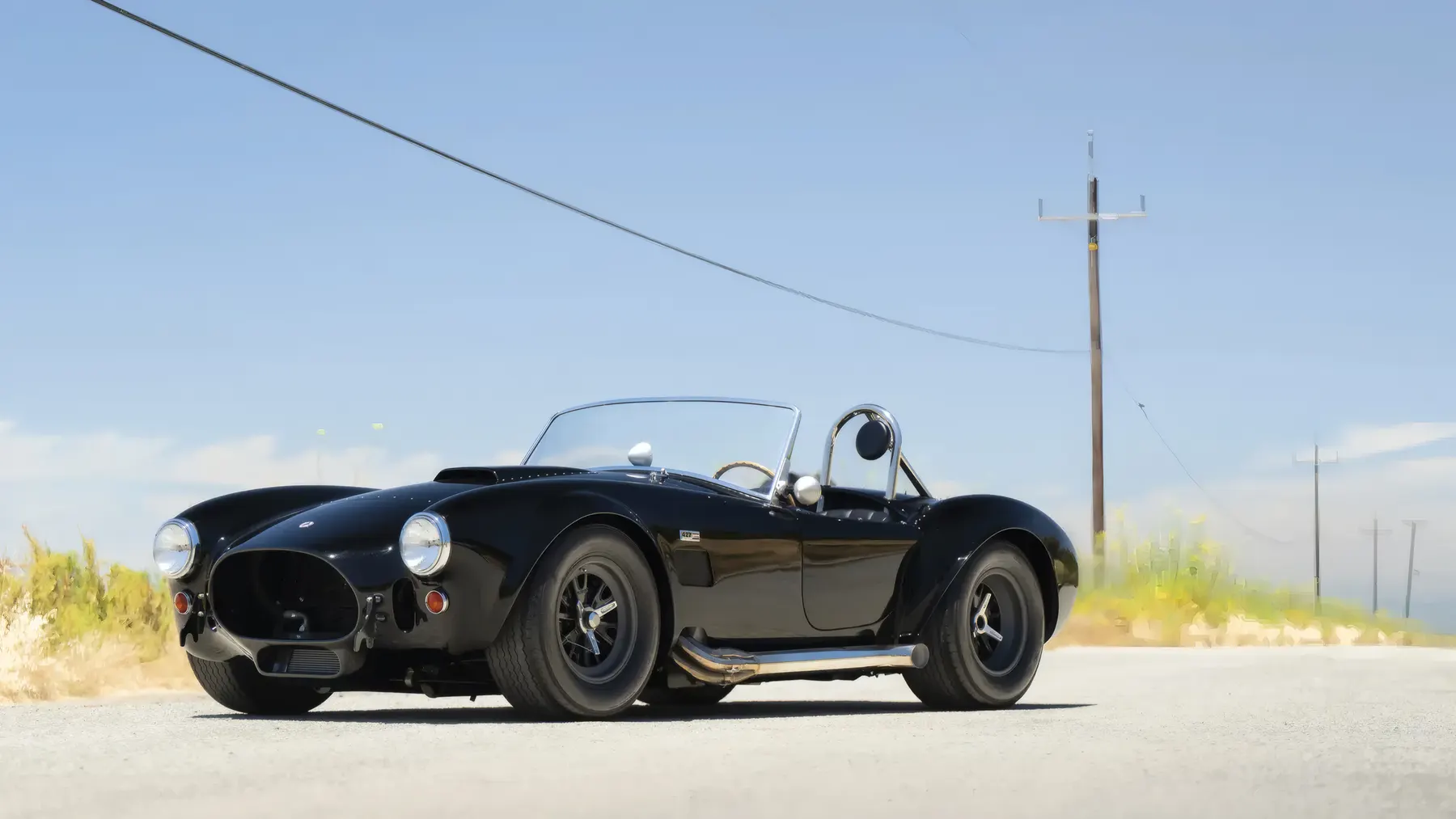
Cars shaped by obsessive technical priorities, where cost, convenience and convention were made secondary to a demanding engineering objective at every turn.
Road-going machines defined by competition rules, built because eligibility for racing demanded that something closely related first exist beyond the circuit.
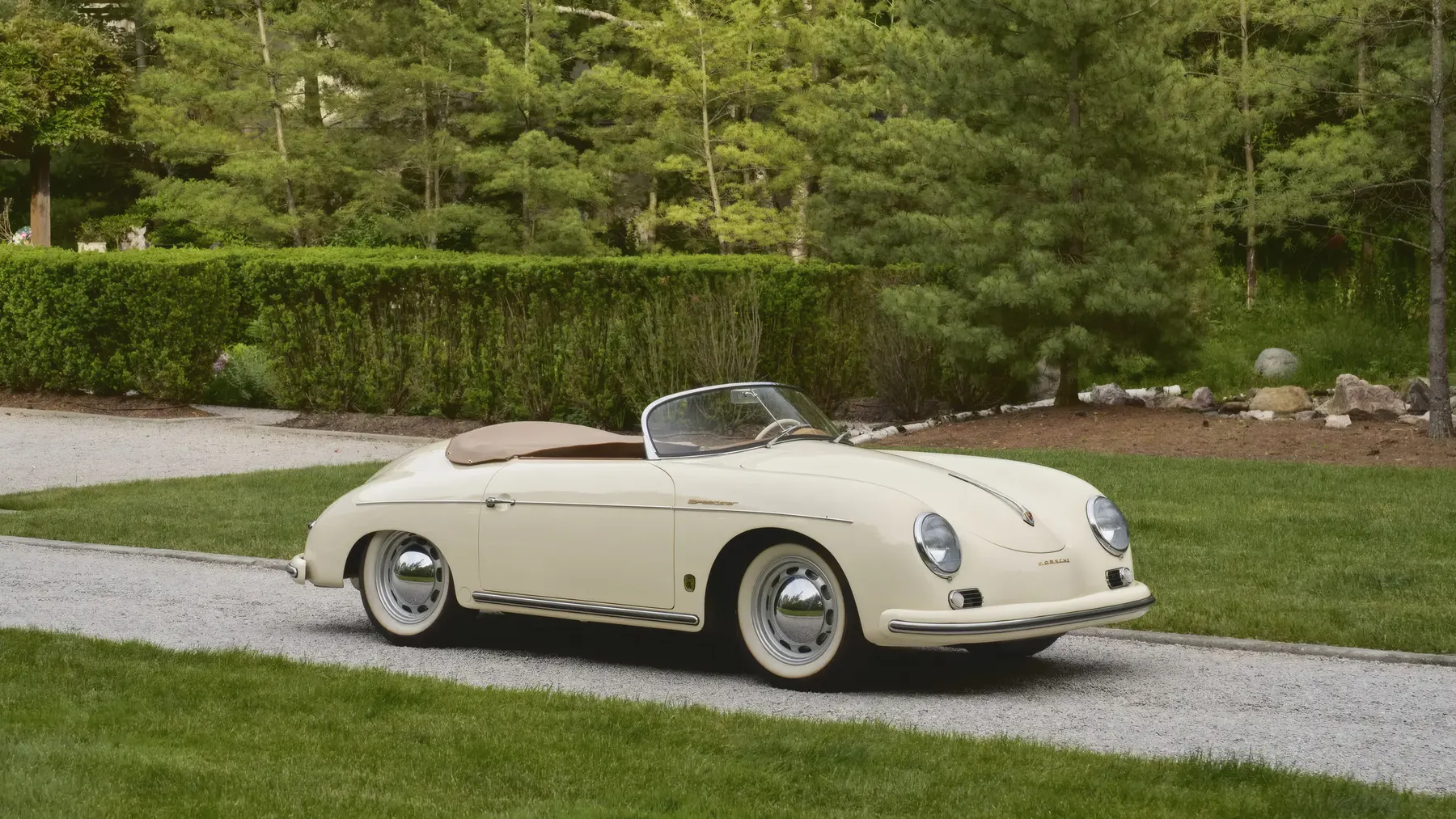
Cars created specifically for particular countries or regions, combining existing engineering with unique specifications, identities or marketing designed around the tastes and expectations of a local market.
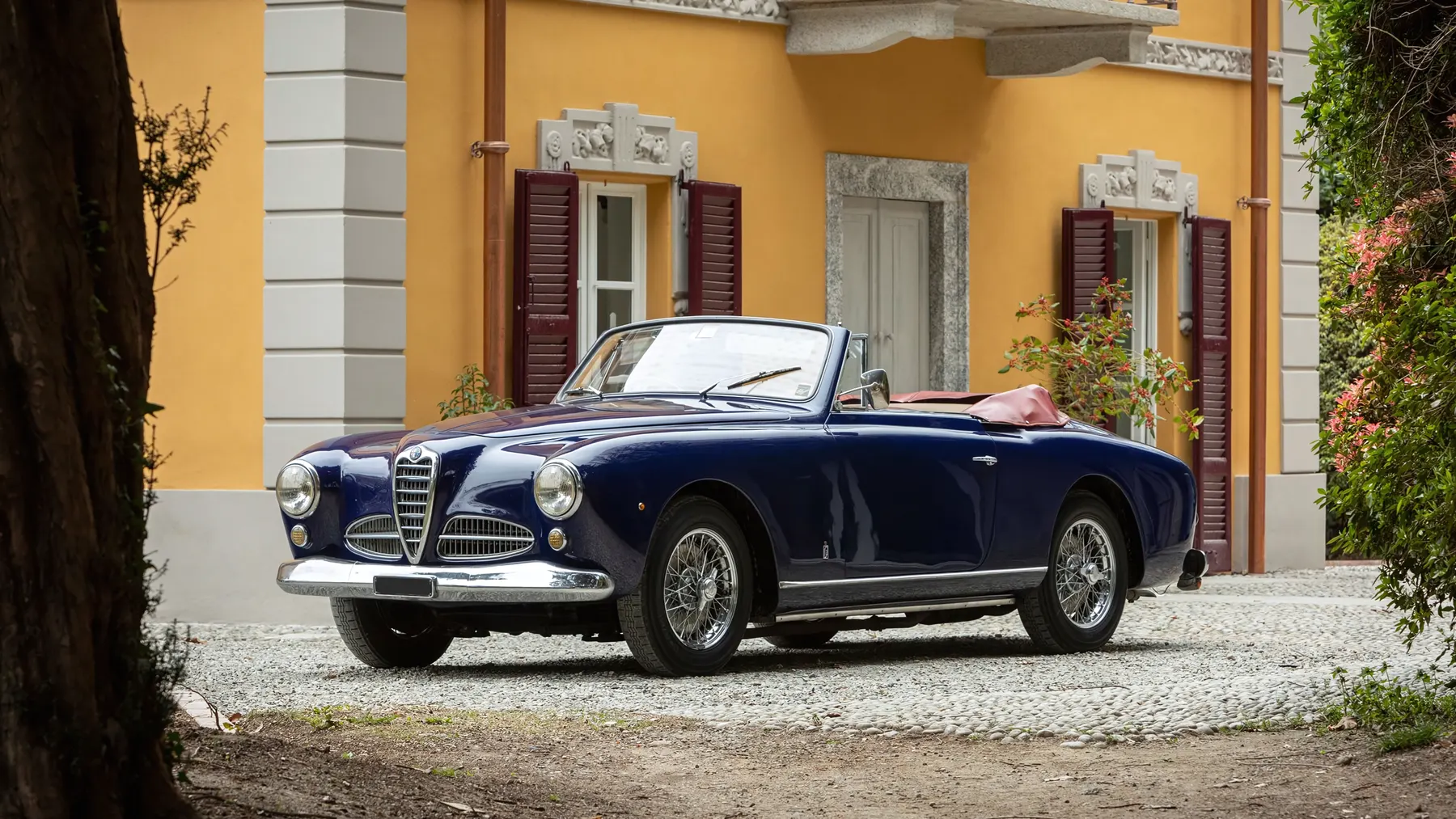
Rare coachbuilt derivatives that lived in the shadow of more celebrated siblings, despite their distinctive design, craftsmanship or historical significance.
Cars that made genuine performance more accessible, using clever engineering, reduced weight, simplified specifications or aggressive pricing to bring serious driving enjoyment within reach of a broader audience.
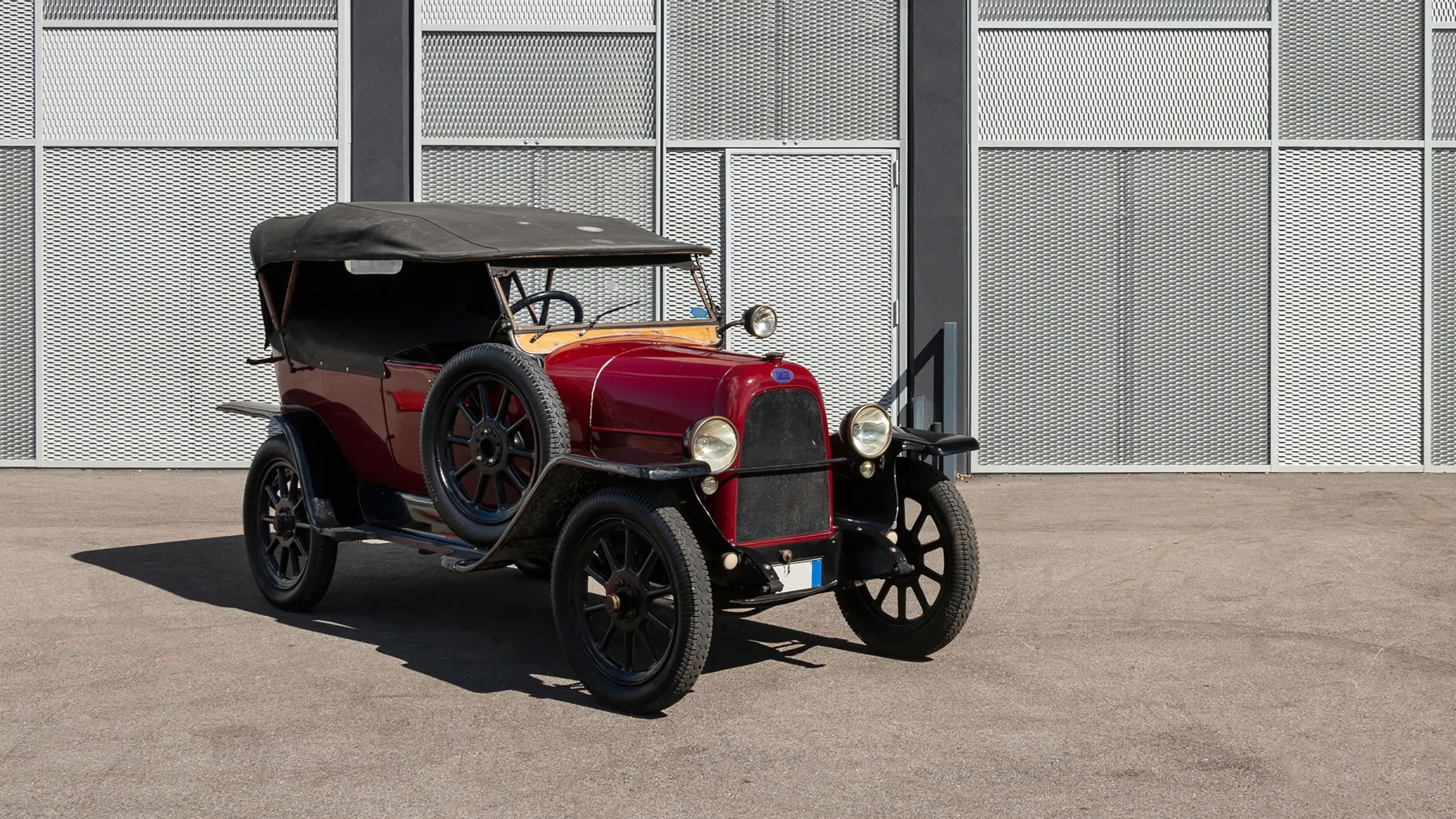
Cars that helped manufacturers, industries and ordinary motorists return to civilian life after war, rebuilding production as well as mobility.
Cars whose affordability, simplicity and competitive ability made them natural weapons for independent racers competing without the resources or direct support of a factory team.
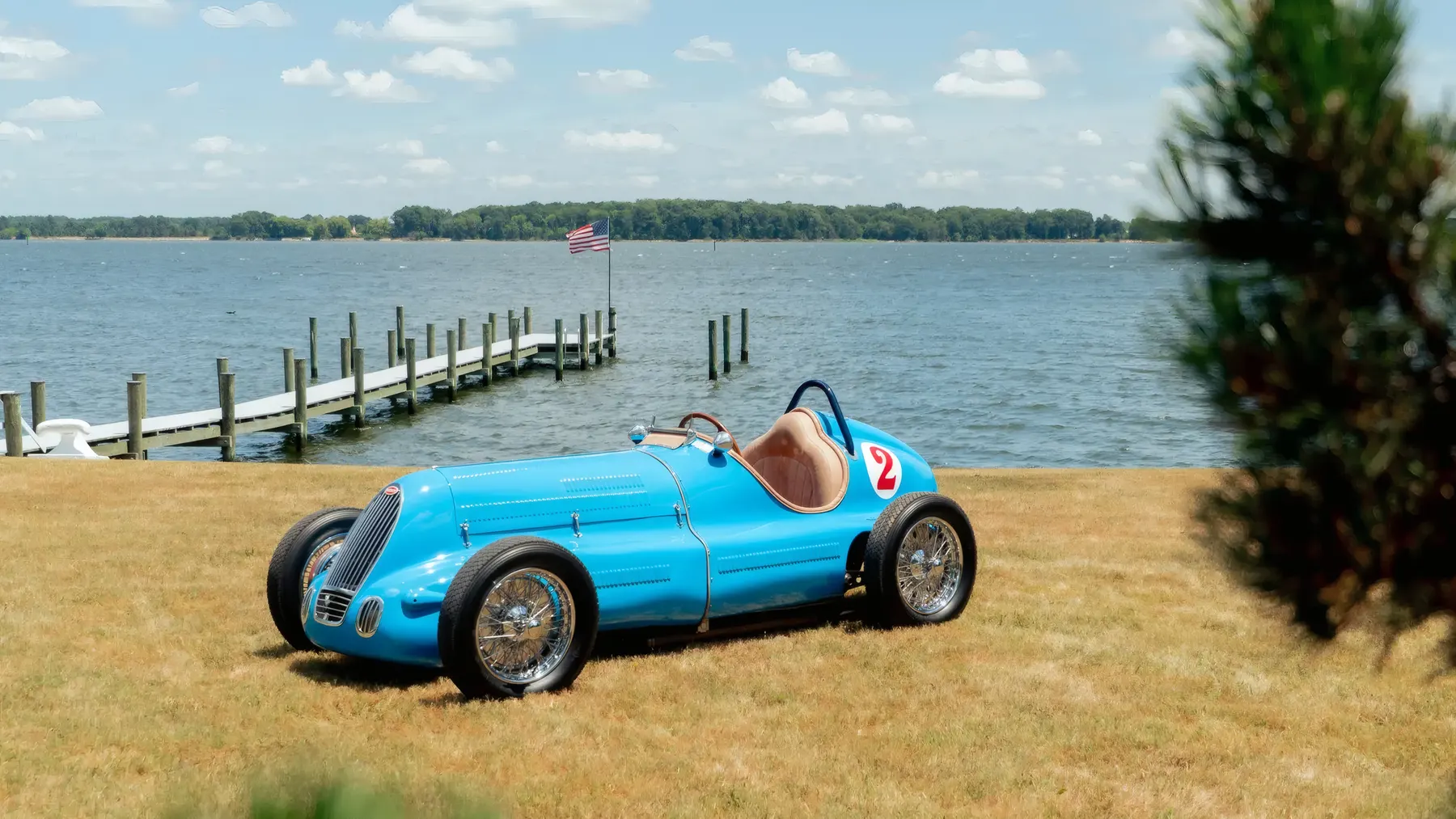
Familiar shapes reconsidered for a new purpose through substantial mechanical, structural or conceptual change rather than superficial restyling or commemorative trim.
Cars that carried historic automotive names back into production after years or decades of dormancy, attempting to give old marques a new identity and future.
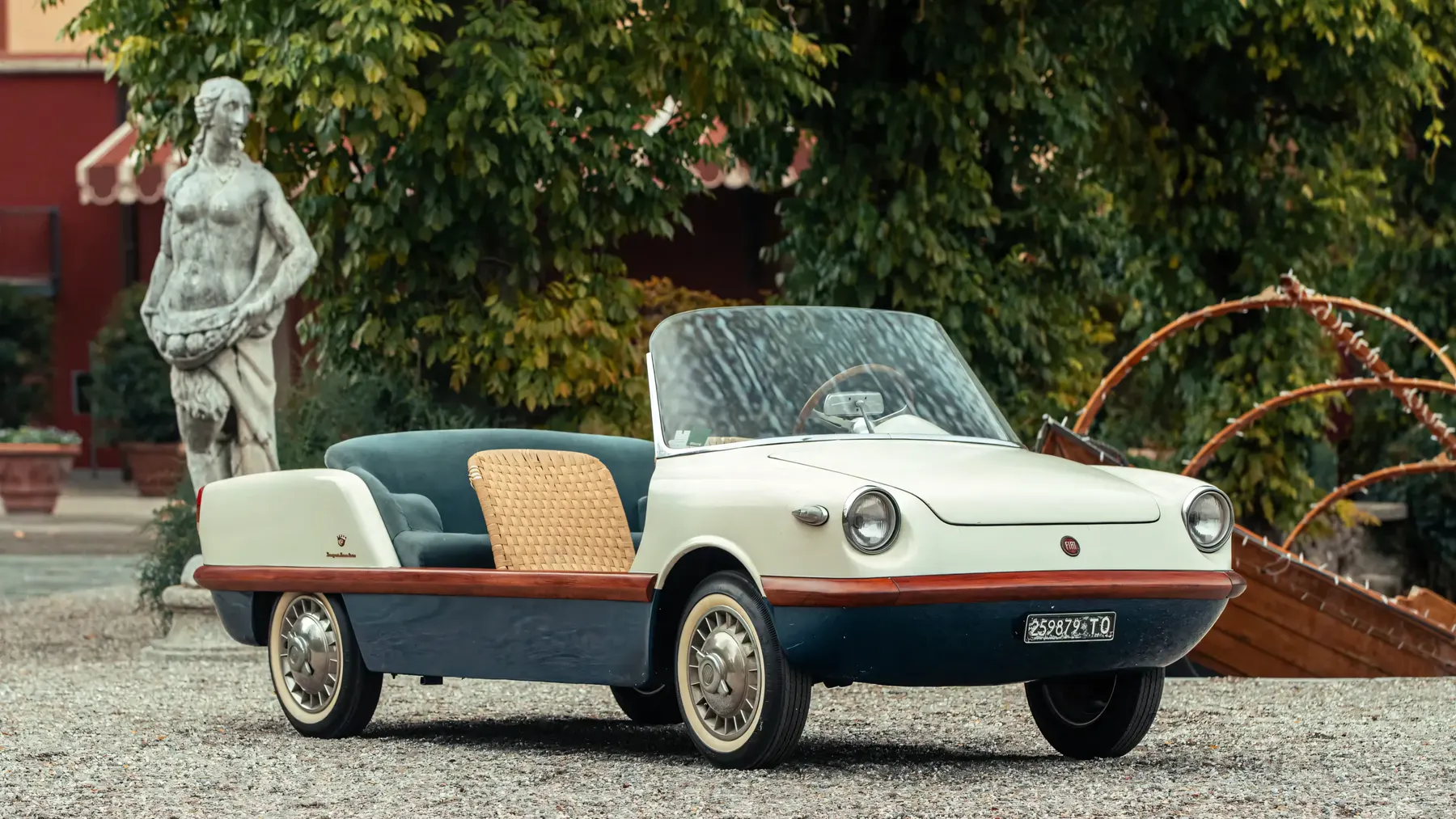
Open, informal cars built for short journeys between villas, beaches and marinas, where charm mattered more than weather protection or speed.
Competition cars whose greatest advantage came not from following convention, but from exploiting the rulebook more cleverly than their rivals.
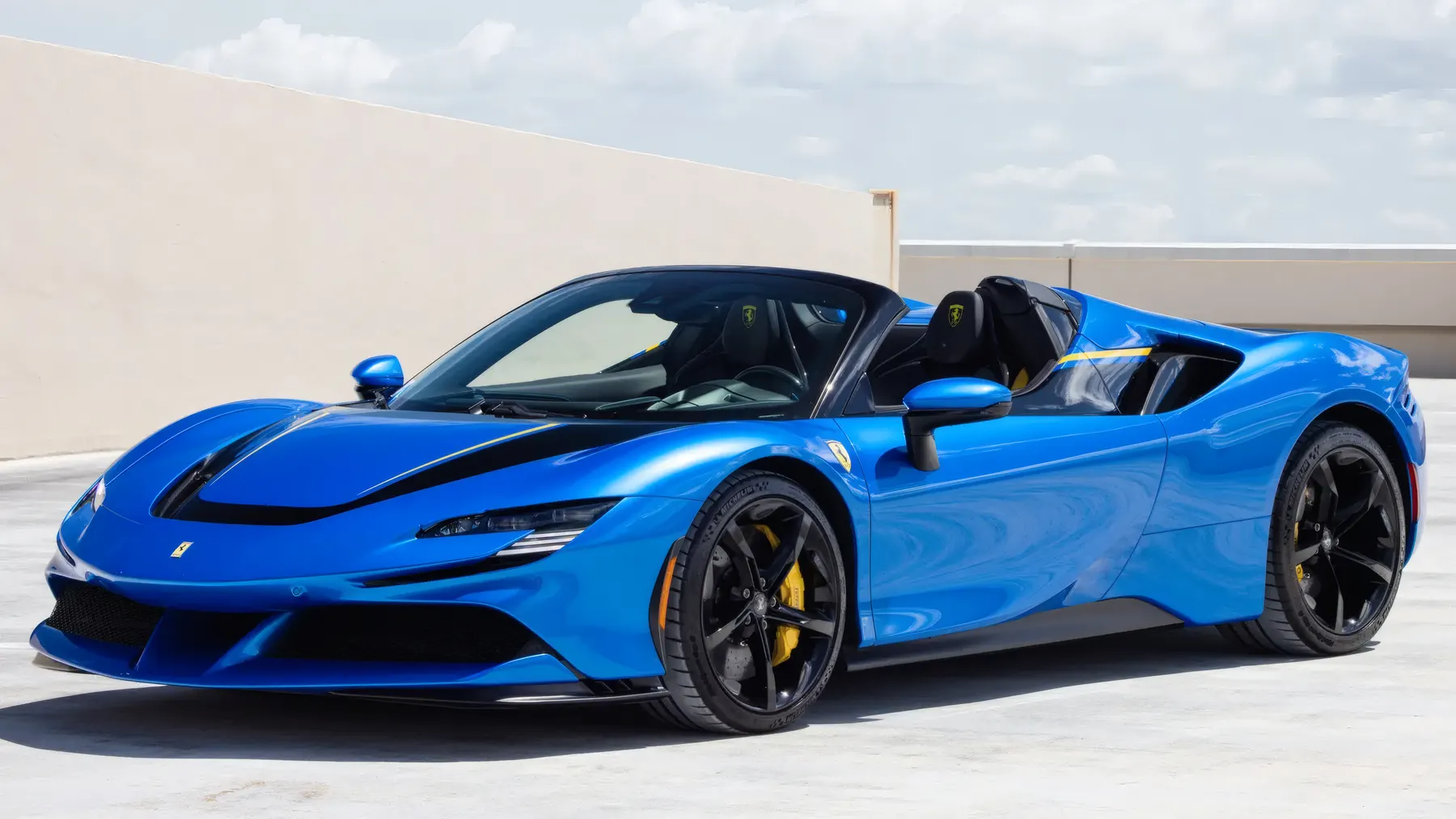
Cars that made an emerging technology, layout or performance idea tangible at the moment it began reshaping the wider industry.
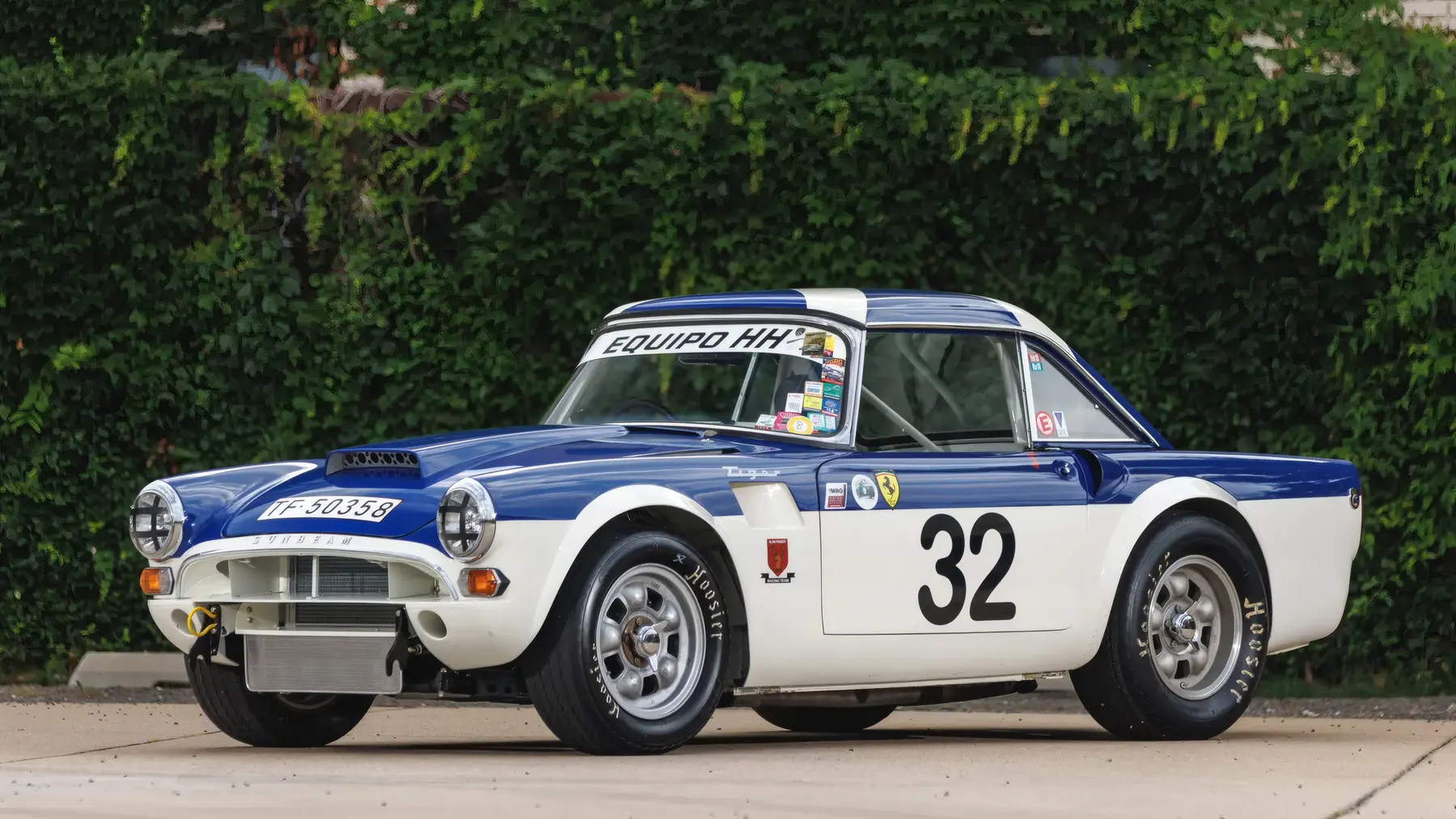
Unlikely partnerships between manufacturers, designers, engineers and private teams that produced cars no participant would have created alone under one roof.