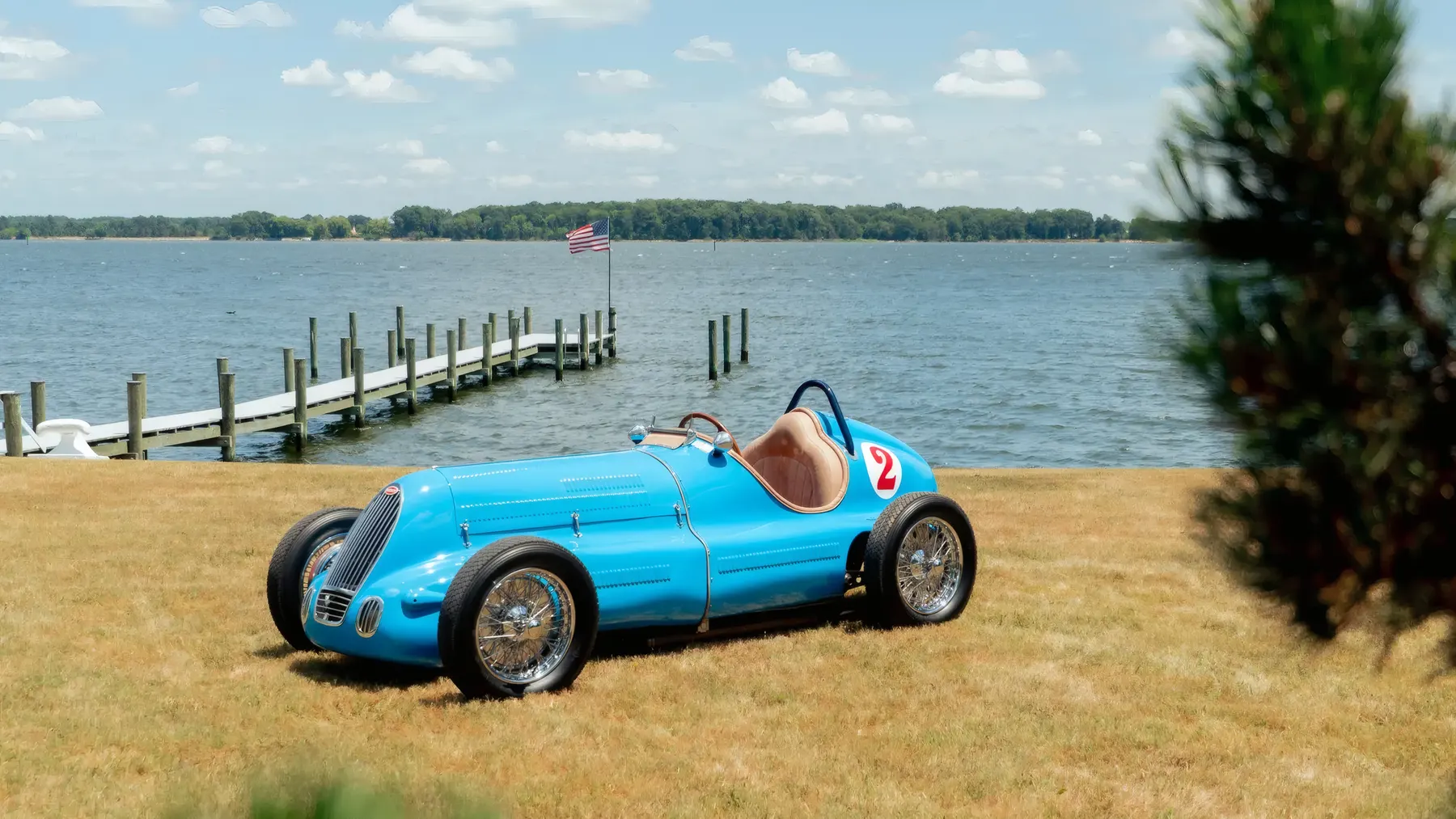
1935 Bugatti Type 57 Monoposto
Ettore Bugatti never sanctioned a Type 57 monoposto. No chassis card at Molsheim carries the designation, no factory photograph shows a single-seat Type 57 on a start line, and no period road test so much as me...
Curated collection
Familiar shapes reconsidered for a new purpose through substantial mechanical, structural or conceptual change rather than superficial restyling or commemorative trim.
Collection note
An icon creates its own constraint: change too little and the result feels cynical; change too much and the identity disappears. The cars here negotiate that problem through meaningful engineering. Ferrari rebuilt the Testarossa formula into the 512 TR while preserving its unmistakable silhouette; Porsche made the 911 Turbo work as a Cabriolet; and the Monza SP1 translated Ferrari’s barchetta history into a modern carbon-fibre flagship. Even the tiny Fiat Spiaggina transformed an economy car for an entirely different social purpose. These are recognisable machines, but their alterations go deeper than appearance, forcing an established design to perform a new role.
Ettore Bugatti never sanctioned a Type 57 monoposto. No chassis card at Molsheim carries the designation, no factory photograph shows a single-seat Type 57 on a start line, and no period road test so much as me...
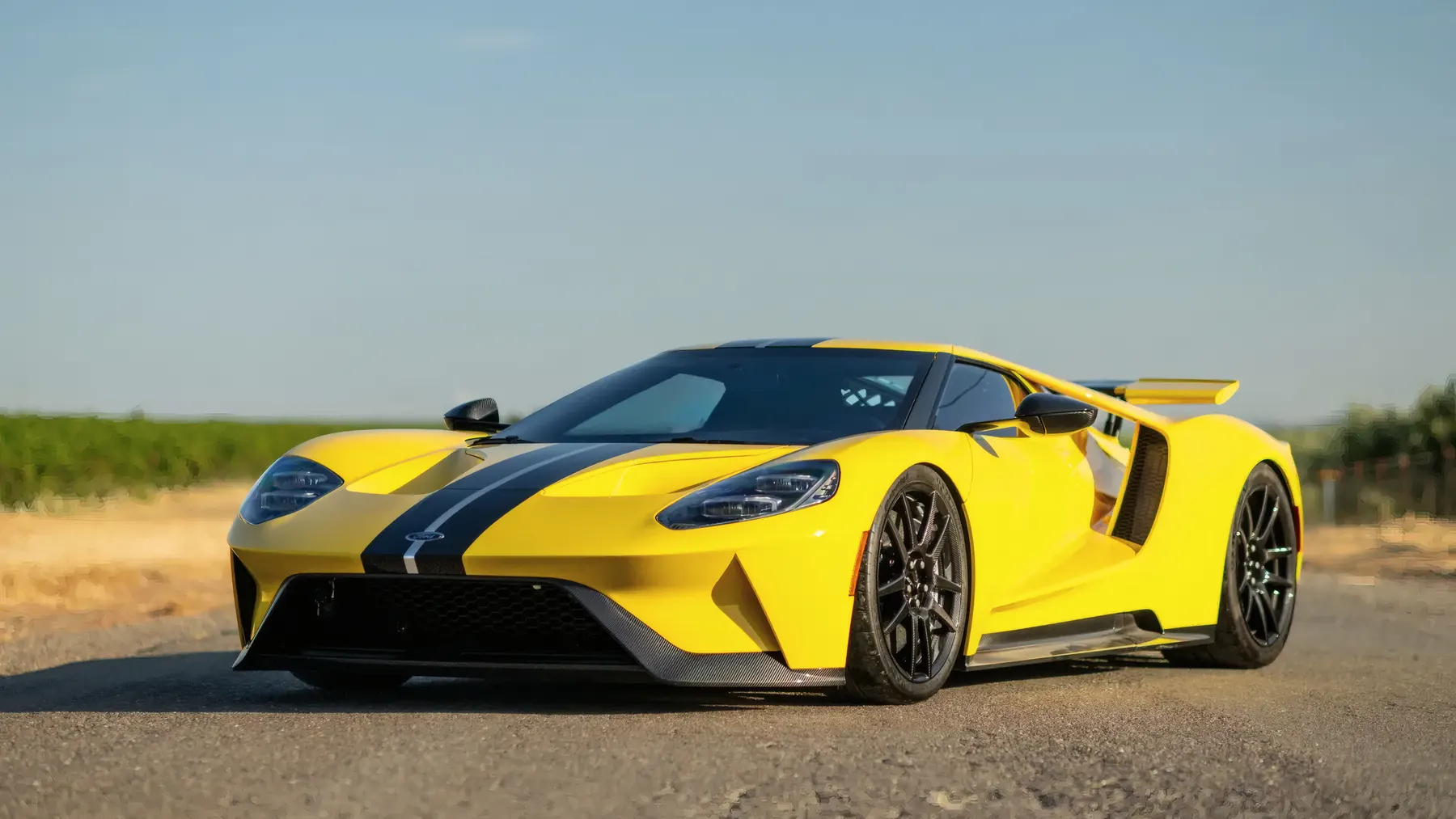
Ford's engineers cut the cupholders and the driver's-side storage bin from the second-generation GT to save weight, then turned around and left the air conditioning and the stereo in place. That single decision...

Porsche spent the better part of two decades convincing 911 Turbo buyers that all-wheel drive and a twin-clutch gearbox were simply how a fast 911 should work, the safest way of putting big turbocharged power d...
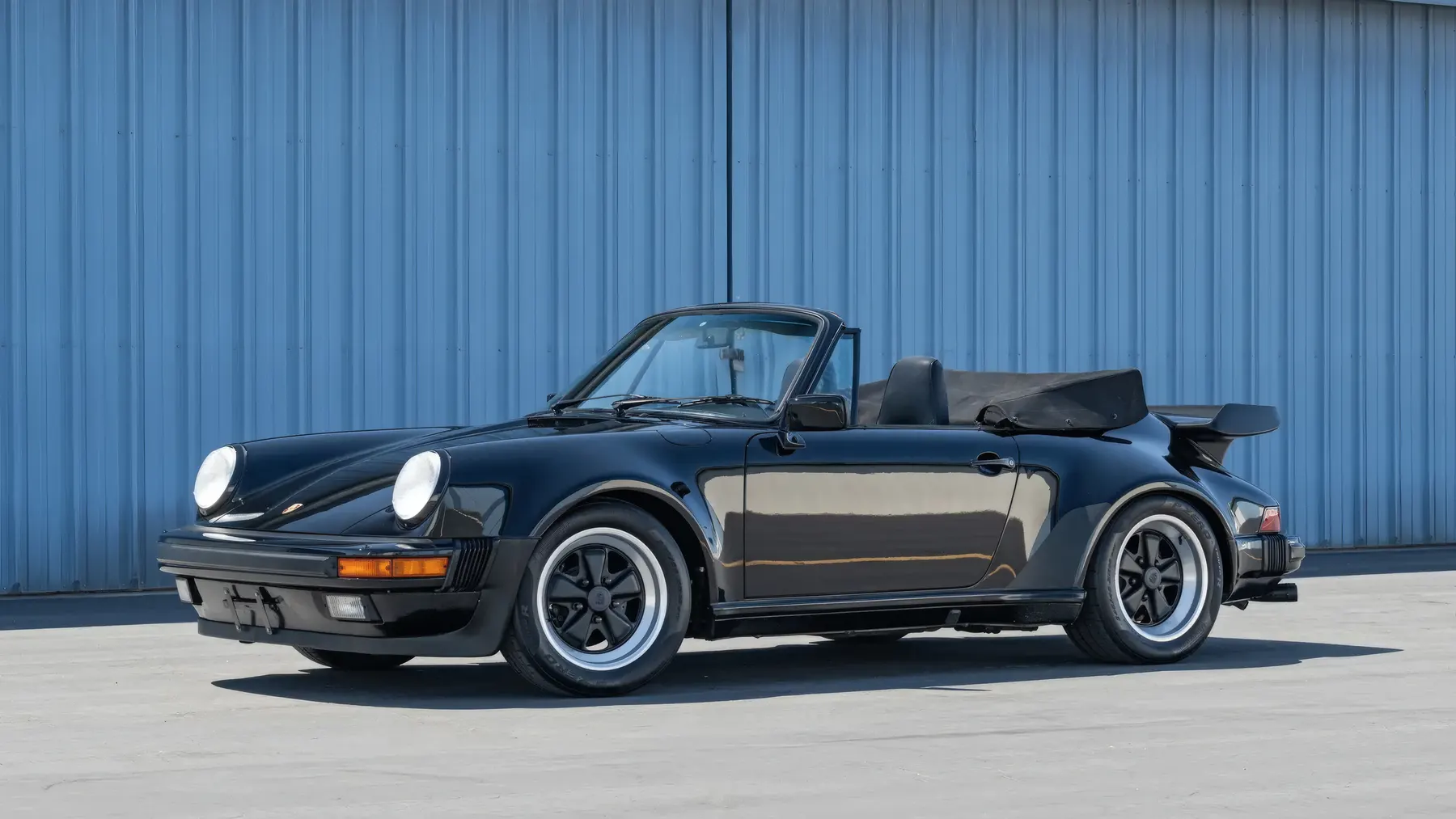
Take away a 911's roof and something structural goes missing along with the sheet steel. The lid ties the body together, tensioning the shell against the twisting loads a monocoque experiences on real roads. Do...

Ferrari's Capital Markets Day is normally a spreadsheet affair - five-year plans, margin targets, delivery projections delivered to a room full of institutional investors. In September 2018, Maranello used that...
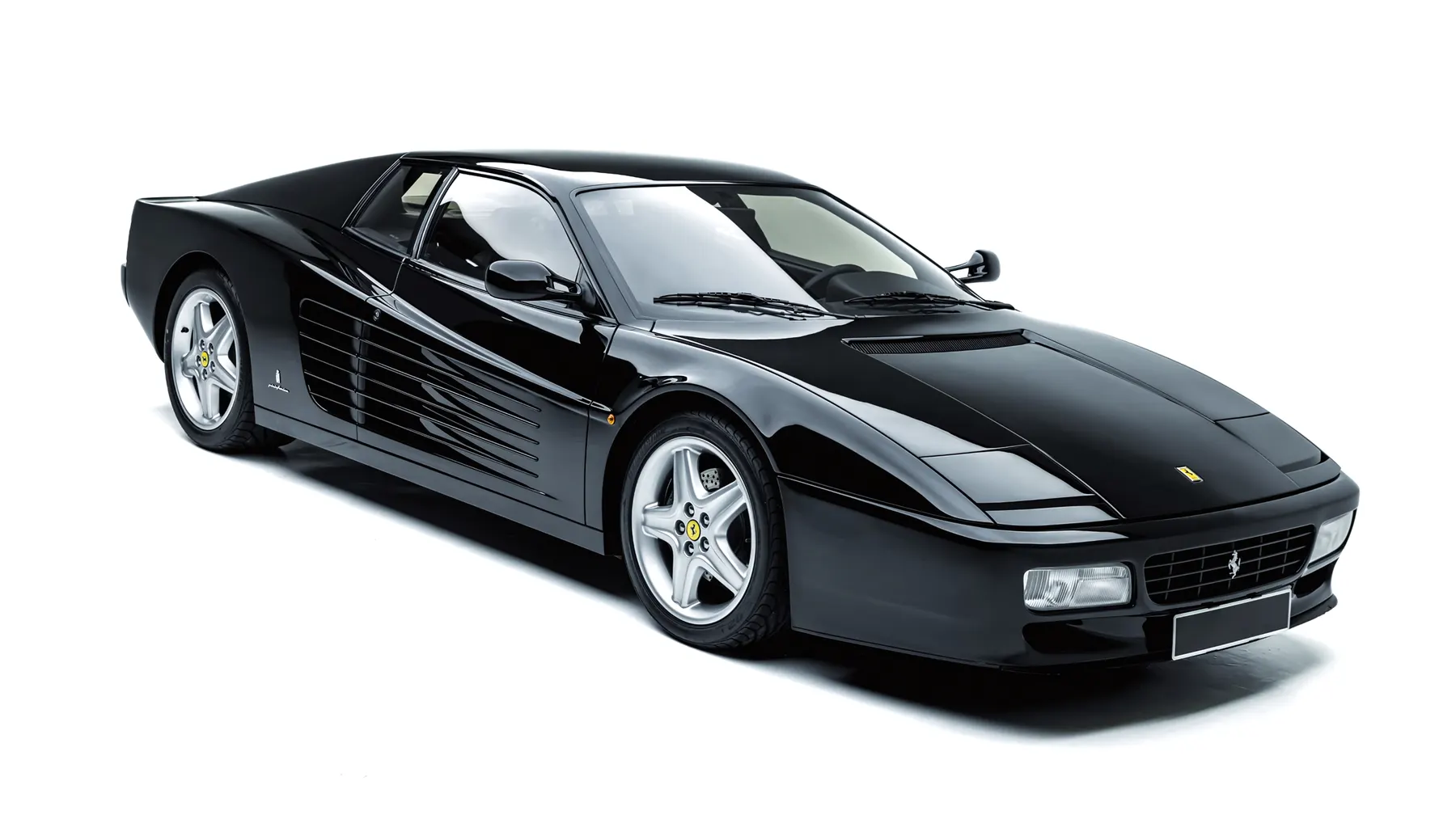
When Ferrari's engineers stood up at Fiorano in early 1992 to explain what they had done to the Testarossa, the most telling detail was what they had been told to leave alone: the silhouette. Pininfarina's swoo...
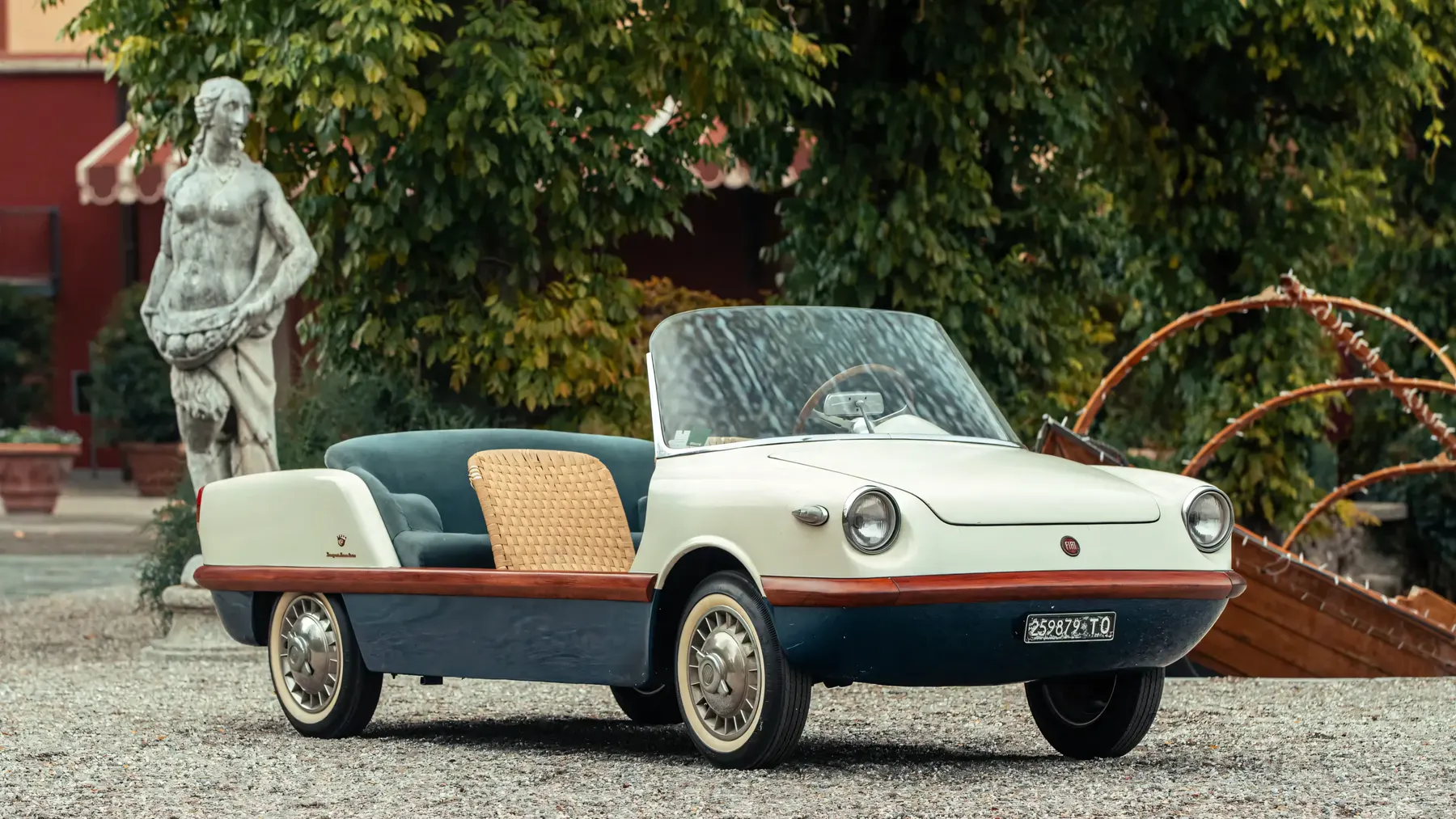
Gianni Agnelli didn't commission the Fiat 500 Spiaggina Boano to be admired in a showroom, or even driven very far. He wanted something to ferry his houseguests down the hillside at Villa Leopolda, his estate a...