1955 Jaguar XK 140 MC Coupé by Michelotti

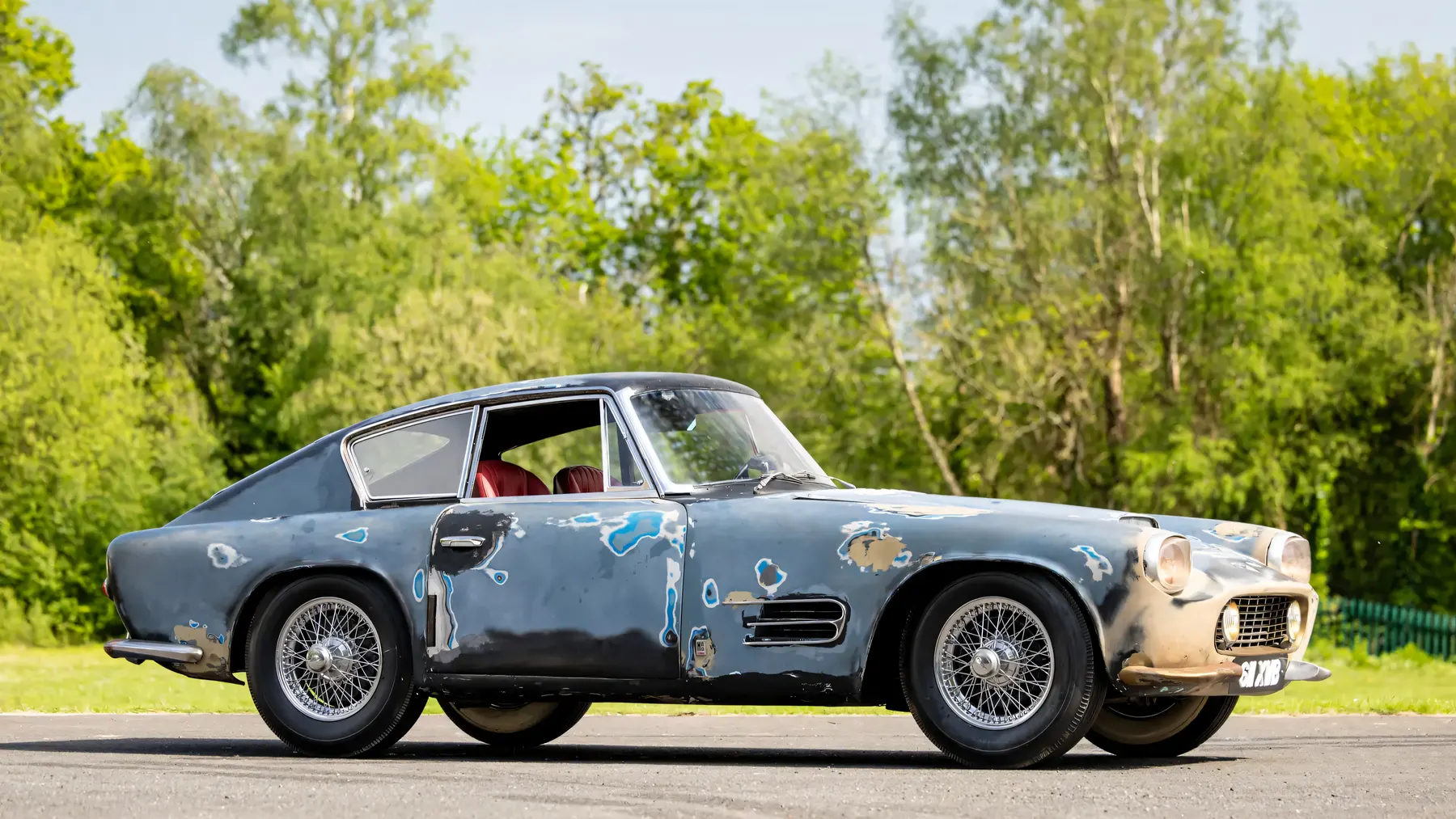
There is a particular breed of automobile that resists easy categorisation - one that exists not quite as a production car, not quite as a show car, but somewhere in the charged creative space between a chassis and a vision. The Jaguar XK 140 SE Coupé bodied by Giovanni Michelotti is exactly that: a singular object born from collision, crisis, and one man’s compulsion to improve on what Jaguar had already done rather well.
To understand why this car matters, you have to start where Jaguar started - with the XK engine. Designed by William Heynes, the 3.4-litre double overhead camshaft inline-six that powered the XK series was genuinely revolutionary when it debuted in the XK120 in 1948, and it remained the technical heart of the marque through the 1950s. By the time the XK 140 arrived in late 1954 as the XK120’s successor, Jaguar had refined the formula rather than reinvented it. The chassis was carried over from the earlier car in largely unmodified form, but the engineers addressed the XK120’s known weaknesses: rack-and-pinion steering replaced the older system, telescopic shock absorbers replaced the lever-arm design, suspension travel was increased, and crucially, the entire engine and firewall were moved forward by three inches to liberate meaningful legroom for drivers of more considerable stature. It was an evolution that showed Jaguar listening.
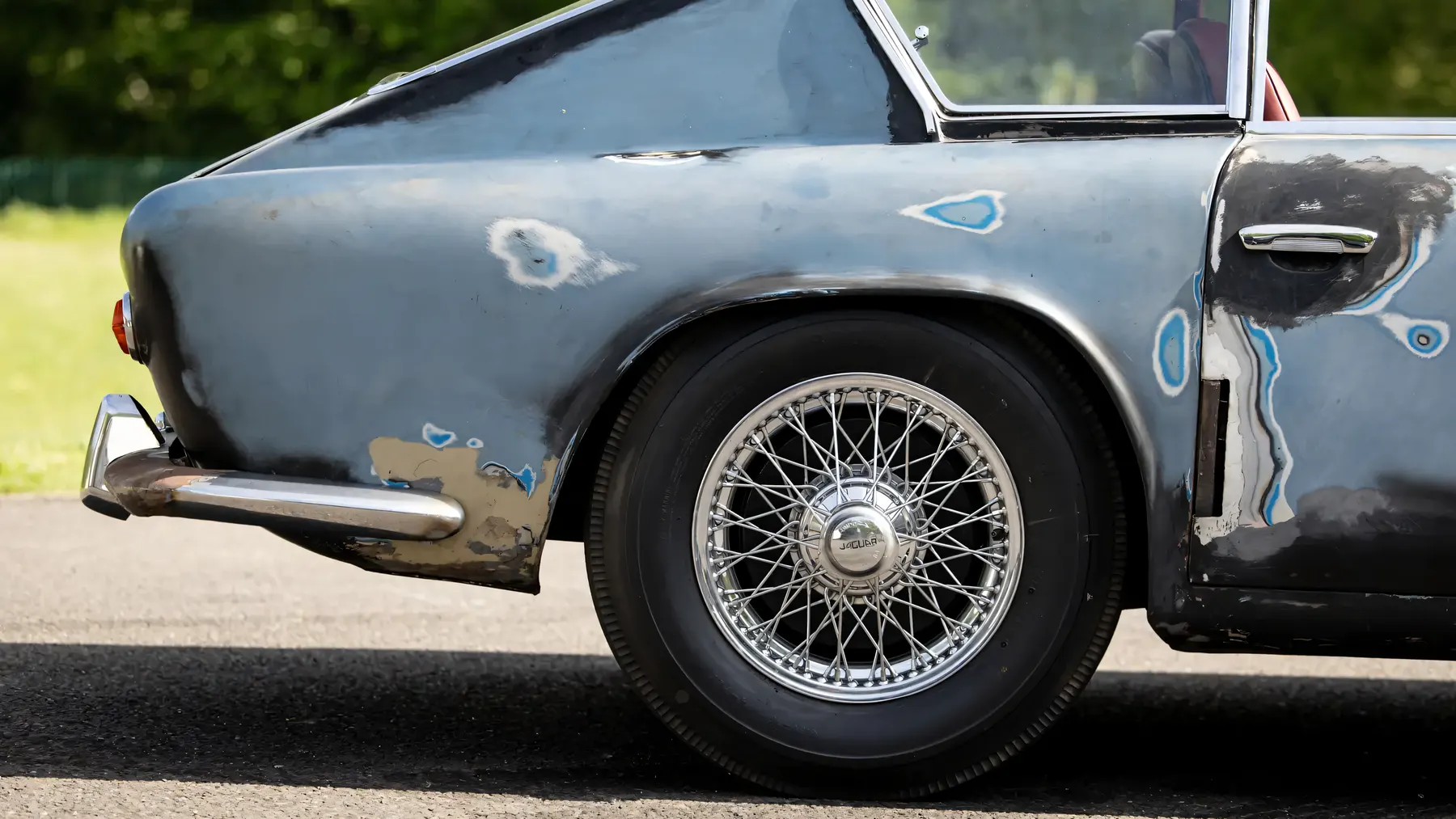
The Special Equipment designation - SE in Europe, MC in North America - was the version that enthusiasts sought. In this guise, the XK engine received the C-Type cylinder head from Jaguar’s Le Mans racing programme, paired with two-inch sand-cast H8 carburettors, high-lift camshafts, a 9.0:1 compression ratio, heavier torsion bars, and twin exhaust pipes. The result was 210 bhp at 5,750 rpm and 213 lb-ft of torque at 4,000 rpm - figures that placed the XK 140 SE among the most potent road cars of its era. Road tests of the period recorded top speeds in the 120–124 mph range and 0–60 mph times around 8.4 to 9.1 seconds, the variation depending on conditions and equipment. For 1955, these were not merely impressive numbers; they were benchmark numbers, the kind that made rival manufacturers quietly reconsider their own programmes.
The standard XK 140 Fixed Head Coupé was a handsome car - Sir William Lyons’s instinct for proportion consistently produced shapes that looked right - but it was undeniably the product of incremental improvement rather than fresh invention. Which is precisely where Giovanni Michelotti enters the picture. Born in Turin in 1921, Michelotti had spent his formative years working through the great Italian coachbuilding houses - Stabilimenti Farina, Vignale, Allemano, Bertone, Ghia - absorbing the disciplines and instincts of each before striking out on his own freelance career in 1949. He was, by any measure, the most prolific car designer of his generation, reportedly sketching over a thousand vehicles in his lifetime, with the ability - almost incomprehensibly - to produce complete first sketches in a single day and night working only with pencils. The Ferraris that won the Mille Miglia in 1951 and 1952 were his. The Maserati 3500GT, the Lancia Aurelia, the BMW 700 and the foundational BMW 1500 that redirected an entire brand - all Michelotti. His later work for Standard Triumph, producing the Herald, Spitfire, and Stag, confirmed his extraordinary range: this was a man equally at home defining a mass-market family car and sculpting an exotic one-off for a racing driver.
It is thought Michelotti bodied only three Jaguar XK 140s in total. The car under discussion here - the one in the style distinct from his Ghia-executed interpretation - represents a single, unrepeated design. The XK 140 SE in question originally left Coventry in May 1955 as a standard left-hand-drive Fixed Head Coupé for the French market, finished in Cream. An accident in 1957 destroyed both the original body and the engine, leaving the chassis as the only salvageable component. Presented to Michelotti, the disaster became an opportunity. He replaced everything above the sills with an aluminium fastback body of his own devising - a shape that is simultaneously Italian and Jaguar, belonging fully to neither tradition yet drawing from both.
The design is best understood in its details. At the front, a double-headlight arrangement sits either side of an oval grille - a departure from Jaguar’s single-light standard - while a bonnet scoop adds purposefulness without melodrama. The fastback roofline sweeps rearward with considerable elegance, the high waistline punctuated by chrome-lined side vents that recall the aeronautical enthusiasm then fashionable in Italian coachbuilding. Most intriguingly, the side profile incorporates a pop-out rear window adjoining the driver’s door - a functional quirk that suggests Michelotti was thinking about ventilation and everyday usability, not merely appearance. Inside, the dashboard instruments and switchgear were changed from Jaguar specification, with much of the hardware drawn from Lancia - a reminder that Michelotti’s world was one in which components migrated freely between marques according to availability and suitability, not brand loyalty.
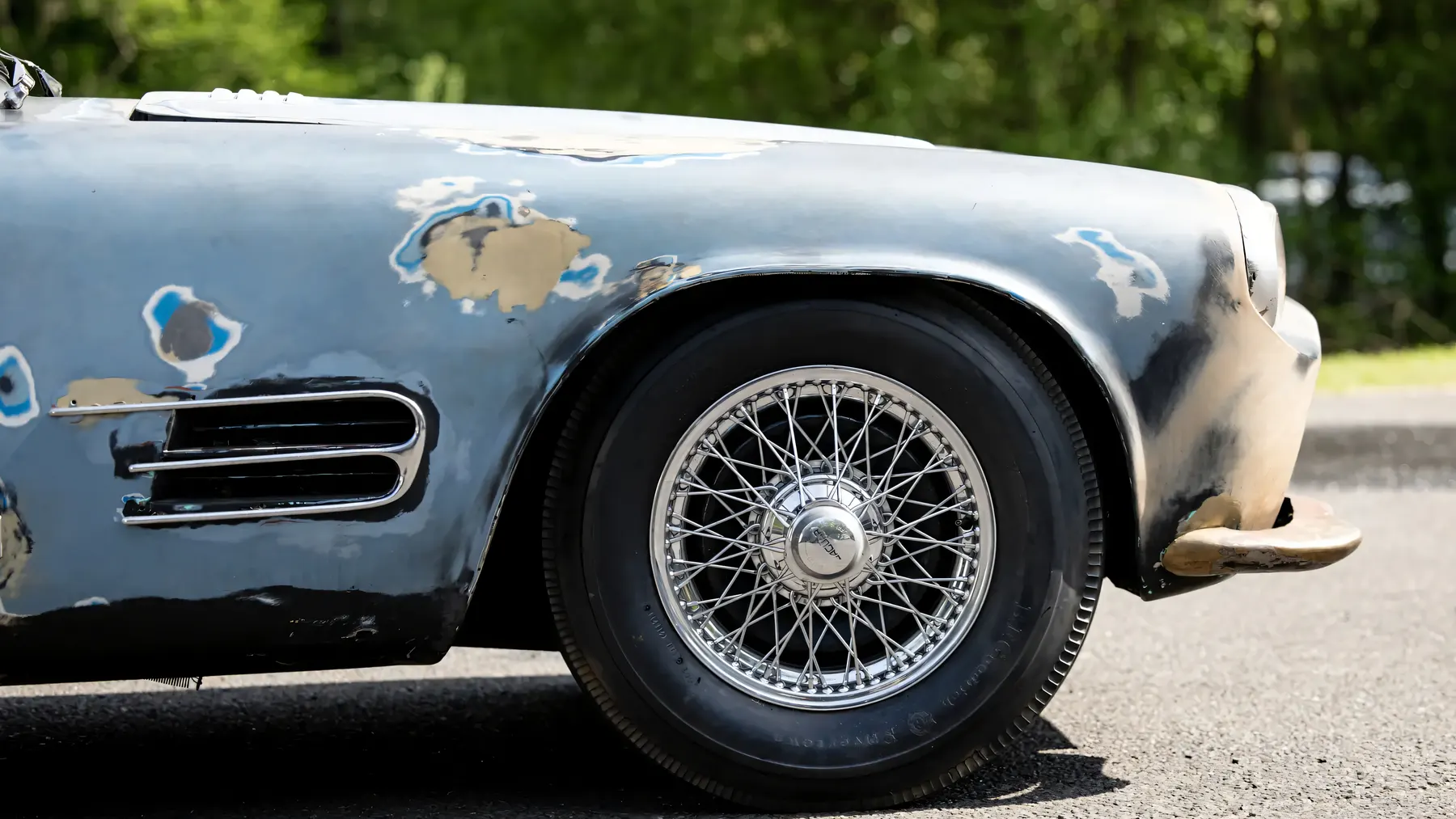
Contextualise this against the broader mid-1950s moment and the design reads as genuinely forward-thinking. The fastback coupé format was not yet the default idiom it would become through the 1960s; Michelotti’s choice signals an awareness of aerodynamic thinking that the mainstream industry was only beginning to absorb. The resemblance to his Ghia-executed XK 140 interpretation is present but not slavish - the two cars share a philosophy more than a specific solution, which is precisely what you would expect from a designer working out ideas across multiple commissions simultaneously.
Dynamically, the XK 140 SE was a car of considerable but not uncomplicated character. The C-Type engine is genuinely muscular in the mid-range, the twin carburettors producing a mechanical snarl that no amount of nostalgia has managed to romanticise beyond its actual quality. The Moss four-speed gearbox - shared with the standard car - had a reputation for being obstructive when cold, its synchromesh demanding patience and deliberate changes rather than the quick-wrist technique a driver might prefer. The rack-and-pinion steering was a genuine improvement over the XK120 setup, offering more precision and feel, though by modern standards the car requires the kind of committed physical engagement that the word “sports car” once genuinely implied. The brakes were improved over the earlier XK120 but remained drums all round, and at sustained high speed this began to matter. The XK 140 was not a car without limits; it was a car that rewarded intimacy with those limits.
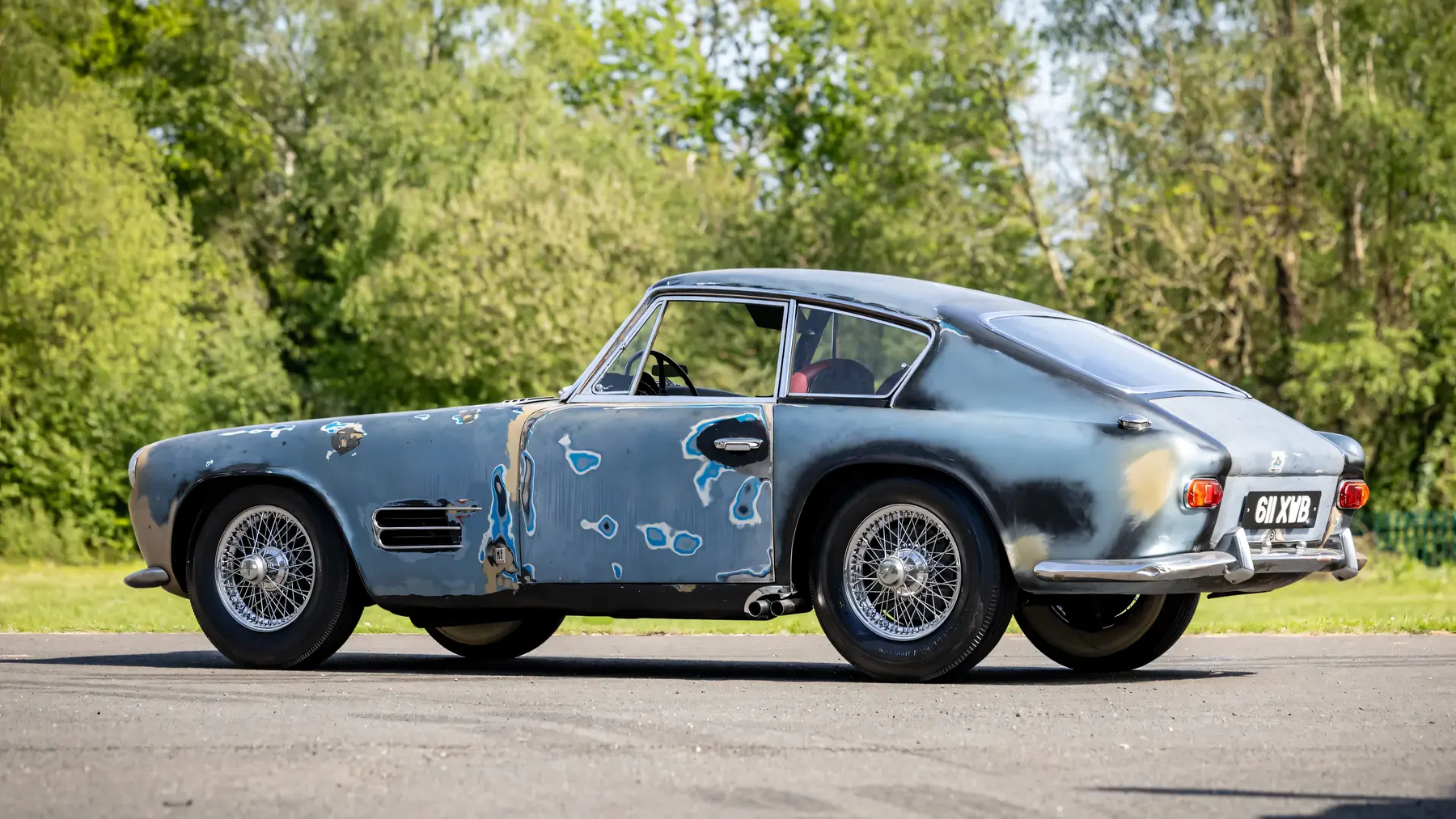
The aluminium Michelotti body adds one further layer of interest to the engineering equation. Aluminium construction was standard practice for Italian coachbuilders of the period - lighter than steel, easier to shape by hand, and corrosion-resistant in ways that pressed steel was not - but it also meant that structural behaviour differed from the factory car in ways that have never been formally documented. This is the honest caveat at the heart of any bespoke coachbuilt car: the original manufacturer engineered the body and chassis as a system, and when that relationship is altered, the consequences are sometimes predictable and sometimes not.
What this car represents, culturally and historically, is something richer than any single specification or performance figure can capture. The mid-1950s saw a brief but extraordinary moment when Italian coachbuilders regularly approached foreign manufacturers - or were approached by them - with the implicit proposition that their chassis, however fine, might be improved by different clothes. Zagato would exhibit their own XK 140 re-body at the 1957 Paris Motor Show, having been commissioned after a separate accident, and went so far as to build further XK150-based examples hoping to develop a commercial proposition. That both Zagato and Michelotti arrived at the same XK 140 in the same year, independently, via the same mechanism of accident and reconstruction, is either remarkable coincidence or simply evidence that Jaguar’s chassis was widely understood to be the finest available platform, deserving of the best Italian attention.
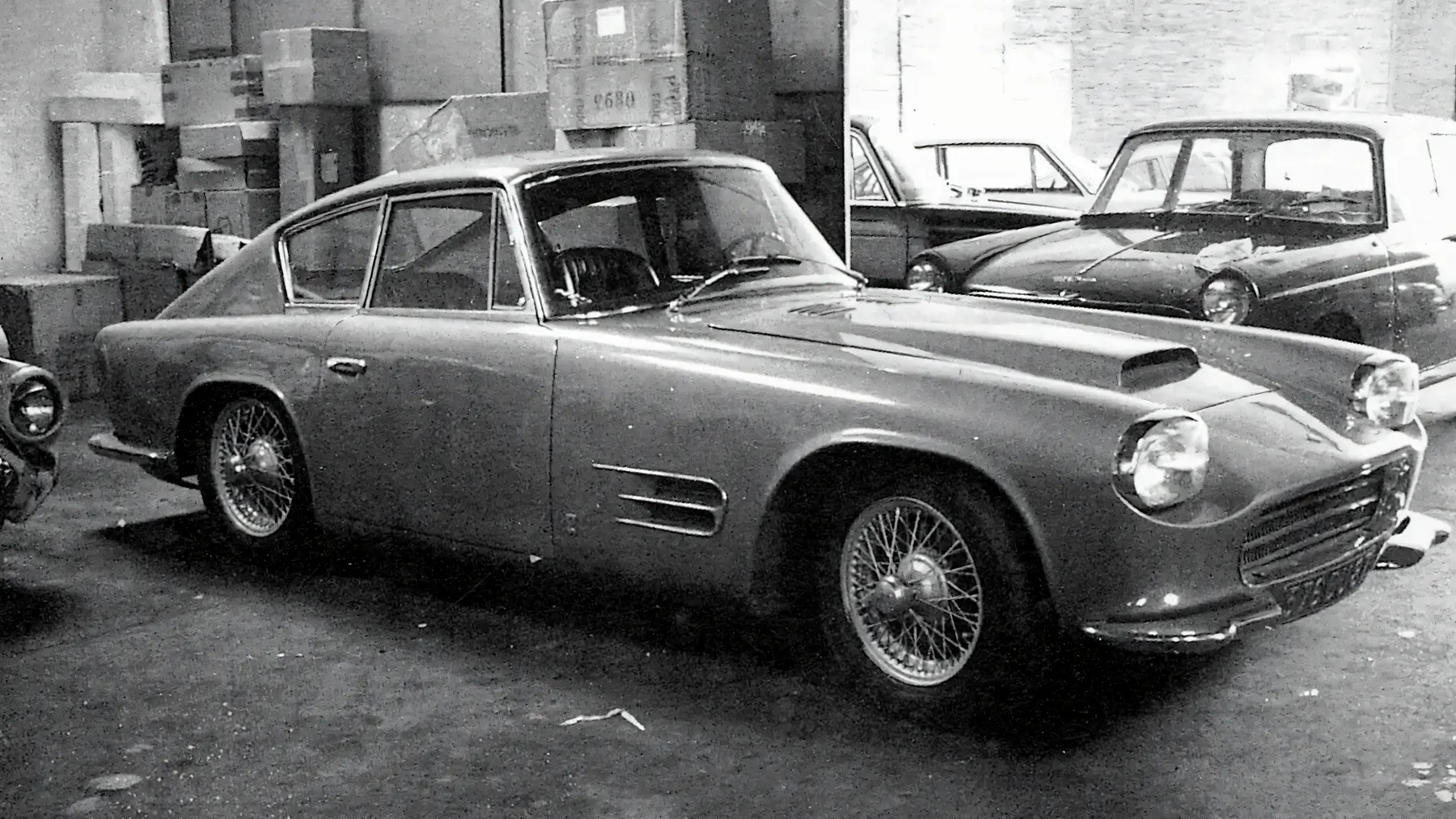
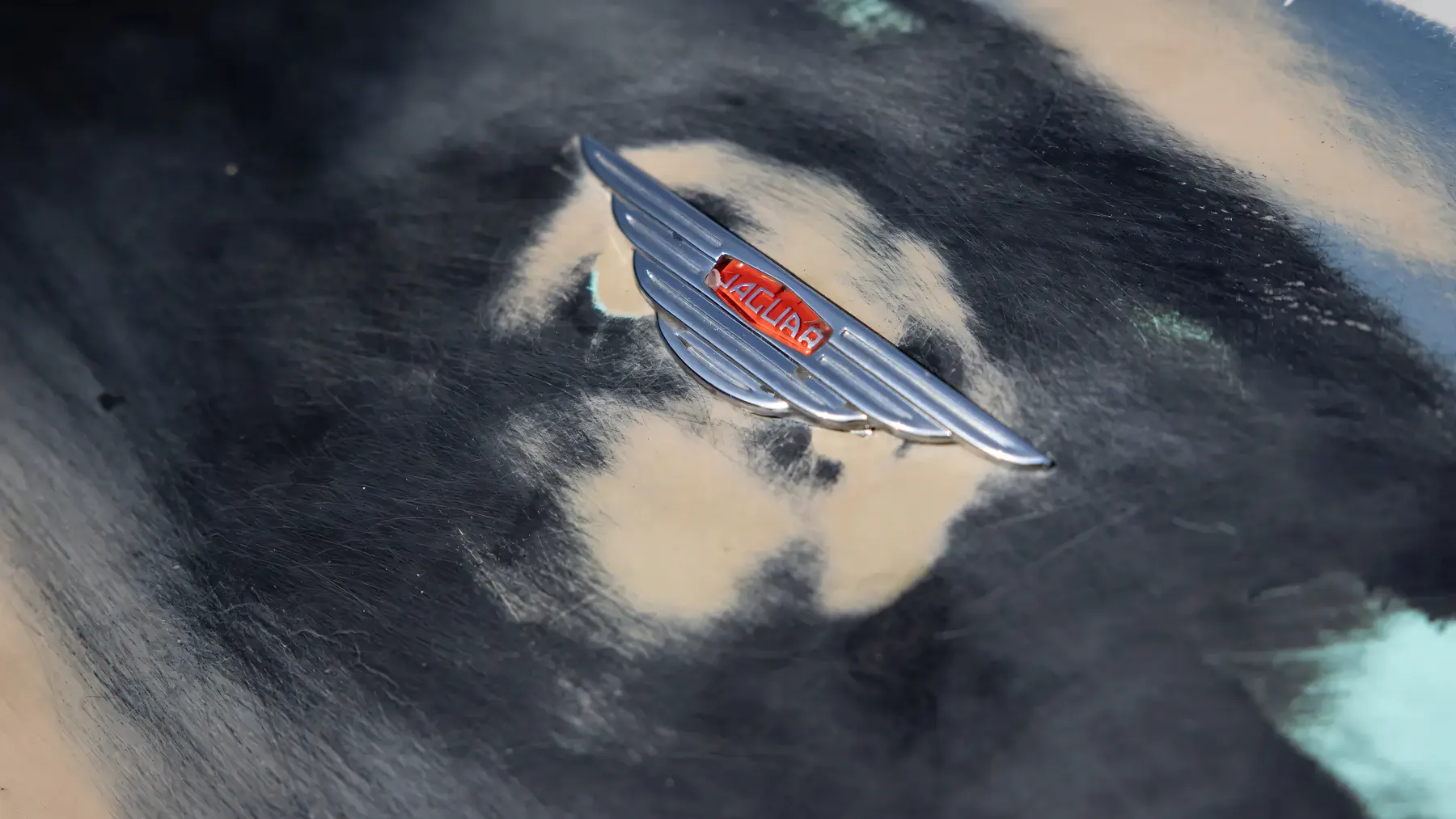
The car appeared at the Goodwood Festival of Speed in 2018 as part of the Cartier Style et Luxe display, its unfinished state arguably making it more eloquent rather than less - the evidence of time accumulated on something that began in enthusiasm and never quite reached completion. It is accompanied by a certificate from the Jaguar Daimler Heritage Trust, which represents the marque’s own acknowledgment of the car’s authenticity and significance.
Reception to Italian-bodied British sports cars of this period has always occupied a complicated space between admiration and unease among purists. There is a school of Jaguar thought that holds the original bodies as irreplaceable expressions of Sir William Lyons’s personal design genius - and it is not a position easily dismissed. But there is another equally valid position, which recognises that coachbuilt variants represent automotive culture at its most alive: the point at which individual patrons and visionary designers refuse to accept that the factory’s answer was the only answer. Michelotti’s three XK 140 bodies exist in that tradition, and the one in this particular fastback form - unrepeated, unrestored, certified and documented - sits at the intersection of two great national automotive traditions at a precise historical moment when both were at their creative peak.
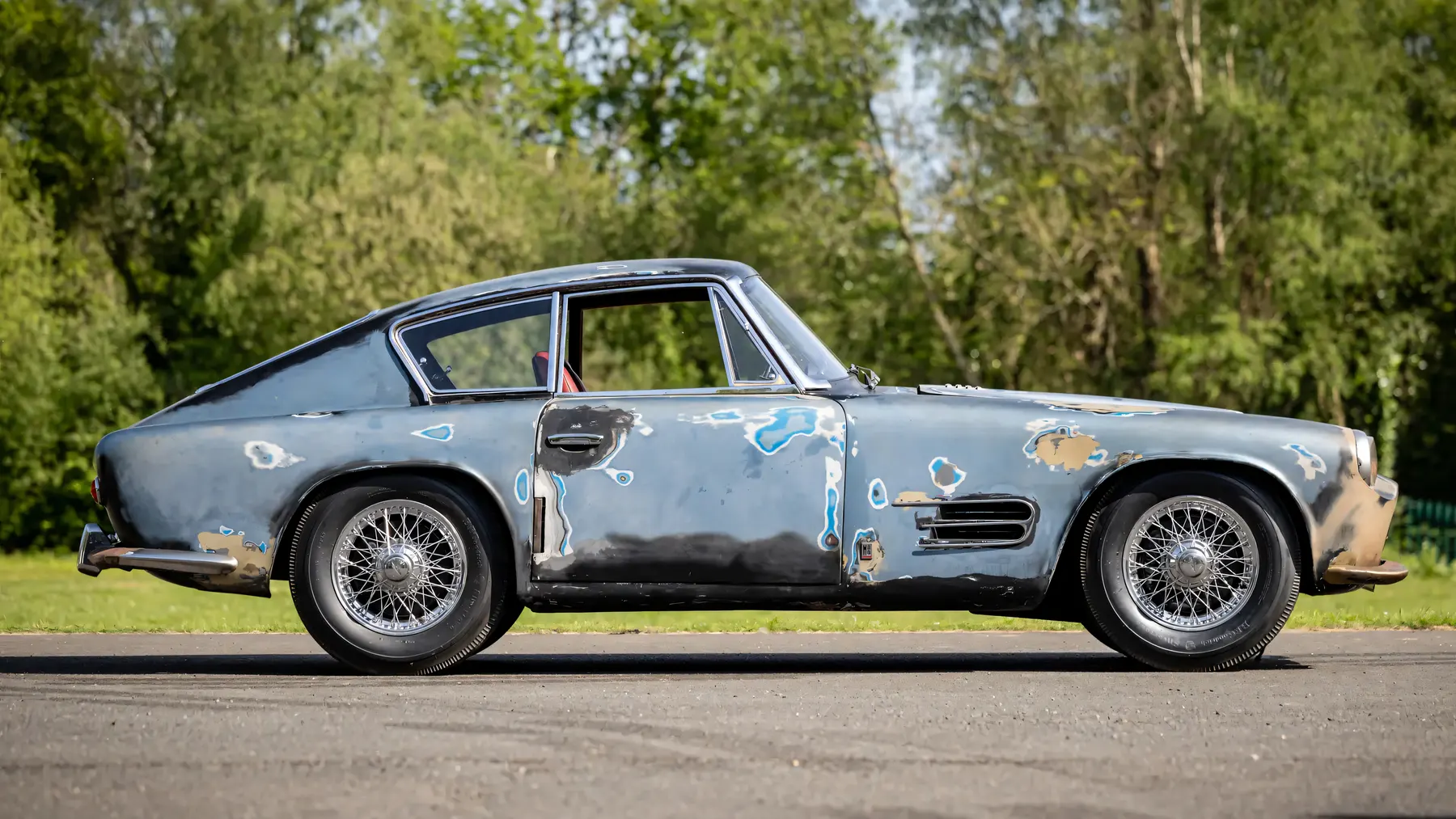
The XK 140 was built for three years and succeeded by the XK 150 in 1957. The line eventually gave way to the E-Type, and the XK engine’s legacy continued long after the cars it powered had become collectables. Michelotti himself would go on designing until his death in January 1980, leaving behind a body of work whose breadth still astonishes automotive historians. But somewhere in the middle of all that productivity, for three Jaguar chassis and a moment of genuine artistic risk, he turned an accident into something that never existed before and has never existed since. That is not a bad epitaph for a car, or for the man who gave it its final form.
Join the discussion
Comments
Loading comments…
Leave a comment
Share a detail, memory, or perspective. Every comment is reviewed before publication.