1960 Porsche 356 B 1600 Roadster by Drauz

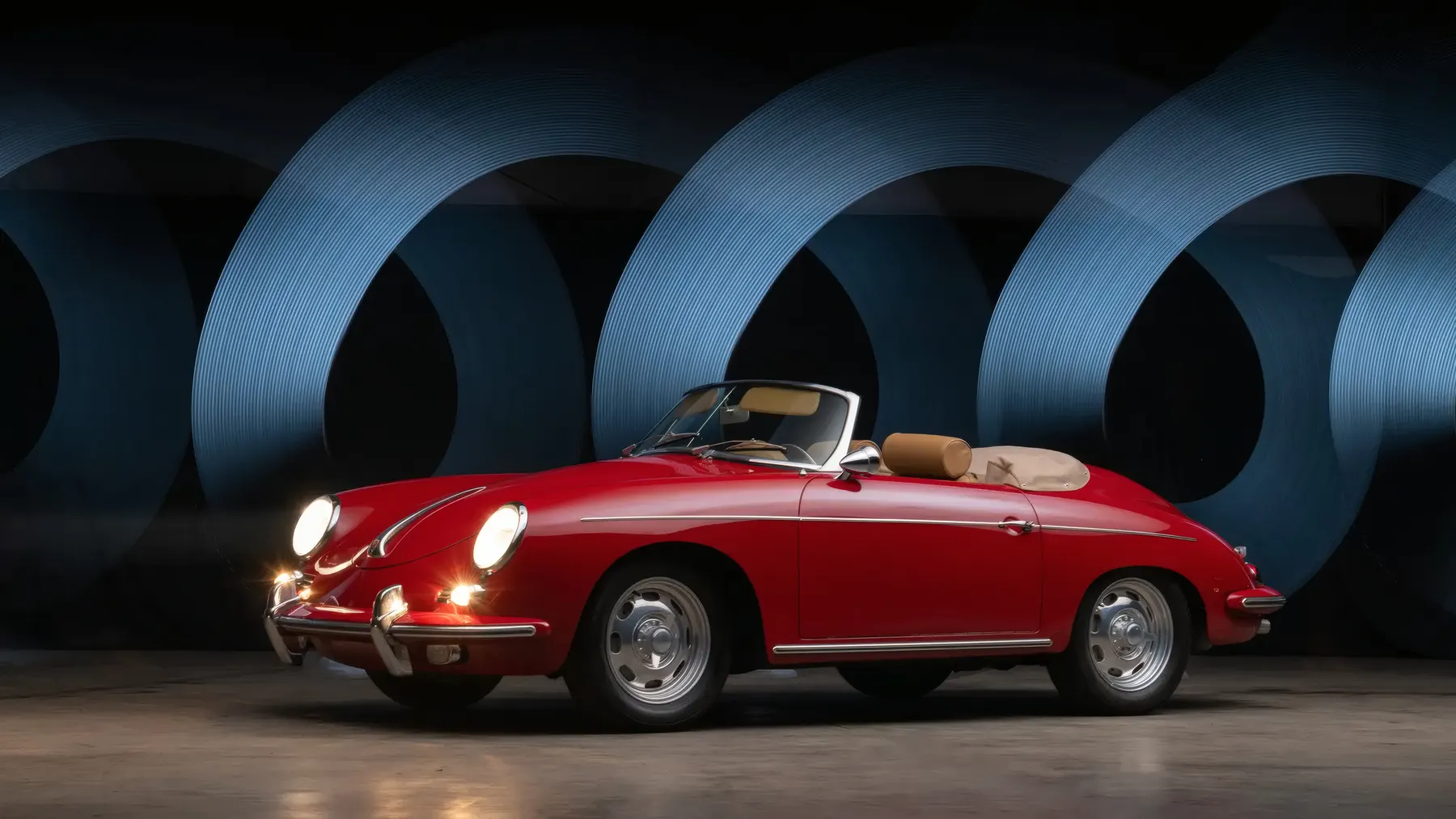
What Porsche handed Drauz in 1959 was not just a contract - it was a question: could a provincial coachbuilder in Heilbronn, better known for pressing Ford Taunus bodies, translate the spirit of the Speedster into something more refined without killing it? The answer, assembled across roughly 2,177 T5-body Roadsters before Drauz lost the commission to D’Ieteren of Brussels in 1962, was a considered yes - with qualifications.
The Porsche 356 B 1600 Roadster by Drauz occupies a precise and fascinating position in the 356 lineage. It was the direct descendant of the Speedster and the Convertible D, itself a Drauz product, yet it arrived as the 356 B T5 generation brought the most coherent version of the original Porsche formula to date. The Convertible D - the “D” openly acknowledging its Heilbronn origins - had bridged the raw austerity of the Speedster with a more civilised brief, giving buyers wind-up side windows and a taller windscreen. The 356 B Roadster continued that trajectory, but now as a proper model designation rather than an interim measure, sitting at the more sporting end of a lineup that also included the Coupé, Cabriolet, and the curious Hardtop Coupé.
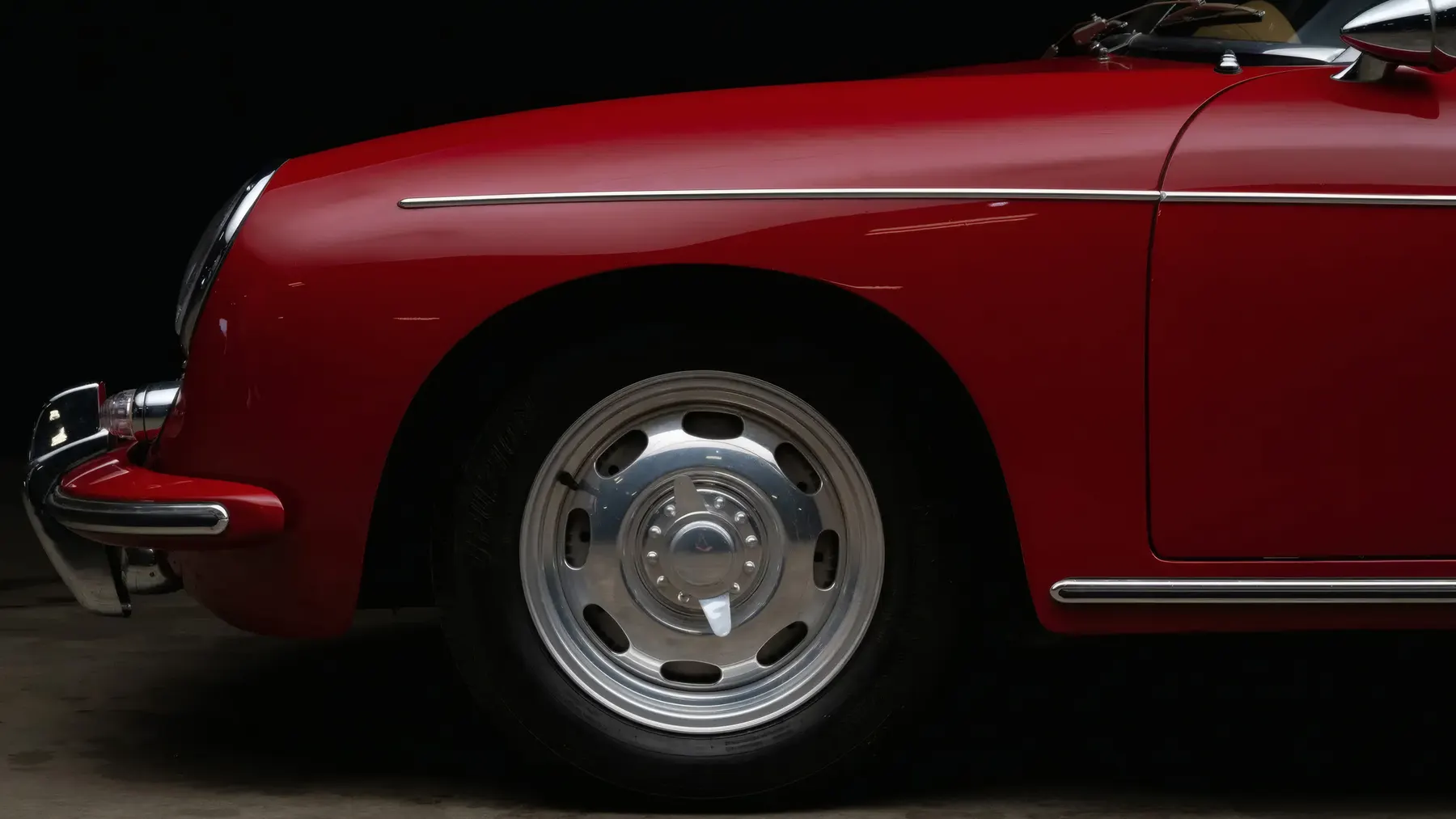
Within the T5 generation’s total Roadster production of approximately 2,653 units, the base 1600 variant powered by the Type 616/1 engine was the entry point. That flat-four displaced 1,582cc, breathed through a pair of Zenith carburettors, and produced 60 bhp at 4,500 rpm, with 81 lb-ft of torque arriving at the same point in the rev range. Buyers who wanted more urgency could specify the 1600 Super, pushing output to 74 bhp at 5,000 rpm and 87 lb-ft of torque, or go further still with the Super 90, whose Type 616/7 engine - with its roller-bearing crankshaft and twin Zenith 32 NDIX carburettors - delivered 86 bhp at 5,500 rpm and 89 lb-ft. The Super 90 Roadster, with a kerb weight of around 820 kg and that peaky engine, was genuinely rapid for its era, capable of reaching 110 mph.
The engineering of the 356 B platform itself deserves recognition independent of the engine choice. The rear-mounted air-cooled flat-four, hung behind the rear axle centreline, gave the 356 its famously distinctive weight distribution - and, if you pushed it, its famously distinctive handling consequences. Porsche had spent the entire 356 A era refining the suspension geometry, and by the T5 the front torsion bar setup and rear swing-axle arrangement were well-sorted within their inherent limits. The 15-inch wheels introduced across the 356 B range improved straight-line stability and reduced the nervous steering response that had characterised earlier cars. These weren’t modern dynamics, but within the physical laws available to a 820 kg car with rear-bias and a willing 1.6-litre engine, the Roadster was genuinely engaging.
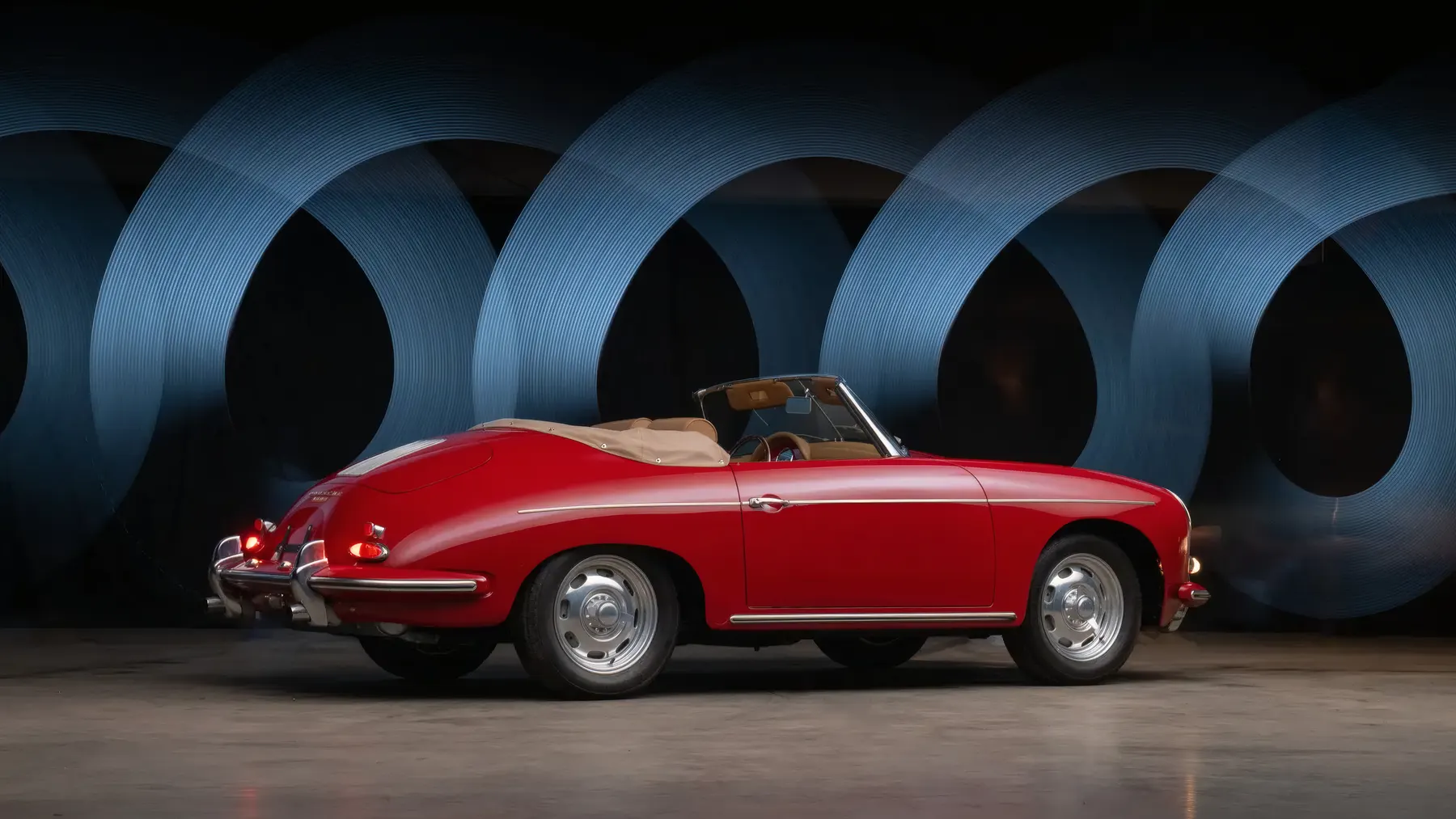
Drauz’s aesthetic contribution to this engineering package was restrained and effective. The Roadster body, compared to the Cabriolet produced by Reutter, had a cleaner, lower-slung look - no separate hood mechanism dominated the rear deck, and the folded soft top virtually disappeared behind the seats, giving the car’s posterior a taut, uncluttered elegance that the Cabriolet couldn’t match. The one-piece curved windscreen that the 356 B introduced over the earlier split-pane items gave the nose and cockpit a swept, unified character. The interior was spartan by contemporary grand-touring standards - roadster seats rather than full-padded thrones, minimal insulation - but this was a deliberate positioning choice as much as a cost constraint. Options such as Rudge knock-off wheels, reclining seats, and a dash-mounted cigar lighter indicate Porsche understood that buyers could personalise upward.
On the road - and for most Roadster owners, “the road” meant genuinely open, unencumbered driving - the 1600 Normal required patience that the Super and Super 90 variants did not. A 0–60 mph time of around 16.5 seconds in the base tune was not embarrassing for 1960, but it wasn’t sporting either. The reward was in the quality of mechanical engagement rather than outright pace: a precise, short-throw four-speed gearbox, a steering rack that communicated honestly through the column, and brakes that, while all-drum and modest in absolute stopping power, were well-matched to the performance on offer. The light weight meant the car always felt more agile than the numbers suggested, and the flat-four’s distinctive mechanical soundtrack - a dry, staccato bark at speed - never let the driver forget they were in something unusual.
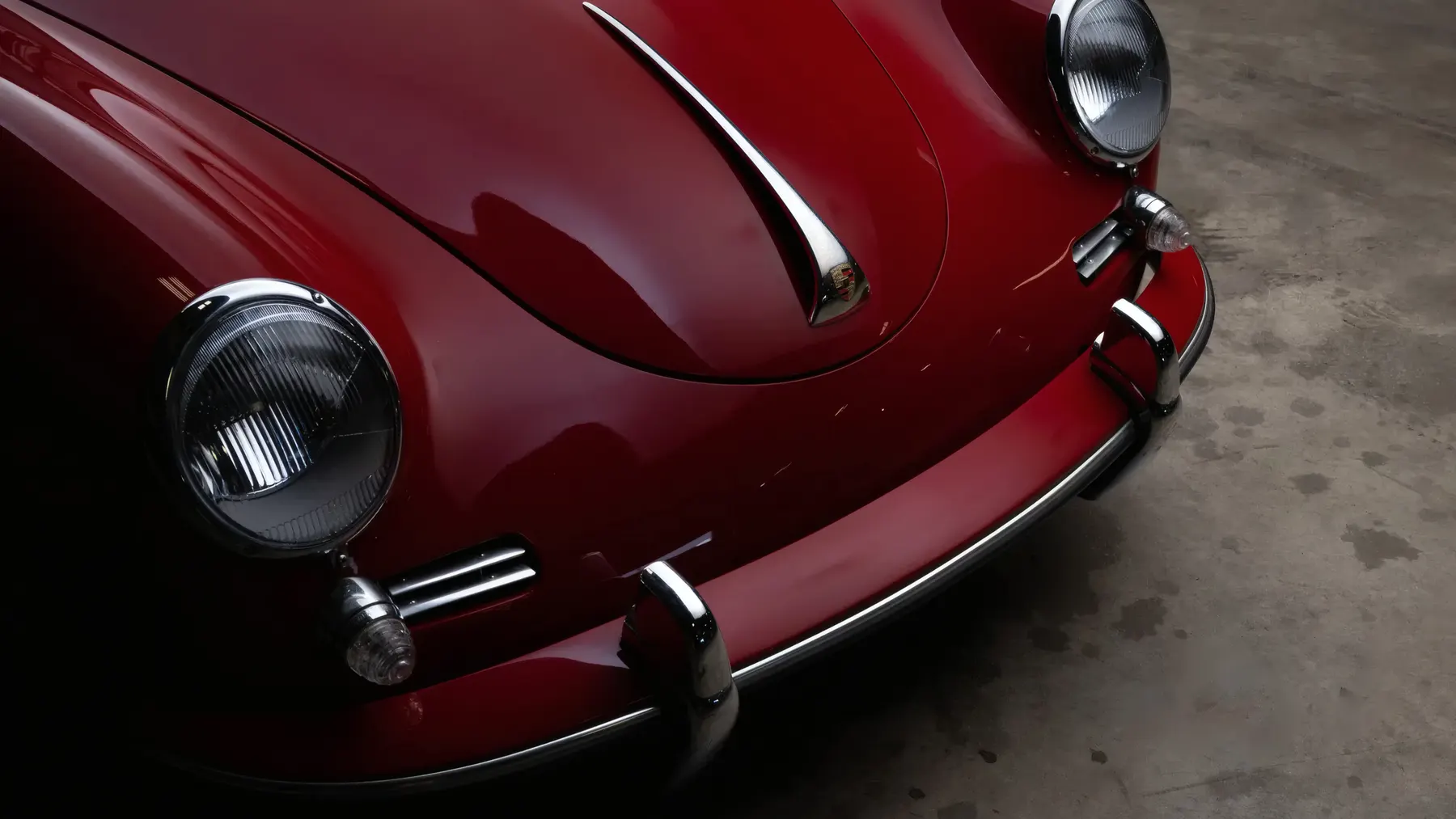
Where the Drauz Roadster genuinely distinguished itself was in its synthesis of competing demands. The Speedster had been raw; the Cabriolet was comfortable but softer in character and heavier in execution. The Roadster threaded between them, offering weather protection that was genuinely adequate rather than merely theoretical, in a body that maintained the visual drama of open Porsche motoring. The Drauz coachwork, hand-built in Heilbronn, had a quality of panel fit and material use that reflected the craft tradition of German coachbuilding at its functional best - not ornate, not precious, simply well-made.
Honesty requires noting the compromises. The swing-axle rear suspension could be provoked into oversteer that - at the limit, unladen, with too much corner entry speed - transitioned faster than novice drivers could manage. The weather protection, while improved over the Speedster and Convertible D, was still a soft-top affair, and cabin noise at motorway speeds was substantial. Luggage space was minimal, the front boot offering little beyond a weekend bag and the spare wheel. And the base 1600’s performance, while characterful, genuinely struggled on the steeper passes where a more powerful variant would simply pull. These were accepted engineering realities of a small rear-engined sports car from the turn of the 1960s, not oversights.
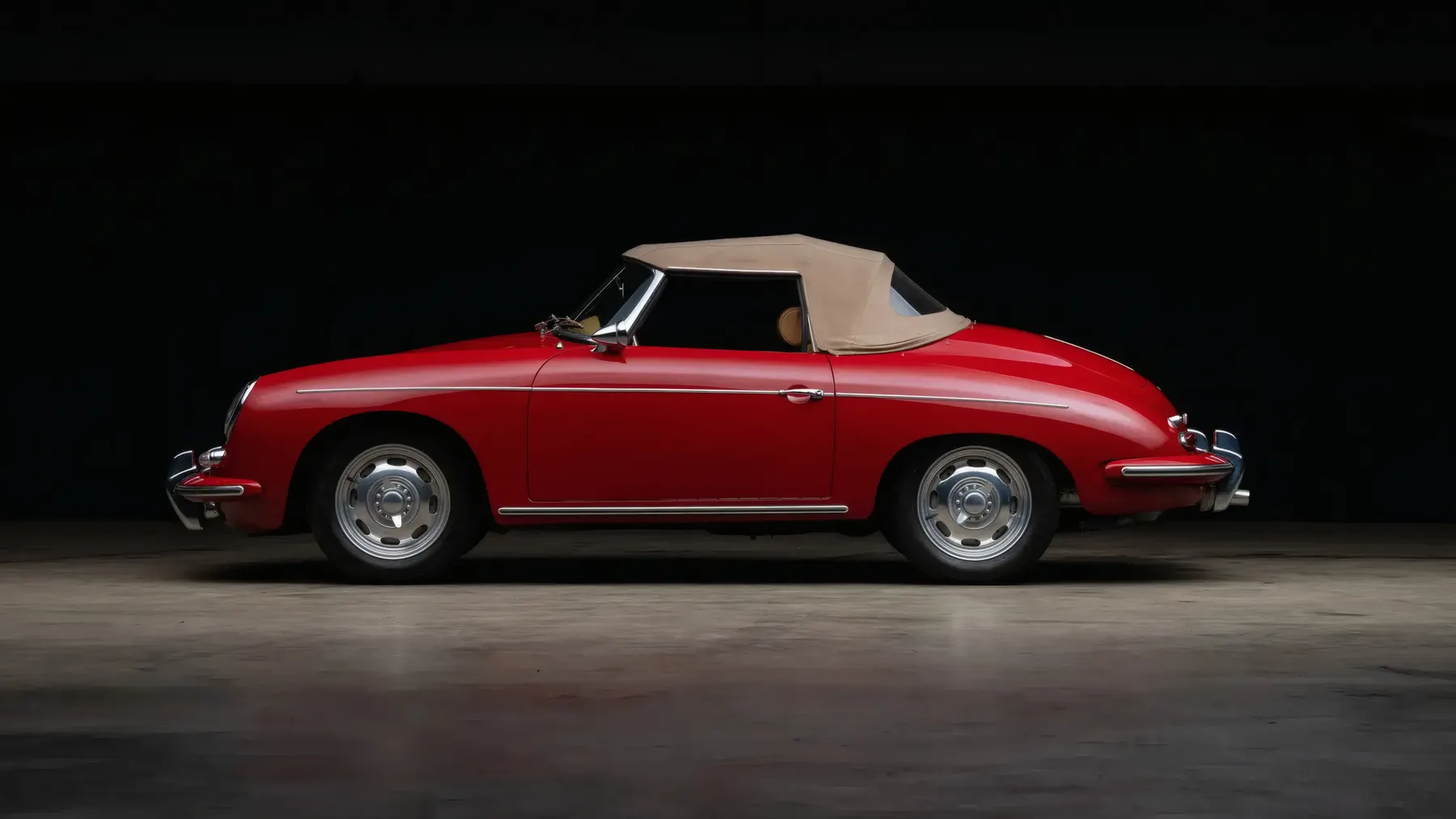
The Drauz connection ended not through any failure of quality but through commercial realpolitik - Drauz secured a large contract with Ford Germany that made continued Porsche Roadster production impractical, and from the T6 body revision onwards, D’Ieteren of Brussels took over the Roadster’s assembly. That transition in itself underlines how specialised and slightly fragile the Roadster’s production ecosystem was. The T5 Drauz Roadsters - across all engine variants - remain today the most directly associated with the Drauz name in 356 history, more so even than the Convertible D, because the Roadster designation itself became the model’s identity rather than simply the coachbuilder’s initial.
Critical reception in period was warm but measured. Road testers appreciated the combination of open-air character and mechanical sophistication, noting the 356 B’s refinements over earlier generations while acknowledging that the car remained fundamentally a driver’s tool rather than a grand tourer. The collector market has since ratified this judgement with considerable enthusiasm: Drauz Roadsters - particularly in Super 90 specification - consistently command strong results at auction, reflecting both genuine rarity and the car’s position at the intersection of Porsche’s sporting heritage and its coachbuilding history.
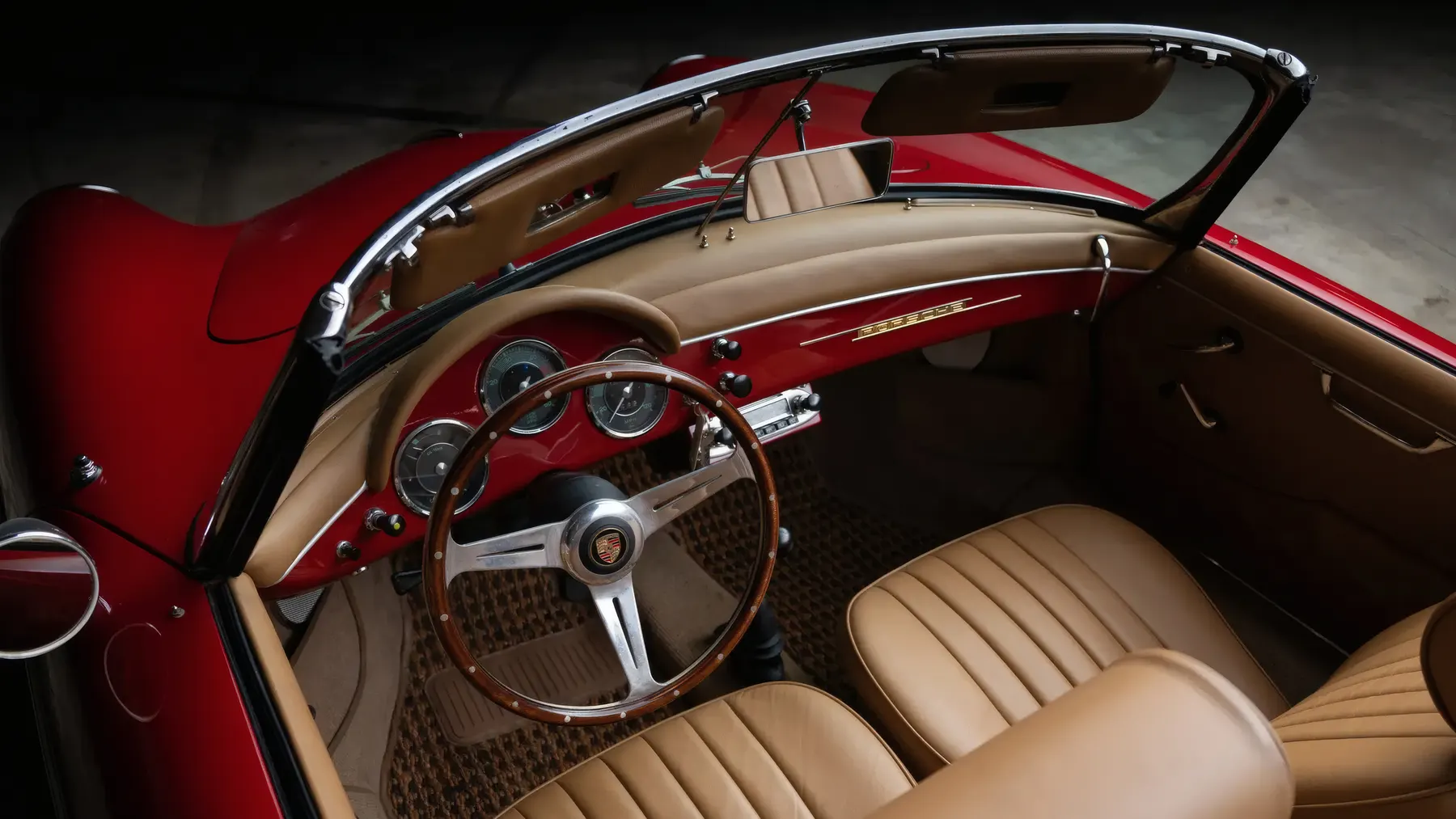
The 356 B 1600 Roadster by Drauz is, at its core, a record of a very specific moment - when Porsche was still small enough that it subcontracted its most characterful bodywork to a firm that also built Ford transit vehicles in a medium-sized German city, when a 1.6-litre air-cooled flat-four was still an honest performance proposition, and when the act of lowering a soft-top and driving on an open road required only that combination and nothing else. The Drauz badge in the door sill is not a footnote; it is the whole story of how a great car sometimes gets made.
Join the discussion
Comments
Loading comments…
Leave a comment
Share a detail, memory, or perspective. Every comment is reviewed before publication.