1963 Aston Martin DB4 'SS Engine' Series V Convertible

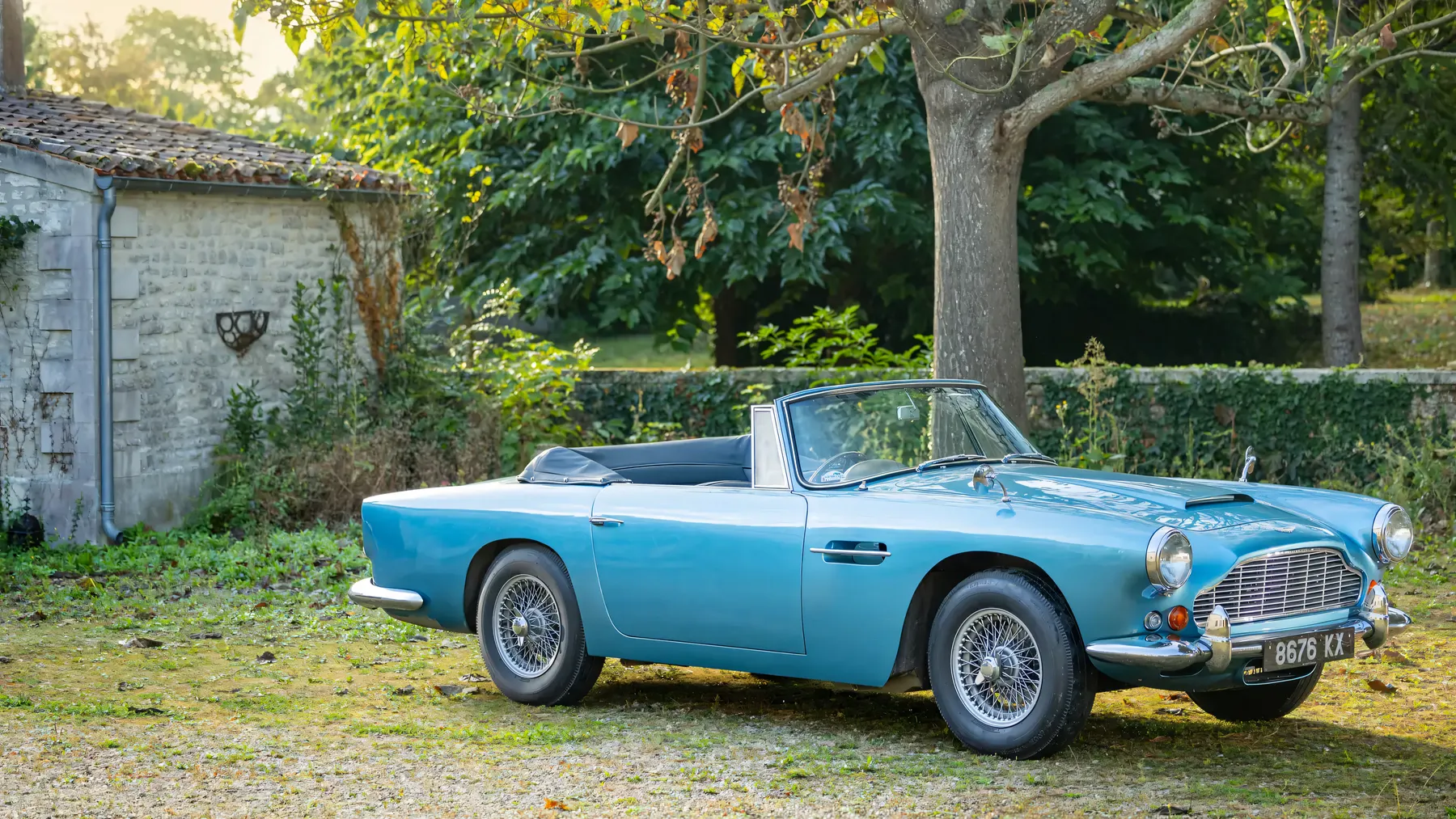
There are moments in automotive history when a manufacturer, almost by accident, produces something so right that it haunts the industry for decades. The Aston Martin DB4 ‘SS Engine’ Series V Convertible is one of those moments - crystallised into aluminium and Connolly hide, caught at the precise intersection of Italian sensibility and English obsession, and offered to the world in the final months before its own spiritual successor swept it from the stage.
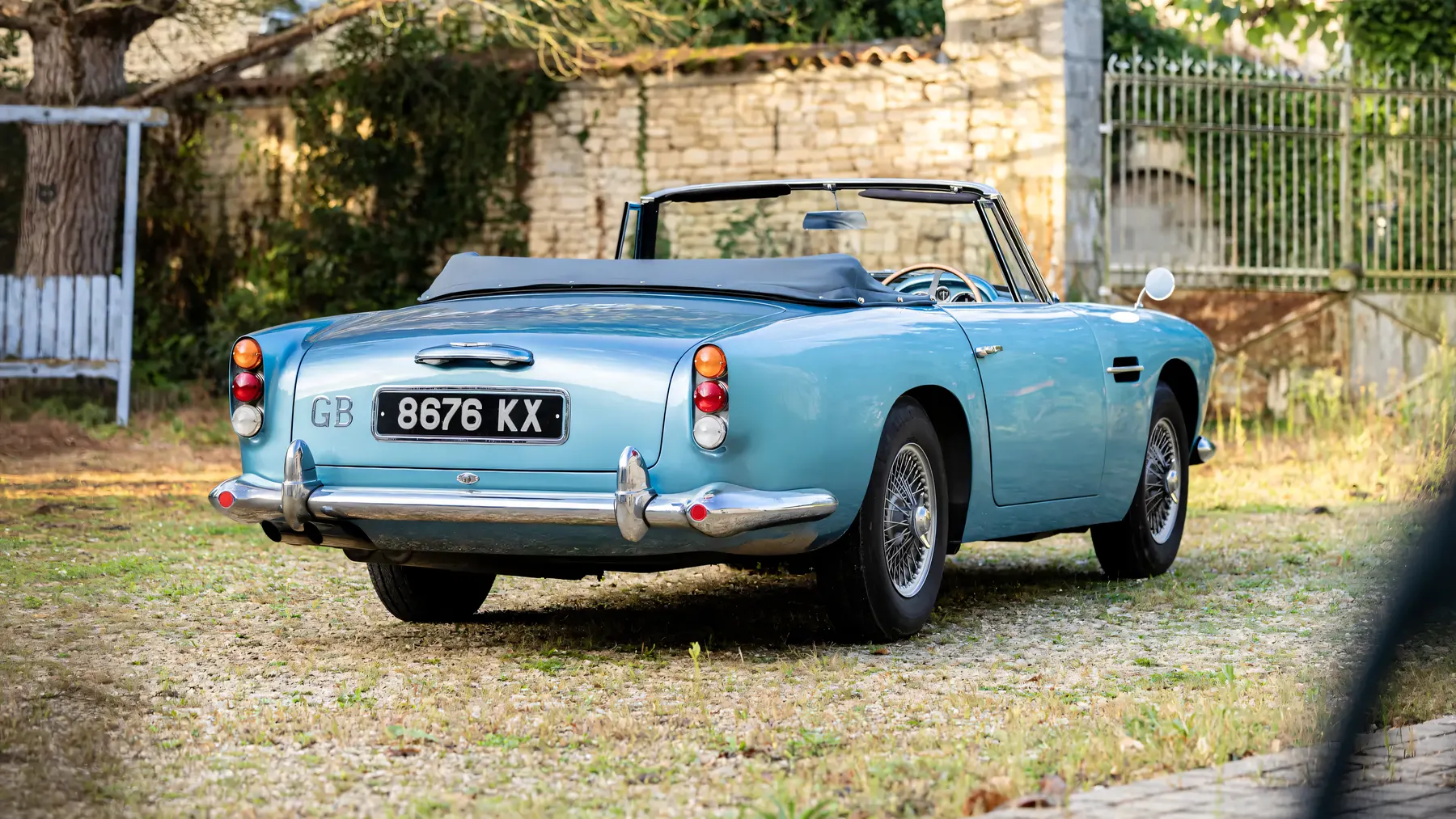
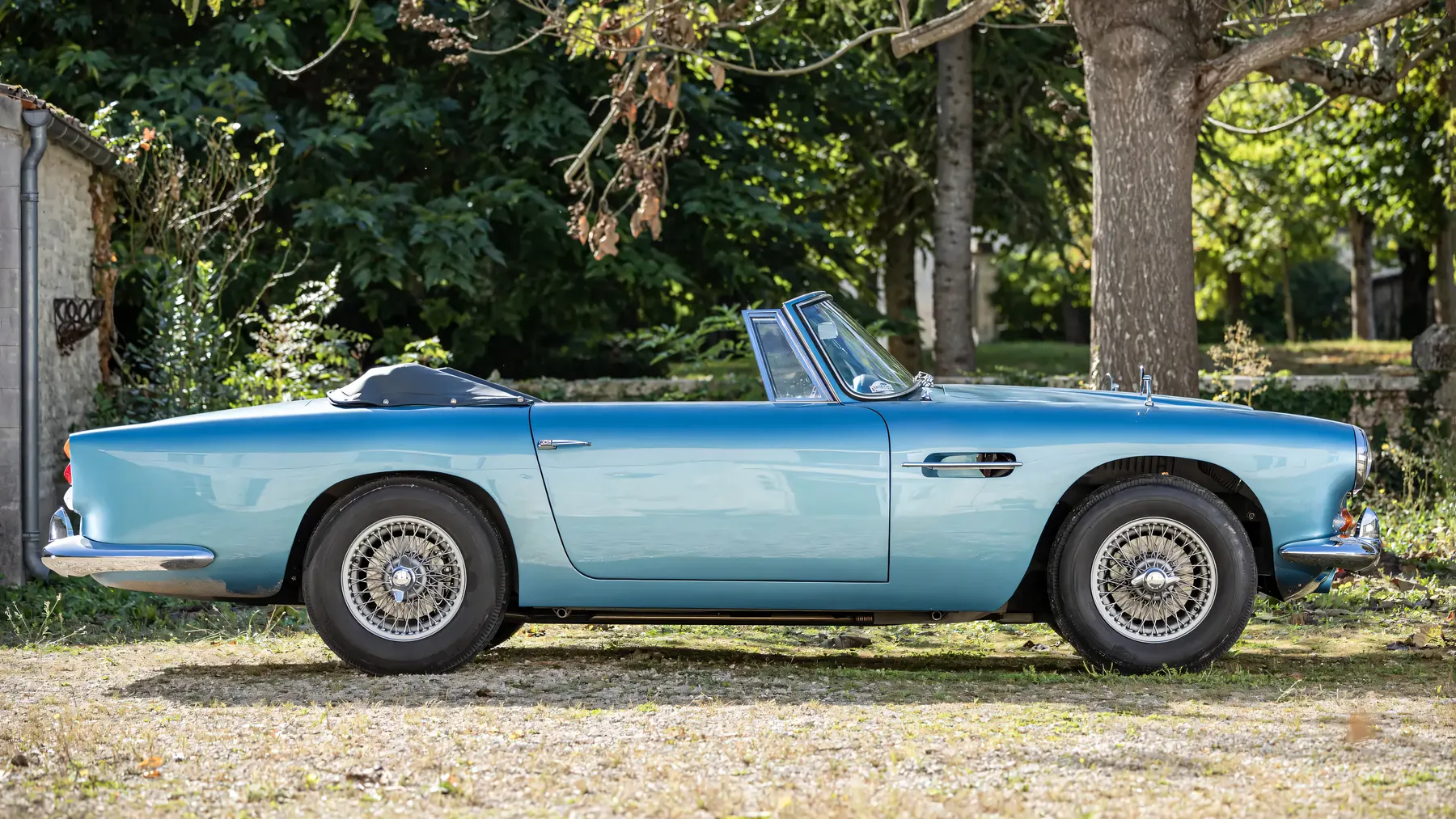
To understand what makes this particular variant so remarkable, you need to understand what the DB4 was in the first place. When it was unveiled at the 1958 London Motor Show at Earls Court, it caused something close to a sensation. Here was an Aston Martin unlike anything the Buckinghamshire firm had attempted before - longer, lower, more purposeful than the DB Mark III it succeeded, and wearing bodywork that had been sculpted in Milan rather than cobbled together in England. Carrozzeria Touring brought its celebrated Superleggera construction to Newport Pagnell: thin aluminium and magnesium alloy panels laid over a dense web of small-diameter steel tubes, all sitting on a rigid platform chassis designed by Aston’s chief engineer Harold Beach. The result was both light and exceptionally stiff - at least by the standards of an industry still finding its footing with modern construction methods.
The engine underneath that long, power-bulged bonnet was equally new. Tadeusz ‘Tadek’ Marek - a Polish-born engineer who had survived internment during the war, spent time developing the Rolls-Royce Meteor tank engine, and arrived at Aston Martin via Austin in 1954 - produced a 3,670cc twin-overhead-cam straight-six of genuine brilliance. The aluminium alloy block and head, the hemispherical combustion chambers, the seven-bearing nitrided crankshaft: these were not evolutionary steps but a clean-sheet exercise in what a small GT engine could be. With twin SU HD8 carburettors and a compression ratio of 8.25:1, the standard unit produced 240 bhp - enough to make the DB4 the first production car capable of reaching 100 mph in 21 seconds. The Motor magazine, testing a standard car in 1960 with the British-specification 3.54:1 final drive ratio, recorded a top speed of 139.3 mph and a 0–60 mph time of 9.3 seconds.
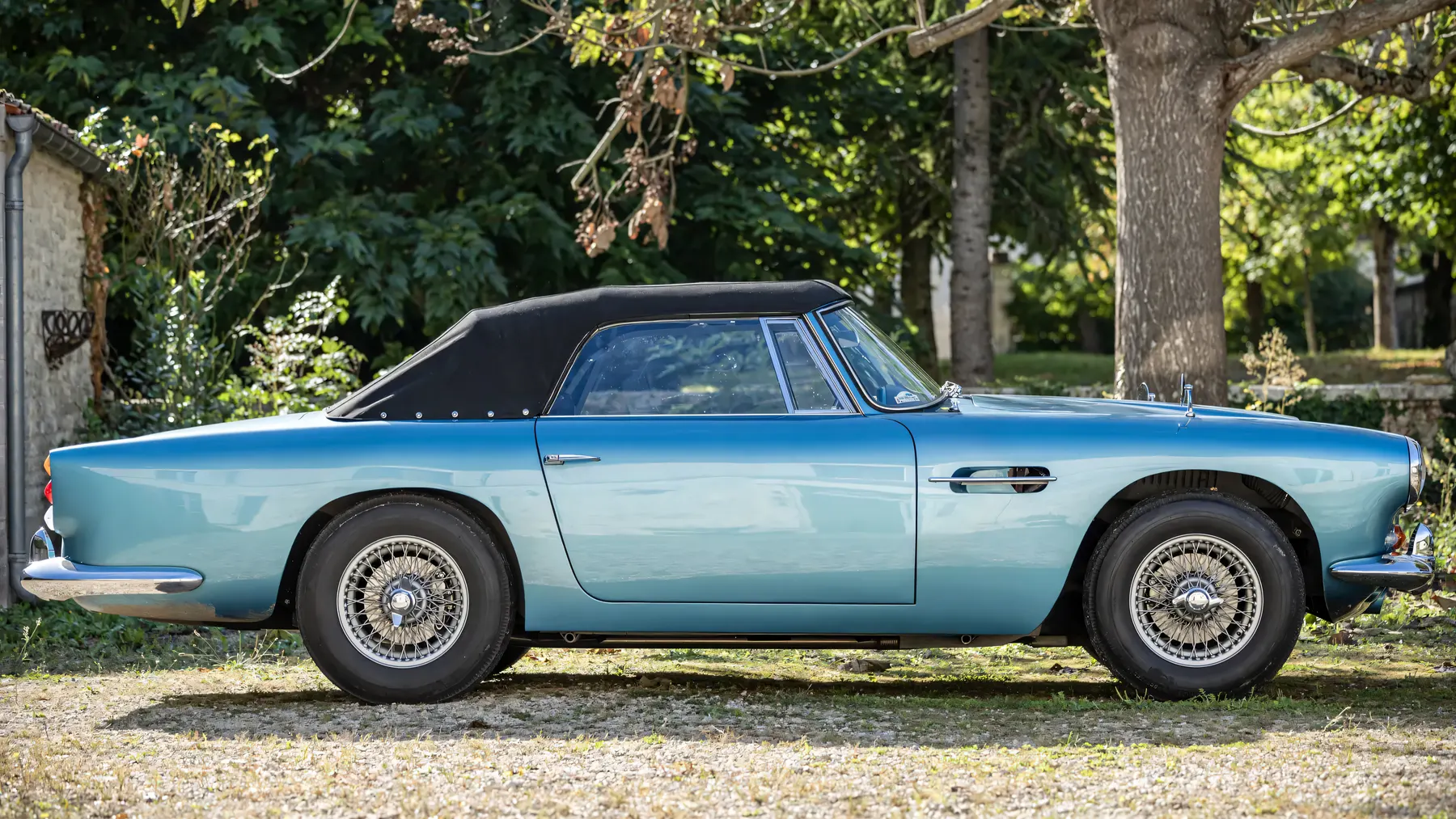
That was the standard car. By the time the Series V arrived in late 1962, Aston Martin had been quietly iterating the formula through four successive updates, each addressing shortcomings and sharpening the character of the car. The Series V was the most accomplished version yet: the body grew by nine centimetres in length, the roofline was raised fractionally for interior breathing room, and the wheel diameter was reduced from 16 to 15 inches to keep the overall height in check - a move that arguably improved the proportions in the process. Most visibly, the Vantage specification cars adopted the faired-in headlamps already used on the DB4 GT, sleek Plexiglas-covered units recessed into the front wings that gave the nose an altogether more aerodynamic and purposeful expression.
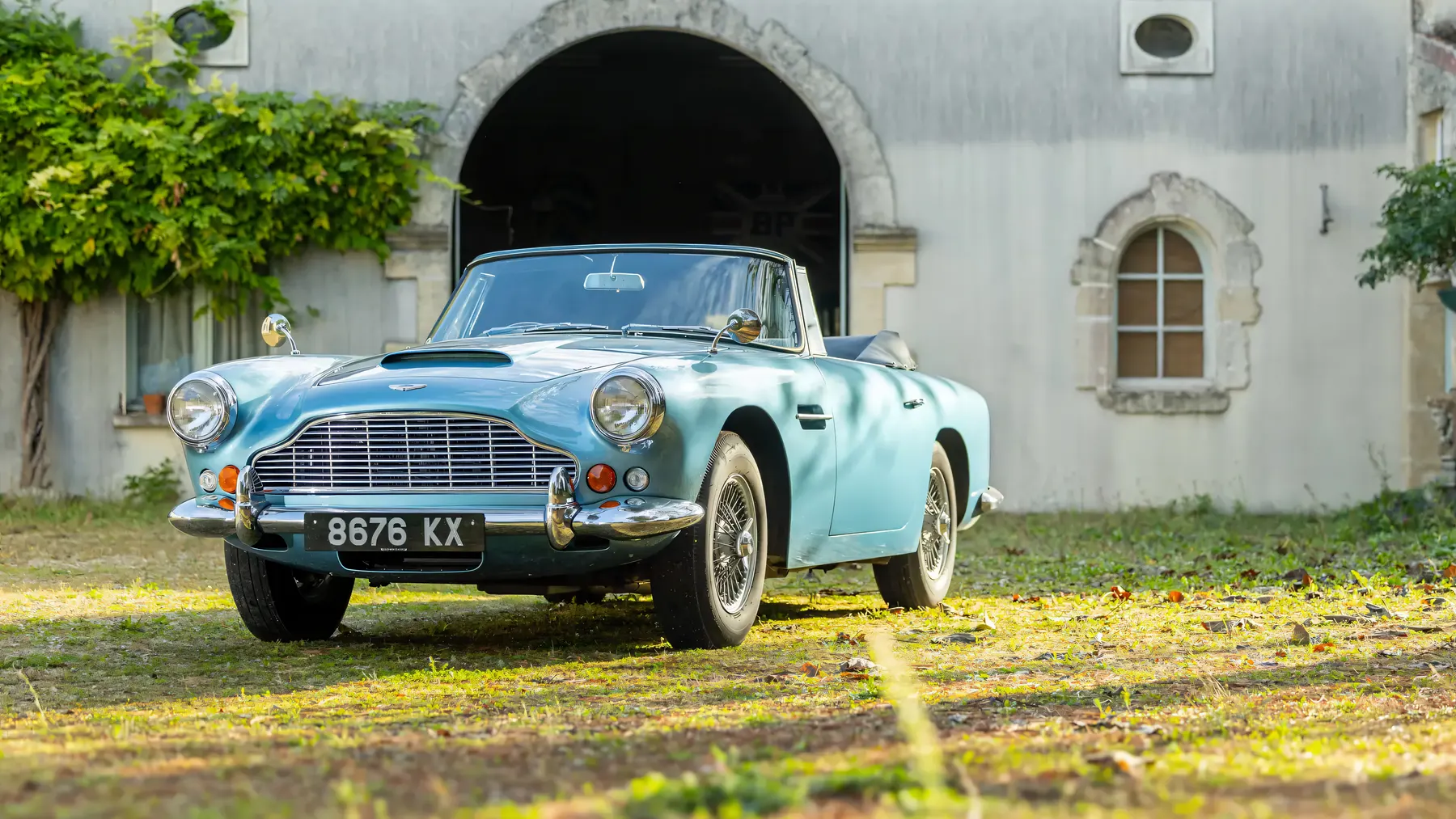
But it was the engine designation on these final cars that separated the extraordinary from the merely exceptional. Aston Martin’s ‘Special Series’ - or SS - unit was the Vantage engine, an intermediate specification positioned between the standard twin-carburettor DB4 and the full-race GT. Three SU HD8 two-inch carburettors replaced the standard pair, fed by an air intake plenum chamber rather than individual air cleaners. The compression ratio was raised to 9.0:1 using special pistons. Inlet valves grew from 1.875 to 2.0 inches in diameter; exhausts from 1.70 to 1.875 inches. A modified distributor advance curve, revised intake manifolds, KLG FE 80 spark plugs, and a dedicated oil cooler beneath the radiator completed the transformation. The result was 266 bhp at 5,750 rpm - 26 more horsepower than the standard car, produced through breathing and compression rather than dramatic mechanical surgery. The valve timing remained identical to the standard unit; unlike the GT, the SS didn’t receive special camshafts. This was evolutionary tuning at its most elegant.
What that engine does in a convertible body is something quite specific. Remove the roof from any Grand Tourer and the calculus of noise, wind, and mechanical sensation changes entirely. In the DB4 Convertible, introduced at the London Motor Show in October 1961 and produced in tiny numbers - just 70 total across the entire production run from a total of 1,110 DB4s - that calculus tips firmly in favour of sensory theatre. The triple-carburettor straight-six, already one of the most acoustically satisfying units of its era, becomes something else entirely without sheet metal above your head. The idle is characteristically gruff; as the revs build through the middle range the note sharpens into something closer to a snarl, and above 4,000 rpm the car simply sounds magnificent. As Car & Driver observed in 1962, “drivers with a strong sporting sense will derive a great feeling of satisfaction from mastering this car”.
That word - mastering - is telling. The DB4 is not an easy car by modern standards, and the SS Convertible Series V makes no apologies for demanding engagement. The David Brown four-speed gearbox, manufactured in-house by the parent company, is a known quantity among enthusiasts - and not always a flattering one. As Car & Driver noted in a July 1963 road test, the baulk-ring synchromesh is “unpredictable on downshifts into first, especially at standstill”. Synchromesh cones are prone to deterioration as oil temperatures rise, making a leisurely half-hour warm-up something of an obligation before pressing on. The clutch - a Borg & Beck twin-plate hydraulic unit - fares considerably better, offering a firm but progressive take-up, though its heavy spring pressure can make stop-start urban driving genuinely tiring.
The steering, operated through a rack-and-pinion setup with ball-jointed wishbone front suspension, offers reasonable precision but can feel vague at highway speeds, demanding a degree of concentration to hold a straight line. Then there is the elephant in the room: the rear axle. The DB4 was always intended to use a De Dion rear end, and in a different world it might have been a match for the Jaguar E-type and Mercedes-Benz SL in terms of dynamic refinement. Instead, a shortage of suitable final drive units at the time of development forced a live rear axle located by a Watts linkage and coil springs - older technology, and the car’s single most significant dynamic compromise. Against contemporaries like the E-type, the Aston moves with a slightly agricultural confidence at its limits, the rear axle dancing over mid-corner bumps in a way that reminds you this is a late 1950s engineering solution wearing early 1960s clothes. It doesn’t handle like a bad car; it handles like a car designed by engineers who ran out of time.
There was also the matter of the engine’s early tendency to overheat - a trait that afflicted the DB4 in its first seasons of production and that the marque’s loyal buyers, seduced by the 240 bhp on offer, apparently chose to forgive. Later cars benefited from incremental cooling improvements across the series, and by the Series V the problem was substantially ameliorated, but the engine’s appetite for heat management remained a consideration that owners of the period learned to respect.
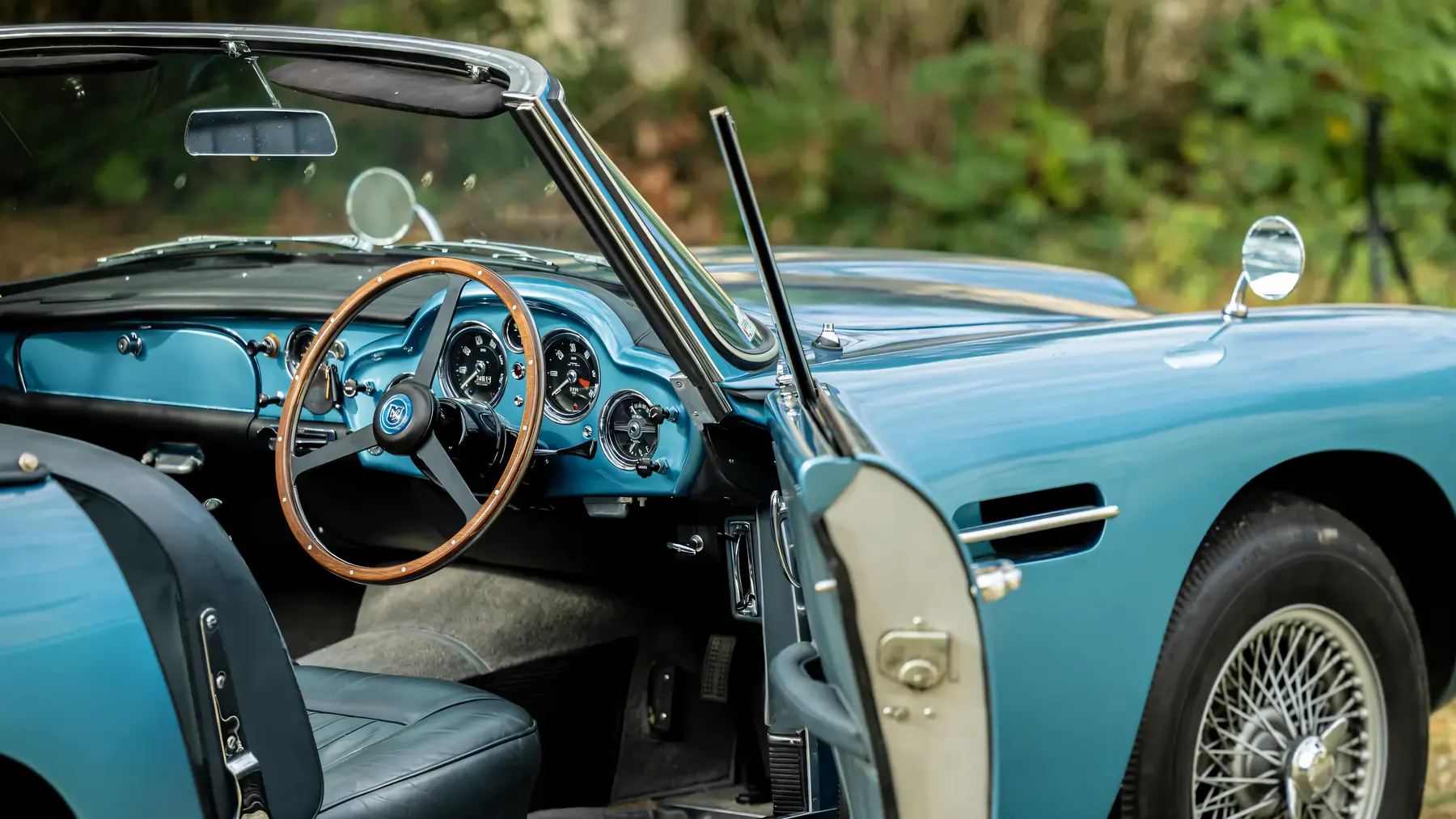
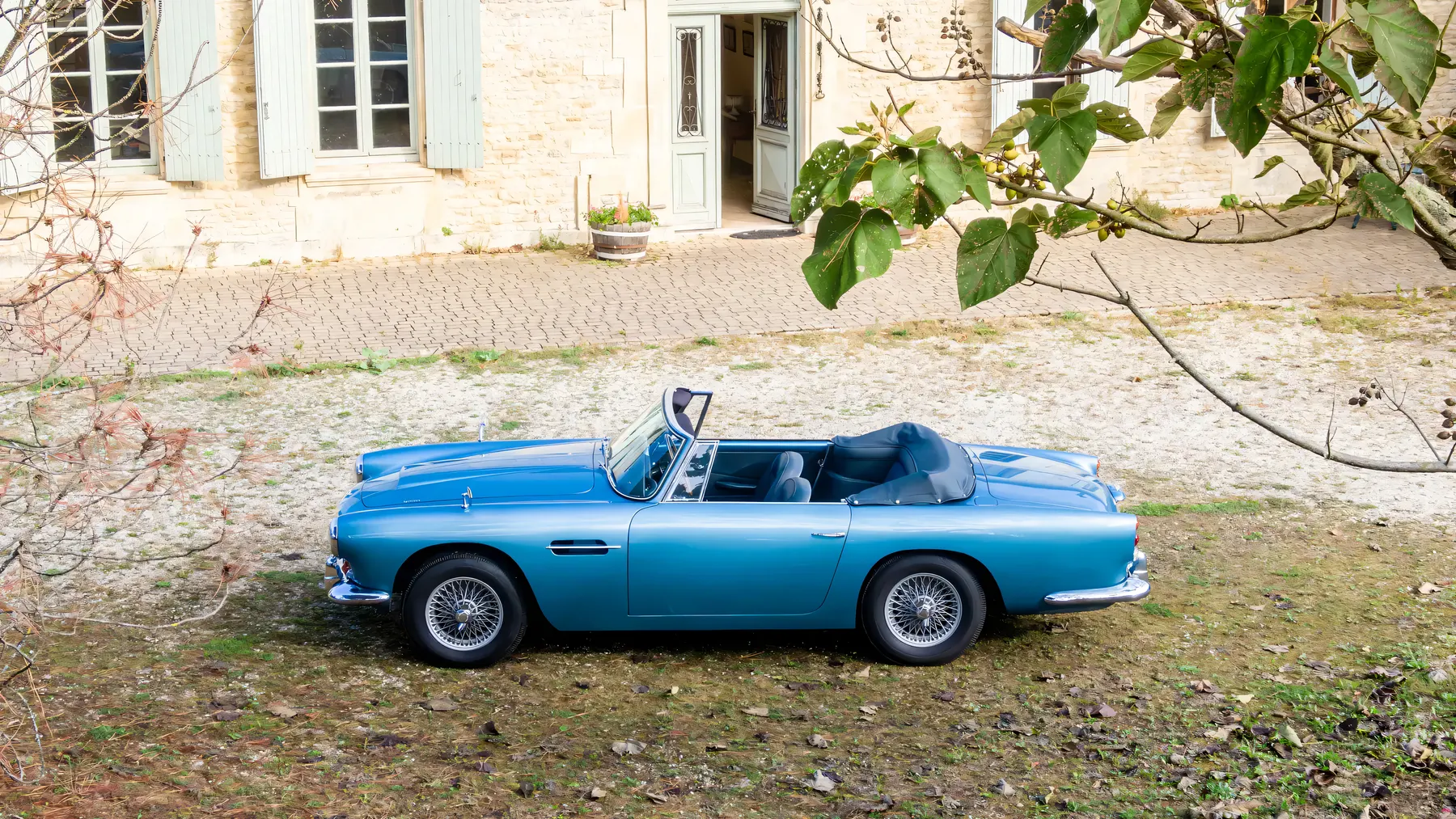
None of this diminishes the car’s fundamental achievement. When you step back from the individual compromises and consider what the DB4 SS Convertible Series V actually represents in context, the picture clarifies considerably. In 1963, this car cost £4,170 new - well over two thousand pounds more than a Jaguar E-type 3.8 fixed-head coupé that offered comparable performance and its own considerable beauty. Buyers who wrote the cheque for an Aston Martin were paying for something the Jaguar simply could not offer: the tactile quality of hand-assembled components, the sound of an engine assembled with matched connecting rod and piston sets to zero tolerance, and an exclusivity so extreme that only 32 DB4 convertibles of any series were ever built with the SS engine specification - 11 in Series IV and 21 in Series V. The convertible body itself was an in-house development at Newport Pagnell, styled in sympathy with the Touring saloon but given its own character through the uninterrupted sweep of body-coloured dashboard trim where the saloon used black vinyl.
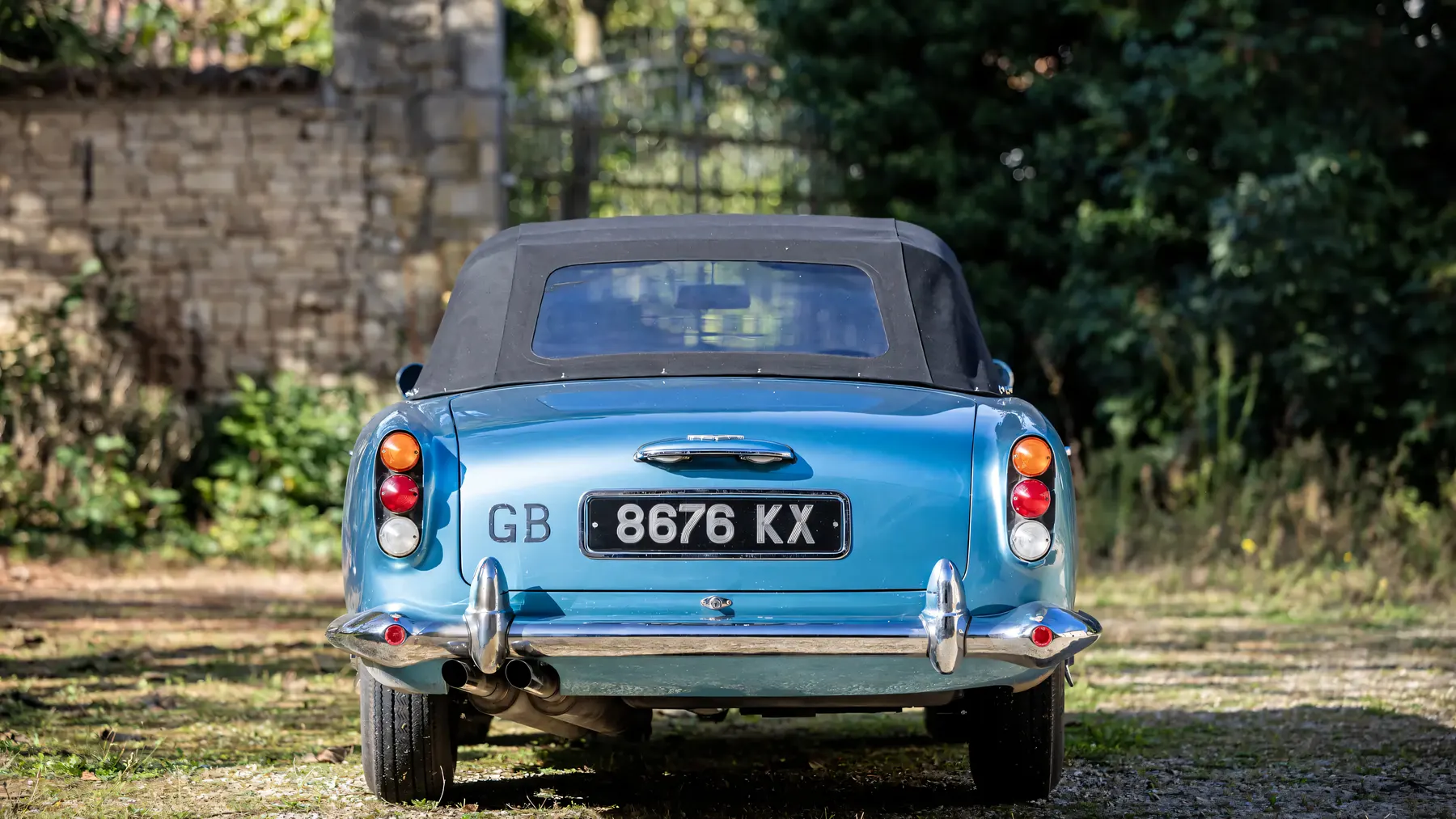
The colour Caribbean Pearl - a pale, luminous off-white with the faintest blush of warmth - deserves its own brief mention. It was a factory shade that suited the DB4 convertible form with particular grace, its soft iridescence complementing the long flanks and making the most of the Superleggera body’s subtle curves. Against a dark interior hide, the contrast was, and remains, quietly devastating.
The car’s place in the broader narrative of Aston Martin’s history is more significant than its modest production numbers suggest. A Series V Vantage prototype was used by the Goldfinger special effects team as a test vehicle to verify that Q Branch’s modifications - ejector seats, machine guns - would fit within a DB5. This anecdote reveals something important: the Series V was, in most meaningful respects, the DB5. The two cars shared the same wheelbase, very nearly the same body dimensions, and the same essential design language. When the DB5 arrived in late 1963 with its enlarged 4.0-litre engine and a few detail refinements, it was not so much a successor to the DB4 as a polished final statement on the same theme. The Series V Vantage Convertible was the DB5 Volante before such a thing officially existed - rarer, rawer, and arguably more honest about what it was.
The critical reception, in period, was appropriately enthusiastic without being uncritical. Road & Track, in a 1959 piece penned by Roy Salvadori himself, described the sensation of changing up at over 100 mph and “still feeling a definitive kick in the back as you accelerate in fourth” - prose that captures something genuine about the car’s character. The Motor’s 1960 road test data told the same story in numbers. Car & Driver’s 1963 Vantage assessment observed that the SS engine’s 304 bhp - a figure reflecting their test’s optimistic power measurement methodology - made the car absorb “the largest part of the production capacity of Aston Martin Lagonda Limited” by that point, suggesting that buyers, when offered the choice, nearly always wanted the louder, more intense version.
Sixty years on, the DB4 ‘SS Engine’ Series V Convertible sits at the top of a short pyramid. It is one of the last examples of a car that genuinely required skill and attention to extract its potential, built in numbers so small that finding one is a matter of considerable patience, offered in a body style that transforms the mechanical experience into something entirely elemental. It has the overheating anxieties, the temperamental gearbox, the live rear axle, and the fuel consumption of something that was never designed to be convenient. It also has Tadek Marek’s magnificent engine, Touring’s most confident body design, and the particular quality of sound that only a naturally aspirated twin-cam straight-six with three carburettors can produce when it is working hard under an open sky. That combination - flaws and all - is a thing that was made only 32 times in this exact configuration, and the world is not making more of them.
Join the discussion
Comments
Loading comments…
Leave a comment
Share a detail, memory, or perspective. Every comment is reviewed before publication.