1964 Porsche 356 C 1600 C Cabriolet by Reutter

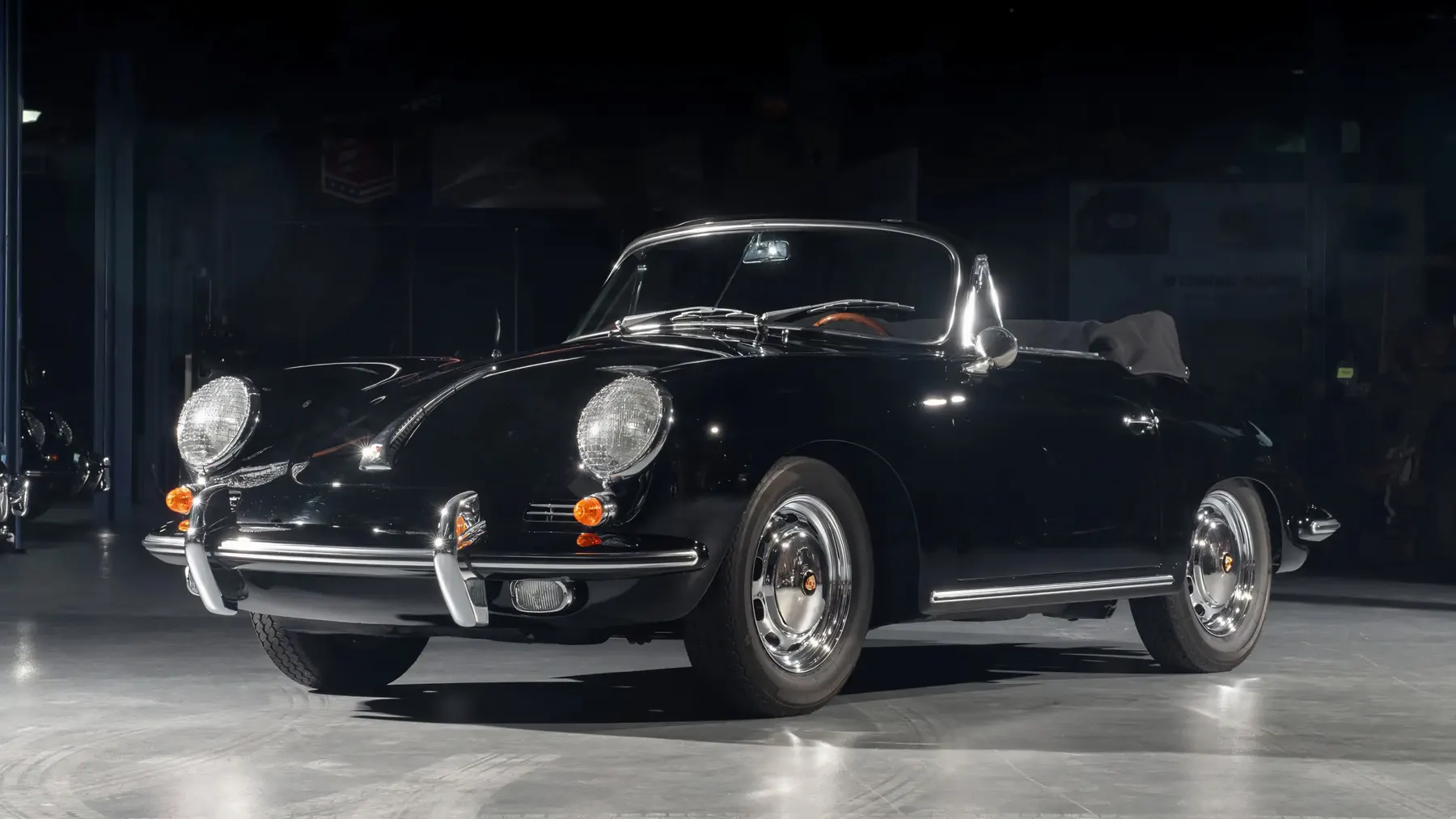
The Porsche 356 C represents the culmination of what began as Ferdinand “Ferry” Porsche’s vision for a nimble sports car built around Volkswagen components. By the time the 356 C arrived in 1963, it had evolved into a refined grand tourer that perfectly balanced performance, comfort, and everyday usability. Among these final 356 models, the 1600 C Cabriolet crafted by Reutter stands as perhaps the most desirable variant, embodying the pinnacle of Porsche’s first production sports car.
The 356 C was introduced for the 1964 model year, representing the last major revision of Porsche’s inaugural production model. Coming after the pre-A, A, and B iterations, the C variant served as the ultimate expression of the 356 concept before the company pivoted to the revolutionary 911 design. While sharing the same fundamental engineering principles as its predecessors, rear-mounted flat-four engine, distinctive styling, and lightweight construction, the C introduced several meaningful improvements that enhanced both performance and everyday usability.
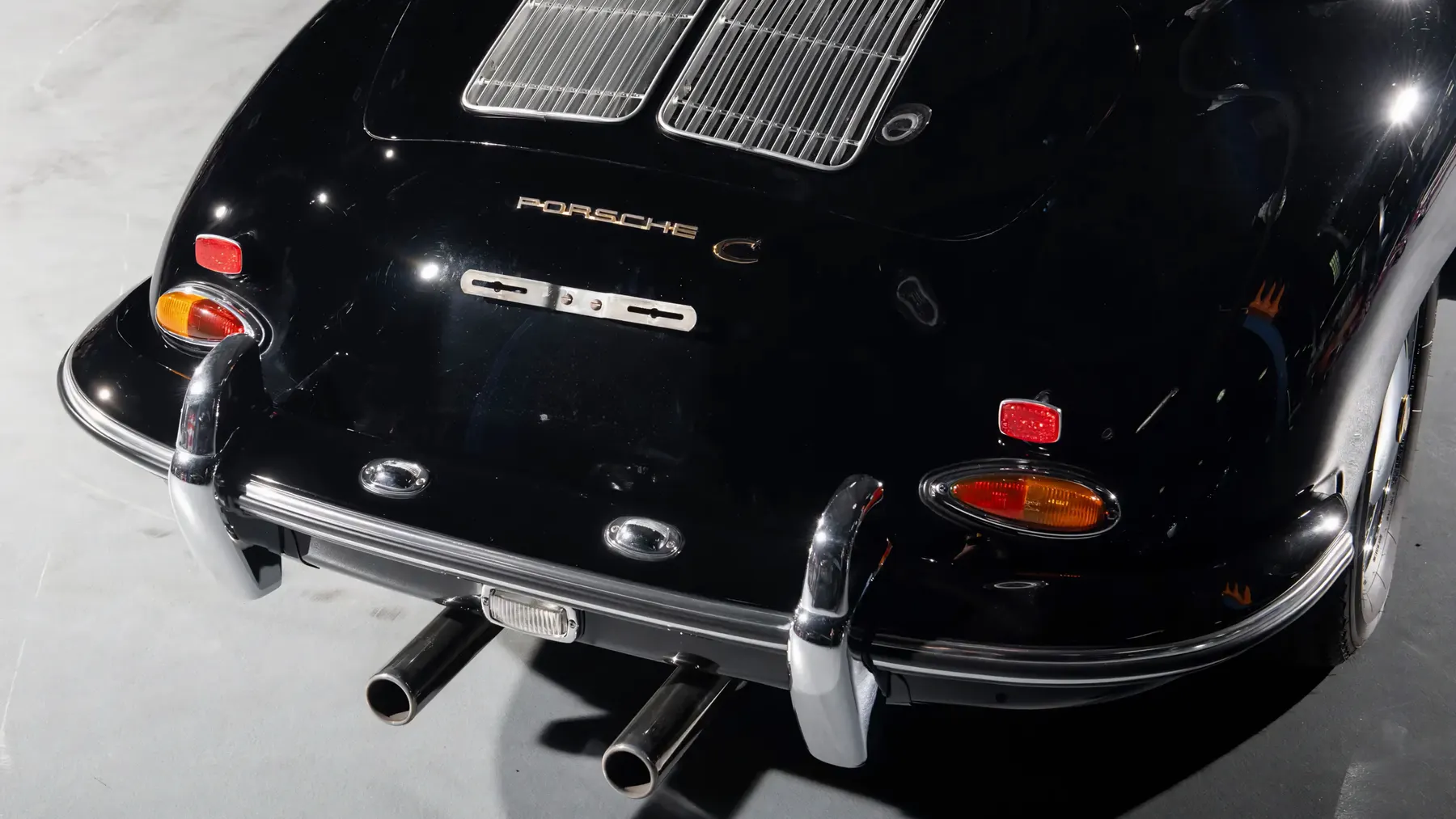
Despite the introduction of the new 911 in late 1964, Porsche continued manufacturing the 356 C through 1965, with the very last units (a batch of ten Cabriolets specially built for the Dutch Rijkspolitie highway patrol) rolling off the assembly line in March 1966. This extended production run was a testament to the 356’s enduring appeal even as newer technology emerged.
The heart of the 356 C 1600 Cabriolet was its air-cooled, horizontally opposed four-cylinder engine. In standard “C” specification, this 1,582 cc powerplant produced 74 bhp at 5,200 RPM and 88 ft-lbs of torque at 3,600 RPM. For those demanding more performance, Porsche offered the potent “SC” variant that elevated output to 95 bhp at 5,800 RPM while maintaining the same displacement.
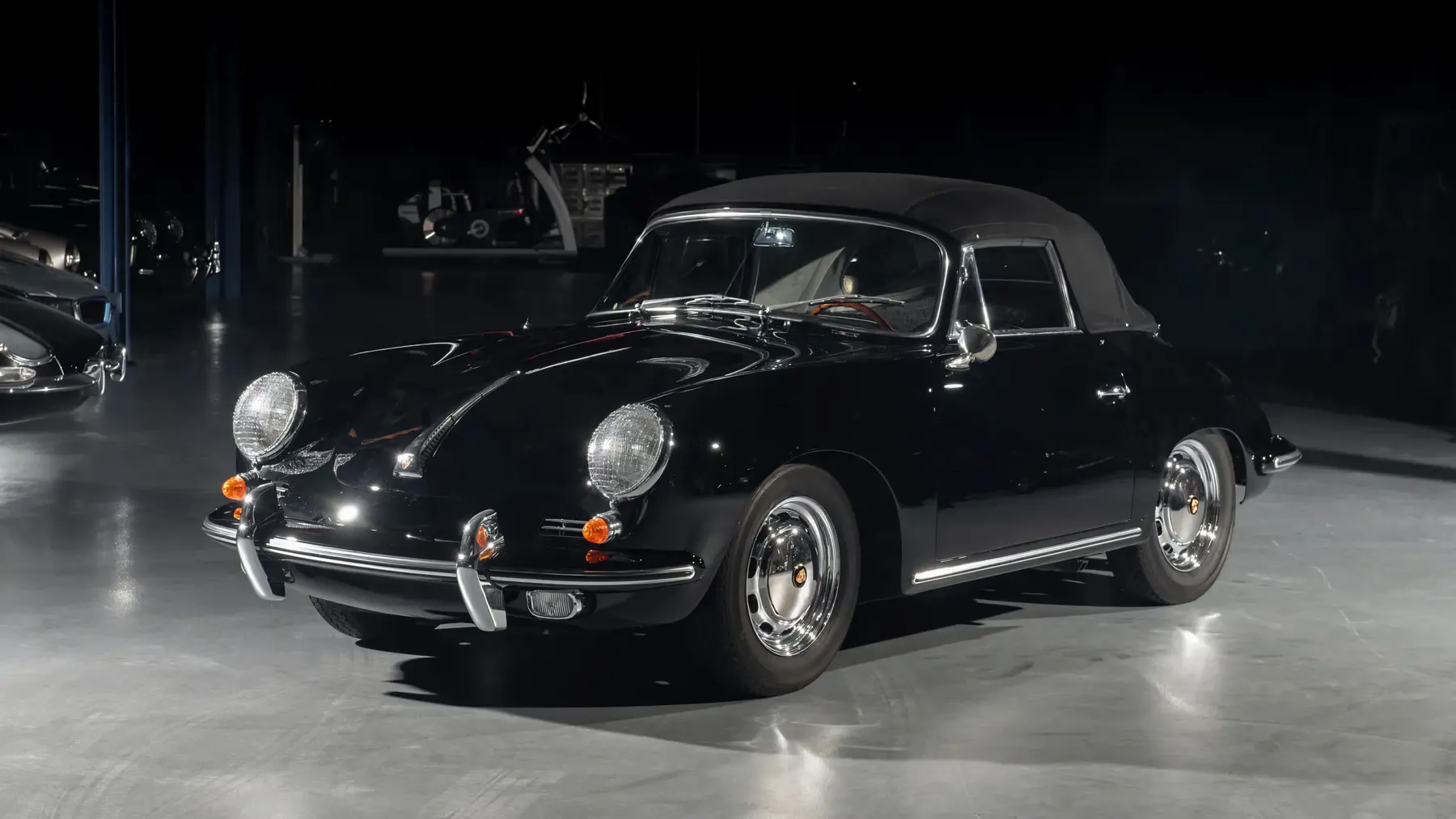
The 356 C introduced several engineering improvements that distinguished it from earlier models. Most notably, it became the first 356 equipped with disc brakes on all four wheels, a significant upgrade over the drum brakes of previous generations. This braking system provided superior stopping power and fade resistance, critical enhancements for a vehicle capable of sustained high-speed driving.
Power was transmitted to the rear wheels through a four-speed manual gearbox with fully synchronized gears, a refinement that made the 356 C easier to drive in everyday conditions. The C model also featured upgraded ZF steering and suspension systems, with compensating springs at the rear to tame the sometimes tricky swing-axle suspension arrangement. These changes gave the car a more forgiving character without compromising its engaging handling.
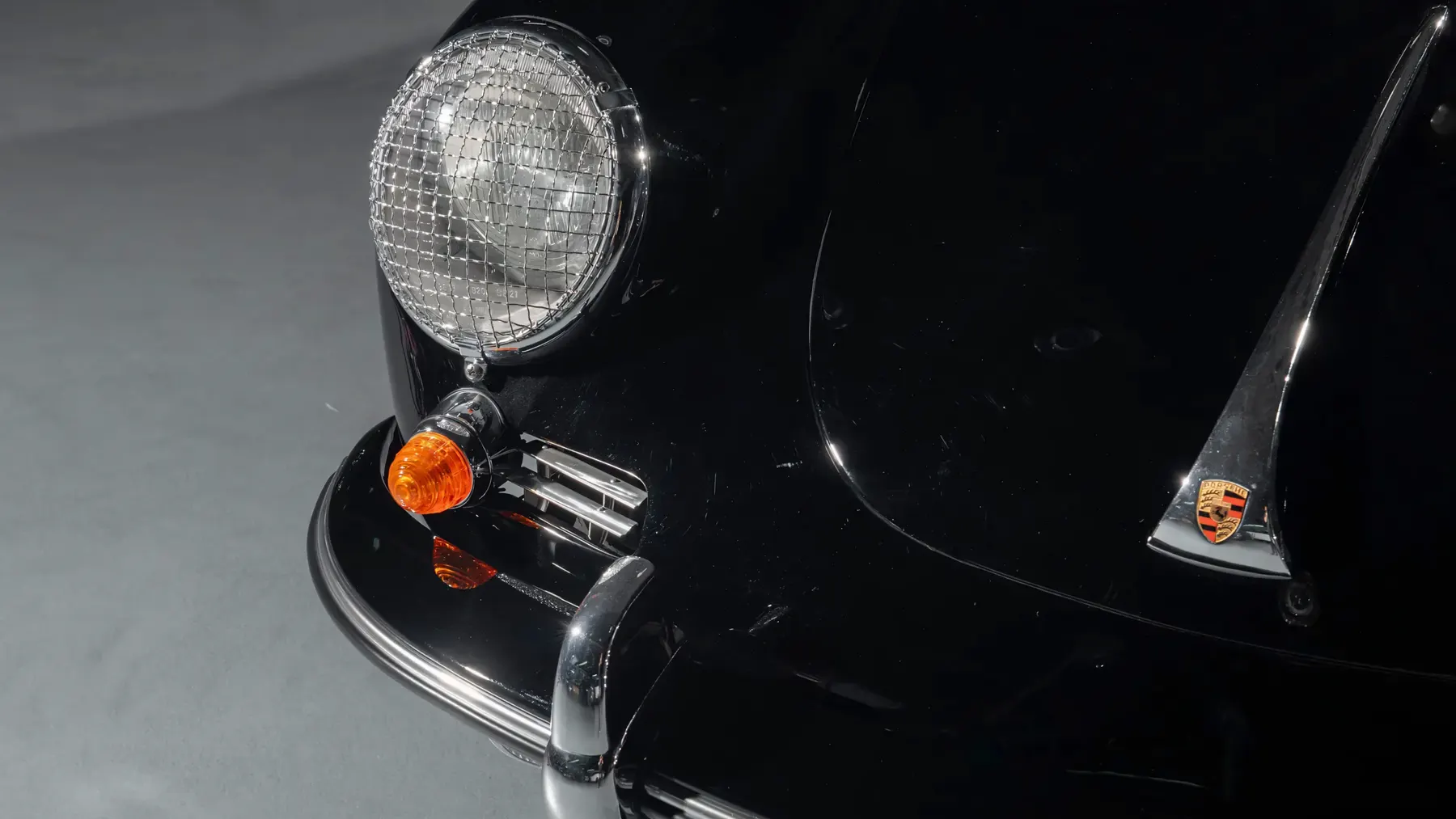
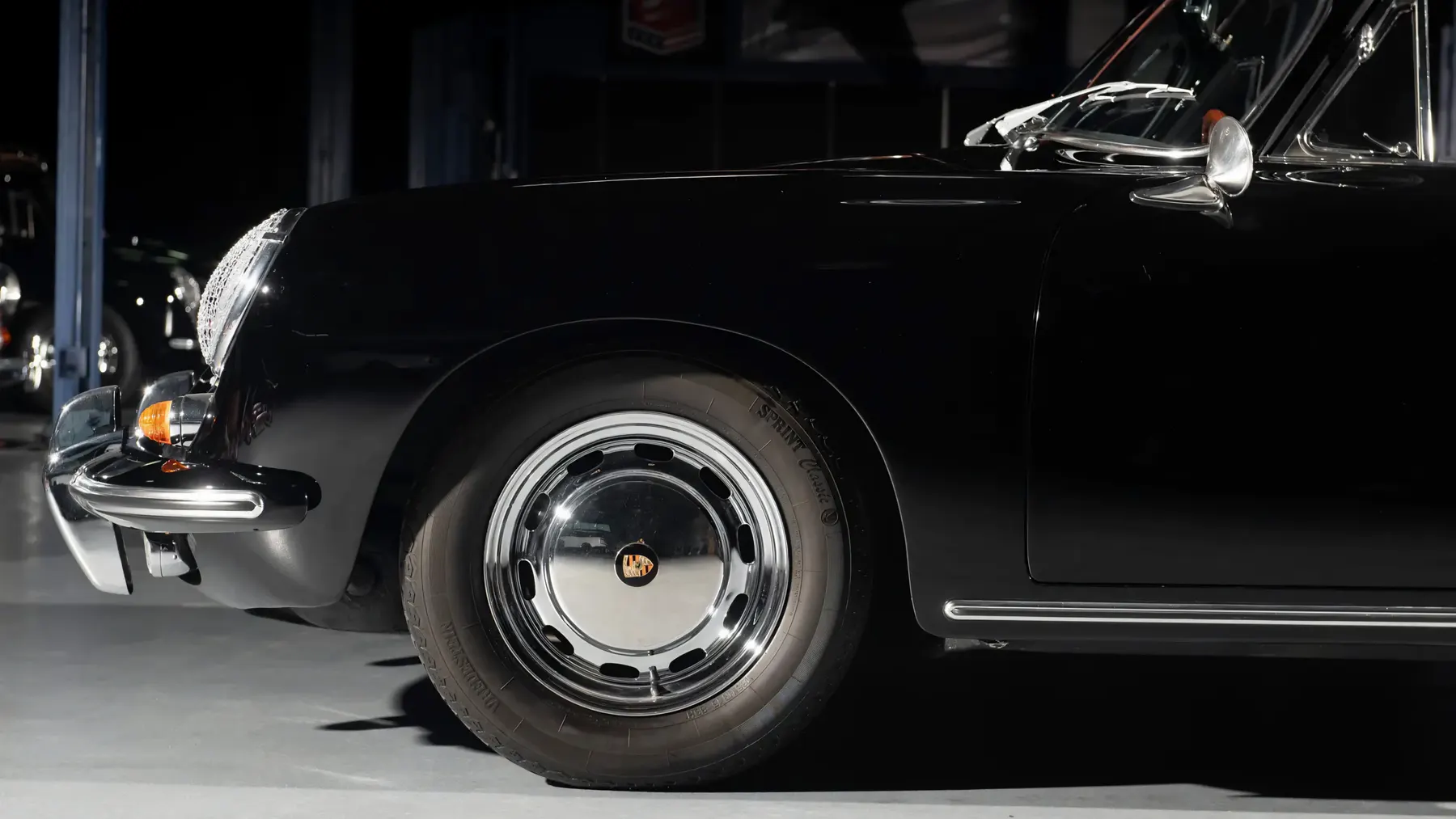
The 356 C maintained the timeless, flowing lines that had defined the model since its introduction, but with subtle refinements. Visually, the C could be distinguished by its flat wheel caps without the Porsche emblem that adorned earlier models. The bodywork continued to exemplify the clean, aerodynamic design philosophy that made the 356 instantly recognizable.
The Cabriolet variant, with its power-operated soft top and elegant profile, represented a more luxurious interpretation of the 356 concept. Unlike the spartan Speedster that preceded it or the Roadster variants, the Cabriolet provided full weather protection with roll-up windows and a well-insulated roof, making it suitable for year-round use.
What made these cars truly special was their construction by Reutter, a respected coachbuilder that had been intimately involved with Porsche production since the early days. In fact, Porsche acquired the Reutter company in 1963, though the seat manufacturing division remained independent and later became the renowned Recaro brand. This relationship ensured exceptional build quality, with bodies that were substantially more rigid than most contemporary convertibles.
Despite its relatively modest power output by modern standards, the 356 C delivered engaging performance thanks to its light weight of approximately 963 kg (2,123 lbs). The standard 1600 C could accelerate from 0-60 mph in about 13.5 seconds and reach a top speed of approximately 106 mph. The more powerful SC variant improved upon these figures, with contemporary road tests showing 0-60 times closer to 11 seconds.
The true magic of the 356 C, however, wasn’t found in straight-line acceleration but in its balanced handling and tactile feedback. With its rear-engine layout providing excellent traction, precise steering, and well-tuned suspension, the 356 C rewarded skilled drivers with an immersive experience that fostered confidence through corners.
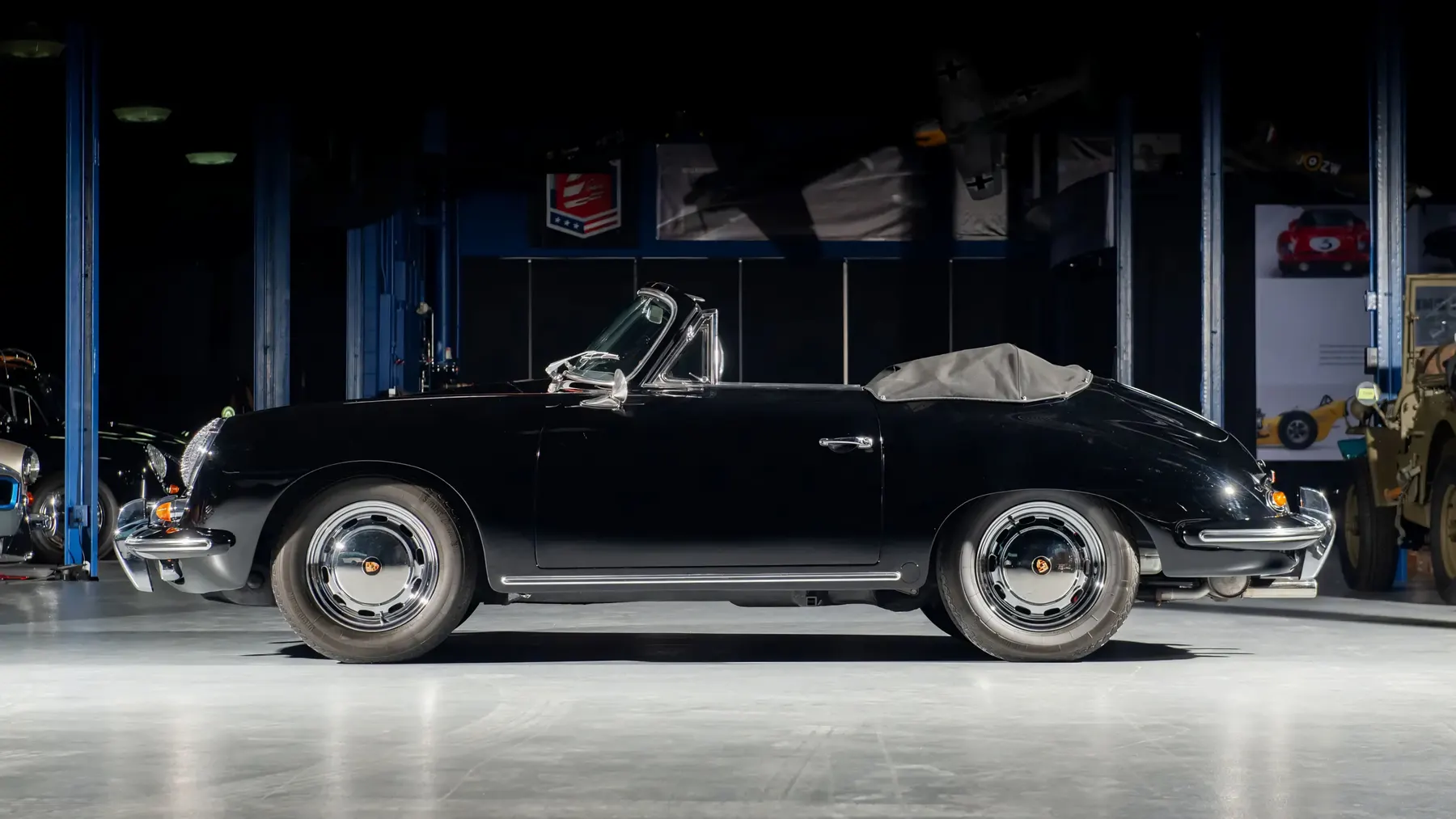
While total 356 C production reached 16,678 examples between 1963 and 1965/66, the Cabriolet body style represented only a fraction of that figure. According to production records, just 1,745 Cabriolets were built for the 1964 model year, and only a small percentage of those featured the more powerful SC engine option. This relative scarcity, combined with the inherent desirability of open-top Porsches, has made the 356 C Cabriolet especially coveted among collectors.
These models were offered in a range of elegant color combinations. Popular exterior finishes included Light Ivory, Slate Grey, Bali Blue, and Enamel Blue, typically paired with leather interiors in colors like black, red, or tan. Many examples were specified with desirable optional equipment such as chrome wheels, luggage racks, and even matching Tartan travel cases.
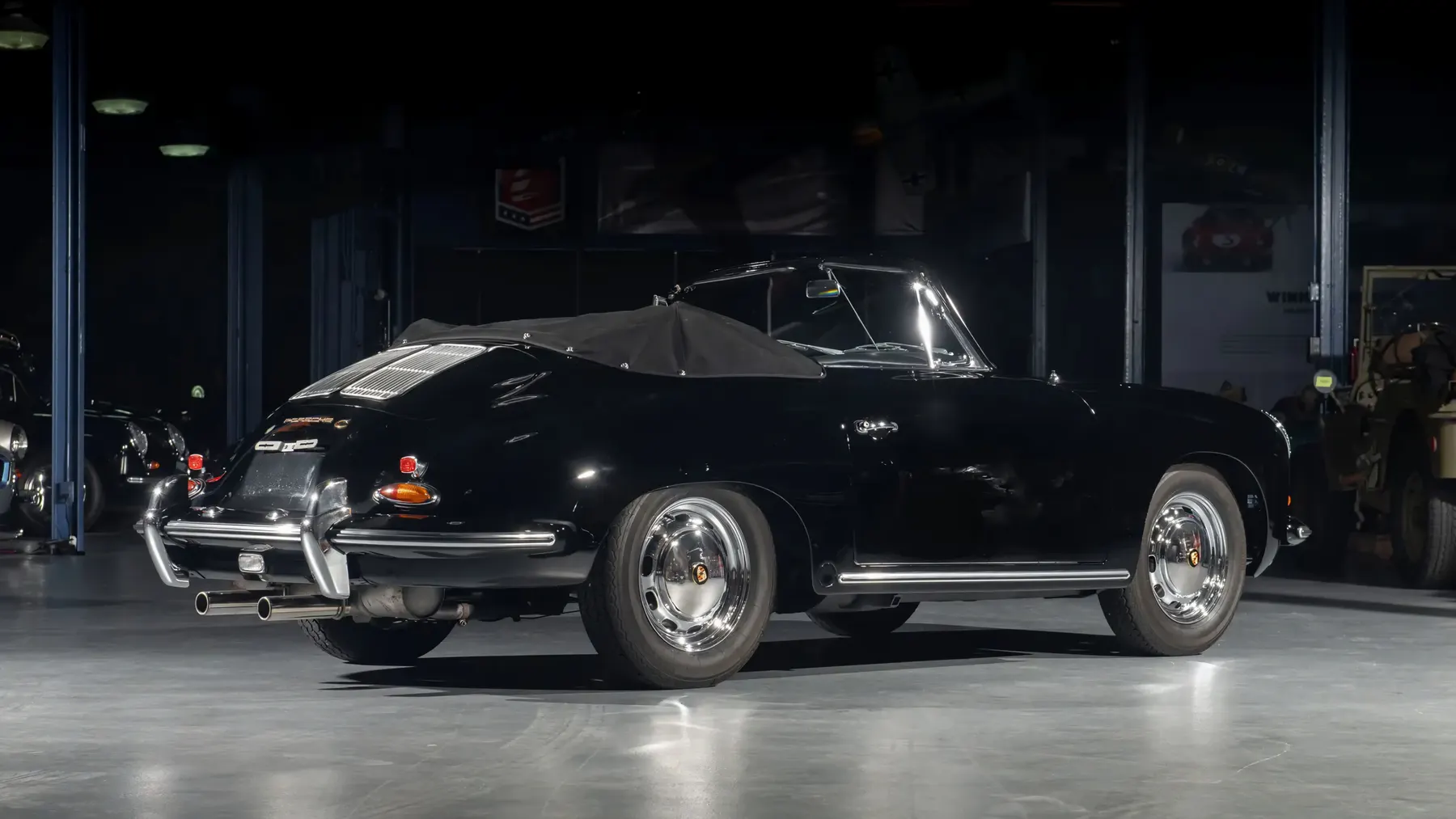
The 356 C represents a pivotal moment in Porsche’s history, the culmination of the company’s first production model and the bridge to its future direction. It embodied the philosophy that would define Porsche for decades: continuous improvement without radical redesign, engineering excellence over fashion, and driving enjoyment as the ultimate goal.
Today, these cars command impressive prices at auction, reflecting their historical significance and driving pleasure. Recent sales have ranged from approximately €150,000 to over $360,000 depending on condition, originality, and specific configuration. The most extraordinary example remains Janis Joplin’s psychedelically painted 1964 356 C Cabriolet, which sold for a staggering $1.76 million in 2015, though this represents an outlier driven by its famous ownership and unique artistic significance.
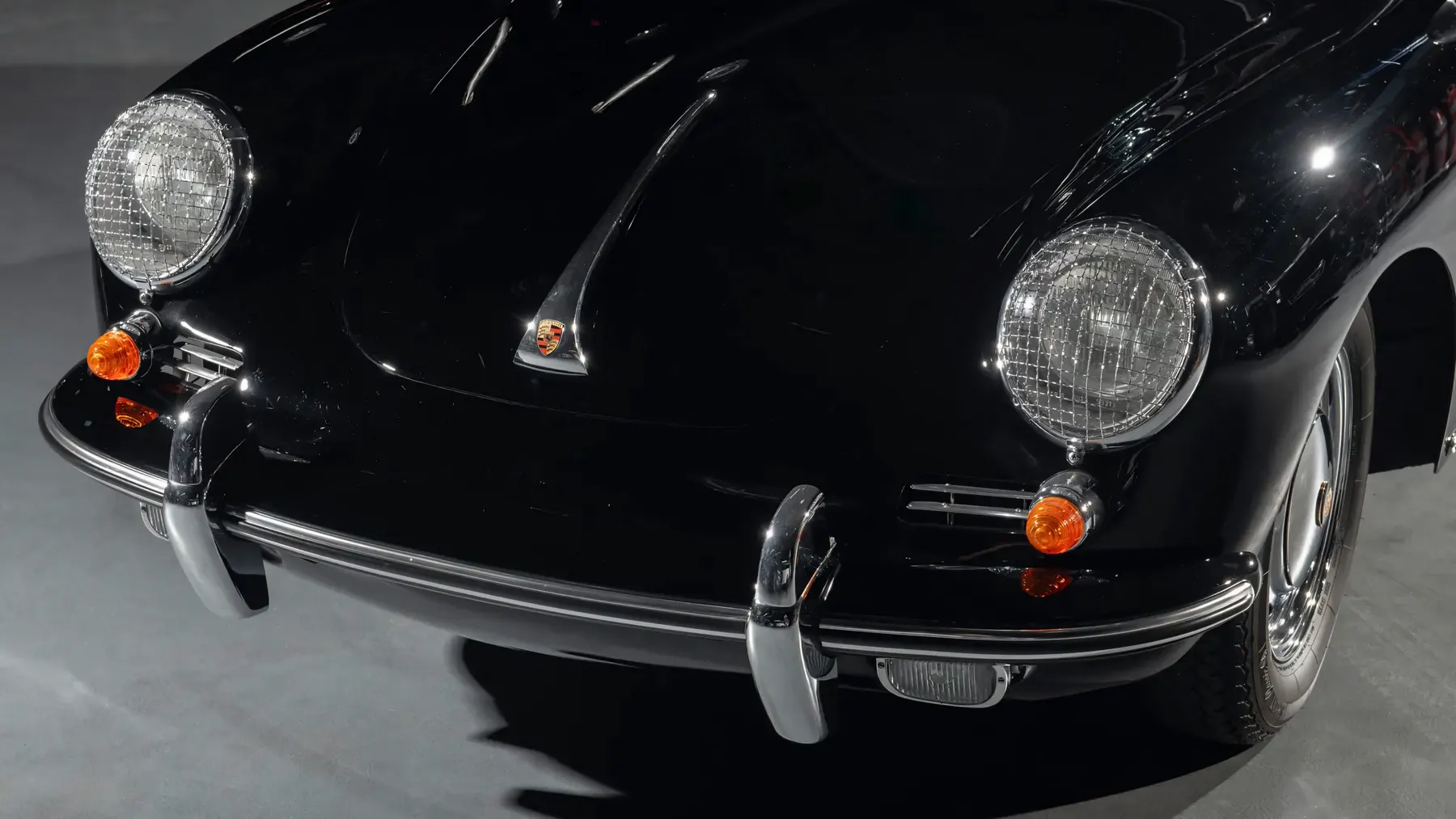
The 356 C’s influence extends far beyond its production numbers. It established design and engineering principles that would inform the 911 and subsequent Porsche models. More importantly, it created a template for what a Porsche should be: a precision instrument that balances performance, quality, and everyday usability, a philosophy that continues to guide the company today.
The 356 C 1600 Cabriolet by Reutter is the final expression of Porsche’s founding vision, delivered at the peak of their early craftsmanship. For those fortunate enough to experience one today, it offers a pure, elemental connection to the roots of one of the world’s most respected sports car manufacturers.
Join the discussion
Comments
Loading comments…
Leave a comment
Share a detail, memory, or perspective. Every comment is reviewed before publication.