1965 Maserati Sebring 3500 GTi Series II by Vignale

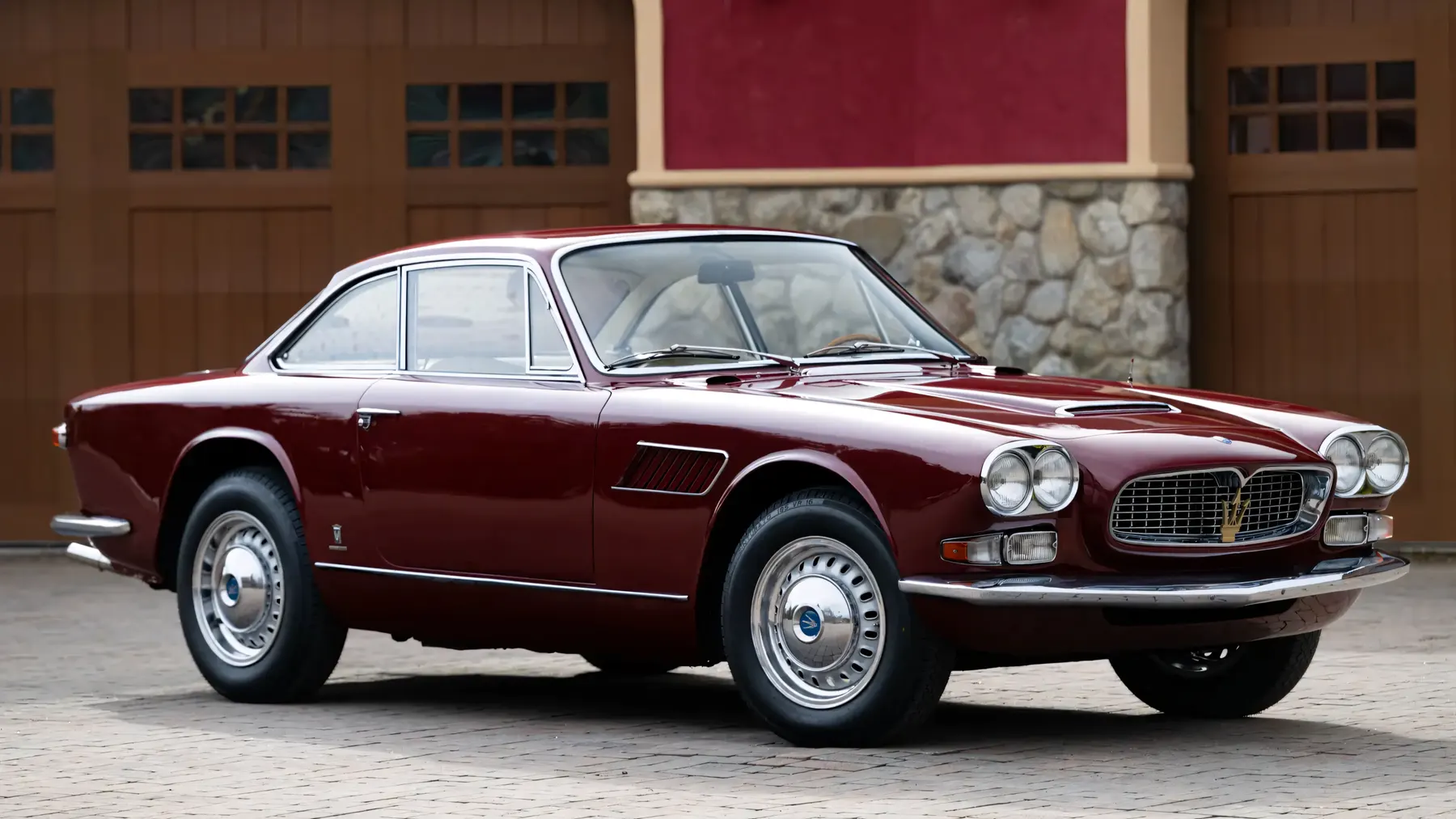
The Maserati Sebring 3500 GTi Series II by Vignale is a distinctively crafted grand tourer representing a significant chapter in Maserati’s storied history. Produced from 1965 to 1968, the Series II Sebring evolved from its predecessor while remaining rooted in its original identity as a luxury, high-performance 2+2 coupé. The Sebring’s lineage traces back to Maserati’s racing heritage, specifically named after the brand’s triumph at the 12 Hours of Sebring in 1957, embodying its reputation as a grand tourer designed with the American market in mind.
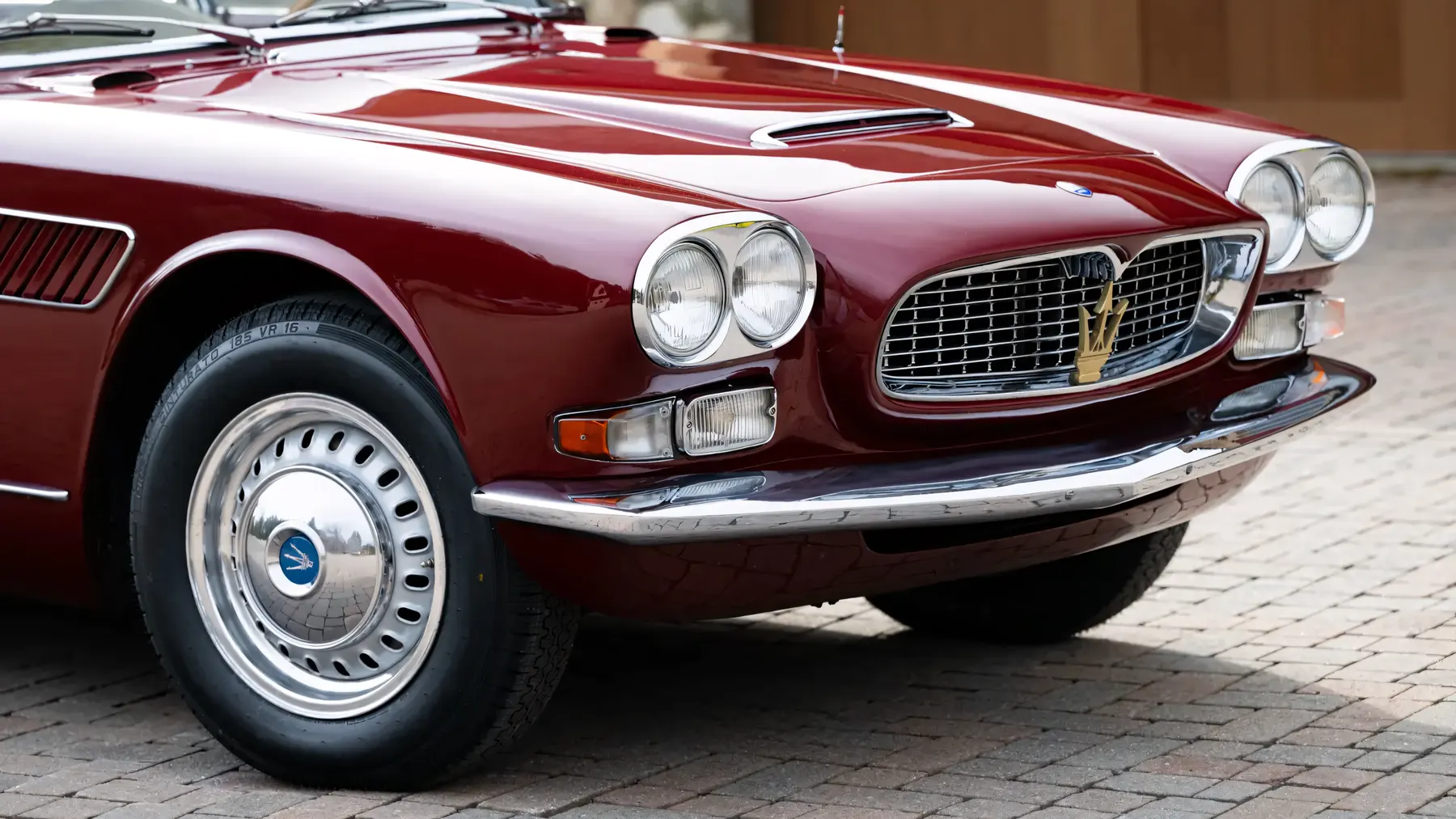
The Series II Sebring (Tipo AM 101/10) debuted with a series of updates that modernised the styling and refined the mechanical prowess established by the initial 3500 GTi model. Key changes included a new headlamp configuration and the addition of chrome louvres on the front fenders. These alterations lent the Series II a more contemporary appearance, while design elements, such as the reshaped bumpers and horizontal tail light orientation, showcased influences from Maserati’s Quattroporte. The modifications extended to the side grilles, which replaced the previously used lower extraction vents, further streamlining the aesthetics.
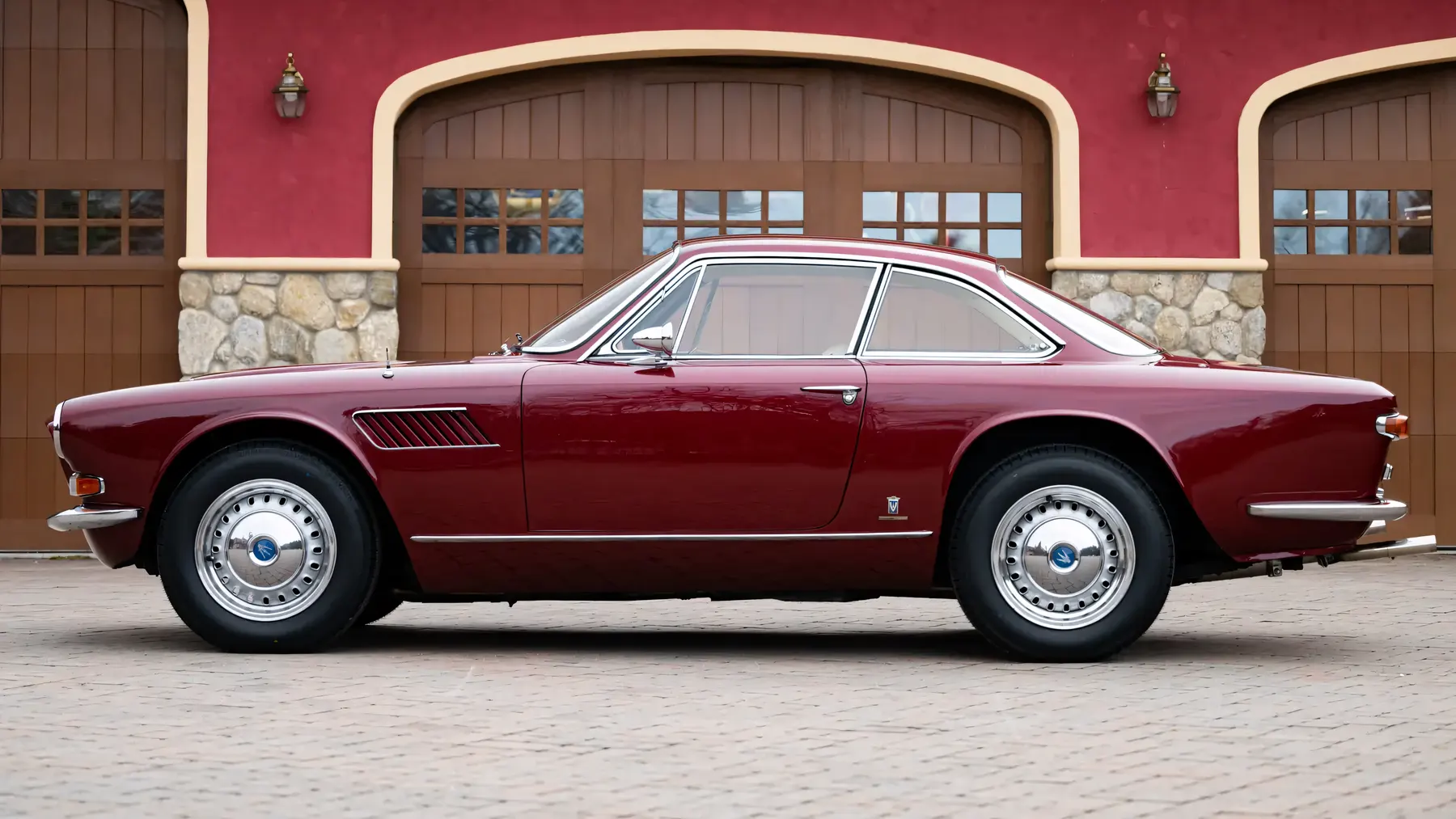
Maserati produced 247 examples of the Series II Sebring between 1965 and 1968, of which only 94 retained the original 3.5-liter inline-six engine, emphasising its exclusivity. As Maserati refined the engine range, they introduced larger power plants to offer greater performance. The available options included a 3.7-liter variant (with a lengthened stroke) and a 4.0-liter version, delivering increased power and satisfying the growing appetite for performance from enthusiasts.
The heart of the Sebring 4000 GTiS was its 4,012 cc engine, capable of producing 255 PS (252 hp) at 5,200 rpm. This output increased marginally to 265 PS (261 hp) in the later years, providing an impressive balance of speed and elegance. Despite Maserati’s financial constraints during the late 1960s that eventually led to the discontinuation of the Sebring, the Series II continued to reflect the brand’s dedication to crafting high-calibre grand tourers until the end of its production.
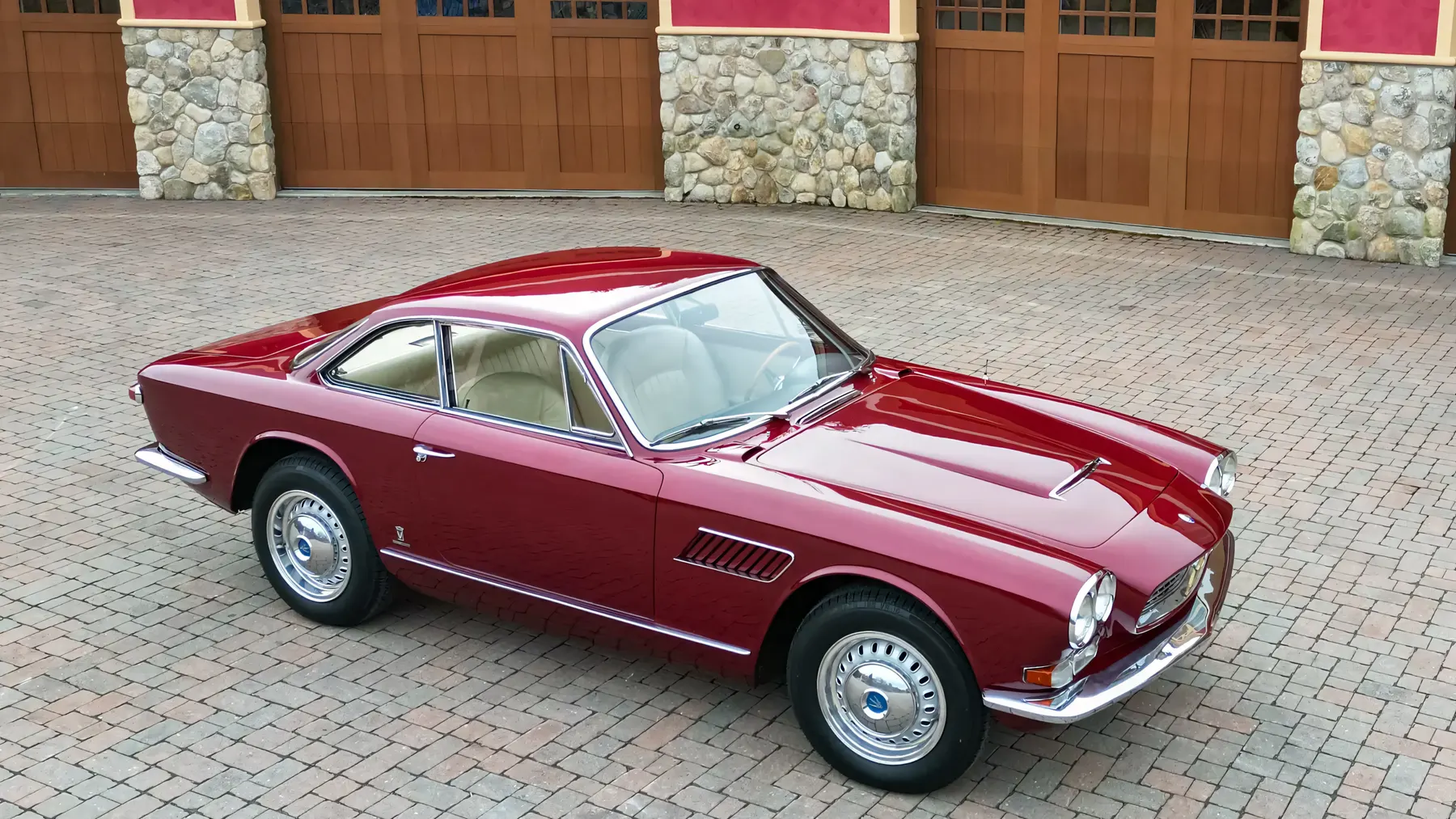
The Maserati Sebring Series II remains highly collectible today due to its limited production numbers and timeless design by Vignale. Each car featured bespoke touches, such as individually marked interior panels and wood-fitted components, emphasising its craftsmanship. Anecdotal accounts suggest that, due to production variations and small batches, only 96 units of certain Series II models were built, enhancing their desirability among collectors.
The Sebring’s legacy is reflected not only in its enduring appeal but also in its impact on automotive culture. Notably, it earned a spot on Jeremy Clarkson’s Top 100 Cars list at number 77, cementing its status as a distinguished classic cherished by enthusiasts and historians alike. The Sebring embodies a period when Maserati married Italian design elegance with motorsport engineering, offering a luxurious, thrilling driving experience that continues to captivate admirers decades later.
Join the discussion
Comments
Loading comments…
Leave a comment
Share a detail, memory, or perspective. Every comment is reviewed before publication.