1966 Sunbeam Tiger Mk IA

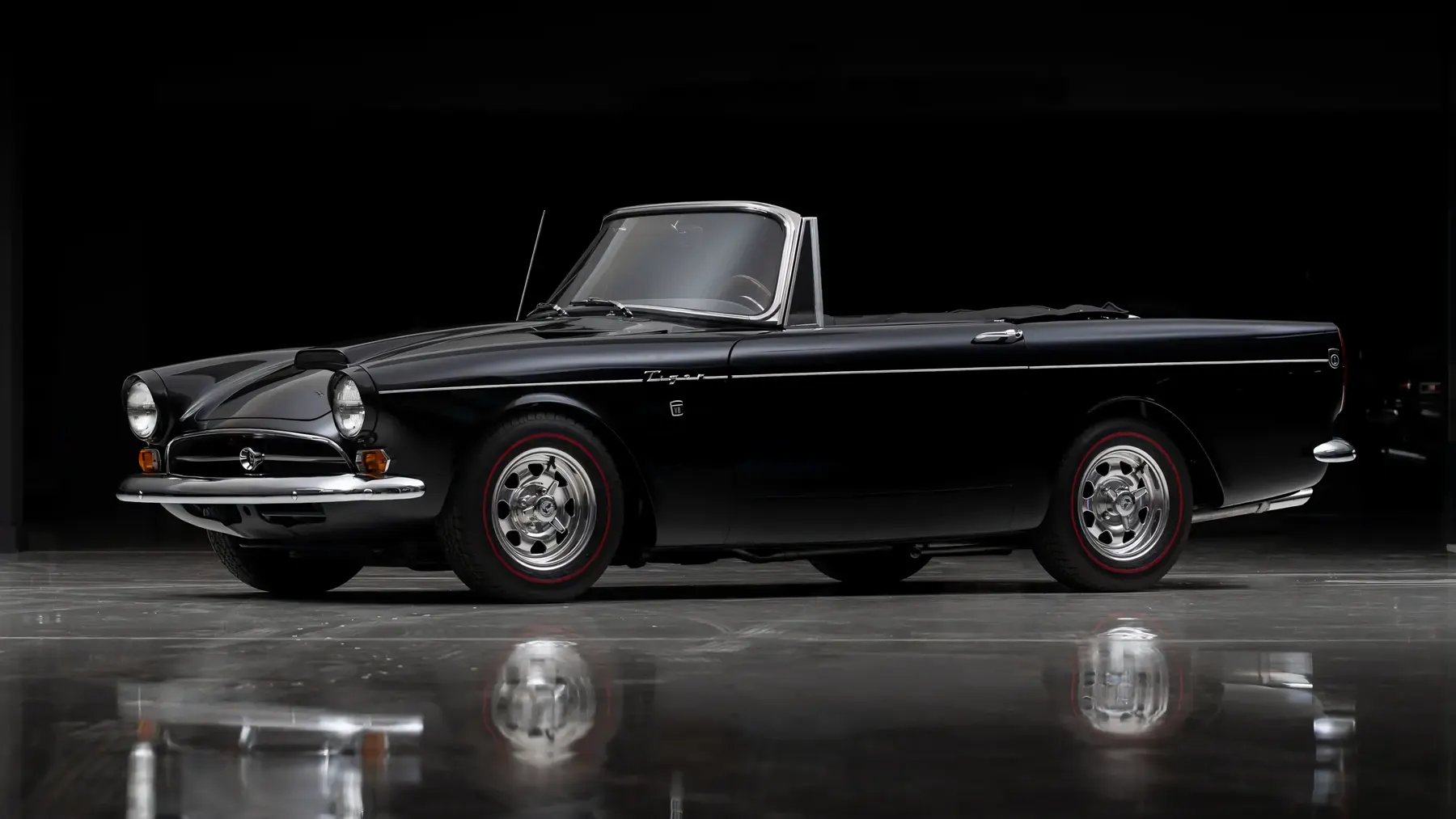
The Sunbeam Tiger Mk IA represents one of the most successful marriages of British sports car design and American V8 power. Created during the golden age of roadsters, this remarkable automobile combines the elegant lines of the Sunbeam Alpine with the raw power of a Ford V8 engine. The result was a car that delivered exhilarating performance in a refined package that continues to captivate enthusiasts decades after its production ended.
The Tiger story begins in the early 1960s when Rootes Group, the British manufacturer behind the Sunbeam Alpine, recognized their attractive roadster needed more power to compete successfully in world markets. Ian Garrad, the West Coast Sales Manager of Rootes American Motors, approached Carroll Shelby with a brilliant idea-transplant a powerful American V8 into the nimble Alpine chassis.
Shelby, fresh from his success with the AC Cobra, took on the challenge. After measuring the Alpine’s engine bay to determine if a V8 would fit (using what was reportedly a simple wooden yardstick), the team discovered that Ford’s 260 cubic inch V8 could be squeezed into the space, though with barely a millimeter to spare. As Shelby himself noted about the tight fit: “I think that if the figure of speech about the shoehorn ever applied to anything, it surely did to the tight squeak in getting that 260 Ford mill into the Sunbeam engine compartment”.
After successful prototypes impressed Rootes management, the Tiger went into production in June 1964, less than a year after the completion of Shelby’s prototype. Jensen Motors in West Bromwich, England, was contracted to build the cars, as the Rootes factory at Ryton lacked the capacity.
While Rootes only officially designated two versions-the Mark I and Mark II-enthusiasts recognize an intermediate model known as the Mark IA. These cars, built between August 1965 and February 1966, were based on the updated Sunbeam Alpine Series V body shell.
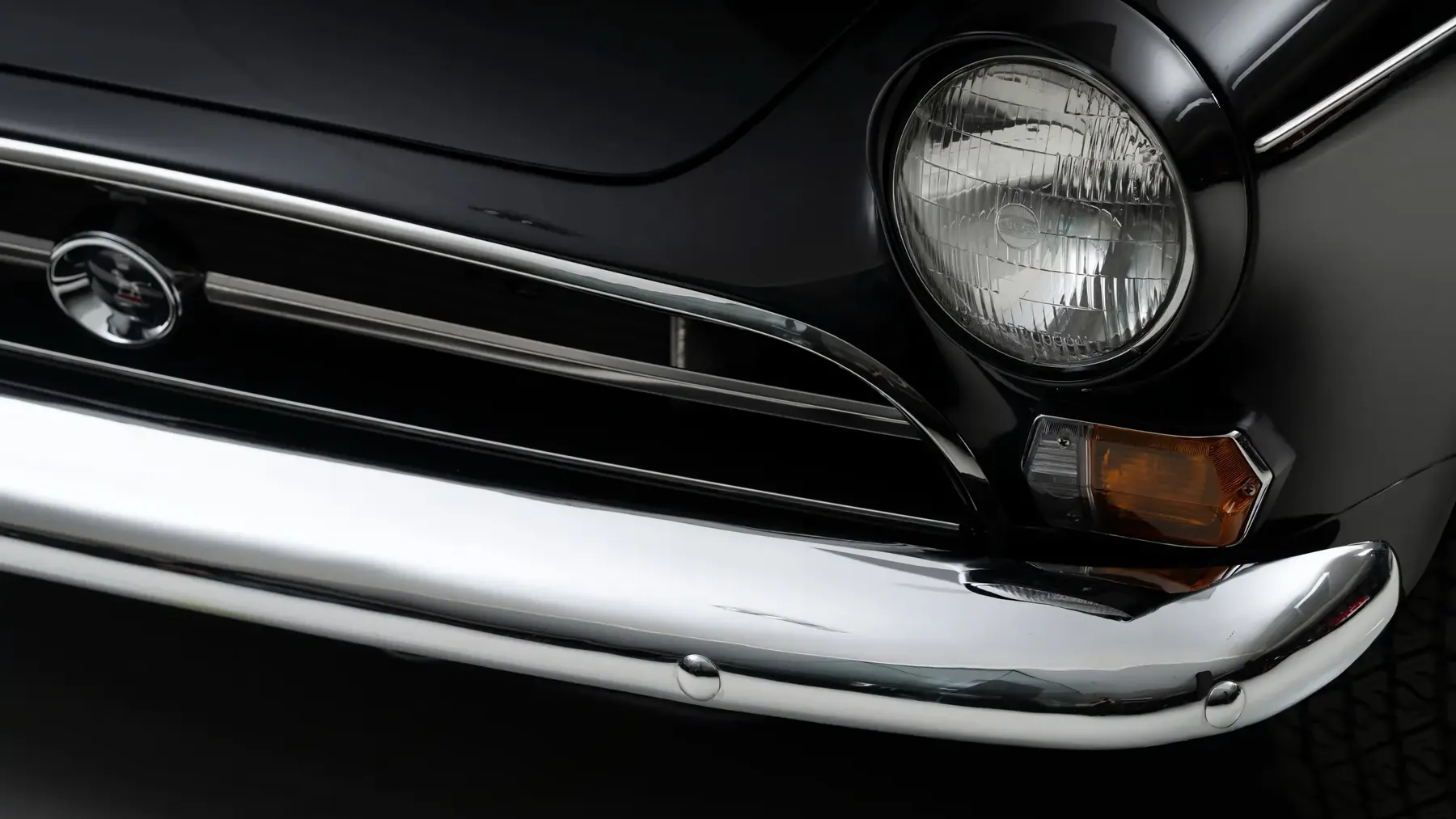
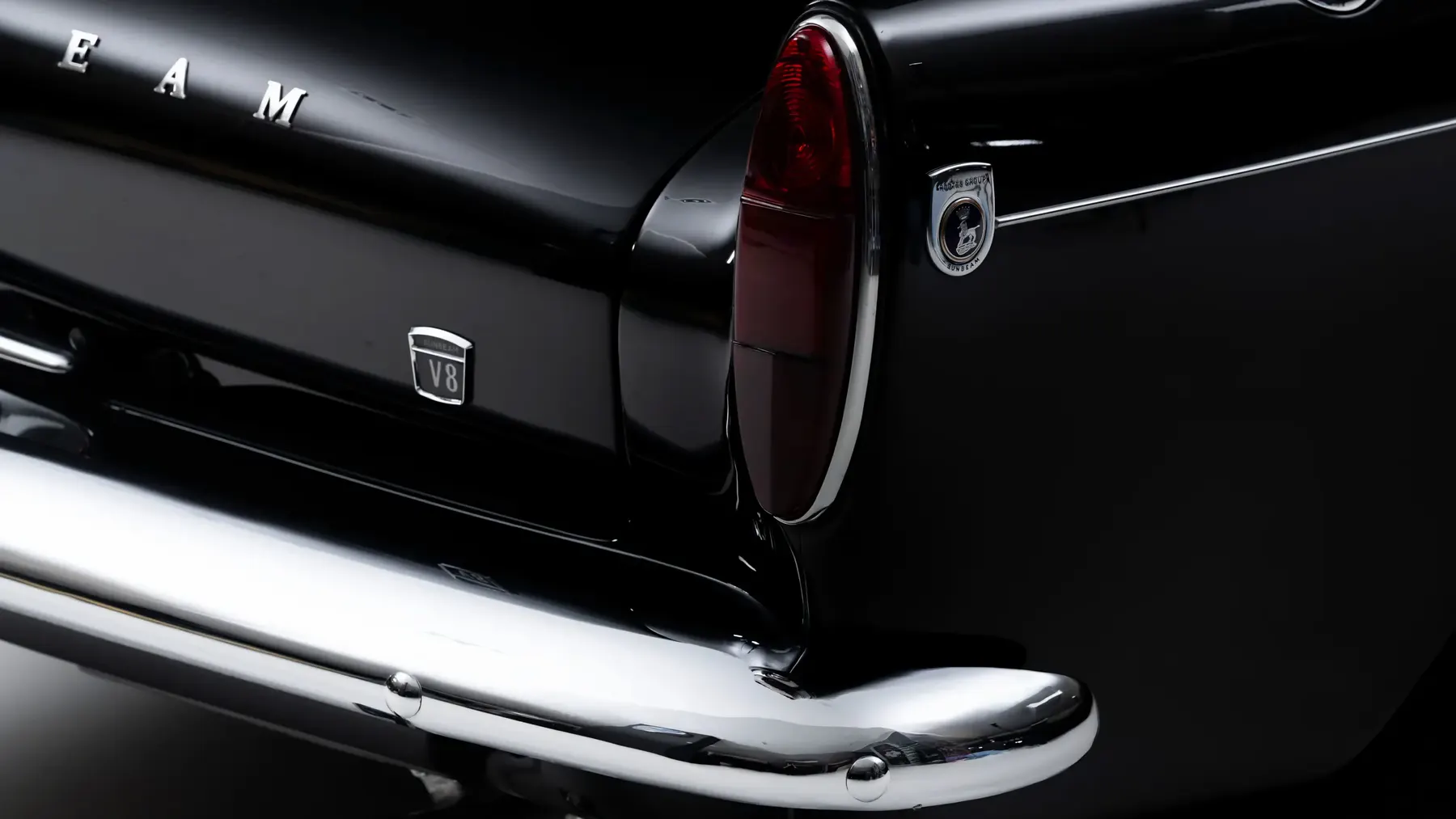
The Mark IA can be distinguished by several key features. Most noticeably, the doors have a much sharper lower trailing edge corner compared to the rounded corners of the earlier Mark I. This same sharpening of corners is evident in both the hood and trunk lid. The Mark IA also featured a vinyl convertible boot rather than the metal cover found on earlier models.
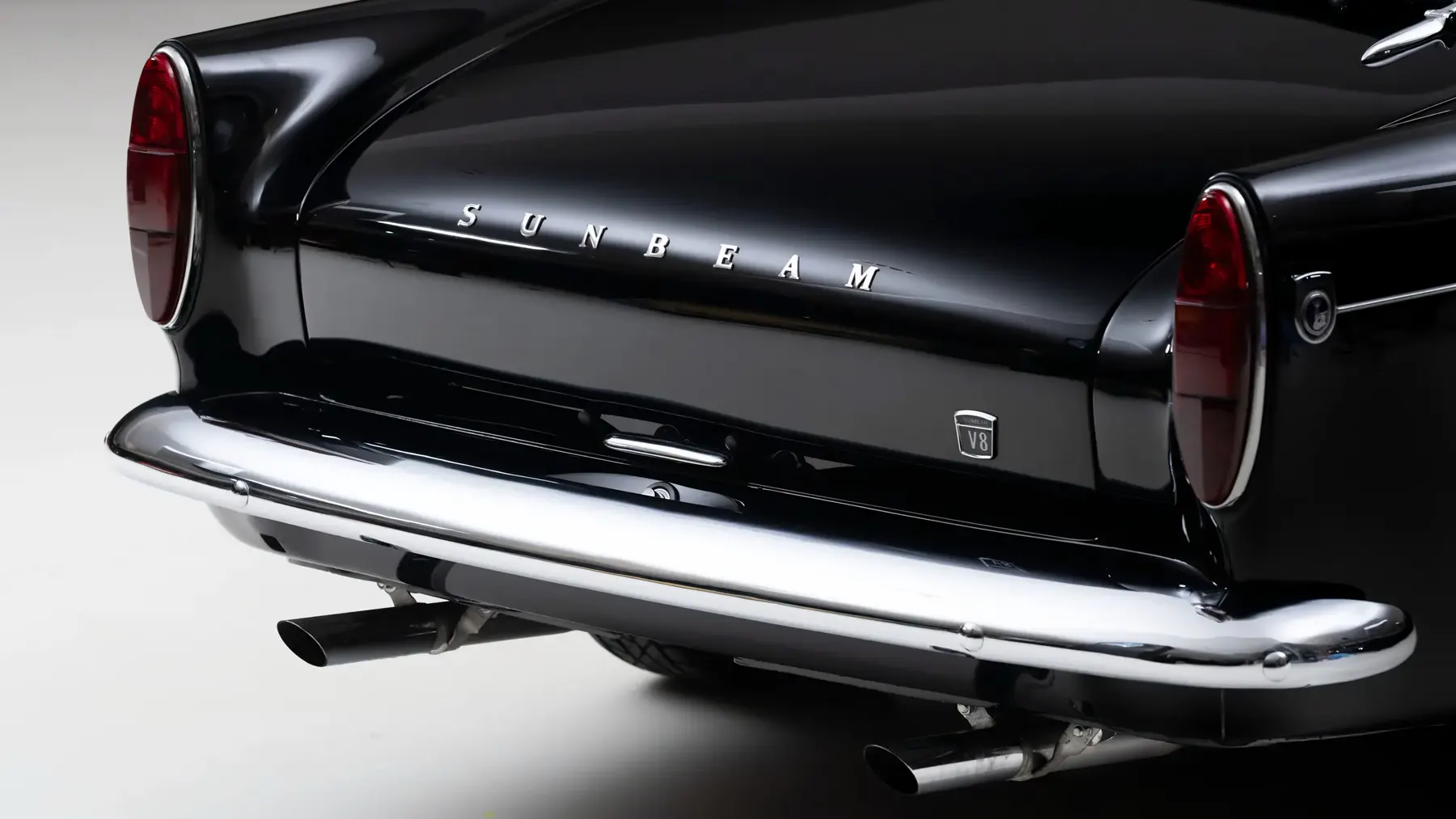
Approximately 2,706 Mark IA Tigers were produced during this brief period, making them somewhat rarer than the standard Mark I models.
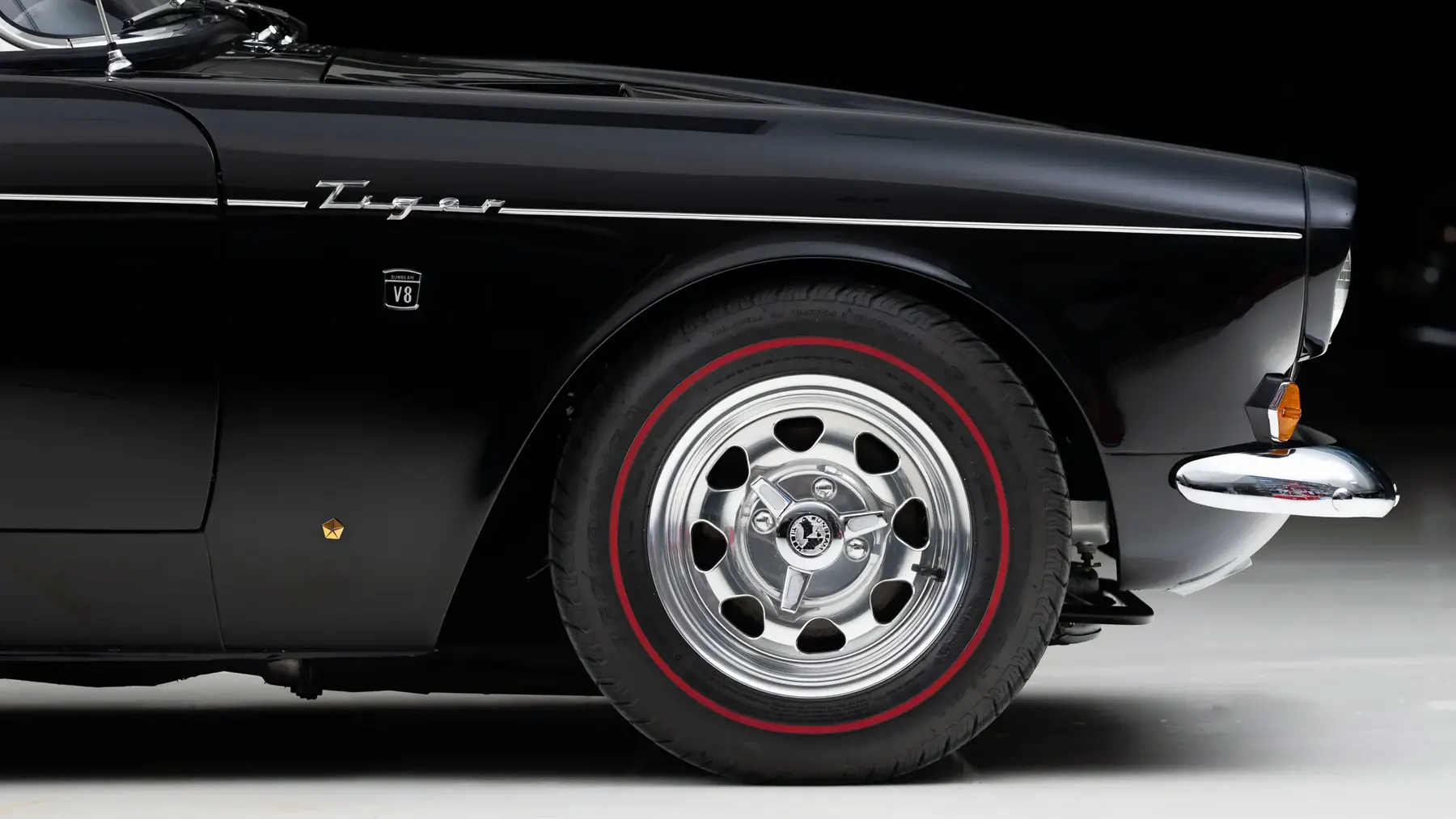
The heart of the Tiger Mk IA is the Ford 260 cubic inch (4.3 liter) V8 engine, producing 164 bhp at 4,400 rpm and an impressive 258 ft-lbs of torque at just 2,200 rpm. This powerplant gave the Tiger remarkable performance for its era, with a 0-60 mph time of 8.6 seconds and a top speed of 120 mph (190 km/h).
Power was transmitted through a 4-speed manual transmission with relatively wide gear ratios. The gearing was configured as follows: 1st Gear at 6.68:1, 2nd Gear at 4.87:1, 3rd Gear at 3.72:1, and 4th Gear at 2.88:1. This transmission setup allowed the Tiger to make excellent use of the V8’s broad torque curve across various driving conditions.
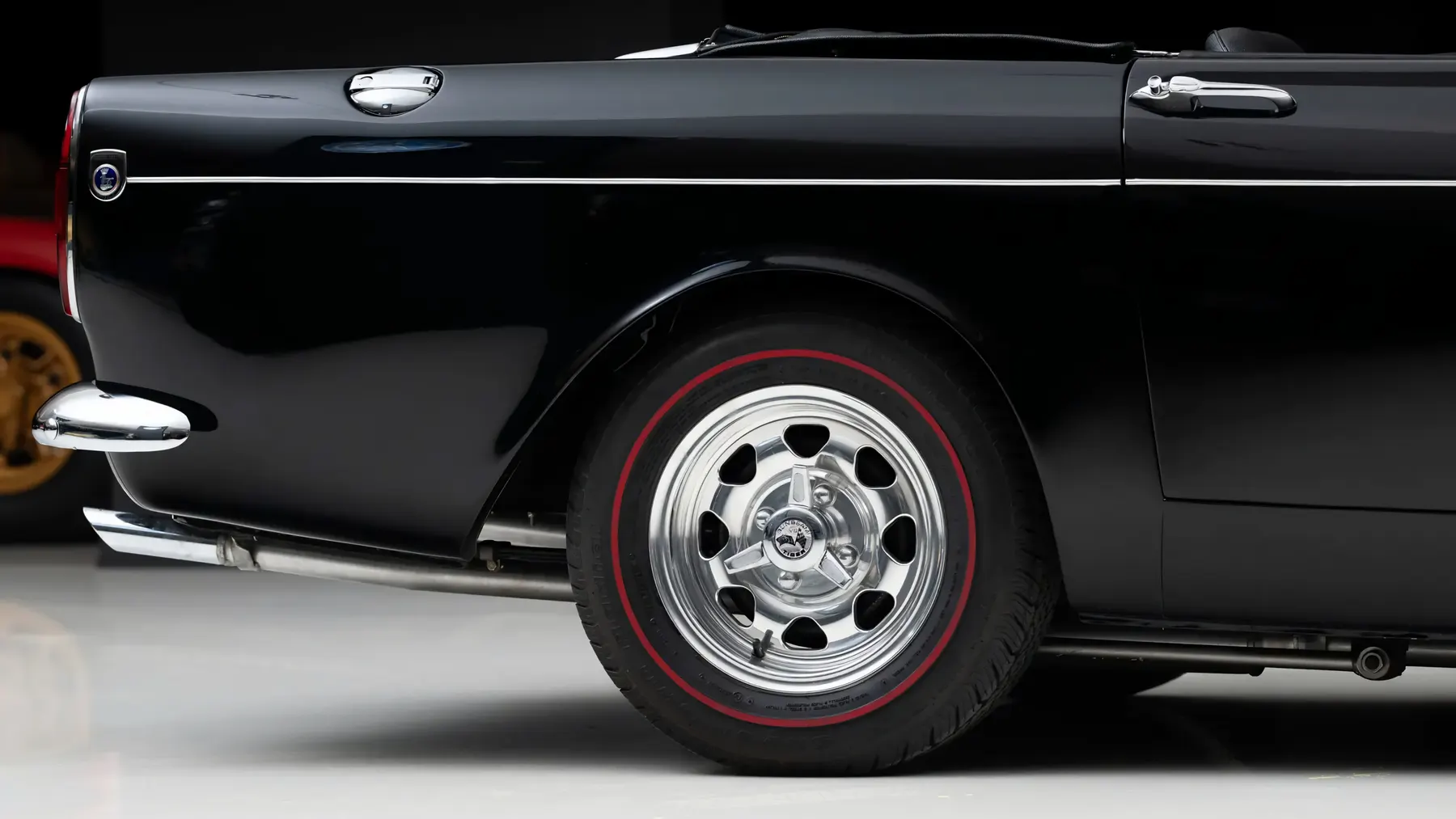
The chassis required several modifications to handle the substantial increase in power. The recirculating ball steering was replaced with a more modern rack and pinion system. The suspension consisted of independent front suspension with coil springs and a live axle rear with semi-elliptic springs. A Panhard rod was added to better locate the rear axle, and stiffer front springs were installed to handle the additional weight of the V8 engine.
Braking was handled by Girling-manufactured 9.85-inch discs at the front and 9-inch drums at the rear. While adequate for normal driving, some critics noted that the braking and suspension systems could be overwhelmed by the V8’s power during aggressive driving.
Despite the addition of the V8 engine, the Tiger was only about 20% heavier than the Alpine, with a kerb weight of approximately 1,203 kg. The weight distribution remained quite balanced, with a front/rear ratio of 51.7/48.3.
Contemporary road tests praised the Tiger for its blend of American power and European handling. Motor Sport magazine concluded that “No combination of an American V8 and a British chassis could be happier”. The car offered genuine sports car performance while maintaining civilized road manners and comfort features not found in more hardcore sports cars of the era.
The Tiger delivered its power in a smooth, linear fashion, with the torquey V8 providing effortless acceleration in any gear. Unlike the more temperamental sports cars of the period, the Tiger was docile around town but capable of thrilling performance when asked to deliver. This dual-nature personality made it both a practical daily driver and a weekend fun machine.
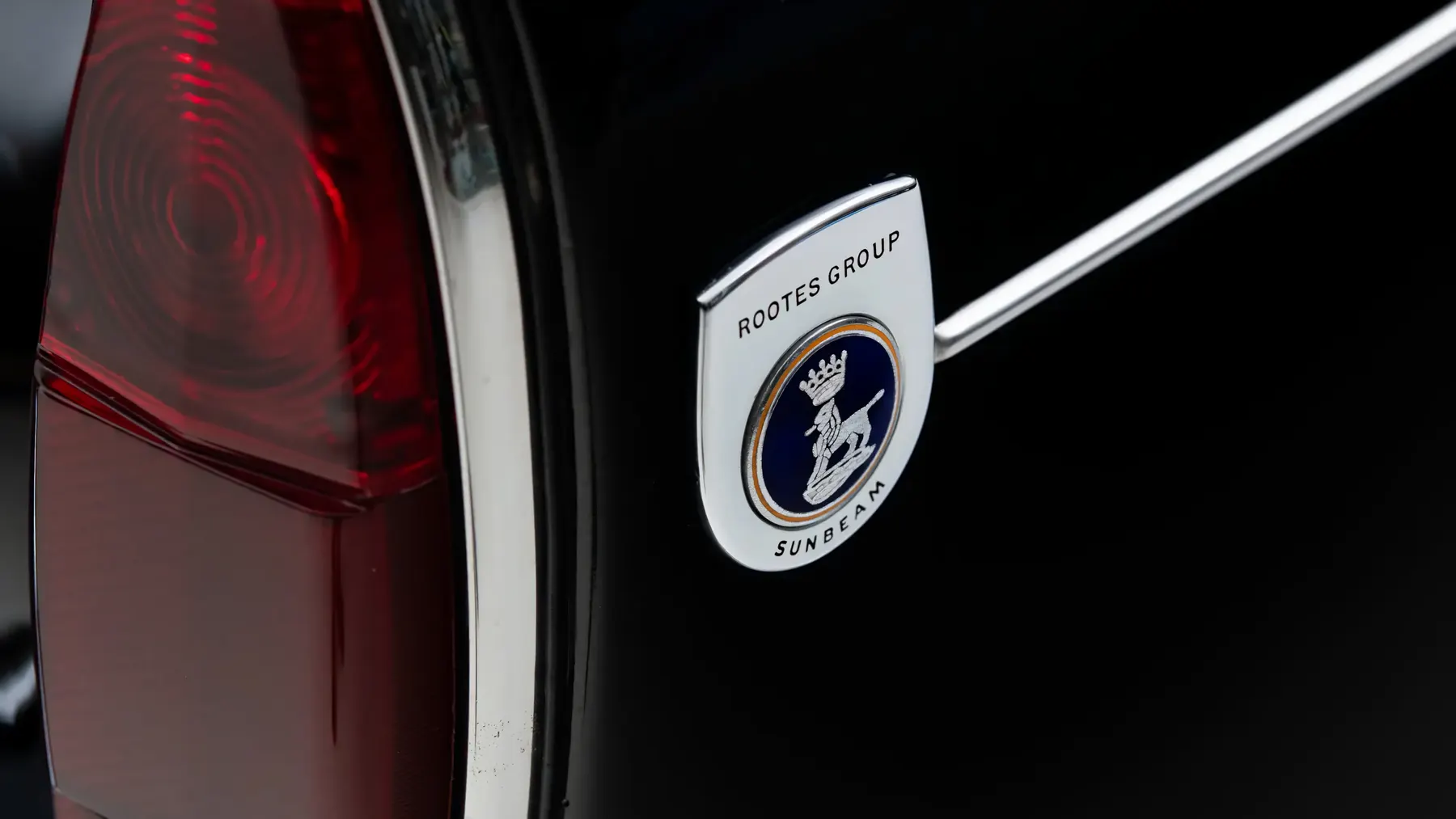
The Tiger’s life was unfortunately cut short by corporate politics. By 1964, Rootes Group was experiencing serious financial difficulties, which led to Chrysler acquiring a stake in the company. By 1967, Chrysler had gained controlling interest in Rootes.
Chrysler found itself in the awkward position of selling a car powered by a competitor’s engine. Unfortunately, Chrysler’s own V8 engines wouldn’t fit under the Tiger’s bonnet without major modifications, particularly because their small-block V8s had rear-mounted distributors, unlike the front-mounted distributor of the Ford V8.
Rather than redesign the car, Chrysler ordered that Tiger production would end once the existing stock of Ford engines was exhausted. The last Tiger rolled off the production line on June 27, 1967. In total, approximately 7,083 Tigers were produced across all versions, including roughly 2,706 Mark IA models.
The Tiger wasn’t just a road car-it also enjoyed success in competition. Rootes entered Tigers in European rallies, achieving first, second, and third places in the 1964 Geneva Rally. In the 1965 Monte Carlo Rally, a Tiger finished fourth overall, the highest placing for any front-engine, rear-wheel-drive car in the event.
Tigers also competed successfully in American quarter-mile drag racing, holding the American Hot Rod Association’s national record in its class for two years, achieving a speed of 108 mph in 12.95 seconds.
The Tiger gained additional fame from its appearance in the American television spy spoof series “Get Smart,” where it was the car of choice for protagonist Maxwell Smart during the first two seasons. This exposure helped cement the Tiger’s place in popular culture.
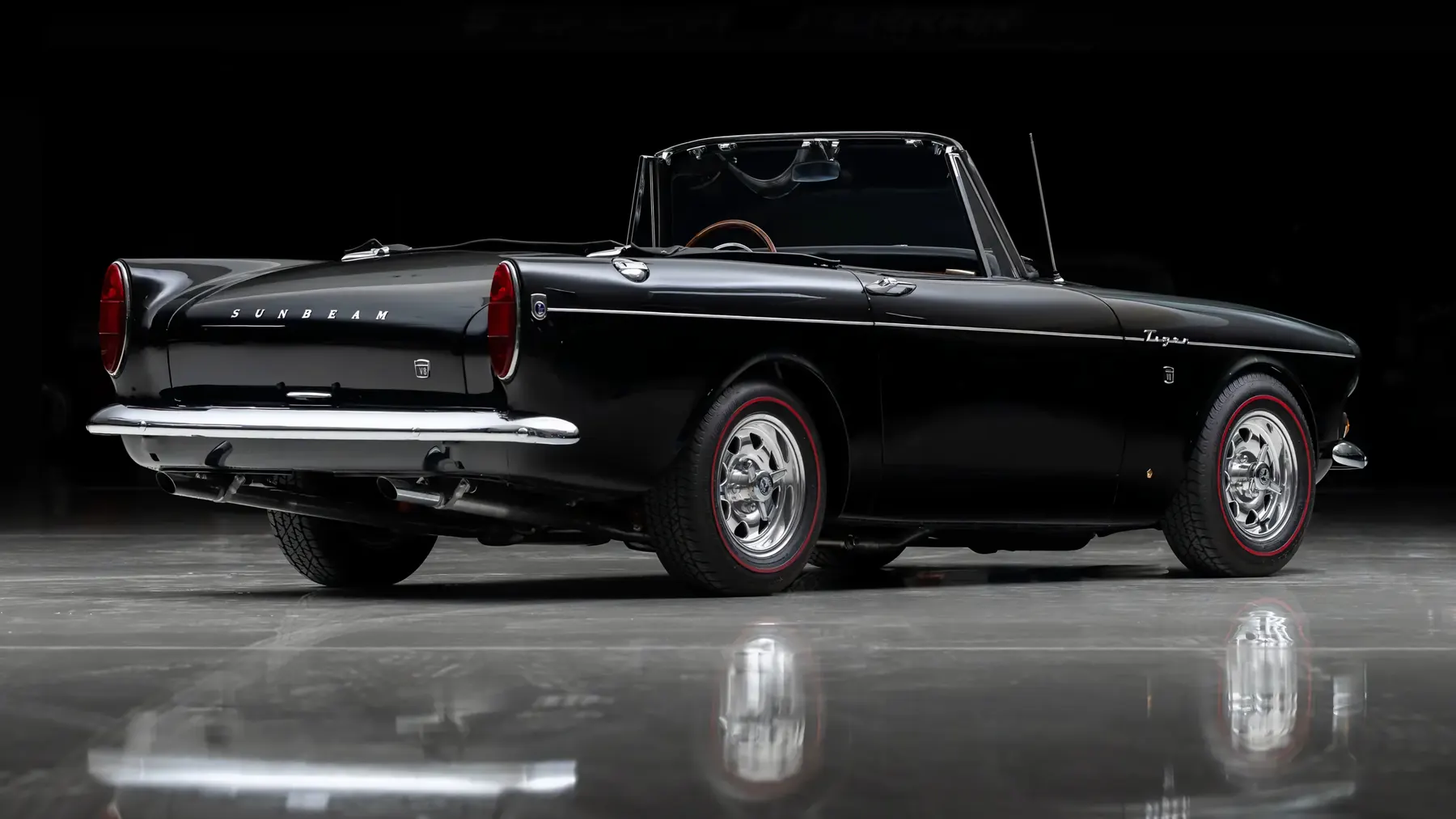
Today, the Sunbeam Tiger, particularly the Mark IA, is a highly sought-after collector car. Well-restored examples can command prices well over $100,000 at auction. A 1967 Sunbeam Tiger Mk IA sold for $179,200 at Gooding & Company’s 2022 Amelia Island auction.
The Tiger’s appeal stems from its unique combination of British sports car character and American V8 muscle, coupled with its relative rarity and Carroll Shelby connection. While it lacks the raw performance and astronomical value of its spiritual sibling, the Shelby Cobra, the Tiger offers a more civilized driving experience and remains considerably more affordable.
Unfortunately, many Tigers have been modified over the years, making original examples increasingly rare. Some have received engine upgrades, suspension modifications, or body alterations that deviate from factory specifications. When evaluating a Tiger today, originality and provenance are key factors in determining value.
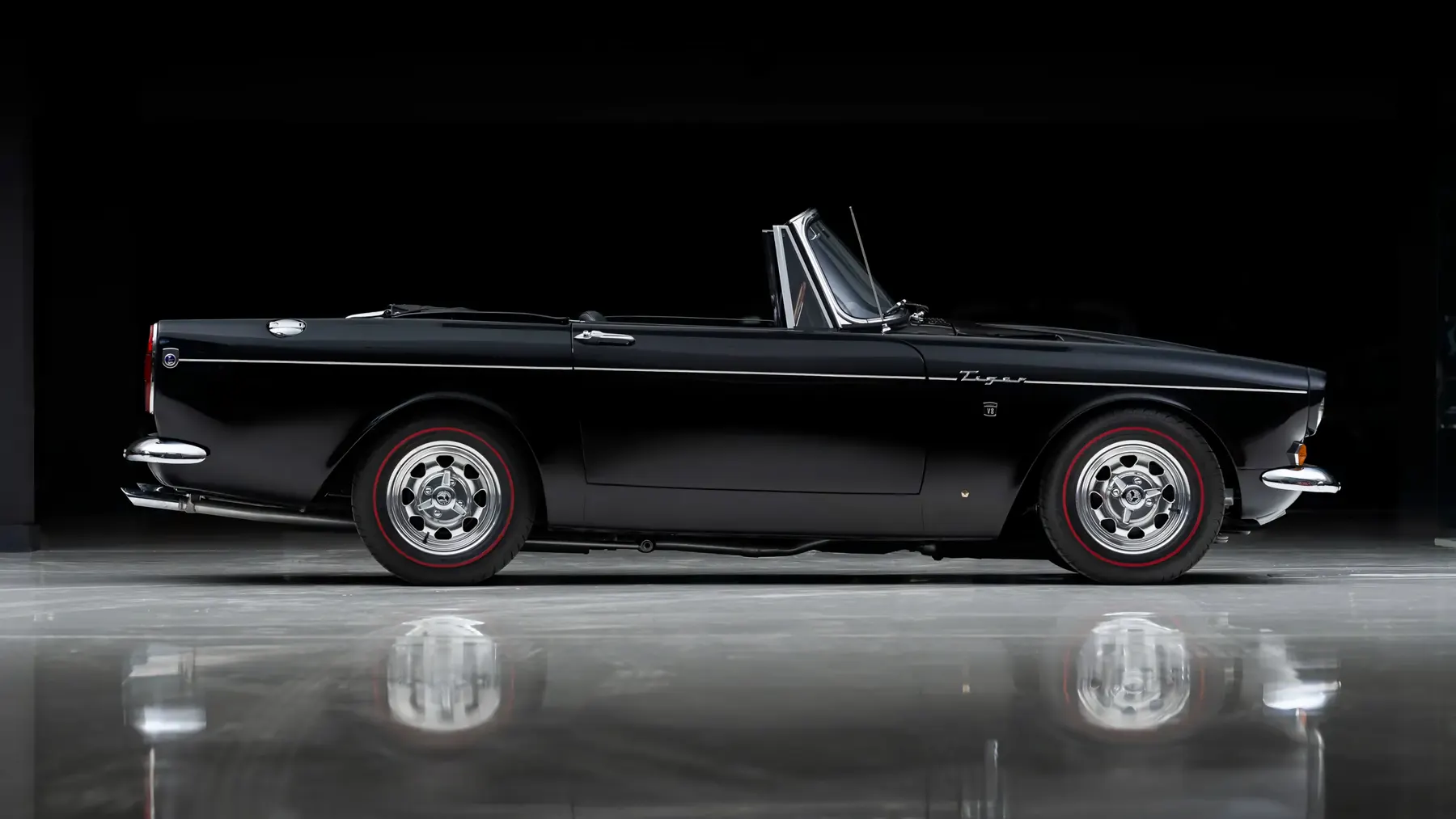
What makes the Sunbeam Tiger Mk IA so special more than five decades after its production ended? It’s the combination of its striking good looks, thrilling performance, and the successful marriage of American power and British handling that gives the car its unique character.
The Tiger represents a pivotal moment in automotive history when international collaboration created something greater than the sum of its parts. It shows how creative engineering and cross-cultural cooperation can produce exceptional automobiles that stand the test of time.
For those fortunate enough to experience a Sunbeam Tiger Mk IA, the car delivers a driving experience that combines the best of two automotive worlds-the refined character of a British sports car with the robust power and reliability of American V8 muscle. It’s this dual personality that continues to attract enthusiasts and ensures the Tiger’s place in automotive history as one of the most successful Anglo-American hybrids ever created.
Join the discussion
Comments
Loading comments…
Leave a comment
Share a detail, memory, or perspective. Every comment is reviewed before publication.