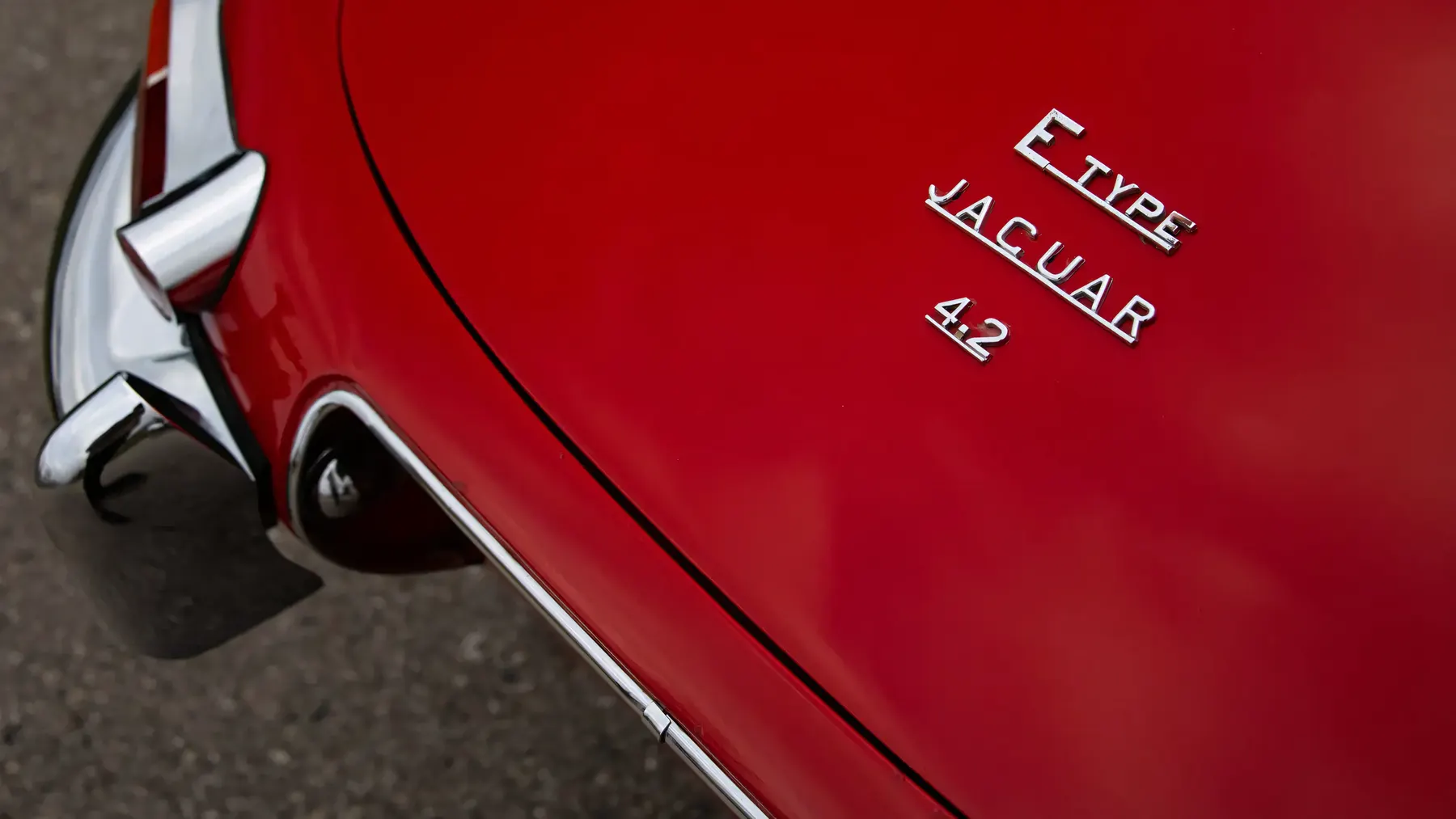
1968 Jaguar E-Type Series 1½ 4.2-Litre Roadster

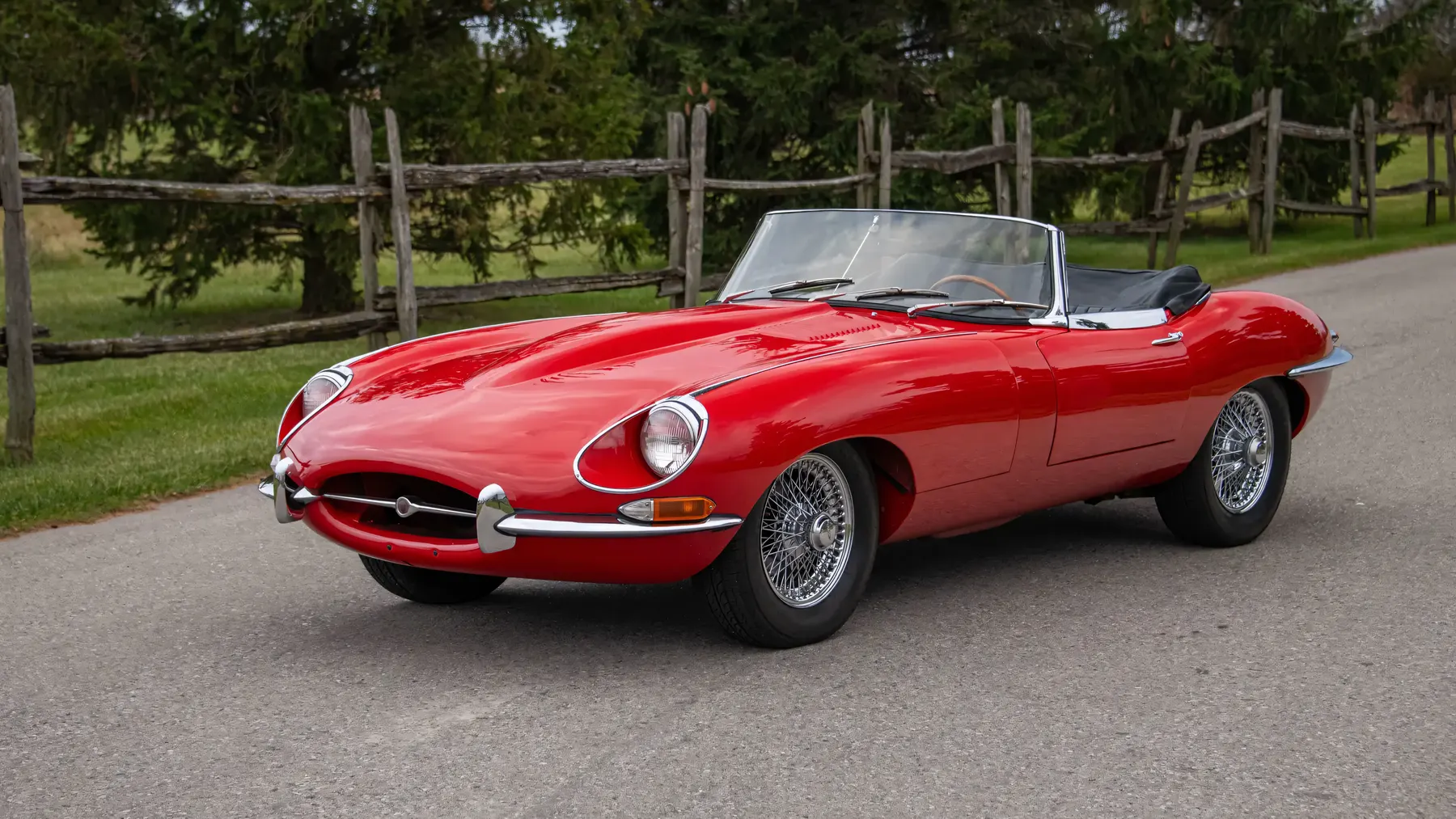
The Jaguar E-Type is an icon of automotive history. Known as the Jaguar XK-E in North America, this British masterpiece was a blend of beauty, advanced engineering, and breathtaking performance. The Series 1½ Roadster represents a unique moment in this car’s evolution, bridging the gap between the original Series 1 and the later Series 2 models, while maintaining the essence that made the E-Type legendary.
First launched in 1961, the Jaguar E-Type’s design was heavily influenced by the D-Type, which had dominated the 24 Hours of Le Mans during the mid-1950s. Its front mid-engined layout, combined with a revolutionary unitary body construction and independent suspension, set a new standard for sports cars. The E-Type could reach a top speed of 150 mph (240 km/h) and accelerate from 0 to 60 mph in just under seven seconds,an astonishing feat for the early 1960s.
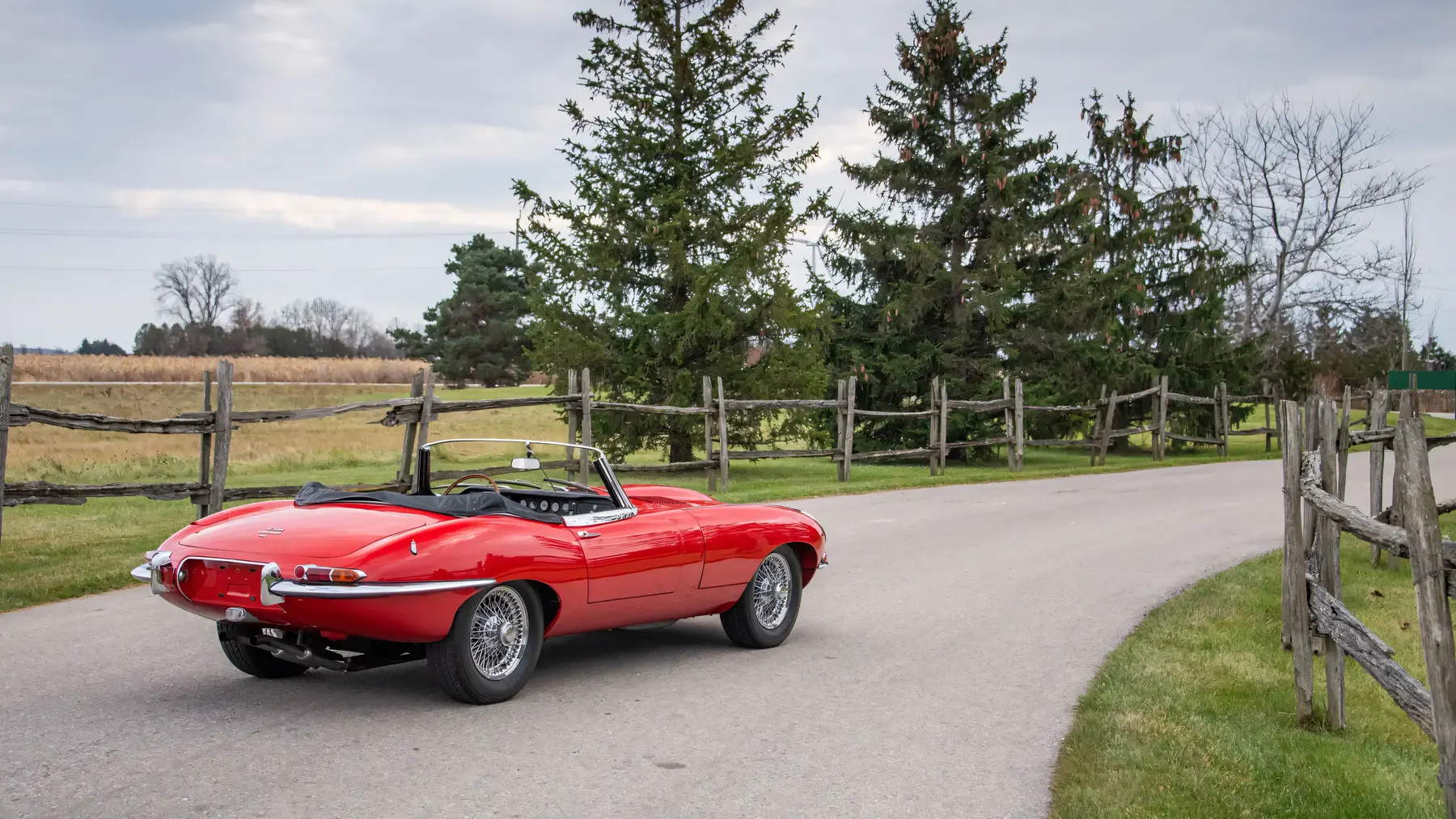
Enzo Ferrari famously referred to the E-Type as “the most beautiful car ever made,” and whether this was legend or fact, few would argue against the car’s aesthetic brilliance.
By 1968, Jaguar found itself under pressure from new U.S. safety and emissions regulations. These regulations demanded significant changes to the original Series 1 design, leading to the creation of the transitional Series 1½. This series retained the shape and spirit of the Series 1, but with a few compromises to meet regulatory demands. Most notably, the iconic glass-covered headlights were replaced with open units, a move driven by safety concerns.
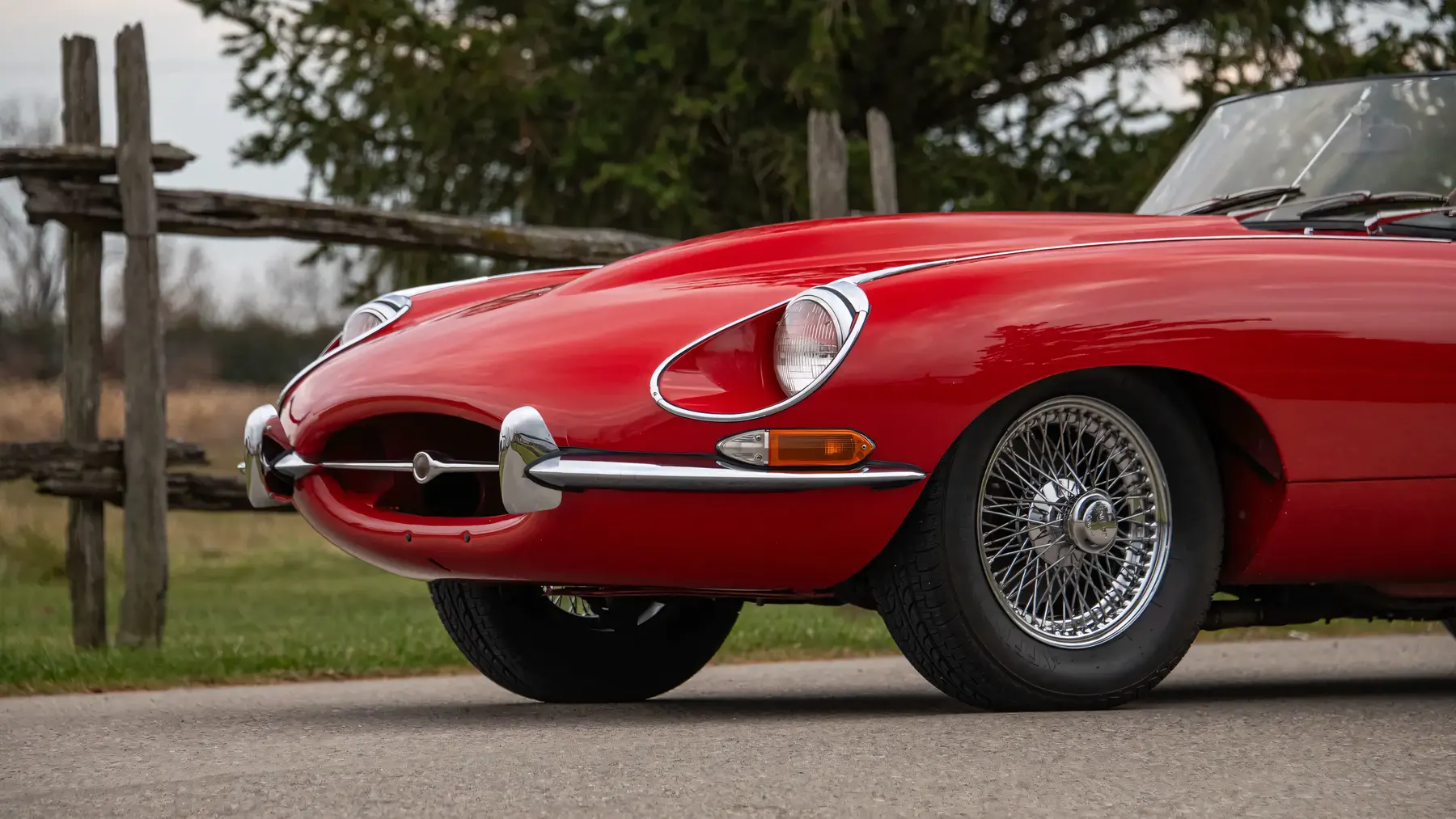
The Series 1 1⁄2 also saw the introduction of black rocker switches in place of the Series 1’s metal toggle switches, another requirement of U.S. laws. For the North American market, the triple SU carburetors were replaced with twin Zenith-Stromberg units, resulting in a slight reduction in power from 265 to 246 horsepower. Despite these changes, the 4.2-liter inline six-cylinder engine remained a powerhouse, delivering a driving experience that was still exhilarating.
The Series 1½ is a unique blend of Jaguar’s past and future. It retained much of the elegance and performance of the Series 1 while incorporating necessary updates that would define the Series 2. The suspension and steering remained true to the original’s precision, while updates like twin cooling fans improved the car’s drivability in hotter climates.
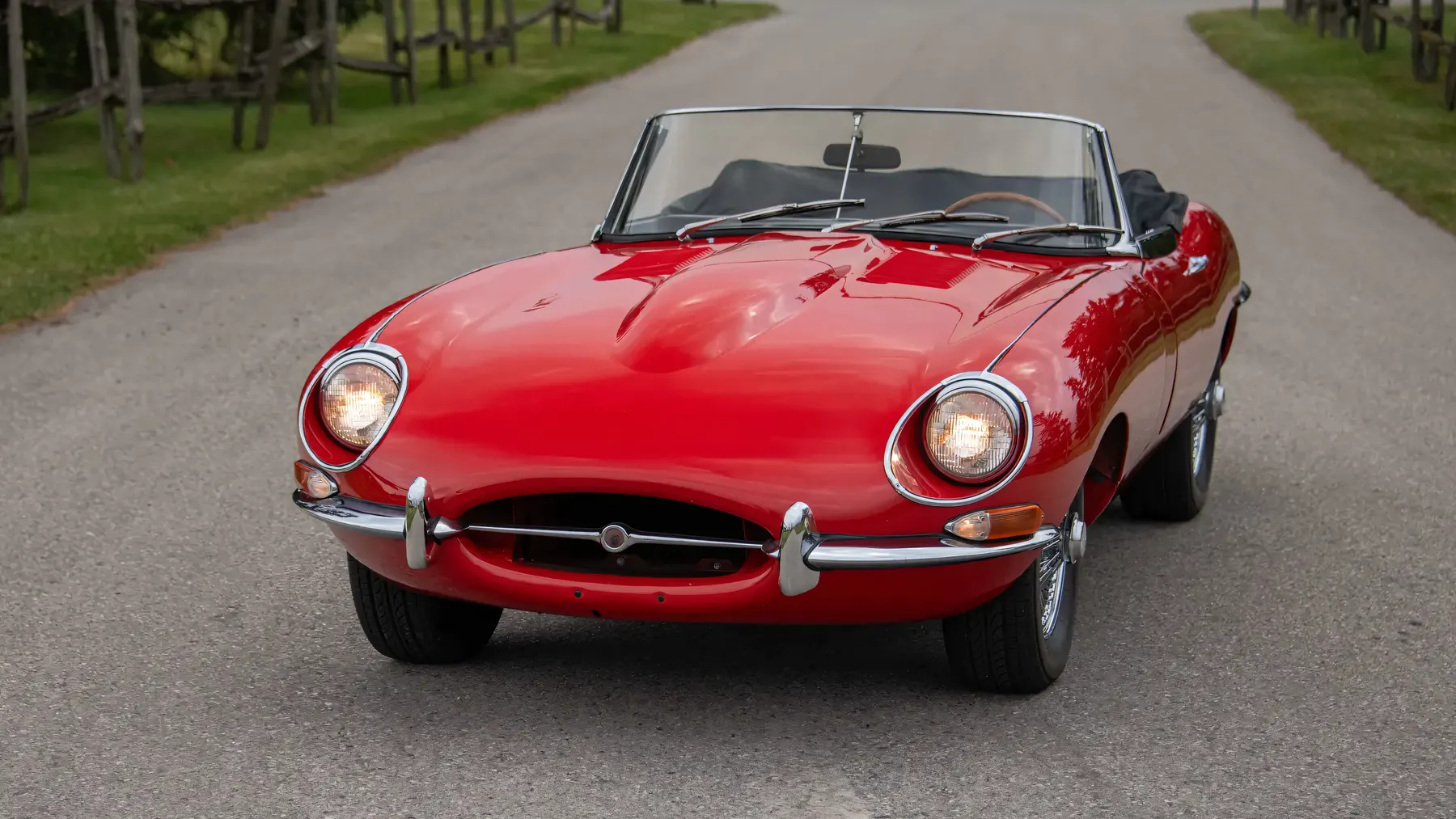
One of the most notable changes involved the knock-off wheel nuts. U.S. safety regulations required a switch from the winged spinners to hexagonal nuts, a subtle but important difference for collectors today.
The Series 1½ models are among the rarest of the E-Types, produced during a brief transitional period from 1967 to 1968. These cars are prized not just for their rarity but for the way they encapsulate the best of both worlds: the purity of the Series 1 design with the technological advancements of the Series 2.
Jaguar’s E-Type remains a symbol of British engineering at its peak. The Series 1 1⁄2, with its blend of tradition and innovation, is a testament to how Jaguar gracefully navigated the changing automotive landscape while maintaining the E-Type legendary status. Even today, it stands as one of the most desirable and collectible sports cars ever made.
Join the discussion
Comments
Loading comments…
Leave a comment
Share a detail, memory, or perspective. Every comment is reviewed before publication.