1970 Maserati Mistral 4.0 Coupé

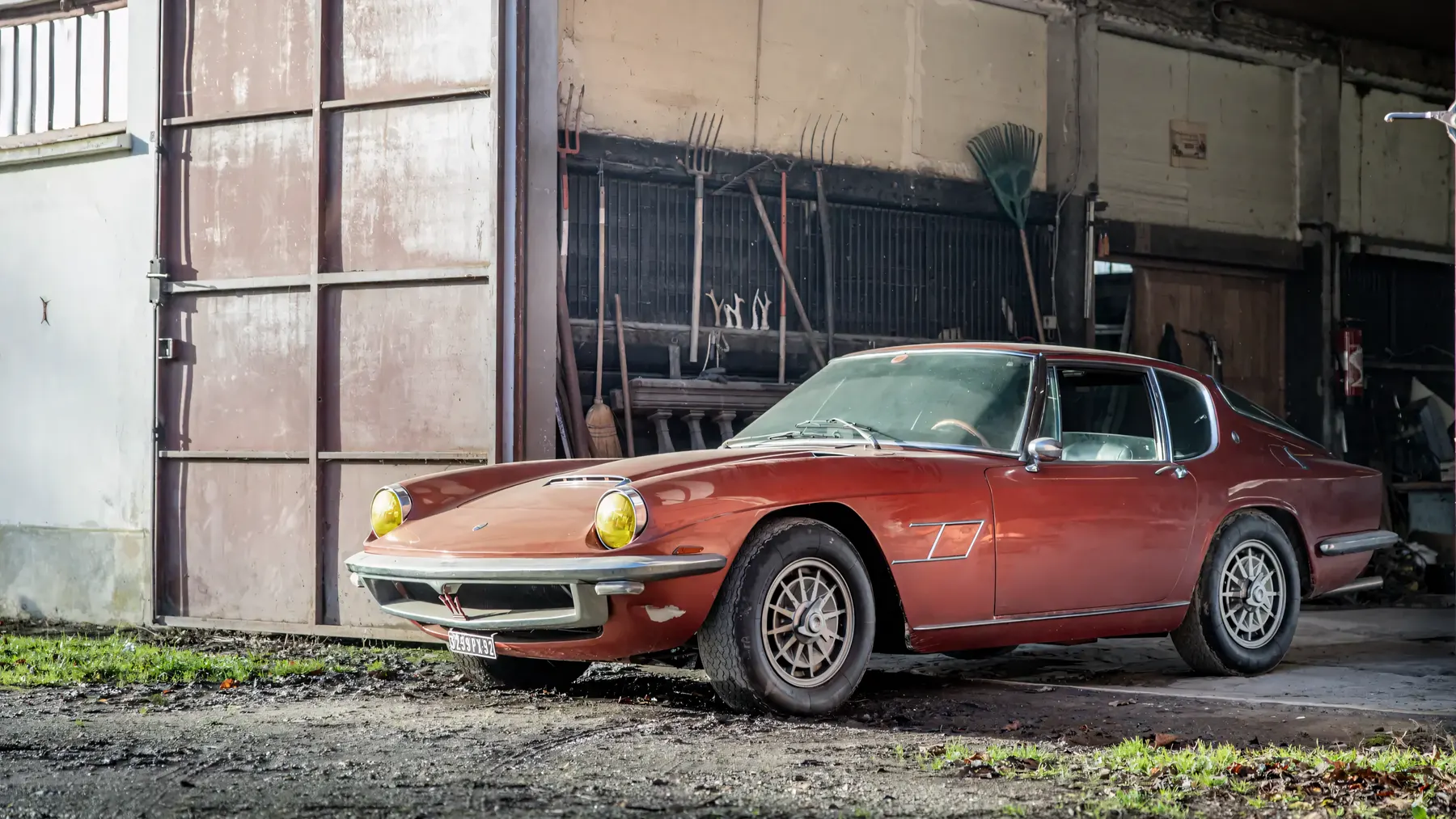
The Maserati Mistral 4.0 Coupé stands as one of the most elegant and refined expressions of Italian automotive artistry from the 1960s. This grand tourer was not just a successor to the 3500 GT; it marked the end of an era, being the last Maserati model to feature the company’s legendary twin-spark, dual-overhead cam straight-six engine. With its sleek design and a rich racing heritage behind its engine, the Mistral carved its place in automotive history as both a driver’s car and a collector’s treasure.
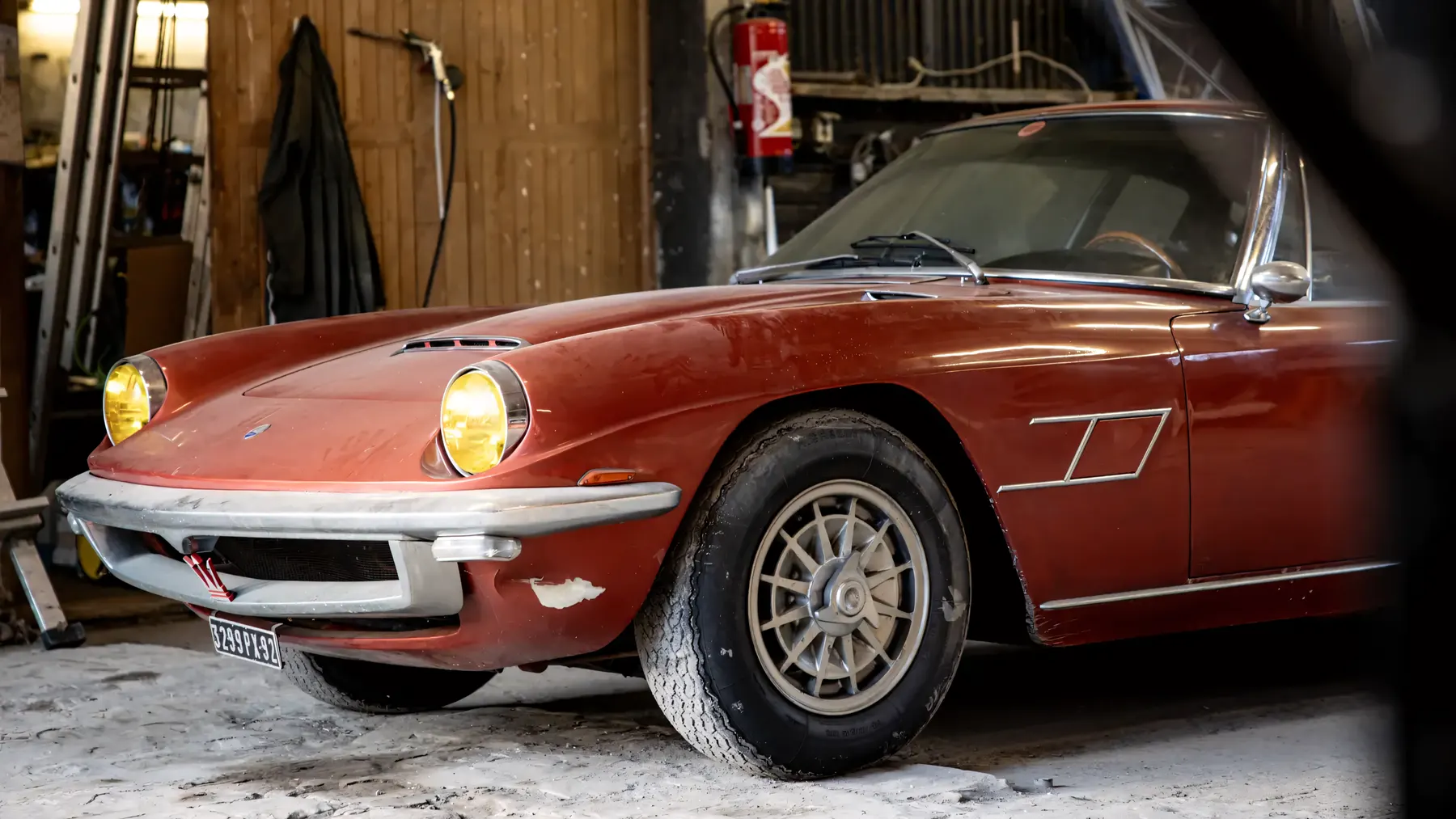
Launched at the 1963 Turin Motor Show, the Mistral was styled by renowned Italian designer Pietro Frua, whose work on the car gave it a timeless, graceful appearance. With its long, flowing lines and distinctive sloping roofline, the Mistral was a departure from its more conservative predecessors, signalling Maserati’s forward-thinking design ethos. The name “Mistral,” inspired by the cold wind blowing through the south of France, was apt for a car that seemed to slice through the air with precision and purpose.
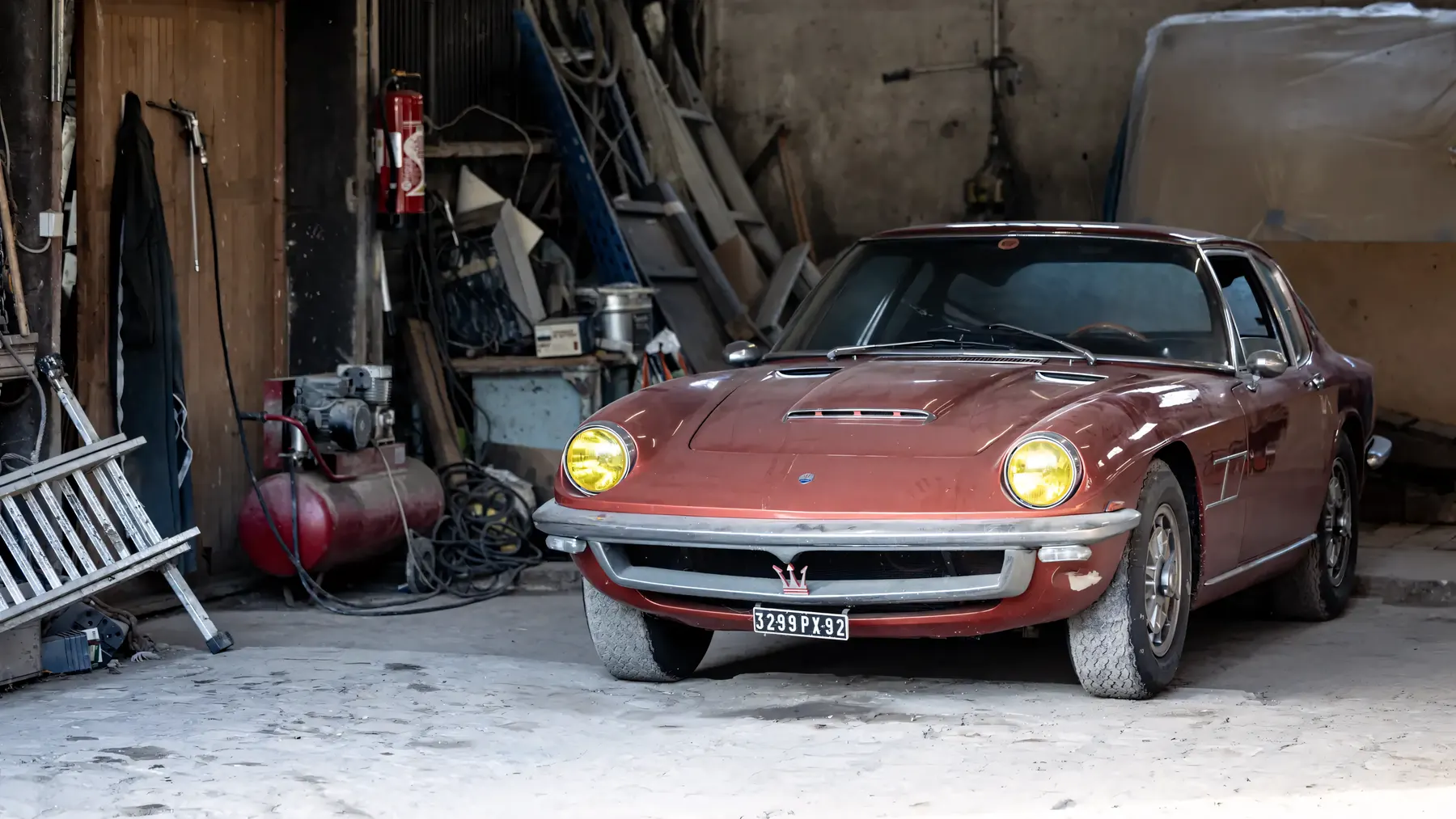
Built by Maggiora of Turin, the Mistral was offered in both aluminium and steel body variants, although it remains unclear how many of each were produced. The Borrani wire wheels and Pirelli Cinturato tyres added to the car’s classic 1960s grand tourer aesthetic. Inside, the Mistral combined Italian luxury with a driver-focused layout, creating a cabin that was as functional as it was stylish.
What truly set the Mistral apart was its straight-six engine, an evolution of the unit that powered the legendary Maserati 250F Grand Prix cars. This engine won eight Grand Prix titles and a Formula 1 World Championship in 1957 with the iconic Juan Manuel Fangio behind the wheel. For the road-going Mistral, Maserati engineers refined this race-proven engine to offer three different displacements: 3.5, 3.7, and 4.0 litres.
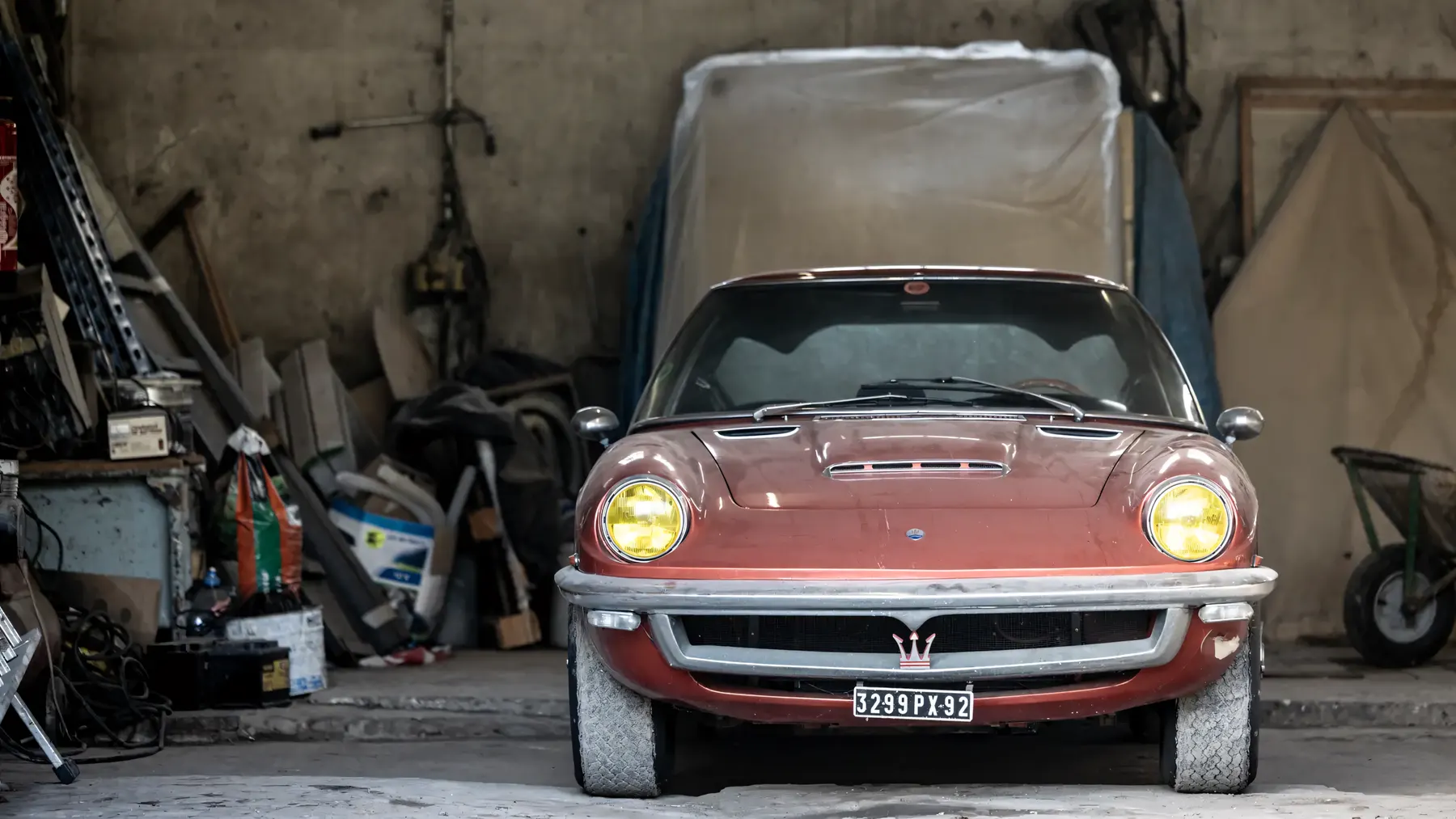
Of these, the 4.0-liter version became the most sought-after, delivering 265 horsepower at 5,200 rpm. It could sprint from 0 to 60 mph in just under 7 seconds, with a top speed of 145 mph (233 km/h), impressive numbers for the era. The Lucas indirect fuel injection system, combined with hemispherical combustion chambers, ensured the Mistral delivered power with sophistication.
For all its beauty and refinement, the Mistral was a car that could back up its looks with performance. Equipped with a five-speed ZF manual transmission and four-wheel solid disc brakes, it was a car built for long, high-speed journeys. The independent front suspension provided a smooth and controlled ride, while the solid rear axle reminded drivers of the car’s 1960s engineering roots.
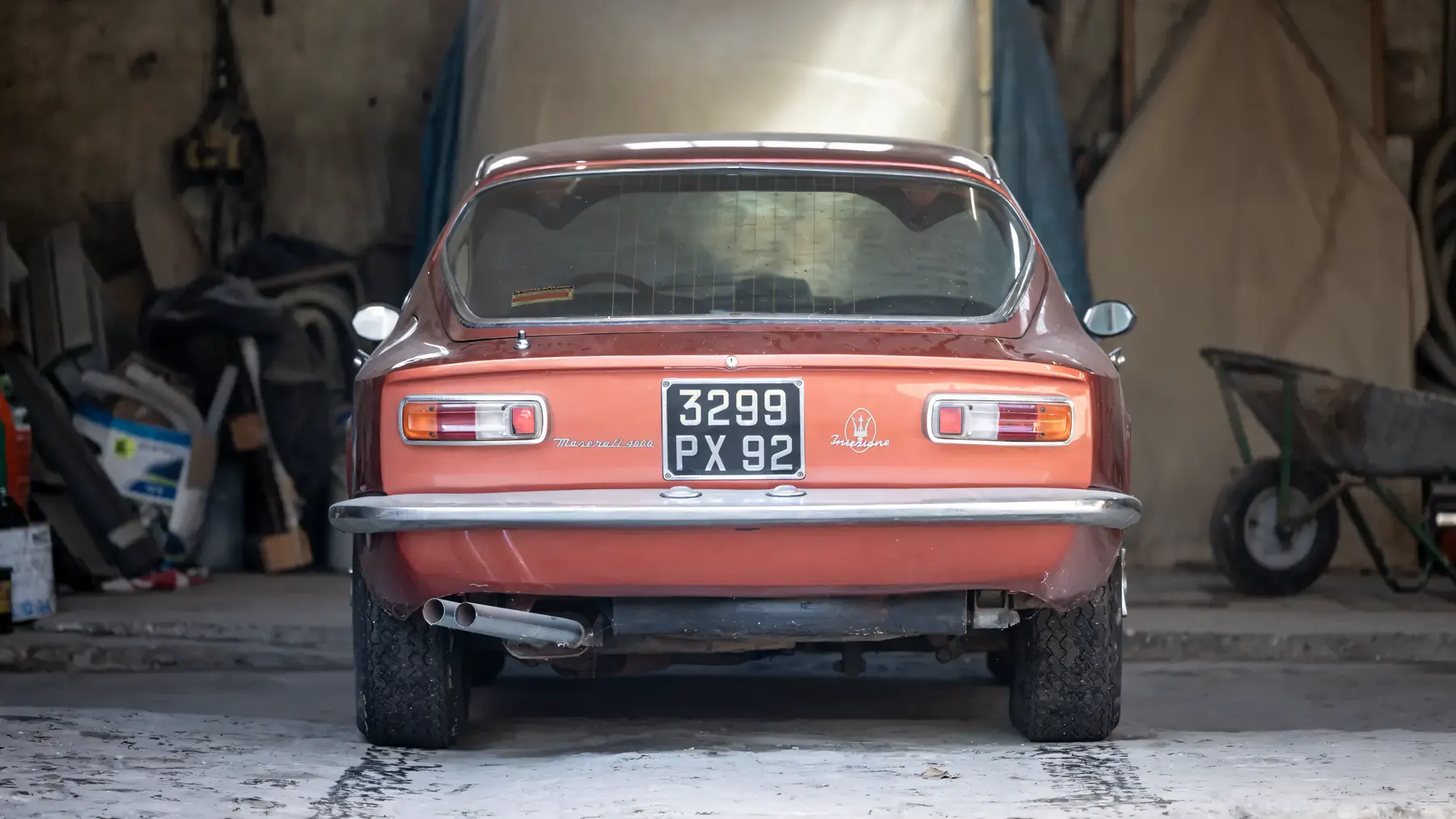
The Mistral was far from a lightweight sports car, but its balance of power, poise, and luxury made it a joy to drive on long, sweeping roads. Enthusiasts appreciated its linear power delivery and the raspy note of the twin-spark straight-six engine. While its handling might have lacked the sharpness of more modern cars, the Mistral delivered a unique and engaging driving experience, capturing the essence of Maserati’s grand touring philosophy.
With just 828 coupés and 125 Spyders built between 1963 and 1970, the Maserati Mistral is a rare gem in today’s classic car market. Its desirability is further enhanced by the 4.0-liter version, which remains the most coveted of the three engine options. In 1968, the Mistral cemented its legacy when it won “Best of Show” at the prestigious Pebble Beach Concours d’Elegance, a testament to its design and engineering excellence.
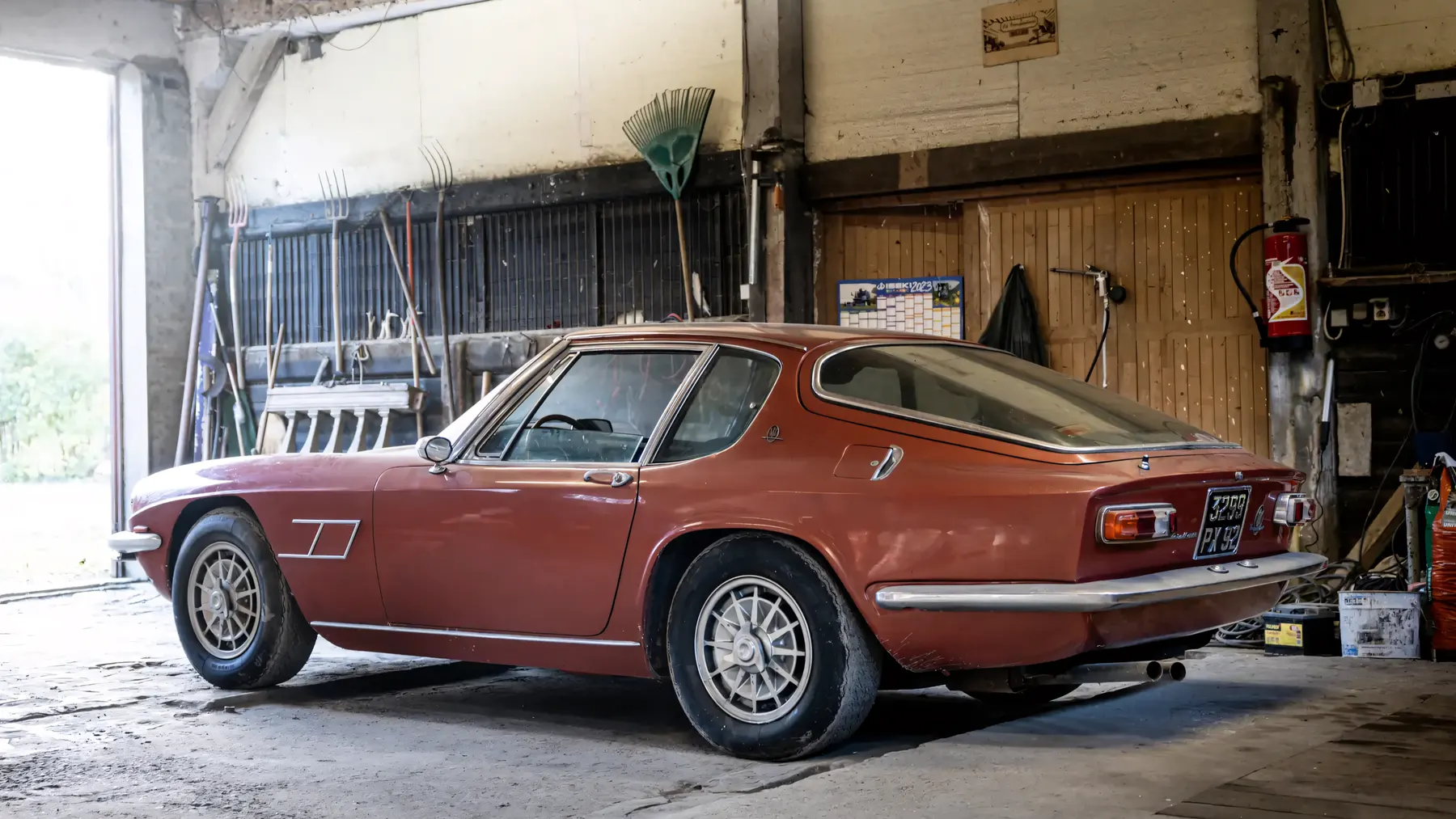
Today, the Mistral is considered one of the finest examples of 1960s Italian grand tourers. It represents a pivotal moment in Maserati’s history, when the brand was transitioning from its illustrious racing past to producing some of the world’s most beautiful and exclusive road cars.
The Maserati Mistral 4.0 Coupé remains a symbol of an era when automotive design was as much about artistry as it was about performance. As the last model to feature Maserati’s famed straight-six engine, it holds a special place in the hearts of enthusiasts and collectors alike. Beautifully designed by Pietro Frua, with a racing pedigree under the hood, the Mistral is a reminder of Maserati’s unmatched ability to blend speed, luxury, and elegance into one unforgettable package.
Join the discussion
Comments
Loading comments…
Leave a comment
Share a detail, memory, or perspective. Every comment is reviewed before publication.